Top 10 Castles around Civitella D'Agliano
Best castles around Civitella D'Agliano are found in a historic village nestled in the Lazio region, offering a glimpse into medieval history. The town's defensive heritage is represented by its fortified structures and other historic sites with castle origins. Civitella D'Agliano is strategically positioned on a tufa rock ridge, overlooking vineyards and the Tiber Valley. This location highlights the historical importance of its castles for defense and territorial control.
Best castles around Civitella D'Agliano
- The most popular castles is Historic…
Last updated: June 30, 2026
Albornoz Fortress (Fortezza dell'Albornoz)
Highlight • Castle
Translated by Google •
Tip by

Historic Village of Montecchio
Highlight • Settlement
Translated by Google •
Tip by

Sign up now to discover places like this
Get recommendations on the best single tracks, peaks, & plenty of other exciting outdoor places.
Sign up for free
Melezzole Village
Highlight • Settlement
Translated by Google •
Tip by
Orsini Castle and Clock Tower, Celleno Antico
Highlight • Castle
Translated by Google •
Tip by

View of Roccalvecce Village and Castello Costaguti
Highlight • Viewpoint
Translated by Google •
Tip by
Sign up for free to discover even more castles around Civitella D'Agliano.
Sign up for free
Already have an account?
Start today with a free account
Your next adventure awaits.
Login or Signup
Tips from the Community

A beautiful park located right next to St. Patrick's Well, offering a stunning view. Just before the entrance, on the right, there's also a beautiful War Memorial.
0
0

Don't miss a visit
0
0

Fundamental attraction of historical and cultural value, located at the entrance to the city. It can be visited completely free of charge. Inside there is a public municipal garden. The latter requires some maintenance work. Four stars for the views that the fortress walls offer. Here I found the CAI headquarters of Orvieto
2
0

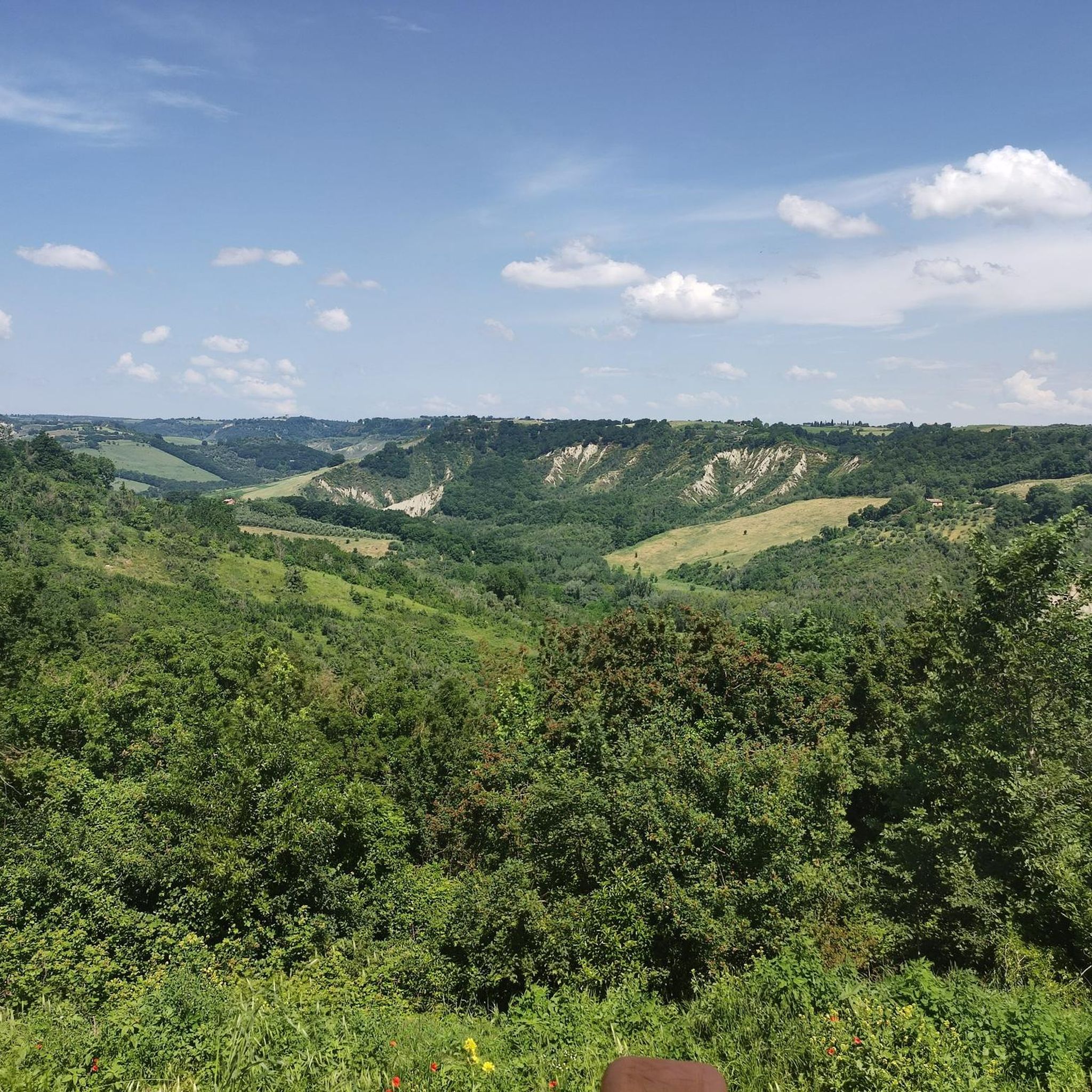
The small village of Roccalvecce has an enchanting location between fields, forests and rock faces. From far away you can see the dominant castle of Costaguti. The Marquis Giovangiorgio Afan de Rivera lives there, a young man in his thirties who now runs a B&B there. The village is originally Etruscan. A fortified castle was built there in the Middle Ages, which later came into the hands of various important families: Monaldeschi, Gatti, Colonna, Chigi. From the 17th century onwards, the Costaguti family became the owner. This family originally came from Genoa, and still owns the castle. Next to the castle there is a church that used to be the property of the castle, but has now been transferred to the curia. Outside the castle, the village is deserted. Many houses are no longer inhabited or are for sale. There are no shops anymore, only a post office that is only open half a day a week. Nevertheless, the village has many assets. The location is very central between Viterbo and Orvieto, from the village you have beautiful panoramic views.
0
0
Past the old monastery you will arrive at the old borgo. The elevated old village has been depopulated since the 19th century and has become a real ruin due to erosion and earthquakes. In 1951 it was completely abandoned. Only the old market square and the castle are accessible, the old houses are completely dilapidated and overgrown with plants over the years. The Orsini castle at the entrance of Celleno antico is the most beautiful building in the borgo. It has a large watchtower and the castle is surrounded by a deep moat. It was recently restored and inhabited by the artist Enrico Castellani. This artist was internationally known (he also studied in Brussels) and died on 1 December 2017. On the old market square you can see a beautiful rectangular bell tower, in 3 layers and made of tuff. Only the walls of the old church San Carlo (17th century), left of the castle, remain. Close to the market square is the church of San Donato from the year 1000 in Romanesque style, with a very beautiful portal in basalt stone.
0
0
Recent archaeological discoveries have confirmed the Etruscan origins (4th-3rd centuries BC) of Celleno Vecchio, a settlement that enjoyed a great position, i.e. the ancient communication route between Orvieto, Bagnoregio and Ferento. Ancient sources provide evidence that this medieval settlement is one of the fortified villages built by the Counts of Bagnoregio between the 10th and 11th centuries. At that time, the village must have consisted of a number of dwellings at the end of the tuff, protected by cliffs on three sides, surrounded by walls and a small fortress, which is now the Orsini Castle, to protect the only access route. At the end of the 12th century, after the destruction of Ferento, the municipality of Viterbo began a rapid expansion in the Tiber Valley, also acquiring Celleno, which in 1237 was one of the castles of the Viterbo area governed by a Podest (high official) appointed by the local government. At the end of the 14th century, the city center fell into the hands of the Gatti family, one of the most powerful families in Viterbo. During this period, the medieval fortress was completely renovated and converted into a fortified stately home that can still be seen today. The Gatti family ruled Celleno until the last heir, Giovanni Gatti, who was killed on the orders of Pope Alexander VI (Borgia) for refusing to return the castle. At the beginning of the 16th century, the municipality fell into the hands of the Orsini family. Interestingly, the castle still bears the name of this family. Only towards the end of the 16th century was the church able to incorporate Celleno into its possessions until the unification of Italy. In modern times, Celleno Vecchio was often affected by earthquakes and landslides, until it was finally abandoned in the 1930s. Today it is a small, charming and evocative ghost village, characterized by ruins and vegetation, with beautiful views of the surrounding landscape.
0
0

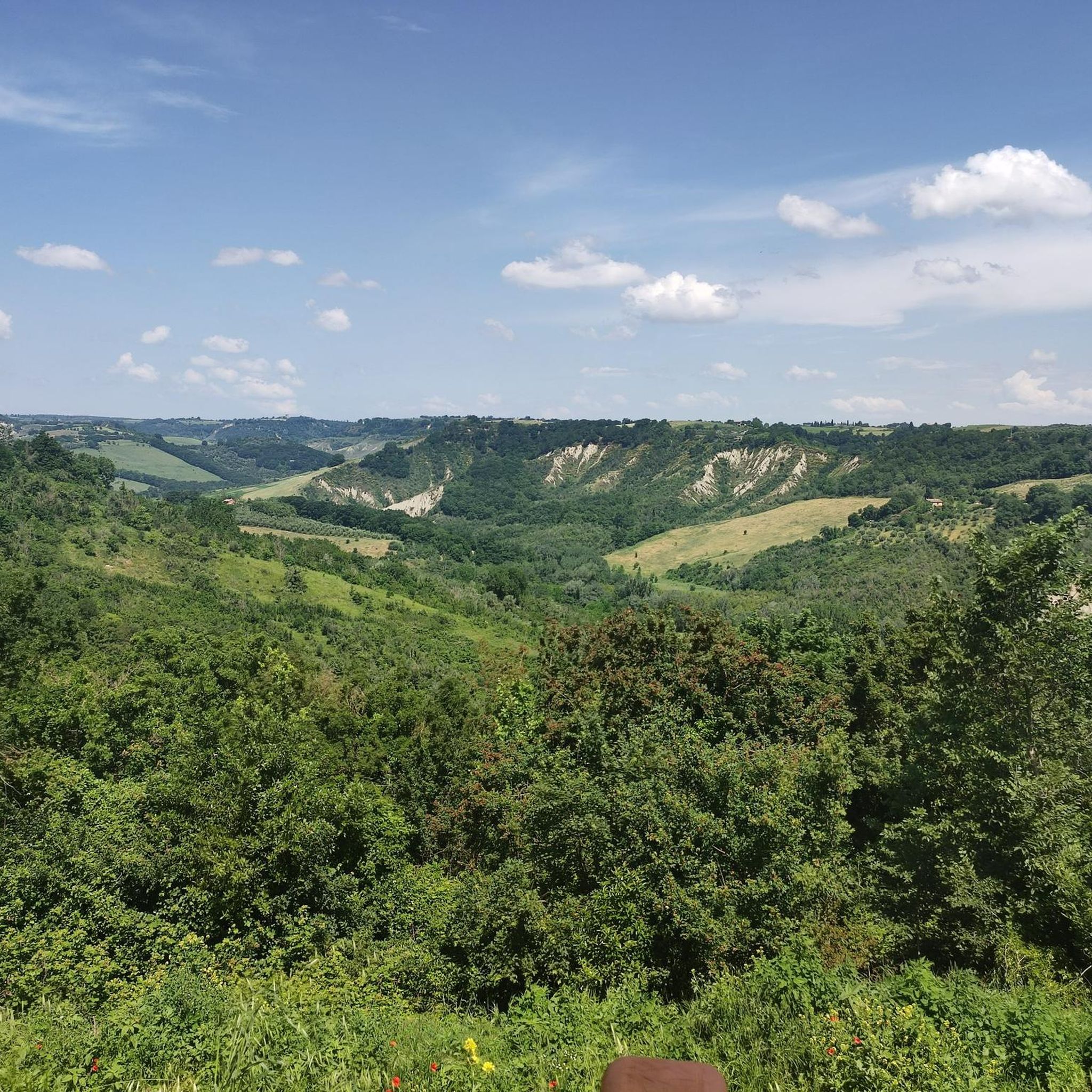
Great view of the surrounding area and the steep flanks of Orvieto, which is built on a tuff plateau.
0
0

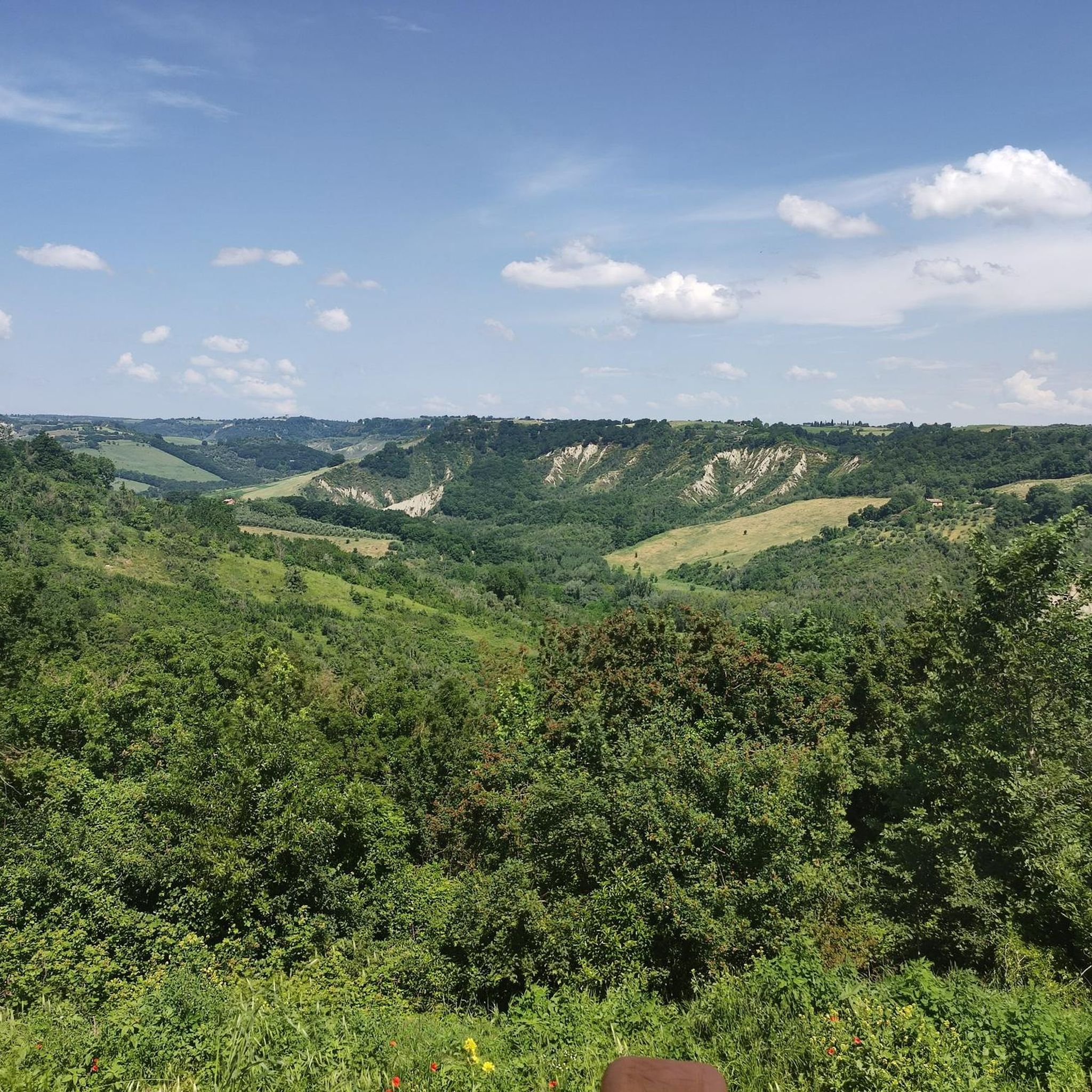
Unfortunately, the view over the eastern part of the city is not that great - it is better to go to the western side of the city wall.
0
0
Frequently Asked Questions
What are the most historically significant fortified structures in Civitella D'Agliano?
The region's defensive heritage is well represented by structures like the Rocca Monaldeschi della Cervara, a 13th-century fortress with imposing ramparts and a panoramic tower. Additionally, the Castello di Santa Maria, dating back to the 11th century, was one of the original fortified structures around which the town developed. While now a private agriturismo, its historical significance is notable.
Are there any family-friendly castles or historical sites to visit?
Yes, several sites are suitable for families. The Albornoz Fortress (Fortezza dell'Albornoz) is a fundamental attraction with historical and cultural value, offering huge views and a public municipal garden inside. The Historic Village of Montecchio, a well-preserved medieval village with castle origins, is also considered family-friendly.
What kind of views can I expect from the castles in the area?
Many of the fortified sites offer impressive panoramic views. From the Rocca Monaldeschi della Cervara, you can enjoy sweeping views of the Tiber Valley and the surrounding countryside from its tower. The Albornoz Fortress (Fortezza dell'Albornoz) provides huge views towards the eastern outskirts of Orvieto. Even the Melezzole Village, built around a medieval castle, offers glimpses of the forest landscape below through its ancient walls.
What is the best time of year to visit the castles around Civitella D'Agliano?
The region is beautiful throughout the year. Spring and autumn offer pleasant temperatures for exploring the outdoor sites and enjoying the scenic views without the intense summer heat. The lush landscapes in summer and the vibrant colors of autumn make for picturesque visits. Winter visits can be charming, especially for exploring the historic cores of the villages.
Can I explore ancient ruins or ghost villages with castle connections?
Yes, you can visit Orsini Castle and Clock Tower, Celleno Antico. This site is a small, charming, and evocative ghost village characterized by ruins and vegetation, with beautiful views. The Orsini Castle at its entrance is the most beautiful building in the borgo, and recent archaeological discoveries confirm its Etruscan origins, with the village being one of the fortified settlements built between the 10th and 11th centuries.
Are there any castles that are less known or considered 'hidden gems'?
While the main structures are well-documented, the historical core of Civitella D'Agliano itself, with its narrow lanes and stone houses, reflects its medieval origins. The Castello di Santa Maria, now a private agriturismo, offers a unique experience of medieval history combined with modern comfort, amidst olive groves and natural beauty, making it a less conventional but historically rich visit.
What outdoor activities can I do near these castles?
The area around Civitella D'Agliano offers various outdoor activities. You can find numerous cycling routes, such as the 'Melezzole Village – Acqualoreto Historic Village loop' or the 'Lake Corbara – Historic town center of Baschi loop'. For mountain biking, there are trails like the 'Tour dei Borghi Silenti' or 'Castello di Prodo – Lake Corbara loop'. Running enthusiasts can explore routes like the 'Celleno Ghost Town loop'. You can find more details on these activities in the cycling, MTB, and running guides for the region.
What kind of historical context do the castles in Civitella D'Agliano offer?
The castles and fortified villages in the area provide a deep dive into medieval history. Structures like the Rocca Monaldeschi della Cervara and the Castello di Santa Maria were vital defensive strongholds, showcasing the region's strategic importance. Sites like the Historic Village of Montecchio and Melezzole Village reveal how communities formed around these fortifications, with well-preserved medieval architecture, alleys, and defense towers.
Are there any castles that are now in ruins but still worth visiting for their historical value?
The Guardea Vecchia Fortress Ruins are a significant example. This ancient fortified nucleus, located in Umbria, still retains parts of its perimeter walls, the central keep, and eight towers. Its origins likely date back to the 9th century, serving as a strategic lookout point over the Tiber valley. It offers a glimpse into the region's defensive past, even in its ruined state.
What amenities can I find near the fortified villages?
In some of the larger fortified villages, you can find basic amenities. For instance, the Melezzole Village, which developed around an ancient medieval castle, has a bar, a butcher, a minimarket, and a fountain for fresh water supplies. For more extensive options, larger towns nearby will offer a wider range of cafes and services.
What do visitors appreciate most about the castles and fortified sites in this region?
Visitors frequently appreciate the well-preserved medieval architecture, the historical significance, and the panoramic views offered by these sites. The charm of exploring ancient alleys, squares, and defense towers, as seen in the Historic Village of Montecchio, is often highlighted. The huge views from places like the Albornoz Fortress are also a major draw.
How accessible are the castles and fortified villages for visitors?
Accessibility varies by site. Many of these structures are medieval, meaning they may involve uneven terrain, stairs, or narrow passages. The Albornoz Fortress has a public municipal garden inside, which might offer easier access in parts. For specific accessibility needs, it's advisable to check individual site details or contact local tourist information, such as Visit Lazio, before your visit.
Most popular routes around Civitella D'Agliano
Most popular attractions around Civitella D'Agliano

Get inspired with the komoot mobile app


Explore more
Looking for the best castles somewhere else? Discover other guides around Civitella D'Agliano:
