Top 11 Castles around Marsciano
Castles around Marsciano are situated in the heart of Umbria, Italy, an area known for its historical richness and diverse natural landscapes. The region features a collection of medieval castles, many of which served as defensive strongholds for Perugia. These sites are often located on hills, providing panoramic views of the surrounding valleys and countryside. The area combines historical exploration with opportunities to experience Umbria's natural environment.
Best castles around Marsciano
- The most popular castles is Montali Castle, a…
Last updated: June 30, 2026
Castle of St. Apollinaris
Highlight • Castle
Translated by Google •
Tip by

Montali Castle
Highlight • Castle
Translated by Google •
Tip by

Sign up now to discover places like this
Get recommendations on the best single tracks, peaks, & plenty of other exciting outdoor places.
Sign up for free
Agello
Highlight • Settlement
Translated by Google •
Tip by

Cibottola Castle
Highlight • Castle
Translated by Google •
Tip by

Castello di Greppolischieto
Highlight • Castle
Translated by Google •
Tip by

Sign up for free to discover even more castles around Marsciano.
Sign up for free
Already have an account?
Start today with a free account
Your next adventure awaits.
Login or Signup
Other adventures around Marsciano

Tips from the Community

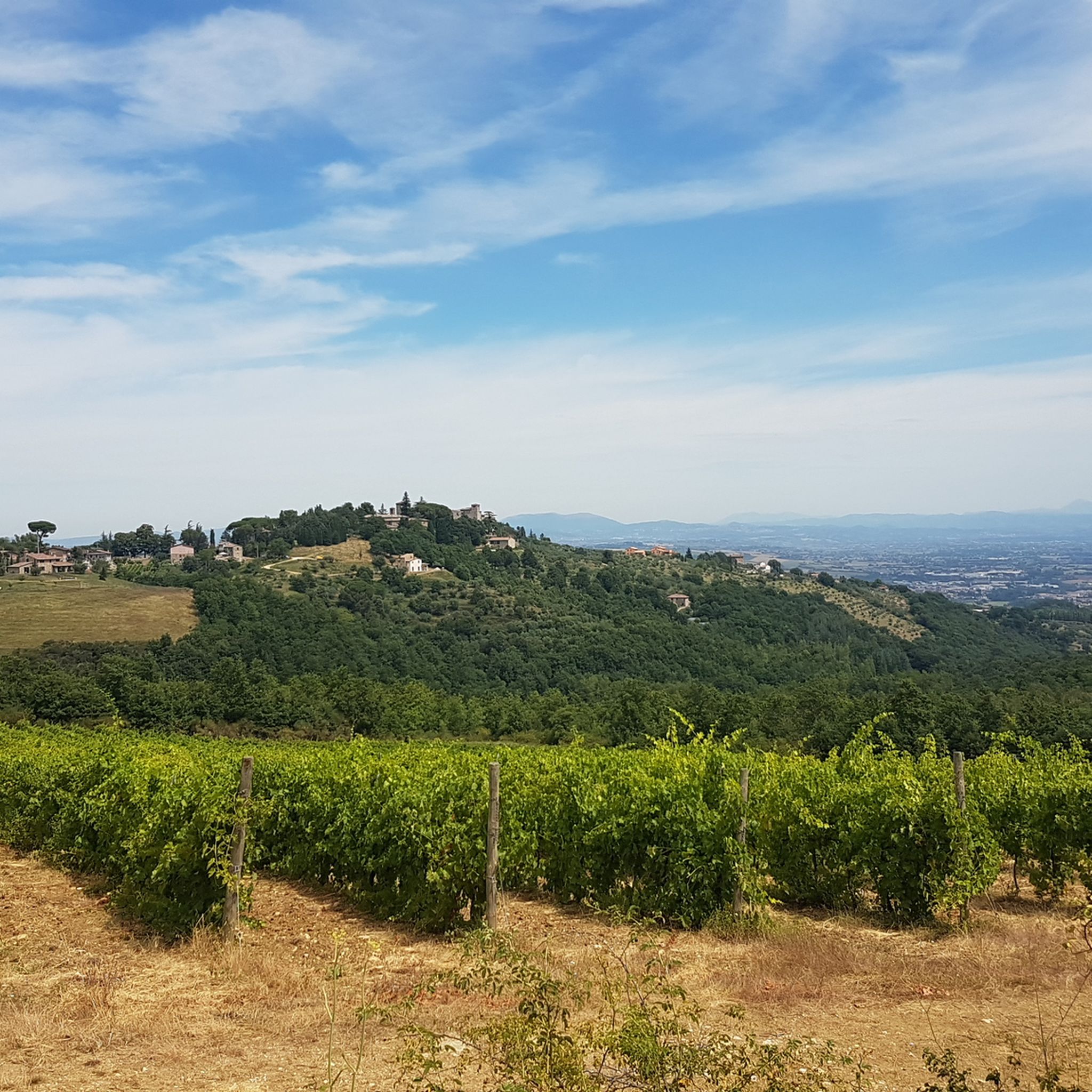
Located near the village of Spina, the Rocca di Sant'Apollinare is a place rich in history and timeless images. Once a defensive fortress, it became a place of worship and production, and today it is immersed in a centuries-old olive grove. Getting there requires a bit of effort, but the reward is guaranteed.
0
0

Montali Castle, located in the hills above Panicale, is a private manor surrounded by centuries-old olive groves. It retains a 12th-century tower and part of the original walls, offering a charming natural terrace with breathtaking views of Lake Trasimeno. Now a private residence, it offers 360° views that span from the Nestore Valley to the plains and the lake below.
0
0

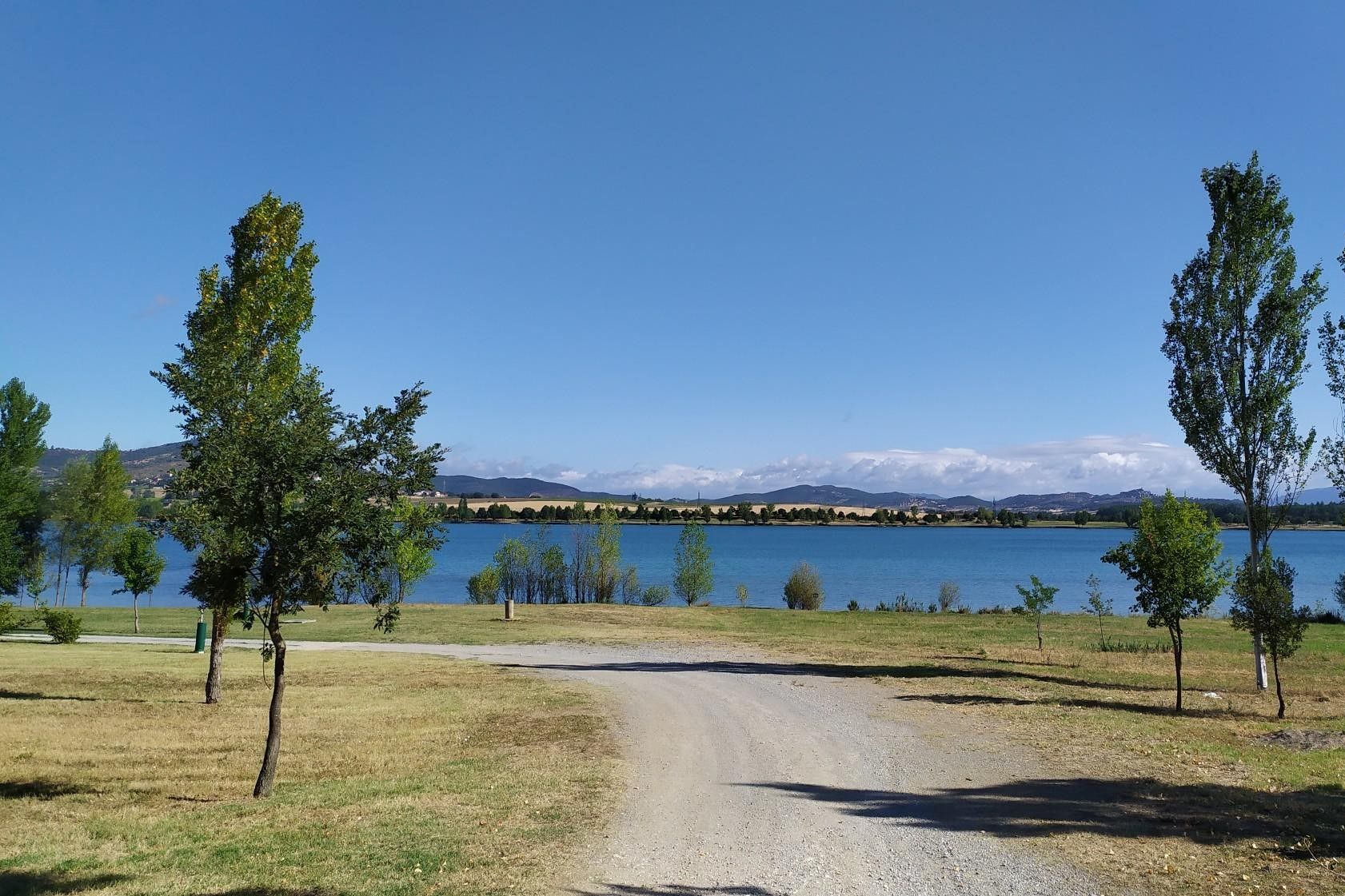
Suggestive castle and beautiful view of the artificial lake of Pietrafitta
0
0

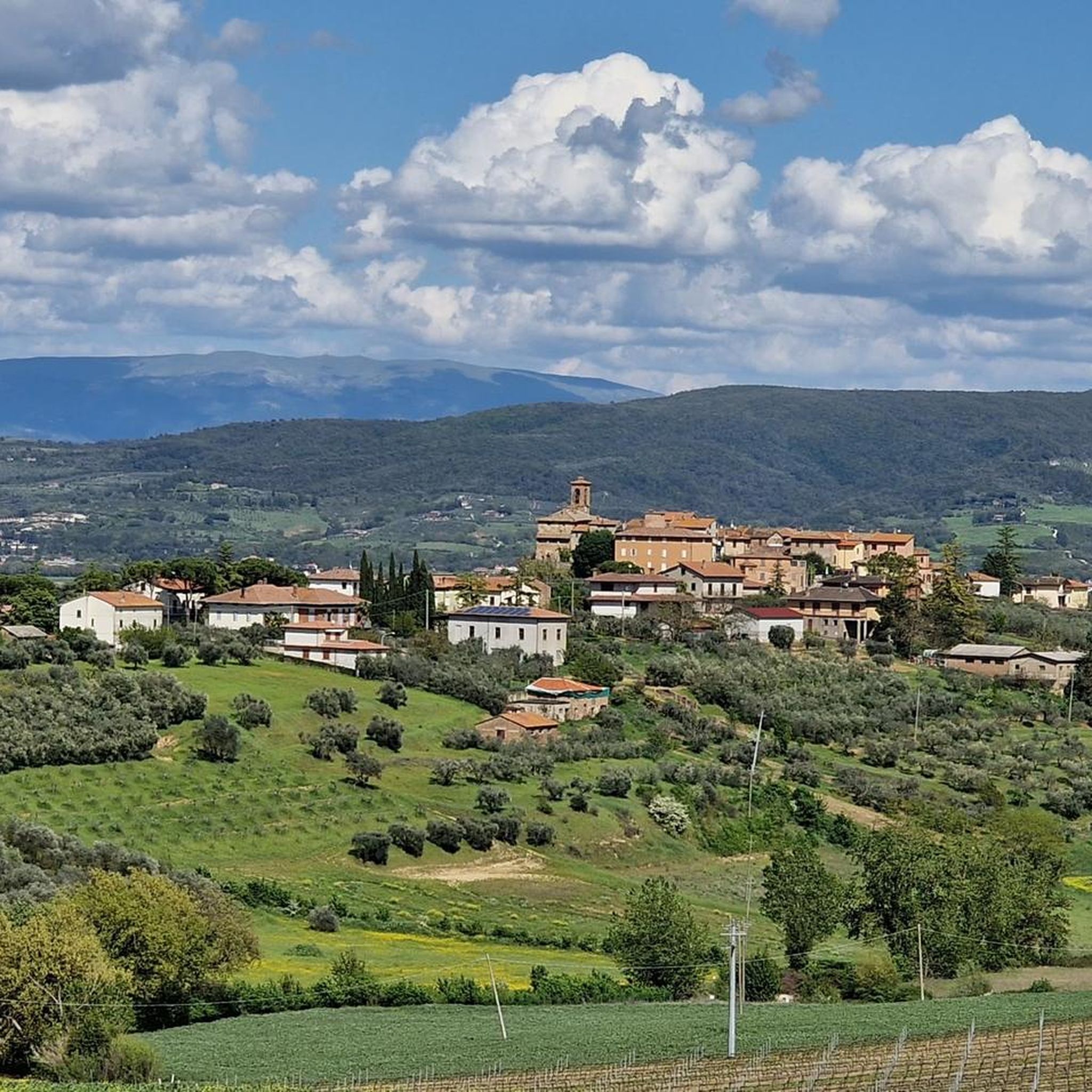
Sant'Apollinare belongs to the municipality of Marsciano and is a beautiful panoramic point over the Fersenone Valley. Designed as a military building, the castle, along with many others in Umbria, was part of a circle of castles built to defend the city of Perugia from the south side on the Byzantine walls. The origins of the Castle of San Apollinare probably date back to the 10th century.
1
0
Agello dominates the valleys that extend from Perugia towards the Trasimeno and towards Città della Pieve. It can be reached from several sides, always with fairly steep climbs. deserves!
1
0

The fortress is located at a height of 471 meters in the village of the same name, a hamlet in the municipality of Piegaro and its prominent position offers visitors the vision of a truly breathtaking panorama of the surrounding territories. The most impressive and characteristic symbol of the Castle is the heptagonal tower.
0
0

Private castle, panorama on Trasimeno lake
0
0

Wandering you can also make nice encounters.
0
0
Frequently Asked Questions
What historical significance do the castles around Marsciano hold?
The castles in the Marsciano area, such as Castello Monticelli and Castle of St. Apollinaris, played a crucial role in the region's history. Many, like Castello Monticelli, were originally built as defensive strongholds by the Eastern Roman Empire against the Lombards, later serving as monasteries or aristocratic residences. Castle of St. Apollinaris, dating back to the 10th century, was part of a network defending Perugia.
Which castles offer the best panoramic views?
Several castles around Marsciano are renowned for their stunning vistas. Castello Monticelli provides 360-degree views encompassing Perugia, Monte Subasio, and Monte Amiata. Castello di Greppolischieto offers an exceptionally open panorama stretching across Lake Trasimeno, Perugia, and the Fersinone valley. Cibottola Castle, situated at 471 meters, also boasts a wide, breathtaking panorama.
Are there any castles that offer a unique historical or architectural experience?
Yes, Castello Monticelli is a prime example, featuring eight buildings, including three military towers with walls up to 1.6 meters thick from the 6th century A.D. It also houses the Chapel of St. Paul and St. Ubaldo, preserving valuable frescoes from 1315-1319. Castle of St. Apollinaris retains its high medieval origins, including a 13th-century crenellated tower and a panoramic walkway along its ancient walls.
What kind of natural features can I expect to see near these castles?
The castles are often set amidst beautiful natural landscapes. Castle of St. Apollinaris offers panoramic views over the Fersenone Valley and is immersed in a centuries-old olive grove. Montali Castle is surrounded by ancient olive groves and provides breathtaking views of Lake Trasimeno. Castello di Montelagello and Castello di Migliano face the Fersinone River valley, an area celebrated for its untouched nature.
Are there family-friendly castles or activities in the Marsciano area?
While specific family-friendly activities vary by castle, the village of Agello, with its 12th-century castle, is noted as family-friendly. Exploring the historical architecture and enjoying the panoramic views can be an engaging experience for families. Many castles are integrated into charming villages, offering pleasant walks and opportunities to discover local culture.
What outdoor activities can I do near the castles around Marsciano?
The region offers a variety of outdoor activities. You can find numerous MTB Trails around Marsciano, including routes like the 'Cibottola Castle and Nestore River Loop'. There are also dedicated Running Trails and Cycling routes around Marsciano, allowing you to explore the scenic countryside and historical sites.
What do visitors enjoy most about the castles around Marsciano?
Visitors particularly appreciate the stunning panoramic views, the rich historical architecture, and the sense of stepping back in time. The integration of castles within charming villages and the surrounding natural beauty, such as olive groves and valleys, also contribute to a memorable experience. The komoot community has upvoted more than 10 highlights and shared over 10 photos, reflecting the area's appeal.
Is it possible to stay overnight in any of the castles?
Yes, Castello Monticelli has been transformed into a historic residence and hotel, offering guests the unique experience of staying within ancient walls. Castello di Sant'Apollinare, following its careful restoration, is also suitable for tourist accommodation, among other uses.
Are there any hidden gem castles or lesser-known sites worth visiting?
While not as extensively detailed as others, Castello di Montelagello and Castello di Migliano are considered notable points of interest. They are situated facing the Fersinone River valley, an area known for its untouched nature, offering a quieter, more secluded historical experience.
What is the best time to visit the castles around Marsciano?
The region of Umbria generally enjoys pleasant weather in spring (April-May) and autumn (September-October), making these ideal times for exploring the castles and their surrounding landscapes. During these seasons, the temperatures are mild, and the natural scenery is particularly beautiful, perfect for outdoor activities like hiking and cycling.
Are there any specific challenges or tips for visiting these castles?
Some castles, like Castle of St. Apollinaris, may require a bit of effort to reach, but the reward of history and views is guaranteed. For private properties like Montali Castle, it's advisable to ask for permission from the owners if you wish to enter or explore beyond public areas.
Most popular routes around Marsciano
Most popular attractions around Marsciano

Get inspired with the komoot mobile app


Explore more
Looking for the best castles somewhere else? Discover other guides around Marsciano:
