Top 8 Castles around Piegaro
Best castles around Piegaro offer a glimpse into medieval life within the Umbria region of Italy. This area is characterized by its historical fortified settlements and natural landscapes, including olive groves and panoramic views. The castles and villages are often situated on elevated positions, providing expansive vistas of the surrounding valleys and Lake Trasimeno. Piegaro's rich history is reflected in its well-preserved sites, many of which date back to the 10th to 14th centuries.
Best castles around Piegaro
- The most…
Last updated: October 3, 2026
Castle of St. Apollinaris
Highlight • Castle
Translated by Google •
Tip by

Montali Castle
Highlight • Castle
Translated by Google •
Tip by

Sign up now to discover places like this
Get recommendations on the best single tracks, peaks, & plenty of other exciting outdoor places.
Agello
Highlight • Settlement
Translated by Google •
Tip by

Cibottola Castle
Highlight • Castle
Translated by Google •
Tip by

Castello di Greppolischieto
Highlight • Castle
Translated by Google •
Tip by

Sign up for free to discover even more castles around Piegaro.
Already have an account?
Start today with a free account
Your next adventure awaits.
Tips from the Community

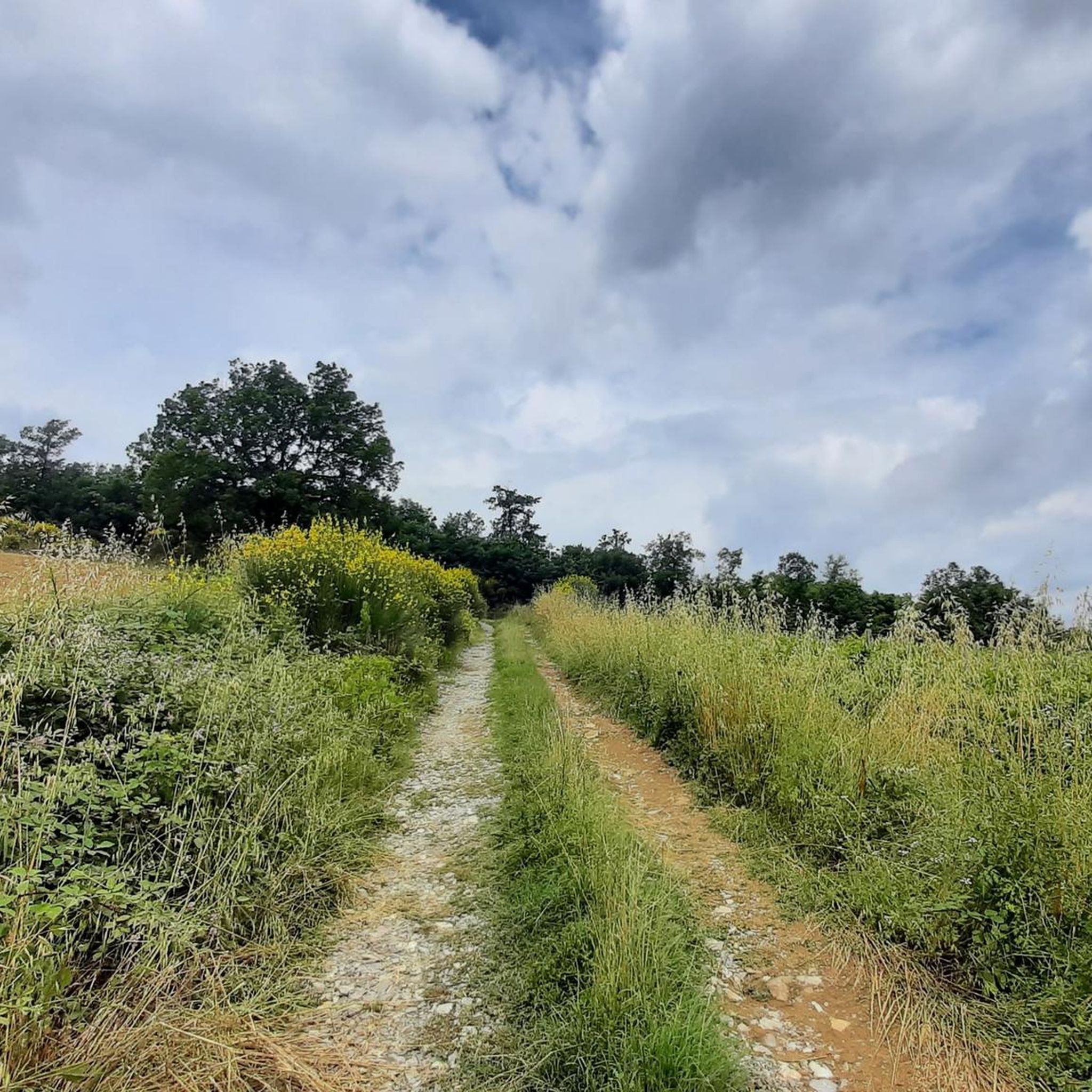
Located near the village of Spina, the Rocca di Sant'Apollinare is a place rich in history and timeless images. Once a defensive fortress, it became a place of worship and production, and today it is immersed in a centuries-old olive grove. Getting there requires a bit of effort, but the reward is guaranteed.
0
0

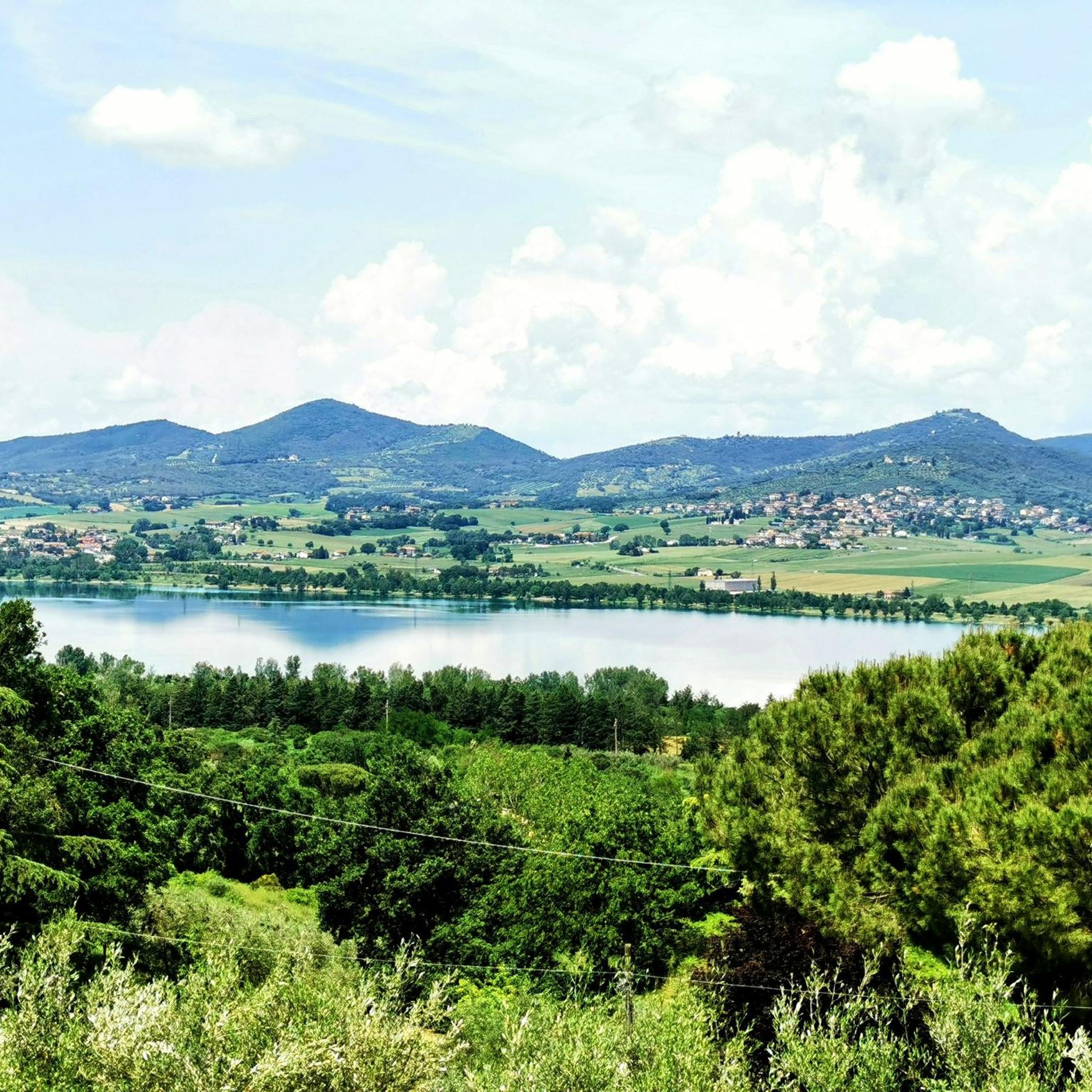
Montali Castle, located in the hills above Panicale, is a private manor surrounded by centuries-old olive groves. It retains a 12th-century tower and part of the original walls, offering a charming natural terrace with breathtaking views of Lake Trasimeno. Now a private residence, it offers 360° views that span from the Nestore Valley to the plains and the lake below.
0
0

Suggestive castle and beautiful view of the artificial lake of Pietrafitta
0
0

Sant'Apollinare belongs to the municipality of Marsciano and is a beautiful panoramic point over the Fersenone Valley. Designed as a military building, the castle, along with many others in Umbria, was part of a circle of castles built to defend the city of Perugia from the south side on the Byzantine walls. The origins of the Castle of San Apollinare probably date back to the 10th century.
1
0
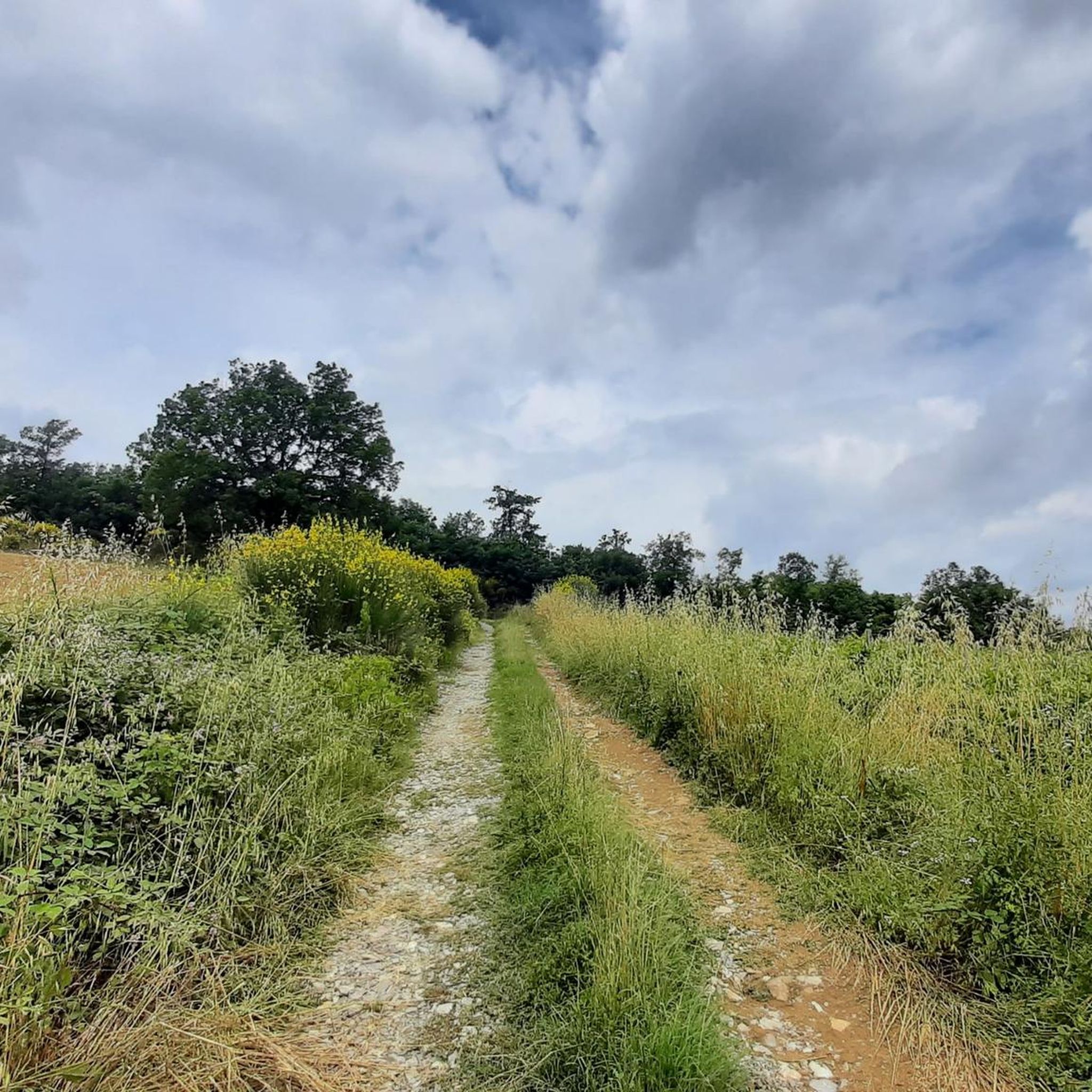
Agello dominates the valleys that extend from Perugia towards the Trasimeno and towards Città della Pieve. It can be reached from several sides, always with fairly steep climbs. deserves!
1
0

The fortress is located at a height of 471 meters in the village of the same name, a hamlet in the municipality of Piegaro and its prominent position offers visitors the vision of a truly breathtaking panorama of the surrounding territories. The most impressive and characteristic symbol of the Castle is the heptagonal tower.
0
0

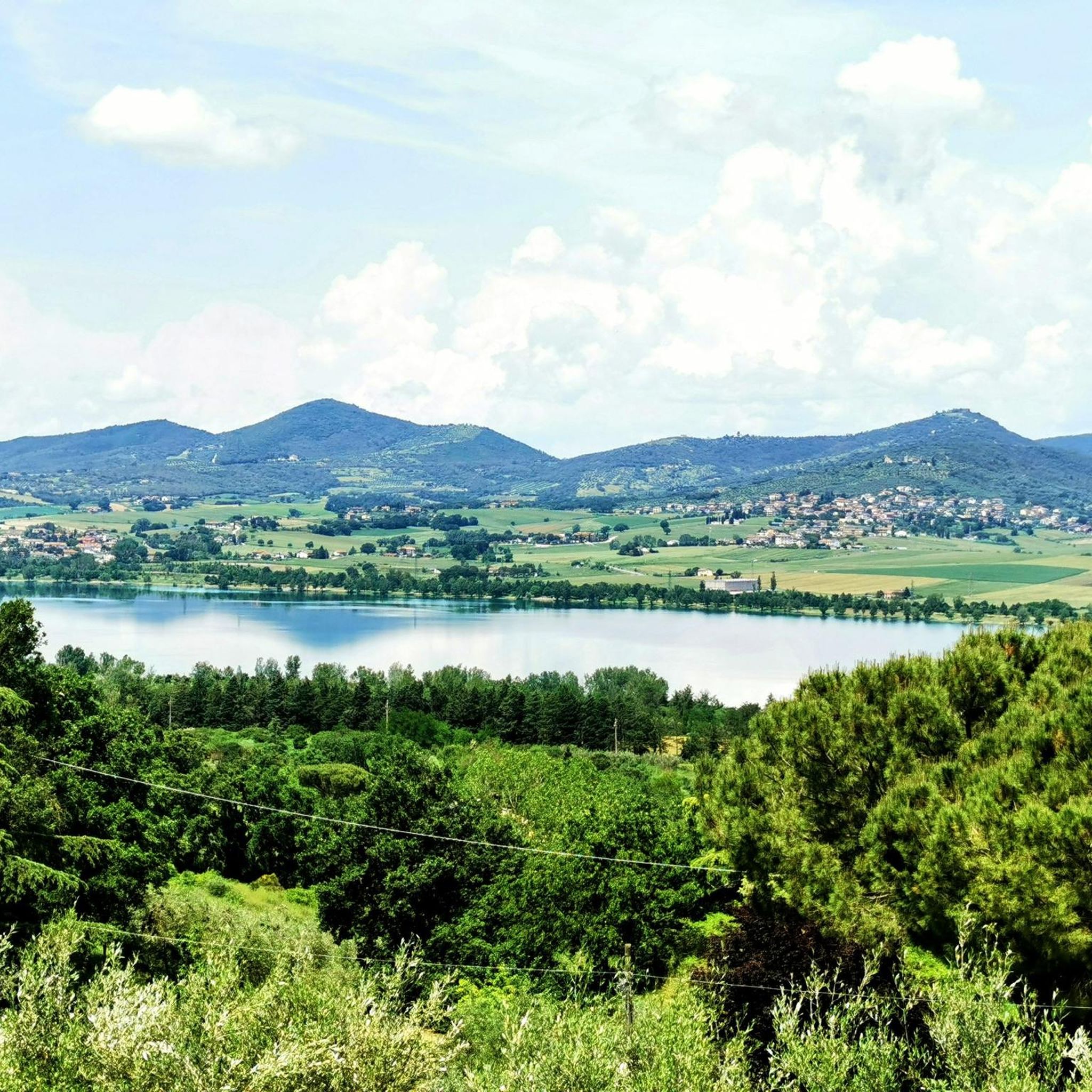
Private castle, panorama on Trasimeno lake
0
0

Wandering you can also make nice encounters.
0
0
Frequently Asked Questions
What are some of the most historically significant castles or settlements around Piegaro?
The region around Piegaro is rich in history. Cibottola Castle is a well-preserved medieval fortress with a distinctive seven-sided tower and a 10th-century church. Gaiche is notable as a fortified medieval settlement that became an autonomous republic in the 13th century. The Abbey of the Seven Friars (Pietrafitta) transitioned from a 12th-century Benedictine monastery to a fortified dwelling, offering a unique blend of religious and military history.
Are there any castles around Piegaro that offer panoramic views?
Yes, several castles and settlements provide stunning vistas. Montali Castle, though a private residence, offers breathtaking views of Lake Trasimeno from its natural terrace. Castello di Greppolischieto provides an open panorama stretching from Lake Trasimeno to Perugia and the Marche Apennines. Additionally, Cibottola Castle, situated at 471 meters, offers a truly impressive panorama of the surrounding territories.
Which castles are suitable for families with children?
The village of Agello, with its 12th-century castle, is considered family-friendly and offers views over the Capanne plain and Lake Trasimeno. While not a castle, the Abbey of the Seven Friars (Pietrafitta) might appeal to families with its gardens, private chapel, and a Micro Museum of Rural Culture, offering diverse points of interest beyond just historical architecture.
Can I find hiking or cycling routes near the castles of Piegaro?
Yes, the area around Piegaro offers various outdoor activities. You can find numerous road cycling routes, touring bicycle routes, and MTB trails that pass by or near these historical sites. For detailed routes and difficulty levels, explore the Road Cycling Routes around Piegaro, Cycling around Piegaro, and MTB Trails around Piegaro guides.
Are there any unique architectural features to look out for in the castles?
Absolutely. Cibottola Castle is famous for its distinctive heptagonal (seven-sided) tower. Castiglion Fosco features a prominent cylindrical 15th-century tower that stands 25 meters high. These unique structures offer a glimpse into the varied defensive and architectural styles of the medieval period.
What kind of natural surroundings can I expect when visiting castles near Piegaro?
The castles around Piegaro are often nestled in beautiful natural landscapes. You'll find sites surrounded by centuries-old olive groves, such as Montali Castle. Greppolischieto is set amidst picturesque oak and chestnut woods. Many locations are on elevated positions, providing expansive views of valleys and the distant Lake Trasimeno, offering a blend of history and scenic beauty.
Are there any castles that offer a luxurious or unique stay experience?
Castello di Macereto is a renovated 1400s residence that offers a luxurious experience within a historical setting. It features luxury suites, spacious halls, an outdoor pool, and a 360-degree panoramic tower, blending modern comforts with medieval charm.
What is the best season to visit the castles around Piegaro?
While specific weather information isn't provided, Umbria generally enjoys pleasant weather in spring (April-May) and autumn (September-October), making these ideal times for exploring historical sites and enjoying outdoor activities without the intense summer heat. The lush landscapes are also particularly beautiful during these seasons.
Are there any castles that are privately owned, limiting access?
Yes, Castello di Greppolischieto is a medieval castle that is now privately owned, which may limit direct access to the castle building itself. Similarly, Montali Castle is a private residence. However, the surrounding villages, churches, and scenic locations are often still accessible and worth visiting.
What cultural or religious sites are often found alongside these castles?
Many castles in the Piegaro region are accompanied by significant religious structures. For example, near Cibottola Castle, you can find the 10th-century Church of San Fortunato with 14th-century frescoes. Gaiche features the 13th-century Church of San Lorenzo, and Greppolischieto has a beautiful 14th-century Church of San Lorenzo. Castiglion Fosco includes the church of Santa Croce, housing an 18th-century wooden cross and 16th-century paintings.
What do visitors appreciate most about the castles around Piegaro?
Visitors frequently highlight the stunning panoramic views, the rich historical atmosphere, and the well-preserved medieval architecture. The opportunity to explore sites like Cibottola Castle with its unique heptagonal tower, or to experience the open panoramas from places like Castello di Greppolischieto, are often mentioned as key attractions. The blend of history and natural beauty is a consistent draw.
Are there any castles that were primarily defensive military structures?
Many castles in the region originated as military buildings. Castle of St. Apollinaris, for instance, was designed as a military building and was part of a circle of castles defending Perugia. Cibottola Castle is also a well-preserved fortress, showcasing military architecture with its entrance gate and tower.
Most popular attractions around Piegaro

Get inspired with the komoot mobile app


Explore more
Looking for the best castles somewhere else? Discover other guides around Piegaro:
