Top 5 Castles around Cinigiano
Best castles around Cinigiano are found in a region characterized by rolling hills, vineyards, and olive groves in the Maremma area of Tuscany. The area's strategic importance during the medieval period led to the construction of numerous fortified structures. These historical sites offer insights into centuries of Tuscan history. The landscape provides a backdrop for exploring these ancient fortifications.
Best castles around Cinigiano
- The most popular castles is Aldobrandesca Fortress of Arcidosso, a castle that dates back to the…
Last updated: June 30, 2026
Casa della Memoria, Batignano
Highlight • Historical Site
Translated by Google •
Tip by

Castello di Poggio alle Mura
Highlight • Castle
Translated by Google •
Tip by

Sign up now to discover places like this
Get recommendations on the best single tracks, peaks, & plenty of other exciting outdoor places.
Sign up for free
Historic center of Arcidosso
Highlight • Castle
Translated by Google •
Tip by

Colonne della Sabatina
Highlight • Historical Site
Translated by Google •
Tip by
Castello di Potentino
Highlight • Castle
Showing Translation
Tip by

Sign up for free to discover even more castles around Cinigiano.
Sign up for free
Already have an account?
Start today with a free account
Your next adventure awaits.
Login or Signup

Tips from the Community


The "Casa della Memoria" in Batignano (a hamlet of Grosseto) is linked to the historical enhancement of the medieval village and to local religious figures, such as the venerable Father Giovanni Nicolucci. The village, a former fief of the Aldobrandeschi family, preserves walls, towers, and a convent (Santa Croce) that safeguard local history.
0
0

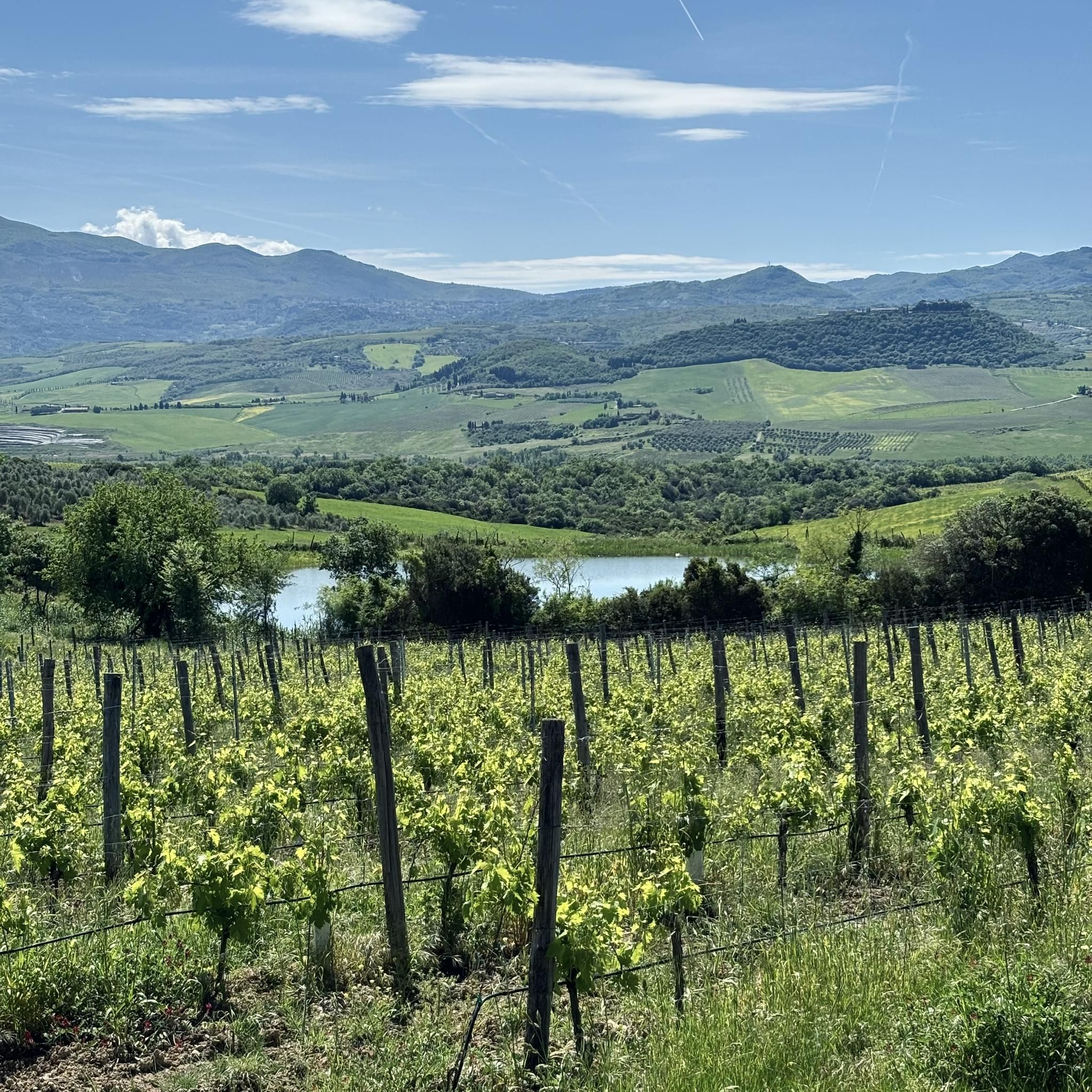
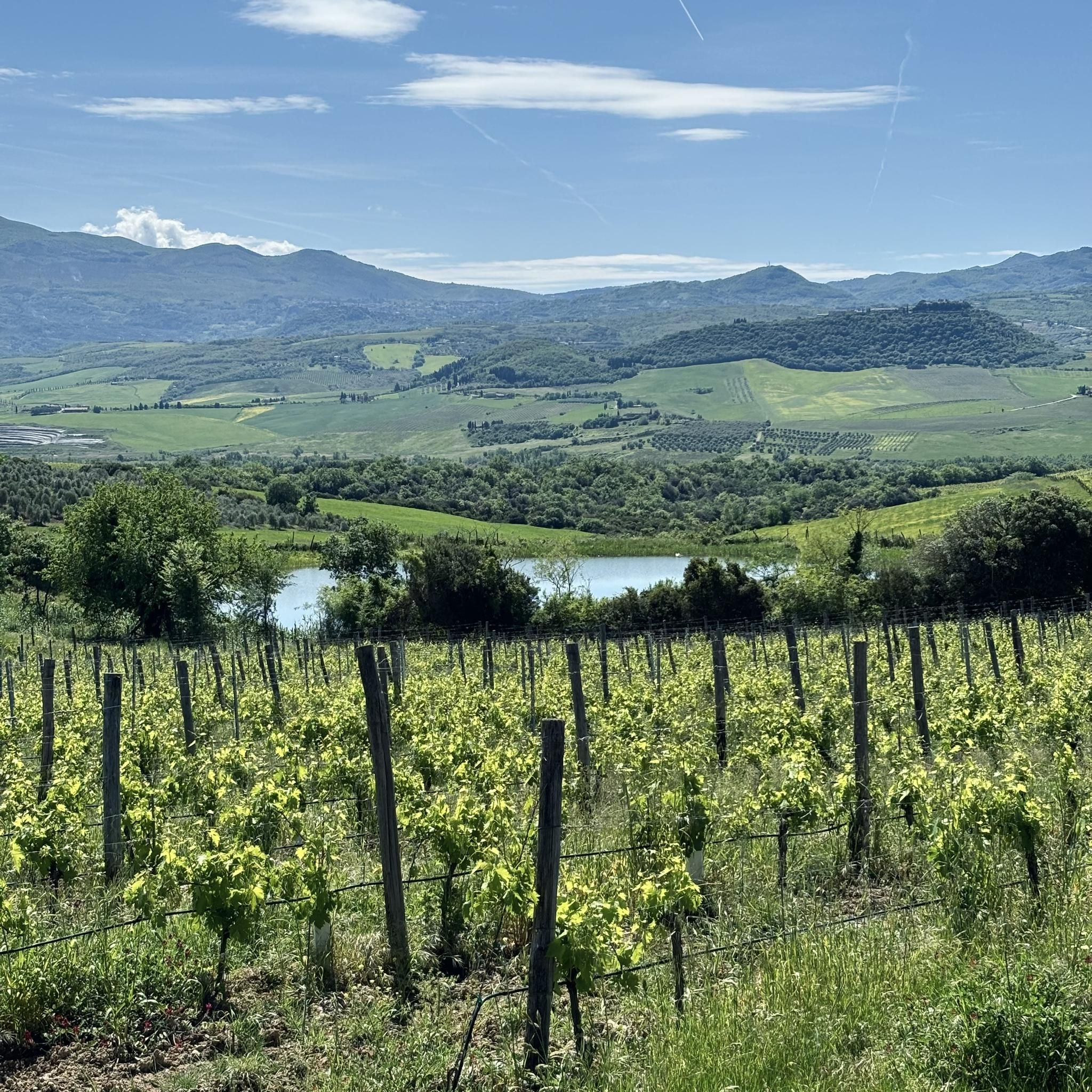
In the spectacular scenery of the Grosseto countryside, nestled between gentle hills dotted with olive trees, the small village of Batignano suddenly appears to the gaze of those who travel, which blends perfectly with the environment in an example of absolute harmony. The castle owes its importance in the Middle Ages to the mines from which silver and lead were extracted, to be located in the area towards Montorsaio. As if suspended in time, the urban nucleus, a handful of houses marked by narrow streets, small arches, churches, archaeological finds and small open spaces, is a paradise for those seeking a journey between tranquility and peace.
1
0

A real castle that is also a working organic farm, where excellent artisanal olive oil and single-varietal wines are produced.
0
0

Beautiful castle very well preserved with a small museum inside. It is also called Banfi castle as it is the seat of this established and famous winery.
1
0
“La Nave” is a magical place…
2
0

Batignano is a characteristic medieval village, still today you can admire the remains of the city walls, the keep, the towers, the doors and a three-arched loggia. Like many other fiefdoms in the area, it belonged to the Aldobrandeschi family. The Walls of Batignano constitute the defensive system of the village, part of the municipality of Grosseto. A first city wall was built in Batignano during the 12th century to defend the noble area located in the upper part of the town. As time passed, the center increasingly expanded towards the concentric plateau located at a lower level than the pre-existing noble area; once this process was completed, there was the need to build a further defensive device that would protect the less ancient part. The construction of the new walls, more external than the pre-existing ones, continued between the thirteenth and fourteenth centuries and, once completed, they took on a roughly elliptical perimeter. In the following centuries, the Walls of Batignano followed the fate of the rest of the village, undergoing periods of decline followed by renovation and urban redevelopment works, which led, among other things, to incorporating some sections of curtain wall into the perimeter walls exteriors of residential buildings. The Walls of Batignano can be divided into two distinct concentric circles, an older internal one and a relatively more modern external one. The internal walls, trapezoidal in shape, have been almost incorporated into the external walls of the buildings located in the upper part of the centre, among which the ancient keep and a turreted building are recognisable. The external wall, roughly elliptical in shape, entirely delimits the village, alternating some sections of curtain which have perfectly preserved the original medieval characteristics (western bank of the circle) with others which are incorporated into the external perimeter walls of some buildings. Two doors open along the external wall (to the north-east and south-west), while a tower rises along the western bank.
3
0

The Castle of Poggio alle Mura dates back to around 1500 and there are still some underground passages dug into the tuff visible. It is very characteristic of these areas and the surrounding area is a pleasure to run immersed in the nature of these magnificent hills!
0
0
Frequently Asked Questions
Which castles are most popular to visit around Cinigiano?
Visitors frequently enjoy the Aldobrandesca Fortress of Arcidosso, an imposing 11th-century structure overlooking Arcidosso. Another favorite is Giocondo Castle, an ancient fortress from 1100 that once defended the road to Siena. Castello di Poggio alle Mura, also known as Castello Banfi, is also highly appreciated for its historical significance and current role as a wine estate.
Are there any family-friendly castles or activities near Cinigiano?
While many castles offer historical interest, Castello di Poggio alle Mura (Castello Banfi) is categorized as family-friendly. It houses a Glass and Wine Museum, which can be an engaging experience for older children and adults. The surrounding areas also offer opportunities for gentle walks and exploring the Tuscan countryside.
What outdoor activities can I do near the castles around Cinigiano?
The Cinigiano area is excellent for outdoor enthusiasts. You can find numerous hiking trails, including moderate routes like the Sant'Angelo in Colle Loop. For cyclists, there are cycling routes such as the Poggi del Sasso – Cinigiano loop. Mountain biking is also popular, with MTB trails like the Passo del Lume Spento and Sant'Angelo Loop available.
Which castles offer a unique historical experience beyond just ruins?
Porrona Castle, located near Cinigiano, offers a well-preserved medieval experience with its 13th-century Porta Senese and the Cassero (Palazzo Tolomei) showcasing a blend of medieval and Renaissance influences. The Church of San Donato, with late Romanesque origins, is also integrated into its defensive walls. Casa della Memoria in Batignano is another excellent example, where you can explore the remains of city walls, a keep, towers, and ancient loggias within a characteristic medieval village.
Are there any castles that have been converted into accommodations or offer special experiences?
Yes, Castello di Vicarello, a 12th-century castle nestled in the Maremma region, has been transformed into an exquisite boutique hotel. It offers a luxurious retreat with unique suites, fine dining, award-winning wines, cooking classes, e-bike tours, and truffle hunting experiences amidst organic vineyards and olive groves.
What is the best time of year to explore the castles around Cinigiano?
The best time to explore the castles and the surrounding Tuscan countryside is typically during the spring (April to June) and autumn (September to October). During these seasons, the weather is pleasant for outdoor activities like hiking and cycling, and the landscapes are particularly beautiful with blooming flowers or vibrant fall colors. Summer can be hot, while winter might offer a quieter experience but with potentially colder weather and shorter opening hours for some sites.
Can I find viewpoints with good views of the castles or the surrounding area?
Many of the castles, due to their strategic defensive locations, offer excellent viewpoints. The Aldobrandesca Fortress of Arcidosso, for instance, overlooks the town and provides splendid views. Similarly, Giocondo Castle is noted for its panoramic views, especially over the Brunello di Montalcino vineyards. Exploring the trails around these castles will often lead to scenic vistas.
Are there any castles near Cinigiano that are less known or considered 'hidden gems'?
While not extensively detailed in general guides, the ruins of Colonne della Sabatina offer a glimpse into a medieval castle that was once a possession of the San Galgano abbey and is even mentioned in Dante's Divine Comedy. Its column-like ruins stand on a hill between Arcille and Baccinello, providing a unique historical site away from the more prominent attractions.
What kind of historical significance do the castles in the Cinigiano area hold?
The castles around Cinigiano are deeply rooted in medieval history, often built by Sienese families like the Aldobrandeschi to defend strategic routes and territories. Structures like Porrona Castle and the fortifications of Cinigiano itself date back to the 12th and 13th centuries, showcasing the region's importance during conflicts between Siena and Florence. They represent centuries of Tuscan history, from defensive strongholds to Renaissance reconstructions and even modern-day transformations into wine estates or luxury hotels.
Are there options for dining or accommodation near the castles?
Yes, the Cinigiano area, being part of Tuscany, offers various options. Castello di Vicarello, for example, provides fine dining within its boutique hotel setting. Many agriturismos (farm stays) are scattered throughout the countryside near the castles, offering local cuisine and accommodation. Towns like Cinigiano and nearby villages will also have local restaurants and cafes.
Is it possible to visit Castello di Colle Massari or Castello di Vicariello?
Castello di Colle Massari and Castello di Vicariello are recognized as 13th-century military fortifications and medieval castles, underscoring the region's fortified past. While their specific visitor access details are not widely publicized, they contribute to the historical landscape. For current visiting information, it's advisable to check local tourism resources or contact the properties directly, as some may be private or have limited access.
Most popular routes around Cinigiano
Most popular attractions around Cinigiano

Get inspired with the komoot mobile app


Explore more
Looking for the best castles somewhere else? Discover other guides around Cinigiano:
