Top 7 Castles around Suvereto
Best castles around Suvereto are found in a picturesque medieval village in Tuscany, known for its rich history and strategic defensive structures. The region features rolling Tuscan hills, olive groves, and a distant coastline. These historical sites provide a tangible connection to the area's medieval past. The landscape offers a blend of cultural significance and natural beauty.
Best castles around Suvereto
- The most popular castles is Massa Marittima Historic Center, a historical site that is a medieval town situated…
Last updated: October 3, 2026
Suvereto Historic Center
Highlight • Settlement
Translated by Google •
Tip by

Historic Center of Campiglia Marittima
Highlight • Settlement
Translated by Google •
Tip by

Sign up now to discover places like this
Get recommendations on the best single tracks, peaks, & plenty of other exciting outdoor places.
Massa Marittima Historic Center
Highlight • Historical Site
Translated by Google •
Tip by

Church of the Most Holy Annunciation (Ruins)
Highlight • Religious Site
Located on a wonderful bike route
Translated by Google •
Tip by

San Silvestro Fortress
Highlight • Castle
Translated by Google •
Tip by

Sign up for free to discover even more castles around Suvereto.
Already have an account?
Start today with a free account
Your next adventure awaits.
Popular around Suvereto
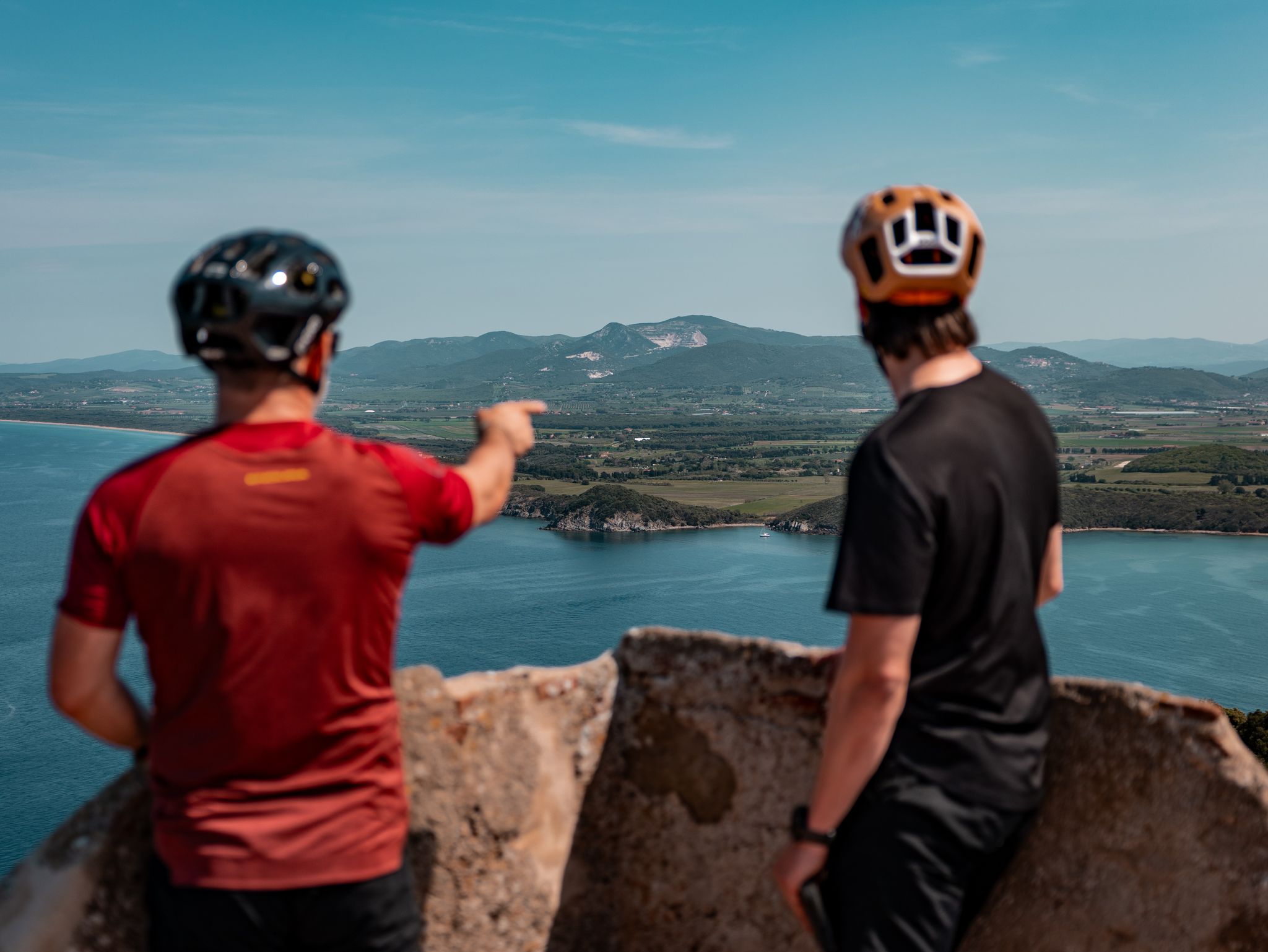
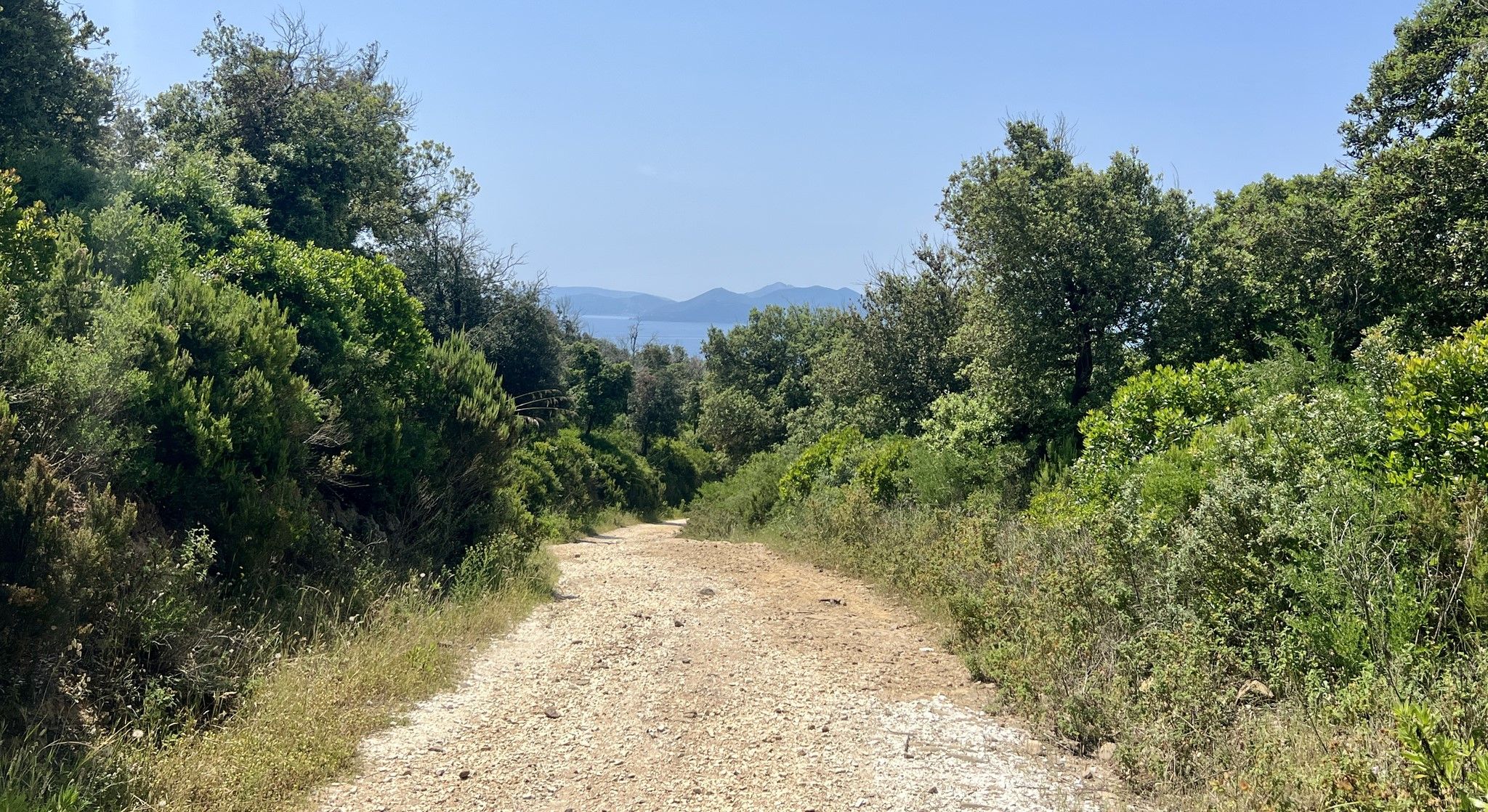
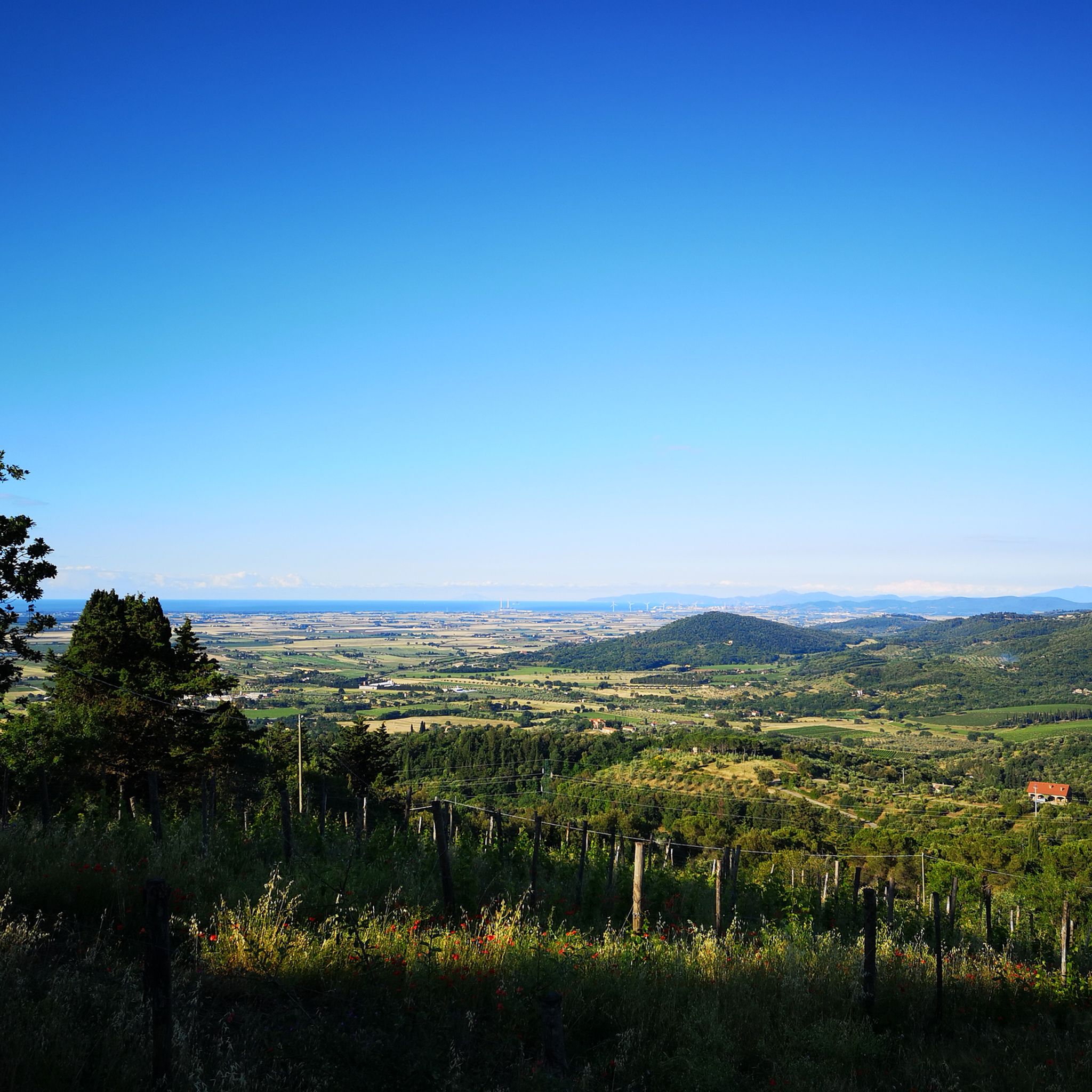
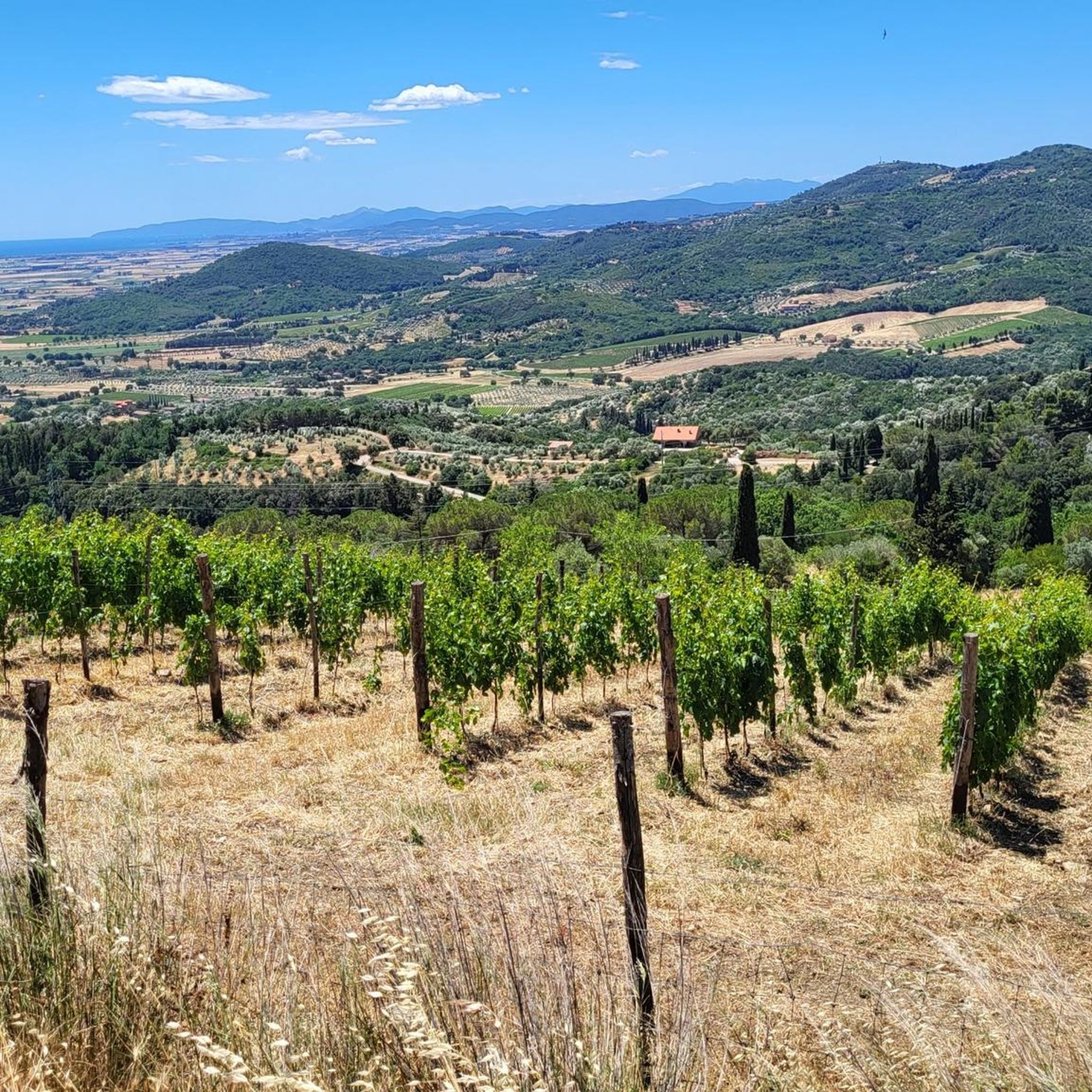


Tips from the Community

wonderful and welcoming village
0
0

Sassetta (LI), the Church and Fountain of the Annunciation is an ancient religious building located in a wooded valley along the provincial road connecting Sassetta to Suvereto, in the Prata area. The main church of the village is that of Sant’Andrea Apostolo (famous for the rock crystal crucifix). The Church of the Annunciation is a small Romanesque church in a precarious state of preservation, immersed in vegetation. Next to the church, there is still an active water fountain, protected by a small, also degraded, masonry structure.
0
0
The Archaeological Museum is housed in the ancient Palazzo del Podestà (1225), which overlooks the Piazza del Duomo of Massa Marittima. The collection is organized into sections, ordered chronologically from the lower paleolithic to the etruscan age; the main piece of the prehistoric collection is the eneolithic statue-stele of Vado all’Arancio, the only find of its type in Maremma; the etruscan finds come mainly from excavations carried out at the village of Lago dell’Accesa, they are mainly kitchenware, loom weights, fishing weights and bricks; also present are the funerary trousseaux found in the necropolises, especially pottery (figulina clay and bucchero), bronze fibulae, iron pot stands, iron and bronze weapons. On the ground floor, an educational section is set up with a life-size reconstruction of typical caves: a paleolithic and an eneolithic one. Guided tours and educational activities, organization of cultural events and film screenings are available.
1
0
The historic center of Campiglia Marittima is a well-preserved medieval Tuscan village on the Etruscan Coast, perched on a hill with panoramic views. Characterized by cobbled alleys, arches, and ancient walls, it houses the Rocca di Campiglia, the Palazzo Pretorio, the Pieve di San Giovanni, and offers picturesque views, artisan shops, and typical taverns.
0
0
Massa Marittima is a fortified medieval village located on a hill, known for its beauty and wealth of artistic and architectural heritage. Key attractions include the magnificent Piazza Garibaldi, with the Cathedral of San Cerbone, the Palazzo del Podestà, and the Palazzo Comunale. Other points of interest include the Fonti dell'Abbondanza with its famous fresco of the Tree of Fertility and, in the upper town, the Torre del Candeliere and the Cassero Senese within the medieval walls.
1
0
Massa Marittima is a municipality located in the southern area of the Colline Metallifere, an area that has been inhabited since prehistoric times, as documented by numerous archaeological finds. The settlement is thought to be of Etruscan origin, but the city's most important period began in the 9th century, when it became a bishop's seat. From then until the 14th century, the city reached its peak splendor, thanks in part to the area's abundant mineral resources.
3
0
In 1335, Massa Marittima lost its political autonomy, having to yield to the conquest of Siena, which had long been attempting to seize control of the Massa Marittima mines. A period of economic and demographic decline followed, further exacerbated by the plague of 1348. Despite the serious problems, however, mining activity was never completely abandoned, although it was certainly significantly reduced. The Medici family, who incorporated the province of Siena into the Grand Duchy in 1557, attempted some interventions to promote the area's recovery, while a significant revival occurred in 1737 with the arrival of the House of Lorraine as successors to the extinct Medici family.
3
0

beautiful Tuscan village, easily reachable with a not too challenging climb
1
0
Frequently Asked Questions
What is the historical significance of the castles around Suvereto?
The castles in and around Suvereto, such as the Aldobrandesca Fortress of Suvereto and San Silvestro Fortress, are significant for their medieval origins and strategic defensive roles. The Rocca Aldobrandesca, for instance, dates back to the 11th century and was expanded in the 14th century, showcasing characteristic medieval military architecture. These sites provide a tangible connection to Suvereto's past as a northern stronghold and its importance in the region's history, including its role during Pisa's growing power.
Which castles offer the best panoramic views?
The Aldobrandesca Fortress of Suvereto, situated at the highest point of the village, offers breathtaking panoramic views of Suvereto, the surrounding olive groves, rolling Tuscan hills, and the distant coastline. Similarly, Massa Marittima Historic Center, a medieval town on a hill, provides well-preserved monuments and expansive views over the city and region.
How long does it typically take to explore the castles near Suvereto?
Exploring a castle like the Aldobrandesca Fortress of Suvereto can take anywhere from 1 to 2 hours, especially if you visit the museum within. For sites like San Silvestro Fortress, joining a guided tour is recommended to fully appreciate its history and mining background, which can extend the visit. If you combine it with exploring the surrounding medieval villages, you could easily spend half a day or more.
Are there any lesser-known or 'hidden gem' historical sites worth visiting?
While not a castle, the Church of the Most Holy Annunciation (Ruins) is a historical site located on a wonderful bike route, offering a glimpse into the region's past. For a unique historical structure, the Candeliere Tower in Massa Marittima is an unusually massive medieval tower with a bridge to the old city wall, offering great views from above.
Are the castles around Suvereto suitable for families with children?
Yes, several sites are family-friendly. San Silvestro Fortress is considered easy for children, especially if combined with a train ride through mountain tunnels that lead to it. Massa Marittima Historic Center also offers a pleasant experience for families with its well-preserved monuments and charming atmosphere.
Are there accessible castles or ruins for visitors with mobility considerations?
While the Aldobrandesca Fortress of Suvereto involves a steep, winding walk up the village, it is generally considered accessible. However, visitors with significant mobility considerations should inquire directly with the sites for specific accessibility information, as medieval structures can present challenges.
What outdoor activities can I combine with a visit to the castles?
The region around Suvereto is excellent for outdoor activities. You can enjoy gravel biking on routes like the 'Historic Village of Sassetta – View of Sassetta loop' or road cycling on routes such as 'Strada della Marsiliana – View of Massa Marittima loop'. There are also numerous hiking opportunities, including the 'View of the Fields and Sea – Historic Center of Suvereto loop'. You can find more details on these activities in the Gravel biking around Suvereto, Road Cycling Routes around Suvereto, and Hiking around Suvereto guides.
Are there hiking trails near the castles in Suvereto?
Yes, there are several hiking trails near the castles. For example, the 'View of the Fields and Sea – Historic Center of Suvereto loop' is an easy 6.4 km hike starting from Suvereto. More challenging options include the 'Historic Center of Suvereto – Bamboo Trail loop' (20.6 km, difficult) or the 'Bamboo Trail – View of Suvereto and the Gulf loop' (14.3 km, moderate). These routes allow you to explore the natural beauty surrounding the historical sites. Find more hiking options in the Hiking around Suvereto guide.
What is the terrain like for walking around the castles?
The terrain around Suvereto's castles often involves steep, winding paths, especially within the medieval villages themselves. For instance, reaching the Aldobrandesca Fortress of Suvereto requires an uphill walk. Surrounding hiking trails vary from easy, relatively flat paths to more difficult routes with elevation changes, traversing olive groves, fields, and rolling Tuscan hills.
What is the best time of year to visit the castles in Suvereto?
The best time to visit the castles and enjoy outdoor activities in Suvereto is typically during the spring (April-May) and autumn (September-October). During these seasons, the weather is pleasant for exploring, and the natural landscape is particularly beautiful. Summer can be quite hot, while winter might be cooler and wetter.
Where can I find parking when visiting the castles?
Parking is generally available in or near the medieval villages where the castles are located. For sites like the Aldobrandesca Fortress of Suvereto, you would typically park in Suvereto village and then walk up to the fortress. For other historical sites like Massa Marittima Historic Center, there are usually designated parking areas outside the historic core.
Are there places to eat or drink near the castles?
Yes, the medieval villages like Suvereto and Massa Marittima offer various cafes and restaurants. Massa Marittima Historic Center, for example, has nice little cafes and restaurants. In Suvereto, you'll find places to enjoy local wines and typical products. Near San Silvestro Fortress, drinks and snacks can be bought just below the Rocca.
What should I wear when visiting the castles and surrounding areas?
For visiting the castles and exploring the surrounding areas, comfortable walking shoes are highly recommended, as paths can be steep and uneven. Dress in layers, especially during spring and autumn, to adapt to changing temperatures. If you plan to hike, wear appropriate outdoor clothing and bring water, especially during warmer months.
Can I bring my dog to the castle areas or nearby trails?
While specific castle interiors might have restrictions, the outdoor areas and many nearby trails are generally dog-friendly. For instance, the 'View of the Fields and Sea – Historic Center of Suvereto loop' is a good option for walking with dogs. Always keep your dog on a leash and clean up after them. Check individual site regulations for castle access.
Most popular routes around Suvereto
Most popular attractions around Suvereto

Get inspired with the komoot mobile app


Explore more
Looking for the best castles somewhere else? Discover other guides around Suvereto:
