Top 8 Castles around Castelnuovo Di Val Di Cecina
Best castles around Castelnuovo Di Val Di Cecina include the village itself, a picturesque hilltop settlement in Tuscany known for its well-preserved medieval character and historic fortifications. The village, with origins around the 11th century, embodies a fortified "castello" offering panoramic views of the surrounding landscape. Its unique "grape-bunch" shape features narrow, winding stone streets, medieval gates, and traditional stone houses. Exploring the ancient fortifications, including parts of medieval walls and old defensive towers, provides insight into its historical past.
Best castles around Castelnuovo Di Val Di Cecina
- The most popular castles is Rocca Sillana, a castle that has been extensively restored. It is located on a high hill.
- Another must-see spot is Rocca di Berignone (Castle of the Bishops), a castle perched on a rocky spur in the Cecina valley. Its imposing ruins emerge among the woods of Berignone.
- Visitors also love Fosini Castle, a castle located on a high hill, immersed in the woods of the Cornate Nature Reserve.
- Castelnuovo Di Val Di Cecina is known for fortified villages, medieval strongholds, and mining castle ruins. Visitors can explore a variety of historical sites, from well-preserved settlements to ancient defensive structures.
- The castles around Castelnuovo Di Val Di Cecina are appreciated by the komoot community, with 18 upvotes and 34 photos shared.
Last updated: October 16, 2026
Rocca di Berignone (Castle of the Bishops)
Highlight • Castle
Today, its imposing ruins emerge among the woods of Berignone, silent witnesses of a tumultuous past, framed by a landscape that still retains a wild and fascinating aura.
Translated by Google •
Tip by

Rocchette Pannocchieschi Mining Castle Ruins
Highlight • Castle
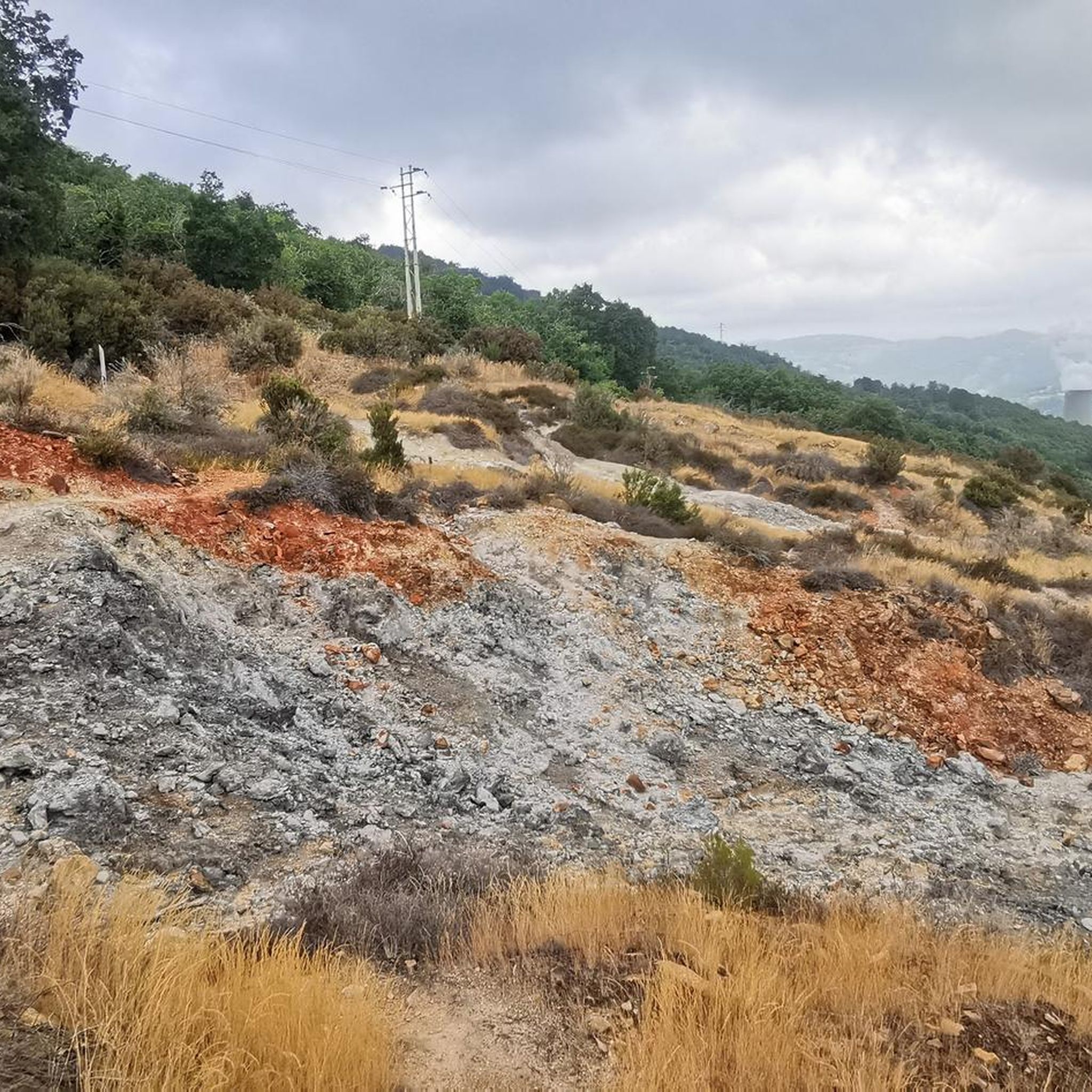
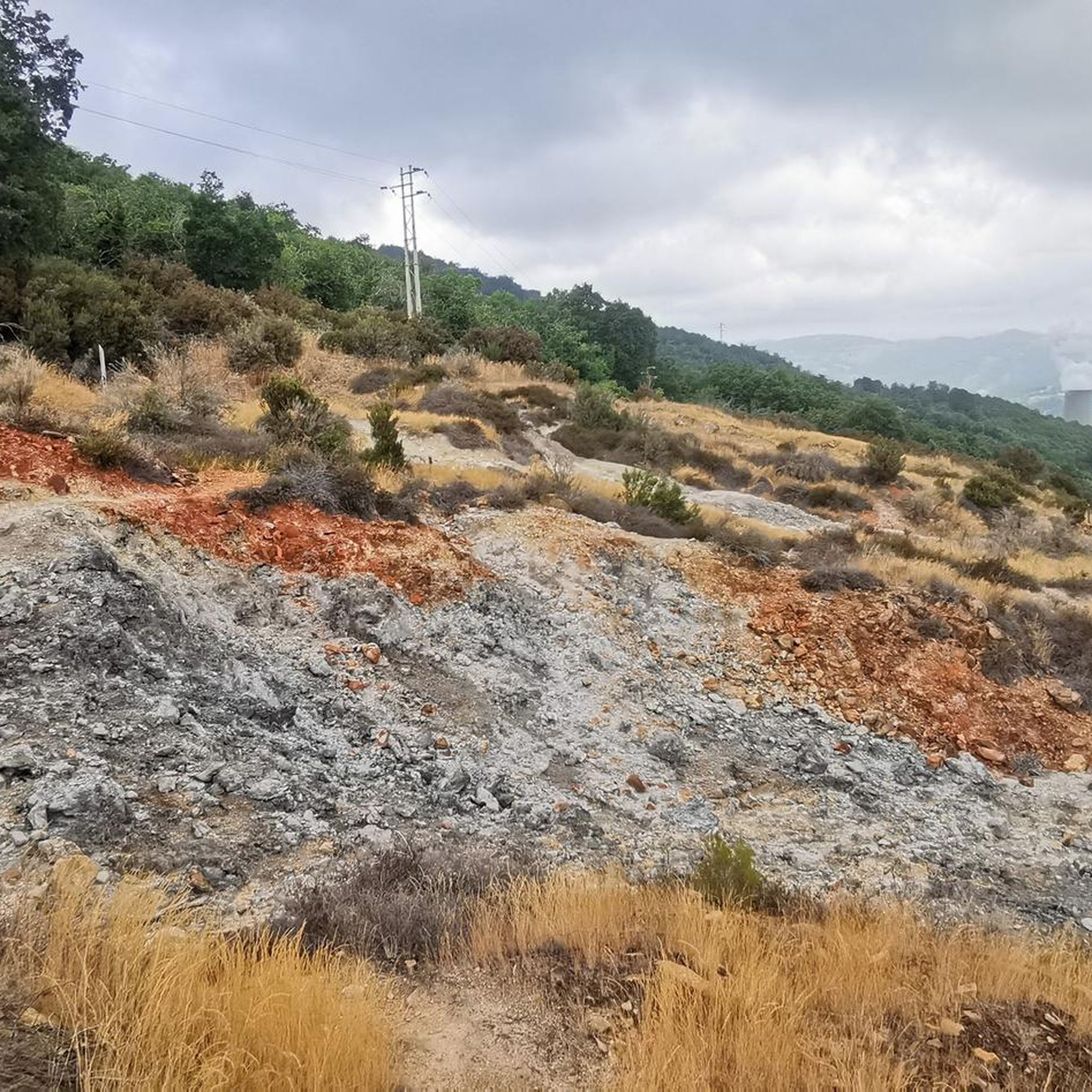
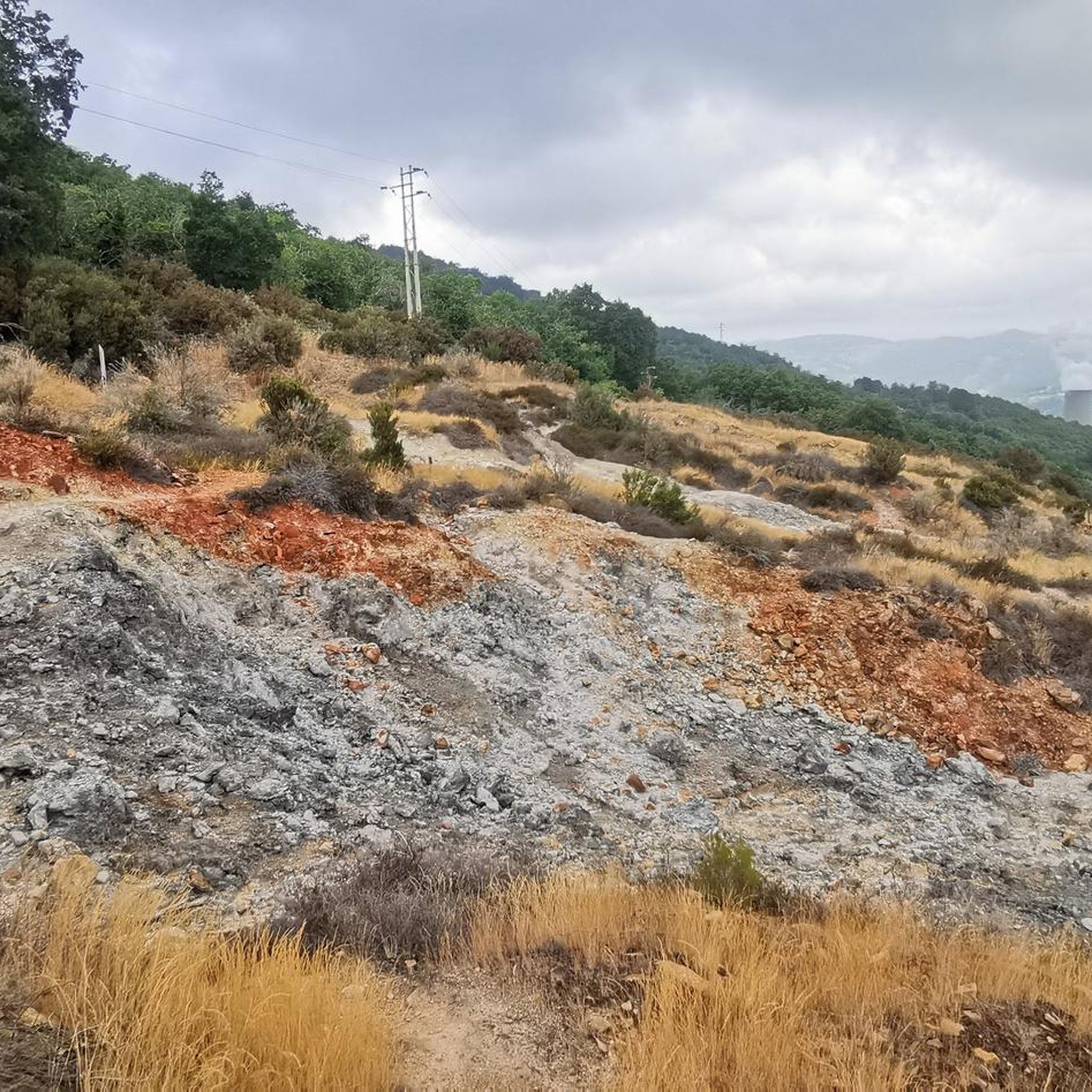
The mining area of the Rocchette castle is represented by sinkholes that surrounded the site, which are still recognizable today among the vegetation together with slag dumps and trenches. Presumably the mineralizations present in the deposits were: Galena argentifera, Chalcopyrite, Blenda, Tetrahedrite and Pyrite, to obtain mainly from their fusion: silver, copper, iron and lead.
The remains of the mining castle are located on a 450 m hill, separated by a ditch from the southern slope of Poggio Trifonti.
The excavations carried out from 1992 to 2001 by the University of Siena brought to light traces of settlements and a mineral processing area dating back to the 10th century. In the summit area, the remains of a wall where the noble part of the castle was probably located can still be seen, while around there are traces of other buildings consisting of the ruins of semi-rock structures, which belonged to the most ancient configuration of the town.
The castle was surrounded by defensive walls around 1300 and numerous buildings were built, after Massa secured dominion over the castle itself and the mineral resources of the area.
rocchetteThe reconstruction is also supported by an ancient fourteenth-century seal preserved in Florence at the Bargello Museum, where the rock mass on which the 5 gates, the 2 towers and the walls that surrounded it are perched are recognisable.
The site was abandoned in the first half of the 15th century and now remains an evocative place not only for its history, but also for the superb panorama that opens up to the sea and the islands of the Archipelago.
Translated by Google •
Tip by

Sign up now to discover places like this
Get recommendations on the best single tracks, peaks, & plenty of other exciting outdoor places.
Canneto Medieval Village
Highlight • Settlement
The village is located between the Val di Cornia and the Val di Cecina, surrounded by woods and Mediterranean scrub.
The town of Canneto owes its origin, like that of Monteverdi, to the foundation of the abbey of the monastery of San Pietro in Palazzuolo, in fact it is mentioned as one of the fiefs of the abbey of Monteverdi.
Canneto still has an ancient medieval wall that surrounds the town, with numerous tower-houses inside and has a particular elliptical urban shape. The streets in the walls are all named after the kings of Italy. Also present is the home of a cousin of Giosuè Carducci where the same poet stayed.
In the village there is also the medieval church of San Lorenzo.
(by Wikipedia)
Translated by Google •
Tip by

Rocca Sillana
Highlight • Castle
Translated by Google •
Tip by

Fosini Castle
Highlight • Castle
Translated by Google •
Tip by

Sign up for free to discover even more castles around Castelnuovo Di Val Di Cecina.
Already have an account?
Start today with a free account
Your next adventure awaits.
Popular around Castelnuovo Di Val Di Cecina

Tips from the Community

Perched on a rocky spur in the Cecina valley, the Rocca di Berignone, also known as the Bishops' Castle or Torraccia, is a place that smells of history and legend. Already mentioned in 896, it was a bastion of the episcopal power of Volterra, a refuge and symbol of resistance in the struggles against the Municipality. Besieged, rebellious, conquered by the Sienese in 1399, it then began its slow decline. Today, its imposing ruins emerge among the woods of Berignone, silent witnesses of a tumultuous past, framed by a landscape that still retains a wild and fascinating aura.
4
0

Medieval documentation reports the area where the castles of Rocchette and Cugnano stood, with the name of "Piastraio" and probably refers to the territory delimited to the NW by the Milia stream, to the south by the Fosso Riotorto and to the east by the Poggio di Santa Croce. Some studies report around 90 mineral extraction points in this area, exploited during the medieval period, including sinkholes, mine entrances, fields and mining quarries. The mining area of the Rocchette castle is represented by sinkholes that surrounded the site, which are still recognizable today among the vegetation together with slag dumps and trenches. Presumably the mineralizations present in the deposits were: Galena argentifera, Chalcopyrite, Blenda, Tetrahedrite and Pyrite, to obtain mainly from their fusion: silver, copper, iron and lead. The remains of the mining castle are located on a 450 m hill, separated by a ditch from the southern slope of Poggio Trifonti. The excavations carried out from 1992 to 2001 by the University of Siena brought to light traces of settlements and a mineral processing area dating back to the 10th century. In the summit area, the remains of a wall where the noble part of the castle was probably located can still be seen, while around there are traces of other buildings consisting of the ruins of semi-rock structures, which belonged to the most ancient configuration of the town. The castle was surrounded by defensive walls around 1300 and numerous buildings were built, after Massa secured dominion over the castle itself and the mineral resources of the area. rocchetteThe reconstruction is also supported by an ancient fourteenth-century seal preserved in Florence at the Bargello Museum, where the rock mass on which the 5 gates, the 2 towers and the walls that surrounded it are perched are recognisable. The site was abandoned in the first half of the 15th century and now remains an evocative place not only for its history, but also for the superb panorama that opens up to the sea and the islands of the Archipelago.
0
0
Castello dei Vesovi or Torraccia a stupendous place that takes you back to the past. The castle known as Rocca di Berignone (from the name of the forest where it is located, a large forest complex that still today presents itself to the eyes of the visitor in its suggestive natural beauty), Castello dei Vescovi or simply Torraccia, is an important fortified site located south of Volterra, on a rocky spur at the confluence of the Botro al Rio with the Sellate torrent, in the upper Cecina valley. Traces of the castle emerge as early as 896, when it was donated by Adalberto, Marquis of Tuscany, to Alboino, Bishop of Volterra. Since then it was a stronghold and residence of the bishops of Volterra (hence the name), used to administer justice, to mint coins but above all as a refuge during their long struggle against the Commune. The bishops retreated there several times to avoid reprisals, such as in 1266, after the Guelph victory of Benevento, to escape the assault of the Ghibellines. In 1361 Berignone rebelled against the municipality of Volterra, but was easily reconquered. In 1381, the inhabitants of Berignone themselves wanted to place the defense of the castle, occupied by the relatives of Simone dei Fagani of Reggio, bishop of Volterra, under the protection of the municipality. Numerous other disputes ensued until the peace stipulated on February 5, 1382. In 1399, the castle was occupied by the Sienese and from that moment its definitive decline began. Today, only the ruins remain, dominating vast woods populated by ungulates and birds of prey, but even from these one can intuit the strength and severe elegance of the architectural structures of the past.
1
1


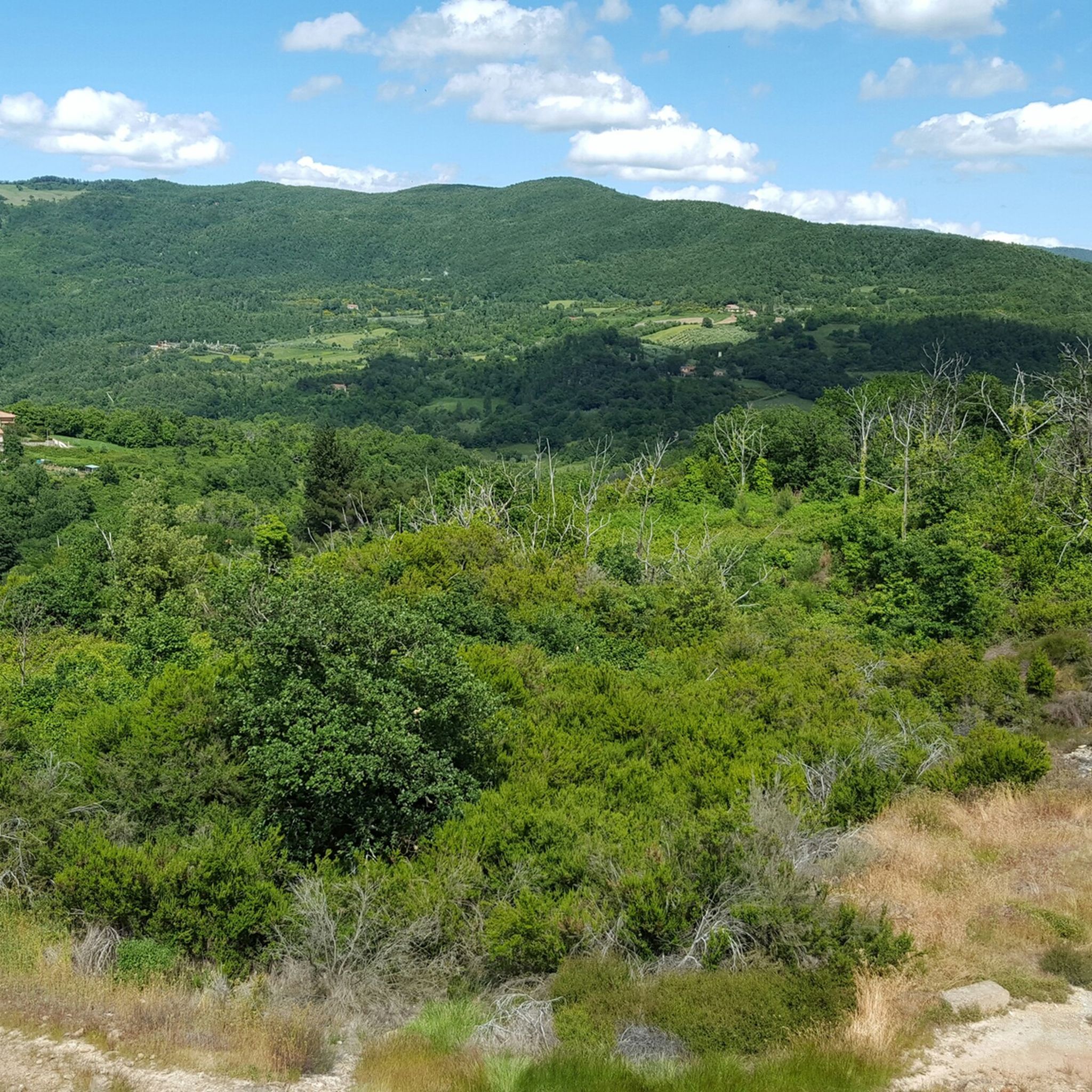
The castle of Fosini is located on a high hill, immersed in the woods of the Cornate Nature Reserve.
0
0

Canneto is a fraction of the Italian municipality of Monteverdi Marittimo, in the province of Pisa, in Tuscany. The village is located between the Val di Cornia and the Val di Cecina, surrounded by woods and Mediterranean scrub. The town of Canneto owes its origin, like that of Monteverdi, to the foundation of the abbey of the monastery of San Pietro in Palazzuolo, in fact it is mentioned as one of the fiefs of the abbey of Monteverdi. Canneto still has an ancient medieval wall that surrounds the town, with numerous tower-houses inside and has a particular elliptical urban shape. The streets in the walls are all named after the kings of Italy. Also present is the home of a cousin of Giosuè Carducci where the same poet stayed. In the village there is also the medieval church of San Lorenzo. (by Wikipedia)
1
0

Strict and closed, but very original looking mountain village with castle character.
0
0
Frequently Asked Questions
What kind of historical sites and castles can I explore around Castelnuovo di Val di Cecina?
The region around Castelnuovo di Val di Cecina is rich in medieval history, offering a variety of fortified villages, ancient strongholds, and castle ruins. Castelnuovo di Val di Cecina itself is a well-preserved medieval fortified village. You can also visit impressive ruins like Rocca di Berignone (Castle of the Bishops), perched on a rocky spur, and Rocchette Pannocchieschi Mining Castle Ruins, which offers insights into the area's mining past.
Are there any well-preserved castles or fortified villages to visit?
Yes, Castelnuovo di Val di Cecina is a prime example of a well-preserved medieval fortified village, with its narrow winding streets and ancient walls. Another notable site is Rocca Sillana, a castle that has undergone extensive restoration. Nearby, the hamlet of Montecastelli Pisano is also a well-preserved medieval fortified village featuring the historic Pannocchieschi Tower.
What are some of the most popular castle highlights in the area?
Among the most popular castle highlights are Rocca Sillana, known for its restoration and high hill location, and Rocca di Berignone (Castle of the Bishops), whose imposing ruins emerge from the woods. Visitors also appreciate Fosini Castle, nestled in the Cornate Nature Reserve.
What kind of views can I expect from these castles?
Many of the castles and fortified villages in this region are situated on hilltops or rocky spurs, offering spectacular panoramic views. From Castelnuovo di Val di Cecina, you can enjoy expansive views of the Val di Cecina and even catch a glimpse of the Island of Elba on clear days. Rocchette Pannocchieschi Mining Castle Ruins also provides superb panoramas extending to the sea and the Tuscan Archipelago.
What outdoor activities can I do near these castles?
The area around Castelnuovo di Val di Cecina is excellent for outdoor enthusiasts. You can find numerous hiking trails, including routes like 'The Smoking Lands Trail: Sasso Pisano to Monterotondo'. There are also challenging MTB trails and scenic cycling routes that often pass by historical sites and offer stunning views.
Are there any family-friendly options for visiting castles in this region?
Exploring the fortified village of Castelnuovo di Val di Cecina itself is a family-friendly activity, with its car-free historic center, narrow streets, and ancient walls providing an engaging historical experience. Many of the castle ruins and viewpoints are accessible via moderate trails, making them suitable for families who enjoy walking and exploring together.
What is the best time of year to visit the castles around Castelnuovo di Val di Cecina?
The best time to visit is typically during the spring (April to June) and early autumn (September to October). During these months, the weather is pleasant for exploring, and the landscapes are particularly beautiful. Summer can be quite hot, especially for outdoor activities, while winter might be cooler and some sites may have reduced opening hours.
Are there any specific tips for visiting Rocca Sillana?
Rocca Sillana is a beautifully restored castle located on a high hill. It is not always open, typically on weekends and often only in the late afternoon (e.g., 4 PM to 8 PM). It's advisable to arrive on time, as entry might be strict outside of designated hours. Check local listings for current opening times before your visit.
Can I visit other medieval villages in the vicinity?
Absolutely. Besides Castelnuovo di Val di Cecina, you can explore other enchanting medieval villages nearby. Montecastelli Pisano is a notable hamlet with a well-preserved medieval structure and the historic Pannocchieschi Tower. Leccia is another charming village that offers a glimpse into the region's historical past.
What should I wear when visiting castles and exploring the area?
Given the hilly terrain and potential for walking on uneven surfaces, comfortable walking shoes are highly recommended. Layers of clothing are also advisable, as temperatures can vary, especially if you're exploring both indoors and outdoors. A hat and sunscreen are useful during sunnier months, and a light jacket for cooler evenings or windy viewpoints.
What makes Rocca di Berignone unique?
Rocca di Berignone, also known as the Bishops' Castle, is a site steeped in history and legend. Mentioned as early as 896, it served as a significant bastion of episcopal power for Volterra. Today, its imposing ruins stand as silent witnesses to a tumultuous past, nestled within the wild and fascinating woods of Berignone, offering a strong sense of historical depth.
Are there any castles or historical sites related to mining in the area?
Yes, the Rocchette Pannocchieschi Mining Castle Ruins are a unique historical site. This area was historically rich in mineral extraction, with medieval documentation reporting numerous mining points. The ruins on a 450m hill show traces of settlements and a mineral processing area dating back to the 10th century, providing a fascinating look into the region's industrial past alongside its defensive history.
Most popular routes around Castelnuovo Di Val Di Cecina
Most popular attractions around Castelnuovo Di Val Di Cecina

Get inspired with the komoot mobile app


Explore more
Looking for the best castles somewhere else? Discover other guides around Castelnuovo Di Val Di Cecina:
