Top 19 Castles around Cortona
Best castles around Cortona are found in this historic hilltop town in Tuscany, Italy, and its surrounding Valdichiana region. This area features several historical fortresses that offer insights into centuries of history. Cortona's strategic location near the border with the Papal States made it a significant defensive point. The landscape includes hills and valleys, providing elevated positions for these historical structures.
Best castles around Cortona
- The most popular castles is Triangular Tower, Passignano sul Trasimeno, a castle consisting of…
Last updated: October 16, 2026
Triangular Tower, Passignano sul Trasimeno
Highlight • Castle
The Rocca di Passignano (Castle of Passignano) is located inside the village, in an elevated position above the town, which …
Translated by Google •
Tip by

Rocca del Leone, Castiglione del Lago
Highlight • Castle
This is the main monument of Castiglione del Lago and is definitely worth a visit.
Translated by Google •
Tip by

Sign up now to discover places like this
Get recommendations on the best single tracks, peaks, & plenty of other exciting outdoor places.
Castiglione del Lago Historic Center
Highlight • Historical Site
Tip by

Montecchio Vesponi Castle
Highlight • Castle
Translated by Google •
Tip by

Fortezza del Girifalco
Highlight • Castle
Translated by Google •
Tip by

Sign up for free to discover even more castles around Cortona.
Already have an account?
Start today with a free account
Your next adventure awaits.
Popular around Cortona
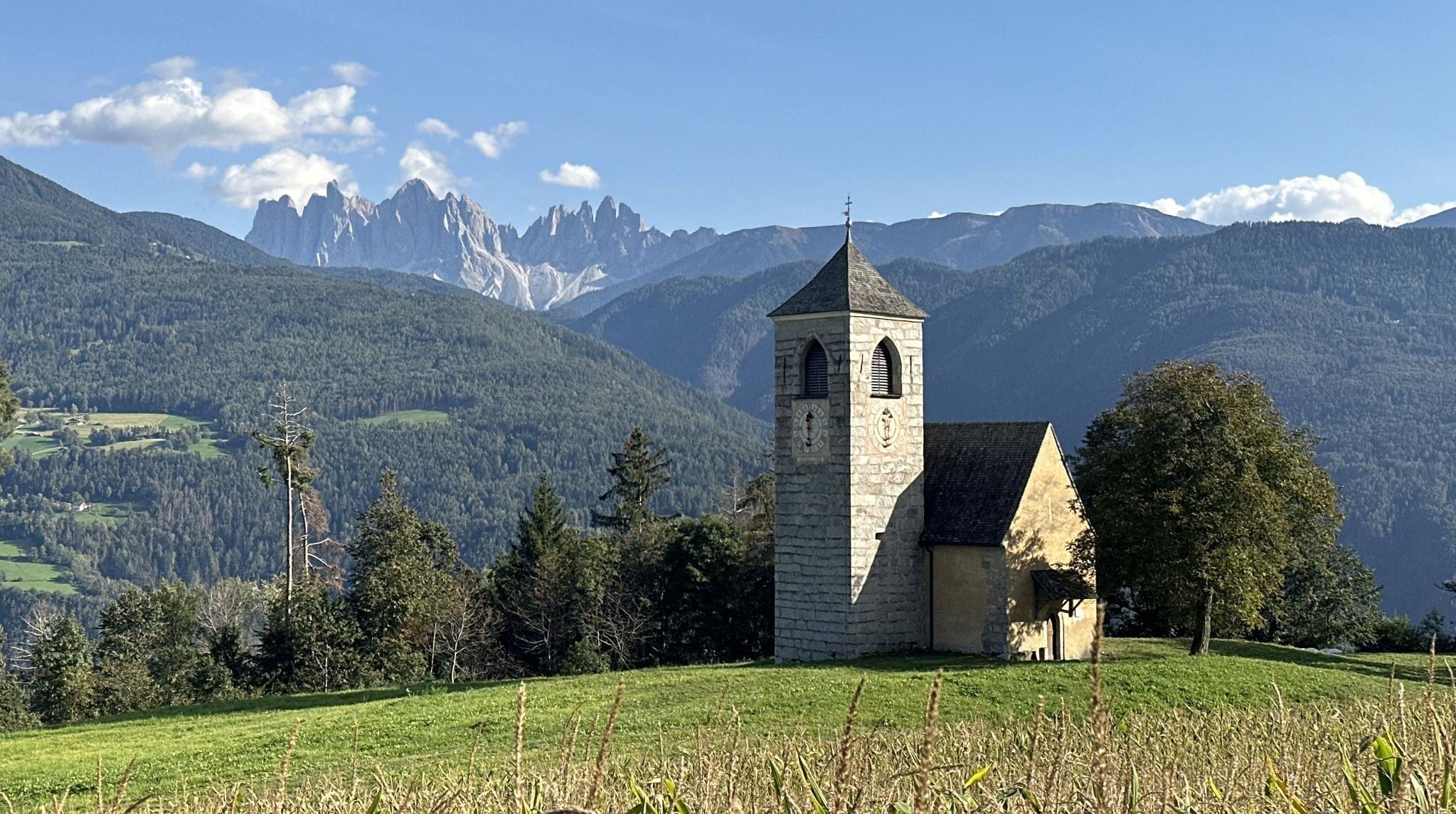
Via Romea Germanica – History, nature and spirituality
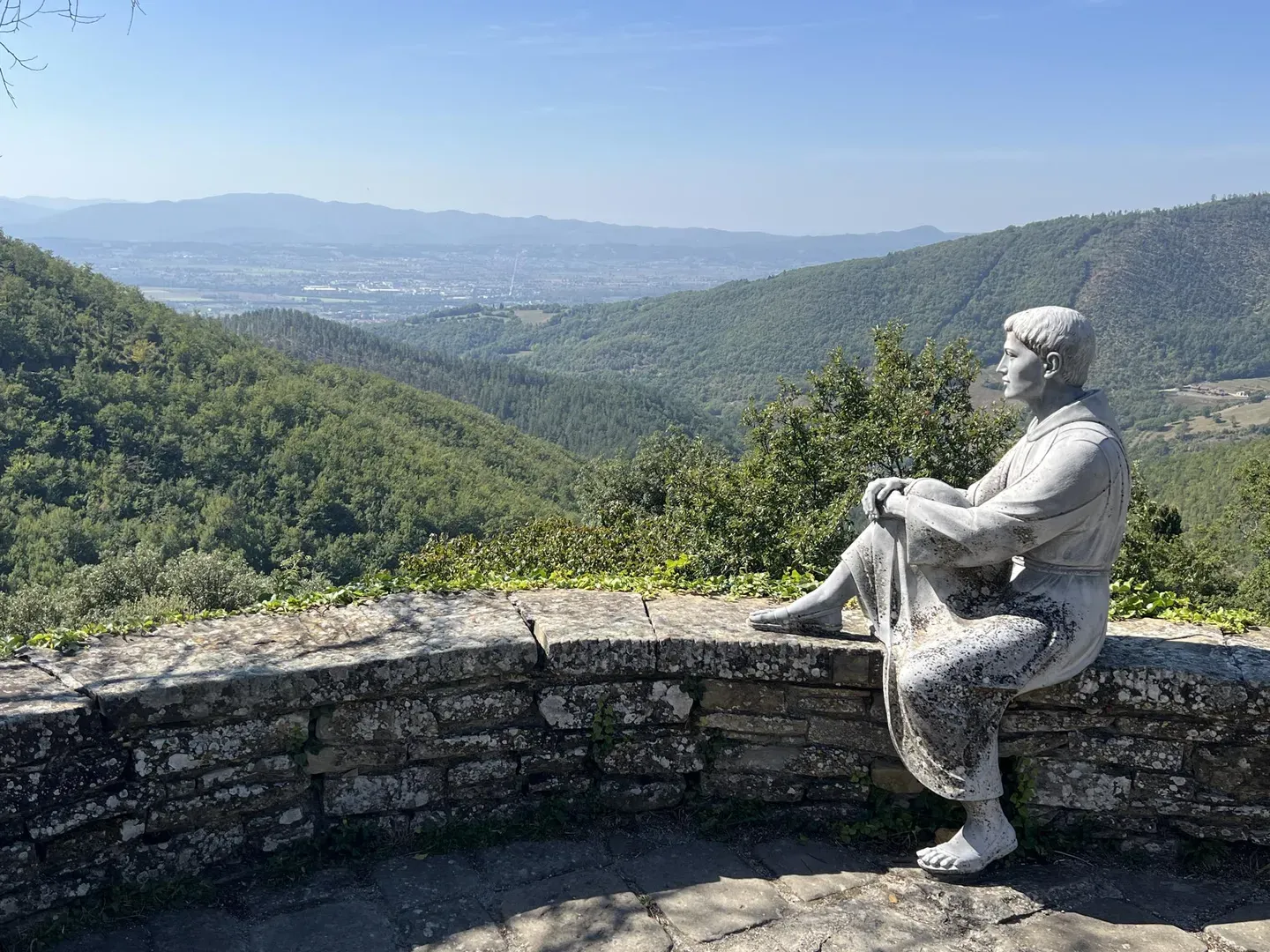
Way of St Francis in Tuscany – itineraries of Arezzo and Province
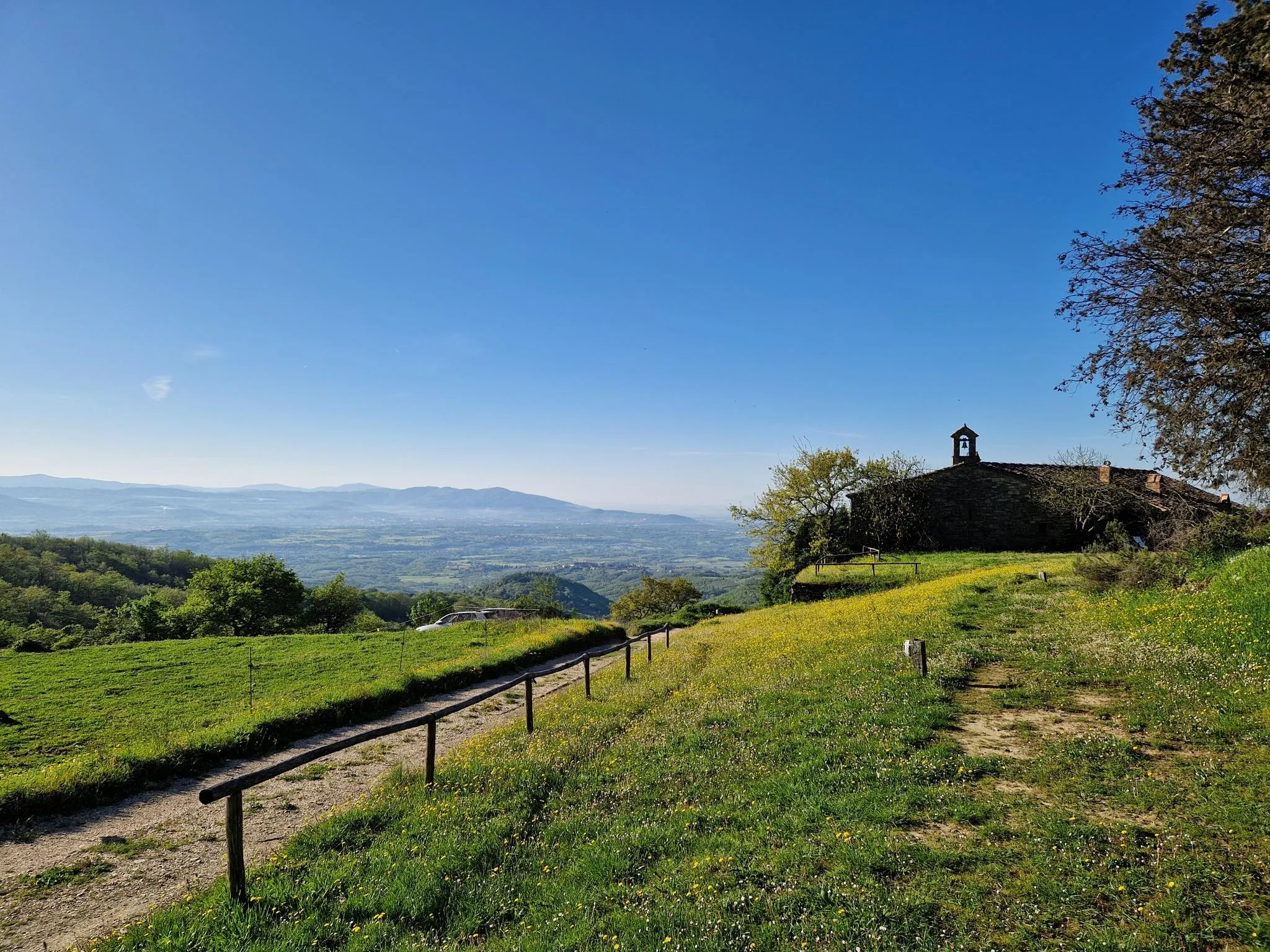
Arezzo and its valleys – between Tuscany’s art, vineyards and villages
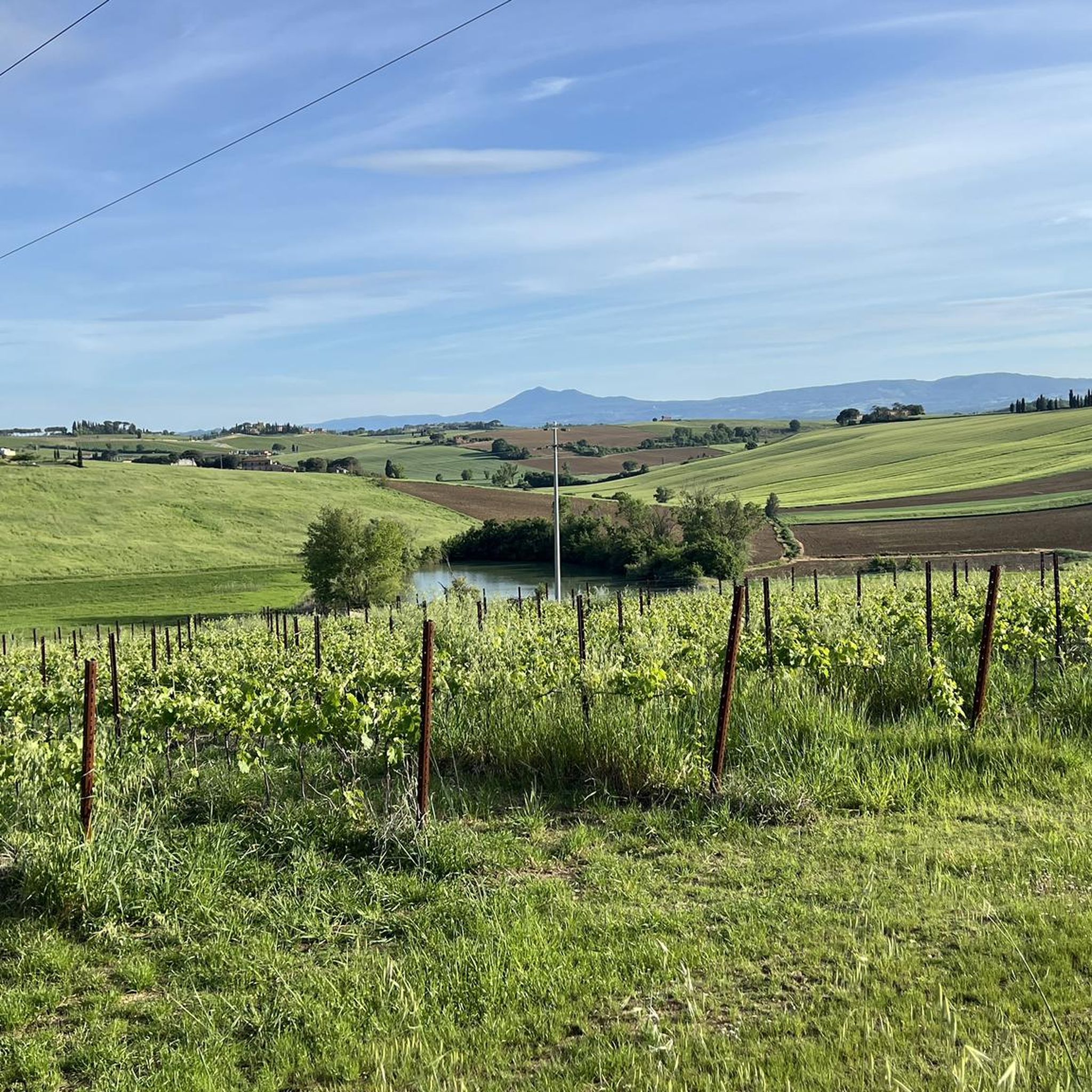
Road Cycling Routes around Cortona
Hiking around Cortona
Cycling around Cortona
MTB Trails around Cortona
Running Trails around Cortona
Gravel biking around Cortona
Other adventures around Cortona


Tips from the Community

**Why recommend it?** Because it's a simple and pleasant way to discover the most evocative side of **Passignano sul Trasimeno**. The historic center, listed among *The most beautiful villages in Italy*, is well-maintained, rich in history, and continuously offers characteristic views to photograph. It's a walk I recommend **at any time of the day**: even during the hottest summer hours, the alleys of the center offer several shaded stretches, allowing you to walk more peacefully. And then there's everything you need to make the walk even more enjoyable: along the path, you'll find **bars, restaurants, and pastry shops**, perfect for a break, whether sweet or savory. In short, a route without haste, to be experienced by strolling and letting curiosity guide you. 🌿🏘️
0
0

Montecchio Vesponi Castle dominates the Val di Chio from a hill over 360 meters above sea level. With its crenellated walls, towers, and an imposing 30-meter-high square tower, it is one of the best-preserved medieval castles in Tuscany and can be recognized from afar throughout the valley. Contested for centuries by Arezzo and Florence for its strategic position on the road to Cortona, it became a Florentine stronghold after the Battle of Campaldino in 1289. In the 14th century, it was also home to the famous mercenary captain John Hawkwood. Today, the castle comes back to life with guided tours, events, and reenactments that evoke the atmosphere of the Middle Ages.
1
0

Rocca di Passignano (Castle of Passignano) - Passignano sul Trasimeno The Rocca di Passignano (Castle of Passignano) is located inside the village, in an elevated position above the town, which later expanded to the lakeshore. According to some sources, Passignano could mean "place of the pass," referring to the existence of a Roman military structure that served to control a "pass" between the present-day regions of Umbria and Tuscany. Nothing remains of this possible structure today. Currently, the castle consists of ruins of medieval structures: square walls, a half-ruined tower, and the northern part of the castle with a triangular tower. Furthermore, a series of alleys wind through this part of the historic center, once surrounded by walls, giving an idea of what the street layout within the castle might have looked like. The oldest core probably dates back to the 5th or 6th century; The square walls, however, were built between 820 and 850, when the castle belonged to the Marquises of Tuscany. In 1187, the property became the property of the canons of the Cathedral of San Lorenzo in Perugia. In the 13th century, the castle underwent significant renovations, transforming it into a true fortress, an outpost, and defensive bastion of the Perugian territory. Text / Source: Umbria Tourism.it https://www.umbriatourism.it/de/-/la-rocca-passignano-de
15
0

The Rocca del Leone is the medieval fortress with an irregular pentagonal structure built starting from the thirteenth century. This is the main monument of Castiglione del Lago and is definitely worth a visit.
1
0

check hours as they are open only certain days
0
0

we go up towards the hill
0
0

Not only the beach promenade is a must-see in Passignano sul Trasimeno, but also the old town with its many small, romantic alleys is a must-see. Here you will find many small restaurants and shops, some of which are hidden, where you can buy beautiful souvenirs or delicacies.
1
0

The Girifalco Fortress is an imposing defensive structure that dominates the city of Cortona from above. Built in the 16th century to protect Cortona from external attacks, it today offers a breathtaking view of the Valdichiana. It's a perfect place for a scenic walk, take incredible photos and immerse yourself in history. The fortress also hosts exhibitions and cultural events, making it a lively and interesting place to visit.
0
0
Frequently Asked Questions
Which castles offer the best panoramic views of the Valdichiana region?
For breathtaking panoramic views, the Fortezza del Girifalco in Cortona is highly recommended. Perched at the highest point, it offers extraordinary vistas of the entire Valdichiana valley, Mount Amiata, Mount Cetona, and even Lake Trasimeno. Another excellent spot is the Rocca del Leone in Castiglione del Lago, where you can enjoy views from its ramparts.
Are there any well-preserved medieval castles near Cortona?
Yes, the Castle of Montecchio Vesponi, located a short distance from Cortona in Castiglion Fiorentino, is considered a remarkably well-preserved medieval jewel. It boasts imposing crenellated walls stretching 263 meters with nine watchtowers, maintaining its medieval atmosphere and architectural integrity.
What historical insights can I gain from visiting the castles around Cortona?
The castles offer a deep dive into centuries of history. The Fortezza del Girifalco, for instance, embodies Cortona's defense from Etruscan times through the Medici era. The Triangular Tower in Passignano sul Trasimeno has origins dating back to the 5th or 6th century, serving as a defensive bastion for Perugian territory.
Are there family-friendly castles to visit in the Cortona area?
The Rocca di Umbertide is categorized as family-friendly and offers a glimpse into medieval history with its mighty fortress and surrounding walls. Many castles, like the Rocca del Leone, also provide open spaces and ramparts that can be engaging for children.
What outdoor activities can I do near these castles?
The region around Cortona offers various outdoor activities. You can explore gravel biking routes, enjoy running trails, or go cycling. Many routes pass by historical sites and offer scenic views of the landscape where these castles are situated.
Which castle has a unique history of continuous family ownership?
Sorbello Castle, perched on a hill within the municipality of Cortona, has a unique history. Dating back to the 10th century, it was continuously owned and inhabited by the noble family who built it, maintaining its independence as an imperial feud for four centuries until 1815. Guided tours are often available, offering an intimate look into its past.
Can I visit a castle that showcases impressive feudal architecture, even if it's in ruins?
Yes, the Rocca of Pierle, situated in the municipality of Cortona, is recognized as one of the most beautiful and powerful examples of a feudal castle in Tuscany. While in a ruined state, its keep is reportedly the largest still visible in Tuscany, showcasing its immense power and magnificence. It offers a compelling site for those interested in medieval history and dramatic landscapes.
What is the best time of year to visit the castles around Cortona?
Spring (April-May) and Autumn (September-October) are generally the best times to visit. The weather is pleasant for exploring, and the landscapes are particularly beautiful, whether with spring blooms or autumn colors. Summer can be hot, but early mornings or late afternoons are still good for visits.
Are there any castles that were significant for their strategic military importance?
Absolutely. The Fortezza del Girifalco was largely rebuilt in 1556 by Cosimo I de' Medici to serve as a strategic military stronghold, showcasing 16th-century military architecture. Similarly, the Castle of Montecchio Vesponi served as a crucial strategic point for controlling the ancient route between Arezzo and Cortona.
What do visitors enjoy most about exploring the castles in this region?
Visitors frequently highlight the extraordinary panoramic views, the rich historical significance, and the well-preserved medieval architecture. The opportunity to step back in time and explore structures that have stood for centuries, often with stunning backdrops, is a major draw. Many appreciate the blend of history with the natural beauty of the Tuscan landscape.
Are there any castles that are also cultural venues?
The Fortress of the Girifalco in Cortona, after recent restoration, now serves as a cultural venue. It hosts various events and temporary exhibitions, connecting its historical significance with contemporary culture.
Can I find a castle with a prominent tower near Cortona?
The Castle of Montecchio Vesponi features a soaring 30-meter tower that is a prominent and majestic feature of its medieval architecture. Additionally, Monte Santa Maria Tiberina includes a Bourbon palace with an imposing 40-meter tower, offering 360° views.
Most popular routes around Cortona
Most popular attractions around Cortona

Get inspired with the komoot mobile app


Explore more
Looking for the best castles somewhere else? Discover other guides around Cortona:
