Top 6 Caves around Bagno Di Romagna
Best caves around Bagno Di Romagna are found within the scenic Tuscan-Romagna Apennines, with the town serving as a base for nature tourism. The broader Emilia-Romagna region features karst phenomena and caves, including sites recognized as part of the UNESCO World Heritage. This area offers diverse geological formations and historical sites for exploration. While Bagno di Romagna itself does not have extensive cave systems, the surrounding region provides access to notable underground features.
Best caves around Bagno Di Romagna
- The…
Last updated: June 16, 2026
The Icehouse of Cattiglio
Highlight • Cave
Translated by Google •
Tip by

Fra' David's Cave
Highlight • Cave
══════════════════
👇 here is the video in 4K 👇
Translated by Google •
Tip by

Sign up now to discover places like this
Get recommendations on the best single tracks, peaks, & plenty of other exciting outdoor places.
Sign up for free
Buca delle Fate (Fairy Hole Cave)
Highlight • Cave
Translated by Google •
Tip by

Cave of Saint Francis' Bed
Highlight • Cave
Translated by Google •
Tip by

Sasso Spicco
Highlight • Natural Monument
The legends say that God revealed to …
Translated by Google •
Tip by
Sign up for free to discover even more caves around Bagno Di Romagna.
Sign up for free
Already have an account?
Start today with a free account
Your next adventure awaits.
Login or Signup
Popular around Bagno Di Romagna
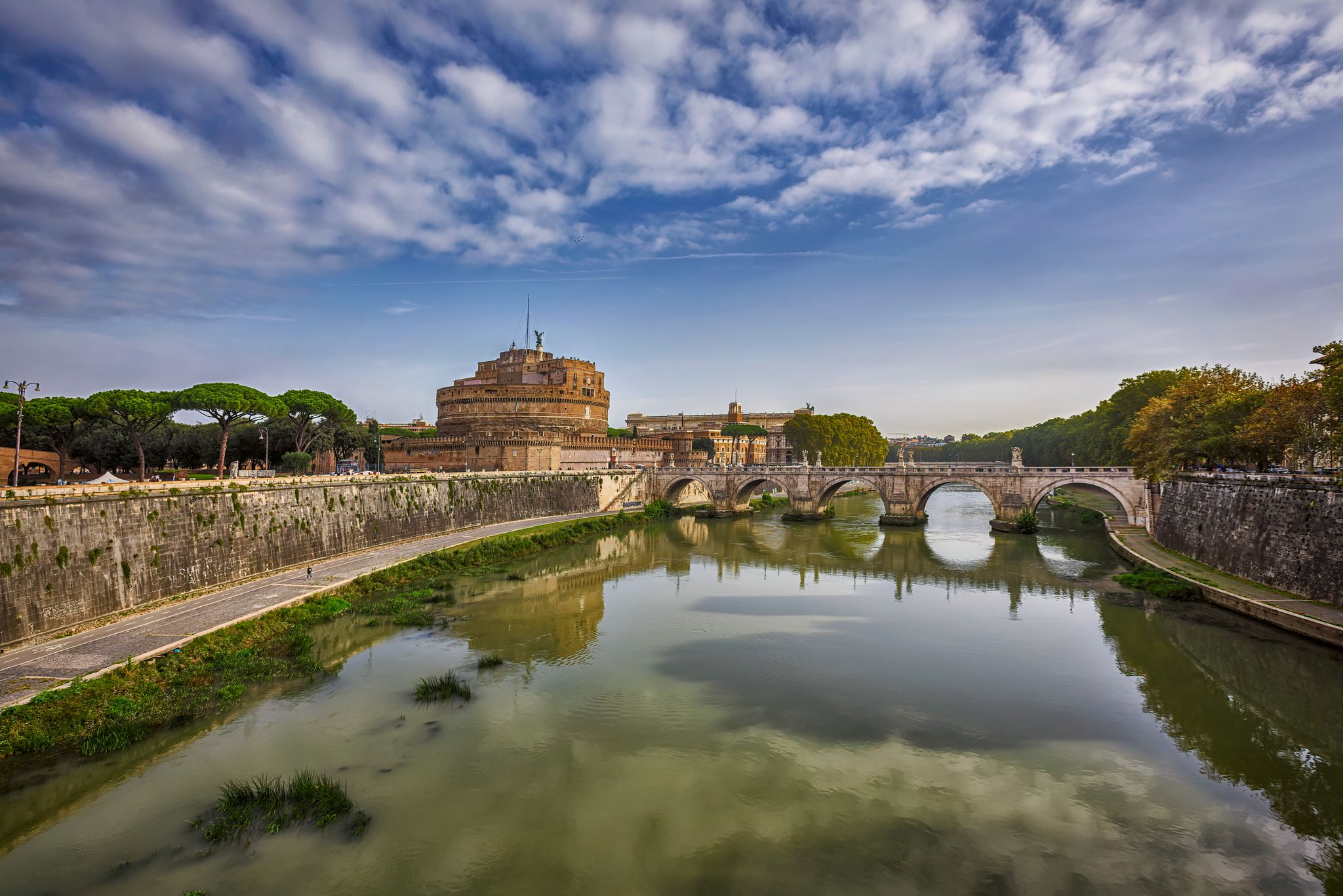
All roads lead to Rome – Romea Tiberina Cycleway
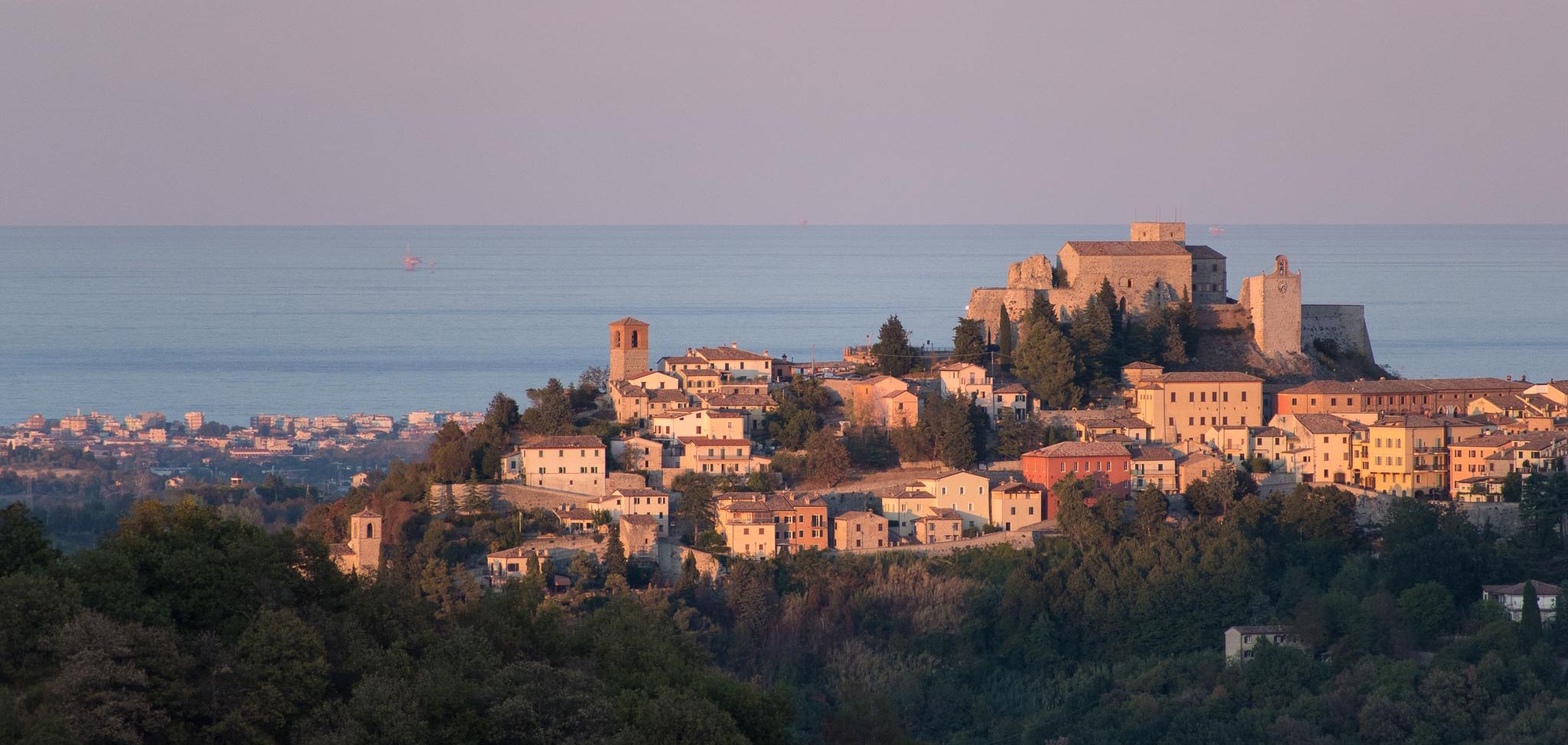
In the quiet backcountry of the Adriatic — cycling in Emilia Romagna
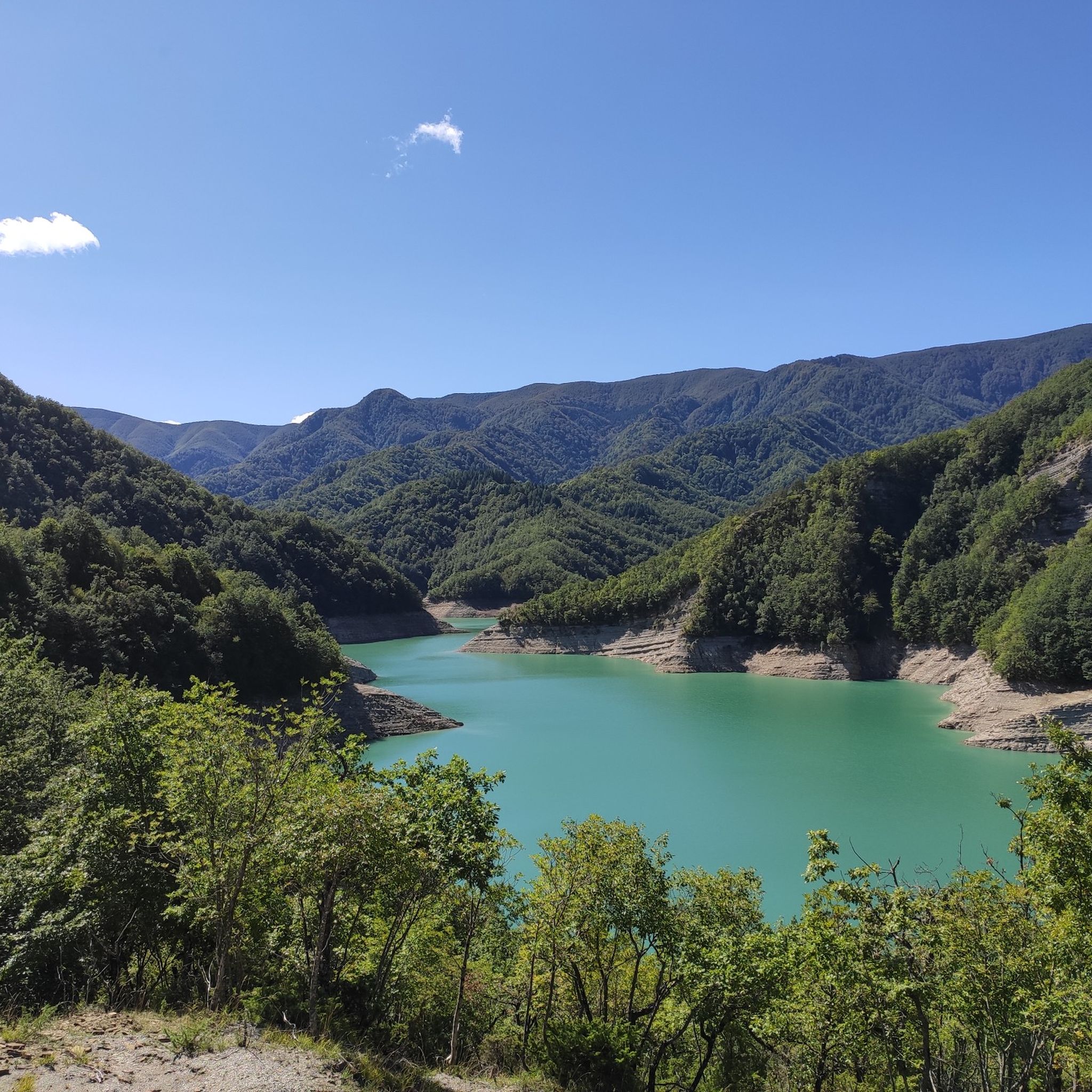
Hiking around Bagno Di Romagna
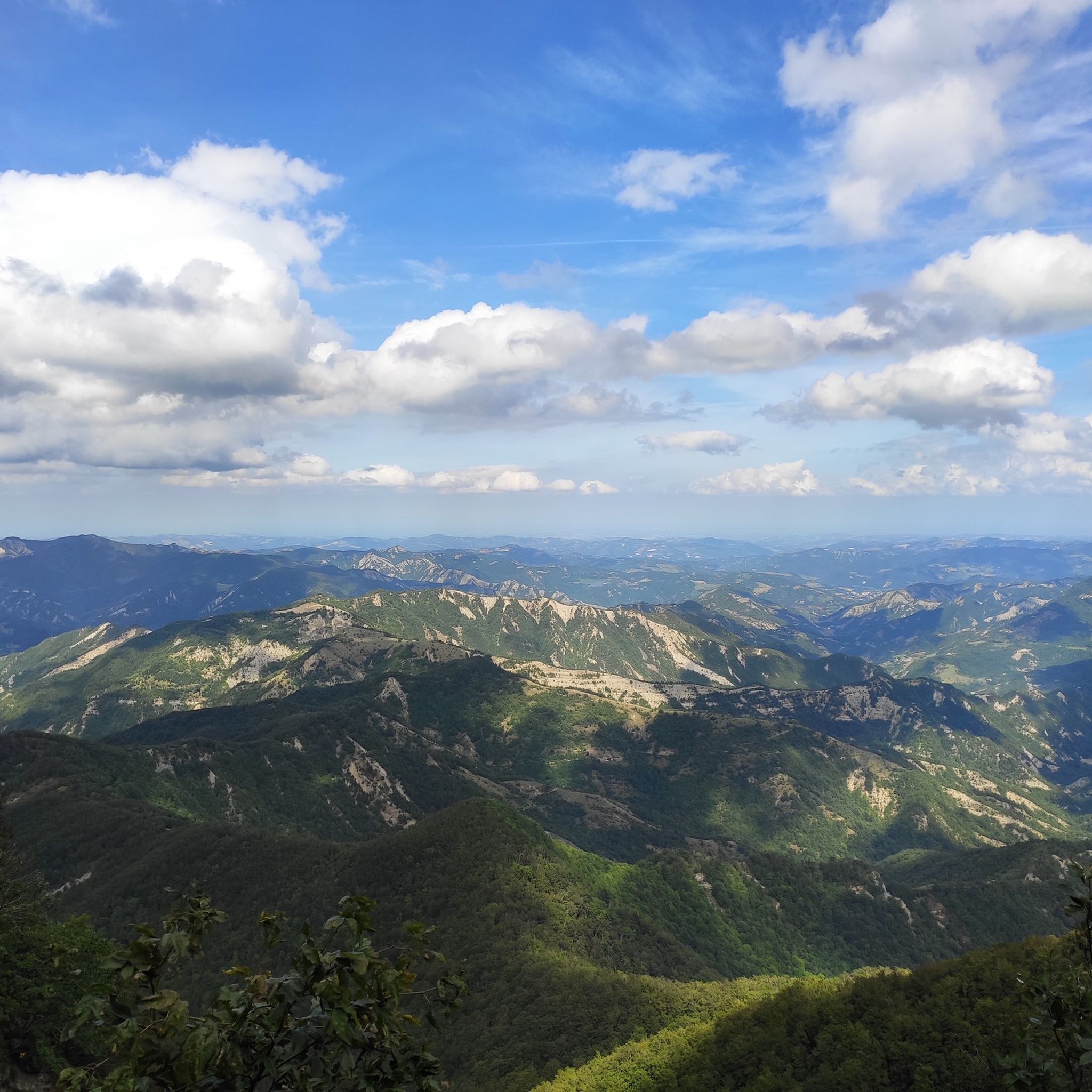
MTB Trails around Bagno Di Romagna
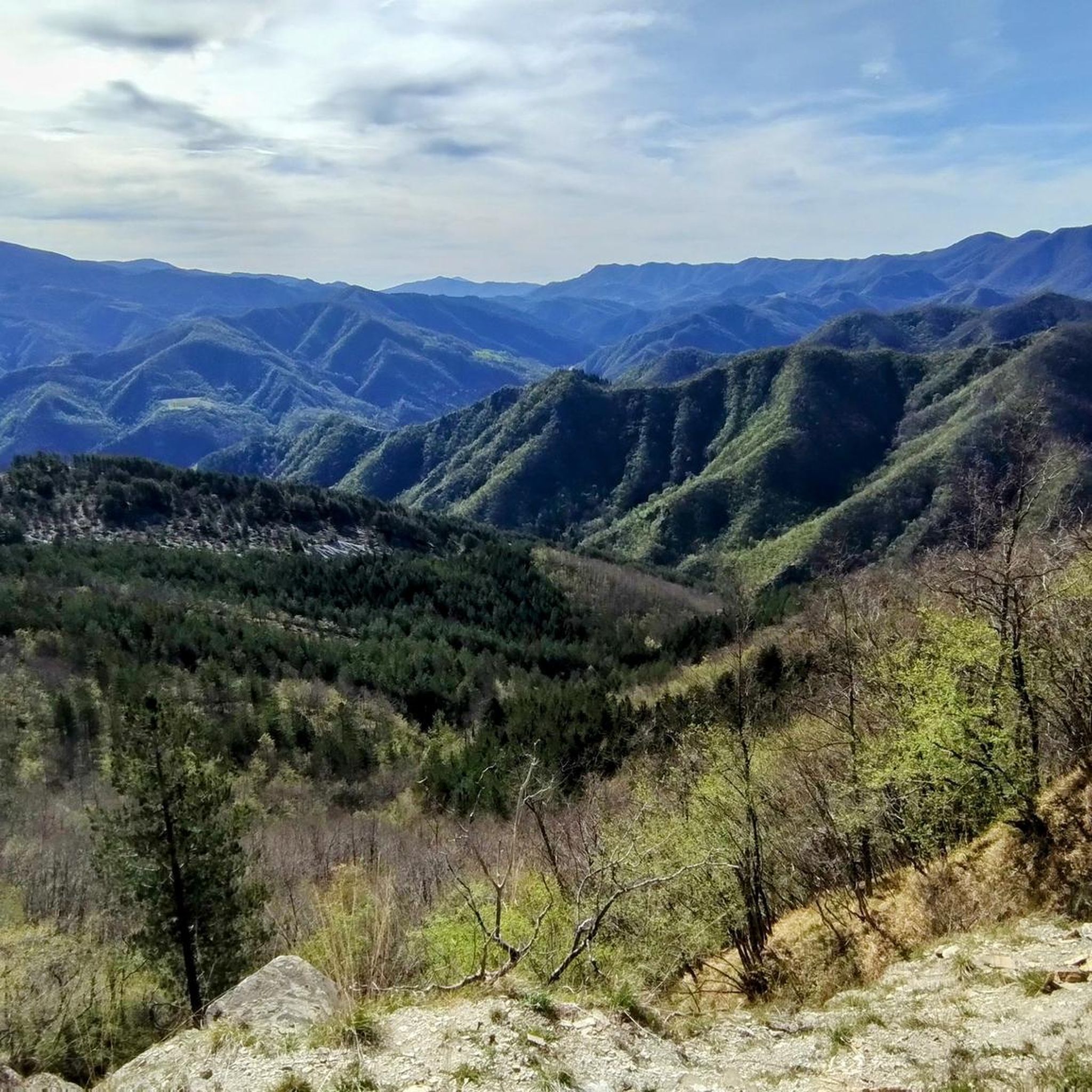
Cycling around Bagno Di Romagna
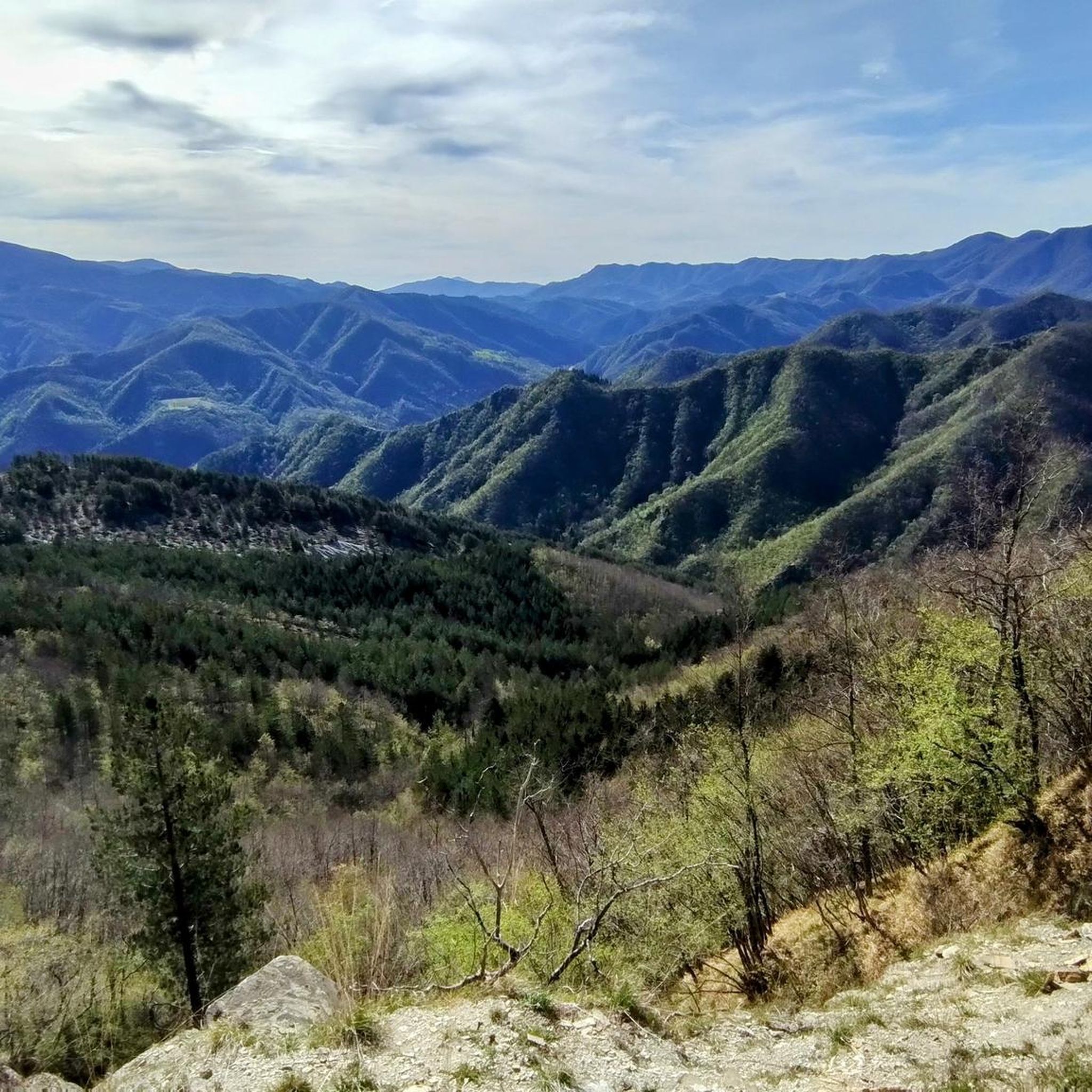
Road Cycling Routes around Bagno Di Romagna
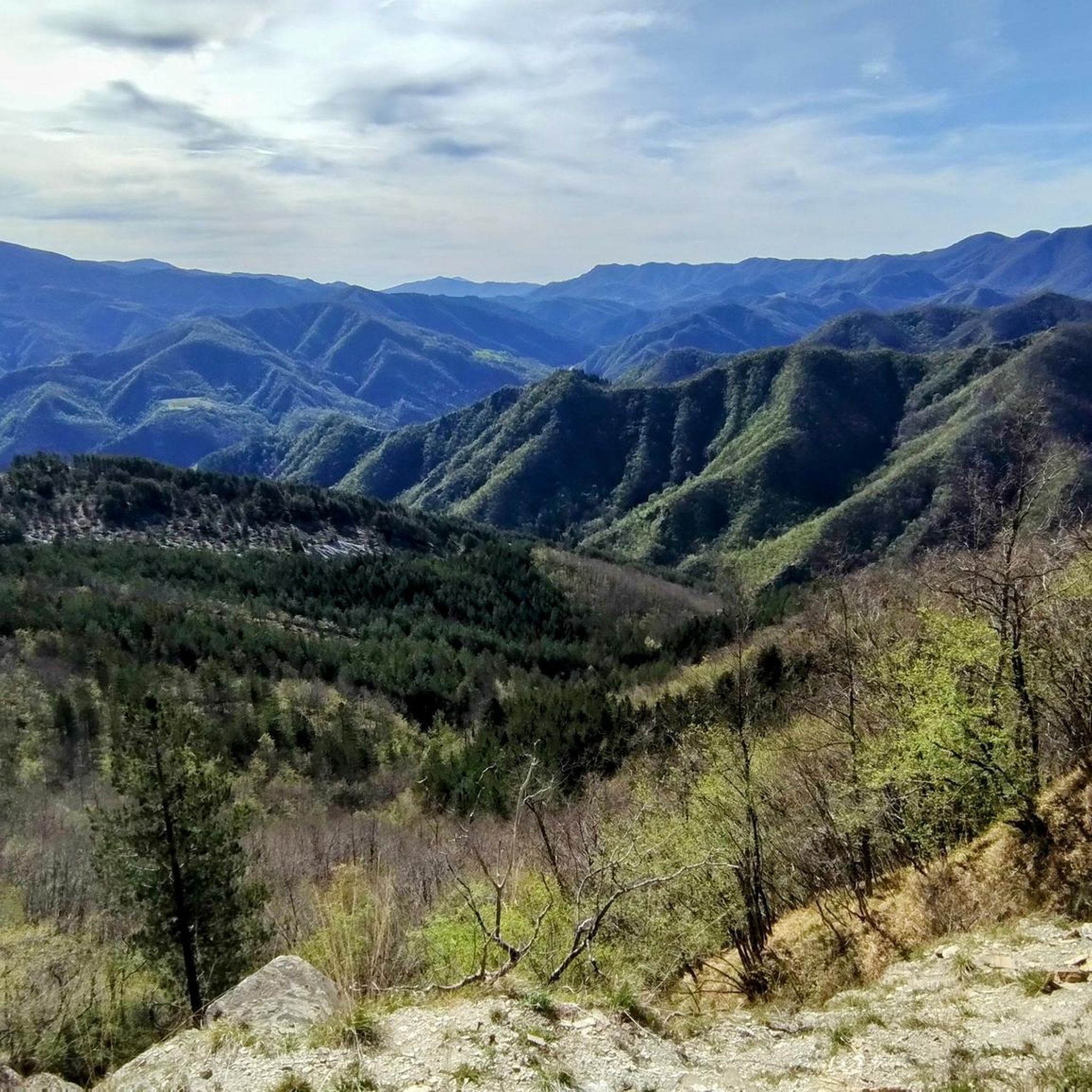
Running Trails around Bagno Di Romagna

Gravel biking around Bagno Di Romagna


Tips from the Community

A nasty crevice in the rock, wet and cold.
0
0

The name of this place is linked to the local tradition of using caves for food preservation. The rocks and the shade of the forest help to isolate the cavities from the outside, maintaining a constant low temperature. It was also common to fill the caves with snow during the winter to increase their cooling power during the warmer months. Even today it is possible to appreciate the difference in temperature between the outside and the inside, especially during the summer.
2
0

173rd excursion and 2nd time in Chiusi della Verna | double ring to the Sanctuary of La Verna and Monte Penna ══════════════════ 👇 here is the video in 4K 👇 https://youtu.be/U1nO_QpZuQg?si=CGt6YMxEL0ZQf5YR ══════════════════ In the late 1980s, David Badii, a young Franciscan novice, resided in the Sanctuary of La Verna and often retreated to the Monumental Forest to pray. On an evening when he did not return to the convent, the brothers began to worry and feared the worst. Unfortunately, their fears proved to be well founded when the young friar was found dead in the woods. A large boulder, forming a cavity presumably used by the friar for prayer, is now known as Fra' David's Cave. This place can be reached on foot from the Sanctuary and still houses the young friar's sandals today, together with a plaque commemorating his life. adapted from https://tuscanyplanet.com/santuario-della-verna/
0
0

The exact translation of the rock cave is: “The Ice Box” and that’s exactly how it feels when you get closer. In the past, people used such caves to store food.
4
2
The so-called "Sasso Spicco" (Outstanding Rock) is one of the places where St. Francis liked to pray during his visits to La Verna. The legends say that God revealed to Francis that this strange fissure arose at the hour when Jesus Christ died on Golgotha, as the Evangelist reports, and the rocks split. (Matt 27:14).
5
0
There are several chapels along the 78 meter long corridor from the basilica to the Chapel of the Stigmata, which is called Corridoio delle stimmate (“Corridor of the Stigmata”). The corridor was built so that the daily procession to the Chapel of the Stigmata could be carried out in any weather. In the middle of the aisle is the so-called “Bed of St. Francis”, a damp and cold grotto (Letto di S. Francesco). St. Francis rested on a smooth surface covered by an iron grille.
4
0

Magical place just above Badia Prataglia. Easily accessible by parking in the nearby Campo dall'Agio rest area.
1
0

place of prayer of the saint, used in his first visits to La Verna
0
0
Frequently Asked Questions
What are some notable caves in the wider Emilia-Romagna region accessible from Bagno di Romagna?
While Bagno di Romagna itself doesn't have extensive cave systems, the surrounding Emilia-Romagna region offers several significant caves. These include the archaeologically rich Grotta del Re Tiberio, the adventurous Grotta della Tanaccia, the bat-filled Grotte di Onferno, and the large chalk cave system of Grotta della Spipola. Each offers a distinct experience within a reasonable driving distance.
Are there any caves near Bagno di Romagna with significant historical or archaeological importance?
Yes, several caves in the broader region hold historical and archaeological value. The Grotta del Re Tiberio in Riolo Terme is renowned for evidence of human activity from the Copper Age to the Roman Imperial Age. Closer to Bagno di Romagna, The Icehouse of Cattiglio was historically used for food preservation, and Fra' David's Cave is a site of religious significance.
Which caves offer a unique geological experience?
The Grotte di Onferno in Gemmano are among Italy's most important gypsum caves, featuring a complex network of tunnels and unique formations like the Sala dei Mammelloni. The Grotta della Spipola near Bologna is an excellent example of a large chalk cave system. Closer by, Buca delle Fate (Fairy Hole Cave) is a significant natural cavity within the Casentinesi Forests National Park.
Can I find caves suitable for a more adventurous speleological experience?
For those seeking a more authentic caving adventure, the Grotta della Tanaccia near Brisighella offers narrow passages, stalactites, and interesting erosion phenomena. Visits are guided and require reservations, providing a genuine journey into the underground world.
Are there caves known for their natural beauty or unique natural phenomena?
The Grotta Urlante (Howling Cave) of Premilcuore, located within the Casentinesi Forests National Park, is a natural cavity where the Rabbi river creates a waterfall and pours into a deep abyss, generating a distinctive 'howling' sound. It also forms natural pools with emerald and blue waters, ideal for swimming in summer.
What about caves with religious or spiritual significance?
Near Bagno di Romagna, Sasso Spicco is a natural monument and cave recognized as a place where St. Francis prayed. The Cave of Saint Francis' Bed is a historical grotto within a corridor leading to the Chapel of the Stigmata, where St. Francis is said to have rested.
What kind of wildlife can be found in the caves of this region?
The Grotte di Onferno are particularly notable for their wildlife, hosting the most important bat colony in the Emilia-Romagna region. Over 8,000 bats of seven different species reside there, making it a significant site for ecological observation.
What outdoor activities can I combine with a visit to the caves around Bagno di Romagna?
The area around Bagno di Romagna is excellent for outdoor activities. You can explore various routes for gravel biking, road cycling, and mountain biking. Many of these routes pass through scenic areas and natural parks, offering opportunities to visit caves as part of a longer adventure.
Are there any caves that are particularly easy to access or visit?
The Grotta della Spipola offers a 700-meter tour suitable for most visitors, providing an accessible glimpse into a large chalk cave system. For a natural feature closer to Bagno di Romagna, the Grotta Urlante of Premilcuore is relatively easy to reach and offers a picturesque setting with opportunities for wild swimming.
What is the best time of year to visit the caves in the Bagno di Romagna area?
Caves generally maintain a consistent cool temperature year-round, making them a good option in various seasons. However, for caves that involve outdoor elements or are part of a wider natural park experience, spring and autumn offer pleasant weather for hiking and exploring the surrounding areas. Summer can be ideal for visiting caves like Grotta Urlante, which offers natural pools for swimming.
Are there any UNESCO World Heritage sites related to caves in the Emilia-Romagna region?
Yes, the broader Emilia-Romagna region is known for its karst phenomena and caves, with several sites recognized as part of the "Evaporitic Karst and Caves of Northern Apennines" UNESCO World Heritage site in 2023. You can find more information about this designation on the UNESCO website.
What do visitors appreciate most about the caves directly around Bagno di Romagna?
Visitors appreciate the unique blend of natural and historical significance. For instance, The Icehouse of Cattiglio is valued for its historical use in food preservation and the noticeable temperature difference. Sites like Sasso Spicco and Cave of Saint Francis' Bed are cherished for their spiritual and historical connections to St. Francis.
Most popular routes around Bagno Di Romagna
Most popular attractions around Bagno Di Romagna

Get inspired with the komoot mobile app


Explore more
Extend your search for the best caves by checking out these guides of the top ones around Bagno Di Romagna:
