Top 4 Castles around San Ginesio
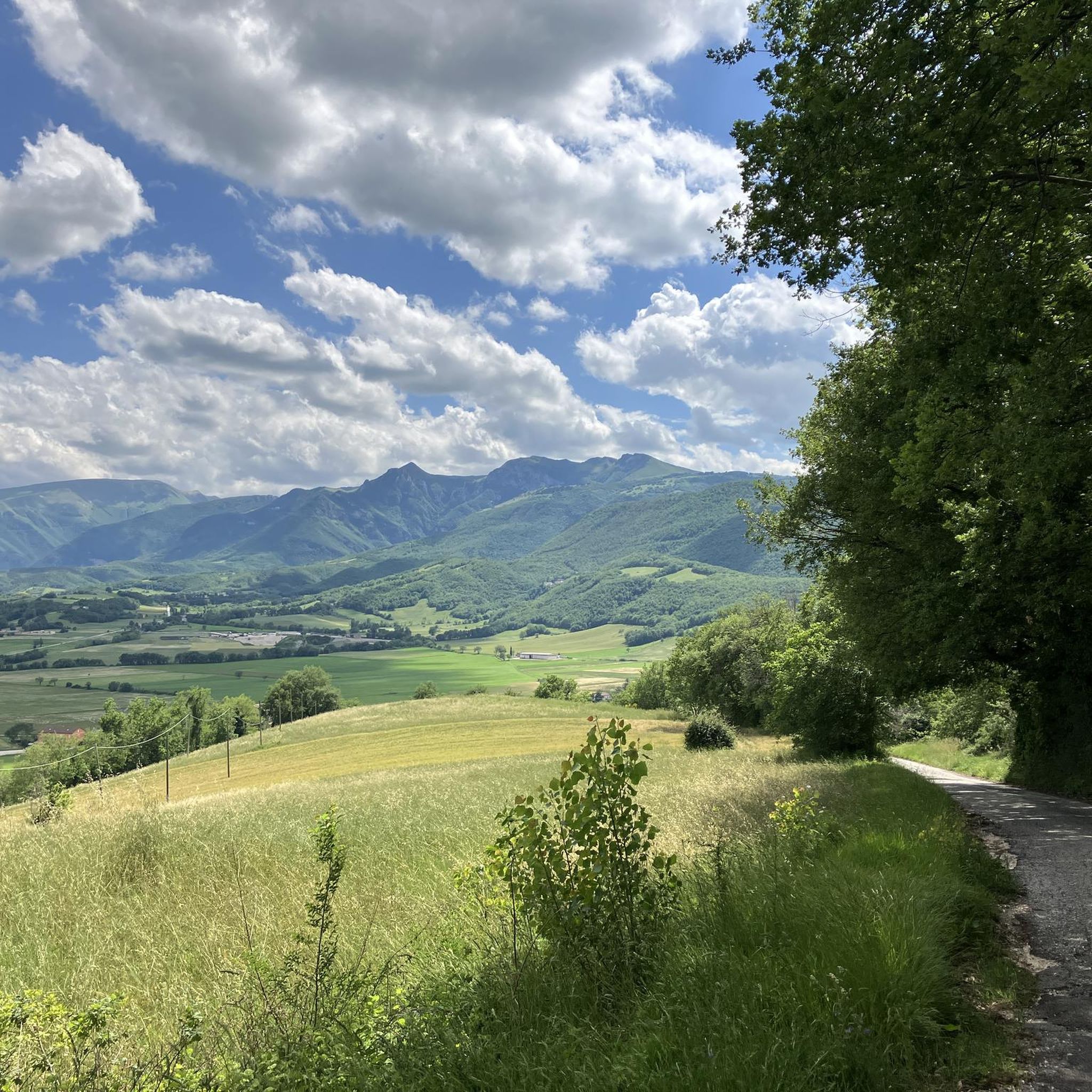
Best castles around San Ginesio are primarily represented by the town's well-preserved medieval fortifications, which encircle its historic center. San Ginesio, located in Italy's Marche region, is known for its strategic position, offering views of the Sibillini Mountains. The area's defensive architecture, including extensive city walls and gates, reflects its historical importance and architectural heritage.
Best castles around San Ginesio
- The most popular castles is Rocca di Urbisaglia, a castle that is part of a medieval town with a well-preserved fortress. It offers views of the Sibillini mountain range.
- Another must-see spot is Statte Castle, a historical site located on the slopes of Monte Letegge. This 12th-century fortification was built to control the Chienti and Potenza valleys.
- Visitors also love La Rancia Castle, a castle that was originally a fortified farm. It houses the Civic Archaeological Museum “Aristide Gentiloni Silverj”.
- San Ginesio is known for its medieval city walls, ancient gates, and historical castle ruins. Visitors can explore various defensive structures and historical sites in the area.
- The castles around San Ginesio are appreciated by the komoot community, with more than 40 upvotes and 17 photos shared by users.
Last updated: June 30, 2026
La Rancia Castle
Highlight • Castle
Translated by Google •
Tip by

Fiastra
Highlight • Settlement
Translated by Google •
Tip by

Sign up now to discover places like this
Get recommendations on the best single tracks, peaks, & plenty of other exciting outdoor places.
Sign up for free
Statte Castle
Highlight • Castle
Translated by Google •
Tip by
Rocca di Urbisaglia
Highlight • Castle
Translated by Google •
Tip by

Rocca di Campolarzo
Highlight • Castle
Translated by Google •
Tip by

Start today with a free account
Your next adventure awaits.
Login or Signup
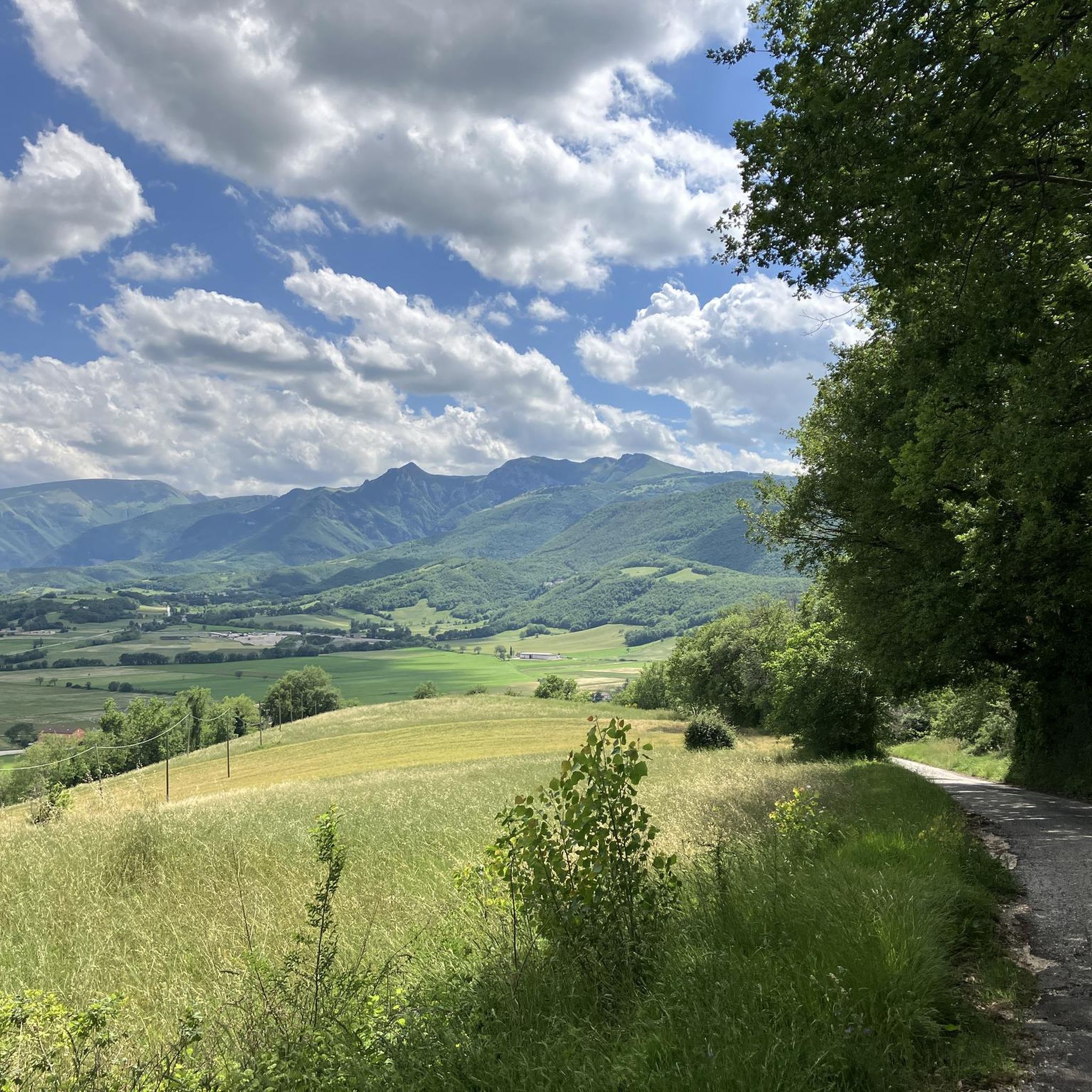
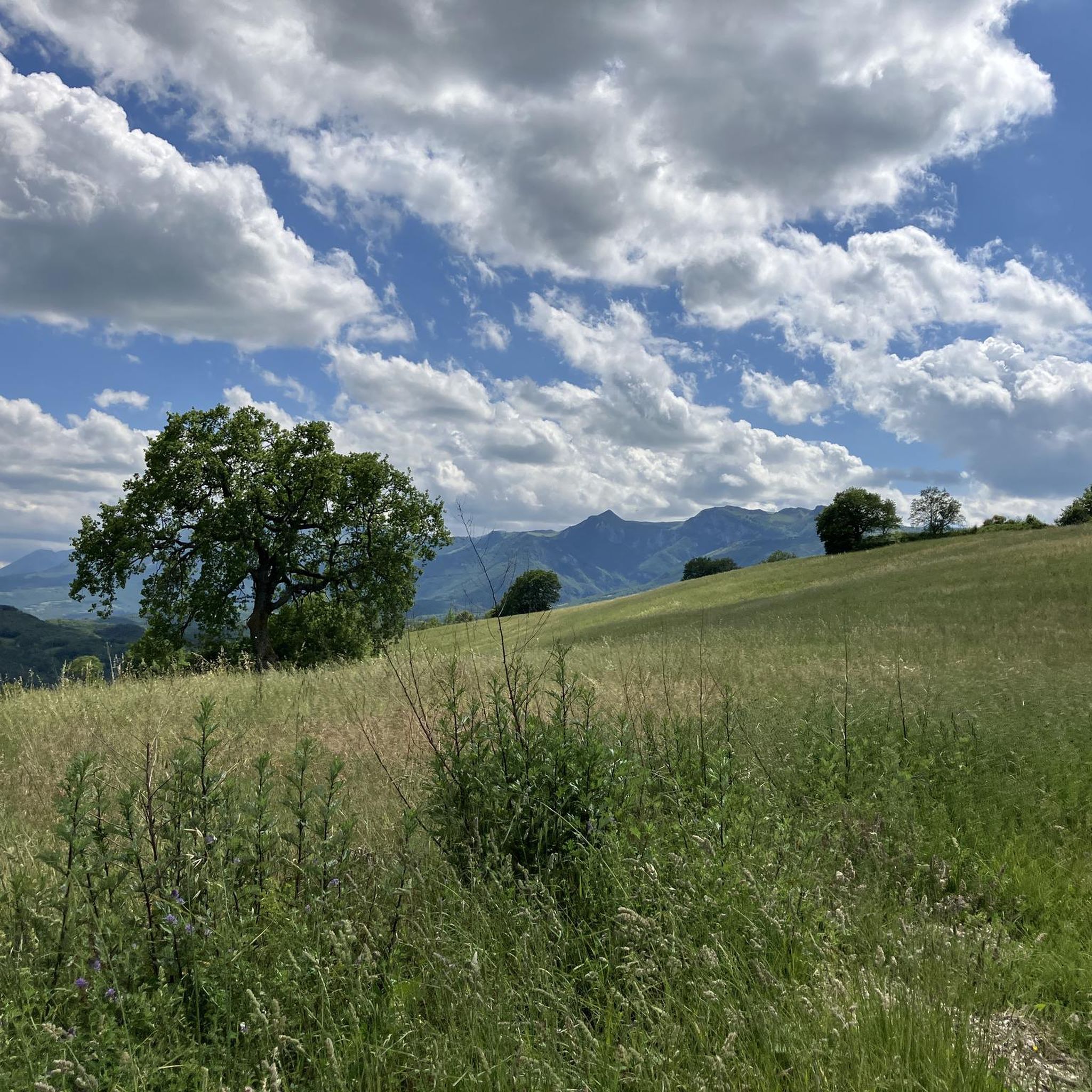
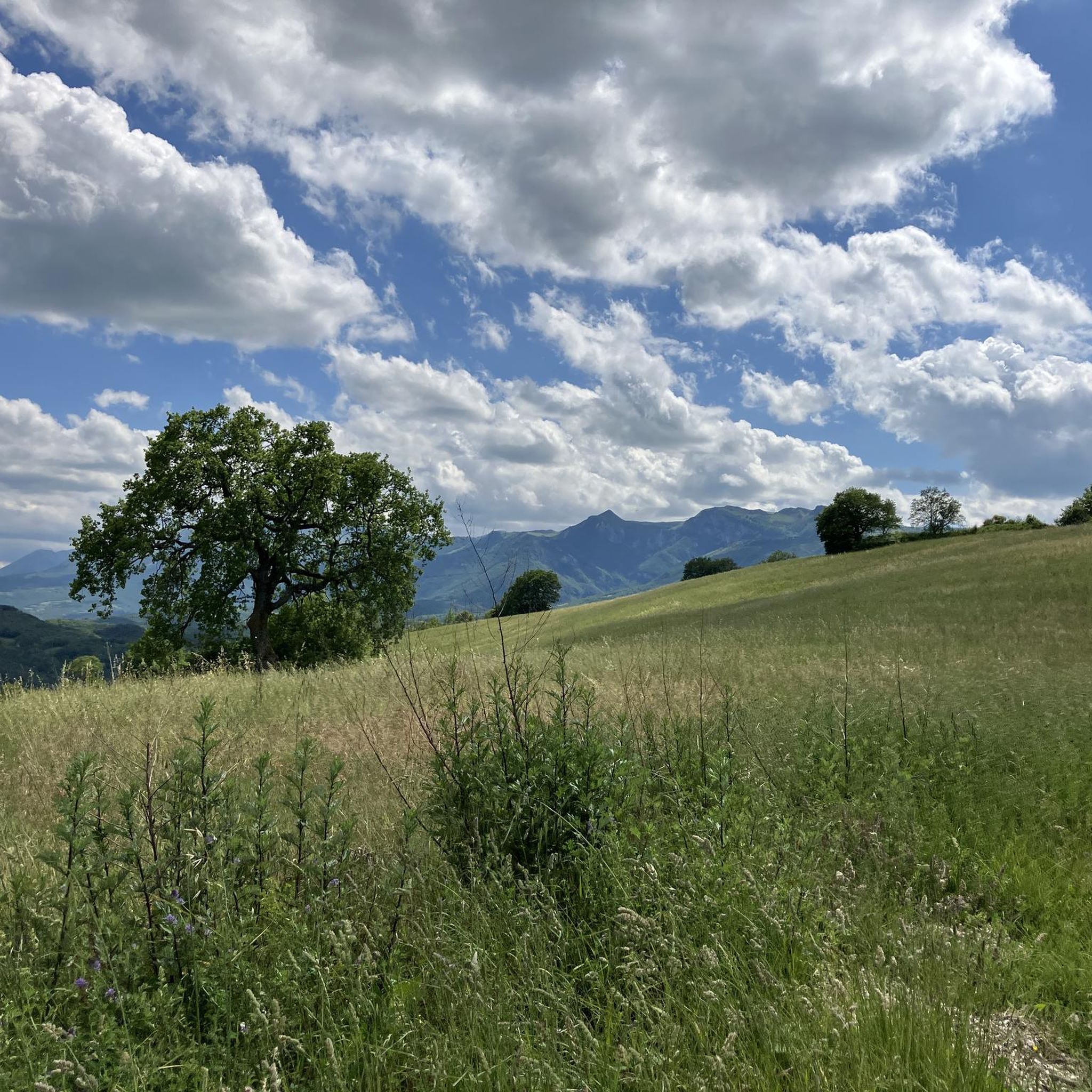
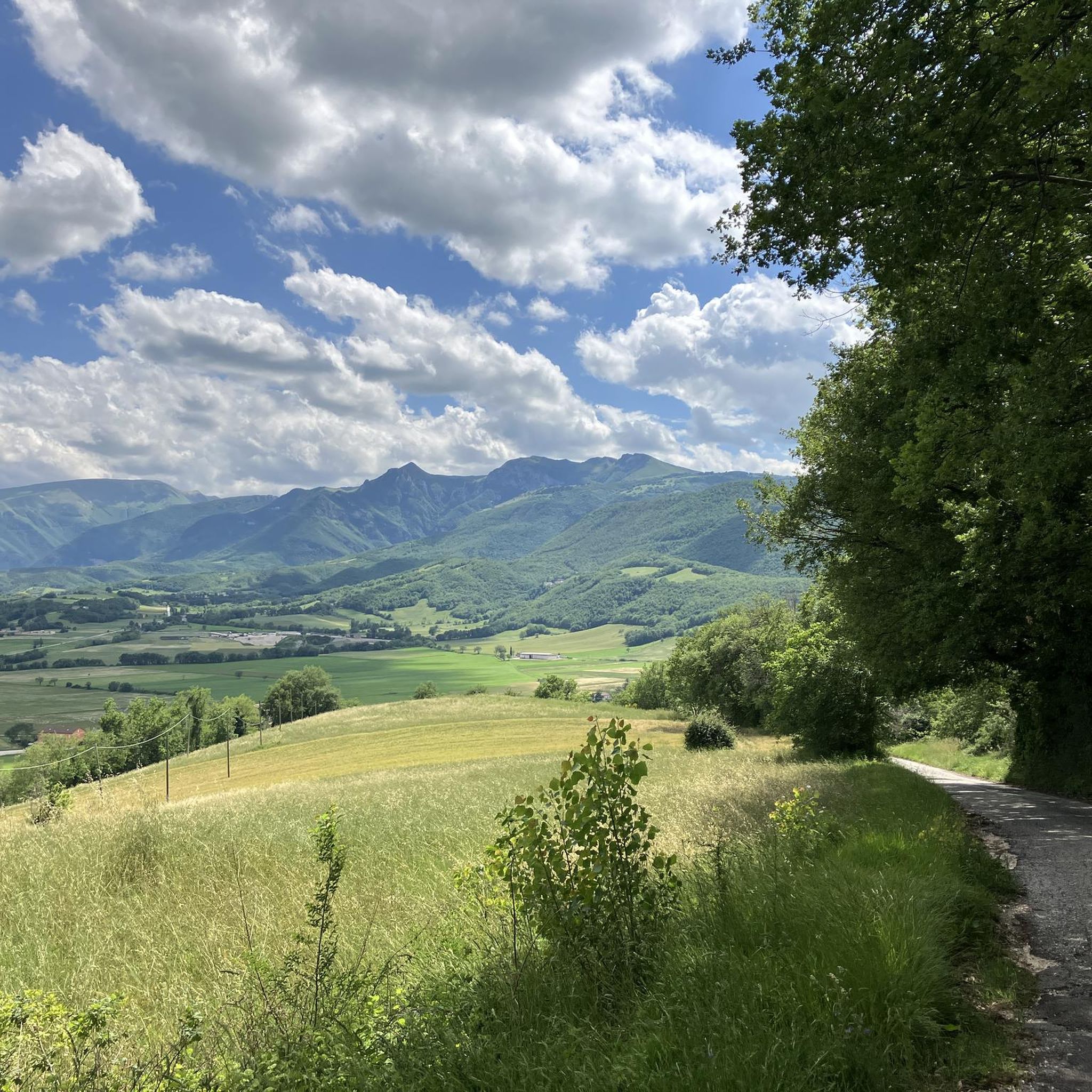
Tips from the Community

There is a very large car park, and a cycle/pedestrian path starts here.
0
0

The term “ Rancia ” is probably a corruption of the word grancia , or granary , from the French grange, borrowed from the Latin granica. Built as a fortified farm in the mid-11th century, in the Rancia district, on the plain located to the left of the Chienti river, the Castello della Rancia was initially a sort of tower house with autonomous structures for the defense of agricultural products. Important dates to remember are May 2 and 3, 1815, days of the furious battle called “ della Rancia ” or “ Tolentino ” when the entire area became a battlefield between the French army of Gioacchino Murat, king of Naples and brother-in-law of Napoleon, and the Austrian troops of General Federico Bianchi. The importance of this event in the history of Italy is said to be considered the beginning of the Italian Risorgimento. It is currently owned by the Municipality of Tolentino and houses the Civic Archaeological Museum “Aristide Gentiloni Silverj”.
0
0
if you need to get off, you can take the next road then join it with the next track and take the main road again. Check the tracks.
0
0

It is the seat of the homonymous theater company
0
0

The village of Fiastra is now almost depopulated, but in the Lombard era it was an important urban centre. Castello Magalotti is proof of this. From this village several paths lead to the discovery of the Fiastrone gorges and the famous Lame Rosse.
4
0
Statte Castle is an ancient fortification located on the slopes of Monte Letegge. It was built in the 12th century by the Bonifazi counts to control the Chienti and Potenza valleys. In the 16th century it was abandoned and dismantled, and is now being restored.
1
0

Coming from Caccamo towards Camerino, in the hamlet of Campolarzo there is a small clearing on the right and a small path that climbs the hill and leads to the ruins of the 13th century Rocca di Campolarzo. The path is not well maintained but it is worth a visit and enjoy the valley below.
0
0

Frequently Asked Questions
What are the main defensive structures to explore in San Ginesio?
San Ginesio is primarily known for its remarkably well-preserved medieval city walls and gates, which encircle almost the entire historic urban center. Construction began in 1308 and was completed in the 15th century. You can explore four well-preserved gates: Porta Picena, Porta Offuna, Porta Alvaneto, and Porta Ascarana, each with unique historical and architectural features.
Are there any traditional castles near San Ginesio?
While San Ginesio itself is known for its extensive fortifications rather than a single traditional castle, there are notable castle highlights in the surrounding area. These include Rocca di Urbisaglia, Statte Castle, and La Rancia Castle. Additionally, you can find the ruins of Rocca di Campolarzo.
What historical significance do San Ginesio's fortifications hold?
The medieval walls and gates of San Ginesio offer a tangible connection to the town's past, narrating its history and strategic importance. They are a testament to its efforts to defend itself through centuries of conflicts, such as the feuds between Guelphs and Ghibellines. The town's elevated position meant it survived without defensive lines in Roman times, but later invested heavily in these impressive fortifications.
What kind of views can I expect from San Ginesio's fortifications?
San Ginesio is often referred to as the 'Balcony of the Sibillini Mountains' due to its elevated position. From its fortifications, you can enjoy breathtaking panoramic views of the surrounding Sibillini Mountains and the valleys below. Rocca di Urbisaglia also offers beautiful views of the Sibillini mountain range.
Are there hiking opportunities near the castles and fortifications?
Yes, the region around San Ginesio offers various outdoor activities. You can find numerous hiking trails, including those that might incorporate views of the fortified walls or lead to nearby castles. For detailed routes, you can explore the hiking guide for San Ginesio, which includes routes like the 'Cave of the Friars loop' and 'Lame Rosse of Fiastra'.
What other outdoor activities are available in the San Ginesio area?
Beyond hiking, the San Ginesio area is suitable for other outdoor sports. You can find MTB trails, with routes like the 'Pintura di Bolognola – Piani di Ragnòlo loop', and running trails, such as 'From Sarnano to the Ancient Mill Waterfall'. These guides provide options for various difficulty levels.
Is there a museum related to the history of the castles or the region?
Yes, La Rancia Castle, originally a fortified farm, now houses the Civic Archaeological Museum “Aristide Gentiloni Silverj”. This museum offers insights into the local history and archaeological findings of the area.
What is the best time of year to visit San Ginesio and its fortifications?
The best time to visit San Ginesio for exploring its fortifications and enjoying outdoor activities is generally during the spring (April-June) and autumn (September-October) months. During these periods, the weather is typically pleasant for walking and the views of the Sibillini Mountains are often clear. Summer can be warm, while winter may bring colder temperatures and snow, especially at higher elevations.
Are there any family-friendly options among the castles or fortifications?
Exploring the medieval city walls and gates of San Ginesio can be a family-friendly activity, offering an immersive historical experience. The town's well-preserved structures and panoramic views are engaging for all ages. La Rancia Castle, with its museum, also provides an educational and accessible option for families.
Where can I park when visiting San Ginesio's historic center?
San Ginesio's historic center has parking facilities available. For instance, La Rancia Castle specifically mentions having a very large car park, which can be convenient if you are visiting that particular site or starting a walk from there.
What makes Rocca di Urbisaglia a notable visit?
Rocca di Urbisaglia is a popular highlight due to its well-preserved fortress within a beautiful medieval town. It offers stunning views of the Sibillini mountain range and is located near the archaeological area of Urbs Salvia, providing a combined historical and scenic experience.
What is the history behind Statte Castle?
Statte Castle is an ancient fortification from the 12th century, built by the Bonifazi counts. Its strategic location on the slopes of Monte Letegge allowed it to control the Chienti and Potenza valleys. Although it was abandoned and dismantled in the 16th century, it is currently undergoing restoration.
Most popular routes around San Ginesio
Most popular attractions around San Ginesio

Get inspired with the komoot mobile app


Explore more
Looking for the best castles somewhere else? Discover other guides around San Ginesio:
