Top 8 Caves around Seui
Best caves around Seui Sardinia are found in a region known for its natural karst formations and historical significance. Seui, a municipality in Sardinia, Italy, is situated near several notable cave systems. These natural features, formed over millions of years by water action on calcareous-dolomitic rocks, offer insights into geology and ancient history. The area provides a landscape rich in underground exploration opportunities.
Best caves around Seui
- The most popular caves is Serbissi Cave, a cave that is a…
Last updated: June 16, 2026
Grotta Is Janas
Highlight • Cave
Opening times: Only with a guided tour, approx. 45 minutes - at the following times: 10:00 a.m., 11:00 a.m., 3:00 p.m., 4:00 p.m. and 5:00 p.m
escursionisadali.it
Translated by Google •
Tip by

Su Marmuri Cave
Highlight • Cave
Translated by Google •
Tip by

Sign up now to discover places like this
Get recommendations on the best single tracks, peaks, & plenty of other exciting outdoor places.
Sign up for free
Serbissi Cave
Highlight • Cave
Source: sentierinatura.it/easyne2/LYT.aspx?Code=SentieriNatura&IDLYT=2713&ST=SQL&SQL=ID_Documento%3D4591
Translated by Google •
Tip by

Matzeu Cave
Highlight • Cave
Translated by Google •
Tip by

Rocky trail between the Chillottis and the Janas Caves
Highlight • Trail
Translated by Google •
Tip by
Sign up for free to discover even more caves around Seui.
Sign up for free
Already have an account?
Start today with a free account
Your next adventure awaits.
Login or Signup

Tips from the Community

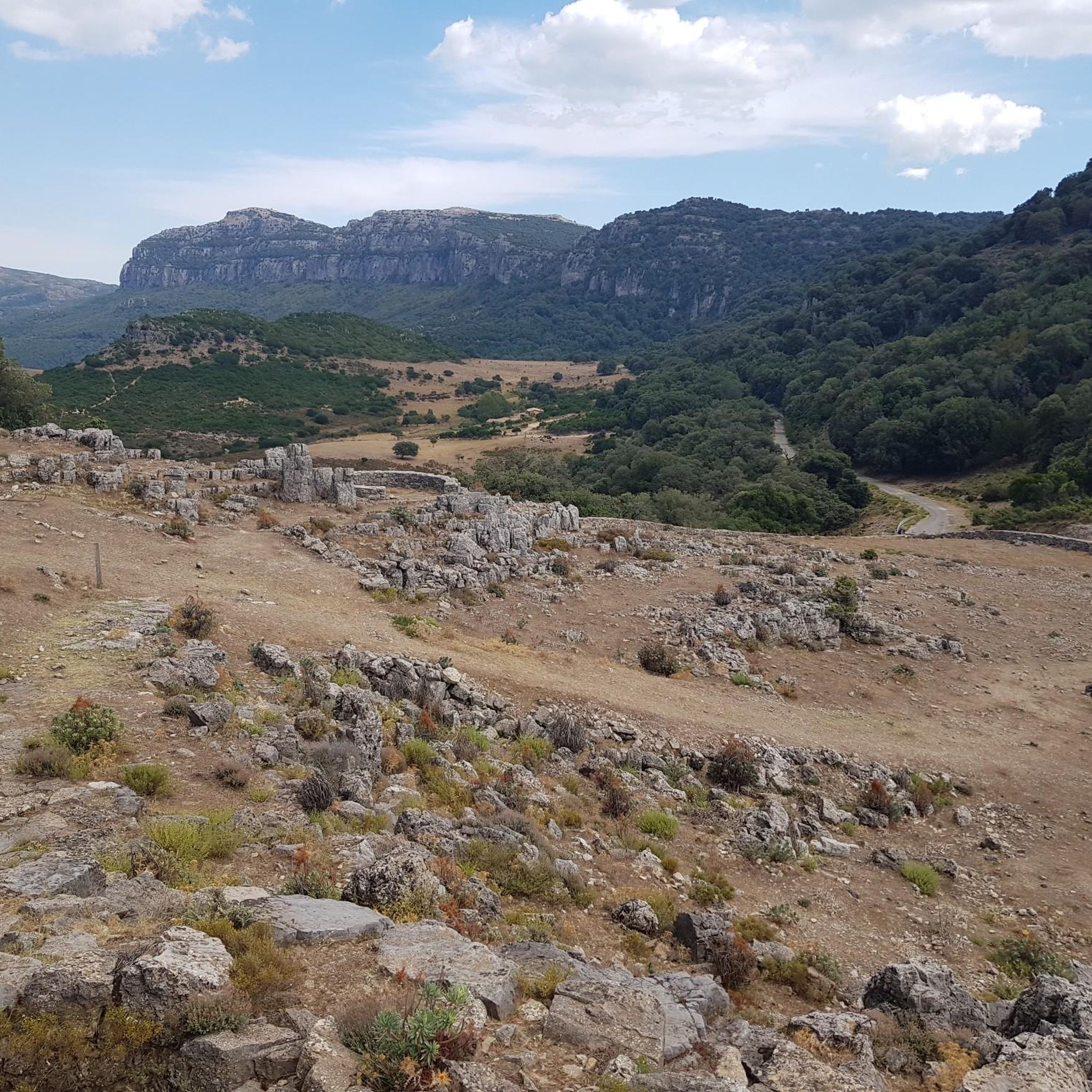
The cave is part of the archaeological park of the nuraghe of Sirbissi
0
0

6 euros entrance fee, which is really worth it. Opening times: Only with a guided tour, approx. 45 minutes - at the following times: 10:00 a.m., 11:00 a.m., 3:00 p.m., 4:00 p.m. and 5:00 p.m https://www.escursionisadali.it/ There are 5 rooms to visit. In contrast to the well-known grottos, the lighting is more temporary and the paths are more adventurous. The following legend surrounds the grotto: The cave is called “Is Janas”, which is a Sardinian name for “fairies”. According to a legend, three fairies lived in this cave. The fairies loved food and enjoyed cooking. This is also how you cook during Lent. A priest surprised the fairies while they were eating and was hanged by them (broken stalagtite in the first room). As punishment, God turned the fairies into three stalgmites (room 2). In the fourth room the skeleton of a "Prolagus Sardus" was discovered as well as ceramic shards from the Neolithic period (3000 BC) which can be viewed in the Museum of Caglari. Geological and historical information: The cave dates back 5 million years and was discovered in the 19th century. The cave is approx. 240 meters long and has a constant temperature of 12° and a humidity of 99 - 100%. The colors of the cave are: red (iron oxide and clay), gray (manganese) and black (guano - bat excrement).
5
1

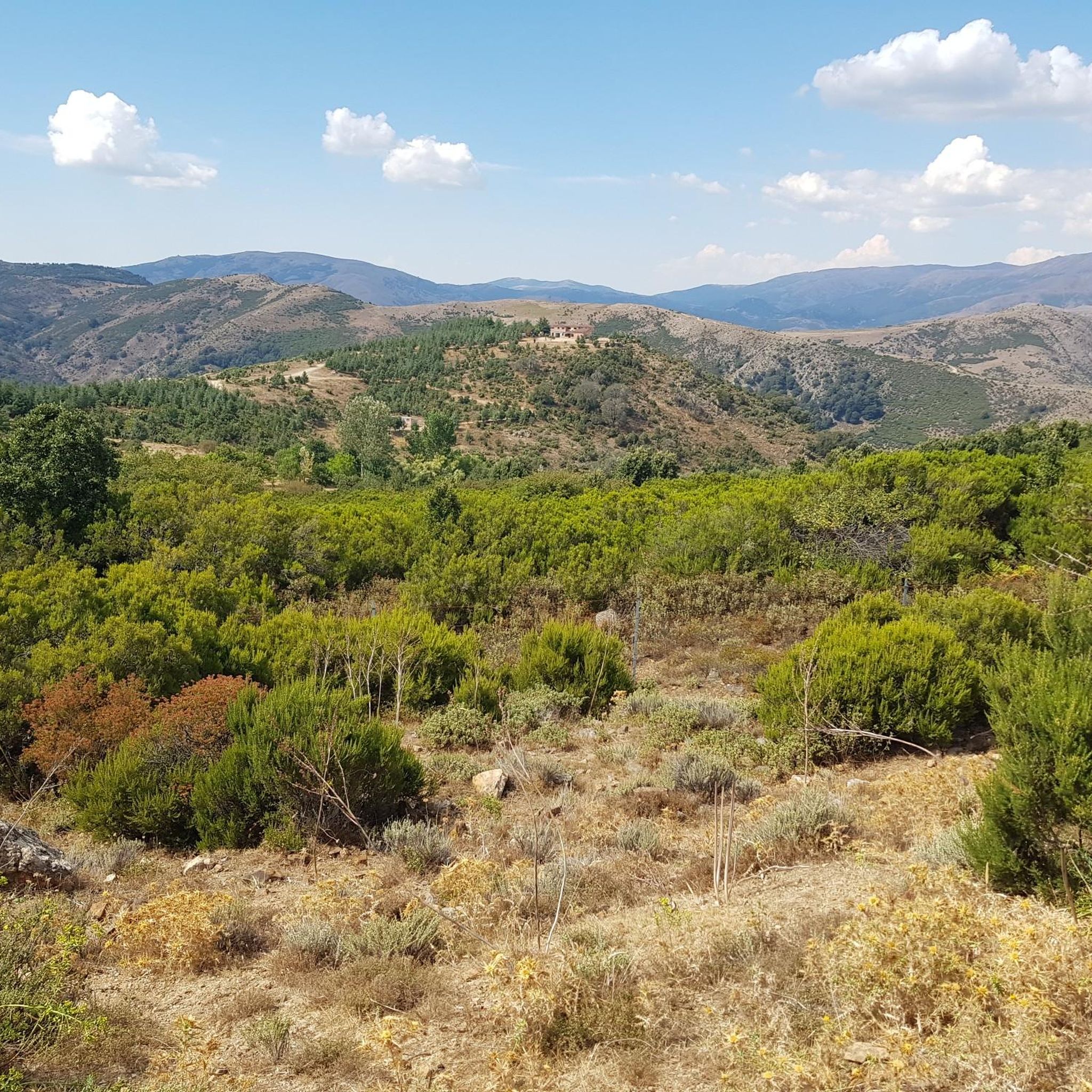
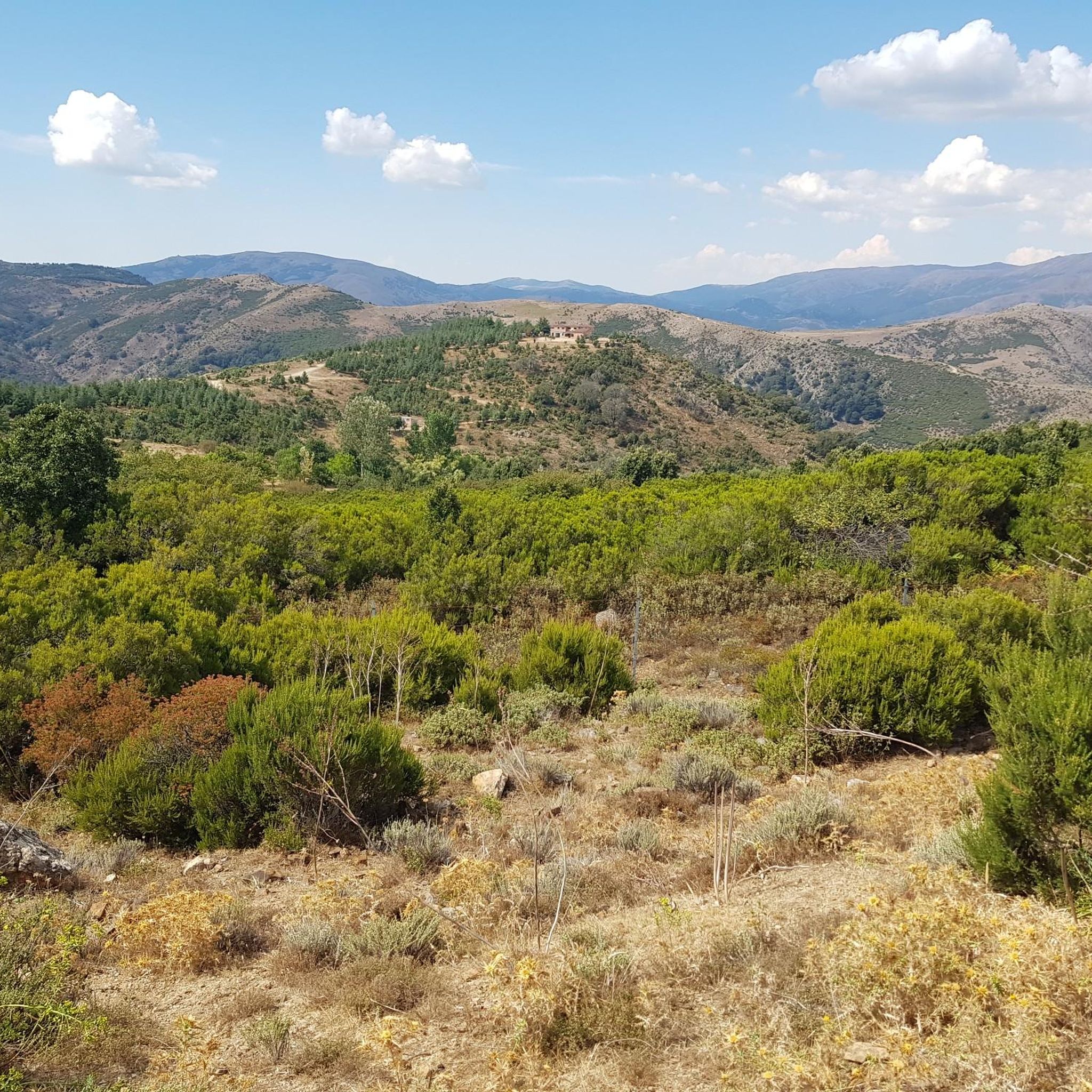
We enjoyed the views and also the plants along the way.
0
0
The cave is very worth seeing. We can also recommend the restaurant.
0
1

Very worth seeing, even if it was May 2023 with €12 entry p.p. quite expensive
0
1

Take a flashlight with you otherwise you won't see any stalactites
0
0

The Serbissi cave is a karst cavity, created by dolomitic dissolution through rainwater. Source: http://www.sentierinatura.it/easyne2/LYT.aspx?Code=SentieriNatura&IDLYT=2713&ST=SQL&SQL=ID_Documento%3D4591
1
0
Frequently Asked Questions
What are the unique geological features of the caves around Seui?
The caves in the Seui region, such as Grotta Is Janas, are primarily karst cavities formed over millions of years by water acting on calcareous-dolomitic rocks. They feature impressive stalactites, stalagmites, columns, and marble draperies. You can observe various colors within the caves, including red from iron oxide and clay, gray from manganese, and black from guano. The dissolution of rock along fractures created pathways for ancient watercourses, contributing to their unique morphology.
Are there guided tours available for the caves in the Seui region?
Yes, guided tours are mandatory for several caves. For instance, Grotta Is Janas offers guided tours in Sardinian, Italian, and English, typically lasting around 45 minutes. Similarly, Su Marmuri Cave can only be visited with a guide.
What is the best time of year to visit the caves near Seui?
The caves maintain a constant cool temperature, typically around 10-14°C, and high humidity year-round. This makes them a pleasant escape, especially during warmer months. There is no specific 'best' time, as they offer a consistent experience regardless of the season.
Are the caves around Seui suitable for families with children?
Many caves in the region, like Grotta Is Janas, are accessible via guided tours and can be a fascinating experience for families. The legend of the three fairies and the impressive formations often captivate younger visitors. However, some caves, like Matzeu Cave, are described as 'challenging' and may require good shoes due to slippery conditions, so check the specific cave's difficulty before visiting with children.
What kind of historical or archaeological significance do the caves in this area hold?
The caves around Seui have significant historical context. For example, Grotta Is Janas has yielded archaeological findings such as ceramic shards from the Neolithic period (around 3000 BC) and abundant bone remains of Prolagus sardus, suggesting human habitation or use dating back to the Eneolithic period. The cave itself dates back 5 million years and was discovered in the 19th century.
What should I wear or bring when visiting the caves around Seui?
Due to the constant cool temperatures (around 10-14°C) and high humidity inside the caves, it is recommended to wear warm clothes, even in summer. Good, sturdy shoes are also advisable, especially for caves like Matzeu Cave, where conditions can be slippery.
Are there any other natural attractions near the caves worth visiting?
Yes, adjacent to Grotta Is Janas is **Su Stampu 'e su Turrunu**, a striking natural monument featuring a waterfall emerging from a cave-like formation, plunging 16 meters into a small lake. This picturesque site is located within the Addolì forest, amidst ancient holm oaks and waterways, and is often combined with a cave visit.
What are the difficulty levels for exploring the caves in the Seui area?
The difficulty levels vary. Many caves, like Serbissi Cave and Su Marmuri Cave, are classified as 'intermediate' and are generally accessible with guided tours. However, Matzeu Cave is considered 'challenging' due to its terrain, requiring good shoes and careful navigation.
How long does a typical visit to a cave in the Seui region take?
A typical guided tour, such as those offered at Grotta Is Janas, usually lasts around 45 minutes. This duration allows visitors to explore the main halls and learn about the cave's features and legends.
Can I find parking easily when visiting the caves?
While specific parking details for each cave are not always provided, popular cave attractions typically have designated parking areas nearby to accommodate visitors. It's advisable to check local information or the cave's official website for precise parking instructions before your visit.
What outdoor activities, like cycling or hiking, can I do near the caves around Seui?
The Seui region offers various outdoor activities. For cycling enthusiasts, there are numerous routes available, including difficult road cycling tours like the 'Gairo Village – Ardasai Nuraghe loop from Seui' or MTB trails such as the 'Grotta de is Janas – Funtana e S'Orroli loop from Sadali-Seulo'. You can find more details on these and other routes in the Cycling around Seui, Road Cycling Routes around Seui, and MTB Trails around Seui guides.
Are dogs allowed in or near the caves around Seui?
Information regarding dog access directly inside the caves is generally not available, and due to the nature of guided tours and delicate ecosystems, it's often restricted. However, the surrounding natural areas and hiking trails, such as the path to Su Stampu 'e su Turrunu, may be dog-friendly. It's best to check with individual cave operators or local tourism offices for their specific pet policies.
Where can I find refreshments or accommodation near the caves?
The municipality of Seui and nearby towns offer various amenities. While specific cafes or accommodations directly adjacent to every cave are not listed, you can typically find options in the nearest villages. For example, Su Marmuri Cave has an adjacent bar recommended by visitors. It's advisable to plan your visit and check for local establishments in Seui or Sadali.
What makes <a href="https://www.komoot.com/highlight/4996396" target="_blank" rel="noopener">Grotta Is Janas</a> a significant cave to visit?
Grotta Is Janas, meaning 'Fairy Caves', is renowned for its captivating legend of three fairies turned to stone, with formations believed to represent them. Beyond folklore, it boasts impressive geological features, including diverse stalactites and stalagmites across five accessible halls. It also holds historical importance with Neolithic archaeological findings and is home to a diverse underground ecosystem, making it a rich experience for visitors.
What makes <a href="https://www.komoot.com/highlight/1073709" target="_blank" rel="noopener">Serbissi Cave</a> a popular choice?
Serbissi Cave is a popular karst cavity formed by dolomitic dissolution. Visitors appreciate it not only for the cave itself but also for the spectacular view it offers from its location. It's often highlighted as a must-see for its combination of geological interest and scenic surroundings.
Most popular attractions around Seui

Get inspired with the komoot mobile app


Explore more
Extend your search for the best caves by checking out these guides of the top ones around Seui:
