Top 10 Castles around Torre Canavese
Best castles around Torre Canavese are found in the picturesque Canavese area of Piedmont, Italy. This region is characterized by its historical architecture and diverse landscapes, including the Ivrea Morainic Amphitheater. The area offers a blend of ancient settlements, fortified structures, and natural features like the Dora Baltea river. Visitors can explore a rich history spanning centuries, from medieval origins to royal residences.
Best castles around Torre Canavese
- The most popular castles is Ivrea Historic Centre and the Dora Baltea…
Last updated: June 30, 2026
Ivrea Historic Centre and the Dora Baltea Riverside
Highlight • Historical Site
Translated by Google •
Tip by

Agliè - the historic town center
Highlight • Historical Site
Translated by Google •
Tip by

Sign up now to discover places like this
Get recommendations on the best single tracks, peaks, & plenty of other exciting outdoor places.
Sign up for free
San Martino
Highlight • Settlement
Translated by Google •
Tip by
Castello di Pavone Canavese
Highlight • Castle
It looks like the castle of a fairy tale by the Grimm …
Translated by Google •
Tip by

Agliè Castle
Highlight • Castle
Translated by Google •
Tip by
Sign up for free to discover even more castles around Torre Canavese.
Sign up for free
Already have an account?
Start today with a free account
Your next adventure awaits.
Login or Signup
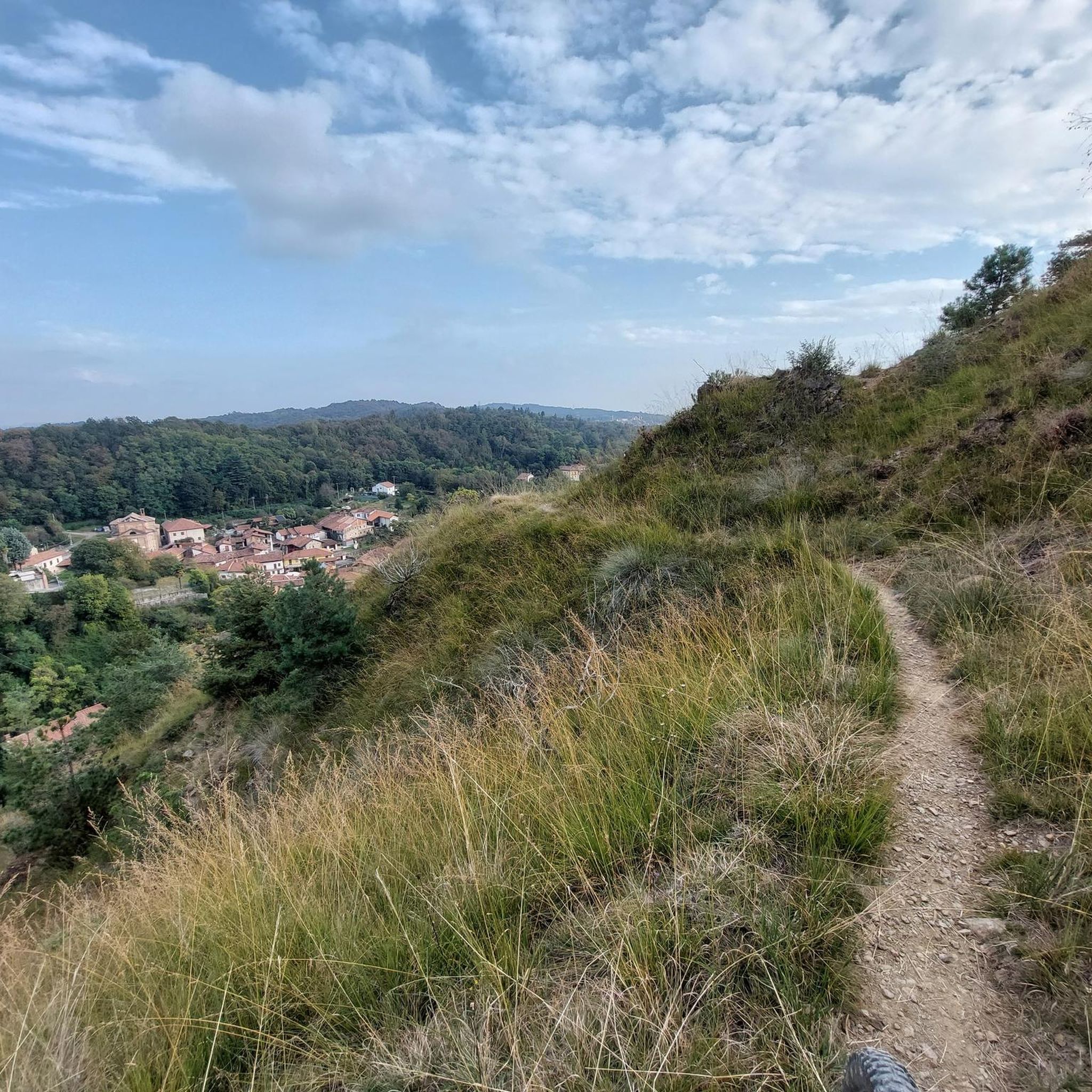
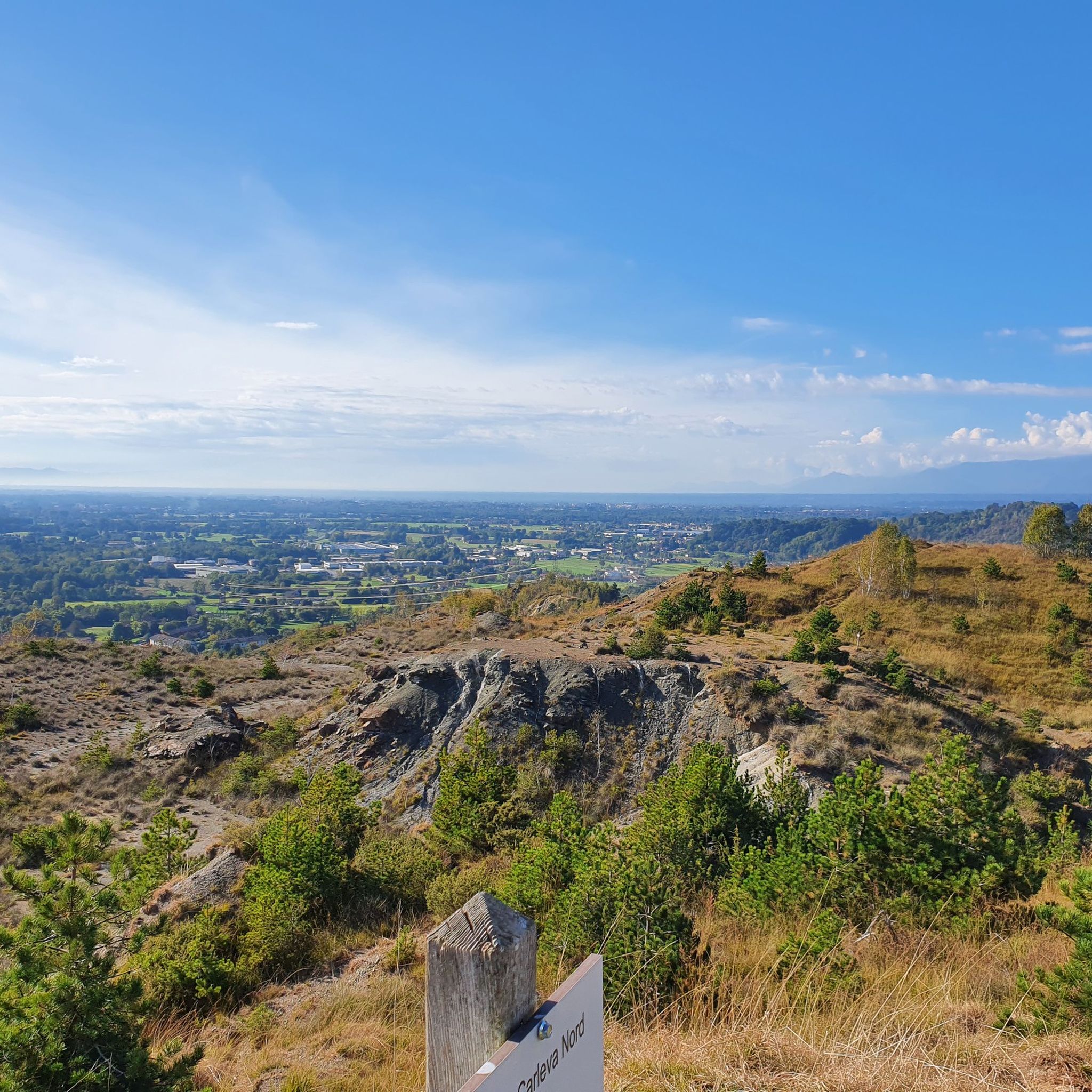
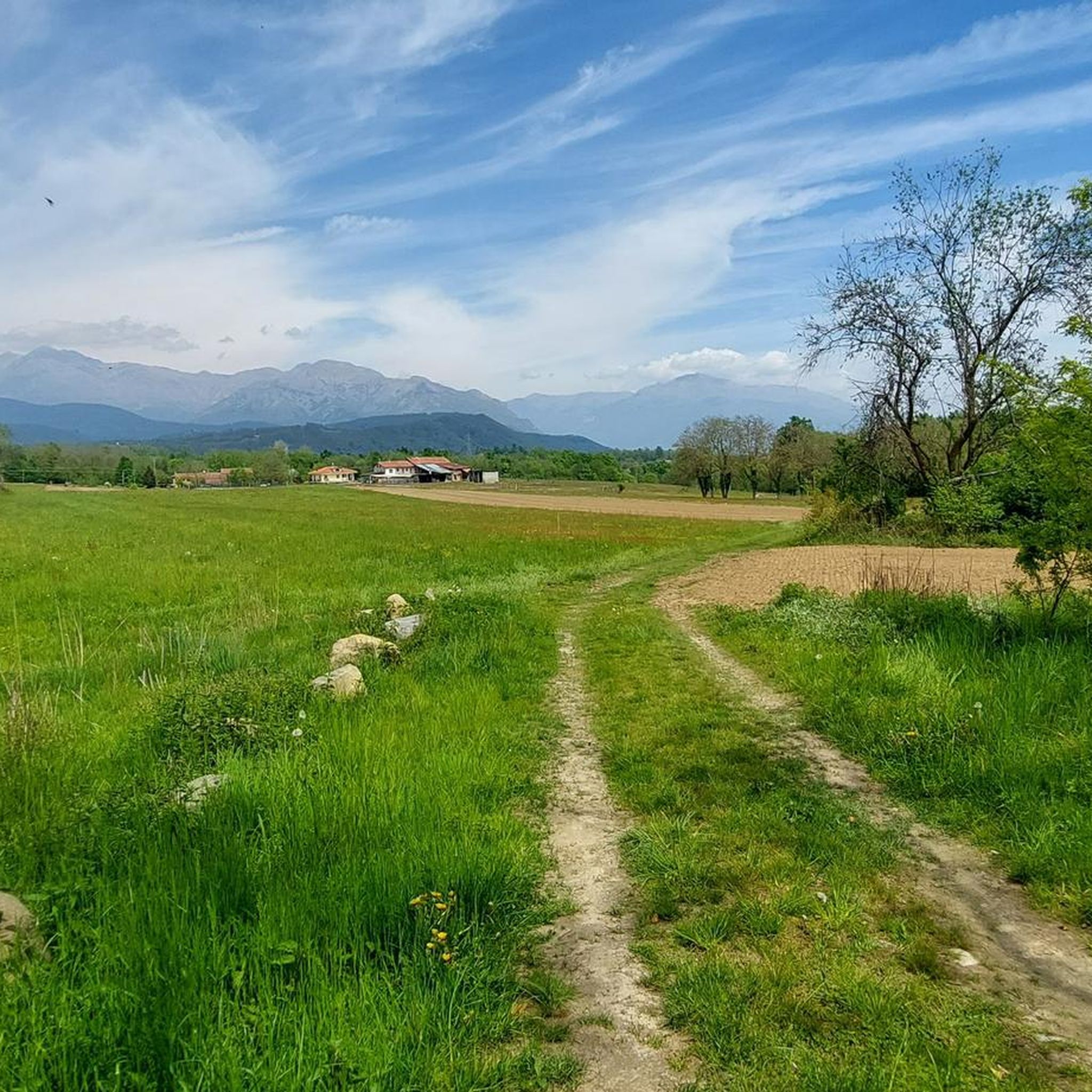
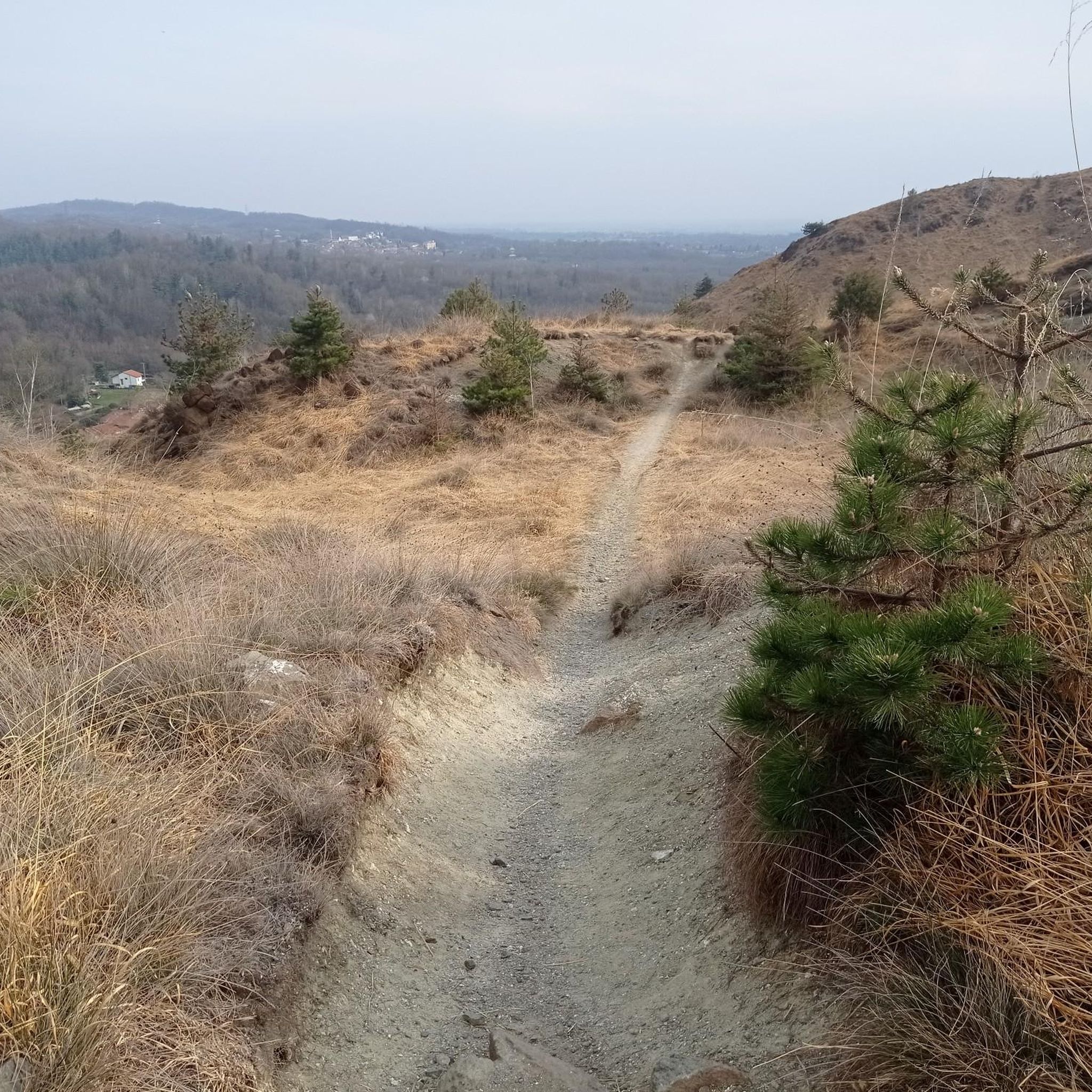

Tips from the Community

Beautiful old town with imposing buildings and views of the mountains.
0
0

Agliè, an enchanting village in the heart of Canavese, boasts a thousand-year history that has its roots in the Roman era. The original nucleus, probably located on the hills of the current hamlet of Santa Maria delle Grazie, was known as "Macunciacum" and depended on the Abbazia Fruttuaria di San Benigno. Agliè, as a fortified village, emerges in documents in 1141, when the feudal lords of Canavese divided the territory. The town became one of the lands of the San Martino di Rivarolo and Agliè, a family that would profoundly mark the history of the village. Despite the feudal struggles that raged in the region, Agliè maintained relative stability, even if it was not immune to looting and devastation. With the arrival of the Savoy, Agliè experienced a period of growth and development. In 1448, the village obtained municipal statutes, a sign of autonomy and recognition. The most emblematic figure of this period was Count Filippo San Martino di Agliè, a man of culture and prominent politician. Minister of Cristina of France, regent of the Duchy of Savoy, Filippo transformed the castle of Agliè into a sumptuous residence, enriching it with works of art and gardens. Today, Agliè is a village that preserves its historical and artistic charm intact. The Ducal Castle, with its gardens and richly decorated rooms, is an unmissable destination for visitors. The streets of the village, with their stone houses and noble palaces, tell the story of a place that has managed to preserve its identity over the centuries.
0
0
Nestled in the rolling hills of Morena Ovest, the village of San Martino enchants visitors with its ancient charm and evocative atmosphere. Its history has its roots in the distant 11th century, when the construction of the majestic Torre-porta maggiore marked the beginning of the settlement. It was a fortified village, surrounded by mighty walls and moats that guaranteed its defense. The walls, made with pebbles arranged in a herringbone pattern and reinforced by megaliths still visible on the north side, testify to the construction skill of the time. Along the perimeter of the walls, there were at least six tower-gates, smaller in size than the main tower, which allowed access to the village. The village of San Martino was long linked to the powerful family of the Counts of San Martino, who exercised control over it for centuries. Their presence is evidenced by numerous historic buildings, including the castle, now in ruins, which dominated the village from above.
0
0
A UNESCO World Heritage Site since 1997, the Ducal Castle of Agliè is perhaps the most significant architectural work in the Canavese area. The current appearance of the majestic castle is the result of four major construction phases, which led it to change its shape over the centuries, transforming it from a fortified building from the Middle Ages to a true royal residence, as can still be admired today.
1
0

Passage made during Erratico Gravel
0
0

Castle home to hotel/restaurant
1
0

Ivrea, the cradle of the Olivetti company and its famous typewriters, is located on the right bank of the Dora Baltea, west of the Serra di Ivrea, the largest moraine wall in Europe. The silhouette of a 14th century castle rises above the city. In the upper town there is also the originally Romanesque Duomo, which was renovated in the 19th century. On the other bank of the Dora, near Via Jervis, the old Olivetti factories have been converted into Musea dell'Architecture Moderna.
8
0

Stage of the Via Francigena. Worth a visit
2
0
Frequently Asked Questions
What are some of the most notable castles to visit in the Torre Canavese area?
Beyond the Ivrea Historic Centre, which features a 14th-century castle silhouette, you should explore the Castello di Pavone Canavese, known for its fairy-tale appearance. The region also boasts the historical Ducal Castle of Agliè, a UNESCO World Heritage site, and the ancient Castello di Torre Canavese itself, with origins dating back over a millennium.
What makes the Castello di Torre Canavese unique?
The Castello di Torre Canavese, founded in 998 AD, offers a deep dive into early medieval history. While it underwent 19th-century alterations, its ancient tower, defensive walls, and chapel are preserved. Since 1968, it has also served as an antique gallery, hosting prestigious exhibitions, blending historical architecture with cultural art displays. It also provides panoramic views of the surrounding area.
What is the historical significance of the castles in the Canavese region?
The castles in the Canavese region, including those near Torre Canavese, boast a rich history spanning centuries. Many, like the Castello di Torre Canavese, have medieval origins, while others, such as the Ducal Castle of Agliè, evolved into grand royal residences for dukes, princes, and kings, reflecting the grandeur of Italian royalty and the Savoy dynasty. They are tangible links to the region's feudal past and cultural development.
Are there family-friendly castles to visit near Torre Canavese?
Yes, several castles and historical sites in the area are considered family-friendly. The Ivrea Historic Centre and the Ducal Castle of Agliè are both categorized as family-friendly. Exploring these sites offers an engaging way for families to learn about history and enjoy the local culture.
What outdoor activities can I combine with a castle visit in the Torre Canavese area?
The region around Torre Canavese is excellent for outdoor enthusiasts. You can find numerous routes for hiking, gravel biking, and running. For hiking, consider the Monti Pelati Loop Trail or the Vialfrè Erratic Boulders Trail. Gravel biking options include the Bairo Mill – Bealera Brissacca loop. If you enjoy running, the Ivrea Morainic Amphitheater High Route is a popular choice. You can find more details on these activities in the Hiking around Torre Canavese, Gravel biking around Torre Canavese, and Running Trails around Torre Canavese guides.
What is the best time of year to visit the castles around Torre Canavese?
Spring and autumn are generally the best seasons to visit the castles around Torre Canavese. The weather is mild, making it pleasant for exploring both the castle interiors and their surrounding parks and towns. Autumn also offers beautiful foliage, enhancing the scenic views. While summer is also an option, it can be warmer, and winter visits might be less ideal for outdoor exploration, though some castles remain open.
How long should I plan for a visit to the castles?
The duration of your visit depends on the castle. For a comprehensive experience at a larger site like the Ducal Castle of Agliè with its extensive collections and park, you might need half a day or more. Smaller castles or historical centers like Agliè's historic town center or the Castello di Torre Canavese might take 1-2 hours to explore thoroughly. If you plan to visit multiple sites, allocate a full day or spread your visits over several days.
Are there any castles that offer dining or accommodation?
Yes, the Castello di Pavone Canavese is a notable example. It functions as a 4-star hotel and restaurant, allowing visitors to not only explore its historical beauty but also to dine or even stay overnight within its fairy-tale walls.
What natural features or viewpoints can I find near the castles?
The castles in the Torre Canavese area are often situated amidst beautiful natural landscapes. The Castello di Torre Canavese itself offers commanding panoramic views of the surrounding area and the Ivrea Morainic Amphitheater. The Ivrea Historic Centre is located on the Dora Baltea river, offering picturesque riverside views. The Ducal Castle of Agliè is surrounded by a magnificent park with ancient trees and romantic gardens, including features like the Fountain of Rivers.
Are there public transport options to reach the castles?
While specific public transport routes can vary, the Canavese region is generally accessible. For detailed information on reaching individual castles like the Ducal Castle of Agliè, it's advisable to check local bus schedules or regional train connections to nearby towns. For the Castello di Torre Canavese, local transport might be limited, and driving is often the most convenient option.
What types of collections can be found inside the Ducal Castle of Agliè?
The Ducal Castle of Agliè houses over 300 rooms with a rich legacy of furniture and eclectic collections. These include paintings, archaeological finds (such as Roman-era artifacts in the Tuscolana Room), and surprising ornithological and oriental items, reflecting the diverse interests of its former royal residents like Queen Maria Cristina of Bourbon and Duke Tomaso of Savoy-Genoa.
Can I find cafes or restaurants near the castles?
Yes, you can typically find cafes and restaurants in the towns where the castles are located. For instance, the Castello di Pavone Canavese itself has a restaurant. In historical town centers like Agliè or Ivrea, you'll discover various dining options ranging from traditional trattorias to cafes, perfect for a break during your exploration.
Most popular routes around Torre Canavese
Most popular attractions around Torre Canavese

Get inspired with the komoot mobile app


Explore more
Looking for the best castles somewhere else? Discover other guides around Torre Canavese:
