Top 6 Castles around Osasio
Best castles around Osasio are found in the historic Piedmont region of Italy, an area known for its strategic importance and rich past. This region features a landscape marked by historical architecture, reflecting centuries of defensive needs and aristocratic residences. The area's cultural significance is tied to its role in medieval power struggles and the subsequent transformations under various noble families. Visitors can explore a variety of historical sites that showcase the architectural evolution of the region.
Best castles around…
Last updated: June 30, 2026
Castello di Piobesi Torinese
Highlight (Segment) • Castle
Translated by Google •
Tip by

Casaforte and Chapel of Gorra
Highlight • Historical Site
Translated by Google •
Tip by

Sign up now to discover places like this
Get recommendations on the best single tracks, peaks, & plenty of other exciting outdoor places.
Sign up for free
Della Rovere Castle
Highlight • Castle
Translated by Google •
Tip by

Castello di Faule
Highlight • Castle
Translated by Google •
Tip by
Church of San Giuseppe and Galli della Loggia Castle
Highlight • Castle
Translated by Google •
Tip by
Sign up for free to discover even more castles around Osasio.
Sign up for free
Already have an account?
Start today with a free account
Your next adventure awaits.
Login or Signup


Tips from the Community

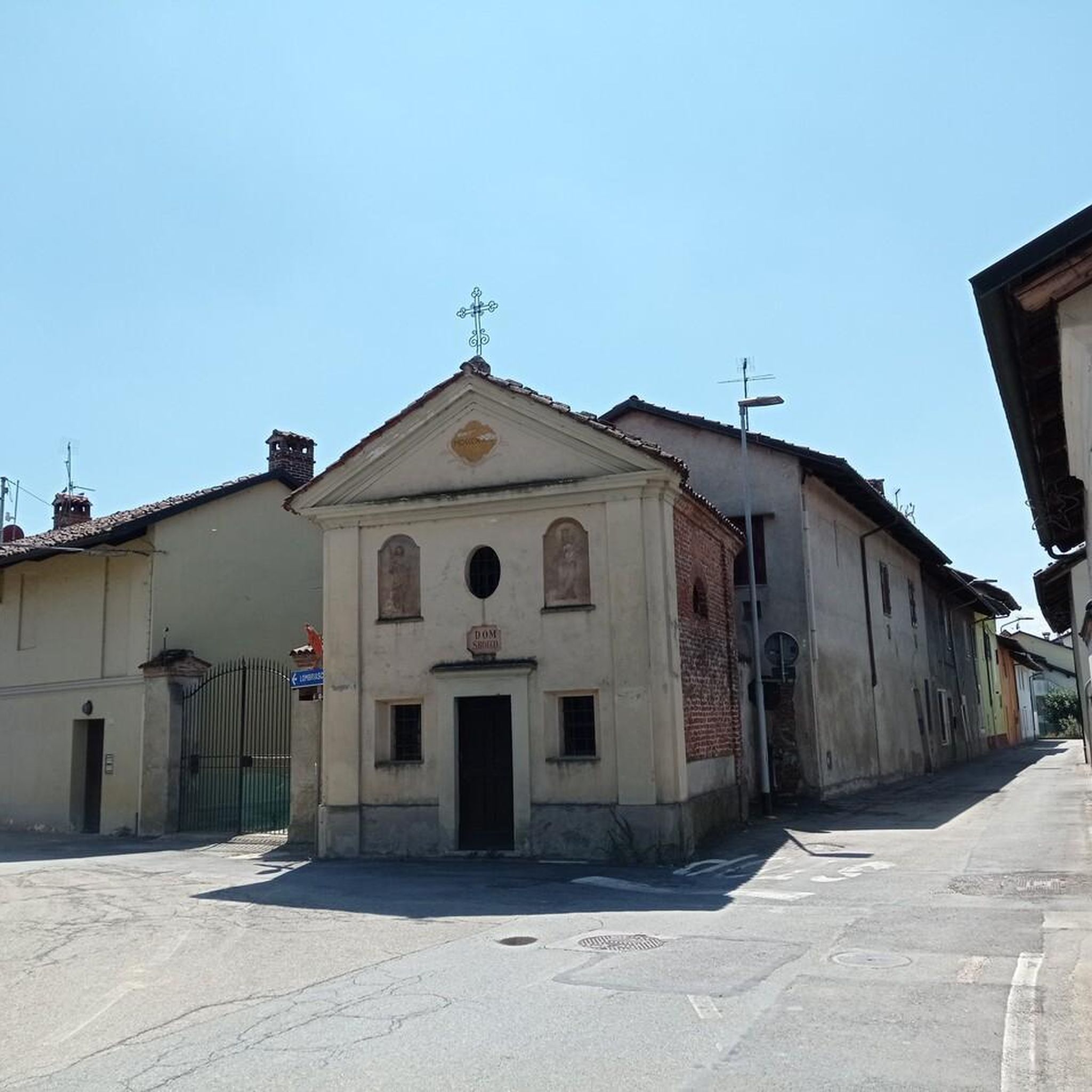
Entrance to Castello Galli della Loggia (private, used as a wedding venue); in front, the church of San Giuseppe. Beautiful architecture, in a quiet and low-traffic area.
0
0
The fortified house of Gorra was built in 1300 by the Provana family, and later remodeled. Today it remains in good condition, and is definitely spectacular to see. Opposite, the chapel of Gorra, also called "Provana chapel", from the eighteenth century (but probably built on the site of an original chapel from the twelfth century), with two simple frescoes of the Madonna and San Rocco (the frescoes have the air of being modern, but still have that slightly naive taste typical of the small country churches of Piedmont). The whole thing is located within the hamlet of La Gorra, about a hundred meters from the main road: it requires a short detour, but it is well worth it.
0
0

Founded by the Bishop of Turin Landolfo
0
0
Main road of Piobesi Torinese, which crosses the historic center (cleaned up and recovered in a big way) and leads to the castle. All the cycling routes in the area pass through it, so it's easy to reach. It is not closed to traffic, but car traffic is negligible.
0
0
The castle is private and closed to visits; but opposite the entrance, in the town's main square, there is a beautiful church with a Romanesque bell tower, which alone is worth a visit.
1
0
14th century castle, freshly restored. It is located in the center of Vinovo, so in addition to visiting the castle there is the possibility of a pleasant stroll in the historic center of Vinovo. Behind the castle, a beautiful park with a playground.
0
0

Renaissance style palace built between 1480 and 1517 to replace a smaller building used as a defensive fortress. It was built to a design by the architect Baccio Pontelli and overlooks what is now Piazza Rey. From 1775 the production of majolica and porcelain began in Vinovo, to which the premises of the castle and its surroundings were destined. The Royal Porcelain Factory was initially directed by Brodel from Turin, who was replaced in 1780 by another Turin doctor, the doctor and chemist Vittorio Amedeo Gioanetti, who worked under the commission of the Savoy family: this was the period of the gold of porcelain vinovese, until 1800 when, with the arrival of the French, the manufacturing declined. After Gioanetti's death, Giovanni Stoppini's attempt to continue its business failed, the castle was sold in 1825 to the University of Turin, which in 1836 sold it in turn to the municipality of Turin, from which in 1839 it was bought by the brothers Giacomo and Luigi Rey, who set up a carpet factory there.
0
0

Church built around 1000 AD. The old castle houses an international cooking school
0
0
Frequently Asked Questions
What kind of historical significance do the castles around Osasio hold?
The castles in the Osasio region, such as the prominent Castello di Osasco, are deeply rooted in the history of Piedmont. They were originally built for defensive purposes, reflecting centuries of power struggles and border protection, particularly against French threats. Over time, many transformed from formidable fortresses into more refined aristocratic residences, showcasing a rich architectural evolution. The region's history is tied to noble families like the Princes of Acaja and the Cacherano dynasty, who maintained ownership of key sites for centuries.
Are there any castles around Osasio that are particularly family-friendly?
Yes, the Della Rovere Castle is noted as family-friendly. It features a beautiful park with a playground behind the castle, making it suitable for visitors with children. The castle itself has a rich history, evolving from a defensive fortress to a Renaissance palace, offering an engaging experience for all ages.
Can I visit the interiors of the castles, or are they mostly exterior views?
Visiting policies vary. Some castles, like Castello di Faule and the Galli della Loggia Castle, are private and generally closed to public visits, though you can appreciate their exterior architecture. However, the Castello di Osasco, a significant regional castle, offers guided visits that include its Italian gardens, interiors, and park, providing an in-depth historical exploration.
Are there any castles with notable gardens or parks to explore?
The Castello di Osasco is renowned for its meticulously designed Italian gardens and a majestic park, originally designed by architect Benedetto Alfieri. These areas offer a serene and aesthetically pleasing experience, featuring impressive trees and historical landscaping. While other castles might have grounds, the Castello di Osasco's park is a significant highlight.
What kind of outdoor activities can I do near the castles around Osasio?
The area around Osasio offers various outdoor activities. You can find numerous routes for hiking, gravel biking, and mountain biking. For instance, you can explore hiking trails like the 'View of the River loop from Carmagnola' or the 'Lago Po Morto loop from Carignano'. If you prefer cycling, there are gravel biking routes such as the 'Moretta–Airasca Cycle Path' or MTB trails like the 'Ochette Trail'. You can find more details on these activities in the Hiking around Osasio, Gravel biking around Osasio, and MTB Trails around Osasio guides.
Are there any unique features or historical anecdotes associated with these castles?
Yes, several castles have unique stories. The Castello di Piobesi Torinese, for example, now houses an international cooking school. The Della Rovere Castle was once a Royal Porcelain Factory in the 18th century. The Casaforte and Chapel of Gorra is a well-preserved fortified house from the 1300s with an adjacent 18th-century chapel. The Castello di Osasco is notable for its almost continuous ownership by the Cacherano dynasty since the 14th century, adding a unique layer to its aristocratic past.
What is the best time of year to visit the castles around Osasio?
While specific opening hours for all castles vary, the region's mild climate generally makes spring and autumn ideal for visiting. During these seasons, the weather is pleasant for exploring castle grounds and nearby outdoor routes. The gardens of Castello di Osasco would be particularly vibrant in spring. Summer can also be a good time, though it might be warmer.
Are there any castles that are particularly well-preserved or offer a glimpse into medieval defense?
The Casaforte and Chapel of Gorra, built in 1300, remains in good condition and offers a clear view of a fortified house. The Castello di Osasco, as described in historical records, was originally designed with mighty walls, four watchtowers, Chemins de Ronde, and a moat with a drawbridge, providing a tangible link to medieval defense strategies, even after its later transformations into a residence.
Can I find any religious buildings or historical churches near the castles?
Yes, several castles are located near or incorporate religious buildings. Opposite the private Castello di Faule, there's a beautiful church with a Romanesque bell tower. The Galli della Loggia Castle has the Church of San Giuseppe located directly in front of it. Additionally, the Casaforte and Chapel of Gorra includes an 18th-century chapel, likely built on the site of an even older 12th-century structure.
What do visitors appreciate most about the castles around Osasio?
Visitors to the castles around Osasio appreciate the blend of historical architecture and the serene natural surroundings. The komoot community has upvoted these sites and shared numerous photos, highlighting the visual appeal and historical depth. The transformation from defensive fortresses to elegant residences, along with the presence of well-maintained parks and nearby outdoor activity options, contributes to a rich visitor experience.
Is public transport available to reach the castles around Osasio?
While specific public transport routes directly to every castle might be limited, Osasio itself is a town in the Piedmont region. For the main Castello di Osasco, it's advisable to check local bus schedules or consider options from larger nearby towns like Pinerolo. For other castles, reaching them often involves a combination of public transport to a nearby town and then a short walk or taxi ride.
Are there any castles that are suitable for a quick visit or a longer exploration?
For a quick visit, you can appreciate the exteriors of private castles like Castello di Faule and its nearby Romanesque church, or the Galli della Loggia Castle. For a longer, more in-depth exploration, the Castello di Osasco offers guided tours of its interiors, gardens, and park, which can easily fill a few hours. The Della Rovere Castle, with its park and playground, also lends itself to a more extended visit, especially for families.
Most popular attractions around Osasio

Get inspired with the komoot mobile app


Explore more
Looking for the best castles somewhere else? Discover other guides around Osasio:
