Top 4 Castles around Grignasco
Castles around Grignasco offer a glimpse into the region's historical past, with evidence of ancient fortifications and medieval settlements. The town's historical core retains elements like ancient walls and traditional layouts, hinting at its strategic importance. The surrounding area, including the Monte Fenera Natural Park, provides archaeological insights into human habitation dating back to the Paleolithic era. This landscape connects visitors to centuries of history, from early settlements to medieval strongholds.
Best castles around Grignasco
- The most popular castles is…
Last updated: June 30, 2026
Buccione Tower
Highlight • Castle
Translated by Google •
Tip by

San Lorenzo Castle
Highlight • Castle
Translated by Google •
Tip by

Sign up now to discover places like this
Get recommendations on the best single tracks, peaks, & plenty of other exciting outdoor places.
Sign up for free
Lortallo Tower and Church of San Grato
Highlight • Historical Site
Translated by Google •
Tip by

Sopramonte Castle Ruins and Big Bench No. 127
Highlight • Castle
Translated by Google •
Tip by

Start today with a free account
Your next adventure awaits.
Login or Signup
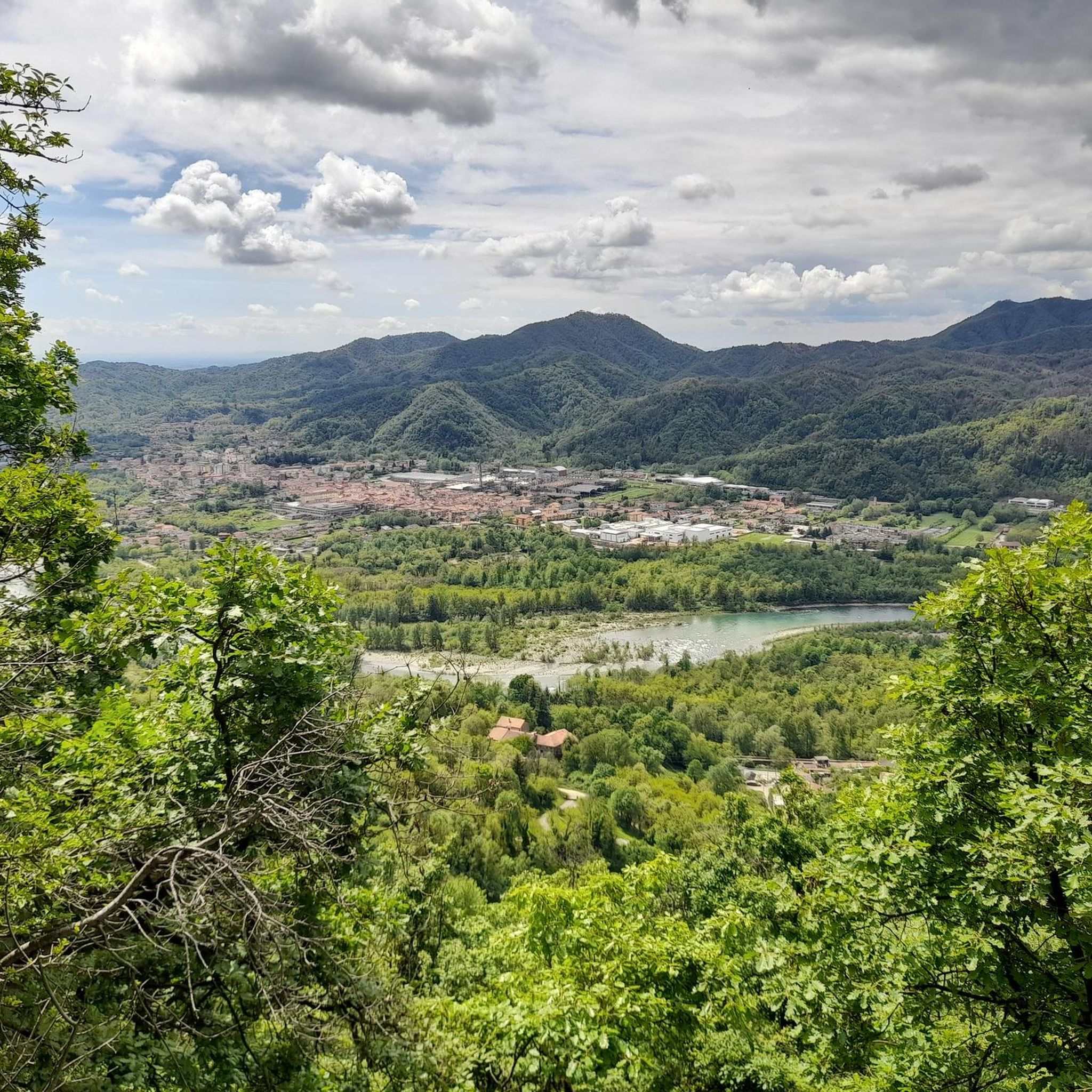
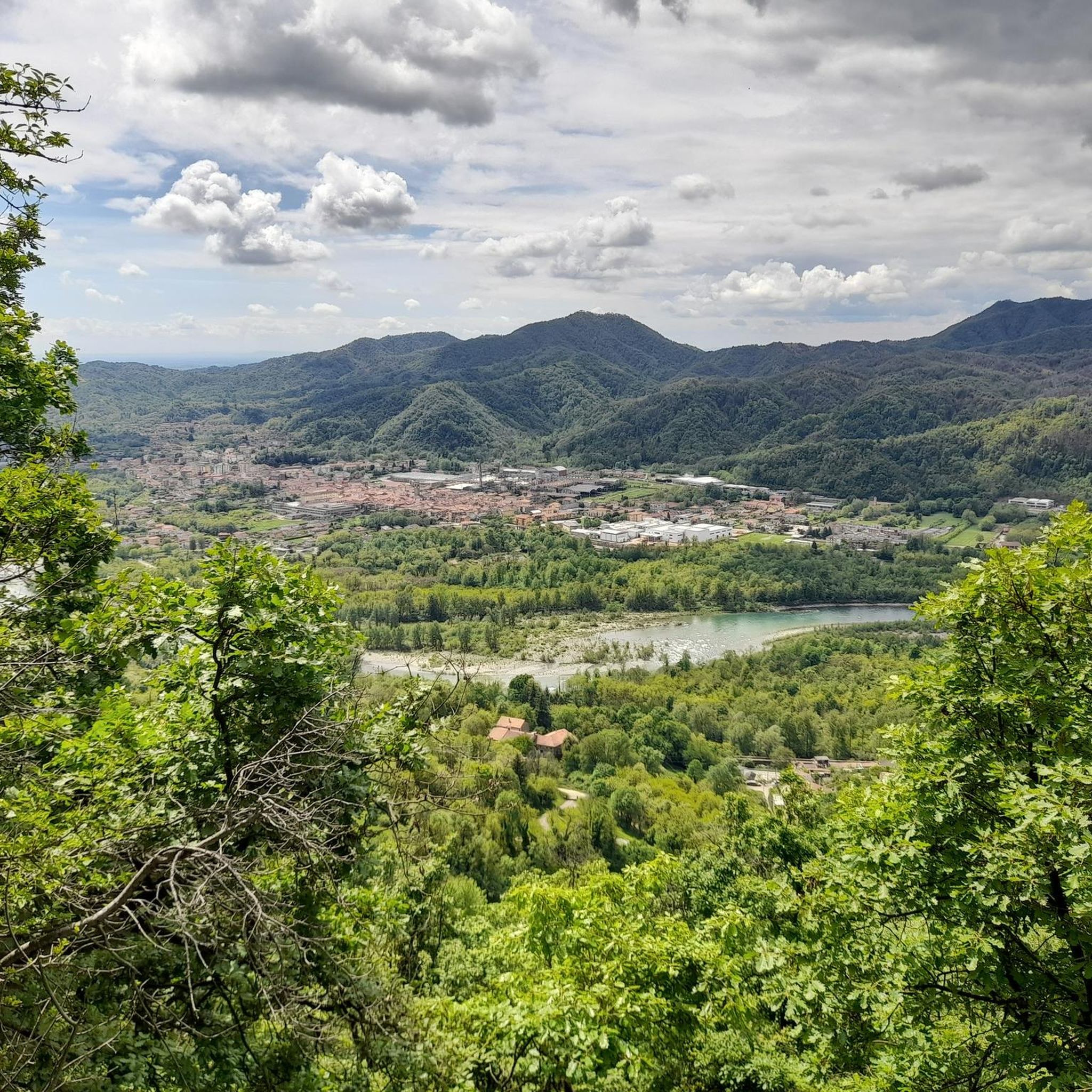
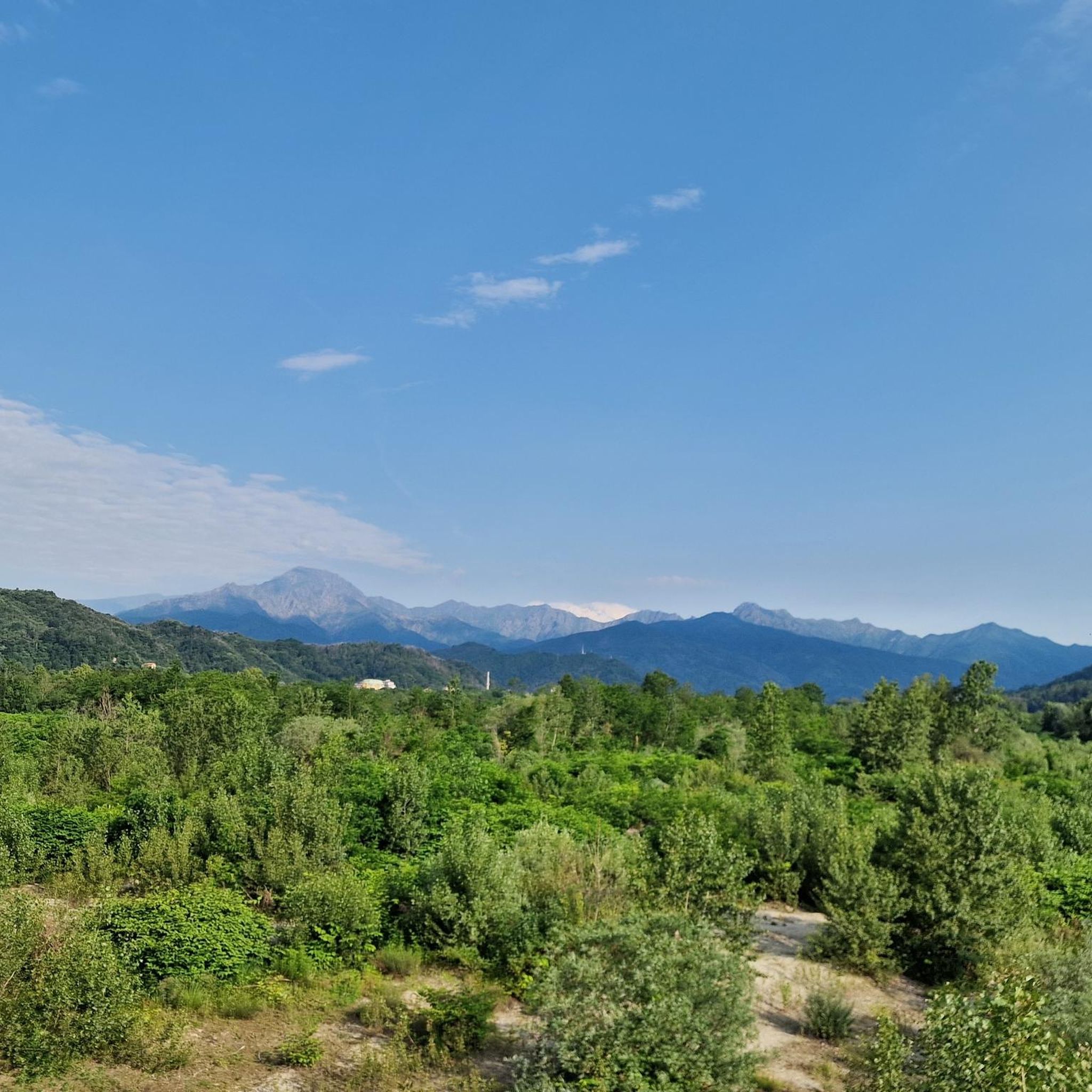
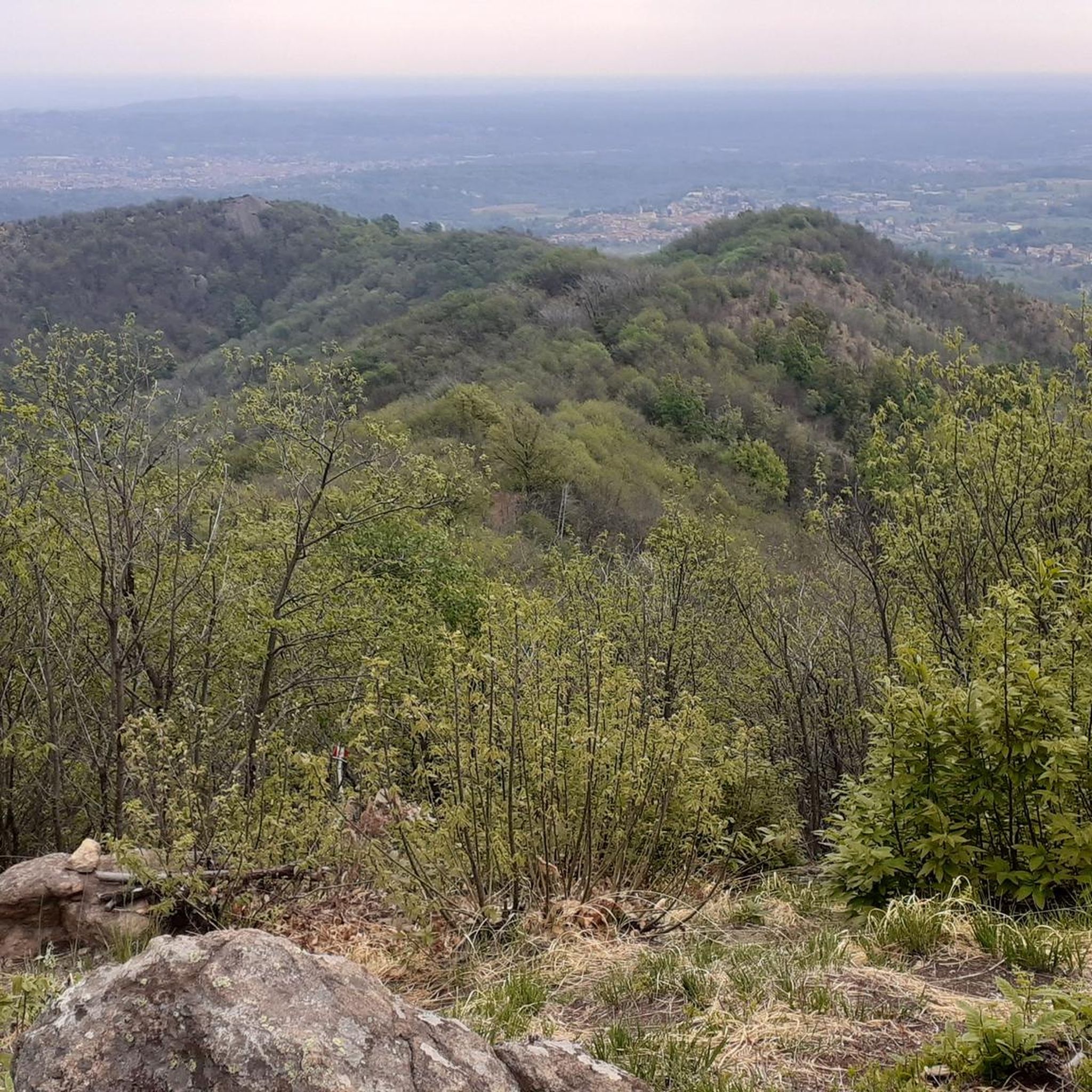
Tips from the Community

The hamlet of Lortallo was a very pleasant surprise for me. Leaving Ameno, I was attracted by the sight of the mighty tower, which I later discovered was built in the 13th century. It is in excellent condition. Next to the tower, there is the Church of San Grato, which dates back to the 18th century (the bell tower is dated 1758). To the side of the tower and the church (which unfortunately I found closed and which is rarely open), closing the pretty little square, there is one of the entrances to Palazzo Decio, which I could only see from the outside because it is privately owned. However, the palace is used as a location for weddings and other celebrations, so online it is possible to see the interior, which develops around a large garden with a splendid view of Lake Orta. But the surprises offered by Lortallo do not stop there. In fact, I read that archaeological research conducted in Lortallo between 1915 and 1938, brought to light one of the most important necropolises of the early First Iron Age. The necropolis complex features tombs dating from the 9th to the 5th century BC and the findings can be placed within the Golasecca Culture, a common expression of various Celtic tribal groups that lived in the early Iron Age in western Lombardy, the Novara area and the Canton of Ticino. In short, it seems that Lortallo has been inhabited since the dawn of time.
0
0

Still very well preserved - great panoramic view
0
0

on sunny days, excellent view of Lake Orta
0
0

At the top of Mount San Lorenzo this fortress was built in 1187 by decision of the Municipality of Vercelli in agreement with Bishop Alberto, owner of the territory. The castle was built in about three years, and the municipal statutes required that it be inhabited by the castellan with the whole family and with a small permanent garrison.
9
1

The Castle of San Lorenzo owes its name to the church of San Lorenzo which was located inside the walls of the Castle. The castle is 504 m above sea level, overlooking the valley where the Sesia flows and you can enjoy an exceptional 360 degree view.
2
0
Anyone traveling along the road from Romagnano to Prato Sesia cannot fail to notice the remaining tower of the Sopramonte castle. It is easily reachable with a path and a road that leads to the nearby church
0
0

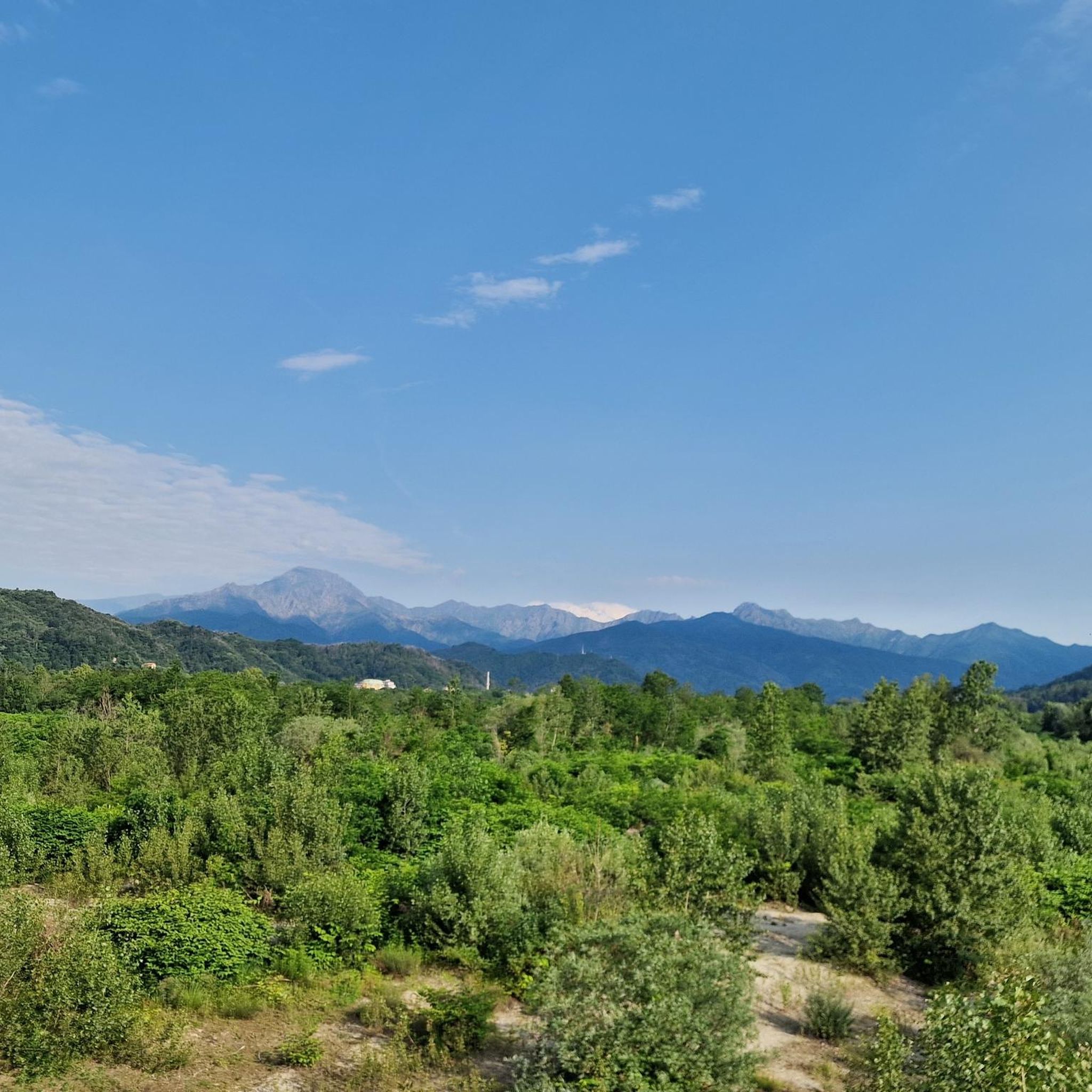
On the hill of Prato Sesia are the remains of the Castello di Sopramonte and the Giant Bench n. 127. From here you can enjoy a splendid panorama of the village, Monte Rosa and the area of the Sesia Supervolcano, one of the few cases in the world of a fossil supervolcano, recognized by UNESCO as a Geopark.
0
0

charming little place
0
0
Frequently Asked Questions
What historical castles or remnants can I visit around Grignasco?
While Grignasco itself features historical traces, the most notable castle remnants in the wider area include San Lorenzo Castle, built in 1187 with a 360-degree view over the Sesia valley, and Buccione Tower, a 12th-century remnant offering fantastic views over Lago d'Orta. You can also explore the mighty 13th-century Lortallo Tower and Church of San Grato, known for its excellent condition and archaeological significance.
Are there any family-friendly castle sites near Grignasco?
Yes, the Sopramonte Castle Ruins and Big Bench No. 127 near Prato Sesia is considered family-friendly. It offers a beautiful panoramic point, the remains of a castle, and the unique Big Bench, making it a pleasant spot for a family outing with opportunities for picnics and scenic views.
What kind of views can I expect from the castles around Grignasco?
The castles and their remnants offer spectacular panoramic views. From San Lorenzo Castle, you can enjoy an exceptional 360-degree view over the Sesia valley. Buccione Tower provides a fantastic vista over Lago d'Orta, and from Sopramonte Castle Ruins, you can see the village of Prato Sesia, Monte Rosa, and the Sesia Supervolcano Geopark.
What outdoor activities can I do near the castles in Grignasco?
The area around Grignasco offers various outdoor activities. You can find numerous hiking trails, including those in the Monte Fenera Natural Park, which also has archaeological significance. For more details on hiking routes, visit the Hiking around Grignasco guide. There are also road cycling and mountain biking routes available; check the Road Cycling Routes around Grignasco and MTB Trails around Grignasco guides for options.
Are there hiking trails that lead to or near these castle sites?
Yes, several hiking trails are available. For instance, the Monte Fenera Natural Park, which is rich in historical and archaeological insights, has trails like the Monte Fenera Loop and Monte Fenera Caves Trail. While the Castello di San Genesio in Grignasco itself is mostly remnants, exploring the historical center and the promontory where it stood can be part of a local walk. For detailed hiking options, refer to the Hiking around Grignasco guide.
What is the historical significance of the castles around Grignasco?
The castles and their remnants around Grignasco are deeply rooted in the region's past, indicating its strategic importance. The Castello di San Genesio in Grignasco, though mostly ruins today, is mentioned in documents as early as 999. Sites like San Lorenzo Castle (1187) and Buccione Tower (12th century) served as fortifications guarding important routes and territories, offering a glimpse into medieval life and conflicts.
Can I find archaeological sites near the castles in Grignasco?
Yes, the area is rich in archaeological findings. The Monte Fenera Natural Park, near Grignasco, offers paleontological and archaeological insights into human settlements dating back to the Paleolithic era. Additionally, the hamlet of Lortallo, home to the Lortallo Tower, has revealed one of the most important necropolises of the early Iron Age, with findings from the Golasecca Culture.
What is the best time to visit the castles and historical sites around Grignasco?
The best time to visit is generally during spring (April-June) and autumn (September-October) when the weather is mild and pleasant for exploring outdoor sites and enjoying the panoramic views. Summer can also be suitable, but it might be warmer, especially for hiking. Winter visits are possible, but some paths might be less accessible, and the views might be obscured by snow or fog.
Are there any cafes or amenities near the castle sites?
While specific cafes might not be directly adjacent to every castle ruin, the sites are generally accessible from nearby towns and villages like Grignasco, Prato Sesia, or those around Lago d'Orta. These areas offer various amenities, including cafes, restaurants, and accommodation. For instance, Sopramonte Castle Ruins is noted for picnic possibilities nearby.
What makes the <a href="https://www.komoot.com/highlight/7120755" target="_blank" rel="noopener">Lortallo Tower</a> unique?
The Lortallo Tower is a mighty 13th-century structure in excellent condition, making it a significant historical landmark. Adjacent to it is the 18th-century Church of San Grato. What truly makes Lortallo unique are the important archaeological findings from the Iron Age, including a necropolis dating from the 9th to the 5th century BC, indicating continuous human habitation since ancient times.
How accessible are the castle sites around Grignasco by public transport?
Access to some sites, particularly those on hilltops or within natural parks, may require a combination of public transport and walking. Grignasco itself has local bus routes. For destinations like Monte Fenera Natural Park or the Colle di Buccione nature reserve (where Buccione Tower is located), it's advisable to check local bus schedules and plan for a walk to reach the specific castle remnants. Parking is generally available near more accessible points.
Most popular routes around Grignasco
Most popular attractions around Grignasco

Get inspired with the komoot mobile app


Explore more
Looking for the best castles somewhere else? Discover other guides around Grignasco:
