Top 4 Castles around Veruno
Best castles around Veruno are found in the Province of Novara, a region in Piedmont known for its historical significance and proximity to Lake Maggiore. The area is characterized by a landscape that blends rolling hills with the expansive views of the lake. Veruno itself serves as a gateway to exploring the rich architectural heritage of the surrounding towns. This region offers a blend of natural beauty and historical landmarks, providing diverse exploration opportunities.
Best castles around Veruno
- The most…
Last updated: June 30, 2026
Borromean Fortress of Arona
Highlight • Castle
Translated by Google •
Tip by

Castello di Divignano
Highlight • Castle
The presence of a castle or "castrum" is …
Translated by Google •
Tip by

Sign up now to discover places like this
Get recommendations on the best single tracks, peaks, & plenty of other exciting outdoor places.
Sign up for free
Hall of Justice, Angera Castle
Highlight • Historical Site
Translated by Google •
Tip by

Angera Lakeside Promenade
Highlight • Viewpoint
Translated by Google •
Tip by

Castellana Tower (Rocca Borromeo of Angera)
Highlight • Castle
Translated by Google •
Tip by
Sign up for free to discover even more castles around Veruno.
Sign up for free
Already have an account?
Start today with a free account
Your next adventure awaits.
Login or Signup

Tips from the Community

The castle is located in the center of the village, on a hill overlooking the valley below and part of the town. The presence of a castle or "castrum" is mentioned as early as 1191, but the construction of the current fortress appears to date between 1454-1464 and 1489, that is, between the reign of Filippo Borromeo and that of his sons, Giovanni and Vitaliano. It is known with certainty that in 1493 the building and its grounds were inherited by Ludovico Visconti Borromeo. The old square fortress, on the northern side, features the elegant and solid forms of the original fifteenth-century structure, with beautiful pointed-arch windows softened by terracotta decorations. The castle's current appearance is the result of various renovations over the centuries, the most significant dating back to the eighteenth century. The new reconstruction was commissioned by Giulio Visconti Borromeo Arese.
0
0

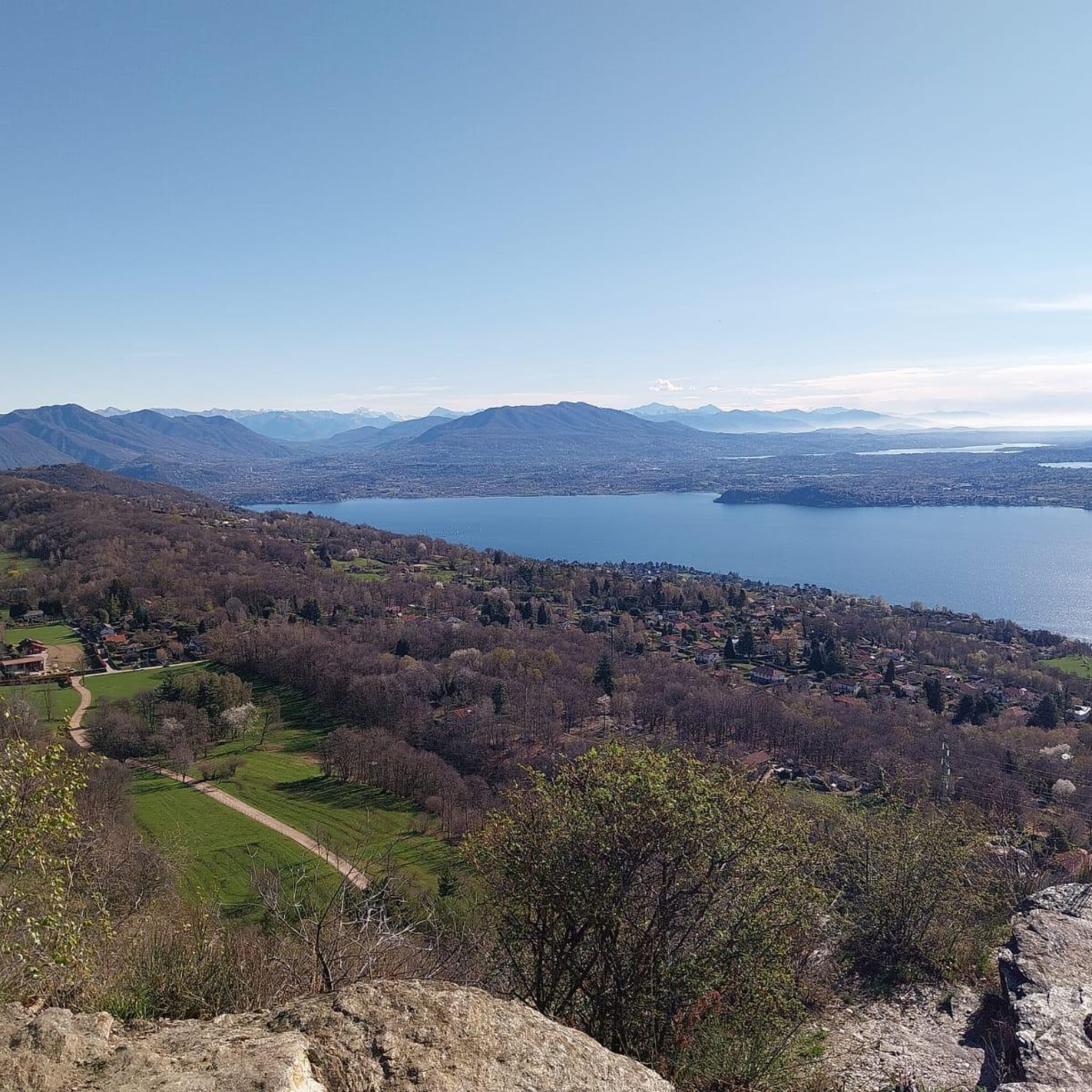
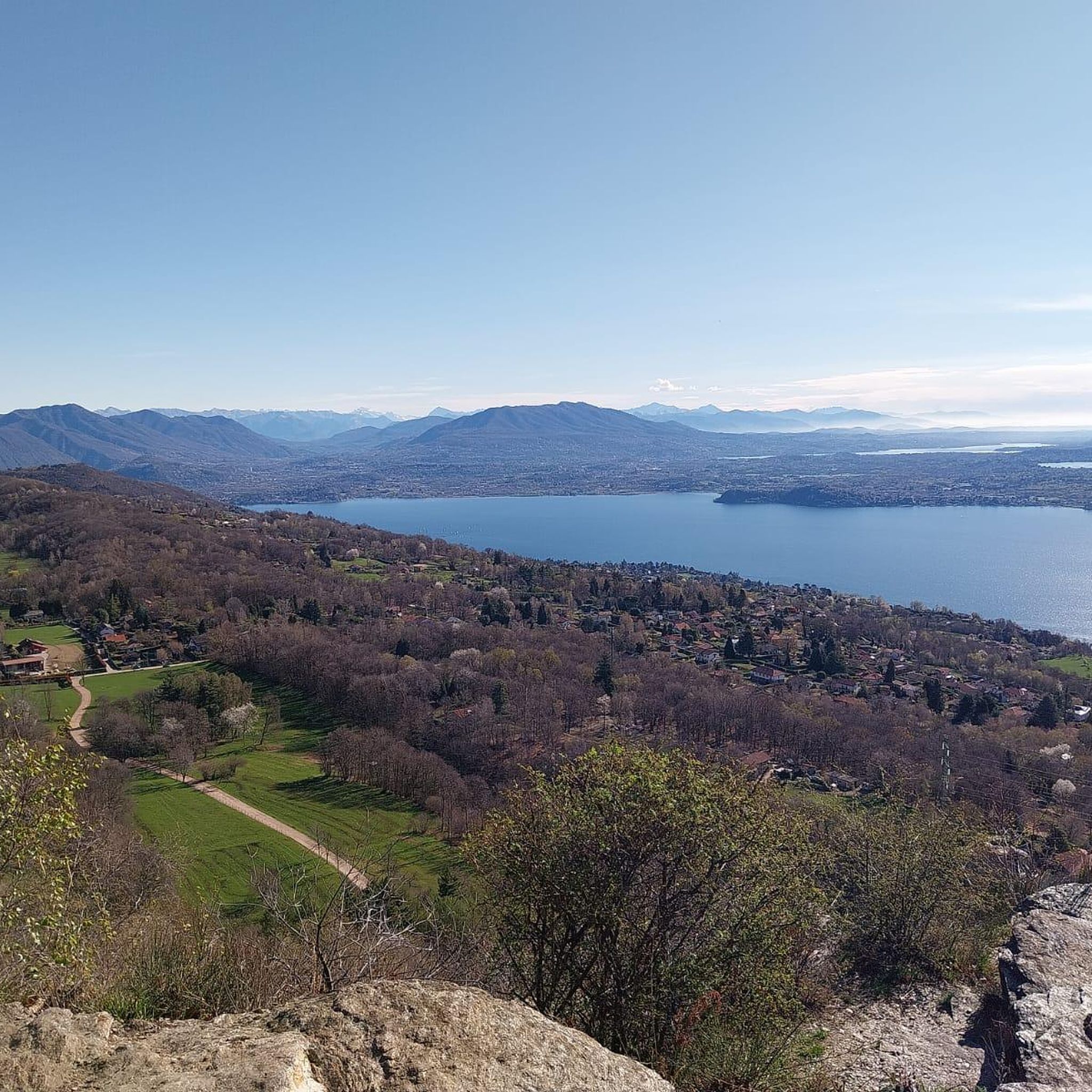
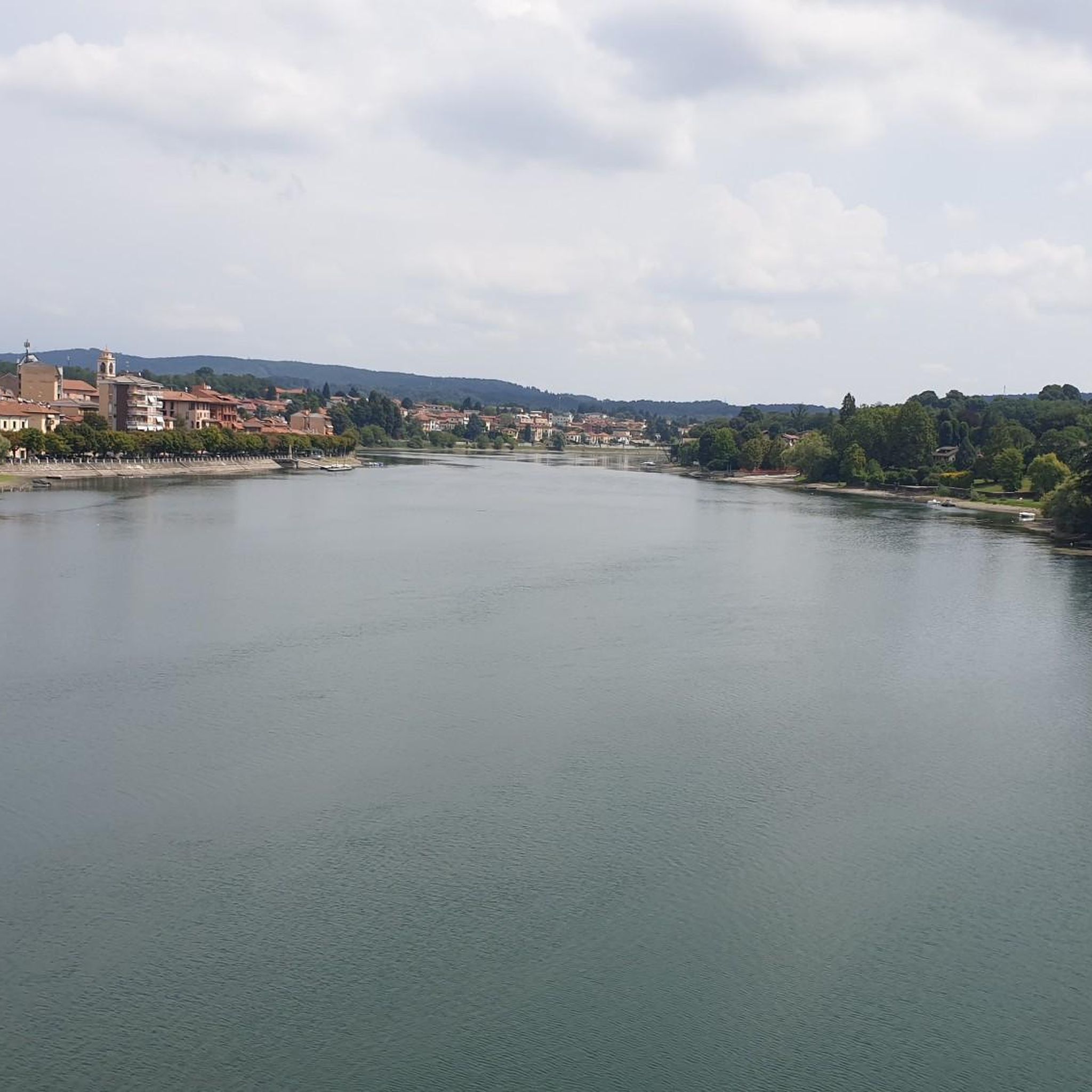
Spectacular view of the city of Arona and Lake Maggiore
0
0

Ferry available (also with bicycle)
1
0

Once you arrive in Arona, walk along the lakeside and have an ice cream, go up to visit the statue of S. Carlone but... don't forget to visit the Rocca too! Founded in a period shortly before the year 1000 under the control of the Lombards, for four centuries the Rocca remained in the hands of the Borromeo family, giving birth to Cardinal San Carlo Borromeo in 1538; the history of the Rocca di Arona ends in 1800 when the Napoleonic army received the order to destroy some fortifications occupied by the Austrians; from that moment on only a few ruins of the Rocca di Arona remain. From above you can also enjoy a spectacular view of Arona below, of Angera opposite and of this entire stretch of lake!
0
0

The Castellana Tower is located in the oldest part of the castle. This point offers a fantastic view of Lake Maggiore. Opposite this lookout tower is the Torre di Giovanni Visconti on the south side of the Rocca Borromeo. This section of the castle was built in the 14th century.
0
0
Ottone Visconti, elected archbishop of Milan by Pope Urban IV in 1262, but not by the Major Chapter of the cathedral, was not able to take possession of his seat until 1277, after the victory obtained in Desio over the enemies of the Tower. In 1280, as the owner of Angera – assigned to the Milanese Church since 1162 – he had a Hall of Justice built in the Rocca, where legal and economic matters were administered. With a masterly coup, his nephew and Lord of Milan Matteo Visconti had the archiepiscopal archives (kept in the monastery of S. Radegonda) burned, with the papers regarding the possession of Angera by the Milanese Church, and claimed the inheritance of the place as a personal domain of the Viscontis, by virtue of a legendary descent of their lineage from Angleria. Between 1314 and 1316, Matteo commissioned a local fresco painter, no better known than the Maestro di Angera, to decorate the Hall of Justice with episodes of the victory of Desio and the entry of Ottone Visconti into Milan, taken from an apologetic book written by Stefanardo da Vimercate. Above the stories is the Zodiac, now only partially preserved, but with an iconographic program that can still be reconstructed. When Matteo commissioned the frescoes, the lawyers and judges of the Ambrosian Church no longer met in the Hall, but the Rocca had by then become a private seat. Why did Matteo want to decorate it so expensively? The Hall of Justice is divided into two bays with cross vaults; it is accessed through a door on the south side, in front of which was originally the judge's chair. Each side of the span enclosed two zodiac signs with their respective governing planet in a lunette, framed by a polychrome decoration – which extended to the cordoning of the sails – among the best preserved of the Lombard fourteenth century. Another peculiarity are the monstrous or extravagant figures that surround only the lunette of the second western span, taken from illustrations of naturalistic texts, such as the De natura rerum by Thomas de Cantimpré. https://www.storiadimilano.it/arte/zodiaco_angera.htm
0
0


From the town, a somewhat steep footpath leads upwards. It is marked at the entrance with a red Rocco sign. At the top, in La Corte della Rocchetta, there is the opportunity to eat and drink.
1
0
Frequently Asked Questions
What are the most notable castles to visit around Veruno?
The region around Veruno offers several historically significant castles. Among the most popular are Castello di Divignano, known for its 15th-century architecture, and Rocca di Angera, an 11th-century fortress offering panoramic views of Lake Maggiore. Another must-see is the Borromean Fortress of Arona, which also provides breathtaking vistas.
Are there family-friendly castles near Veruno?
Yes, Rocca di Angera is considered family-friendly. It houses a Doll Museum with over 1,000 pieces, some dating back to the 18th century, which can be engaging for children. The fortress also offers beautiful views and historical insights for all ages.
Which castles offer the best panoramic views?
For breathtaking panoramic views, both Rocca di Angera and the Borromean Fortress of Arona are excellent choices. From the Castellana Tower at Rocca di Angera, you can see across Lake Maggiore. The Borromean Fortress of Arona is also renowned for its expansive vistas, making it a perfect spot for photography or a picnic.
What historical periods do the castles around Veruno represent?
The castles around Veruno showcase a range of historical periods. Rocca di Angera dates back to the 11th century, with significant expansions by the Visconti in the 13th and 14th centuries. Castello di Divignano was constructed between 1454 and 1489, reflecting 15th-century design elements. These structures offer a glimpse into medieval and Renaissance architecture and history.
Can I combine a castle visit with outdoor activities?
Absolutely. The area around Veruno is ideal for combining castle visits with outdoor activities. For example, a somewhat steep footpath leads up to the Borromean Fortress of Arona, which is perfect for a picnic. You can also find various running, hiking, and road cycling routes nearby. Explore options like the 'Villa Elisa loop from Veruno' for running or 'From Mezzomerico to Comignago' for hiking, detailed in the Hiking around Veruno guide.
Are there any museums or special exhibits within the castles?
Yes, Rocca di Angera houses a notable Doll Museum, which is one of the most important of its kind in Europe, featuring over 200 exhibits. The castle also boasts charming artistic treasures, including frescoes in the Sala di Giustizia.
What kind of natural features can I expect to see near these castles?
The castles around Veruno are often situated in scenic locations. Rocca di Angera and the Borromean Fortress of Arona both offer stunning views of Lake Maggiore. The region itself is characterized by rolling hills and the expansive lake, providing a beautiful natural backdrop to the historical sites.
What do visitors enjoy most about the castles around Veruno?
Visitors frequently highlight the breathtaking panoramic views, especially from Rocca di Angera and the Borromean Fortress of Arona. The historical significance and well-preserved architecture, such as the 15th-century design of Castello di Divignano, are also highly appreciated. Many enjoy the opportunity for picnics at scenic spots like the Borromean Fortress.
Are there hiking trails near the castles?
Yes, there are several hiking trails in the vicinity. For instance, you can find trails around Lake Maggiore and in the Lagoni di Mercurago Nature Park. Specific routes like 'Villa Elisa – Sass Malò loop from Veruno' are available. For more details, refer to the Hiking around Veruno guide.
What are the architectural styles of the castles?
The castles around Veruno display various architectural styles reflecting their construction periods. Castello di Divignano features an old square structure with elegant 15th-century design elements, including beautiful pointed-arch windows softened by terracotta decorations. Rocca di Angera, originating in the 11th century, showcases medieval fortress architecture with later Visconti and Borromeo additions.
Can I find places to eat or drink near the castles?
Yes, for example, at the Borromean Fortress of Arona, there is a refreshment point open during the summer months. The towns surrounding these castles, such as Angera and Arona, also offer various cafes, restaurants, and pubs where you can find refreshments.
Is it possible to visit the castles by public transport from Veruno?
While Veruno itself is a smaller comune, the castles are located in nearby towns like Angera and Arona, which are generally accessible by public transport or a combination of public transport and short walks. It's advisable to check local bus or ferry schedules for the most convenient routes to each specific castle from Veruno.
Most popular attractions around Veruno

Get inspired with the komoot mobile app


Explore more
Looking for the best castles somewhere else? Discover other guides around Veruno:
