Top 4 Gorges around Scopa
Best canyons around Scopa, a municipality in Italy's Piedmont region, offers 4 distinct gorges and river valleys. The area features deeply incised terrain and natural water features. These locations provide opportunities to explore the region's geological formations and historical structures.
Best canyons around Scopa
- The most popular canyons is Gula Bridge, a bridge that overlooks the Gula ravine. This ancient bridge served as the primary communication route for local inhabitants.
- Another must-see spot is Valsessera, a gorge and…
Last updated: June 16, 2026
Gula Bridge
Highlight • Bridge
There are various legends regarding the construction …
Translated by Google •
Tip by

Valsessera
Highlight (Segment) • Gorge
Translated by Google •
Tip by

Sign up now to discover places like this
Get recommendations on the best single tracks, peaks, & plenty of other exciting outdoor places.
Sign up for free
Torrente Caramala Crossing
Highlight • River
Translated by Google •
Tip by

Mastallone Valley
Highlight • River
Translated by Google •
Tip by

Gole dei Dinelli
Highlight • Gorge
Translated by Google •
Tip by

Start today with a free account
Your next adventure awaits.
Login or Signup

Tips from the Community

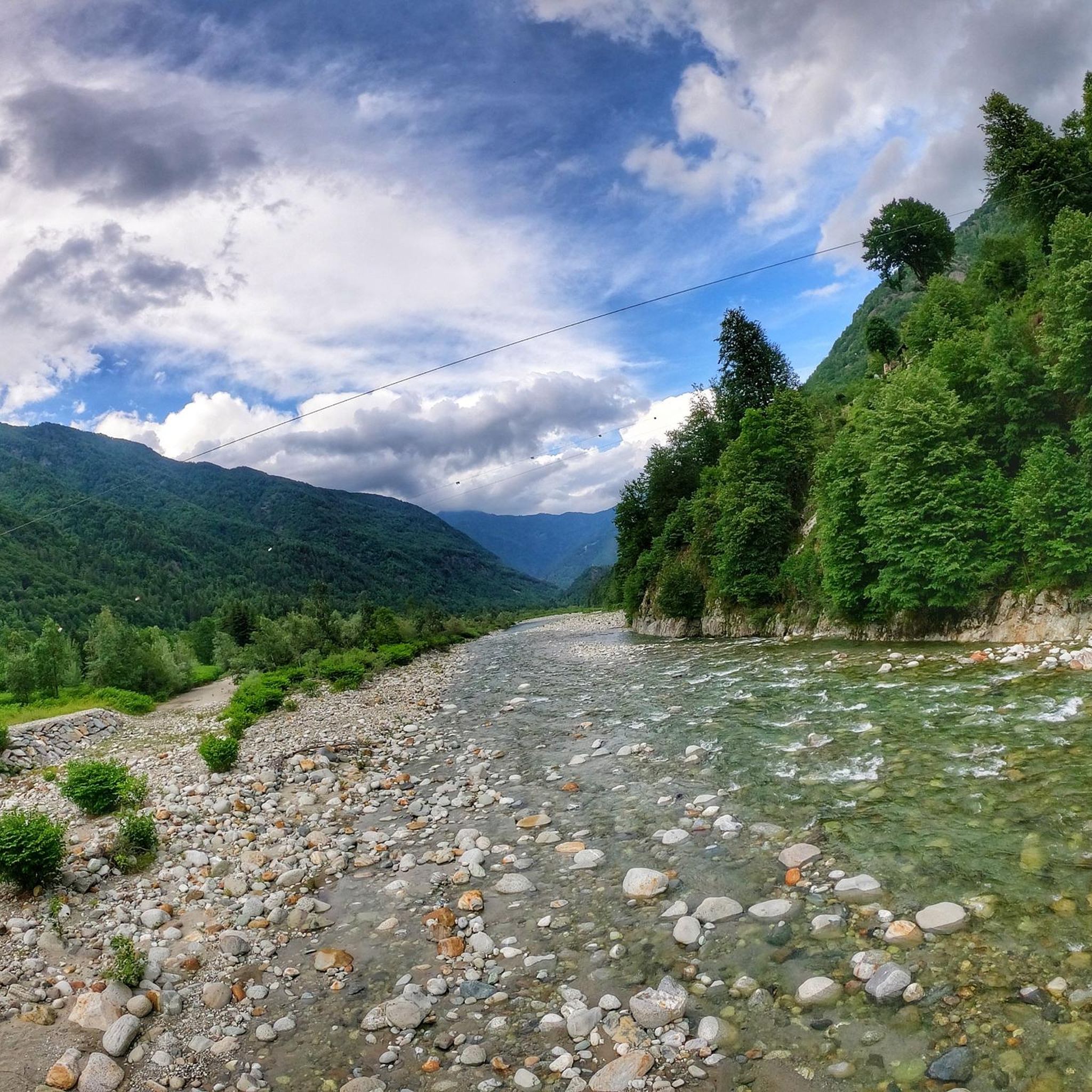
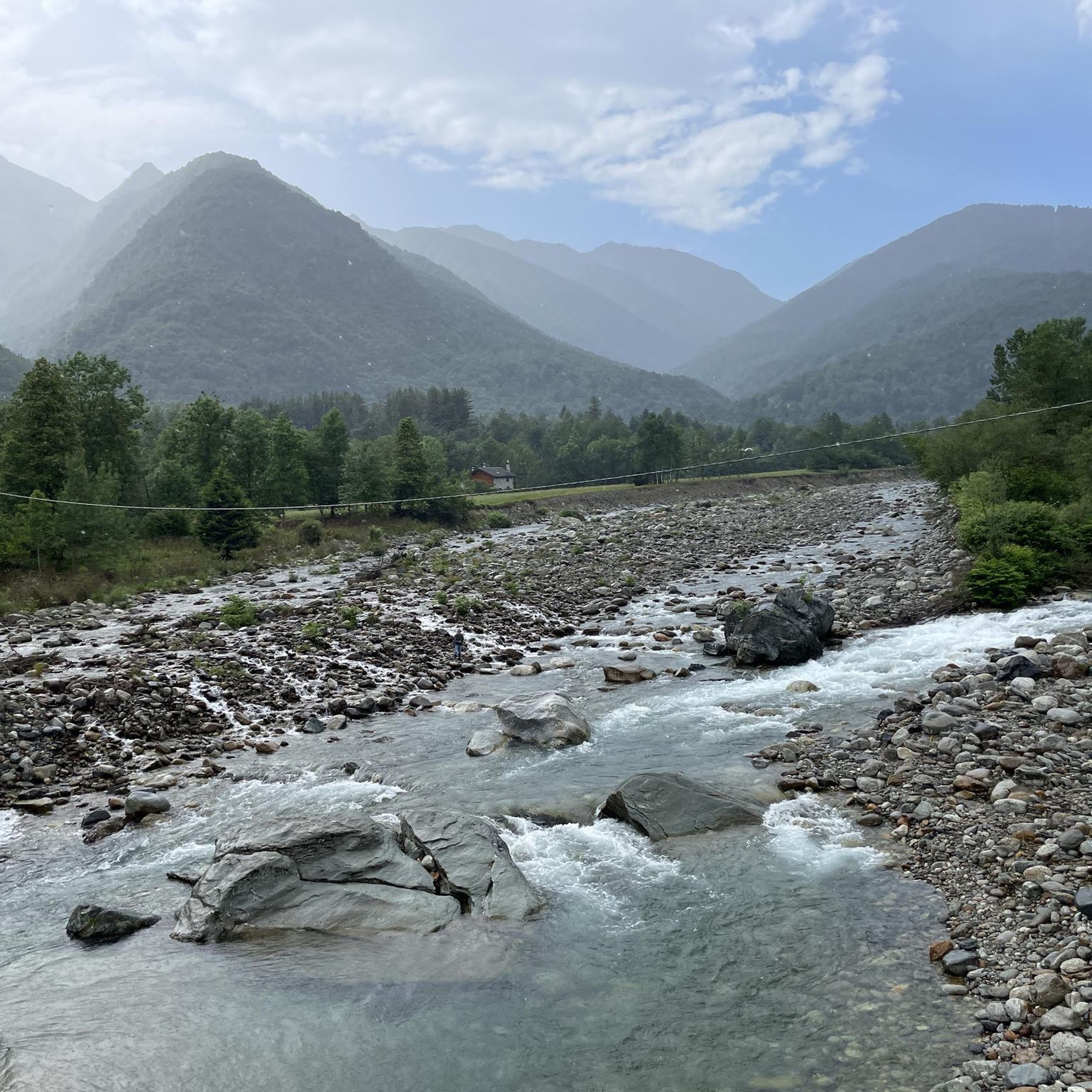
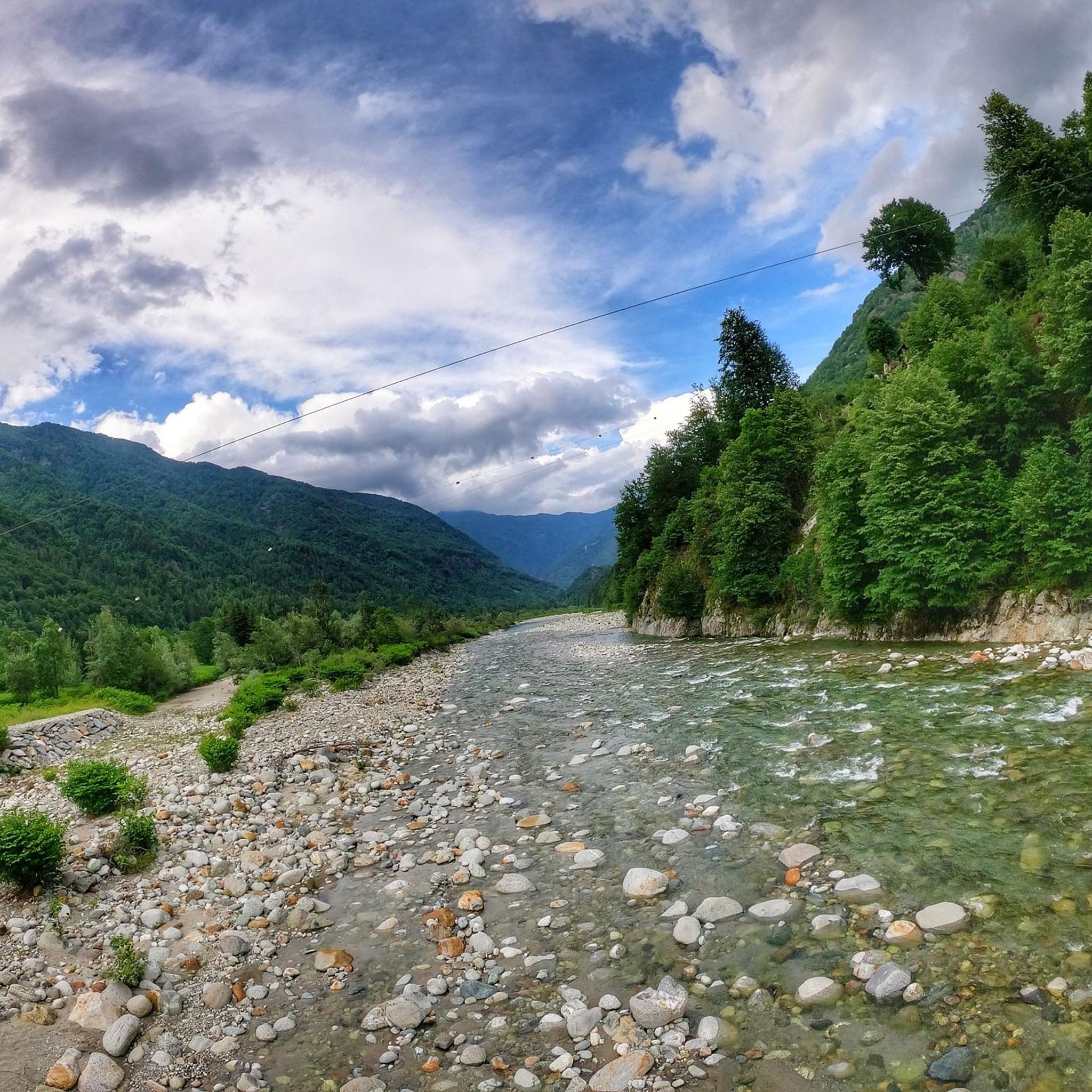
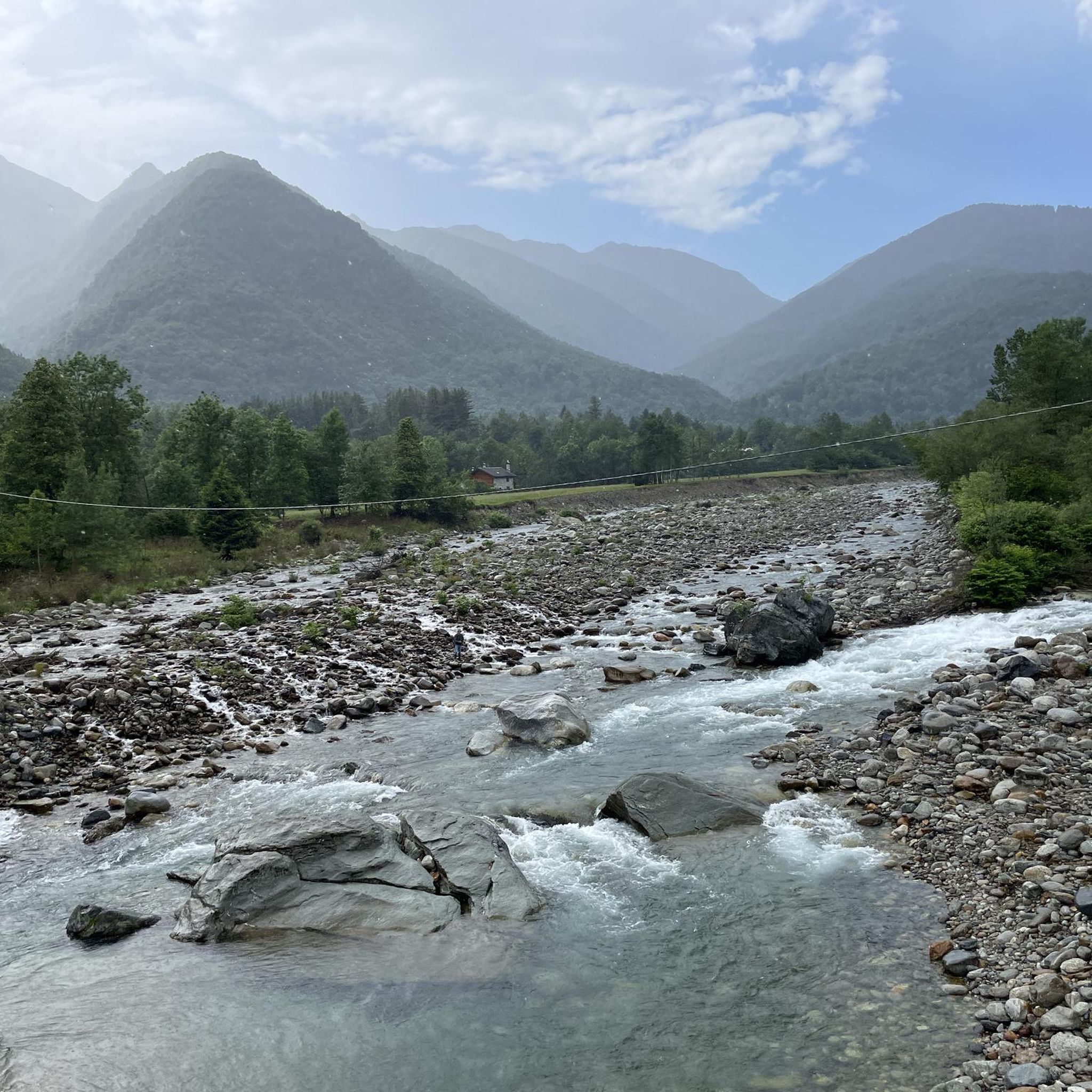
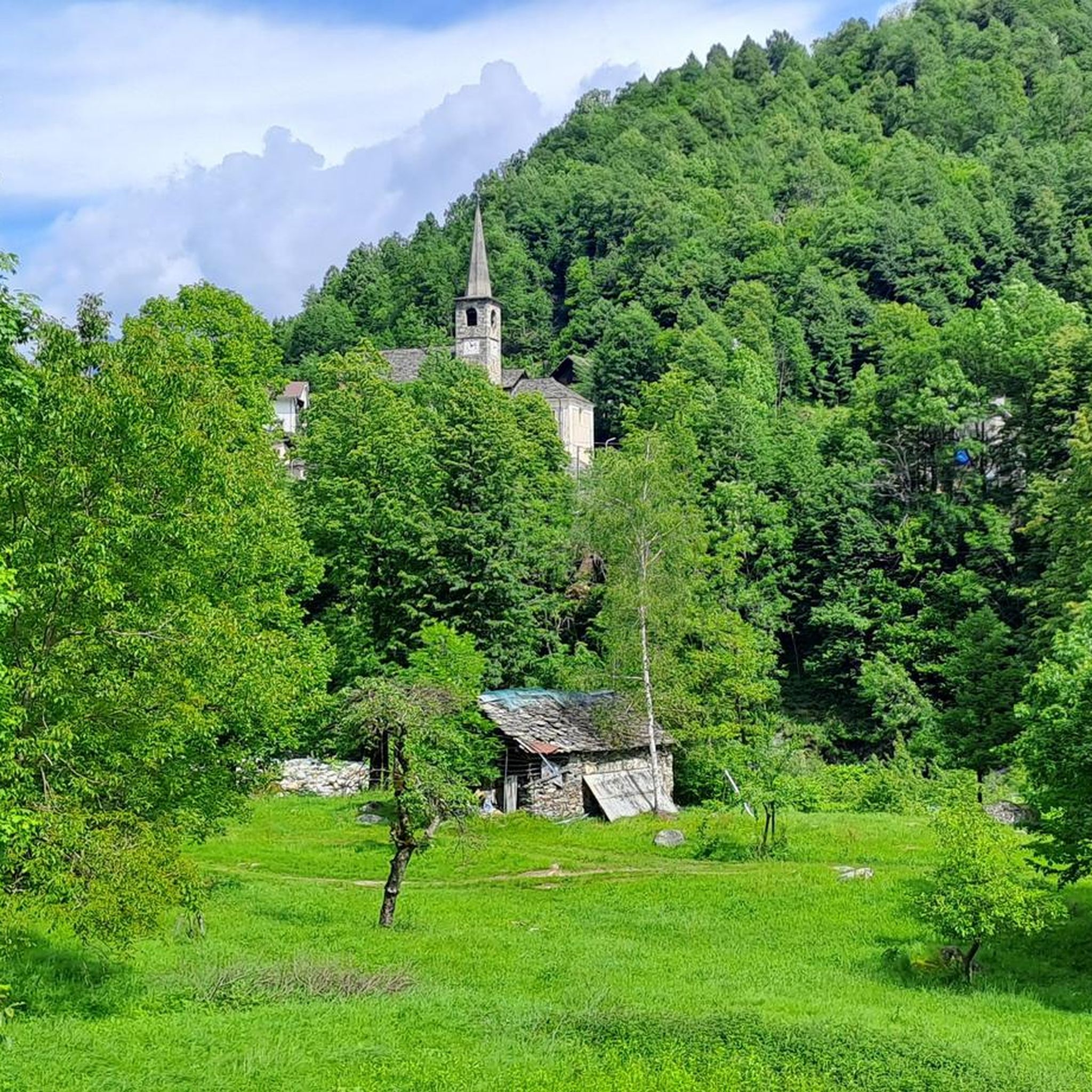
No, not Peru, but Northern Italy! A very green, deeply incised, remote valley south of the Monte Rosa massif.
0
0

particularly spectacular stretch, well protected by fences from the slope on the Sesia
0
0
The stretch between Balmuccia and Scopa of the Valsesia cycle path. This is the most challenging section of the entire route.
0
0

Very challenging to cross by bike. (Electric bikes are even worse). A flood has filled the riverbed with rocks and tree trunks. The banks are steep and prone to landslides, even though the difference in height is small. It takes a lot of energy to cross. (Mar. 2025)
0
0

Ancient bridge to visit, still intact and original, takes its name from the gorge it crosses over the Mastallone stream.
2
0

It is a legend almost identical to the one handed down on the beautiful Ponte del Diavolo in Garfagnana (also called Ponte della Maddalena, from the oratory that stood there), except that the animal there was a cat, not a dog
0
0

Splendid example of a mule-back bridge made of river stone
0
0

Ancient bridge overlooking the Gula ravine, which before the construction of the modern bridge represented the only communication route for the local inhabitants. There are various legends regarding the construction of the bridge, the best known and handed down one tells that in a distant past the devil would have made a pact by agreeing to build a passage for the inhabitants of the area, receiving in exchange the soul of whoever would be the first to cross the bridge. Unfortunately for the devil, the agreement had been made with a very cunning old man, who deceived the devil himself by making sure that the first to cross the bridge was a dog and not a man or a woman. Which is why the devil, mocked after having built the bridge in a single night by working with great commitment, would still wander around the ravine hoping to trap new victims.
2
0
Frequently Asked Questions
What natural features can I expect to see in the gorges around Scopa?
The gorges around Scopa offer a variety of natural features. You'll find deeply incised valleys like the Mastallone Valley, rivers such as the Sessera stream in Valsessera, and the Torrente Caramala. The landscape often includes forests and viewpoints overlooking these wild, remote areas.
Are there hiking trails near the gorges around Scopa?
Yes, there are several hiking opportunities. For example, the Valsessera area features a dirt road suitable for hiking, leading to Lake Mischie. You can also find dedicated hiking routes in the broader region. For more detailed hiking options, explore the Hiking around Scopa guide, which includes trails like the Scopa Art Trail and the Monte Ventolaro Trail.
What outdoor activities can I do near the gorges around Scopa?
Beyond exploring the gorges themselves, the area around Scopa is excellent for cycling and hiking. You can find traffic-free bike rides for both touring and race bikes, with routes like the Val Sermenza Cycle Route or the Mastallone Valley from Varallo to Rimella. For more information on cycling, check out the Traffic-free bike rides around Scopa (touring bicycle) guide and the Traffic-free bike rides around Scopa (racebike) guide.
Are there any historical sites associated with the gorges?
Yes, the Gula Bridge is a notable historical site. It's an ancient mule-back bridge made of river stone, overlooking the Gula ravine and the Mastallone stream. Legends surround its construction, adding to its historical charm.
Are there any challenging sections when exploring the gorges?
Yes, some areas can be quite challenging. For instance, the Torrente Caramala Crossing is described as very challenging, especially for bikes, due to landslides, steep banks, and a riverbed filled with rocks and tree trunks. Similarly, the stretch of the Valsesia cycle path through the Gole dei Dinelli is considered the most challenging section of the entire route.
What is the best time to visit the gorges around Scopa?
While specific seasonal recommendations for canyoning permits are not available, generally, the warmer months from spring to early autumn (May to October) are ideal for outdoor activities like hiking and cycling in mountainous regions like Piedmont, where Scopa is located. During these times, weather conditions are typically more stable and water levels in streams are more predictable.
Are there any viewpoints in the gorges around Scopa?
Yes, areas like Valsessera and Gole dei Dinelli are noted for offering viewpoints. These spots provide scenic perspectives of the gorges, rivers, and surrounding natural landscapes.
What should I know about the Mastallone Valley?
The Mastallone Valley is a very green, deeply incised, and remote gorge located south of the Monte Rosa massif. It offers a wild and natural experience, characteristic of the Northern Italian landscape.
Is the Valsesia cycle path accessible through the gorges?
The Valsesia cycle path includes a particularly spectacular stretch through the Gole dei Dinelli, between Balmuccia and Scopa. This section is well protected by fences from the slope on the Sesia, but it is also noted as the most challenging part of the entire route.
What are some tips for visiting the Gula Bridge?
The Gula Bridge is an ancient and intact mule-back bridge. Visitors often appreciate its original construction from river stone and the historical legends associated with it. It's a great spot to visit for its cultural and architectural significance.
Most popular attractions around Scopa

Get inspired with the komoot mobile app


Explore more
Already discovered everything in this region? See additional gorges around Scopa for your next adventure:
