Top 6 Castles around Bosco Marengo
Best castles around Bosco Marengo are primarily located in the broader Alessandria Province, as Bosco Marengo itself is known for its historical and architectural complexes rather than traditional fortified castles. The town features significant sites like the Monastic Complex of Santa Croce, a Renaissance masterpiece commissioned by Pope Pius V. While Bosco Marengo does not host castles directly, the surrounding region offers a high concentration of such structures, with over 258 in the province. These historical sites provide insight into…
Last updated: August 9, 2026
Dongione of Carbonara Scrivia
Highlight • Castle
Translated by Google •
Tip by

Tortona Castle Park
Highlight • Castle
Translated by Google •
Tip by
Sign up now to discover places like this
Get recommendations on the best single tracks, peaks, & plenty of other exciting outdoor places.
Sign up for free
Castello di Francavilla Bisio
Highlight • Castle
Tip by


Novi Ligure Castle
Highlight • Castle
Translated by Google •
Tip by

Sign up for free to discover even more castles around Bosco Marengo.
Sign up for free
Already have an account?
Start today with a free account
Your next adventure awaits.
Login or Signup

Tips from the Community

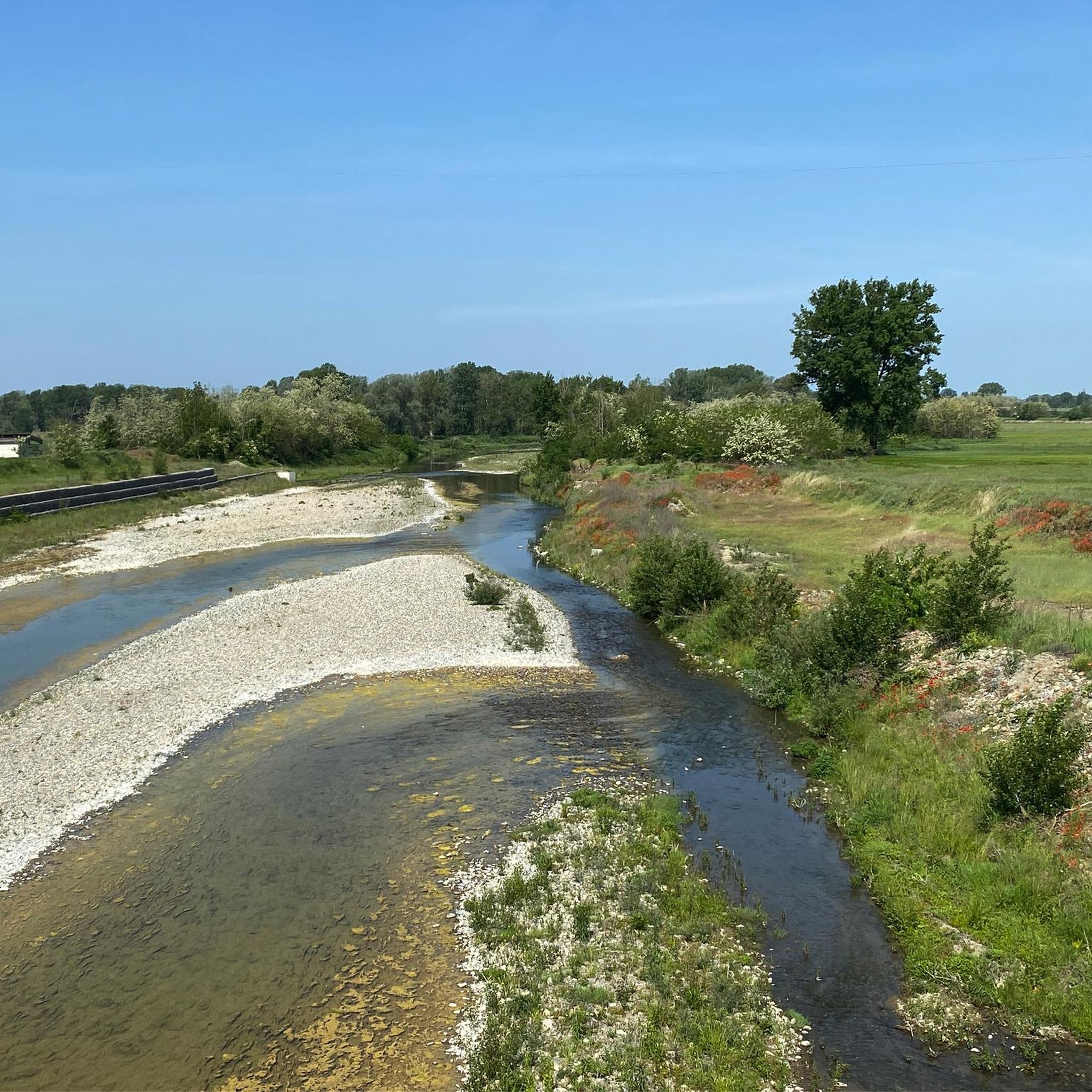
The castle of Carbonara Scrivia dates back to the 14th century or early 15th century, according to some documents found. The typical construction called "dongione" was built by Pierino Cameri on a previous property owned by the Curolo family, lords of Carbonara, who declined starting from 1246.
0
0
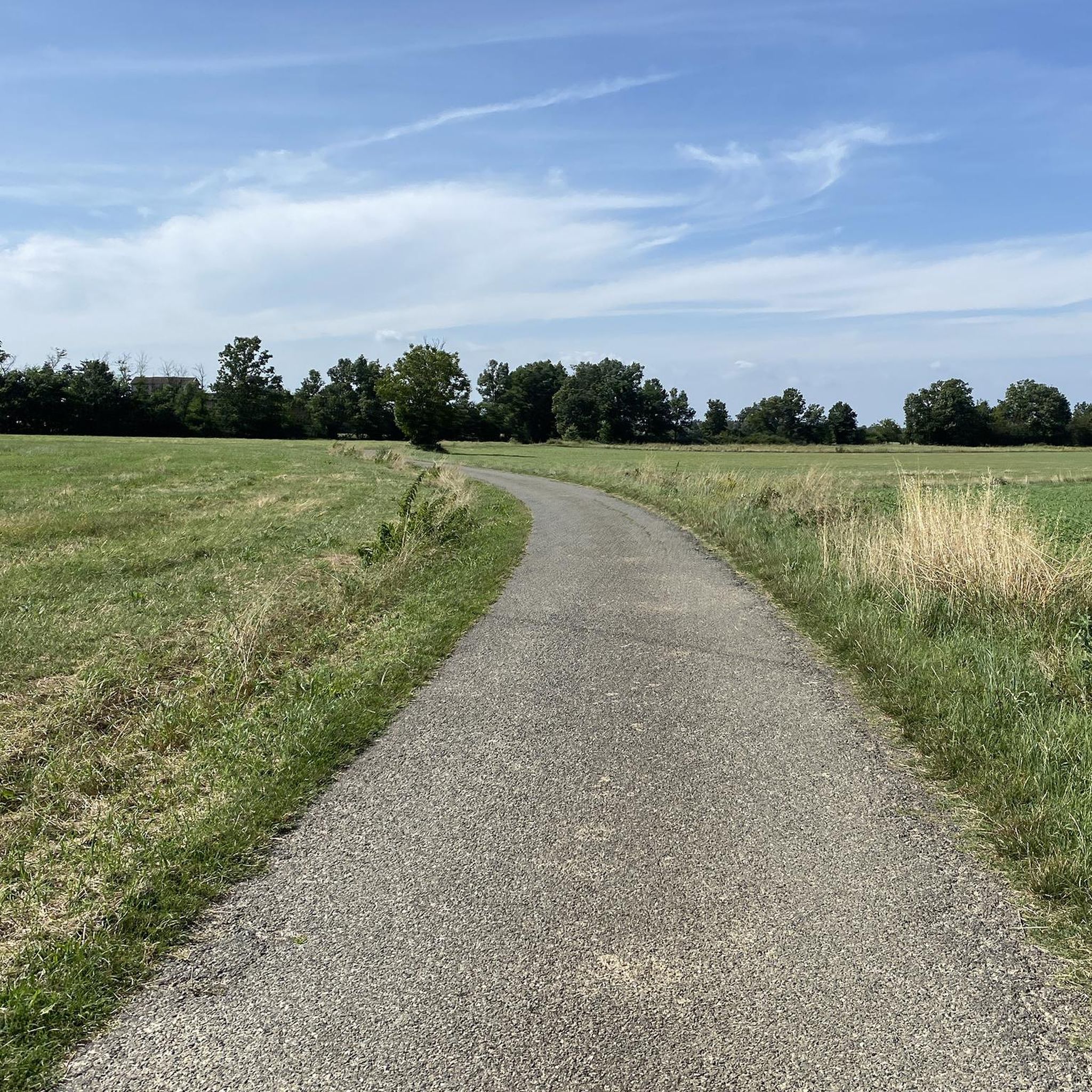
The castle of Tortona was a castle that stood on the Savo hill, the most important of the seven on which, according to tradition, the city of Tortona was founded. The name refers to various defensive constructions that arose on the same site over the course of two millennia. Between the 8th and 5th centuries BC. archaeological investigations in fact place the foundation of a hillfort by the Ligurians.
1
0
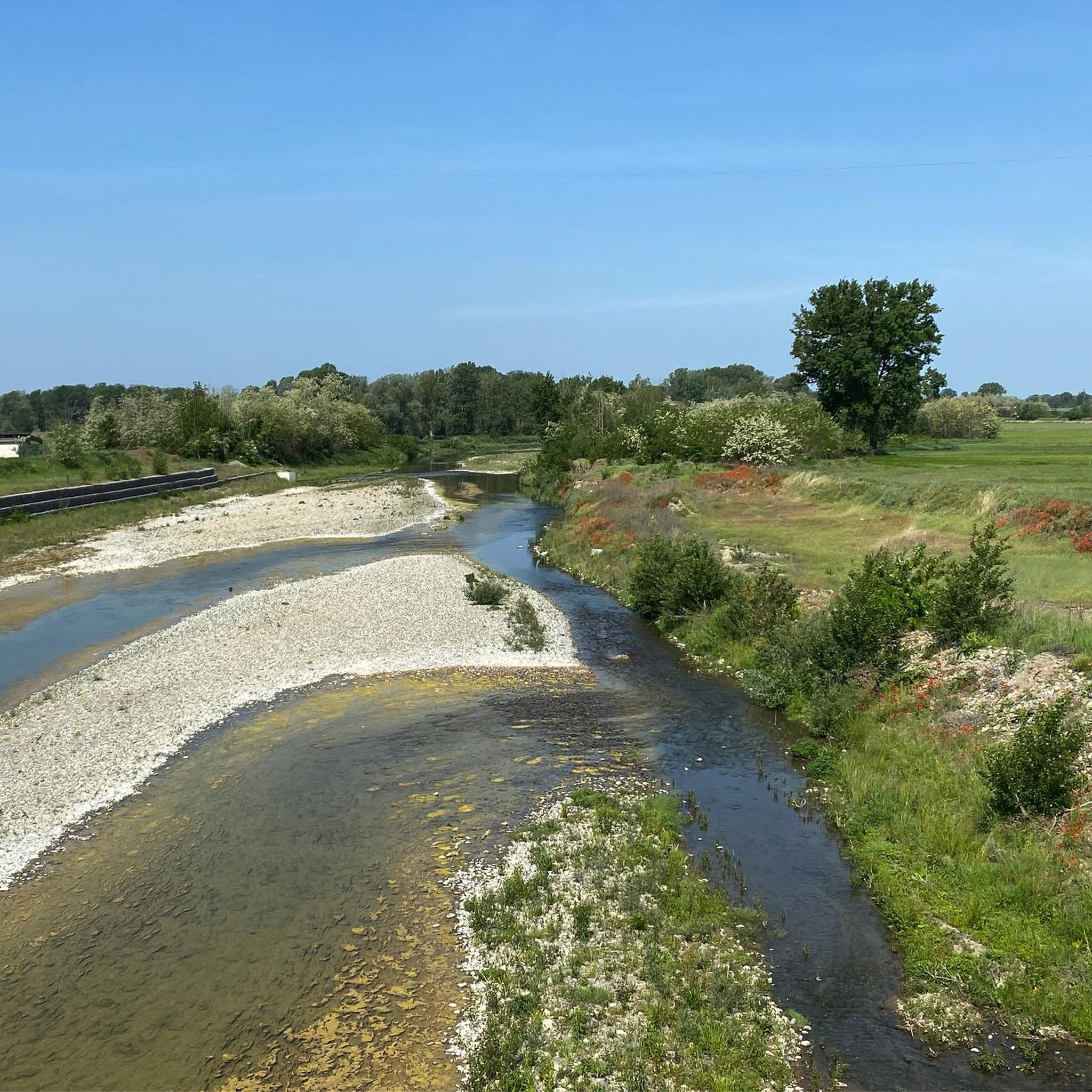
The castle of Novi Ligure is located near the historic center of Novi Ligure and was for centuries the extreme northern border of the Republic of Genoa. It is part of the "Open Castles" circuit of Lower Piedmont. Only the tower and some sections of the surrounding walls remain of the castle, which today delimit part of the large park. It was crowned by a Ghibelline battlement which has been lost but is still perceptible, despite the current covering with a tile roof.
0
0

The Castle park is a large green area located in the hilly area of Tortona close to the historic centre. It is a place of memory of the city, having been the scene of historical events such as the siege of Frederick Barbarossa. At the top of the park is the Tower, the city's symbol, which together with a few ruins is evidence of the ancient fortress that overlooked the town until its destruction by Napoleon in 1801.
1
0
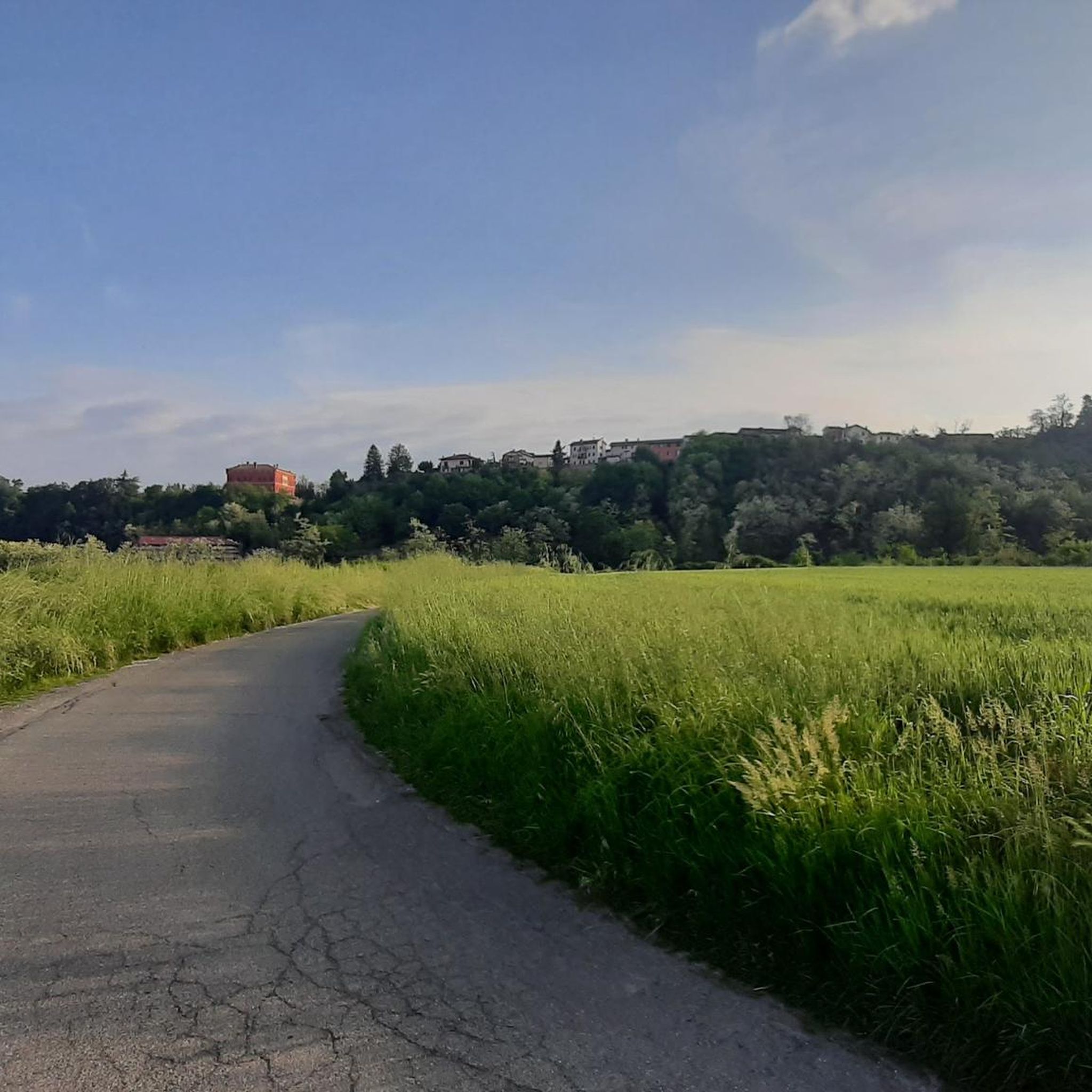
The castle is owned by Count Cesare Giriodi Panissera di Monastero. The construction of the manor dates back to the second half of the 1300s and acquired value in the following centuries due to its strategic position: the town was in fact located on the borders of the Republic of Genoa, with the Savoy State and the various Lombard duchies.
0
0
The 14th century fortress of Carbonara Scrivia boasts the so-called "Dongione", built by Pierino Cameri. In addition to the dungeon, the defensive system of Carbonara Scrivia consisted of a fortified enclosure or castle, a moat and two access gates.
3
0

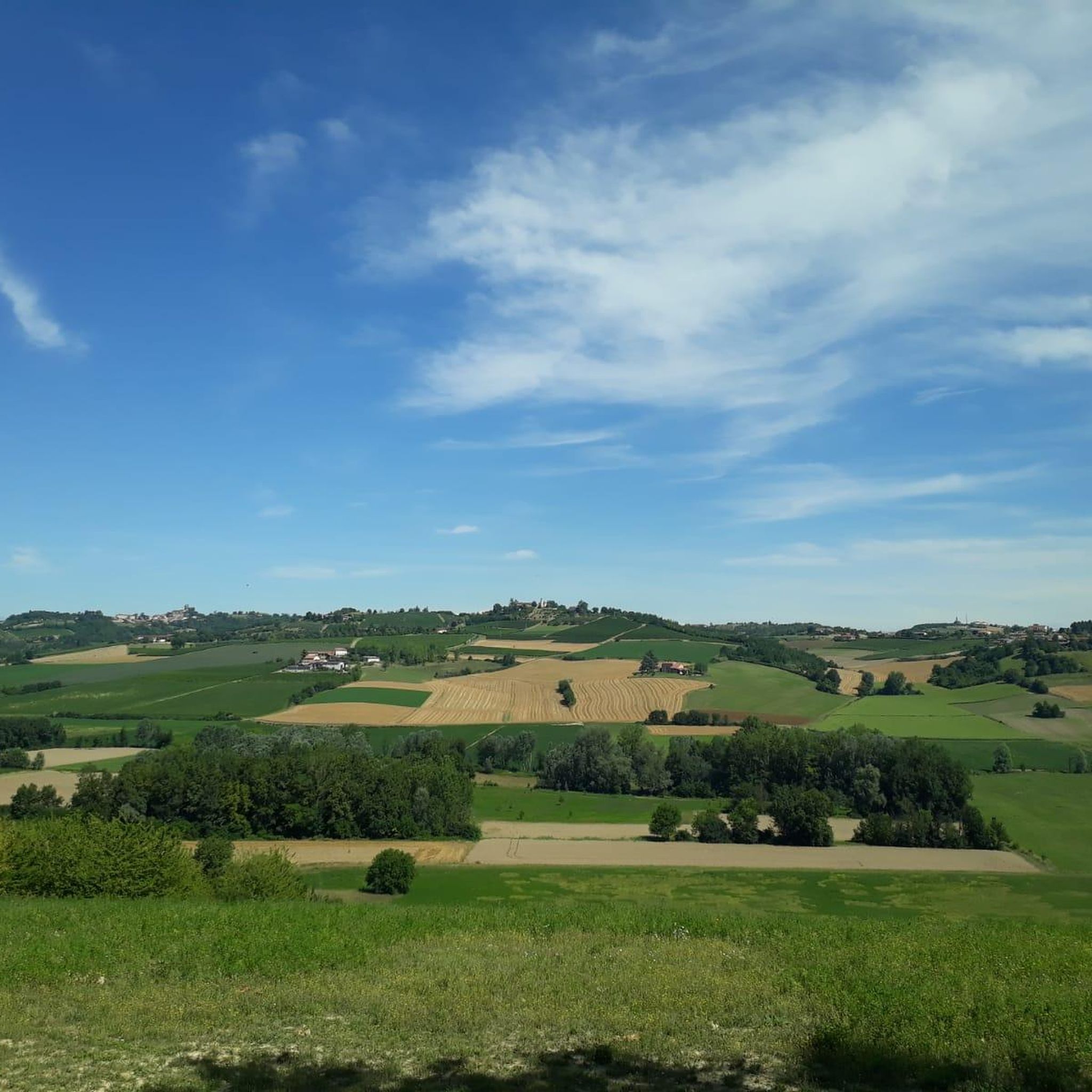
An old castle on the side of the hill that could be seen from far
3
0

The term dungeon, from the French donjon, in turn derived from the Gallic Latin dominium (to be pronounced in the French dominiòm), home of the dominus, designates a multi-storey structure with a strong vertical development similar in function and appearance to the so-called keep. There are few in Piedmont and, among these, the case of Carbonara Scrivia undoubtedly stands out for its state of conservation and architectural integrity. https://www.alexala.it/web/index.php?lang_iso=it&view=risorsa&id_categoria=011144617cd1213242343dc8760b2e84&id_risorsa=93ae8649e487683480695604b748cd9c&id_area=bade033bcb9429 2d545e220e8e7831de
1
0
Frequently Asked Questions
What historical sites are located directly in Bosco Marengo, if not traditional castles?
While Bosco Marengo itself does not feature traditional fortified castles, it is home to significant historical and architectural complexes. The most prominent is the Monastic Complex of Santa Croce, a Renaissance masterpiece founded by Saint Pius V. You can also visit the Church of San Pietro, where Pope Pius V was baptized.
What is the historical significance of the Monastic Complex of Santa Croce in Bosco Marengo?
The Monastic Complex of Santa Croce is a Renaissance masterpiece commissioned by Pope Pius V in 1566. It was a strong signal of the Counter-Reformation and features Roman classical architecture, including a church and Dominican convent buildings. It houses significant works by Giorgio Vasari, such as the 'Giudizio Universale' altarpiece. The complex is being reactivated as a cultural hub. For more information, you can visit the official culture.gov.it page.
Are there any medieval castles near Bosco Marengo?
Yes, while Bosco Marengo itself is known for its religious and architectural complexes, the broader Province of Alessandria has over 258 castles. Notable medieval examples include the Castello di Francavilla Bisio, an old manor dating back to the second half of the 1300s, and the Castelnuovo Bormida Castle.
Which castles around Bosco Marengo offer historical insights into the region?
Many castles in the region provide a glimpse into the past. The Castello di Francavilla Bisio was strategically important due to its position on the borders of various states. The Tower of the Castle of Tortona marks the remains of an ancient fortress destroyed by Napoleon, and the Novi Ligure Castle was for centuries the northern border of the Republic of Genoa.
What is the 'Dongione' of Carbonara Scrivia?
The Dongione of Carbonara Scrivia is a well-preserved multi-storey structure, similar to a keep, that was part of a 14th-century fortress. It was built by Pierino Cameri and is one of the few examples of this type of defensive architecture in Piedmont, notable for its architectural integrity and state of conservation.
Are there family-friendly castles to visit near Bosco Marengo?
Yes, the Dongione of Carbonara Scrivia is categorized as family-friendly, offering an interesting historical site for all ages to explore.
What outdoor activities can I combine with a visit to castles near Bosco Marengo?
The area around Bosco Marengo is excellent for outdoor activities. You can find various routes for mountain biking, hiking, and running. For example, there are several MTB trails, hiking routes, and running trails that pass through scenic landscapes and near historical sites.
Are there hiking trails near the castles around Bosco Marengo?
Yes, there are numerous hiking opportunities. You can find routes like 'From Castelspina to Castellazzo Bormida' or 'Negrone Palace – Little Chapel loop from Novi Ligure' which allow you to explore the natural beauty and historical sites of the region. Check out the hiking guide for Bosco Marengo for detailed routes.
What is the best time to visit the castles and historical sites around Bosco Marengo?
The region generally enjoys pleasant weather from spring through early autumn (April to October), making these months ideal for exploring castles and engaging in outdoor activities. Summers can be warm, while spring and autumn offer milder temperatures and beautiful scenery. It's always a good idea to check specific opening hours for individual sites, as some may have reduced hours or closures during the off-season.
Are any of the castles around Bosco Marengo wheelchair accessible?
Accessibility can vary greatly between historical sites. While some modern visitor centers or ground-level areas might be accessible, many older castles and towers, due to their historical construction, may have limited accessibility for wheelchairs. It is recommended to check with individual castle administrations directly for specific accessibility information before your visit.
Can I visit castles near Bosco Marengo with my dog?
Policies regarding dogs vary by location. While outdoor areas or castle grounds might be dog-friendly, access to interior spaces, museums, or specific historical structures is often restricted for pets. It's best to verify the pet policy with each specific castle or site you plan to visit beforehand.
What do visitors enjoy most about the castles and historical sites in this region?
Visitors appreciate the rich history and strategic importance of these sites, often highlighted by their commanding views and well-preserved architecture. The Tower of the Castle of Tortona, for instance, is valued as a symbol of the city and a viewpoint. The Castello di Francavilla Bisio is noted for its visible hillside position and historical value.
Most popular routes around Bosco Marengo
Most popular attractions around Bosco Marengo

Get inspired with the komoot mobile app


Explore more
Looking for the best castles somewhere else? Discover other guides around Bosco Marengo:
