Top 4 Castles around Pollone
Best castles around Pollone are found in the Province of Biella, Italy, a region known for its historical sites and varied landscape. While Pollone itself features the significant historical residence of Villa Ametis, the surrounding area offers several notable fortified structures. These sites provide insight into medieval architecture and local history, situated within a landscape that blends cultural heritage with natural settings. Visitors interested in historical sites Pollone Biella can explore these well-preserved examples in the immediate vicinity.
Best castles…
Last updated: June 30, 2026
Ricetto of Candelo
Highlight • Historical Site
Translated by Google •
Tip by

Montestrutto Castle and Church
Highlight • Castle
Translated by Google •
Tip by

Sign up now to discover places like this
Get recommendations on the best single tracks, peaks, & plenty of other exciting outdoor places.
Sign up for free
Valdengo Castle
Highlight • Castle
Translated by Google •
Tip by

Suzey Castle
Highlight • Castle
Showing Translation
Tip by

Castello Baraing
Highlight • Castle
Translated by Google •
Tip by

Start today with a free account
Your next adventure awaits.
Login or Signup
Popular around Pollone
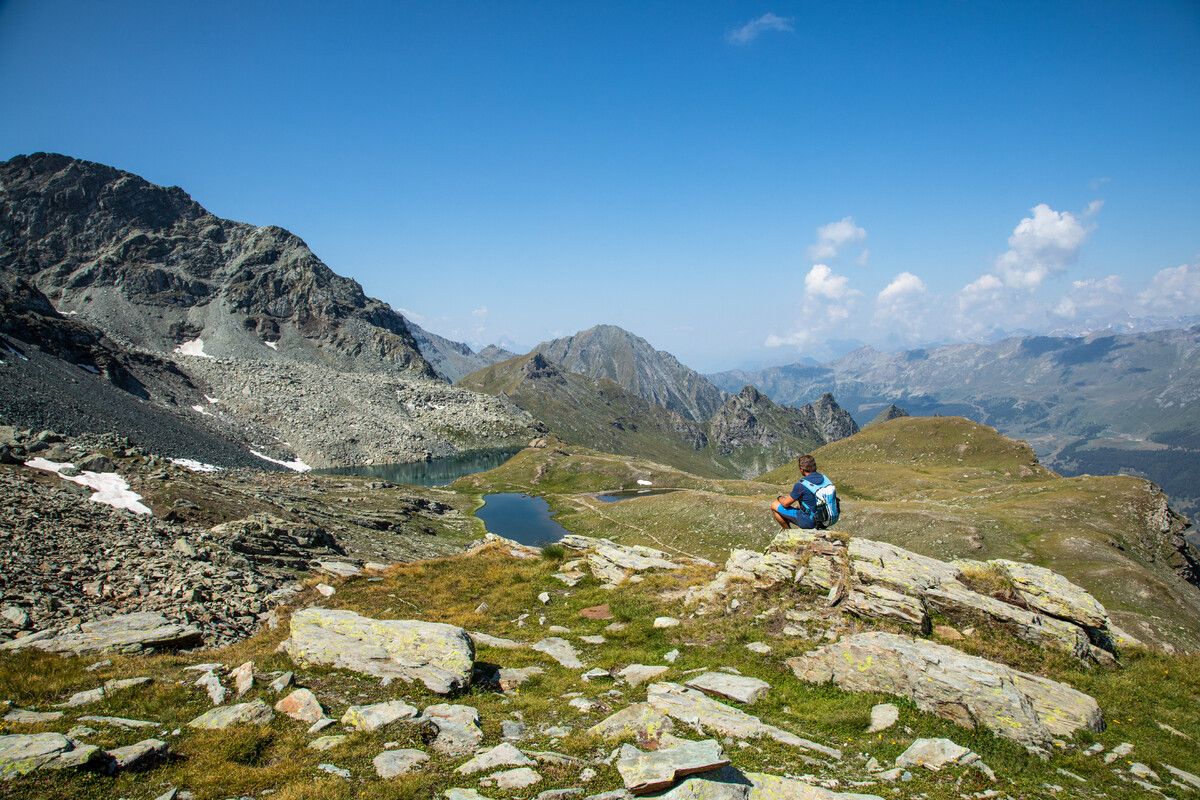
Alta Via n. 1 of the Aosta Valley — a walk among Italian giants
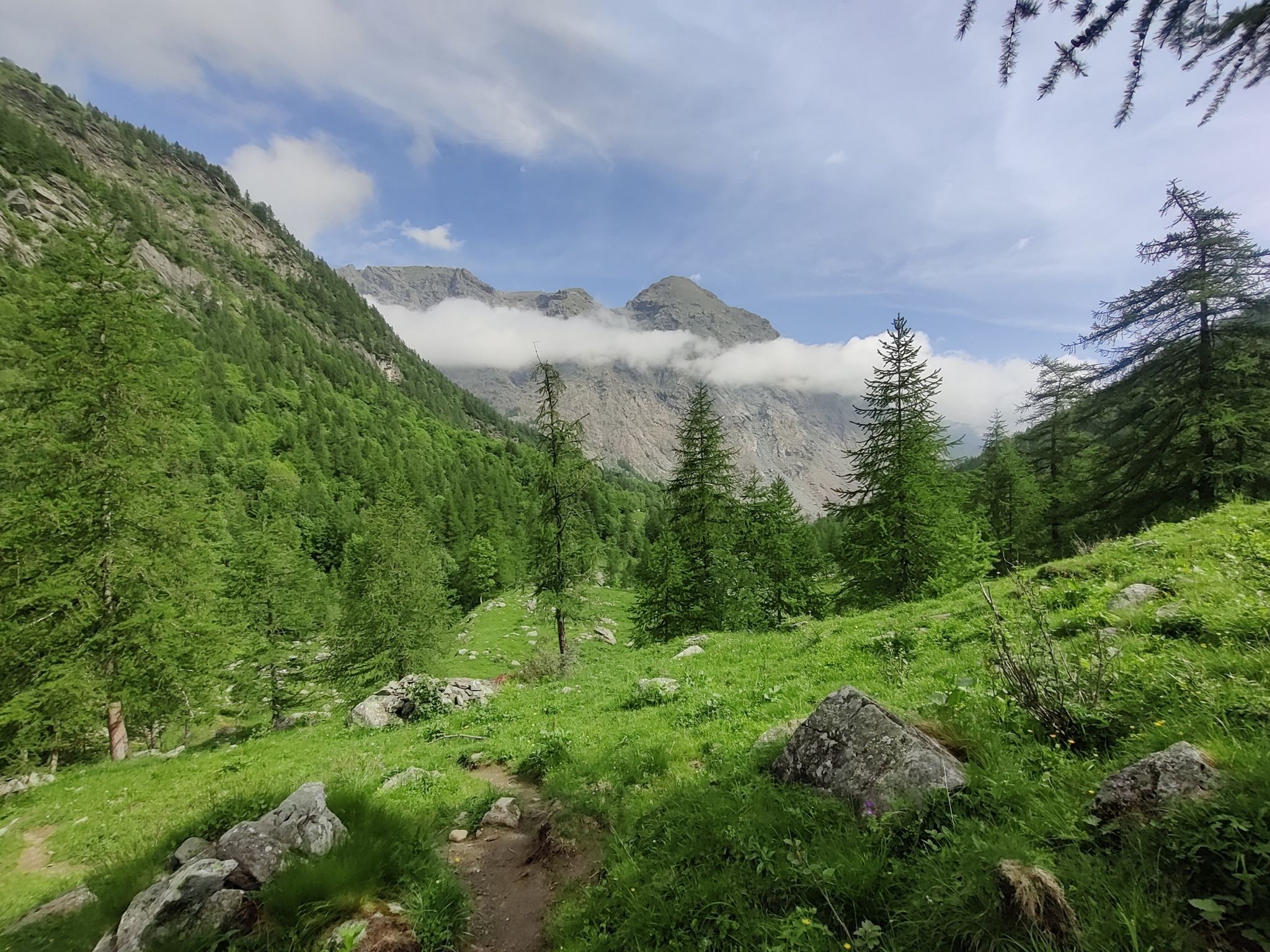
GTA Central Piedmont – Dense forests, lakes and impressive waterfalls
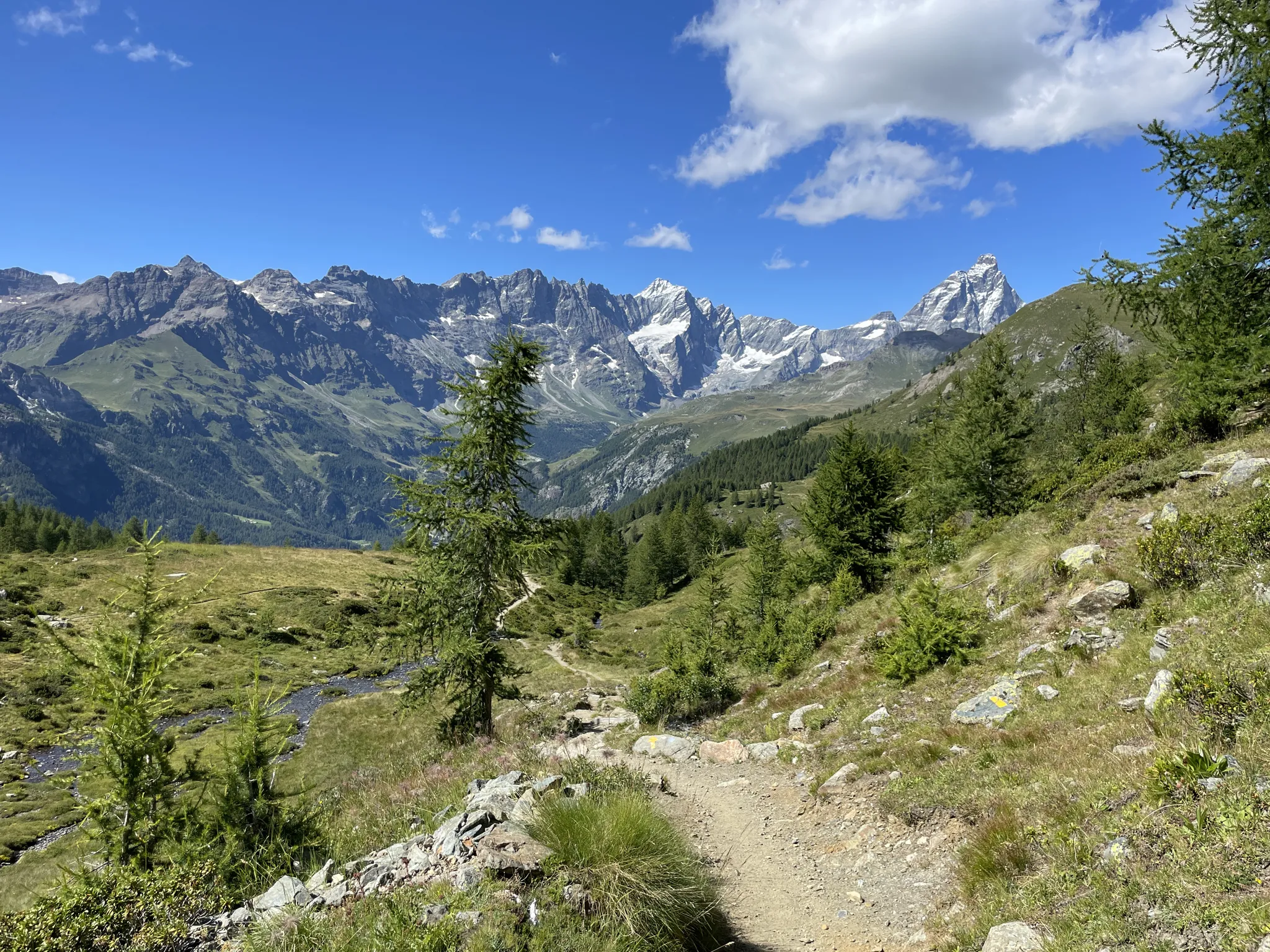
Running with the giants – Alta Via 1 in the Aosta Valley
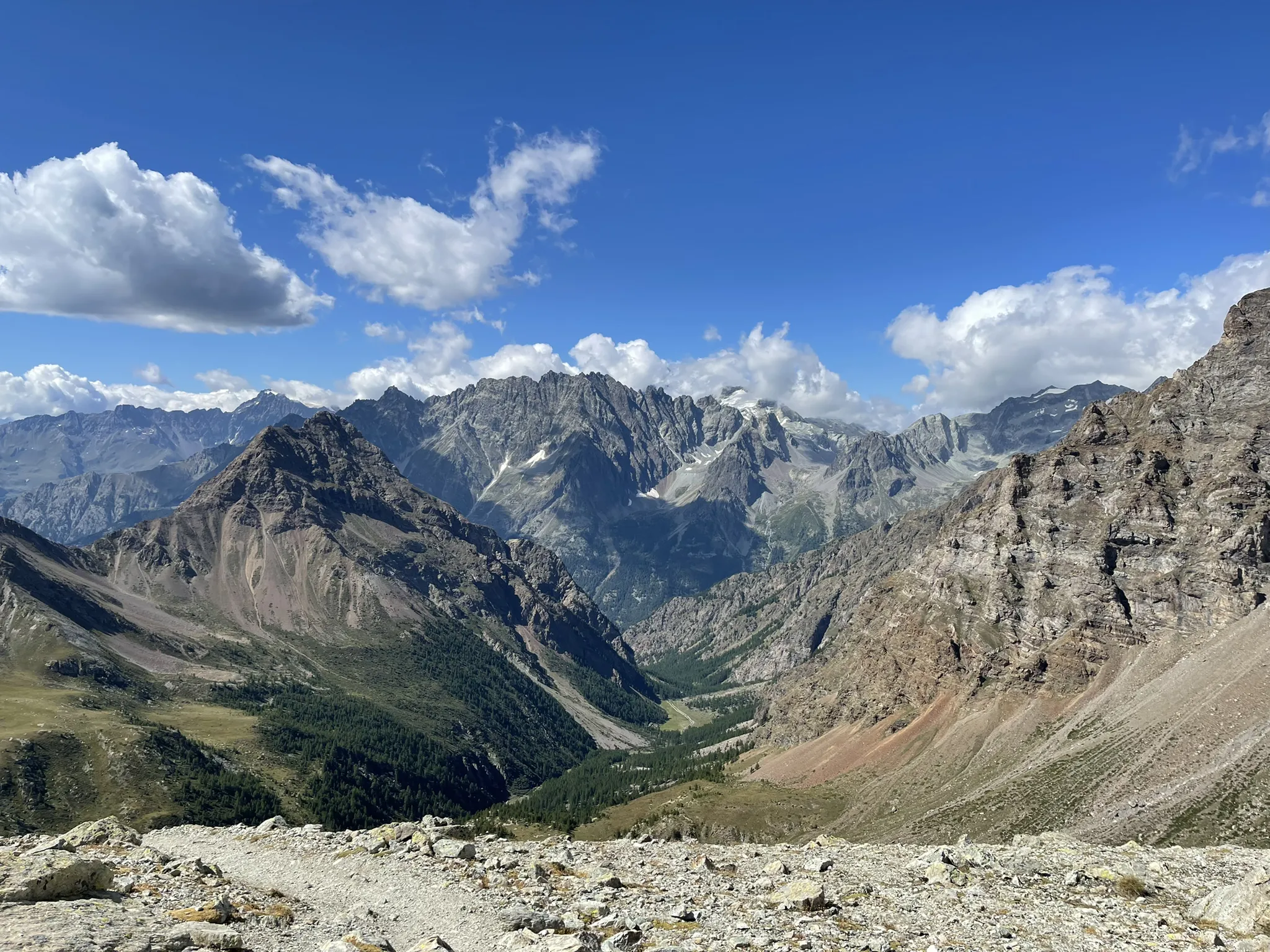
Running between the giants of the Alps – Tor des Géants
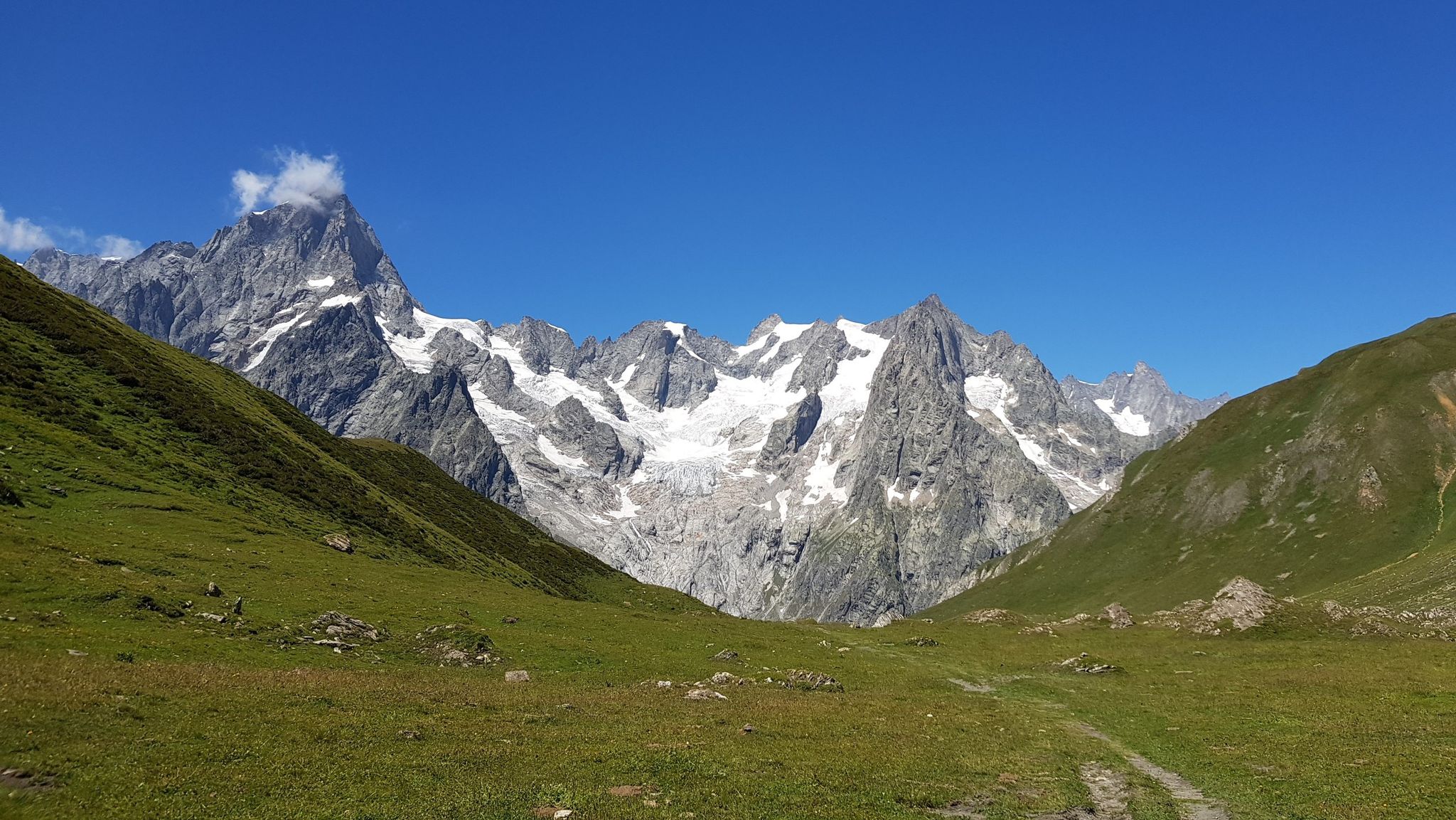
A walk among Italian giants — Aosta Valley High Route 1
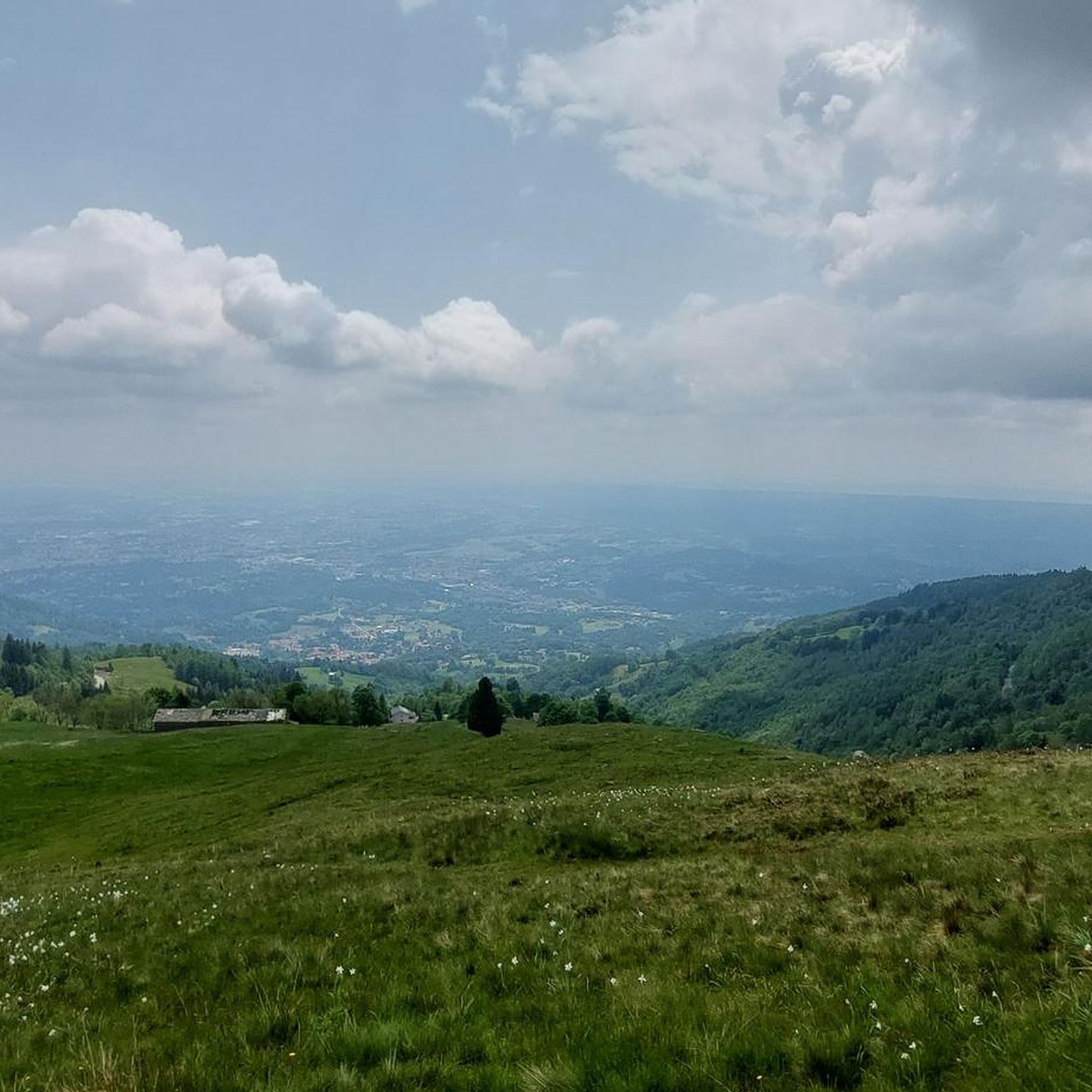
Hiking around Pollone
Road Cycling Routes around Pollone
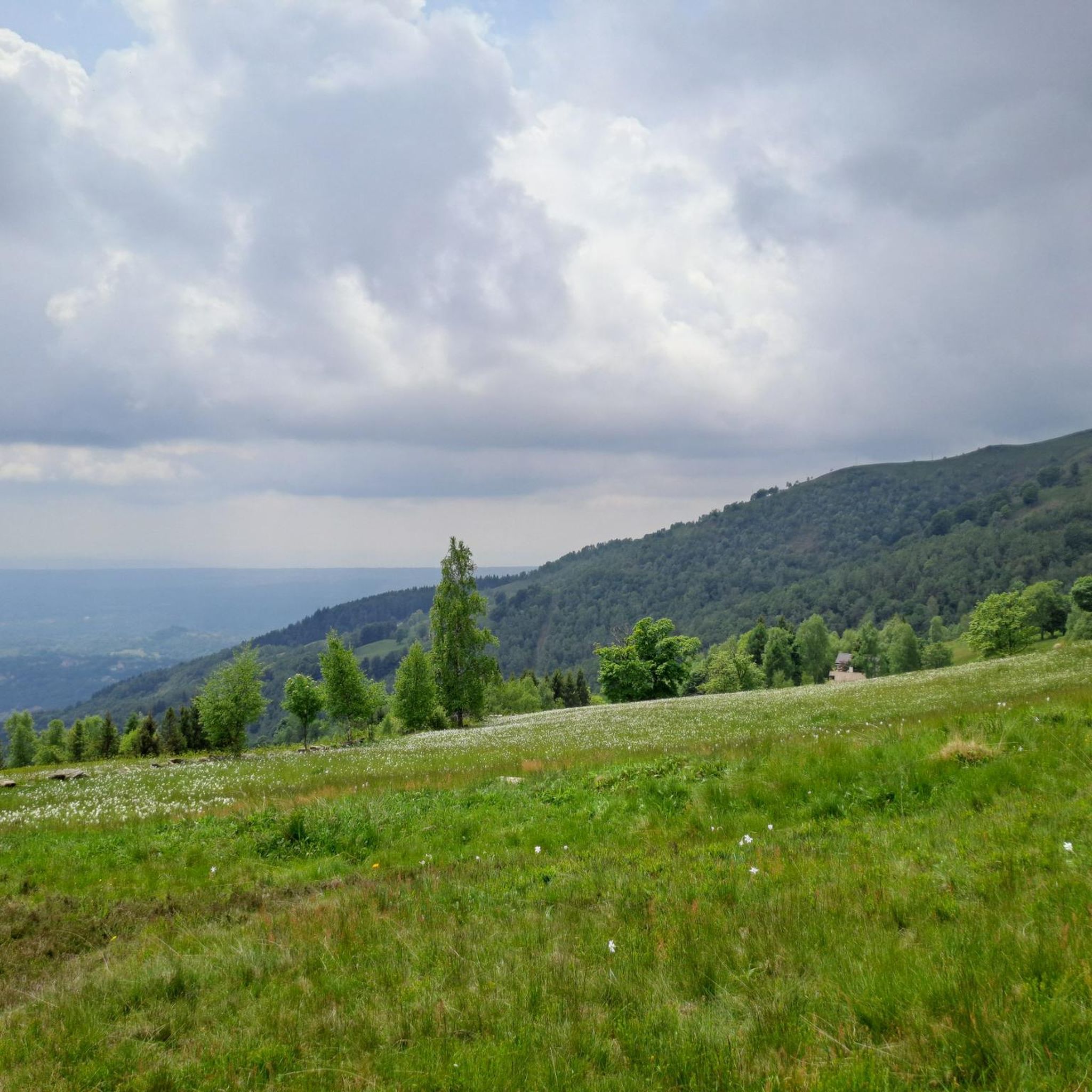
Running Trails around Pollone
Cycling around Pollone
MTB Trails around Pollone


Tips from the Community

The Castello di Suzey stands on an inaccessible rocky spur, in a position that in the 14th century guaranteed absolute control over the transit of the Lys valley. The structure is a classic example of a medieval enclosure castle, dominated by a massive quadrangular tower and surrounded by the remains of a fortified village now swallowed by vegetation. This stronghold was the headquarters of the lords of Suzey, a branch of the Vallaise known for their bellicose nature and independence from central powers. A famous anecdote concerns the family's determination to defend their privileges: it is said that the lords of Suzey imposed such severe transit taxes that they sparked fierce disputes with merchants and neighboring communities, turning the castle into a sort of armed customs post. A local legend also tells that the castle was connected to the other Vallaise properties in Perloz via a network of secret passages dug directly into the rock, used to move troops and riches away from prying eyes during sieges. Another popular tale describes the castle's end as a dramatic event: a devastating fire, which broke out during an enemy attack, would have marked the definitive abandonment of the structure.
0
0

ENTERING THE RICETTO IT SEEMS LIKE BEING IN ANOTHER ERA THEN VISITED DURING THE WEEK WITHOUT TOO MANY PEOPLE AND SPECTACULAR
0
0

Candelo, the highlight of our Piedmont trip. Small town from the 14th century with small shops and very good restaurants. An absolute must.
0
0

Small village of medieval origins particularly appreciable for its excellent state of conservation and local activities/events
0
0

The visit to the Ricetto di Candelo arouses profound emotions. Walking through its cobbled streets is like breathing in history, it's like "going up and down" through the Middle Ages to discover moments linked to peasant culture, it's like getting lost in the magic of a unique place. Source: https://www.ricettidicandelo.it/
1
1

Fortified structure from the Middle Ages, the Ricetto di Candelo is a sort of citadel in which the local lord accumulated goods and wealth. It is also notable for its excellent state of conservation.
2
1

From Wikipedia Website prolocacandelo.it The ricetto di Candelo is an architectural complex from the Middle Ages located in Candelo, in Piedmont. The ricetto is generally a fortified structure protected within a town where the goods (fodder, wines, etc.) of the local lord or of the population accumulated and where, occasionally, the population itself withdrew in case of attacks from external. That of Candelo is one of the best preserved examples of this type of medieval structure present in various localities of Piedmont and in some areas of central Europe.
2
0

Fortified structure among the best preserved necessary for the accumulation of goods
2
0
Frequently Asked Questions
What historical sites can I visit in Pollone itself?
While Pollone is not known for traditional castles, it is home to Villa Ametis, a significant historical residence. This villa was the summer home of the Frassati family, including Saint Pier Giorgio Frassati. You can see his nearly intact bedroom and other personal mementos. Although it's a private residence, special arrangements can sometimes be made for visits.
Which fortified villages are near Pollone?
Approximately 9 kilometers from Pollone, you can visit the Ricetto of Candelo. This fortified village was built in the late Middle Ages to protect residents and agricultural goods. It's recognized as one of Italy's most beautiful villages and offers an immersive experience into ancient rural life.
Are there other medieval castles in the Biella region near Pollone?
Yes, besides the Ricetto of Candelo, you can explore the Castello della Rocchetta in Sandigliano, also about 9 kilometers away. This 14th-century castle initially served a defensive role and stored provisions. Parts of it are now open to the public as accommodation. Another option is the Castello di Verrone, dating back to the 11th-12th centuries, which is a well-preserved residential stronghold.
What kind of castles are featured around Pollone?
The castles around Pollone include fortified villages like the Ricetto of Candelo, medieval-style castles such as Montestrutto Castle and Church (a 20th-century construction built on 14th-century ruins), and historical residential strongholds like Valdengo Castle, which has medieval origins.
Are there family-friendly castle visits near Pollone?
Yes, the Ricetto of Candelo is categorized as family-friendly. Its well-preserved medieval structure and status as one of Italy's most beautiful villages make it an engaging visit for all ages.
What outdoor activities can I do near these castles?
The area around Pollone offers various outdoor activities. You can find numerous MTB Trails, Mountain Hikes, and Cycling routes. For example, there are challenging MTB routes like the 'Bagneri Alpine Village – Belvedere Panoramic Viewpoint loop' or moderate cycling routes such as the 'Viewpoint of Lower Burcina – Bric Burcina Summit and Tower loop from Pollone'.
Can I visit the interior of Montestrutto Castle?
The Montestrutto Castle and Church currently functions as an accommodation facility. The church, which is deconsecrated, and parts of the castle can be visited internally during special events like FAI days.
What do visitors enjoy most about the castles around Pollone?
Visitors appreciate the historical significance and well-preserved nature of these sites. The Ricetto of Candelo, for instance, is highly praised for its excellent state of conservation and its status as one of Italy's most beautiful villages, offering a unique glimpse into medieval life.
Are there any viewpoints of castles in the area?
Yes, you can find a View of Castello Baraing. This highlight offers a perspective of the ruins of a hilltop castle, also known as Castellaccio or Castello vecchio, located in Pont-Saint-Martin in the Aosta Valley.
What is the best time of year to visit the castles near Pollone?
While specific seasonal considerations for each castle vary, the region's natural beauty, especially the flower garden at Villa Ametis with roses and hydrangeas, suggests that late spring and summer offer pleasant weather for exploring. However, the historical nature of these sites makes them accessible and interesting year-round.
Are there any hidden gems among the castles near Pollone?
While not a 'hidden gem' in the traditional sense, Villa Ametis in Pollone offers a unique and deeply personal historical experience, being the private summer home of Saint Pier Giorgio Frassati. It's a different kind of historical site compared to fortified castles, offering a glimpse into a significant Italian figure's life.
How can I find more information about the Biella region's attractions?
For more general information about the Piedmont region, including Pollone, you can visit the official tourism website: visititaly.it.
Most popular routes around Pollone
Most popular attractions around Pollone

Get inspired with the komoot mobile app


Explore more
Looking for the best castles somewhere else? Discover other guides around Pollone:
