Top 8 Castles around Calosso
Best castles around Calosso are found in Italy's Piedmont region, a landscape characterized by rolling hills and valleys like the Nizza and Tinella. This area is known for its historical significance, with many castles reflecting medieval origins and later aristocratic refinements. Calosso itself is home to the notable Castello di Calosso, a historic landmark that blends defensive architecture with elegant country home features. The region offers a glimpse into different historical epochs through its numerous fortifications and provides many viewpoints…
Last updated: June 30, 2026
Costigliole d'Asti Castle
Highlight • Castle
Translated by Google •
Tip by

Castello di Montegrosso d'Asti
Highlight • Castle
Translated by Google •
Tip by
Sign up now to discover places like this
Get recommendations on the best single tracks, peaks, & plenty of other exciting outdoor places.
Sign up for free
Rocchetta Palafea
Highlight • Settlement
Translated by Google •
Tip by

Ascent from Canelli to Castello Gancia
Highlight (Segment) • Climb
Translated by Google •
Tip by

Casaforte of the Counts Cotti of Ceres
Highlight • Historical Site
Translated by Google •
Tip by

Sign up for free to discover even more castles around Calosso.
Sign up for free
Already have an account?
Start today with a free account
Your next adventure awaits.
Login or Signup
Tips from the Community

A cannonball on the outer wall commemorates the battles and disputes surrounding the fort.
1
0

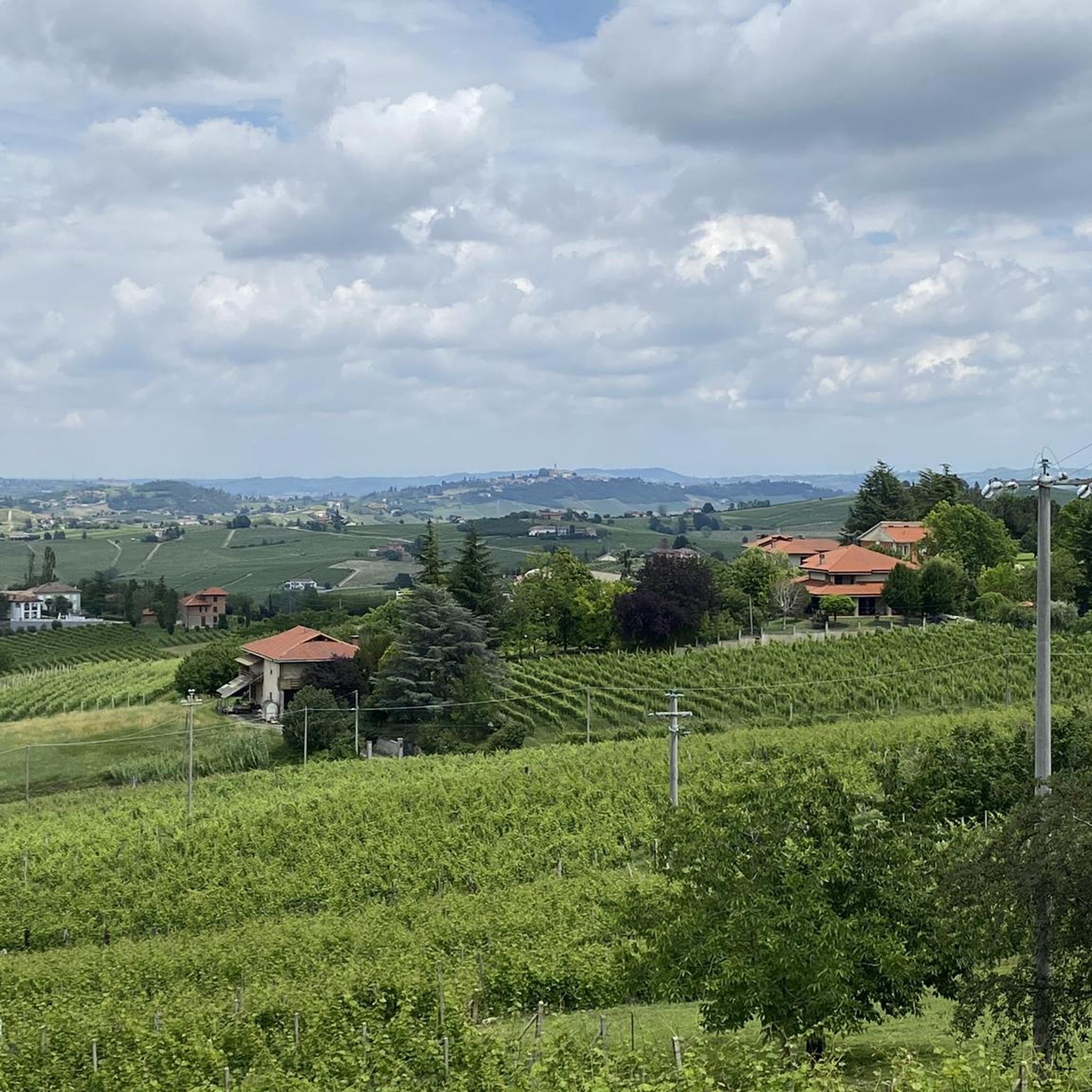
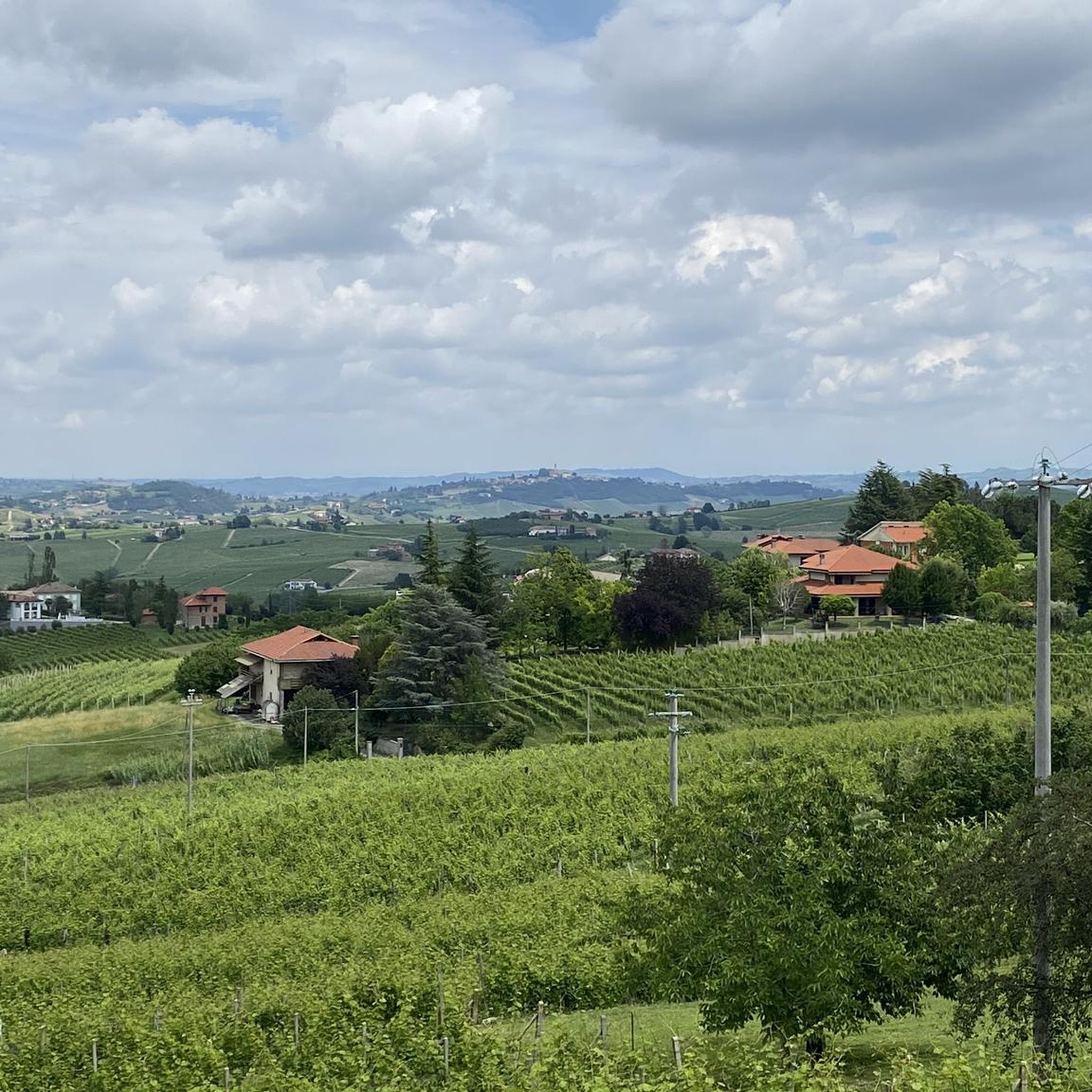
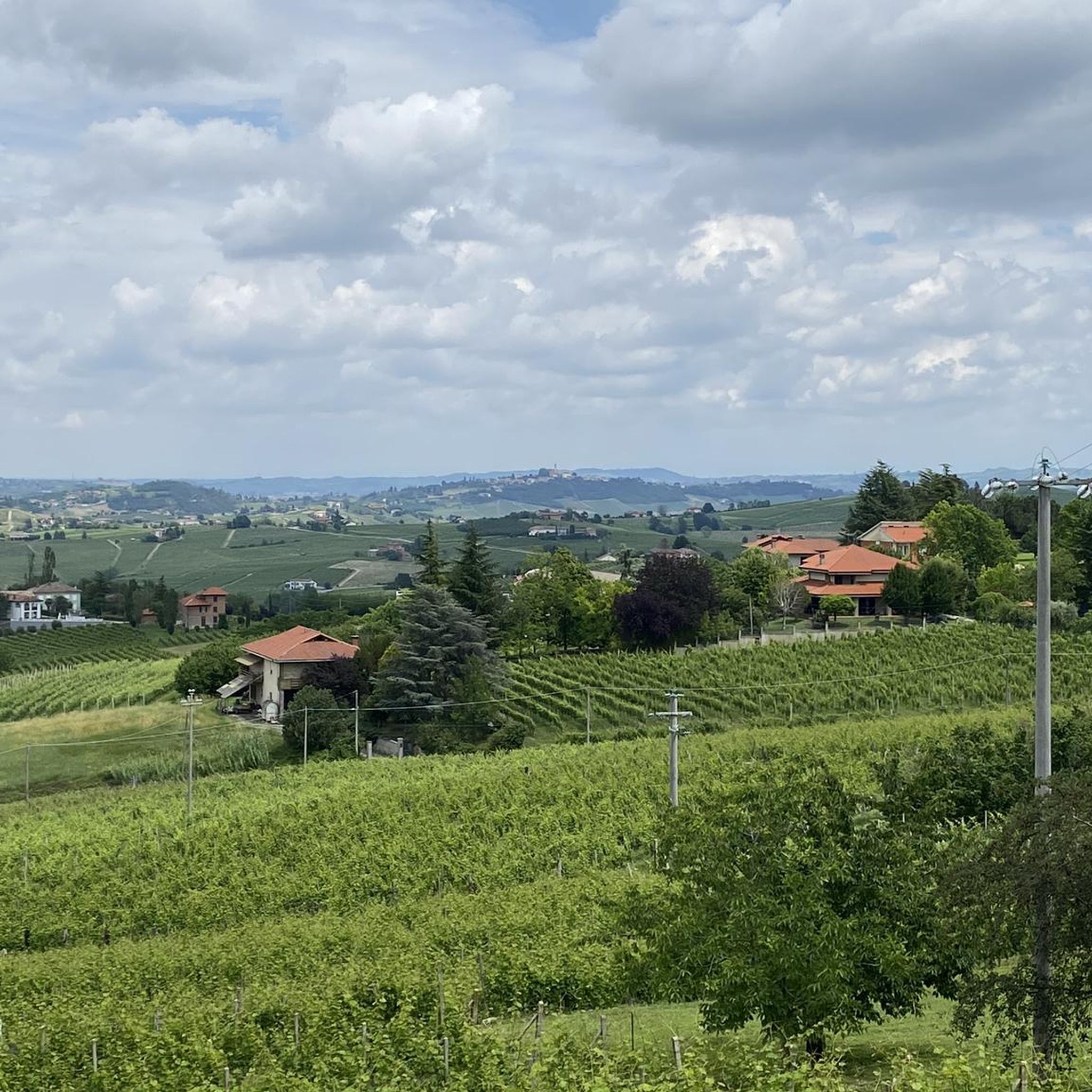
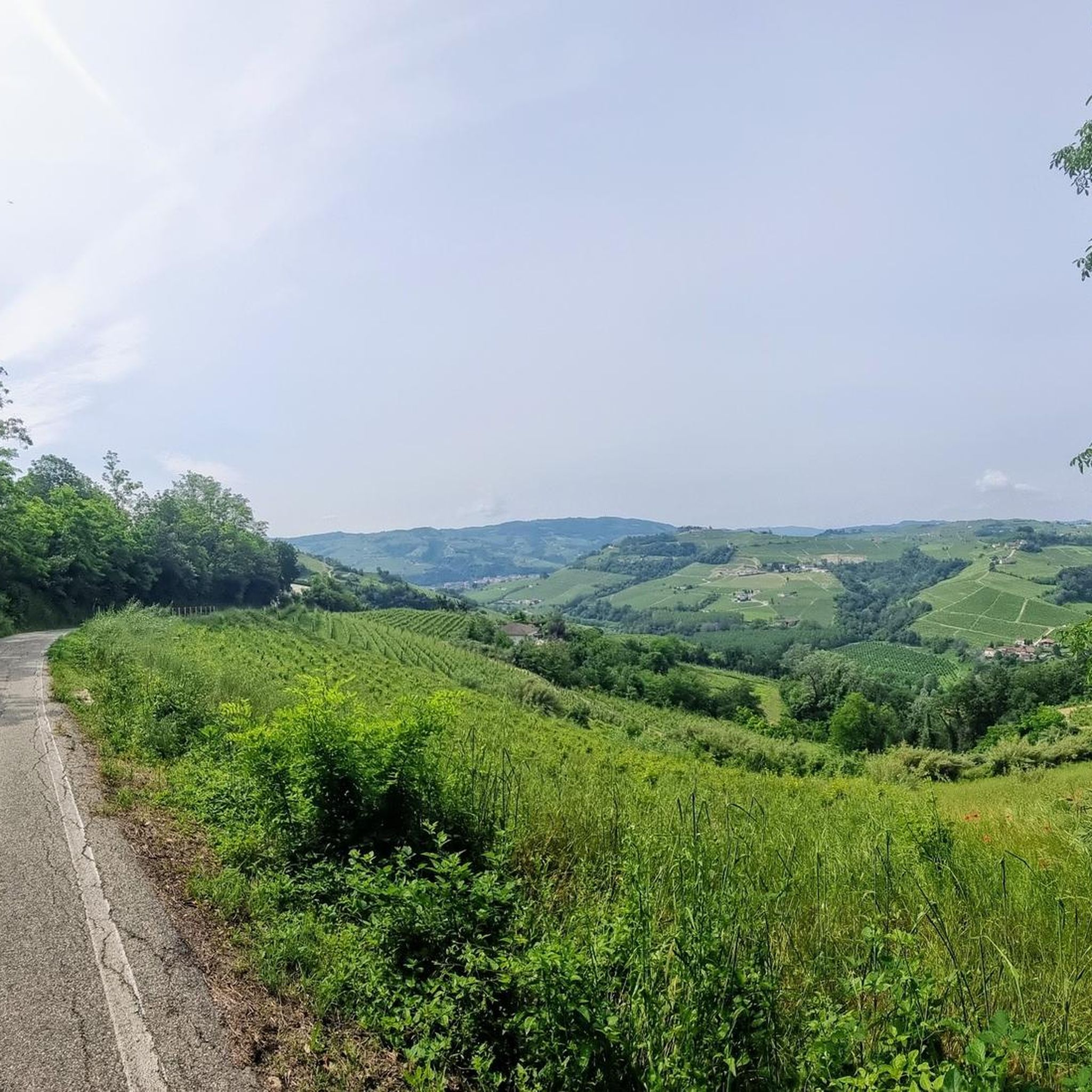
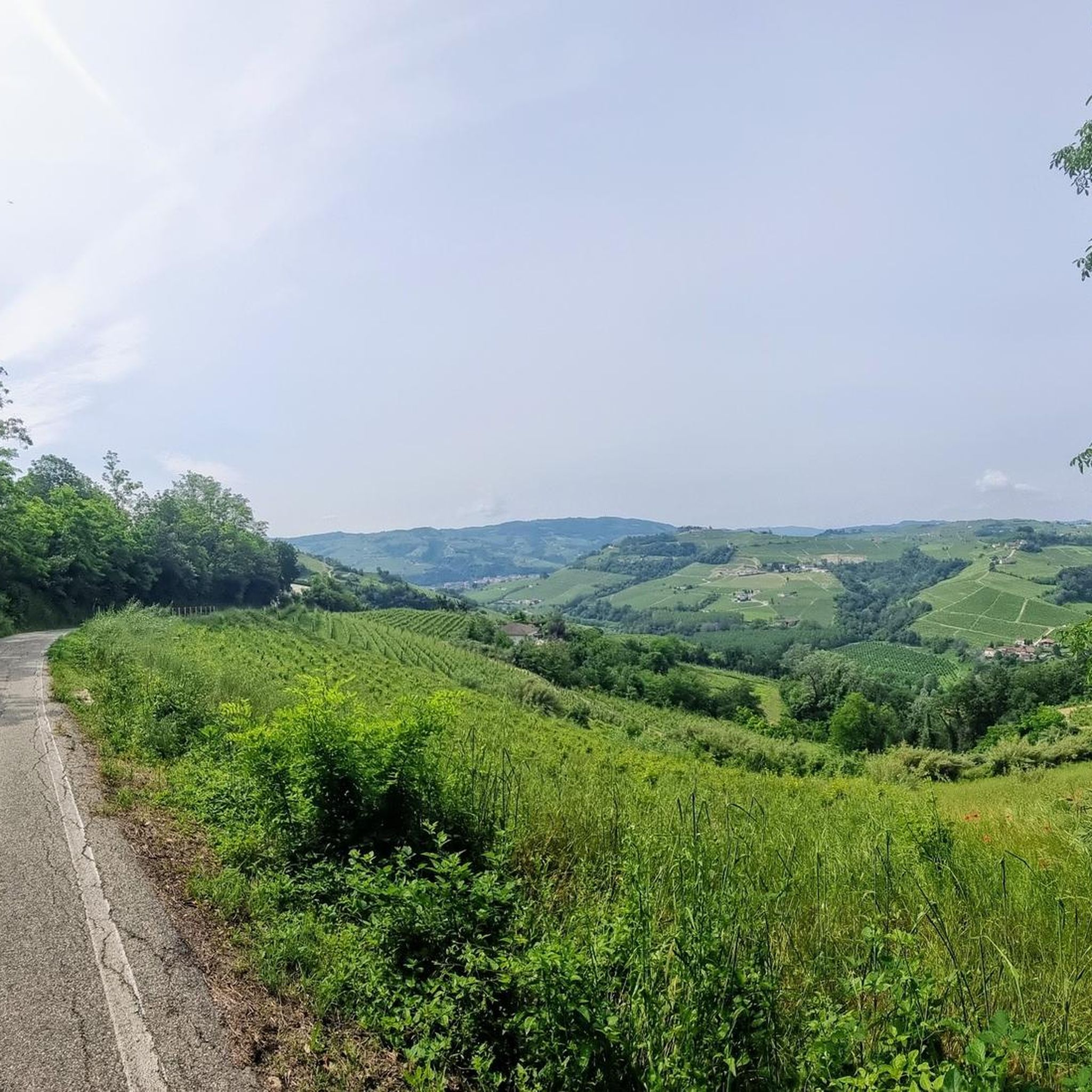
The climb that leads from Canelli to Gancia castle passes through splendid vines. This climb is steep at times and was tackled by the 2023 Giro d'Italia women. The Gancia castle is currently a private villa and cannot be visited: on the other hand, the panoramic views are magnificent.
6
1

The castle, configured in a single and imposing square volume, reveals evident architectural stylistic differences, originating from the layout choices undertaken in the 17th century by the legitimate owners. Starting from 1625, the Asinari nobles shared the rank of "counts of Costigliole" with the noble Verasis family. This complex was therefore divided between two feudal lords, who, with autonomous determination, gave rise to transformations and embellishments on subjective bases. The northern part of the manor, pertaining to the Asinari, retains the appearance derived from the interventions of the second half of the eighteenth century, duly inspired by the architectural canons propagated by Benedetto Alfieri. At the same time, the external aspect of the southern part, pertaining to the Verasis, constitutes an interesting example of neo-medieval stylistic re-proposition, dating back to the first decades of the 19th century.
5
0
Montegrosso d'Asti, a municipality located in the province of Asti, is a fascinating treasure chest in the heart of Piedmont. Located between the Langhe and Monferrato hills, the entire municipal area enjoys UNESCO recognition. Located just 15 km from Asti, Montegrosso proudly claims its winemaking tradition, with particular emphasis on the fine Barbera d'Asti DOCG. The feudal castle of Montegrosso d'Asti, built in 1134 on commission by the Marquis Bonifacio del Vasto, lord of Asti, majestically dominates the large surrounding hilly area.
5
0
The castle of Costigliole d'Asti, built in medieval times and subject to restoration over the centuries, is an important stage in the "Castelli Aperti" circuit of Lower Piedmont. In 1041, Arrigo III officially conferred possession on the Church of Asti. Subsequently, the castle passed under the authority of Bonifacio del Vasto. In 1198, it was Asti that took possession of the castle, establishing statutory regulations. Built on top of the Costigliole fortress, this mighty quadrangular castle, with a base of 60 meters on each side and a height of 25 meters, is one of the grandest in the Asti area.
8
0

small square with water point
0
0

Really very nice castle, Worth a visit
3
0

At the highest point of Costigliole d'Asti stands the Castle, whose origins date back to the Middle Ages. Over the centuries it has been the scene of many battles and struggles. At each of the four corners of the castle there is a tower and on the facade there are two statues depicting Aurelio and Giorgio Verasis Asinari, the former lords of the castle.
3
0
Frequently Asked Questions
What is the history of castles in the Calosso region?
The castles around Calosso reflect a rich history, with many originating as medieval fortifications that later underwent significant transformations. For example, the Castello di Calosso itself, dating back to before the year 1000, evolved from a defensive structure into an elegant country home, while still retaining a 16th-century fortress aspect. Other castles like Costigliole d'Asti Castle have been restored over centuries, showcasing different architectural styles from various epochs.
What architectural features can I expect to see in the castles around Calosso?
You'll find a blend of defensive and aristocratic architectural styles. The Castello di Calosso features a distinctive massive cylindrical tower with Guelph battlements, alongside more refined courtly elements. Costigliole d'Asti Castle is a mighty quadrangular structure with a base of 60 meters on each side and a height of 25 meters, featuring four corner towers. These structures often reveal layers of history through their varied designs.
Are there family-friendly castles to visit near Calosso?
Yes, several castles in the area are suitable for families. Costigliole d'Asti Castle and Castello di Montegrosso d'Asti are both noted as family-friendly. These sites offer historical exploration that can engage visitors of all ages.
What natural features or viewpoints can I find near Calosso castles?
The region is known for its rolling hills and valleys, offering numerous panoramic views. The Castello di Calosso boasts a park with enchanting views of the Nizza and Tinella valleys. The area around Castello di Montegrosso d'Asti majestically dominates a large surrounding hilly area. Additionally, the Ascent from Canelli to Castello Gancia offers magnificent panoramic views over splendid vineyards, even though the castle itself is private.
What outdoor activities can I do near the castles around Calosso?
The area around Calosso is excellent for various outdoor activities. You can explore the region through gravel biking, road cycling, or mountain biking. For example, there are numerous routes for gravel biking around Calosso, road cycling routes, and MTB trails, many of which pass through scenic landscapes and near historical sites.
Are there any less-known or 'hidden gem' historical sites around Calosso?
Beyond the prominent castles, you might consider visiting Casaforte of the Counts Cotti of Ceres, a historic house near a clock tower, originally built by a wealthy 13th-century family. While not a grand castle, it offers a glimpse into local history and architecture. Another historical settlement is Rocchetta Palafea, which was originally a military garrison with a tower and a castle that was later destroyed, but still preserves some original structures and Baroque interventions.
What is the best time of year to visit the castles around Calosso?
The Piedmont region, where Calosso is located, is beautiful throughout much of the year. Spring and autumn are particularly pleasant, offering mild weather for exploring and vibrant landscapes. Autumn, in particular, showcases stunning fall colors in the vineyards and surrounding hills, enhancing the scenic beauty of the castle settings.
How long does it typically take to visit a castle in the Calosso area?
The duration of a visit can vary depending on the castle and your interest. For a castle like the Castello di Calosso, exploring its ancient hall, chapel, underground areas, and panoramic park could take 1-2 hours. Larger castles like Costigliole d'Asti Castle might warrant a longer visit, especially if you delve into their extensive history and architectural details.
Are there any castles around Calosso that are part of a larger historical circuit?
Yes, Costigliole d'Asti Castle is an important stage in the "Castelli Aperti" circuit of Lower Piedmont, which connects various open castles in the region, offering a structured way to explore the historical fortifications of the area.
What should I wear when visiting castles and exploring the area around Calosso?
Comfortable walking shoes are highly recommended, as many castles involve walking through historical grounds, and the surrounding region features hilly terrain. Layers of clothing are also advisable, especially during spring and autumn, to adapt to changing weather conditions. If you plan to hike or cycle, appropriate sportswear is essential.
Are there any castles around Calosso that are accessible for wheelchairs?
While the Castello di Calosso is generally accessible, specific information regarding wheelchair accessibility for all areas of the castle or other historical sites is not consistently available. It is recommended to check directly with individual castle administrations for detailed accessibility information before your visit, especially concerning older structures that may have limited access due to their historical nature.
What do visitors enjoy most about the castles around Calosso?
Visitors frequently appreciate the rich history and architectural diversity of the castles, from medieval origins to later aristocratic refinements. The panoramic views from castle grounds, such as the park at Castello di Calosso, are also highly praised. The blend of cultural exploration with the beautiful natural landscape of the Piedmont region makes for a compelling experience, as evidenced by the many upvotes and photos shared by the komoot community.
Most popular routes around Calosso
Most popular attractions around Calosso

Get inspired with the komoot mobile app


Explore more
Looking for the best castles somewhere else? Discover other guides around Calosso:
