Top 5 Castles around Dicomano
Best castles around Dicomano offers a glimpse into the region's rich history as a fortified settlement. The area features significant archaeological sites and historical structures that reflect its Etruscan, Roman, and medieval past. Visitors can explore ancient defensive remains and structures with military origins. This landscape provides a historical context for the strategic importance of the Dicomano area.
Best castles around Dicomano
- The most popular castles is Monterotondo Castle, a castle that features charming ruins located in the hills.…
Last updated: June 30, 2026
Monterotondo Castle
Highlight • Castle
in this route you can also find …
Translated by Google •
Tip by

Castel Castagnaio
Highlight • Castle
Translated by Google •
Tip by

Sign up now to discover places like this
Get recommendations on the best single tracks, peaks, & plenty of other exciting outdoor places.
Sign up for free
Castle of Torre a Decima
Highlight • Castle
Translated by Google •
Tip by

Castello di Casiglioni
Highlight • Castle
Having ownership and jurisdiction over the surrounding countryside, …
Translated by Google •
Tip by

Start today with a free account
Your next adventure awaits.
Login or Signup

Tips from the Community

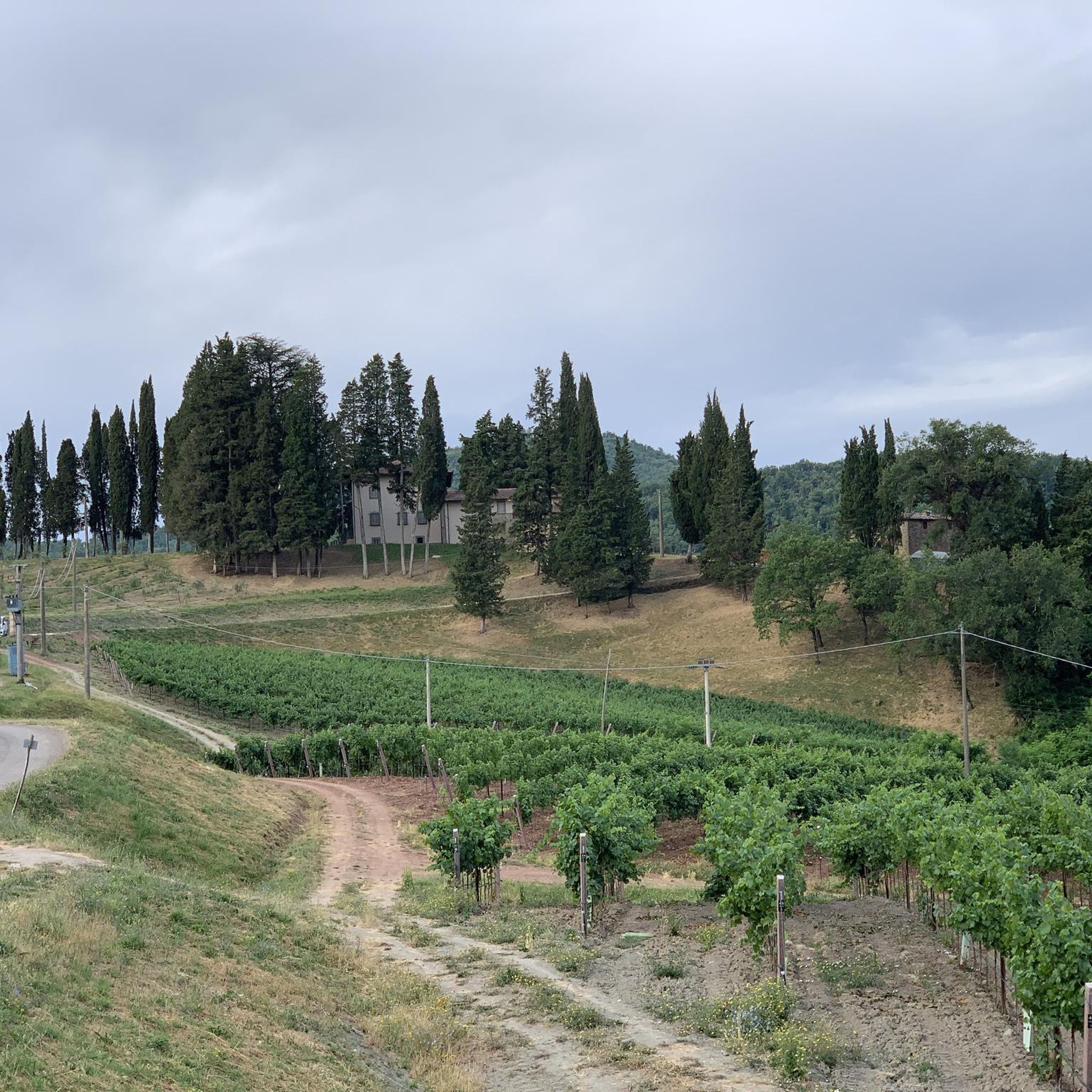
The ancient castle of the Turicchi Counts, which was the noble title of the bishops of Florence. It was their summer residence. Having ownership and jurisdiction over the surrounding countryside, including Rufina, they had the right of pre-emption of a portion of the wine produced in the fiefdom. This feudal right later gave rise to the Festa del Carro (Cart Festival), which takes place both in Rufina and in Florence. The cart, filled with five thousand flasks of Rufina Chianti DOCG wine, is paraded once a year, pulled by oxen, to Piazza della Signoria, where it is donated to the competent authorities.
1
0

This Castle was one of the innumerable existing in the Middle Ages of which the Guidi Counts were owners for a long time. Castel Castagnaio had a military function, it was a fortified outpost that made it possible to control the nearby possessions, as the high and perched position favored the sighting of all the other settlements belonging to the Guidi such as Porciano, Stia, Papiano. The castle was built on the foundations of a Roman temple, built in turn on the walls of an older one. Today the remains of the castle are surrounded by support structures to prevent the collapse of what remained of the suggestive ruin.
0
0

In the heart of the ancient feud of the Guidi counts, then of the Bishops of Florence, at the foot of Monte di Croce, stands this imposing manor, once an outpost of feudal power in the countryside of these lands. Its origins date back to the 12th century, it was owned by the Saltarelli family, local lords and notaries who then emigrated to Florence, who expanded the original structures of what is now the central core, turreted and embattled. In the 15th century the interior was embellished with arcades and loggias according to the Renaissance style and taste, while on the outside the walled perimeter was in turn surrounded by massive stone bastions. All this is almost certainly due to the new owners of the time, the Pazzi, whose insignia - two dolphins facing each other - still mark the castle today. The nearby chapel, of medieval origin, is dedicated to S. Maria Maddalena de 'Pazzi who stayed here in the 16th century. Legend has it that after the failure of the conspiracy of 1478 hatched by the family against the Medici, the famous conspiracy of the Pazzi which cost the life of Giuliano brother of Lorenzo, Torre a Decima became their refuge. Completely restored after the war, the complex now suffers from neglect and is gradually deteriorating.
0
0

Remains of one of the castles of the Guidi Counts who controlled the Casentino
0
0

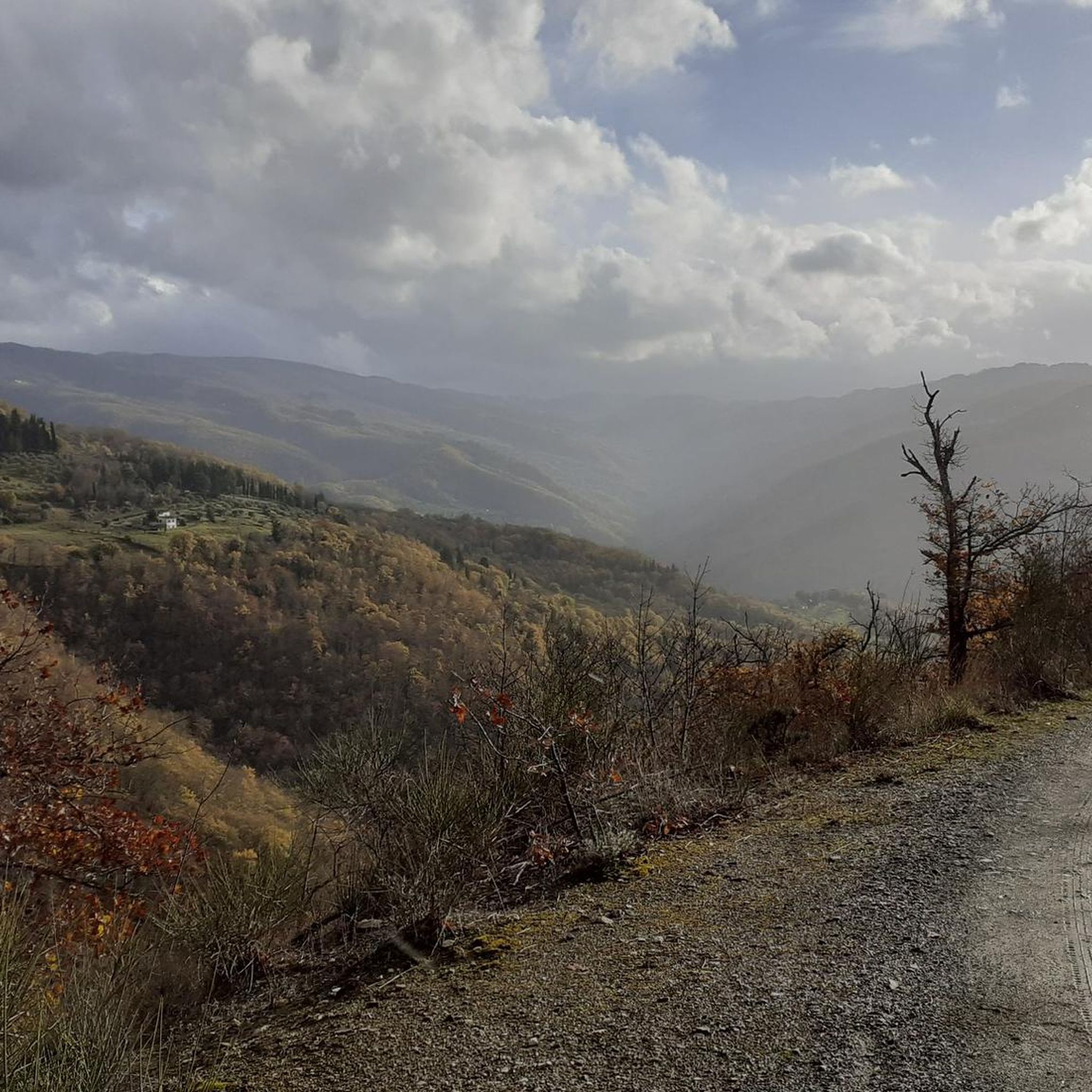
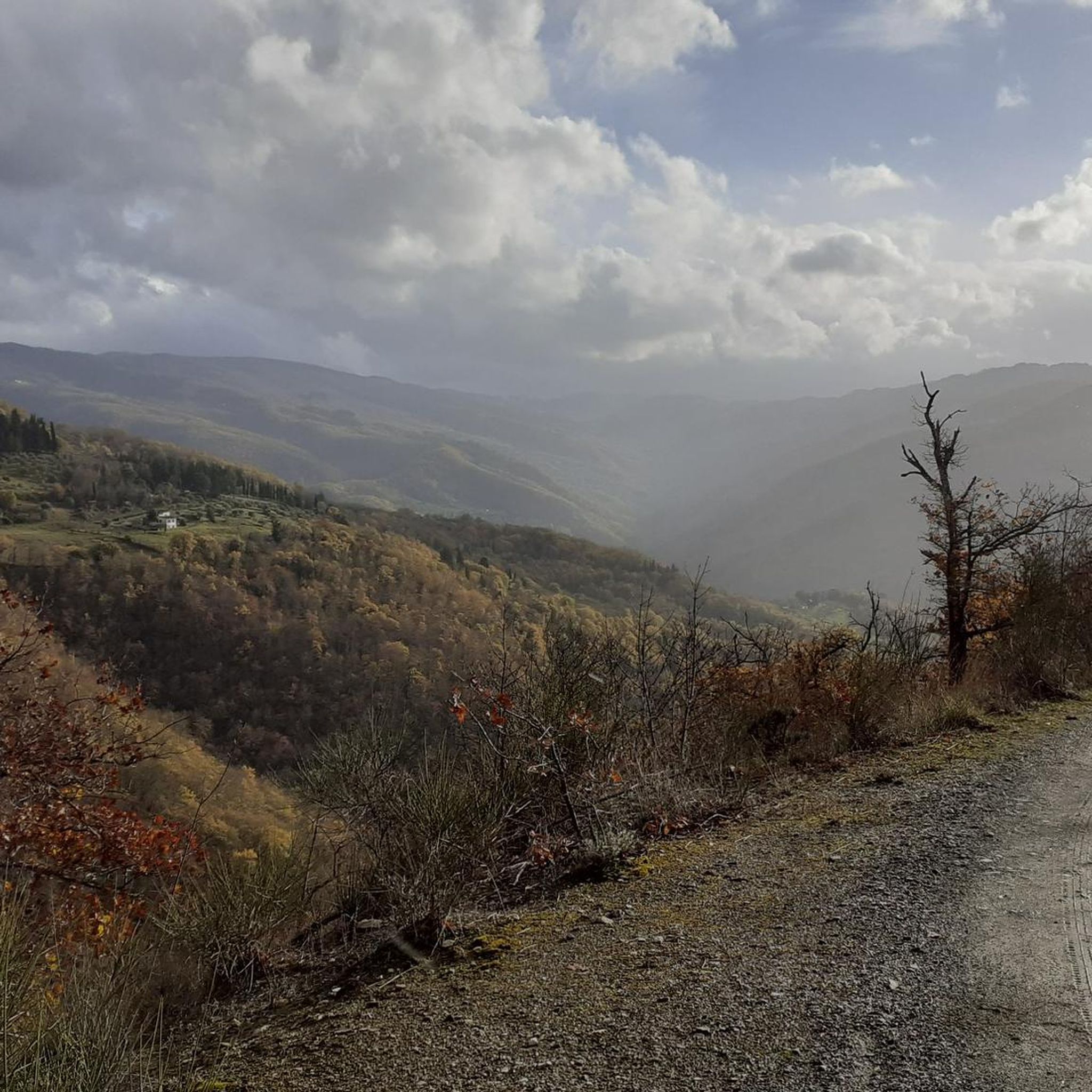
visiting the ruins of castles always has its charm, especially if they are located in the hills, where the view caresses our eyes. in this route you can also find the Bacio butter factory and other ruins of houses and churches.
1
0

spectacular. Love the abandoned villa. At the top portion of the trail, when you turn west, with the 2nd ruined villa off to your right is open ridgetop with views north and south. much of the return to santa brigida- all those switchbacks- is strada biancha and paved road. well worth a side trip to the burraie - the stone butter houses built over springs.
0
0
Frequently Asked Questions
What kind of historical fortifications can I explore in Dicomano?
While Dicomano may not have grand standing castles, the area offers significant historical and archaeological sites. You can explore the Archaeological Site of Frascole, which features remains of an Etruscan defensive structure, and the Pieve di Santa Maria a Dicomano, a Romanesque church with a bell tower believed to have military origins and visible fragments of a medieval castle.
Are there Etruscan or Roman sites related to fortifications near Dicomano?
Yes, the Archaeological Site of Frascole is built upon an ancient Etruscan and Roman settlement. Excavations have uncovered the substantial quadrangular perimeter of an Etruscan building, believed to be a defensive structure, along with artifacts dating from the 6th century BCE to the 1st century CE.
Which castles offer the best views around Dicomano?
For open ridgetop views, visit Monterotondo Castle, which provides scenic vistas to the north and south. Castel Castagnaio also offers a high, perched position that historically favored sighting other settlements.
What outdoor activities can I do near the castles around Dicomano?
The Dicomano area is excellent for outdoor activities. You can find numerous options for hiking, cycling, and running. Popular routes include the Monte Giovi Summit loop for hiking, and the Ponte di Annibale (Vicchio) – Sieve Cycle Path loop for cycling.
Are there specific hiking trails that pass by castles?
While specific trails directly passing through all castle ruins aren't detailed, many hiking routes around Dicomano will take you through the historical landscapes where these fortifications are located. For example, the area around Monterotondo Castle is part of a route that includes other ruins and scenic views.
What is the historical significance of the Castle of Torre a Decima?
The Castle of Torre a Decima is an imposing manor with origins dating back to the 12th century. It was an outpost of feudal power and was owned by the Saltarelli family before the Pazzi family, whose insignia still mark the castle. Legend has it that it became a refuge for the Pazzi after their failed conspiracy against the Medici in 1478.
What do visitors enjoy most about the castles around Dicomano?
Visitors appreciate the rich history and the scenic locations of the castles. Many enjoy the charm of exploring ruins like Monterotondo Castle, especially when they offer expansive views from the hills. The historical context of sites like Castel Castagnaio, which controlled nearby possessions, is also a significant draw.
Can I find any unique historical facts about the castles in the area?
Yes, for instance, Castello di Casiglioni was the ancient castle and summer residence of the Turicchi Counts, who were the bishops of Florence. Their feudal right to a portion of the local wine led to the tradition of the Festa del Carro (Cart Festival), where a cart filled with Rufina Chianti DOCG wine is paraded annually.
Are there any castles that were built on older structures?
Yes, Castel Castagnaio was built on the foundations of a Roman temple, which in turn was built on even older walls. This layered history highlights the long-standing strategic importance of its location.
What is the best time of year to visit the castles and historical sites in Dicomano?
Spring (April-May) and Autumn (September-October) generally offer the most pleasant weather for exploring the outdoor archaeological sites and castle ruins. Temperatures are mild, and the natural scenery is vibrant, making it ideal for combining historical visits with hiking or cycling.
Are there any less crowded or hidden historical gems to explore?
The Archaeological Site of Frascole offers a deep dive into Etruscan and Roman history and is less about grand castle structures, providing a unique and often less crowded experience focused on ancient fortifications and archaeological discoveries. Similarly, the fragments of the original medieval castle visible at the Pieve di Santa Maria a Dicomano offer a blend of ecclesiastical and military history.
Most popular attractions around Dicomano

Get inspired with the komoot mobile app


Explore more
Looking for the best castles somewhere else? Discover other guides around Dicomano:
