Top 9 Castles around Valle Di Maddaloni
Best castles around Valle Di Maddaloni are situated in the Province of Caserta, Italy, a region rich in historical sites. Many of these fortifications are perched on strategic elevations, offering views of the surrounding landscape. Dating back to the 11th century, these castles reflect a history influenced by various dynasties. The area provides opportunities to explore ancient ruins and medieval villages nestled within the hills.
Best castles around Valle Di Maddaloni
- The most popular castles is Matinale Castle, a…
Last updated: June 30, 2026
Matinale Castle
Highlight • Castle
Translated by Google •
Tip by

Casertavecchia Medieval Village
Highlight • Historical Site
Translated by Google •
Tip by

Sign up now to discover places like this
Get recommendations on the best single tracks, peaks, & plenty of other exciting outdoor places.
Sign up for free
Courtyard of Castello del Matinale
Highlight • Castle
Translated by Google •
Tip by

Castello di Arienzo (Castem Vetus)
Highlight • Castle
Translated by Google •
Tip by
Royal Palace of Caserta
Highlight • Historical Site
Translated by Google •
Tip by

Sign up for free to discover even more castles around Valle Di Maddaloni.
Sign up for free
Already have an account?
Start today with a free account
Your next adventure awaits.
Login or Signup


Tips from the Community

Unfortunately I didn't go out to enter the palace - I have to go back!
0
0

Worth a visit...but without a bicycle!
0
0

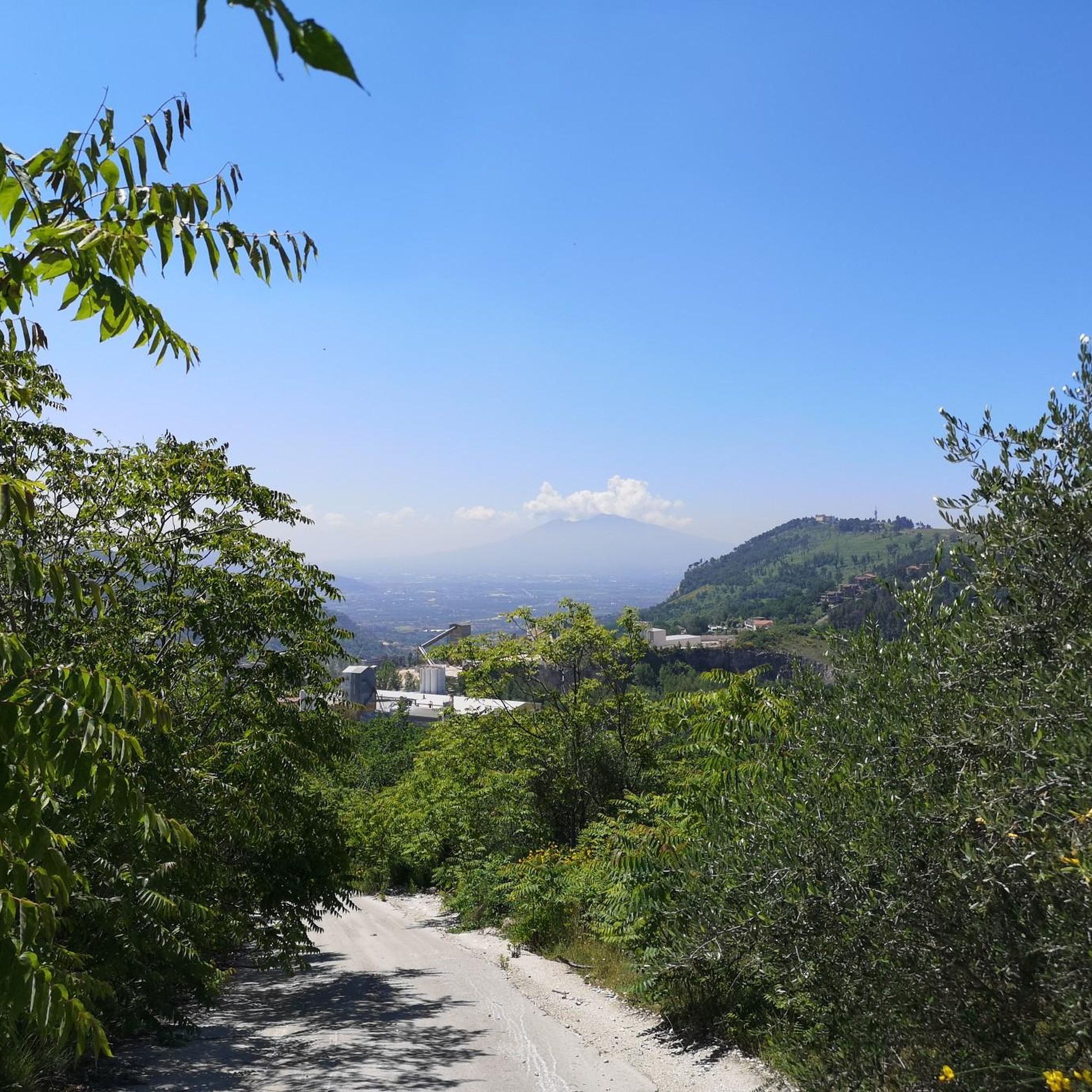
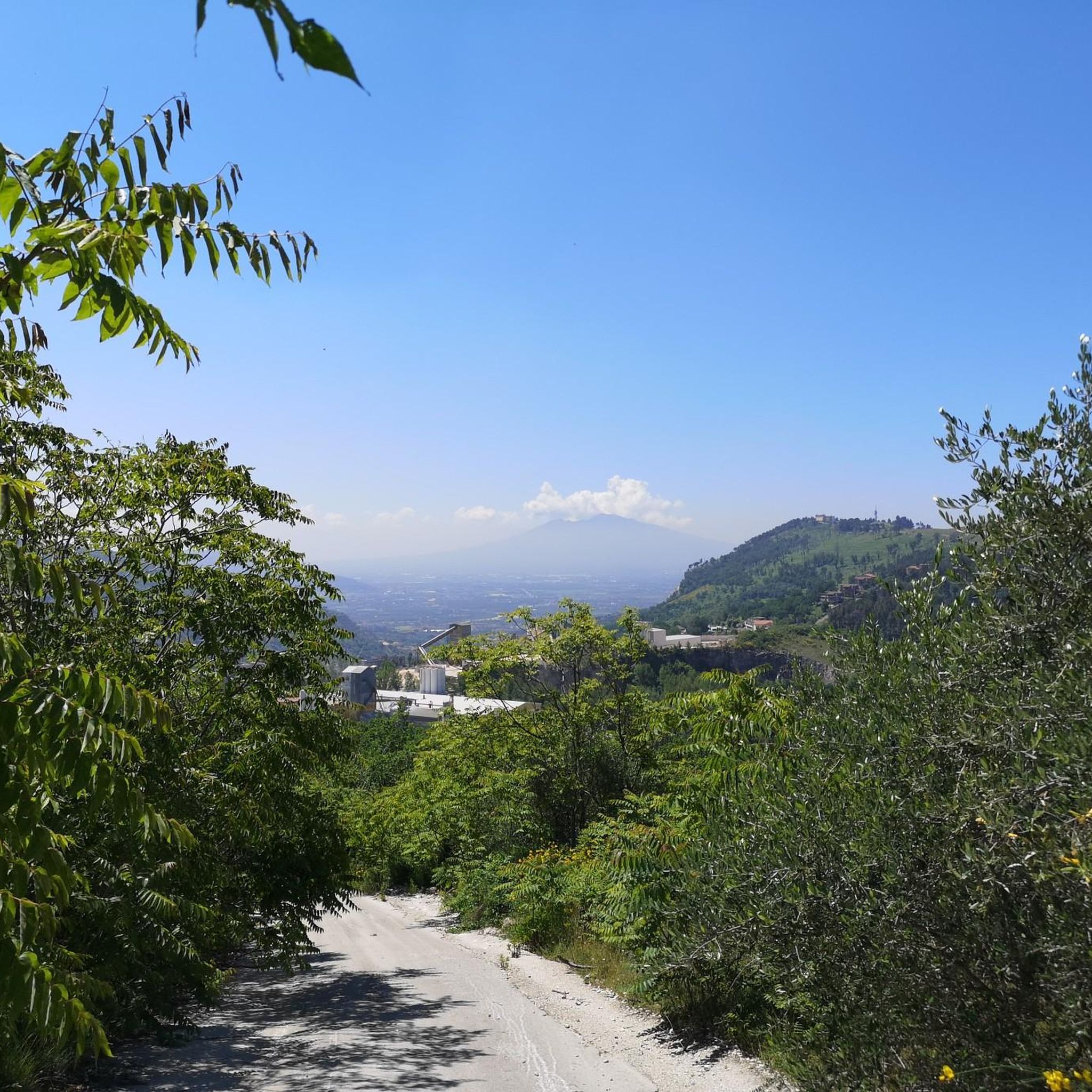
TO visit, it is still possible to climb up one of the 4 towers for a view over the entire valley
1
0

The Royal Palace of Caserta is the symbol of the city. It was built at the behest of Charles Bourbon in 1752, since 1997 it has been a UNESCO heritage site.
2
0

Admission is free every first Sunday of the month, the combined ticket Garden+Palast normally costs 15 euros
1
0
Culture, history and a great park.
1
0

This castle was wanted by Tommaso II d'Aquino. Over the years it was the home of nobles, such as the Sicilian kings, but later also of brigands.
2
0

The castle of Matinale, or castle of Rudovaco, is a castle of Cancello, a fraction of the municipality of San Felice a Cancello, in the province of Caserta. It stands on an elevation overlooking the entrance to the Suessola valley. The construction of the castle of Matinale is attributed to Tommaso II d'Aquino, count of Acerra, on the occasion of his wedding with Margherita di Svevia, illegitimate daughter of Emperor Frederick II, a wedding which took place before 1247. The bride's dowry included the fiefdom di Suessola, to which the Cancello hamlet also belonged. According to local tradition, an original Lombard fortification of the ninth century would have been the work of a certain Rudovaco and would have passed on to his death to the Count of Acerra, Cullezio. He wanted to join his castle of Acerra to that of Cancello with an underground path, causing the ruin of the western side and was unable to restore it following his death in battle. The castle was later restored or rebuilt by the Norman Ramperto and again by the Mattaloni counts in the 12th century. The castle hosted the kings of Sicily Guglielmo il Malo (1131-1166) and Manfredi di Svevia (1232-1266) and the Dukes of Rebursa and again, in the Angevin period, King Ladislao I and the Carafa in the Aragonese period. In the 15th century it was abandoned, having lost its military function. It was the seat of an inn and probably housed an archpriest church dedicated to St. Thomas the Apostle. In 1799 the French general Jean Étienne Championnet established his headquarters there and later became a den of brigands. It was donated at the beginning of the twentieth century by the D'Aquino family, princes of Caramanico, to the baron Giovanni Barracco. During the Second World War it hosted the allied command in 1943.
19
0
Frequently Asked Questions
What is the most historically significant castle in Valle di Maddaloni?
The **Castle of Valle di Maddaloni**, also known as Castello Carlo I, is a site of immense historical significance. Its origins date back to the 11th century, and it has witnessed various dynasties, including Charles I of Anjou and the Artois family. The castle's strategic location on Monte Castello and its prominent Artus Tower make it a key historical landmark in the region.
Are there other notable historical sites or villages to explore near Valle di Maddaloni?
Yes, beyond the castles, the region offers several other historical gems. You can visit Casertavecchia Medieval Village, which has origins dating back to 861 AD and features the impressive Casertavecchia Tower. Another beautiful historical settlement is Sant'Agata dei Goti, known for its ducal castle from the Lombard era.
What kind of views can I expect from the castles in this region?
Many castles in the Valle di Maddaloni area are strategically perched on hills, offering breathtaking panoramic views. From the Castle of Valle di Maddaloni, you can see the vast plain of Terra di Lavoro and the hills of Sannio. Similarly, Matinale Castle overlooks the entrance to the Suessola valley, and Castello di Arienzo provides a lookout over the entire valley below.
What makes the castles around Valle di Maddaloni unique?
The castles in this region are unique due to their ancient origins, strategic defensive positions, and the diverse architectural influences from various historical periods, including Norman, Swabian, and Aragonese. Many, like the Castle of Valle di Maddaloni with its Artus Tower, offer evocative ruins that tell stories of medieval times and past grandeur.
What is the best time of year to visit the castles around Valle di Maddaloni?
The best time to visit is typically during the spring (April to June) and autumn (September to October) months. During these periods, the weather is milder and more pleasant for exploring ruins and enjoying outdoor activities like hiking. Summers can be quite hot, making extensive outdoor exploration less comfortable.
Are the castles around Valle di Maddaloni generally accessible to the public?
Accessibility varies by castle. While some, like the Castle of Valle di Maddaloni, are evocative ruins that can be explored, their state of abandonment means visitors should expect uneven terrain and overgrown paths. Other sites like Casertavecchia Medieval Village are more developed for visitors. It's advisable to wear sturdy shoes and carry water, especially for uphill treks.
Are there family-friendly castles or historical sites suitable for children?
Yes, places like Casertavecchia Medieval Village offer an engaging experience for families, allowing children to explore ancient streets and imagine medieval life. The village is listed as family-friendly. While some castles are ruins, the historical context and panoramic views can still be captivating for older children.
What outdoor activities can I do near these castles?
The area around Valle di Maddaloni is excellent for outdoor activities. You can find numerous hiking and cycling routes. For hiking, consider trails like the 'Royal Palace of Caserta Park Loop' or 'Via Micaelica: Casertavecchia Loop'. Cyclists can explore routes such as 'Acquedotto Carolino and Sant'Agata de' Goti Loop'. You can find more details on these and other routes in the hiking guide and cycling guide for Valle di Maddaloni.
Are there hiking trails that incorporate castle visits?
Absolutely. Many hiking routes in the region pass by or lead to historical sites and castles. For instance, the 'Via Micaelica: Casertavecchia Loop' will take you through the medieval village and near the tower. Exploring the Castle of Valle di Maddaloni itself often involves an uphill trek, offering a blend of historical exploration and physical activity. Check the hiking guide for routes that combine nature with historical landmarks.
Are there options for public transport or parking when visiting castles in the Valle di Maddaloni area?
While specific public transport routes directly to all castle ruins might be limited, Valle di Maddaloni is a town in the Province of Caserta, Italy. For detailed information on public transport to the general area, you might consult local transport services. Parking availability will vary by site; for more established villages like Casertavecchia, there are usually designated parking areas. For more remote ruins, parking might be less formal.
What do visitors enjoy most about the castles and historical sites in Valle di Maddaloni?
Visitors frequently appreciate the rich history and the evocative atmosphere of the ancient ruins. The panoramic views from the elevated castle sites are also a major draw, offering stunning photographic opportunities. The chance to explore medieval villages like Casertavecchia and connect with centuries of history is a highlight for many.
Are there any specific architectural features I should look out for?
Yes, the **Artus Tower** at the Castle of Valle di Maddaloni is a prominent cylindrical tower built in the 14th century by Charles Artus of Anjou, offering an elegant architectural detail. At Casertavecchia Tower, you can see a well-preserved example of a main fortified place and military defense. Many castles also feature barrel vaults and strategic wall structures reflecting their medieval defensive purposes.
Most popular routes around Valle Di Maddaloni
Most popular attractions around Valle Di Maddaloni

Get inspired with the komoot mobile app


Explore more
Looking for the best castles somewhere else? Discover other guides around Valle Di Maddaloni:
