Top 4 Castles around Montefusco
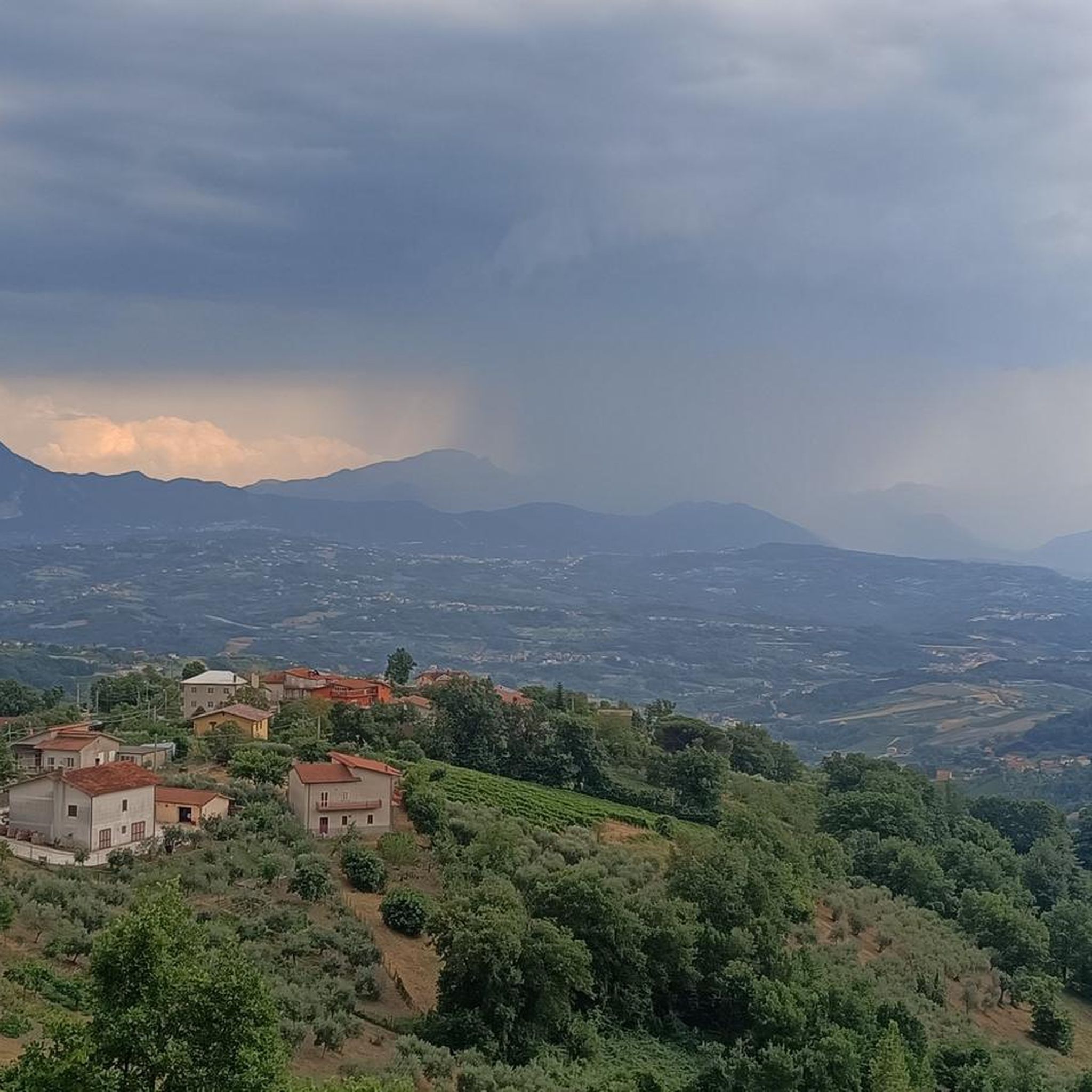
Best castles around Montefusco are found in a region with significant historical depth and strategic importance. Montefusco, once the capital of the Ultra Principality, provides expansive views across the Sabato and Calore Valleys. The area's history includes Norman foundations and periods of transformation, notably the Bourbon Castle-Prison. This landscape offers a setting for exploring various fortified structures.
Best castles around Montefusco
- The most popular castles is Castello di Tufo, a castle that marks the end of a climb. It…
Last updated: June 30, 2026
Castello di Tufo
Highlight • Castle
Translated by Google •
Tip by

Apice Vecchia
Highlight • Historical Site
Translated by Google •
Tip by

Sign up now to discover places like this
Get recommendations on the best single tracks, peaks, & plenty of other exciting outdoor places.
Sign up for free
Taurasi Castle
Highlight • Castle
Translated by Google •
Tip by
Macedonio Castle of Grottolella
Highlight • Castle
Translated by Google •
Tip by
Ceppaloni
Highlight • Settlement
Translated by Google •
Tip by

Start today with a free account
Your next adventure awaits.
Login or Signup

Tips from the Community

A country that is partially reliving after the Irpinia earthquake. Must try Fedele's pizzeria in the old village!
0
0


It's a ghost town. Unfortunately the area where Apice stands is highly seismic and, after two violent earthquakes (one in 1962 and the other in 1980) it was abandoned by its inhabitants following numerous collapses.
1
0


The castle of Grottolella built in 1083 on a pre-existing Lombard stronghold in control of the old village of Grottolella
1
0
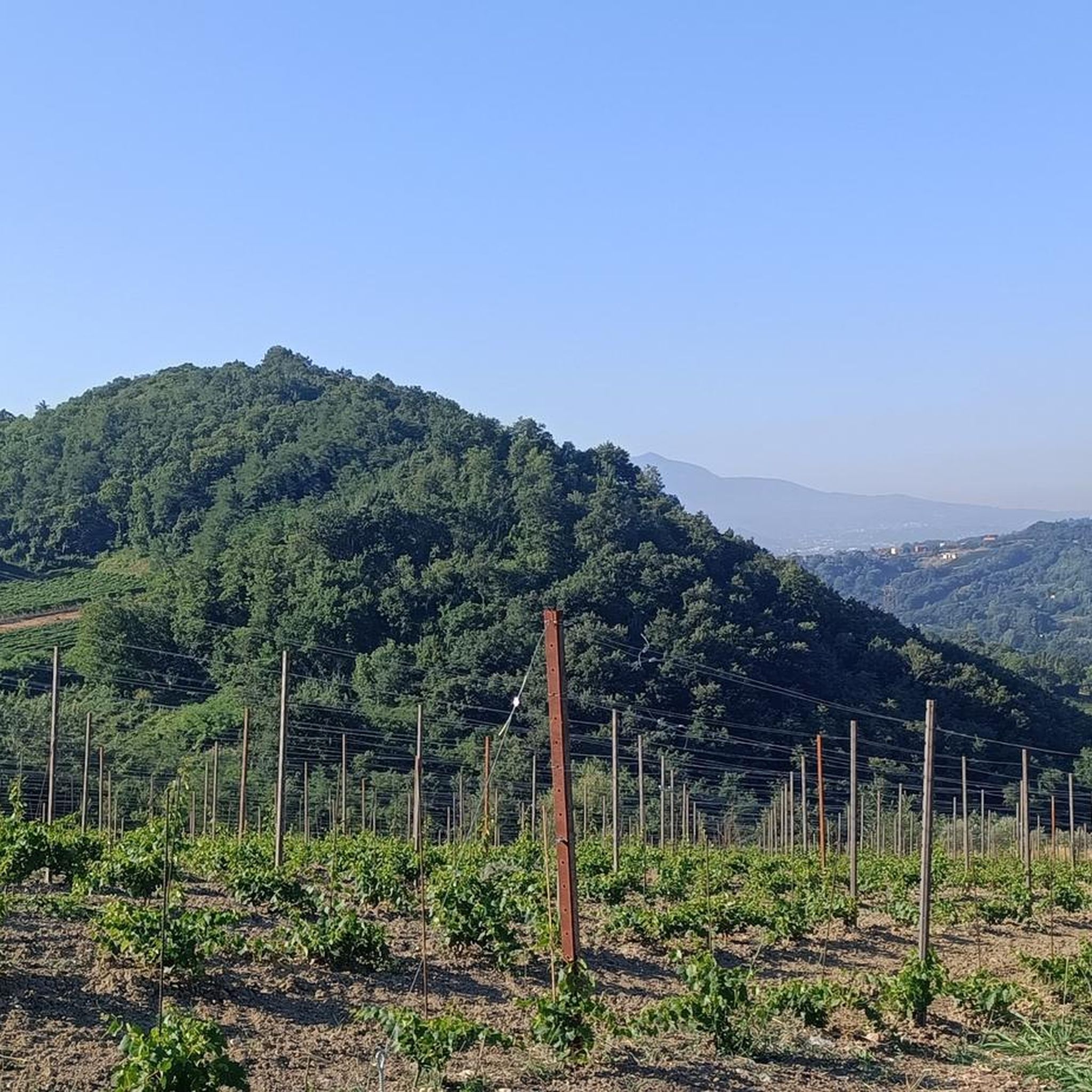
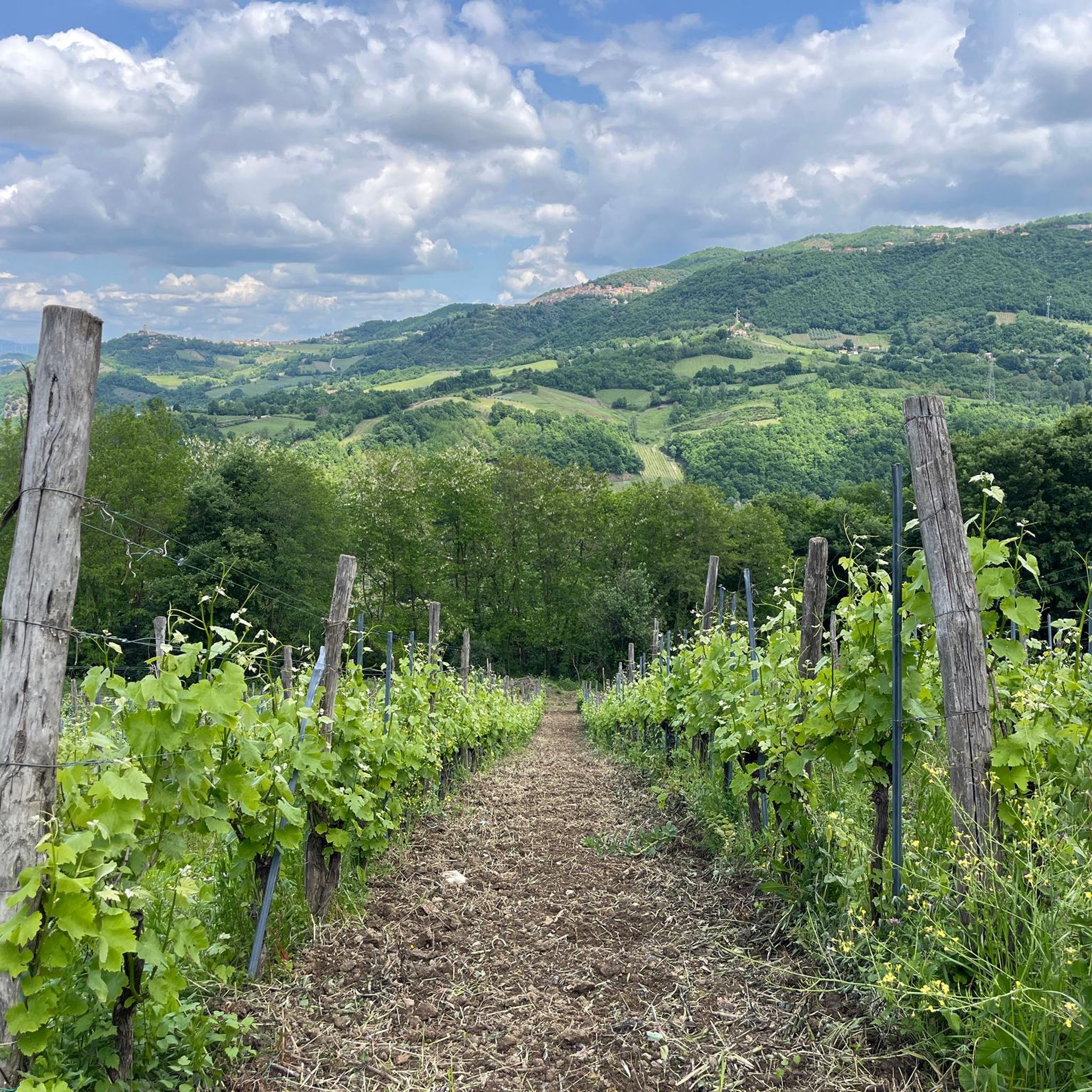
The roots and history of Greco di Tufo one of the most famous white wines in the world
1
0

The Castle dominates the old village over the valley crossed by the San Giulio stream, built on a pre-existing Lombard stronghold in the second half of the 11th century, it was besieged and destroyed by the troops led by Ruggiero II the Norman.
0
0
Frequently Asked Questions
What is the historical significance of Montefusco's main castle?
The primary castle in Montefusco is the Castello-Carcere Borbonico di Montefusco, originally a Norman 'royal castle' from 1130. It later transformed into a notorious political prison, earning the nickname 'Spielberg of Irpinia' due to its harsh conditions for anti-Bourbon patriots. Today, it serves as the Town Hall and houses a Museum of the 19th Century, offering a deep dive into centuries of regional history.
Are there other historical sites or castles to explore near Montefusco?
Yes, beyond Montefusco's own castle, you can visit Castello di Tufo, known for its connection to Greco di Tufo wine. Another unique site is Apice Vecchia, a fascinating ghost town with an old castle abandoned after earthquakes. The Macedonio Castle of Grottolella, built on a Lombard stronghold, also offers historical insights and overlooks the San Giulio stream valley.
What kind of outdoor activities can I do near the castles around Montefusco?
The region offers various outdoor activities. You can find numerous hiking trails, including the 'Ceppaloni Loop' or routes around Benevento. For mountain biking enthusiasts, there are moderate to difficult MTB trails like the 'Castello di Tufo – Ancient Aqueduct of Arpaia loop'. Running trails are also available, such as the 'Sabato loop'. You can explore more options on the Hiking around Montefusco, MTB Trails around Montefusco, and Running Trails around Montefusco guide pages.
Are there any family-friendly castles or historical sites in the Montefusco area?
While specific 'family-friendly' designations aren't always available, sites like Apice Vecchia, the ghost town, can be an intriguing and educational experience for older children due to its unique atmosphere and history. The main Montefusco castle, with its museum, also offers a historical learning opportunity. Always check specific site details for age appropriateness and facilities.
What is the best time of year to visit the castles around Montefusco?
Montefusco and its surrounding areas offer pleasant visits during spring (April-June) and autumn (September-October). During these seasons, the weather is generally mild, making it comfortable for exploring historical sites and enjoying outdoor activities like hiking. The views across the Sabato and Calore Valleys are particularly beautiful during these times.
Can I find castles with unique features or connections to local products?
Yes, Castello di Tufo is notable for its strong connection to the roots and history of Greco di Tufo, one of the world's most famous white wines. Additionally, Taurasi Castle (also known as Palazzo Marchionale) now serves as the seat of the Regional Enoteca for Irpinia Wines, offering a welcoming garden and splendid views.
What should I expect when visiting Apice Vecchia, the ghost town?
Apice Vecchia is a unique historical site and ghost town, abandoned after severe earthquakes in 1962 and 1980. Visitors can explore the old settlement and its castle, experiencing a preserved glimpse into the past. Be prepared for an atmospheric visit to an area where nature has started to reclaim structures, offering a poignant look at history.
Are there castles in the region that offer panoramic views?
Absolutely. Montefusco itself, as an ancient capital, provides expansive views of the surrounding Sabato and Calore Valleys. The Taurasi Castle offers splendid views from its upper rooms. Additionally, the castle in Ceppaloni, standing on a rocky outcrop, dominates the Sabato valley.
What is the history of the Macedonio Castle of Grottolella?
The Macedonio Castle of Grottolella was built in 1083 on a pre-existing Lombard stronghold. It played a significant role in controlling the old village of Grottolella and the valley crossed by the San Giulio stream. It was even besieged and destroyed by the troops led by Ruggiero II the Norman, highlighting its strategic importance throughout history.
What makes the castles around Montefusco historically significant?
The castles around Montefusco reflect a rich and varied past, from Norman foundations and strategic military importance to transformations into prisons and administrative centers. The region was once the capital of the Ultra Principality, and its fortified structures, like the Bourbon Castle-Prison, tell stories of centuries of power struggles, cultural shifts, and the lives of its inhabitants, including political prisoners.
Are there any castles near Montefusco that are particularly well-preserved or restored?
While many castles in the region have undergone transformations over centuries, the Castello-Carcere Borbonico di Montefusco is notably well-preserved, retaining elements from its prison era like cobblestone floors and iron fixtures. It has been repurposed as the Town Hall and a museum, allowing visitors to experience its historical layers directly. Taurasi Castle, also known as Palazzo Marchionale, is another example that has been adapted for modern use as a regional enoteca.
Most popular attractions around Montefusco

Get inspired with the komoot mobile app


Explore more
Looking for the best castles somewhere else? Discover other guides around Montefusco:
