Top 6 Castles around Candida
Castles around Candida offer a glimpse into the rich history of the Irpinia region in Italy. This area is characterized by its medieval villages and historical fortifications, reflecting Lombard and Norman architectural influences. The landscape features rolling hills and is known for the production of Fiano DOCG and Aglianico IGT wines. Exploring the castles provides insight into the region's past and its cultural heritage.
Best castles around Candida
- The most popular castles is Castello di Tufo, a castle connected…
Last updated: June 30, 2026
Castello di Tufo
Highlight • Castle
Translated by Google •
Tip by

Feudal Castle
Highlight • Castle
Translated by Google •
Tip by

Sign up now to discover places like this
Get recommendations on the best single tracks, peaks, & plenty of other exciting outdoor places.
Sign up for free
Taurasi Castle
Highlight • Castle
Translated by Google •
Tip by
Macedonio Castle of Grottolella
Highlight • Castle
Translated by Google •
Tip by
Start today with a free account
Your next adventure awaits.
Login or Signup

Tips from the Community

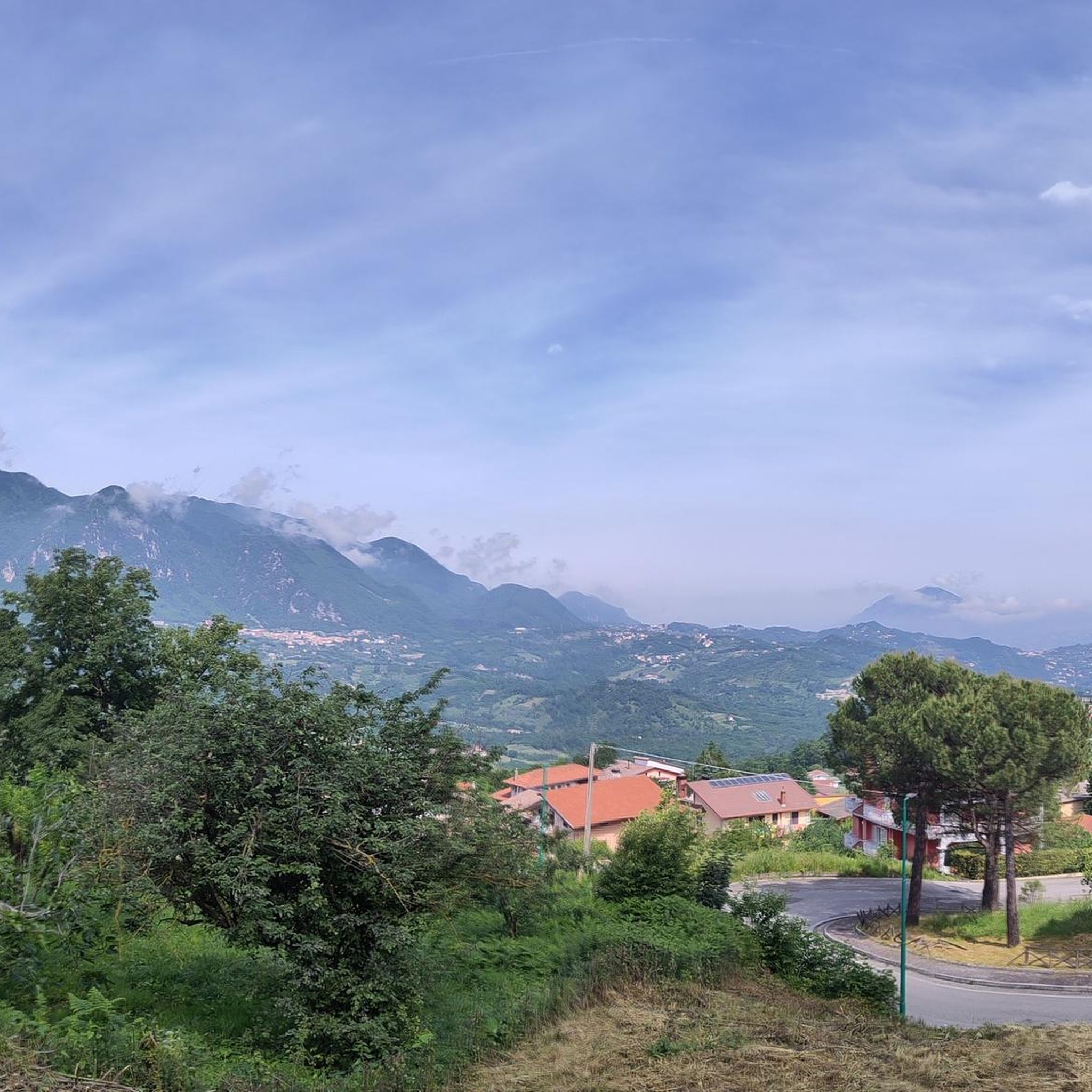
Remains of the feudal castle of Serino, complete with boundary walls and access arch. Very suggestive place!
6
0

On the top of a hill full of vegetation, in the locality of Toppola, are the ruins of the Feudal Castle of Serino which, together with the Castle of Orano, constitutes the group of fortifications present in the territory of the municipality. Of the original structure, only the perimeter walls and the ancient chapel, now restored, are visible. According to some sources, the castle was built around 839 AD, as a defensive bulwark for the local inhabitants threatened by the raids of the militias engaged in the dynastic struggles for the succession to the throne of Benevento. However, the current conformation of the castle should date back to 1159, the year in which Costanza Saracena, belonging to the Sanseverino family, elected Serino as the capital of her feud. The structure is accessed through two suggestive arched doors that mark the passage along the three short ramps that once led to the main entrance. After the last door, you come across the Sanctuary dedicated to the Madonna delle Grazie which today includes the private chapel with a bell tower, once located near the residence of the feudal lord. With the loss of its defensive function, the castle suffered the neglect of time and was gradually abandoned. The ruins of the building, with the adjoining restored church, are now well kept, inserted within a highly suggestive natural setting, in which the centuries-old linden tree in front of the church makes a fine show.
18
0

The Feudal Castle is located on top of the Serino hill. It is inserted in a wooded environment, very luxuriant. Unfortunately a large part of the fortress is in a state of abandonment.
1
0

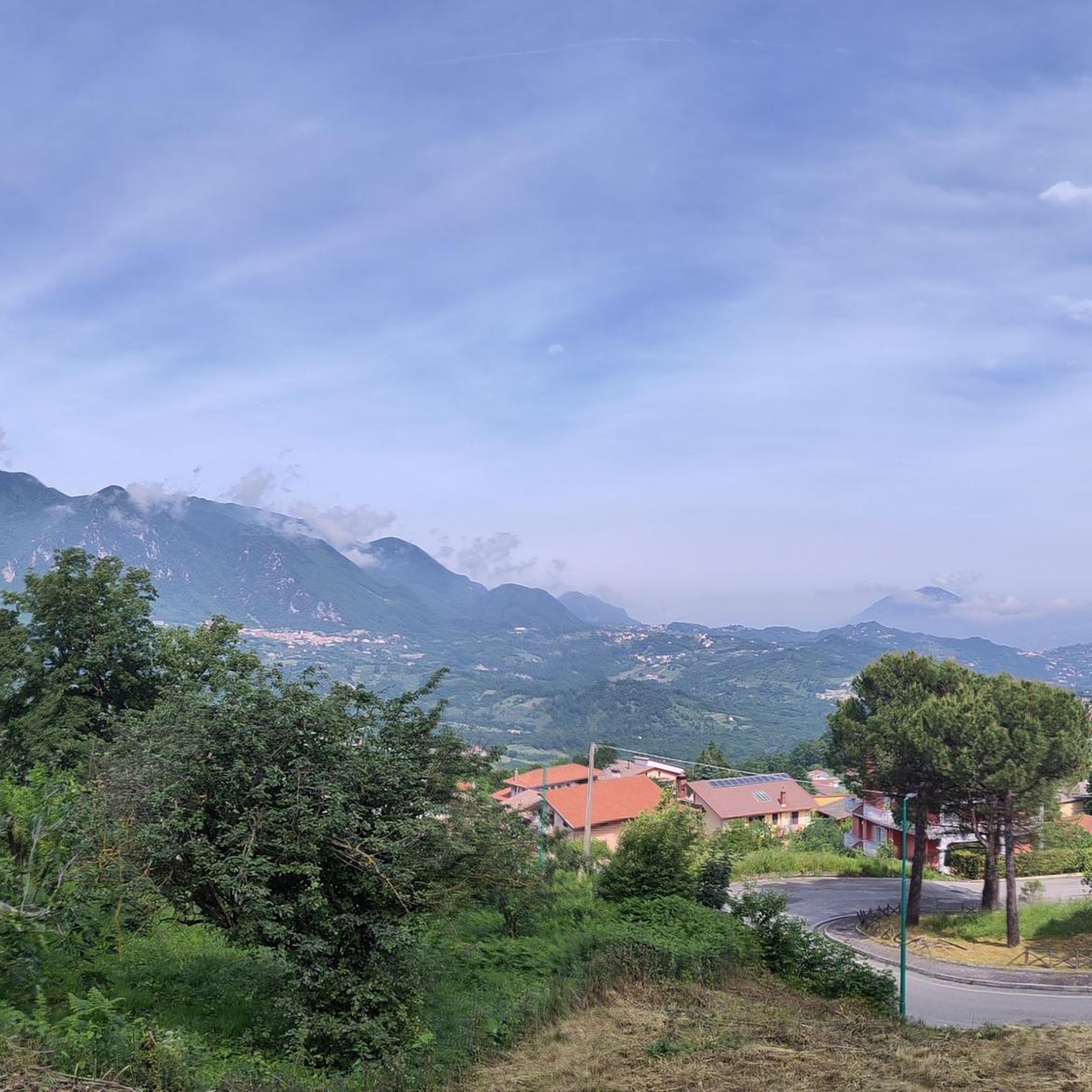
The castle of Grottolella built in 1083 on a pre-existing Lombard stronghold in control of the old village of Grottolella
1
0
The roots and history of Greco di Tufo one of the most famous white wines in the world
1
0
The Castle dominates the old village over the valley crossed by the San Giulio stream, built on a pre-existing Lombard stronghold in the second half of the 11th century, it was besieged and destroyed by the troops led by Ruggiero II the Norman.
0
0
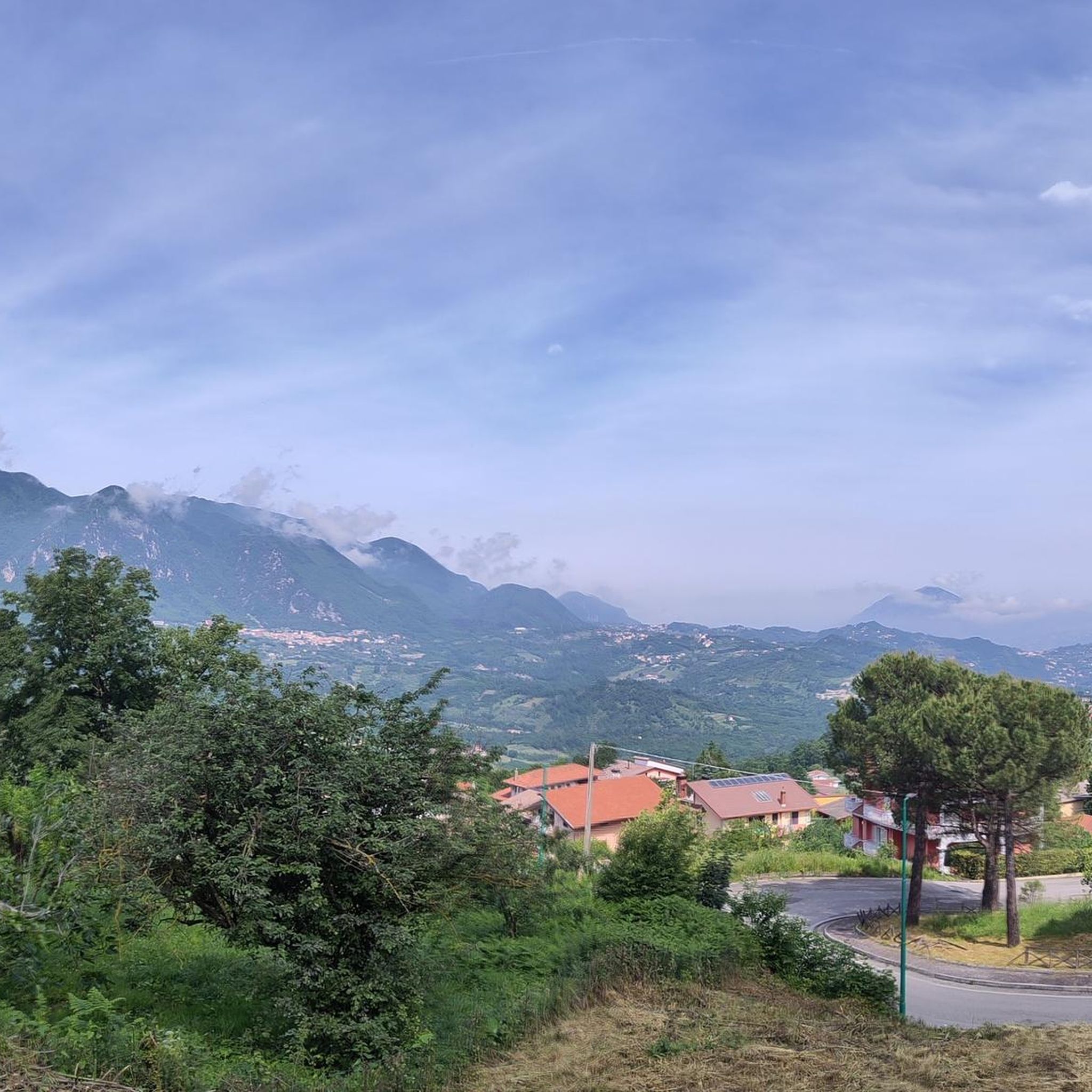
At the end of the climb it unlocks at Castello di Tufo
0
0
Also known as Palazzo Marchionale, it is a 10th century building used as the seat of the Regional Enoteca for Irpinia Wines. After the entrance there is a welcoming garden and through a staircase you can go up to the upper rooms from which you can enjoy a splendid view
4
0
Frequently Asked Questions
What castles can I visit directly in Candida?
In Candida itself, the primary historical example is the **Filangieri Castle**. While largely in ruins due to earthquakes and fire, its remnants, including defensive walls and buttresses, offer a glimpse into its Lombard and Norman past. Portions of the castle have been converted into private residences, but its historical significance is still evident within the medieval village.
What are some other notable castles to visit in the broader Irpinia region near Candida?
Beyond Candida, the Irpinia region offers several other castles worth exploring. These include **Montefalcione Castle**, **della Leonessa Castle** in Montemiletto, and **San Barbato Castle**. These provide more intact examples of medieval architecture and history within the region.
What are some of the most popular castles around Candida according to visitors?
Visitors particularly enjoy Castello di Tufo, known for its connection to Greco di Tufo wine. Another favorite is Feudal Castle, with its ruins on a hill and a restored ancient chapel. The Macedonio Castle of Grottolella is also highly appreciated for its historical significance and commanding views over the old village and valley.
Which castles offer the best views of the surrounding area?
Several castles provide excellent viewpoints. The Macedonio Castle of Grottolella dominates the old village and the valley, offering significant views. Similarly, Taurasi Castle, also known as Palazzo Marchionale, features upper rooms from which you can enjoy a splendid panorama.
Are there outdoor activities or routes near the castles around Candida?
Yes, the region around Candida is excellent for outdoor activities. You can find numerous road cycling routes, such as the 'Sanctuary of Montevergine – Liberty Square, Avellino loop,' which is a challenging 63 km ride. For running, there are trails like the 'Palazzo Antica Dogana – Castello Longobardo loop' near Avellino. Cycling enthusiasts can explore routes like the 'Parco Santo Spirito – Ruins of Avellino Castle loop.' You can find more details on these and other routes in the Road Cycling Routes around Candida, Running Trails around Candida, and Cycling around Candida guides.
What is the best time of year to visit the castles around Candida?
The Irpinia region generally enjoys pleasant weather from spring through early autumn (April to October). Visiting during these months allows for comfortable exploration of the castle ruins and surrounding areas, as well as enjoying the local vineyards. Summers can be warm, while spring and autumn offer milder temperatures and beautiful scenery.
Are there family-friendly castles or activities for children?
While specific children's activities are not always advertised at castle ruins, exploring the historical sites like the perimeter walls of Feudal Castle or the commanding presence of Macedonio Castle of Grottolella can be an engaging experience for families. The historical context and the opportunity to imagine medieval life can be educational and fun for children.
Are the castles around Candida dog-friendly?
Many outdoor historical sites and ruins in Italy, especially those that are not fully enclosed museums, tend to be dog-friendly, particularly if dogs are kept on a leash. However, it's always best to check specific site regulations upon arrival, as policies can vary. For open-air ruins like Filangieri Castle, it's generally more permissible.
How much time should I allocate to visit the castles near Candida?
The time needed can vary. For sites like the Filangieri Castle in Candida, which are largely ruins integrated into the village, a visit might take 1-2 hours to explore the remnants and the immediate surroundings. For more preserved castles or those with museums, such as Taurasi Castle (which houses the Regional Enoteca for Irpinia Wines), you might want to allocate 2-3 hours, especially if you plan to enjoy the views or wine tasting.
Are there places to eat or drink near the castles?
The Irpinia region is known for its culinary traditions and wine production, particularly Fiano DOCG and Aglianico IGT. Many of the villages where these castles are located, including Candida, will have local trattorias, cafes, or restaurants where you can enjoy traditional Irpinian cuisine. Taurasi Castle even houses a Regional Enoteca, offering a direct opportunity for wine tasting.
Can I reach these castles by public transport?
While some larger towns in Irpinia may have public transport connections, reaching the smaller villages and specific castle sites often requires a car for convenience and flexibility. Public transport options might be limited, especially for direct access to the castle entrances or for visiting multiple sites in one day. It's advisable to check local bus schedules if relying on public transport.
Are any of the castles wheelchair accessible?
Accessibility can be challenging for historical sites, especially castle ruins built on hills or with uneven terrain. Many castles in the region, including the Filangieri Castle, feature defensive walls, buttresses, and sometimes stairs, which may limit wheelchair access. It is recommended to contact specific sites directly for detailed accessibility information before your visit.
Most popular attractions around Candida

Get inspired with the komoot mobile app


Explore more
Looking for the best castles somewhere else? Discover other guides around Candida:
