Top 8 Caves around Montoro
Caves around Montoro, located in the province of Córdoba, Spain, are not a primary natural feature of the immediate municipality. Montoro is known for its historical heritage, picturesque landscapes, and its position within the Sierra de Cardeña y Montoro Natural Park. The town's natural attractions primarily include geological formations like the Órganos de Montoro and the scenic Guadalquivir river meander. While significant cave systems are not found directly within Montoro, the wider Córdoba province offers notable subterranean sites.
Best caves…
Last updated: May 2, 2026
Sanctuary of the Most Holy Savior of Serino
Highlight • Religious Site
Translated by Google •
Tip by

Hermitage of San Magno
Highlight • Religious Site
Translated by Google •
Tip by
Sign up now to discover places like this
Get recommendations on the best single tracks, peaks, & plenty of other exciting outdoor places.
Sign up for free
Sanctuary of the Most Holy Savior of Serino
Highlight • Religious Site
Translated by Google •
Tip by
Grotta di San Salvatore
Highlight • Cave
Translated by Google •
Tip by

Ittiolo Mines and Caves
Highlight • Cave
Translated by Google •
Tip by
Sign up for free to discover even more caves around Montoro.
Sign up for free
Already have an account?
Start today with a free account
Your next adventure awaits.
Login or Signup

Tips from the Community

Whoever wishes to say a short prayer to Christ the Redeemer in this sanctuary may perhaps use the following text by San Francesco (Francis of Assisi), which he often and gladly recited, and which he even left to posterity in his spiritual testament: "We adore you, Lord Jesus Christ, [here] and in all your churches throughout the whole world, and we praise you, because by your holy cross you have redeemed the world." The Franciscan Peter Fobes OFM comments on this in a publication: "He expands the faith in God's presence in the space where he says his prayer to all the churches of the world. He wants to adore the one who redeemed the world in all the places of worship in the world."
0
0

The mines for the extraction of ichthyol, a fossil substance from which an ointment with an antiseptic action was obtained, operated in the first half of the twentieth century. Subsequently, the spread of mercury-chromium caused the decline in the use of this precious substance.
10
0

On the slopes of Mount Terminio, in the territory of Serino, there is the ancient sanctuary of the Santissimo Salvatore, entirely dug into the rock and adapted for liturgical and residential use for a small hermit community. The cave appears to have been excavated around the end of the 1300s by a Benedictine religious community that resided at the time in the Cerreto Abbey. Inside there are the statues of the SS Salvatore and San Michele Arcangelo
0
0

The Hermitage of San Magno is an ancient natural cave located on the mountain of the same name, in which - according to a deep-rooted tradition - the Bishop of Trani San Magno took refuge during his escape from the persecutions of Decius. In fact, it would seem that during his long pilgrimage from Trani to Rome, he stopped at this hermitage which today bears his name, from 220 to 230 AD. Here he would have done the work of catechising the local population, to whom he would have appeared after his death in 251 AD, asking them to build a hermitage in the cave where he had lived. An image of the Saint, believed to be miraculous, is frescoed on the rock wall and dated 1541.
3
0
The Chiesa del SANTISSIMO SALVATORE was not dedicated to one of the many people whom we venerate as blessed or saints and ask for their heavenly intercession with God; but dedicated to the incarnate Son of God Jesus Christ, the Redeemer and Saviour. In the Italian language, "San Salvatore" is usually not simply used, as is generally the case with saints, but there is also the linguistic increase to the "Most Holy Redeemer", i.e. the "Santissimo Salvatore".
0
0

Every year on August 6, the pilgrimage to the Hermitage of the Santissimo Salvatore is commemorated, in his honor and that of San Michele Arcangelo. Festival dating back to the 1600s.
7
0
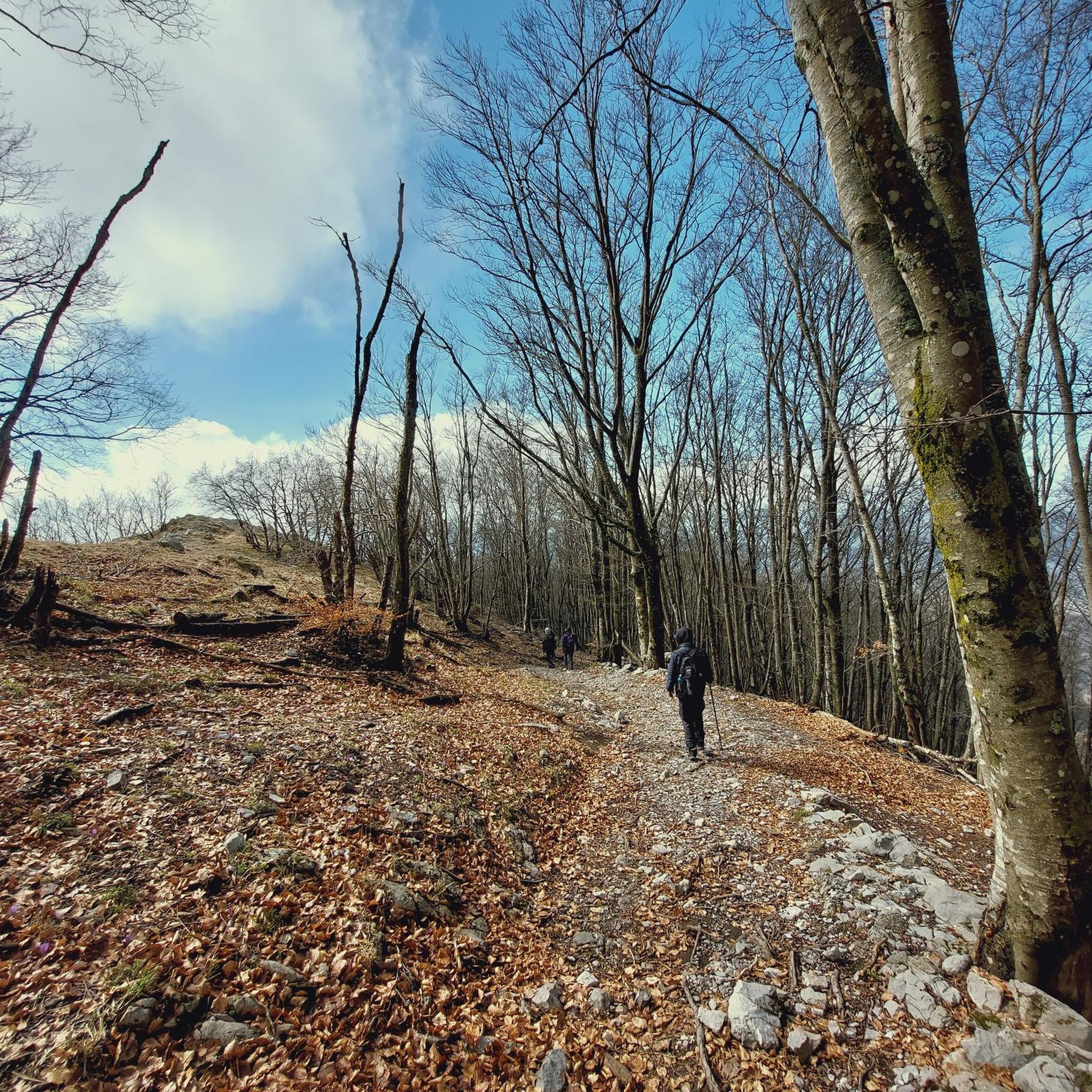
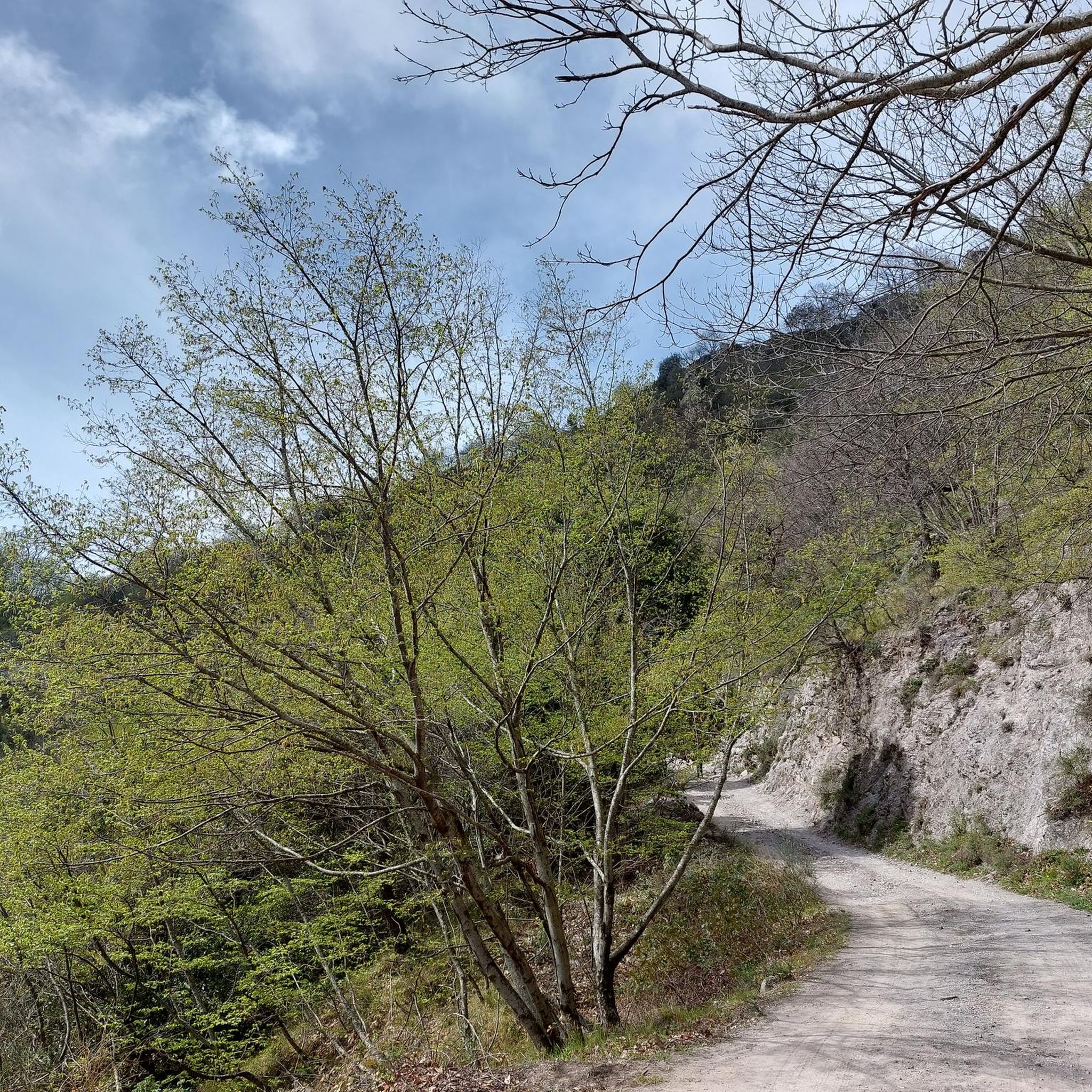
Medium-high demanding route ....... Among chestnut groves and ferns, starting from the Cerreto Picnic area
5
0

Beautiful sanctuary embedded in the rock, a very suggestive place of worship and prayer
0
0
Frequently Asked Questions
What are the most notable caves in the wider Córdoba province, beyond Montoro?
While Montoro itself doesn't have significant cave systems, the wider Córdoba province is home to impressive sites. The most prominent is the Cueva de los Murciélagos (Bat Cave) near Zuheros, known for its spectacular karst formations and significant Neolithic archaeological findings. Another notable site is the Cueva del Cañaveralejo in Adamuz, unique for its geological history and evidence of Neolithic human occupation in Sierra Morena.
What kind of historical or religious caves can be found near Montoro?
You can explore several caves with rich historical and religious significance. The Sanctuary of the Most Holy Savior of Serino is a religious building entirely dug into the rock, dating back to the late 1300s. Similarly, the Hermitage of San Magno is an ancient natural cave where Bishop San Magno is believed to have taken refuge. The Grotta di San Salvatore houses a Byzantine-style rock church, testifying to Greek-Eastern monastic settlement.
Are there any caves with archaeological importance in the region?
Yes, the Cueva de los Murciélagos near Zuheros is a highly important Neolithic site in Andalusia. It contains some of the first Upper Palaeolithic art in the region, and archaeological excavations have uncovered tools, bones, and ceramics, with evidence of human occupation dating back over 7,000 years. The Cueva del Cañaveralejo in Adamuz is also significant as the only known cave in Sierra Morena inhabited during the Neolithic period.
What are the geological features of the Cueva de los Murciélagos?
The Cueva de los Murciélagos is celebrated for its spectacular karst formations. These include intricate stalactites, stalagmites, columns, and gours (dammed pools). A particularly famous formation is "El Espárrago" (The Asparagus), a four-meter-high stalagmite. The cave also features the "Formations Hall" and the "Organ Hall," known for their complex rock structures.
Can I visit historical mining caves near Montoro?
Yes, you can visit the Ittiolo Mines and Caves. These mines were active in the first half of the twentieth century for the extraction of ichthyol, a fossil substance. Today, they offer a glimpse into the region's industrial past amidst uncontaminated nature.
What kind of experience does the Cave of Saint Michael the Archangel offer?
The Cave of Saint Michael the Archangel, located in a cavity of Monte Salto, offers a unique blend of nature and spirituality. After a short path through the woods, you'll find a small, natural open-air church with wooden furnishings. The cave itself houses an altar, painting, and statue of San Michele Arcangelo, and offers breathtaking views of the valley below.
What outdoor activities can I do near these caves?
The areas around Montoro offer various outdoor activities. You can find numerous running trails, including challenging loops around Pizzo San Michele. For mountain biking enthusiasts, there are MTB trails like the Punta Serrapiana e Cascata del Gradone loop. Cyclists can also enjoy cycling routes such as the Sanctuary of Montevergine loop.
Are there hiking trails that lead to these caves?
Many of the caves are integrated into hiking routes. For instance, reaching the Sanctuary of the Most Holy Savior of Serino involves a challenging path that takes about 3 hours of walking, offering scenic views. The Cave of Saint Michael the Archangel is also accessed via a short path through the woods.
What is the best time to visit the caves around Montoro?
The best time to visit the caves and enjoy the surrounding outdoor activities is generally during the spring (April-June) and autumn (September-November) months. During these periods, the weather is milder, making hiking and exploration more comfortable. Summer can be very hot, and some paths might be less accessible during heavy winter rains.
What should I wear or bring when visiting these caves?
For caves that involve hiking, such as the Sanctuary of the Most Holy Savior of Serino, it's recommended to wear sturdy hiking shoes due to challenging terrain with pebbles and rocks. Bring enough water, especially for longer routes, as water sources can be scarce. Layers of clothing are advisable as cave temperatures can be cooler than outside, and some paths are exposed.
Are there any family-friendly cave experiences in the area?
While some caves involve challenging hikes, the Cueva de los Murciélagos near Zuheros offers a developed tourist route that is generally accessible for families, though it does involve a descent of 65 meters and around 700 steps. It provides an educational experience with its geological formations and archaeological significance. For a more relaxed experience, the Cave of Saint Michael the Archangel has a rest and picnic area, making it suitable for a family outing.
What do visitors enjoy most about the caves and surrounding areas?
Visitors frequently appreciate the unique blend of natural beauty and historical significance. The challenging yet rewarding paths leading to sites like the Sanctuary of the Most Holy Savior of Serino are often highlighted for their scenic views and the sense of accomplishment. The rich history, from ancient hermitages to Neolithic settlements, also captivates many, offering a deep dive into the region's past.
Most popular routes around Montoro
Most popular attractions around Montoro

Get inspired with the komoot mobile app


Explore more
Extend your search for the best caves by checking out these guides of the top ones around Montoro:
