Top 6 Castles around Sant'Angelo A Scala
Best castles around Sant'Angelo A Scala are found within the Partenio Regional Park, offering a glimpse into the region's medieval past. The town is known for its historical "Castle Area," where a medieval fortress once stood, and the Carafa Palace, a significant noble residence. These sites provide insight into centuries of history and offer panoramic views of the surrounding valley. Sant'Angelo A Scala serves as a historical point of interest in Italy.
Best castles around Sant'Angelo A Scala
- The most…
Last updated: June 30, 2026
Monteforte Irpino Castle
Highlight • Castle
But the history of Monteforte …
Translated by Google •
Tip by

Castello di Tufo
Highlight • Castle
Translated by Google •
Tip by

Sign up now to discover places like this
Get recommendations on the best single tracks, peaks, & plenty of other exciting outdoor places.
Sign up for free
Ruins of Mercogliano Castle
Highlight • Castle
Translated by Google •
Tip by
Macedonio Castle of Grottolella
Highlight • Castle
Translated by Google •
Tip by
Avella Castle and Roman Ruins
Highlight • Castle
Translated by Google •
Tip by

Sign up for free to discover even more castles around Sant'Angelo A Scala.
Sign up for free
Already have an account?
Start today with a free account
Your next adventure awaits.
Login or Signup

Tips from the Community

the park/green area is located next to the castle. there is parking, with a picnic area
0
0

The Castle of Monteforte was probably an ancient Roman castrum, on which a real castle was probably built by the Lombards in the 7th-8th century. But the history of Monteforte is very ancient: traces of its existence can be found already during the Second Punic War (fought between Rome and Carthage from 218 BC to 202 BC), when Annibale Barca passed through it on his way back from Capua towards Cannae, where he prepared the historic trap against the Romans. The first certain information we have about the village is contained in a document from 1102 preserved in the Montevergine Archives. In the Angevin period, it passed to the Princes of Montfort and Count Guido de Monfort lived there, who killed Prince Henry of England in 1271 in the cathedral of Viterbo. Having committed the crime, he was deprived of his possessions which passed to the Orsini family, whose lineage they remained in until 1806. The Castle was renovated and transformed into a summer residence by Charles of Anjou who lived there several times from 1271 to 1280. It was abandoned to itself from the 16th century; legend has it that who knows what treasures were buried in it, unfortunately this gave greedy hands the opportunity to complete its destruction.
11
0

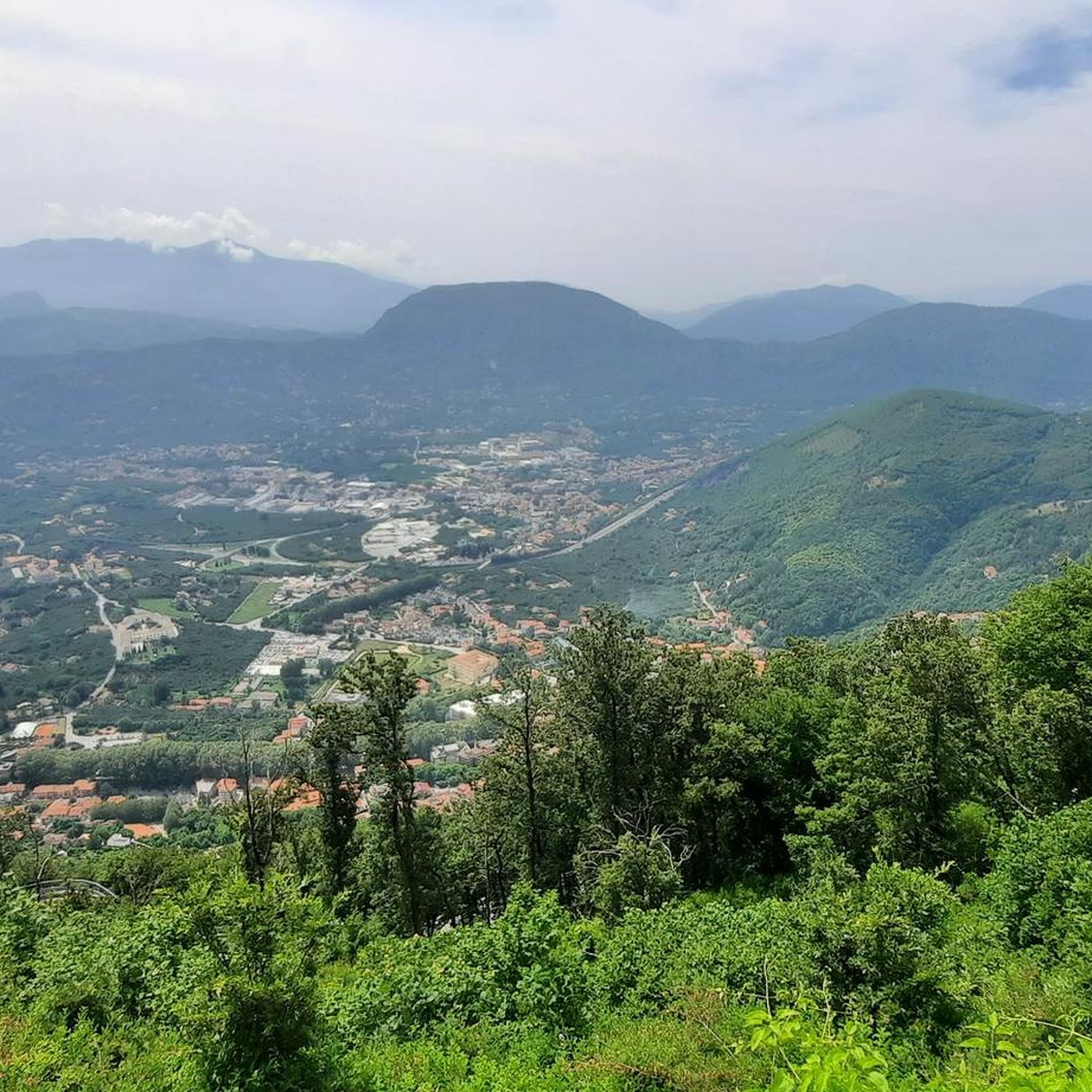
The municipality of Avella is famous for the cultivation of hazelnuts, the name of the city derives from this peculiarity since in Latin the fruit of the hazelnut is called nux avellana.
1
0

Ruins of the Castle of the hamlet of Mercogliano "Capocastello"
1
0

The castle of Grottolella built in 1083 on a pre-existing Lombard stronghold in control of the old village of Grottolella
1
0
The roots and history of Greco di Tufo one of the most famous white wines in the world
1
0
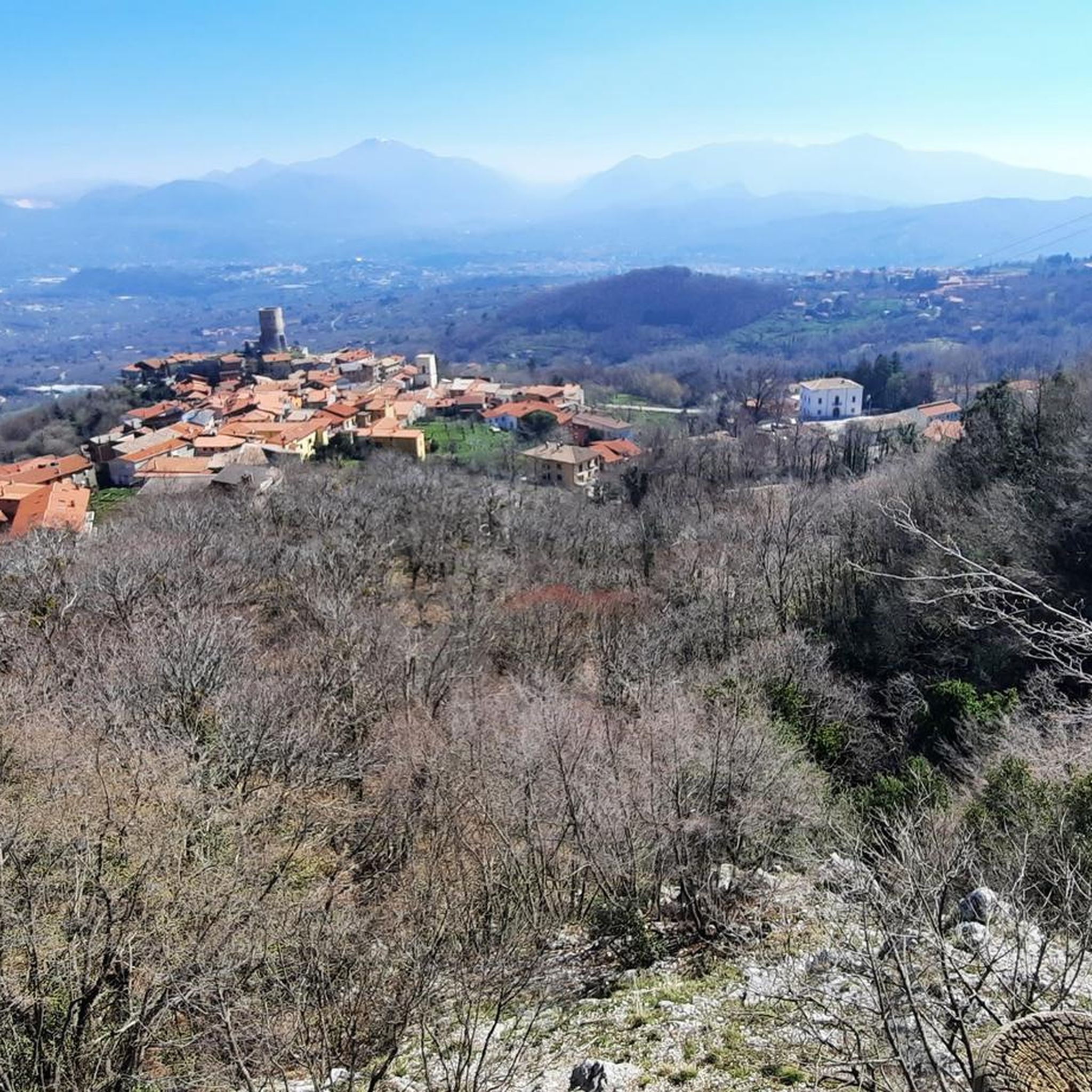
The Castle dominates the old village over the valley crossed by the San Giulio stream, built on a pre-existing Lombard stronghold in the second half of the 11th century, it was besieged and destroyed by the troops led by Ruggiero II the Norman.
0
0
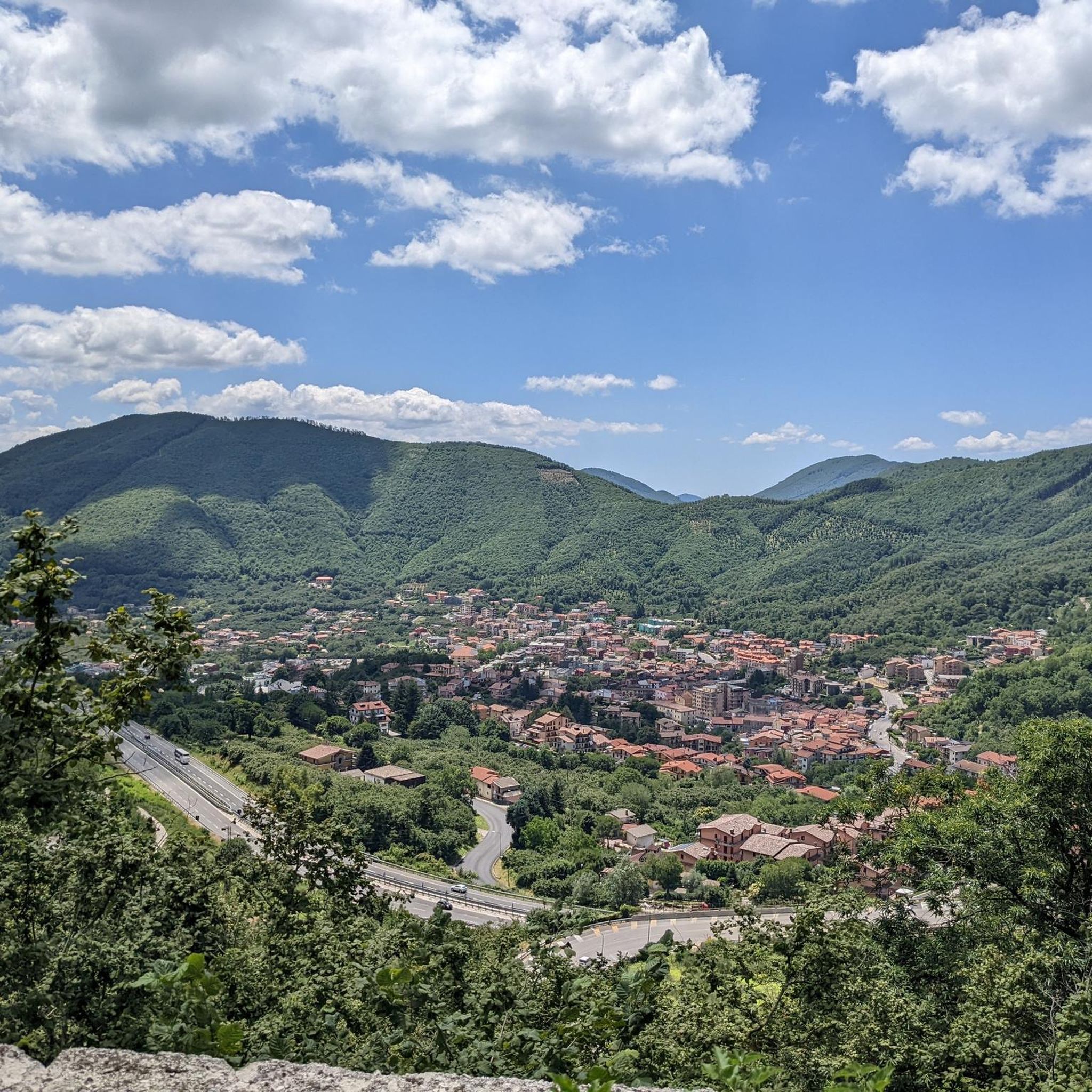
Panoramic point of the Castle of Monteforte Irpino
4
0
Frequently Asked Questions
What historical sites can I explore in Sant'Angelo A Scala itself?
In Sant'Angelo A Scala, you can explore the remnants of the medieval fortress in the Castle Area, where only perimeter walls and a fortified building with a cylindrical turret remain. Additionally, the impressive Carafa Palace, a noble residence with historical significance, is also located within the town.
Which castles offer panoramic views of the surrounding area?
For panoramic views, consider visiting Monteforte Irpino Castle, which offers expansive vistas. The elevated position of the 'Castle Area' in Sant'Angelo A Scala also provides scenic views of the valley.
Are there any castles with unique historical connections?
Yes, Castello di Tufo is historically associated with the famous Greco di Tufo wine. Monteforte Irpino Castle has origins potentially as an ancient Roman castrum, and the Carafa Palace in Sant'Angelo A Scala is notable for its connection to Pope Paul IV.
What kind of outdoor activities can I do near these castles?
The region around Sant'Angelo A Scala, particularly within the Partenio Regional Park, offers various outdoor activities. You can find numerous hiking trails, such as the Monte Vallatrone Loop or the Partenio Mountains High Route. For cycling enthusiasts, there are routes like the Ospedaletto d'Alpinolo loop. Explore more options on the Hiking around Sant'Angelo A Scala, Cycling around Sant'Angelo A Scala, and Road Cycling Routes around Sant'Angelo A Scala guide pages.
Are there hiking trails that lead to or near these castles?
Yes, many castles are accessible via hiking. For example, the Castello di Tufo is located at the end of a climb. Additionally, the Camaldolese Hermitage of the Incoronata, a 16th-century convent ruin, can be reached via hiking trails from Sant'Angelo A Scala, offering a historical trek. You can find more hiking routes in the Hiking around Sant'Angelo A Scala guide.
What is the historical significance of the castles in this region?
The castles around Sant'Angelo A Scala reflect centuries of history, from medieval fortresses to noble residences. Sites like the 'Castle Area' in Sant'Angelo A Scala and the Ruins of Mercogliano Castle served defensive purposes, while the Carafa Palace highlights the influence of noble families. Many castles, such as Macedonio Castle of Grottolella, were built on older strongholds, showcasing the region's strategic importance over time.
Are there any castle ruins worth visiting for their historical context?
Absolutely. The Ruins of Mercogliano Castle are a significant site, once dominating Mercogliano and serving a defensive role on the ancient Via del Partenio. The 'Castle Area' in Sant'Angelo A Scala also preserves the perimeter walls of its medieval fortress, offering a glimpse into its past.
What can I expect when visiting <a href="https://www.komoot.com/highlight/5698124" target="_blank" rel="noopener">Avella Castle and Roman Ruins</a>?
Avella Castle and Roman Ruins offers a combination of medieval castle history and ancient Roman remnants. The town of Avella itself is also known for its hazelnut cultivation, adding another layer of local character to your visit.
What is the best time of year to visit the castles around Sant'Angelo A Scala?
The Partenio Regional Park, where many of these castles are located, is generally pleasant for exploration during spring and autumn when the weather is mild. These seasons are ideal for combining castle visits with hiking or cycling in the surrounding natural landscapes.
Are there any other historical landmarks near Sant'Angelo A Scala besides castles?
Yes, beyond the castles, you can visit the ruins of the Camaldolese Hermitage of the Incoronata, a 16th-century convent situated at an altitude of approximately 1040 meters. It's accessible via hiking trails and offers another layer of historical exploration in the region.
What do visitors appreciate most about the castles in this area?
Visitors appreciate the rich history embedded in these sites, from ancient Roman origins to medieval transformations. The panoramic views offered by many castle locations, such as Monteforte Irpino Castle, are also highly valued. The komoot community has shared 14 photos and given 5 upvotes, highlighting the visual appeal and historical interest of these locations.
Most popular routes around Sant'Angelo A Scala
Most popular attractions around Sant'Angelo A Scala

Get inspired with the komoot mobile app


Explore more
Looking for the best castles somewhere else? Discover other guides around Sant'Angelo A Scala:
