Top 8 Castles around Castelnuovo Di Conza
Best castles around Castelnuovo Di Conza are found in a region with a rich history, featuring ancient settlements and strategic fortifications. The area, located in the province of Salerno, Italy, was historically important as a road junction connecting the high Sele Valley to the Ofanto Valley. While grand, fully preserved castles are rare within Castelnuovo Di Conza itself, the focus is on archaeological remnants and fortified structures that offer insights into its past. These sites provide panoramic views of the…
Last updated: July 13, 2026
Ruins of the Castle of Senerchia
Highlight • Castle
Translated by Google •
Tip by

Old Senerchia: the ghost village
Highlight (Segment) • Historical Site
Translated by Google •
Tip by

Sign up now to discover places like this
Get recommendations on the best single tracks, peaks, & plenty of other exciting outdoor places.
Sign up for free
Medieval Village of Quaglietta
Highlight • Historical Site
Translated by Google •
Tip by

Alleys of the Castle of Quaglietta
Highlight • Castle
Translated by Google •
Tip by
Senerchia
Highlight • Settlement
Translated by Google •
Tip by
Sign up for free to discover even more castles around Castelnuovo Di Conza.
Sign up for free
Already have an account?
Start today with a free account
Your next adventure awaits.
Login or Signup


Tips from the Community

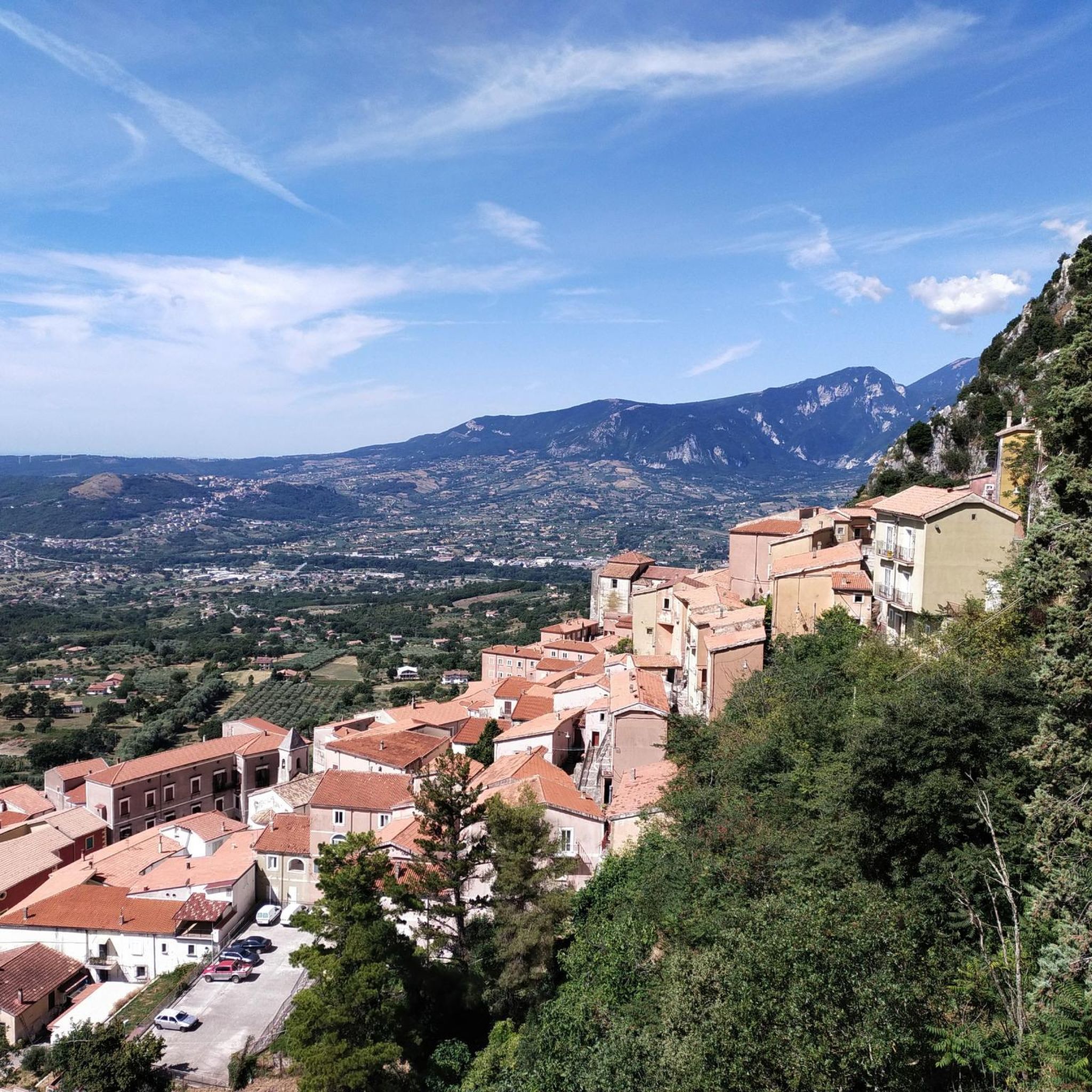
Some images of the small town of Senerchia. https://it.wikipedia.org/wiki/Senerchia
2
0
Beautiful effigy of Saint Rocco.
3
0
A sign of centuries-old charm that has remained unchanged over time, the medieval village of Quaglietta is an important historical testimony to the Lombard domination in Irpinia: with its castle and its Albergo Diffuso, it offers unique sensations in a magical and fairytale setting.
8
0
Effigy of Saint Rocco, patron saint of the hamlet of Quaglietta, a small hamlet in the municipality of Calabritto, in the province of Avellino.
10
0
Houses overlooking Senerchia's main street, Corso Garibaldi.
12
0
Effigy of San Rocco, patron saint of the small hamlet of Quaglietta.
12
0
The rocky outcrop on which the medieval village of Quaglietta and its castle stand.
12
0
A beautiful view of Quaglietta Castle. The fortified village of Quaglietta, located in the municipality of Calabritto, is home to a castle that, according to legend, was built as a military garrison, a Lombard organizational and defensive structure, undoubtedly favored by its strategic location on the rocky outcrop on which it stands, in the center of the valley. The fort created a barrier against Saracen attacks.
12
0
Frequently Asked Questions
What kind of castles can I expect to see around Castelnuovo Di Conza?
The region is rich in history, featuring ancient settlements and strategic fortifications. While grand, fully preserved castles are rare within Castelnuovo Di Conza itself, you'll find significant archaeological remnants and fortified structures. These sites offer insights into the area's past, often with Lombard and Norman origins, and provide panoramic views of the surrounding mountains and valleys.
Which historical sites are a must-visit for history enthusiasts?
History enthusiasts should definitely visit the Ruins of the Castle of Senerchia, a Lombard and Norman fortification dominating the valley. Another significant site is the Fortified Village of Quaglietta, a medieval stone village that served as a military garrison. Nearby, Old Senerchia: the ghost village offers a poignant glimpse into the region's past, including the impact of the 1980 earthquake.
Are there any family-friendly activities or castles suitable for children?
While the castles are primarily historical ruins, exploring the Fortified Village of Quaglietta can be an engaging experience for families, as its medieval stone structures and strategic location spark imagination. The panoramic views from these sites are also enjoyable for all ages. For outdoor activities, consider the easy hiking routes nearby, such as the Tuorno Waterfall Trail or the Lago di Conza trail.
What are the best times of year to visit the castles and historical sites?
The best time to visit is generally during the spring (April-June) and autumn (September-October) when the weather is mild and pleasant for exploring outdoor ruins and enjoying the panoramic views. Summers can be hot, while winters might be chilly, though the historical sites remain accessible year-round.
What kind of views can I expect from these castle ruins?
The castle ruins and fortified villages are often situated on elevated positions, offering extensive panoramic views. For instance, the Ruins of the Castle of Senerchia, located on Monte Croce, dominates the entire valley. Similarly, the Alleys of the Castle of Quaglietta provide beautiful views of the fortified village and its surroundings, showcasing the mountains and valleys of the region.
Are there hiking trails near the castles?
Yes, there are several hiking opportunities in the region. You can find trails near the historical sites, such as those leading to the Ruins of the Castle of Senerchia, which has a demanding last stretch. For more options, explore the Hiking around Castelnuovo Di Conza guide, which includes routes like the moderate Madonna del Fiume Trail and the easy Tuorno Waterfall Trail.
What other outdoor activities are available in the Castelnuovo Di Conza region?
Beyond hiking, the region offers various outdoor activities. You can find MTB Trails around Castelnuovo Di Conza, including challenging loops like the Castello Normanno loop. For road cycling, the Cycling around Castelnuovo Di Conza guide features routes such as the Historic Center of Colliano loop. These activities allow you to explore the diverse landscapes surrounding the historical sites.
Is public transport available to reach the castle sites?
Information on specific public transport routes directly to the castle ruins is limited. Given the nature of these historical remnants, often located on hills or in smaller villages, personal vehicles are generally recommended for easier access. Parking availability varies by site, so it's advisable to check local information if planning to drive.
What should I wear or bring when visiting the castle ruins?
Since many sites involve walking on uneven terrain or uphill, sturdy shoes are highly recommended. For example, the path to the Ruins of the Castle of Senerchia has a demanding last stretch, and trekking shoes are suggested for Old Senerchia. Bringing water, sun protection, and a camera to capture the panoramic views is also a good idea.
Are there any cafes or restaurants near the castle sites?
The castle ruins are often located near or within small villages. While specific cafes or restaurants directly adjacent to every ruin might not be available, you can typically find dining options and cafes in the nearby towns like Senerchia or Castelnuovo Di Conza itself. It's a good idea to plan your visit to coincide with meal times in these villages.
What is the historical significance of Castelnuovo Di Conza's fortifications?
Castelnuovo Di Conza and its surrounding area were strategically important throughout history. The fortifications, many with Lombard and Norman origins, were part of a network designed to defend the town and its inhabitants. The region served as a crucial road junction connecting the high Sele Valley to the Ofanto Valley, linking the Tyrrhenian and Adriatic seas, making these castles vital defensive structures against various attacks, including those by Saracens.
Can I visit other prominent castles in the wider region as a day trip?
Yes, for those seeking more extensive castle experiences with intact structures, prominent castles like Castello di Arechi are typically found in larger, nearby cities such as Salerno. These are accessible as day trips from Castelnuovo Di Conza, offering a different perspective on the region's rich history of fortifications.
Most popular attractions around Castelnuovo Di Conza

Get inspired with the komoot mobile app


Explore more
Looking for the best castles somewhere else? Discover other guides around Castelnuovo Di Conza:
