Top 8 Castles around Montecorvino Rovella
Best castles around Montecorvino Rovella are situated in a region known for its historical depth and natural landscapes. Montecorvino Rovella is home to Nebulano Castle, a significant historical site with origins tracing back to Roman times. The area is part of the Monti Picentini Regional Park, offering a blend of cultural heritage and natural beauty. This location provided strategic vantage points for defense and control throughout various historical periods.
Best castles around Montecorvino Rovella
- The most popular castles is Olevano…
Last updated: June 30, 2026
Olevano Castle
Highlight • Castle
Translated by Google •
Tip by

View of Terravecchia Castle
Highlight • Viewpoint
Translated by Google •
Tip by
Sign up now to discover places like this
Get recommendations on the best single tracks, peaks, & plenty of other exciting outdoor places.
Sign up for free
Medieval Village of Terravecchia
Highlight (Segment) • Historical Site
Translated by Google •
Tip by

Colonna Castle
Highlight • Castle
Translated by Google •
Tip by
Ruins of Tempa Castello
Highlight • Castle
Translated by Google •
Tip by

Sign up for free to discover even more castles around Montecorvino Rovella.
Sign up for free
Already have an account?
Start today with a free account
Your next adventure awaits.
Login or Signup

Tips from the Community

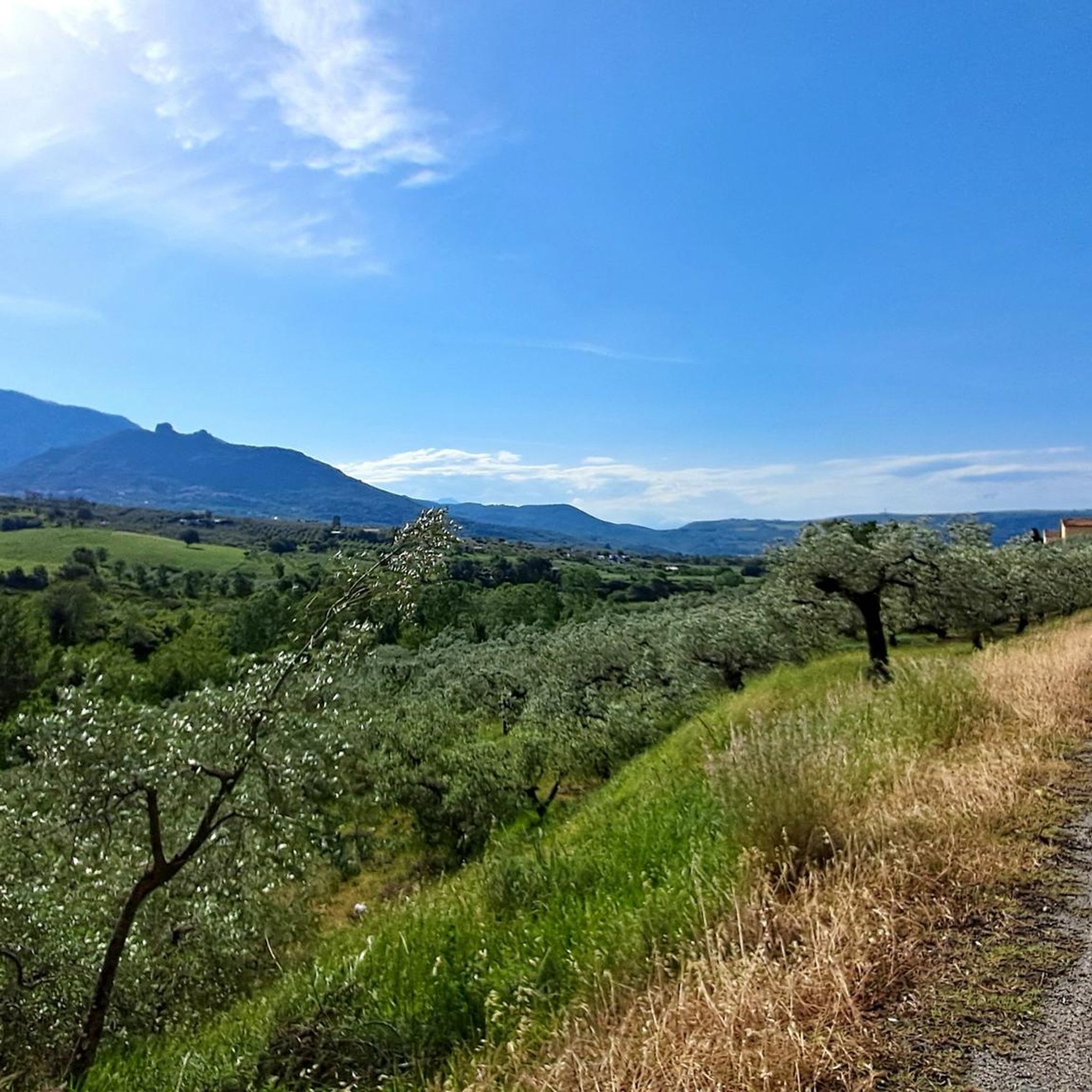
A little-known but very evocative place. Here you can admire the ancient walls of a Lombard-era castle and a beautiful 360-degree view of the town of Acerno and the surrounding peaks. Following the CAI trail, you can reach the highest point of the Tempa. More information here: https://www.comune.acerno.sa.it/gallerie/patrimonio-storico-culturale/resti-tempa-castello/
0
0

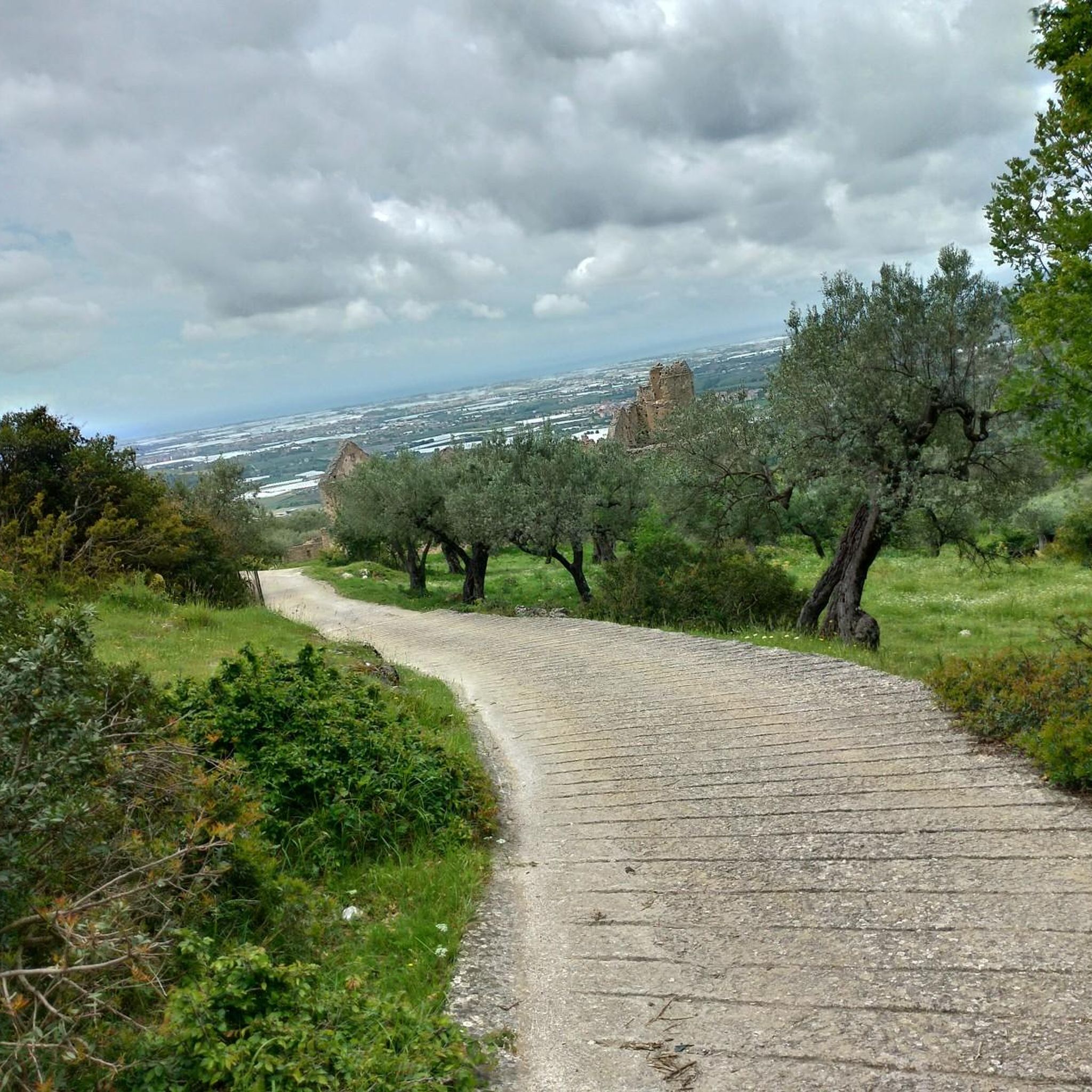
The defensive building is set between two natural rock towers in a locality in the hamlet of Felitto, in an inaccessible place that dominates the entire valley below. The fortress was surrounded by a triple wall, the first of which can still be identified by some fragments incorporated in the current urbanization; the second, halfway up the slope, still has the watchtowers and the entrance to the Castrum intact; the third with two quadrangular towers was placed to guard the central nucleus built at maximum height. In the factories, the re-use of clay fragments and previous constructions is visible. The various rooms in which the inhabitants' daily activities took place are still clearly evident: three cisterns for collecting rainwater, halls, service area, halls, suspended arches and more. Between the second and third walls, the vast residential settlement can still be identified, positioned on a vast, mainly flat surface. In this area the ruins of a Christian church outline the small nave and the apse.
20
0

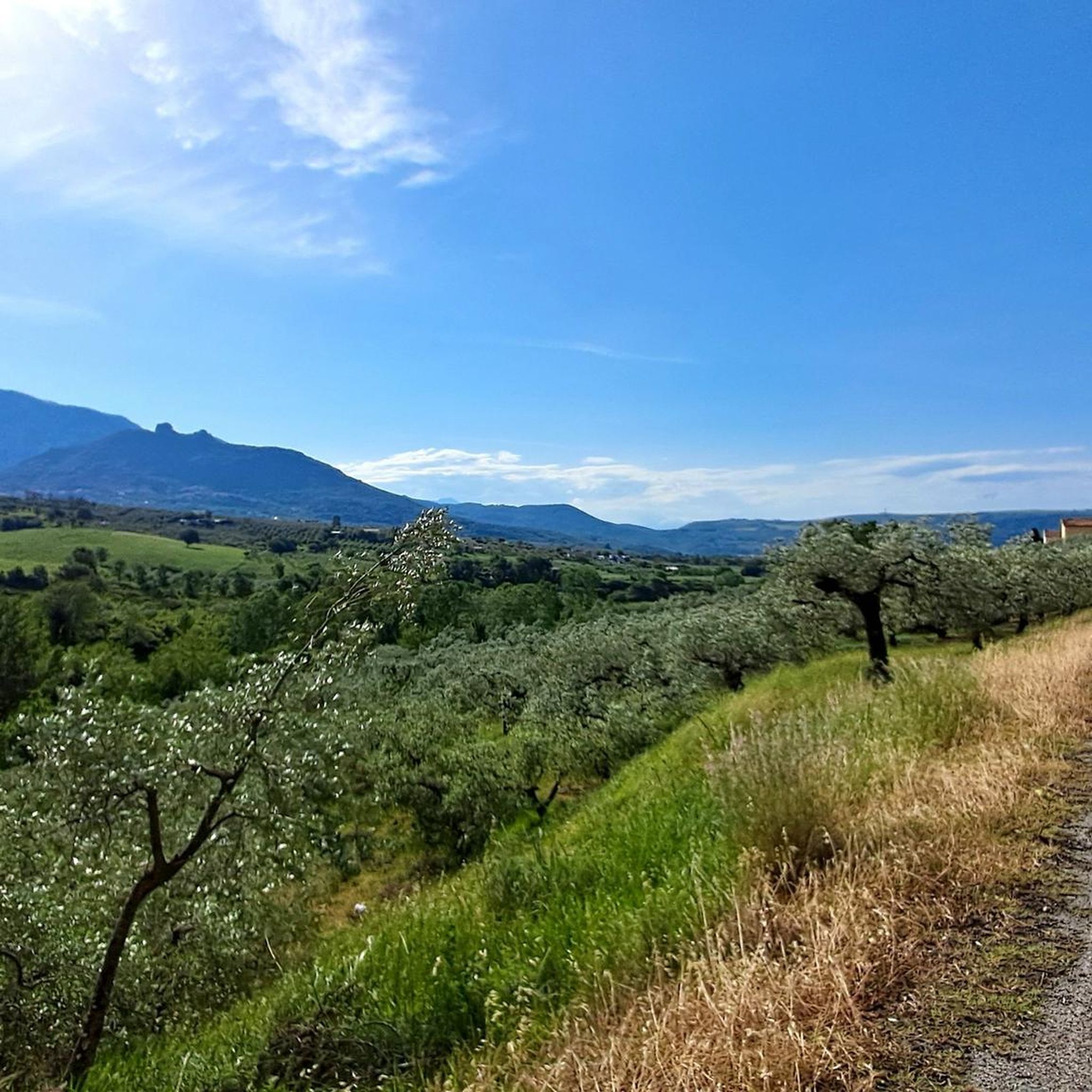
A small historical jewel, the medieval village of Terravecchia, surrounded by a thick belt of olive groves, stands out in the Picentina Valley with its castle and centuries-old walls. It has just 51 souls, but its life has its roots in very remote times, in the ancient pre-Christian era when the area was settled by the Picentini. From 1000 onwards the village saw an exponential development; around the Castle the feud grew energetically, with shops, cisterns, warehouses, churches (that of Sant'Egidio and San Leone) and palaces. Cobbled streets and winding alleys look like a real capillary network and still today they shape and outline the center. The mule track leads to the castro which, restored in 1240 by Frederick II of Swabia, became a hunting lodge. The village abandoned since the end of the eighteenth century. after the D'Avalos family, today it has found vitality again, thanks to a huge restoration work. The historic houses, which have become venues for conferences, meetings and places of art, are authentically unique, confirming the richness of the local heritage. https://fondoambiente.it/luoghi/borgo-di-terravecchia-giffoni-valle-piana?ldc https://www.prolocogiffonivallepiana.it/borgo-e-castello-medievale-di-terravecchia/
5
0
CASTRUM OLIBANI - YouTube the test of the comment is taken from the book by Crescenzo and Michele Cicatelli https://youtu.be/41t1Pv8qZaQ
4
0
It was rebuilt at the beginning of the Norman domination and is mentioned in documents as "Domus domini imperatoris in Ebulo" and considered one of the most important of the Middle Ages. Its reconstruction dates back to the second half of the 11th century, probably at the time of the feudal dominion of the first lord of Eboli, Guglielmo d’Altavilla, brother of Roberto il Guiscardo, Prince of Salerno. https://comune.eboli.sa.it/contenuti/89712/castello-colonna
4
0
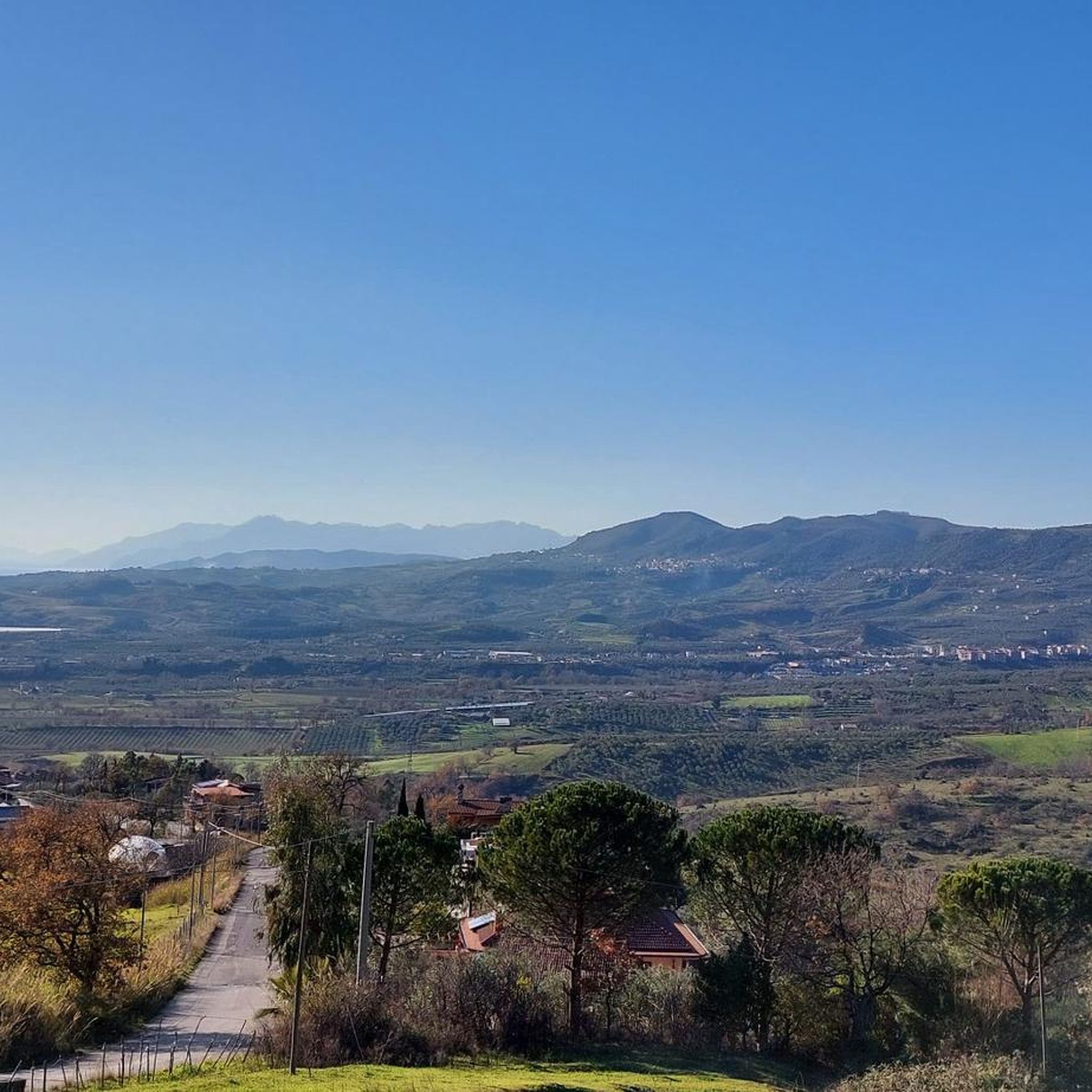
The castle dates back to the 12th century but was certainly built on a pre-existing Roman garrison dating back to 146 BC. It dominates the village with its walls of which the first, crenellated and well preserved, winds for over 200 meters with various stretches of crenellated curtains with slits and 14 towers. After the fall of the Roman Empire, Terravecchia was forgotten until 1240 when Frederick II of Swabia king of Sicily made it his residence for a period probably equal to one year, but only after having ordered a substantial restoration. after which the castle assumed the double function, just as the Swabian ruler had wanted, of castrum but also of domus or residence and ideal dwelling especially for hunting. The Castle and the walls are currently the subject of a major recovery and renovation work and it is from the walls that you can enjoy a magnificent view of both the surrounding valley and the mountains but also, in the most clear, of the sea.
6
0
To learn more: https://www.icastelli.it/it/campania/salerno/olevano-sul-tusciano/castello-di-olevano-sul-tusciano
4
0
Frequently Asked Questions
What are the most notable castles around Montecorvino Rovella?
The region features several historically significant castles. Among the most popular are Olevano Castle, known for its defensive structure between natural rock towers, and Colonna Castle, rebuilt during the Norman domination. Additionally, the Ruins of Tempa Castello offer ancient Lombard-era walls and panoramic views.
What is the historical significance of Nebulano Castle in Montecorvino Rovella?
Nebulano Castle has a rich history dating back to Roman times in the 4th century. It was occupied by various powers including the Longobards, Normans, Angevins, and Aragonese, serving as a crucial fortified point against Saracen incursions. Its strategic location on Monte Castello provided a vantage point for defense and control of the surrounding territory.
What can I expect to see at Olevano Castle?
Olevano Castle is a defensive building nestled between two natural rock towers. You can explore its triple wall, intact watchtowers, and the entrance to the Castrum. The site also reveals various rooms where daily activities took place, including cisterns for rainwater, halls, and service areas. Fragments of previous constructions and a Christian church outline are also visible.
Are there any castles with panoramic views in the Montecorvino Rovella area?
Yes, several castles offer excellent views. The Ruins of Tempa Castello provide a beautiful 360-degree view of Acerno and the surrounding peaks. Additionally, the strategic position of Nebulano Castle on Monte Castello offers scenic views of the Picentini Mountains. From the View of Terravecchia Castle, you can enjoy magnificent views of the surrounding valley, mountains, and even the sea on clear days.
What outdoor activities can I do near the castles of Montecorvino Rovella?
The region, being part of the Monti Picentini Regional Park, offers various outdoor activities. You can find numerous running trails, including routes along the Tusciano River. For cyclists, there are diverse cycling routes and road cycling routes that explore the scenic landscapes around Montecorvino Rovella.
What is the best time of year to visit the castles around Montecorvino Rovella?
Visiting during spring (April-June) or autumn (September-October) is generally ideal. The weather is pleasant for exploring ruins and hiking, and the natural scenery is vibrant. Summer can be hot, but early mornings or late afternoons are still suitable for visits.
Are the castles around Montecorvino Rovella suitable for history enthusiasts?
Absolutely. History enthusiasts will appreciate the deep historical layers of these sites. Nebulano Castle, for instance, spans Roman, Longobard, Norman, Angevin, and Aragonese periods. Colonna Castle was rebuilt during the Norman domination, and the Ruins of Tempa Castello feature ancient Lombard-era walls, offering a tangible connection to centuries of regional history.
Are there family-friendly options among the castles in Montecorvino Rovella?
While specific 'family-friendly' amenities might not be present at all ruin sites, exploring the historical ruins and enjoying the surrounding natural beauty can be an engaging experience for families. The legends surrounding Nebulano Castle, such as the search for a mysterious treasure, can add an element of adventure for children. Always check the terrain and accessibility for younger visitors.
How long should I plan for a visit to the castles near Montecorvino Rovella?
The time needed depends on your interest and how many sites you wish to visit. For individual castle ruins like Nebulano Castle or the Ruins of Tempa Castello, you might spend 1-2 hours exploring. If you plan to visit multiple castles and combine it with hiking or exploring the Monti Picentini Regional Park, a full day or even a weekend would be more appropriate.
Is there parking available near the castles?
Parking availability can vary by specific castle site. For castles located near towns or villages, you may find public parking options. For more remote ruins, parking might be limited to roadside spots or small designated areas. It's advisable to check local information or maps for specific parking details before your visit.
What is the story behind Nebulano Castle's literary connection?
Nebulano Castle gained literary fame in the 19th century as the setting for Francesco Mastriani's novel 'The Noctambulist of Montecorvino.' The novel features a mysterious treasure, which local legend suggests can still be sought around Mount Nebulano in a place known as 'Devil's cave,' adding an intriguing layer to the castle's history.
Can I combine a castle visit with hiking in the Monti Picentini Regional Park?
Yes, absolutely. Montecorvino Rovella is situated within the Monti Picentini Regional Park, making it ideal for combining historical exploration with nature walks. Many castles, like Nebulano, are perched on hills, offering opportunities for scenic hikes to reach them and enjoy the surrounding flora and fauna. You can find various running and hiking trails in the park.
Most popular routes around Montecorvino Rovella
Most popular attractions around Montecorvino Rovella

Get inspired with the komoot mobile app


Explore more
Looking for the best castles somewhere else? Discover other guides around Montecorvino Rovella:
