Top 12 Caves around Solagna
Caves around Solagna are primarily found in the nearby Valbrenta region, characterized by its karstic landscape and the Brenta River. This area, close to the Sette Comuni plateau, features significant geological formations. The Parco delle Grotte di Oliero stands out as a major natural attraction, offering insights into underground river systems and unique cave environments. It provides a blend of natural beauty and geological wonder for visitors.
Best caves around Solagna
- The most popular caves is Anguane's Cave, a…
Last updated: June 30, 2026
Anguane's Cave
Highlight • Cave
Translated by Google •
Tip by

Campolongo Trenches (WW1)
Highlight (Segment) • Historical Site
Translated by Google •
Tip by

Sign up now to discover places like this
Get recommendations on the best single tracks, peaks, & plenty of other exciting outdoor places.
Sign up for free
Oliero Caves
Highlight • Cave
Translated by Google •
Tip by

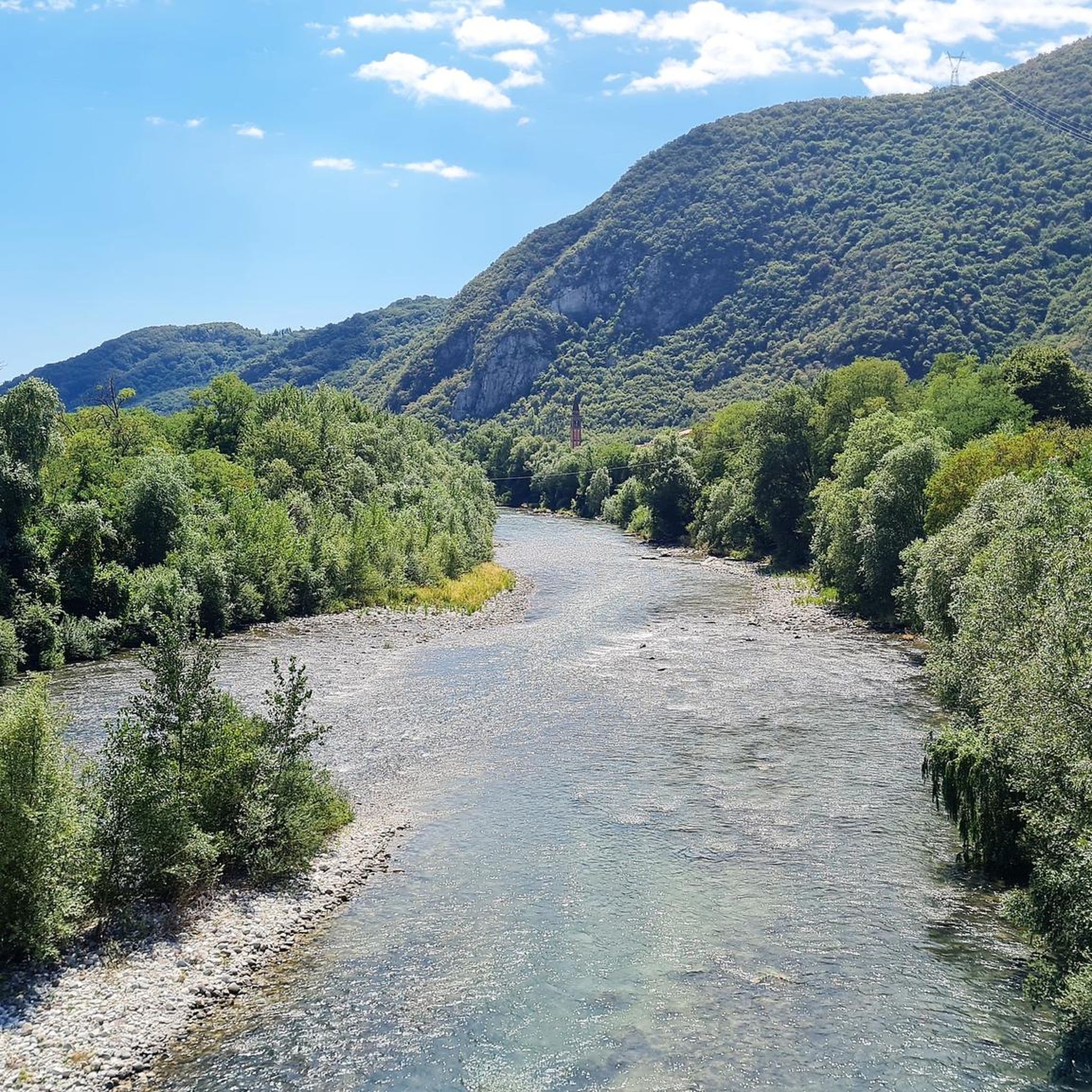
Oliero River, near the Oliero Caves
Highlight • River
Translated by Google •
Tip by

War Caves
Highlight • Cave
Translated by Google •
Tip by

Sign up for free to discover even more caves around Solagna.
Sign up for free
Already have an account?
Start today with a free account
Your next adventure awaits.
Login or Signup

Tips from the Community

A simply wonderful place, easy to reach from the Carpanè-Valstagna station, following a well-marked path along the Brenta River. The staff was equally fantastic, allowing us to follow the cave tour in both Italian and English (part of my group didn't speak Italian). I recommend going in spring; it's cooler and there's usually less traffic, so you can enjoy it all better. ;)
0
0


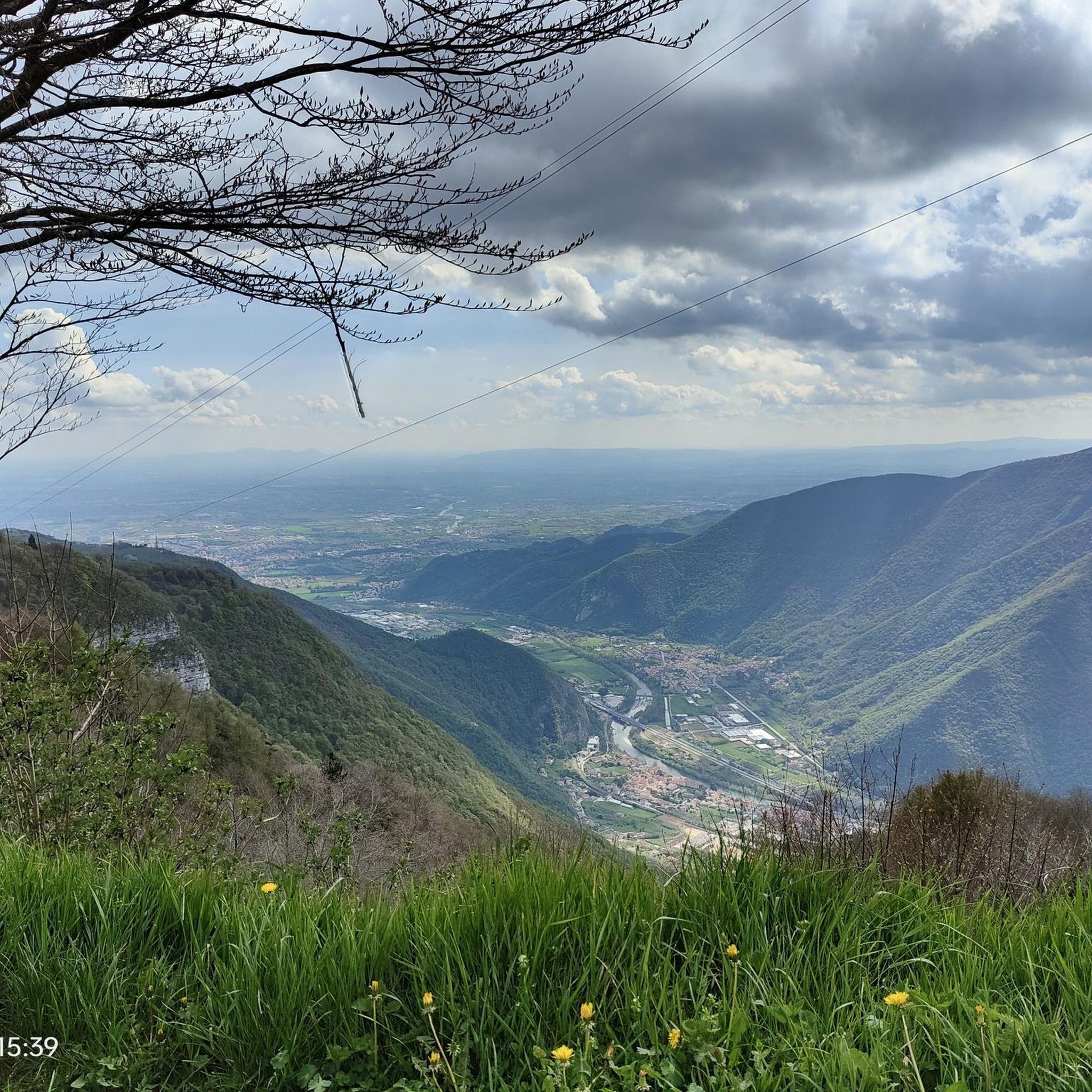
The Trenchers of Monte Campolongo - not to be confused with the mountain of the same name and its fort exactly on the opposite western side of the Asiago Plateau - are a long and deep Italian trench from the First World War, dug on a promontory which dominates the final stretch of the Val Brenta. It had no active role during the Great War, but served as an extreme bulwark to prevent a possible invasion of the Austro-Hungarian army from Valsugana. Cleaned and recovered, it features walkways, outposts, tunnels and shelters in a dense and silent forest: today the vegetation largely covers the view, especially in summer, but at the time the view of the valley was clean. You can follow the winding of the trench from inside or from above, along a path complete with little bridges... or a little and a little!
2
0

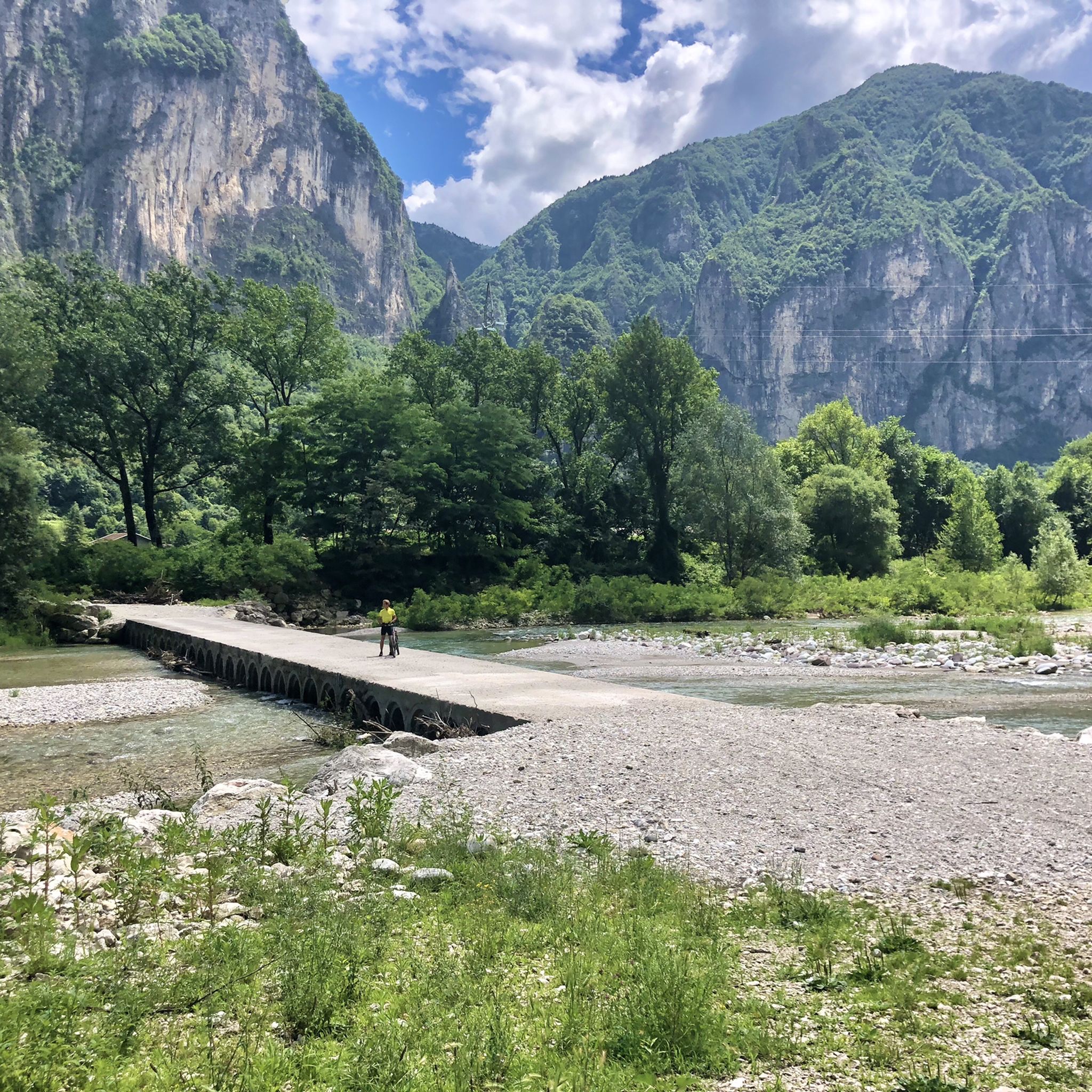
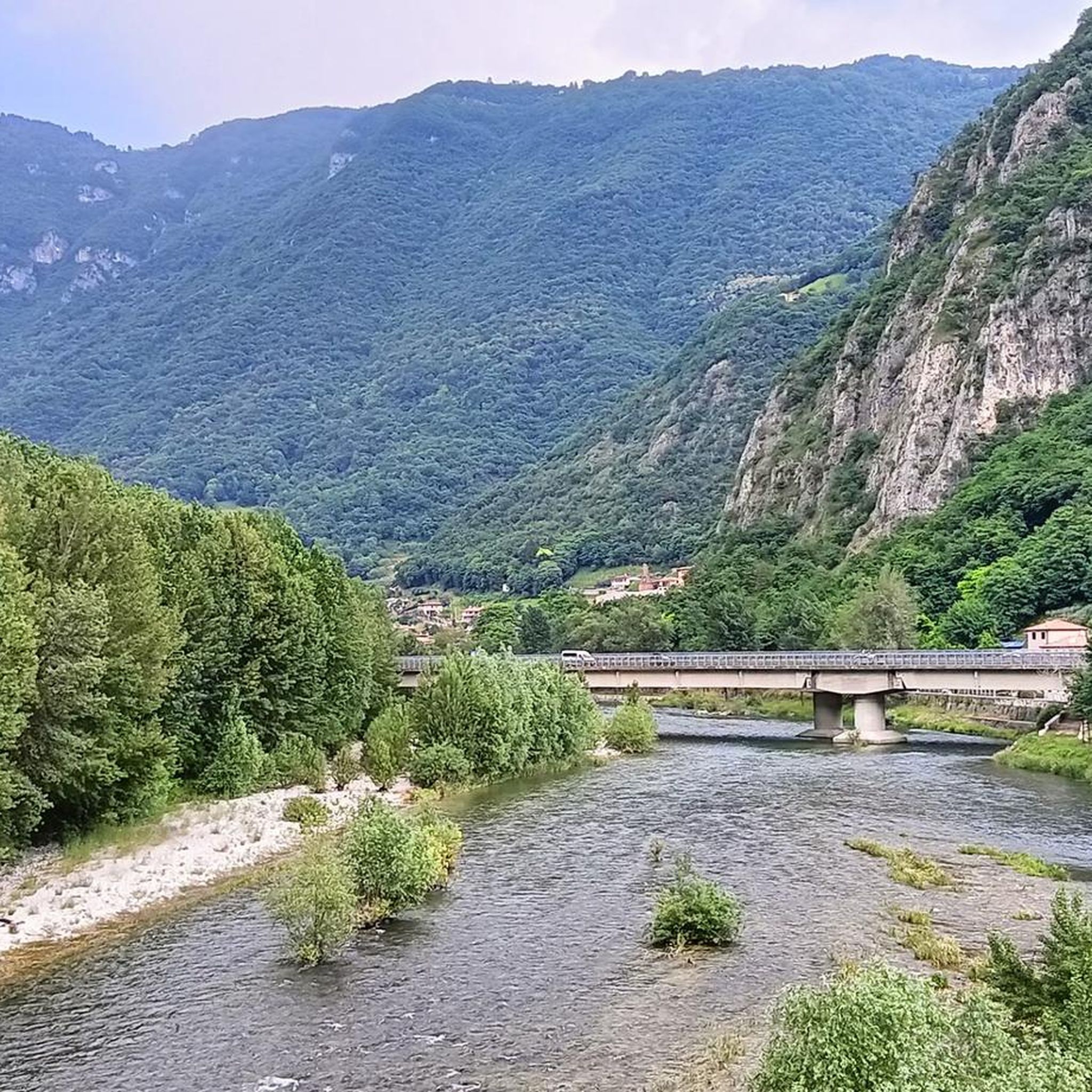
The Oliero caves are a complex of caverns located on the slopes of the Sette Comuni plateau, near the hamlet of Oliero (municipality of Valbrenta). Much of the water that penetrates through the plateau above flows from the caves, a classic example of karst phenomena. There are four caves currently open to the public: Covol dei Veci and Covol dei Siori from which the Oliero river flows; while the two upper ones, Covol dei Assassini and Covol dee Soree, are now dry. To visit the caves it is necessary to have a ticket and entry is allowed only with a guide. In the park of the caves it is also possible to visit the museum of speleology and karst phenomena and relax at the bike grill bar.
0
0
Cave with a considerable development of over 400 meters. At the entrance it immediately divides into two narrow and winding branches: the Ramo dei Ghiri, on the right, and the Ramo dee Strighe, on the left. The tunnels are twisted, very narrow (so much so that the backpack is an impediment to leave at the entrance!), in total darkness, with protruding concretions and narrow passages that at a certain point force you to advance on all fours or to crawl. Entering it is quite impressive: avoid if you are afraid of closed and narrow spaces, complete darkness, bats, cave crickets, spiders (present in the initial meters) and various creatures of the darkness! According to legend, the anguane live near a water source or a stream, inside caves or grottos: hence the toponym 'buso' = hole in Venetian dialect, to be understood as a home or refuge. https://www.ecovicentino.it/esplorare-il-vicentino/la-valle-delle-anguane-e-la-carega-del-diavolo-a-laverda/
1
0

Unique places in the midst of peace
1
0

Impressive as the sound rumbles in the caves, I can hardly believe that the few surviving boys came home completely unnerved, try it. Beware of the few bats, if you see them try not to disturb them
1
0
L'oliero is a show and if you've never been to the caves you don't know what you're missing. Go there
0
0
Frequently Asked Questions
What makes the caves around Solagna unique?
The caves in this region, particularly the Oliero Caves, are notable for their karstic phenomena, featuring impressive limestone formations, underground rivers, and Europe's deepest siphon. These geological wonders have been carved by water over millions of years, creating a unique underground landscape.
Are there any family-friendly cave experiences near Solagna?
Yes, the Oliero Caves are considered family-friendly. Visitors can explore the Covol dei Siori cave by boat with expert guides, offering an immersive and educational experience suitable for families. The surrounding natural park also features nature paths.
Do I need a guide or a ticket to visit the main caves?
For the Oliero Caves, it is necessary to have a ticket, and entry is allowed only with a guide. This ensures a safe and informative experience, especially for the boat trip into the cave.
What is the best time of year to visit the caves around Solagna?
Visiting in spring is often recommended for the Oliero Caves, as it's cooler and typically less crowded, allowing for a more enjoyable experience. The spring-summer period generally offers pleasant conditions for exploring the caves and the surrounding natural park.
What historical sites can I explore near the caves?
Beyond natural caves, you can visit historical sites like the War Caves, which are part of a historical area. Another significant site is the Campolongo Trenches (WW1), a well-preserved Italian trench system from the First World War, featuring walkways, outposts, tunnels, and shelters.
Are there hiking opportunities near the caves?
Yes, the area around Solagna offers various hiking opportunities. While exploring the caves, you can also find trails that lead to viewpoints and natural features. For more extensive hiking, consider exploring the Running Trails around Solagna, which include routes like the Eremo di San Bovo loop or trails along the Brenta River.
What other outdoor activities are available near the caves?
Besides exploring caves and hiking, the region offers excellent opportunities for cycling. You can find numerous routes for both Road Cycling and MTB Trails around Solagna. These routes often pass through scenic landscapes and offer different difficulty levels.
How can I reach the Oliero Caves by public transport?
The Oliero Caves are easily accessible from the Carpanè-Valstagna station. From there, you can follow a well-marked path along the Brenta River to reach the park entrance.
What kind of wildlife might I encounter in the caves?
The Oliero Caves are home to unique species, including the Proteus, a rare amphibious troglobite found in the Covol dei Siori. While exploring historical caves like the War Caves, you might also encounter bats, which should not be disturbed.
Are there any tranquil or unique cave experiences to discover?
For a tranquil experience, consider visiting Anguane's Cave. It is noted for its unique features amidst peaceful surroundings, offering a serene escape. The Oliero Caves also offer a unique experience with their boat trip into the caverns.
What natural features can I see around the Oliero Caves?
Beyond the caves themselves, the surrounding natural park features crystal-clear streams, ancient forests, and sheer rock faces. You can also explore the Oliero River, which flows from the caves, and enjoy the rich rupestrian flora along the nature paths.
Is there a museum related to the caves or geology in the area?
Yes, within the park of the Oliero Caves, there is a geological museum. It provides insights into the formation of the caves and the local environment, enhancing the educational aspect of your visit.
Most popular routes around Solagna
Most popular attractions around Solagna

Get inspired with the komoot mobile app


Explore more
Extend your search for the best caves by checking out these guides of the top ones around Solagna:
