Top 14 Castles around Urbania
Best castles around Urbania are found in Italy's Marche region, a historic area known for its cultural significance and natural landscape. The town of Urbania, formerly Casteldurante, features historical structures that, while primarily palaces, exhibit fortress-like characteristics. The surrounding area offers a variety of historical sites, including those in nearby Urbino, a UNESCO World Heritage site. This region provides a rich exploration of Renaissance ducal life, art, and architecture.
Best castles around Urbania
- The most popular castles is Ducal Palace…
Last updated: October 16, 2026
Ducal Palace
Highlight • Castle
Translated by Google •
Tip by

Fortezza Albornoz
Highlight • Historical Site
Translated by Google •
Tip by

Sign up now to discover places like this
Get recommendations on the best single tracks, peaks, & plenty of other exciting outdoor places.
Rocca Torrione of Cagli
Highlight • Castle
Translated by Google •
Tip by

Mondelacasa Castle (the Muracci)
Highlight • Castle
Translated by Google •
Tip by

Piobbico
Highlight • Settlement
Showing Translation
Tip by

Sign up for free to discover even more castles around Urbania.
Already have an account?
Start today with a free account
Your next adventure awaits.
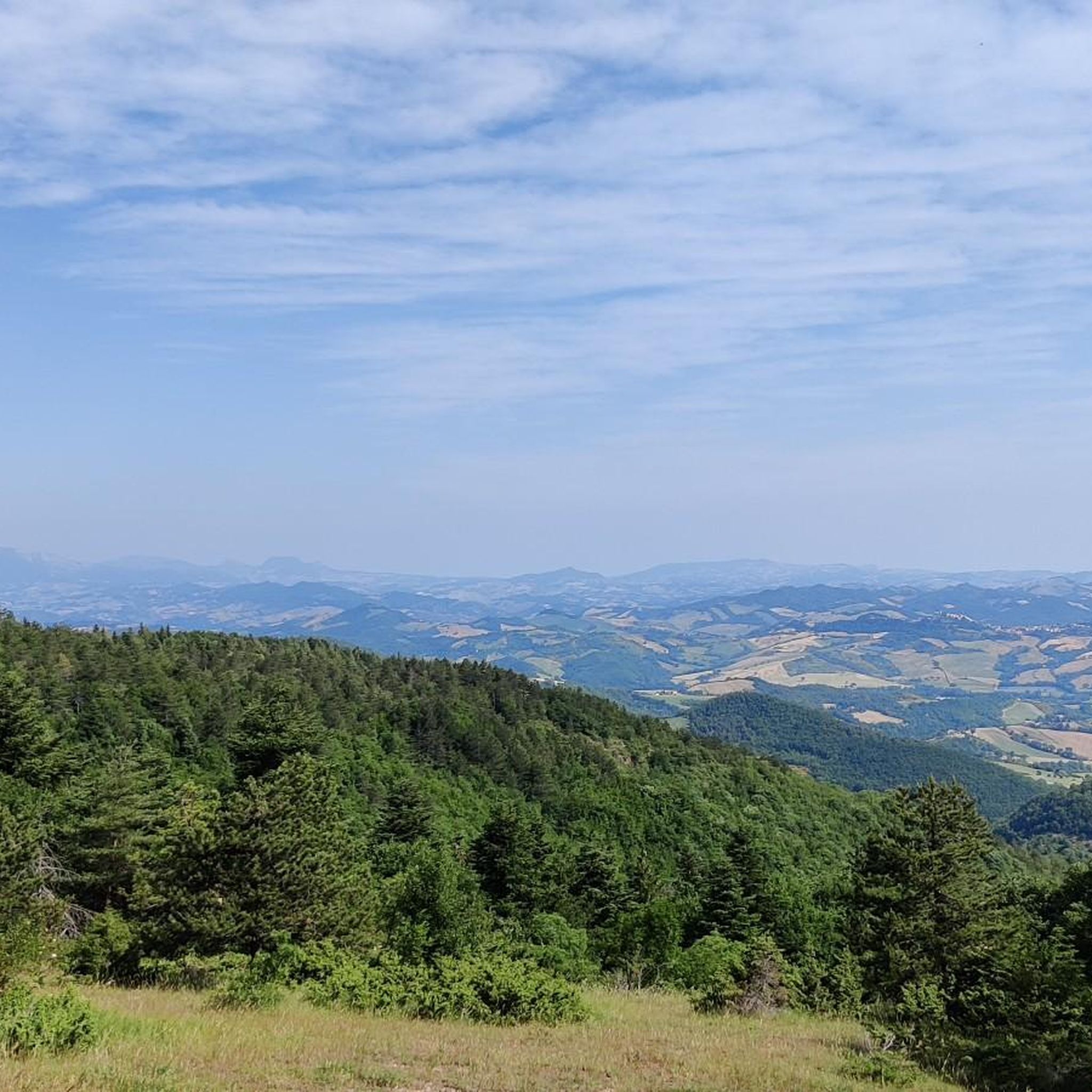
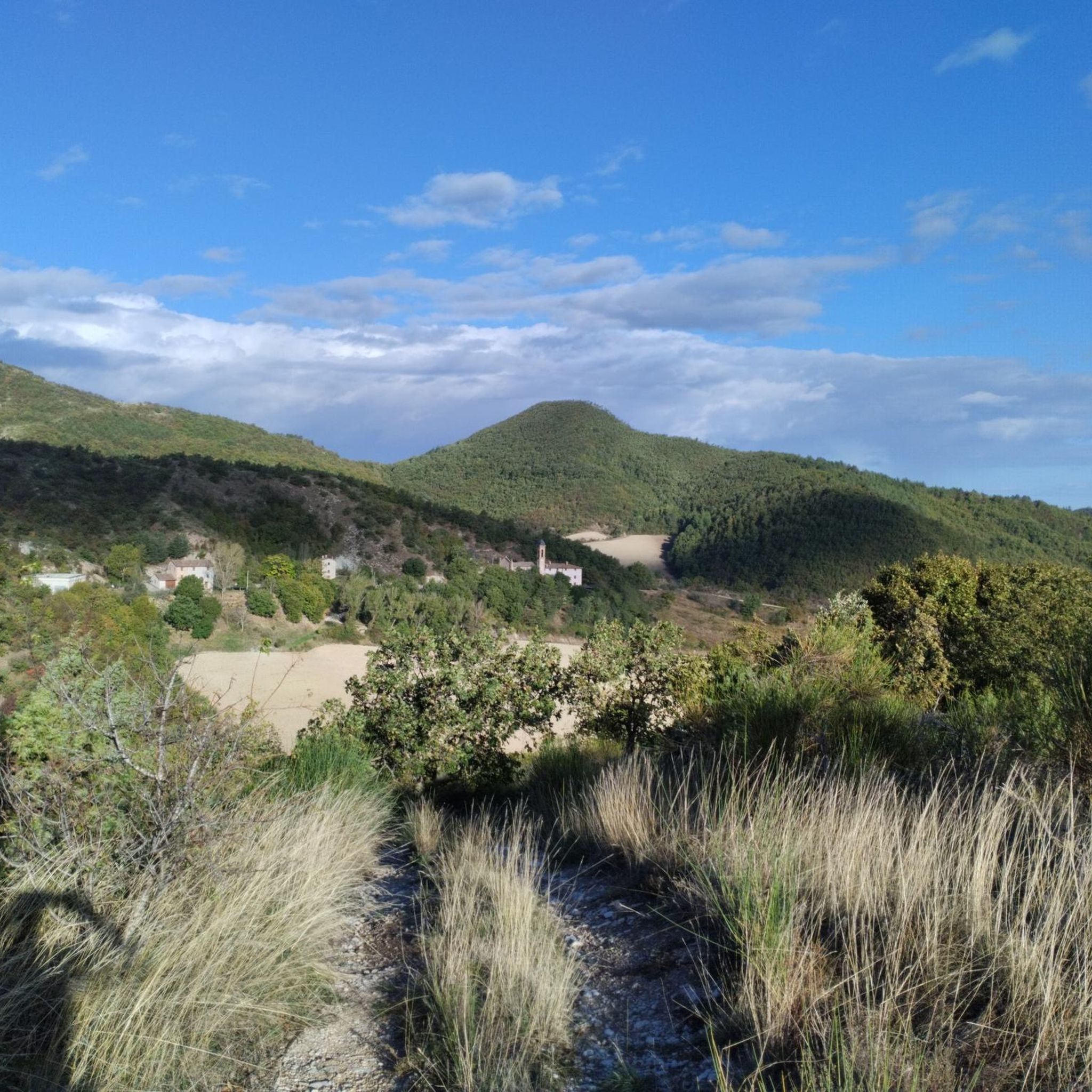
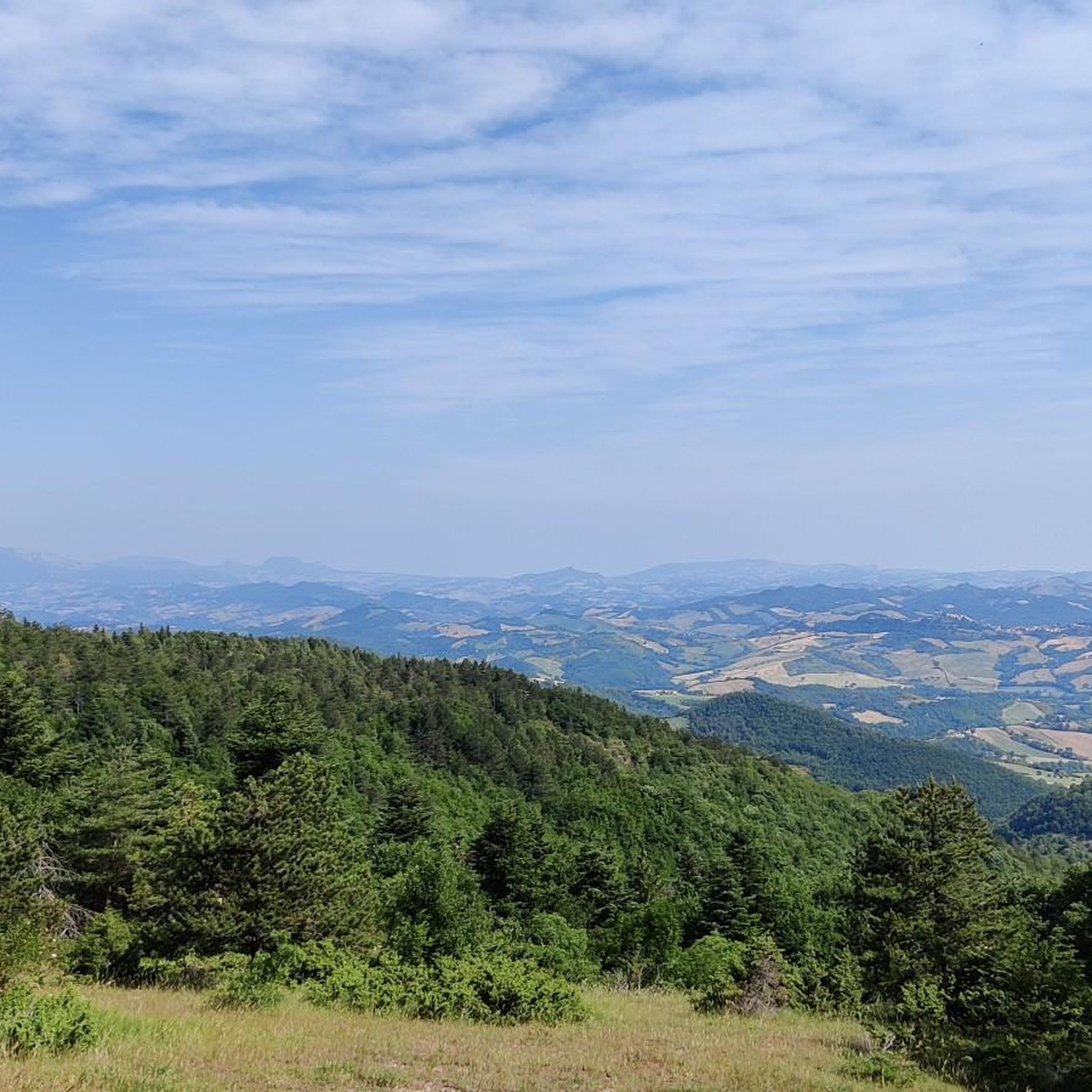
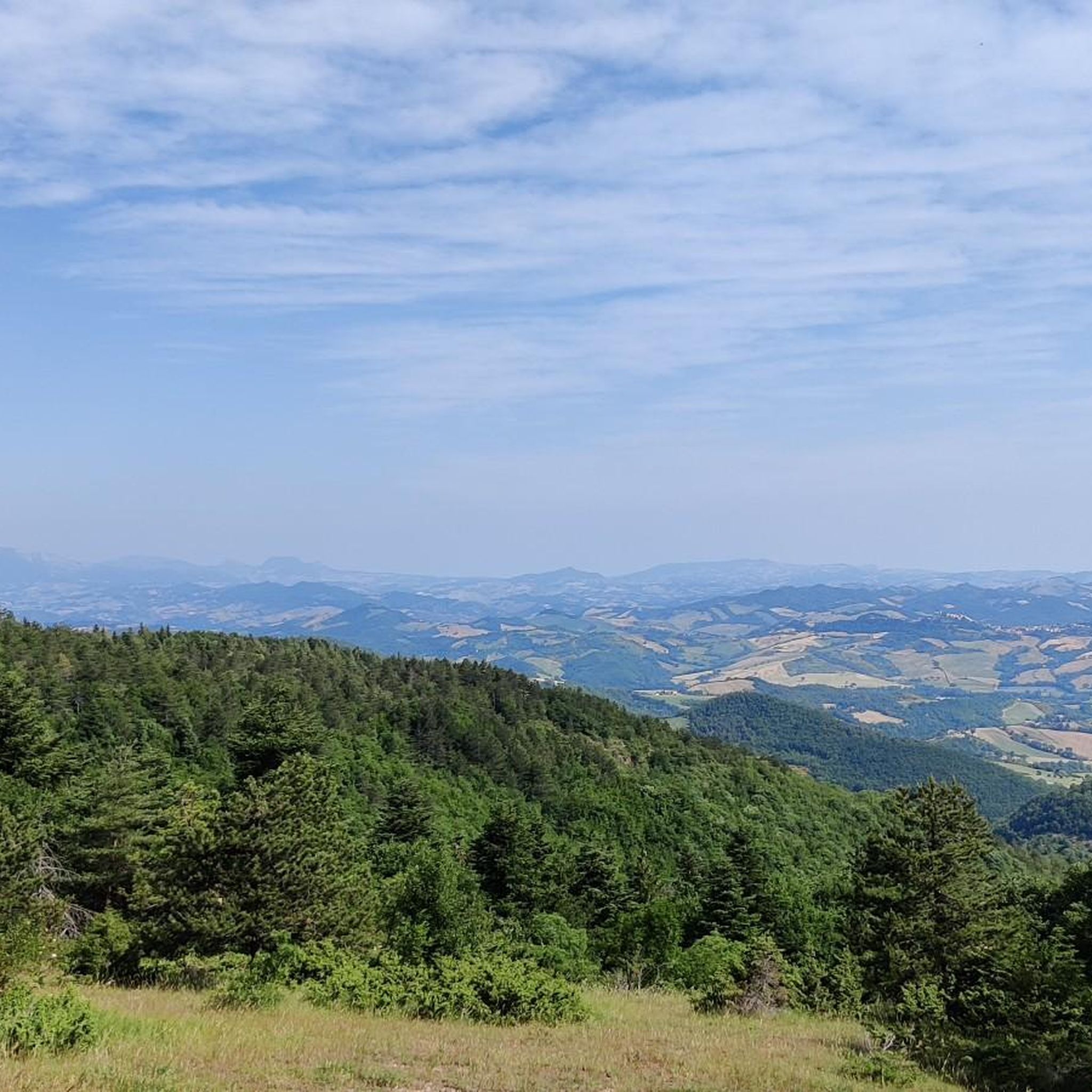

Tips from the Community

Urbino is a city in the Marche region, recognized as a UNESCO World Heritage site for its Renaissance-era historic center. It is located in a hilly area and is characterized by uphill streets, squares, and brick buildings. Among the main sites is the Ducal Palace of Urbino, home to the National Gallery of the Marche. Urbino is also the birthplace of Raffaello Sanzio, with a house-museum that can be visited. The city is home to the University of Urbino Carlo Bo, which contributes to the presence of students throughout the year.
0
0
Piobbico is a beautiful town in the province of Pesaro Urbino with about 1800 inhabitants. It is located in a valley between Monte Nerone and Monte Montiego and stands right at the confluence of two rivers: the Biscubio and the Candigliano. Piobbico is also known as the Land of the Ugly, due to the National Association of the Ugly, founded at the end of the 19th century to allow young women from Piobbico to find a husband; it currently has about 30,000 members and every year, on the first Sunday of September, the World Festival of the Ugly takes place. The festival is famous throughout central Italy and attracts a very large number of people each year.
1
0

The Palazzo Ducale in Urbino is a Renaissance palace and houses the famous Renaissance picture gallery of the Marche.
2
0

The ruins of the Mondelacasa Castle (or Monte della Casa), called the Muracci, are located on the northern slopes of Mount Nerone, on the left bank of Val d'Abisso, at 707 m above sea level, about 1 km south of the historic center of Piobbico. (from COMUNE PIOBBICO 1999): Close to Mount Nerone stands a massive buttress whose base widens between the Biscubio torrent and the Petrello stream (Fosso di S. Maria) and carries the ruins of an ancient artifact on the summit. It was a castle, a primitive dwelling that the Brancaleoni, who arrived around the year 1000 in the Biscubio District, built and lived in until the mid-1300s. This is how our Costanzo Felici (1) describes it in a document from 1582:... climbing up to Monte Nerone a mile away on a rough and terrible hill and rock, there are vestiges of a superb, large and beautiful palace or fortress now in ruins, of which those (Brancaleoni) of Piobico were the owners. Built by Gentile Brancaleoni in the first half of the 13th century, it took the name of Mons Casa or Mondelacasa, today Muracci because of the ruins visible on the summit. Towards the middle of the 14th century, both because of the harshness of the place, difficult to reach when ... winter almost buried the tower under the snow, locked it under the grip of the ice, tormented it with the blizzard, confining it for months in isolation, and because of the need for other and more comfortable comforts, the two brothers Pazzo and Federico Brancaleoni decided to settle in the house that they had begun to build "in castro Plobici", on the hill to the right of the confluence of the Biscubio with the Candigliano, where there were already small houses piled up, that is, equipped with a watchtower with a Gothic arch portal to the north and a castle to the south-east. It is the place where the Brancaleoni Castle-Palazzo will develop and take shape over time. NOTE: (1) Costanzo Felici was born in the second decade of the 16th century in Casteldurante (now Urbania). However, he preferred to define himself as a native of Piobbico, where his ancestors had moved around 1330. He practiced medicine in Piobbico, Sant'Angelo in Vado, Pesaro, Rimini and Urbania. At the same time, he cultivated naturalistic and historical studies with notable results. He died in Pesaro on February 5, 1585. taken from: https://www.lavalledelmetauro.it/contenuti/beni-storici-artistici/scheda/11123.html
0
0

Beautiful town, worth taking a break
0
0

The city of Urbino is located on the highest part of a hill which, seen from afar, takes your breath away with such beauty.
2
0

The church of Santa Maria Assunta is the main Catholic place of worship in Urbino and cathedral of the archdiocese of Urbino-Urbania-Sant'Angelo in Vado.
2
0

Frequently Asked Questions
What are the main historical structures to visit in Urbania itself?
In Urbania, the primary historical structures are the Palazzo Ducale and the Barco Ducale. The Palazzo Ducale, a Renaissance masterpiece, houses a museum, art gallery, and library. The Barco Ducale, originally a ducal hunting lodge, later became a convent and is set in a picturesque meadow.
Which castles or historical sites are highly recommended around Urbania?
Beyond Urbania, you should definitely visit the Ducal Palace, Urbino, a Renaissance palace housing a famous art gallery. The town of Urbino itself is a UNESCO World Heritage Site, offering rich art, culture, and stunning views. Other notable sites include the Rocca Torrione of Cagli and the ruins of Mondelacasa Castle (the Muracci) near Piobbico.
Are there family-friendly historical sites near Urbania?
Yes, the Ducal Palace, Urbino is considered family-friendly, offering an engaging experience for all ages with its art and history. The Rocca Torrione of Cagli is also suitable for families.
What kind of outdoor activities can I do near the castles around Urbania?
The region around Urbania is excellent for outdoor activities. You can find numerous routes for cycling and hiking. For cycling, explore routes like the 'Ducal Palace – Borgo Mercatale' loop or the 'Monte Montiego Cross' loop. For hiking, consider the 'Oratory of the Carmine – Teatro Brancati' loop or the 'Civic Museum of the Ducal Palace' loop. You can find more details on these activities in the Cycling around Urbania and Hiking around Urbania guides.
Are there hiking trails that lead to or near these historical sites?
Absolutely. Many historical sites are integrated into the local trail network. For example, you can find hiking routes like the 'Civic Museum of the Ducal Palace loop' which explores the area around Urbania's Ducal Palace. The ruins of Mondelacasa Castle (the Muracci) are located on the northern slopes of Monte Nerone, offering a panoramic position accessible via trails. Explore the Hiking around Urbania guide for detailed routes.
What is the best time of year to visit the castles and historical sites in Urbania?
The best time to visit is generally during the spring (April-June) and autumn (September-October) when the weather is mild and pleasant for exploring both the historical sites and the surrounding natural landscapes. Summers can be warm, while winters might be cold, especially in higher elevations like Monte Nerone.
What are the architectural characteristics of Urbania's Palazzo Ducale?
Urbania's Palazzo Ducale is a Renaissance masterpiece constructed entirely of cotto tile. Despite its elegant artistic style, it features a fortress-like aesthetic, notably characterized by its two cylindrical towers. It was originally commissioned by the Montefeltro-Della Rovere family.
Can I find viewpoints with scenic vistas near the castles?
Yes, several locations offer excellent viewpoints. The town of Urbino provides great views of the surrounding hills. The ruins of Mondelacasa Castle (the Muracci) are situated in a panoramic position on the northern side of Monte Nerone, offering expansive vistas.
What is the historical significance of the Barco Ducale near Urbania?
The Barco Ducale, located about one kilometer outside Urbania, was originally established in 1465 as a hunting park by Duke Federico da Montefeltro. It included his hunting lodge and later, in 1625, was donated to Franciscan friars and transformed into a convent. Its evolution reflects different historical periods and architectural styles.
Are there any UNESCO World Heritage Sites among the castles or towns near Urbania?
Yes, the Ducal Palace in Urbino is a UNESCO World Heritage Site. Additionally, the entire old town of Urbino has been designated a UNESCO World Heritage Site since 1998, recognized for its significant role in the Italian Renaissance.
What kind of art and collections can be found in Urbania's Palazzo Ducale?
Urbania's Palazzo Ducale houses a museum and an art gallery with a precious collection of paintings, drawings, engravings, and cartographic materials. It also features historical ceramics, photographs, and works related to the renowned Renaissance potter Cipriano Piccolpasso. A significant highlight is the Baroque painting 'Madonna delle Nuvole' by Federico Barocci.
Most popular routes around Urbania
Most popular attractions around Urbania

Get inspired with the komoot mobile app


Explore more
Looking for the best castles somewhere else? Discover other guides around Urbania:
