Top 15 Caves around Ragalna
Best caves around Ragalna are found on the slopes of Mount Etna, offering access to numerous volcanic caves within Etna National Park. This region is characterized by its unique geological features, including lava tubes formed during volcanic eruptions. The area provides opportunities to explore the raw power and artistry of volcanic processes. Ragalna serves as a base for discovering these natural formations.
Best caves around Ragalna
- The most popular caves is Serracozzo Cave, a cave that features a lava…
Last updated: June 30, 2026
Serracozzo Cave
Highlight • Cave
Translated by Google •
Tip by

Rifugio Santa Barbara
Highlight • Mountain Hut
Translated by Google •
Tip by

Sign up now to discover places like this
Get recommendations on the best single tracks, peaks, & plenty of other exciting outdoor places.
Sign up for free
Snow Grotto
Highlight • Cave
Translated by Google •
Tip by

Case del Vescovo Caves
Highlight • Cave
Translated by Google •
Tip by

Grotta del Gelo
Highlight • Cave
Translated by Google •
Tip by
Sign up for free to discover even more caves around Ragalna.
Sign up for free
Already have an account?
Start today with a free account
Your next adventure awaits.
Login or Signup
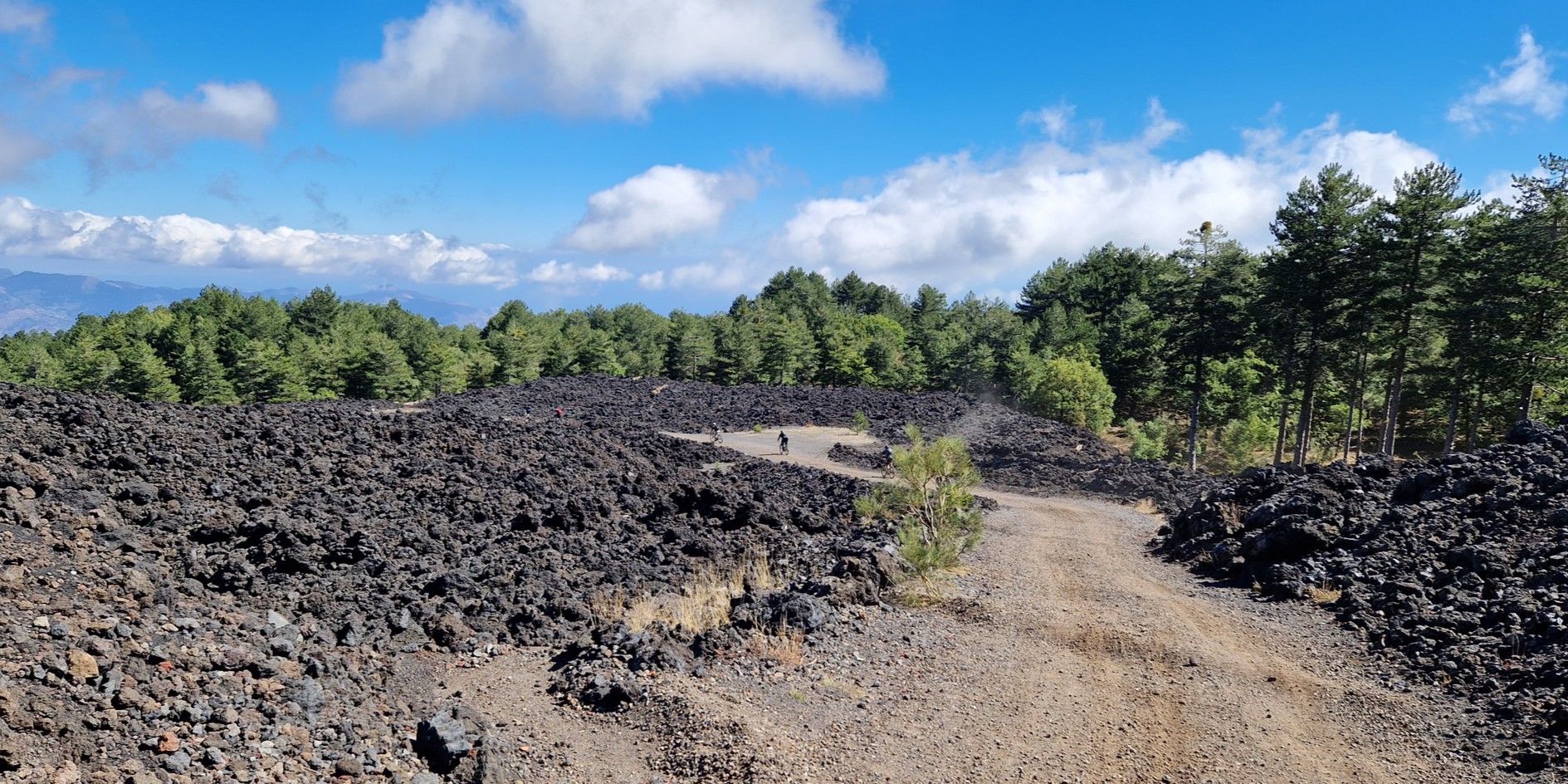
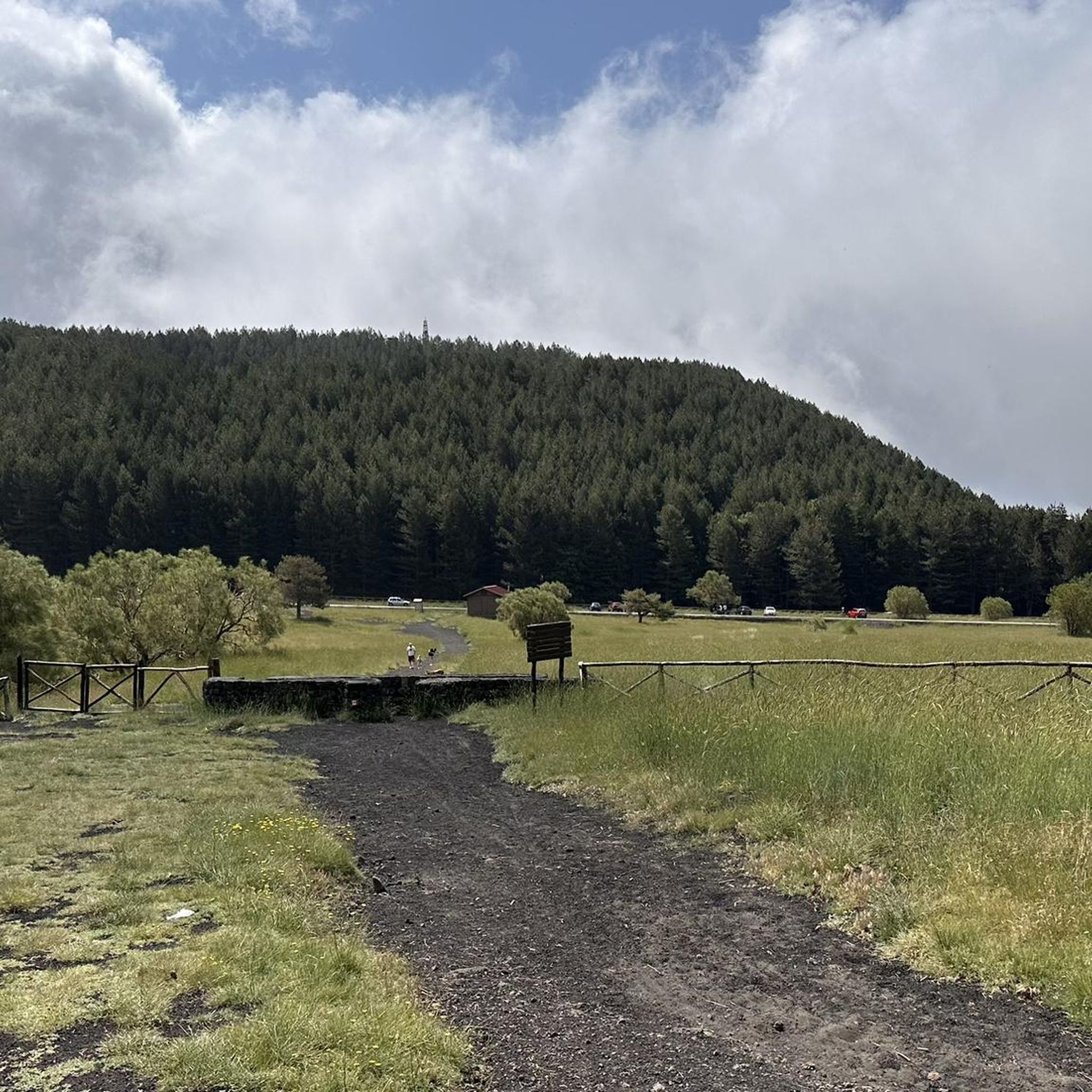
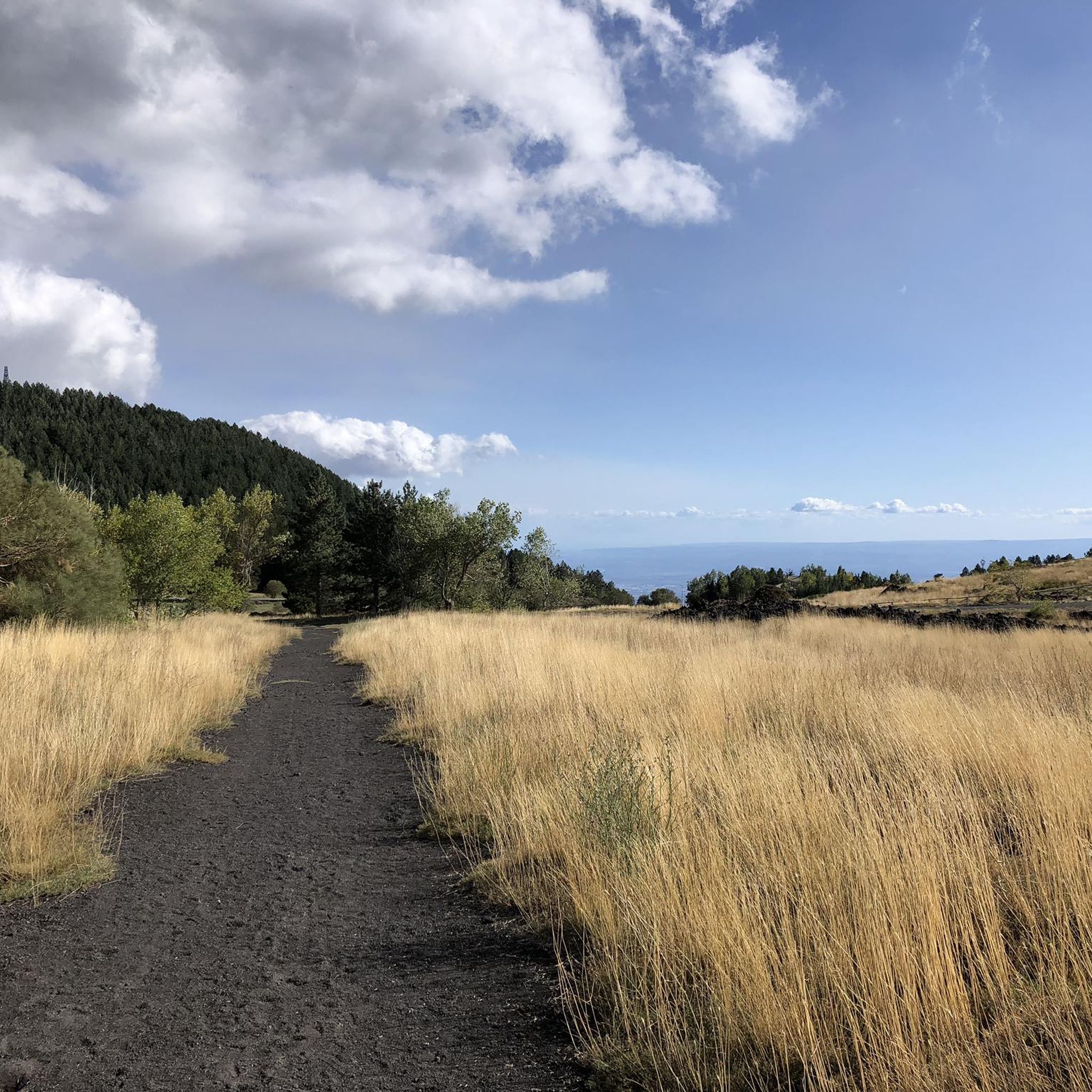
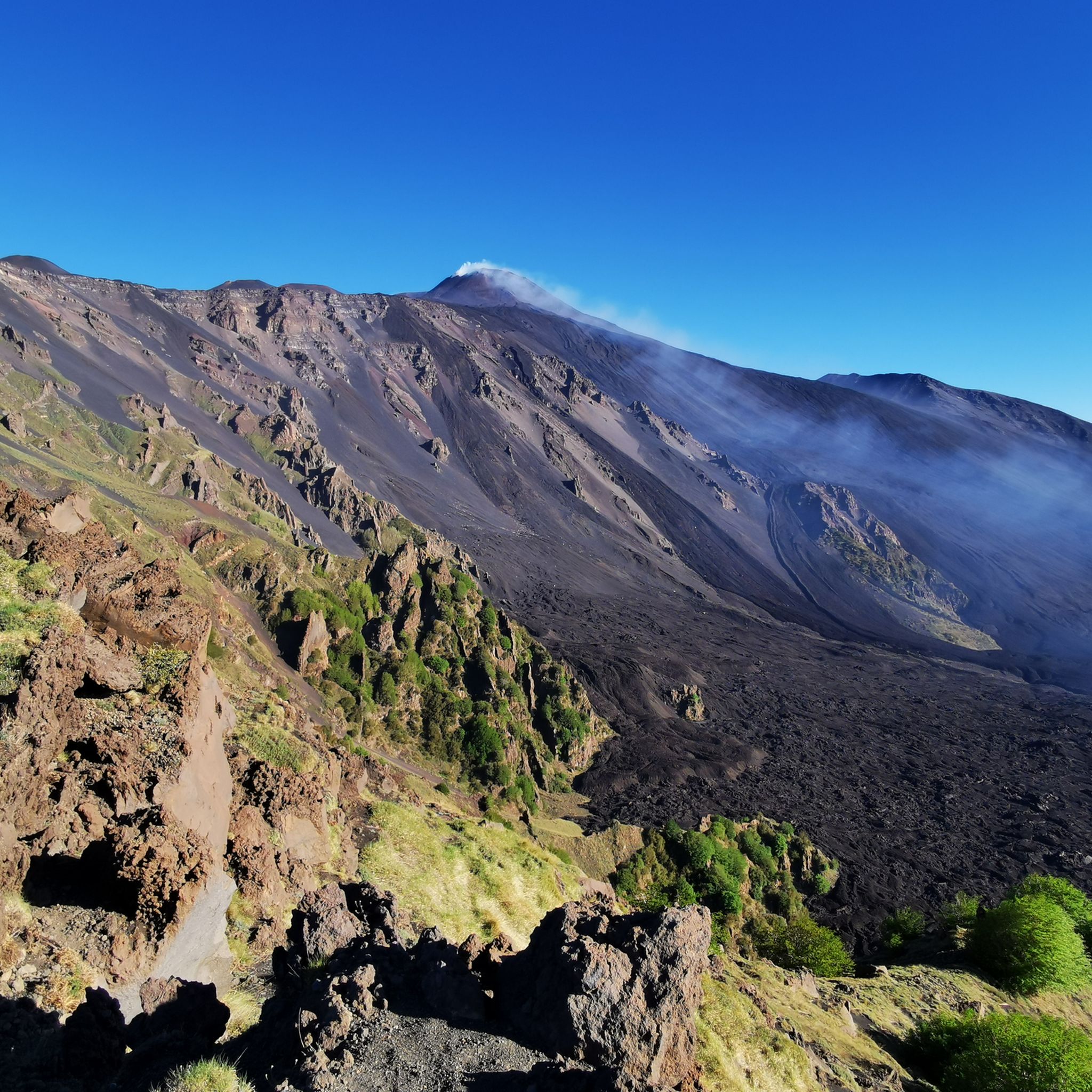
Other adventures around Ragalna

Tips from the Community

It is located at about 2040 meters above sea level. To reach it there are several routes, I recommend from Passo dei Dammusi or from Monte Pizzillo. Obviously, the route is not suitable for MTBs.
0
0


Deep cave not visitable. Located near a shelter unfortunately now closed by the forestry.
1
0

The Santa Barbara refuge is located in the Etna Park, immersed in a suggestive landscape of woods and lava flows. Recently renovated, it has a fireplace with a wood reserve and can be used as a bivouac. It is an excellent starting point for excursions around the volcano.
1
0
The Grotta del Gelo, on the northern side of Etna at 2,030 meters above sea level, is the southernmost glacier in Europe, known for its perennial ice maintained by unique climatic conditions.
1
0

One of the most beautiful lava tunnels on the north side of Mount Etna is the Serracozzo Grotto (surely often visited, but not signposted). A lava tunnel is not a cave, but rather one formed during an eruption, when a crust forms on the surface of the slowly flowing lava in flatter terrain. This "tunnel" is easy to enter (assuming there's no threat of a thunderstorm (flooding!) or ice and snow making entry dangerous). Don't forget your flashlight; two cave-ins in the ceiling provide sufficient light until halfway through the tunnel, after which it becomes very shallow and pitch-dark in places. It's worth exploring!
0
0

This cave was formed from a lava flow that cooled and solidified on the outside, but continued to flow inside, leaving a hollow space behind. The Grotta Serracozzo is particularly impressive because it has collapsed in two places, allowing daylight to enter.
0
0

There is no equipped area. The cave is fenced off because it is an overhanging well. Good connection. The view of Etna and the crater of Monte Nero degli Zappini in the foreground is spectacular.
0
0
Frequently Asked Questions
What types of caves can I explore around Ragalna?
The region around Ragalna, on the slopes of Mount Etna, is known for its diverse volcanic caves. You can explore lava tubes, which are tunnels formed by flowing lava, as well as ice caves like the unique Grotta del Gelo with its perennial ice. There are also multi-level volcanic caves, showcasing the complex geological history of Etna.
Are there any easily accessible caves for beginners or families?
Yes, some caves offer a more accessible experience. For example, Snow Grotto, also known as Grotta dei Ladroni, offers relatively easy access with steps carved into the rock, making it suitable for a less strenuous exploration. Grotta delle Palombe is also known for its considerable size and wide corridors, often providing a more accessible journey into Etna's volcanic activity.
What are some of the most unique geological features to see in the caves?
The caves around Ragalna are geological wonders. You can observe spectacular formations such as lava stalactites, volcanic bubbles, and iridescent colors on the walls. Grotta del Gelo is particularly unique for its perennial ice, a rare phenomenon at 2,000 meters above sea level, representing Europe's southernmost perennial glacier.
Which caves require more physical preparation or specialized equipment?
Some caves are more challenging. Grotta dei Tre Livelli, with its multi-level structure and intertwining corridors, requires good physical preparation due to narrow passages that may necessitate crawling. For the basal part of Case del Vescovo Caves, speleological equipment is needed for exploration.
What should I wear or bring when visiting the caves?
When exploring the caves, it's highly recommended to wear appropriate clothing and sturdy footwear. Many caves, like Snow Grotto, are pitch-black, so a flashlight is essential. Helmets are also advisable for safety, especially in caves with lower ceilings or uneven terrain. Guided tours often provide necessary equipment.
Can I explore the caves on my own, or do I need a guide?
While some caves might have more straightforward access, exploring volcanic caves can be challenging and potentially hazardous. It is highly recommended to rely on expert guides and use appropriate equipment for a safe and informative experience. Many tours originating from Catania, easily arranged from Ragalna, include visits to lava flow caves as part of Mount Etna excursions.
Are there hiking or cycling routes near the caves around Ragalna?
Yes, the area around Ragalna offers numerous outdoor activities. You can find various hiking routes, such as the 'Rifugio Santa Barbara – Lava Flows of Mount Etna loop', or more challenging options like the 'Bench With View of Mount Etna – Galvarina Hut loop'. For cycling enthusiasts, there are gravel biking and MTB trails, including the 'Etna's Altomontana Slope'. You can find more details on these activities in the hiking guide and MTB trails guide for Ragalna.
What is the best time of year to visit the caves near Ragalna?
The caves can be visited year-round, but the best season often depends on the specific cave and your tolerance for weather conditions. Summer offers warmer temperatures for surface exploration, while some caves, like Grotta del Gelo, maintain their unique ice formations regardless of the season. Winter caving might require more specialized gear and experience due to snow and ice on the surface trails leading to the caves.
Where can I find a good starting point or refuge for cave explorations?
Rifugio Santa Barbara is an excellent starting point for excursions around Mount Etna, including cave exploration. Located in Etna Park amidst woods and lava flows, it offers a place for rest and can even be used as a bivouac if registered in advance.
What is the historical significance of some of the caves?
Beyond their geological importance, some caves hold historical significance. For instance, Snow Grotto (Grotta dei Ladroni) is associated with a legend of bandits using it as a hiding place in the 18th century. Other caves, like Case del Vescovo Caves, were historically used as summer deposits for snow, highlighting past human interaction with these natural formations.
Are there any cafes or amenities near the cave exploration areas?
While the immediate vicinity of some remote caves might not have direct amenities, areas like Rifugio Santa Barbara serve as a good rest stop. Many tours to the Etna caves often include stops at facilities or are easily accessible from towns like Ragalna where cafes and restaurants are available. It's always a good idea to bring your own provisions for the actual cave exploration.
How can I learn more about the geology of the Etna caves?
The caves are primarily lava tubes, formed when incandescent lava created underground conduits during volcanic eruptions. As the lava flow ceased and emptied, the tunnels remained. To delve deeper into the geological processes and unique formations, guided tours often provide expert insights. You can also find more information on the Etna caves through resources like Euro Etna Tourism.
Most popular attractions around Ragalna

Get inspired with the komoot mobile app


Explore more
Extend your search for the best caves by checking out these guides of the top ones around Ragalna:
