Top 7 Caves around Blevio
Caves around Blevio offer insights into the geological and historical landscape of the eastern shore of Lake Como. This region is characterized by its tranquil atmosphere and historic villas, providing a backdrop for natural features. The wider area near Lake Como contains notable cave systems. These sites combine geological formations with archaeological and historical interest.
Best caves around Blevio
- The most popular caves is Buco del Piombo, a cave of karst origin. It is a huge cavity, 45 meters…
Last updated: June 29, 2026
Buco del Piombo
Highlight • Cave
Translated by Google •
Tip by

Scalota del Cico
Highlight • Trail
Translated by Google •
Tip by
Sign up now to discover places like this
Get recommendations on the best single tracks, peaks, & plenty of other exciting outdoor places.
Sign up for free
Grotta del Cepp
Highlight • Cave
Translated by Google •
Tip by

Marenghi Park Marian Grotto
Highlight • Cave
Before climbing the steps of the lighthouse, on the left is the small Marenghi park with a Marian grotto.
Translated by Google •
Tip by

View of the Cliffs of Val Bova
Highlight • Viewpoint
Translated by Google •
Tip by
Sign up for free to discover even more caves around Blevio.
Sign up for free
Already have an account?
Start today with a free account
Your next adventure awaits.
Login or Signup
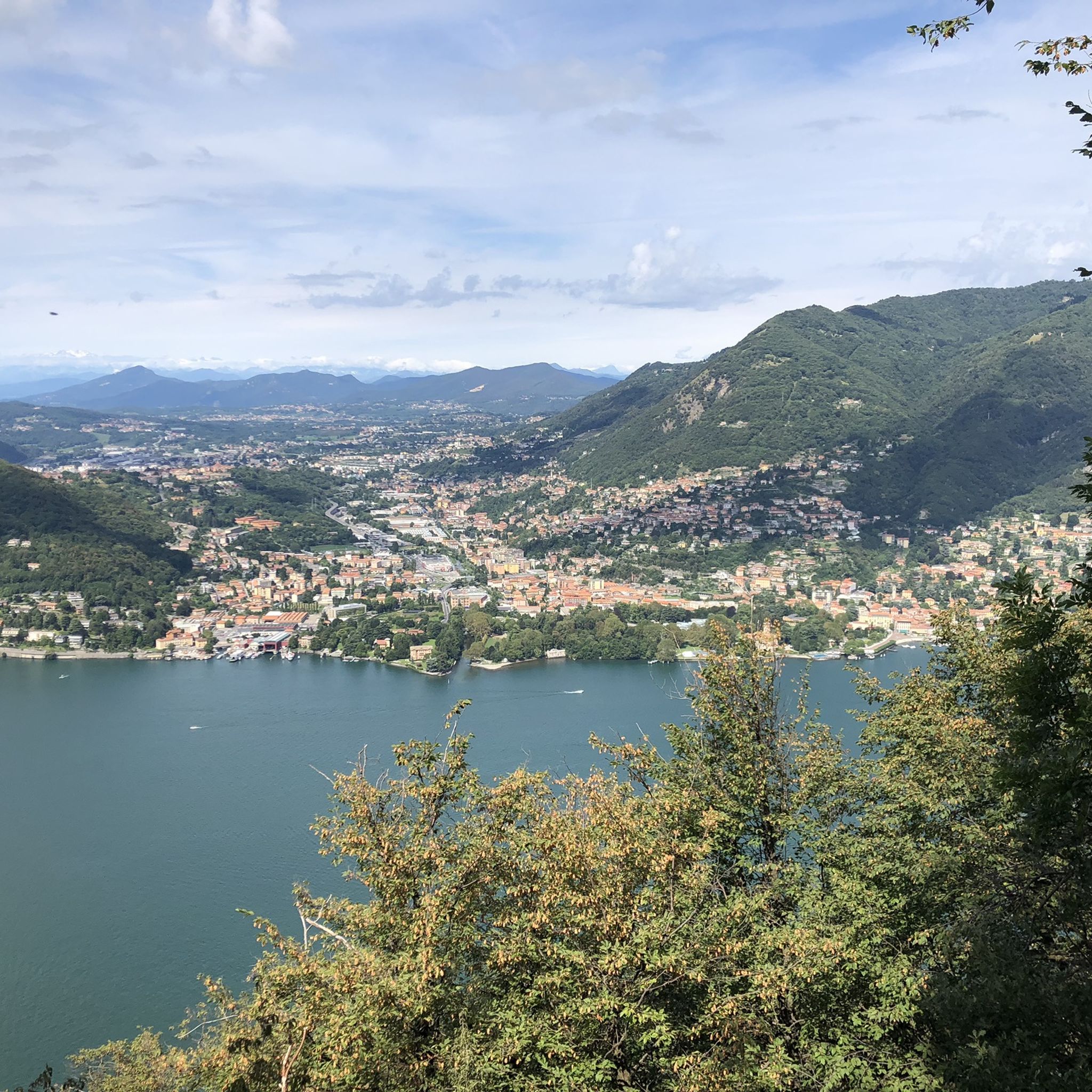
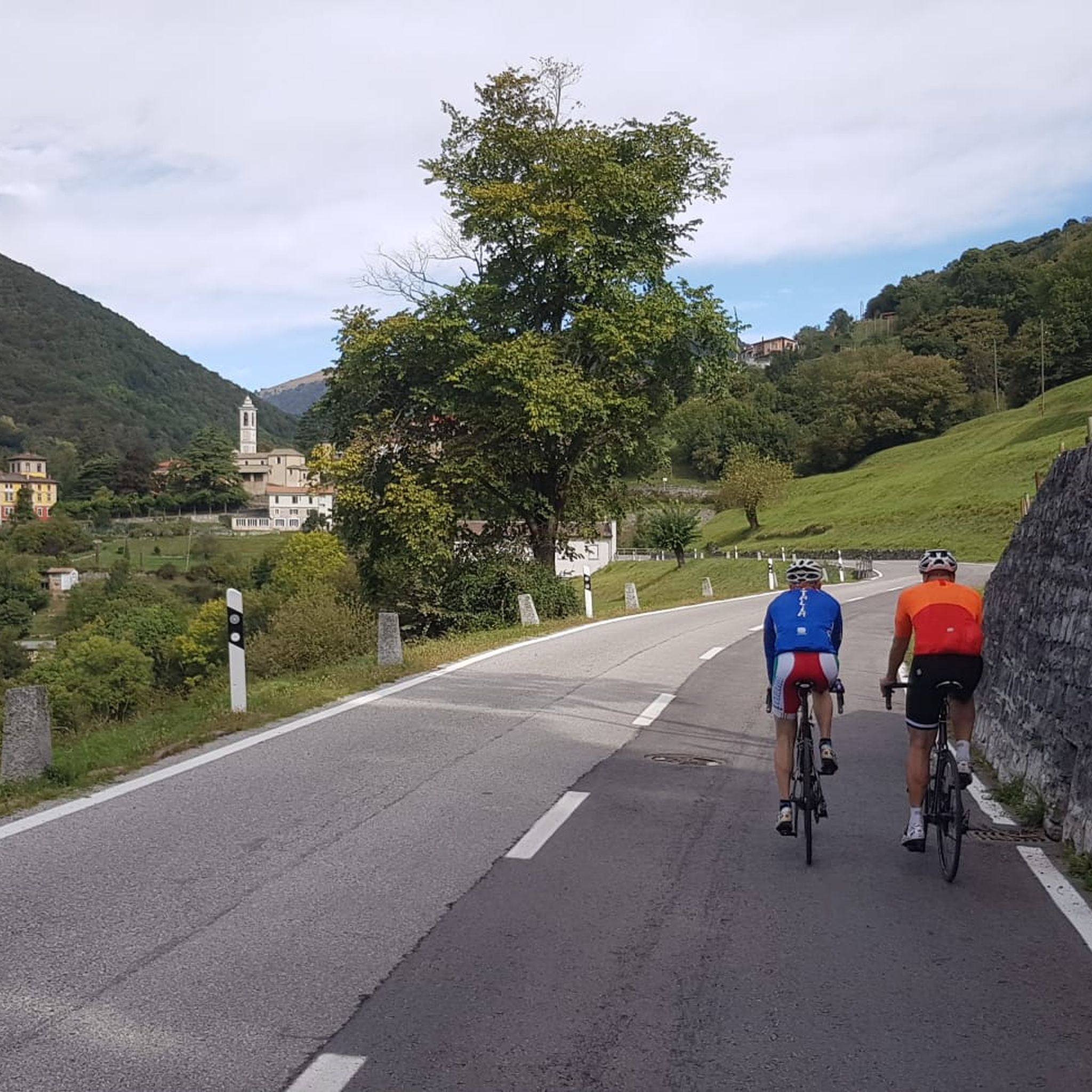
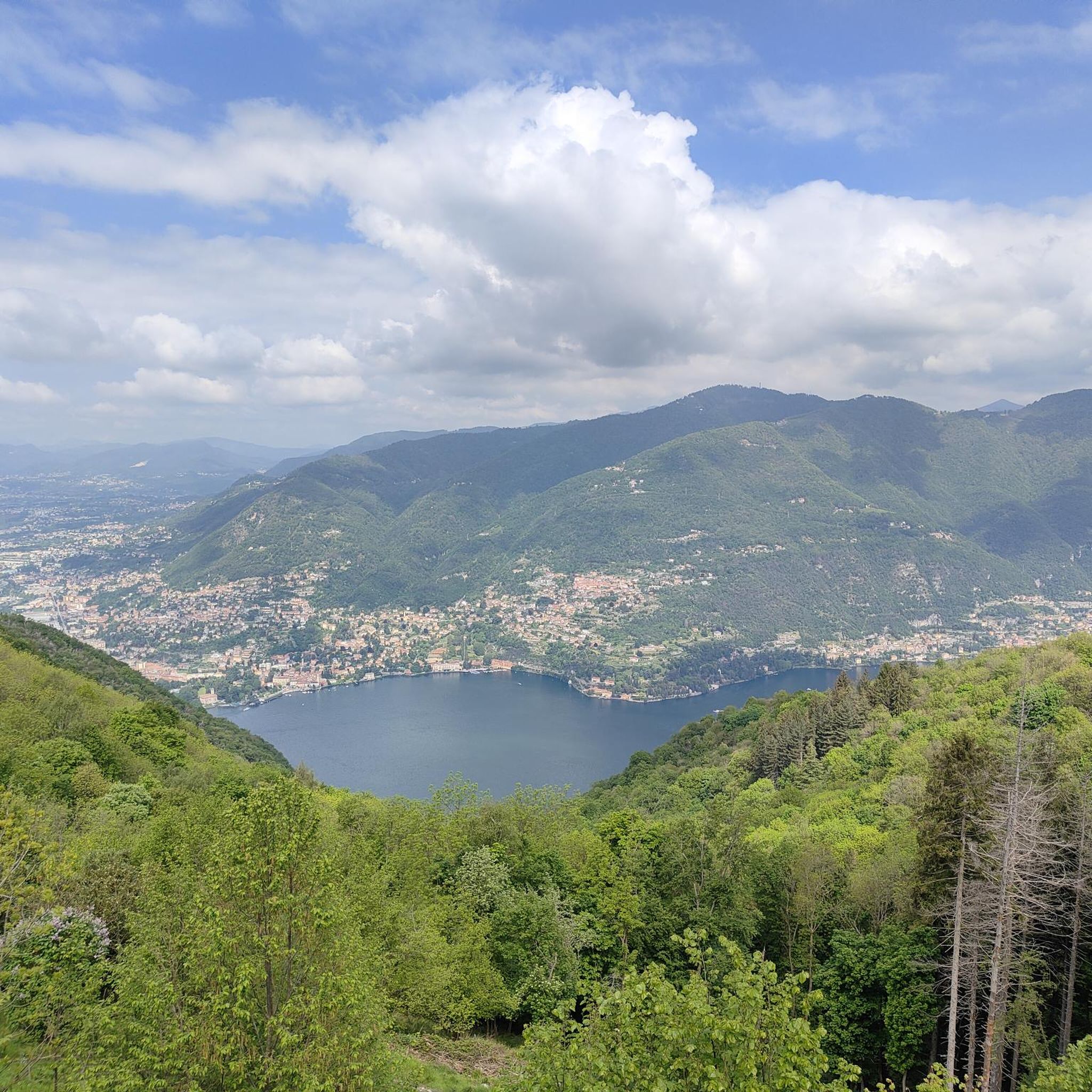
Tips from the Community

October 2025: The trail is closed by a gate but still worth a visit
0
0

suggestive path among the remains of a mine
0
0

From the Grotta del Cepp locality, numerous paths begin that lead to Monte Boletto, Monte Bolettone and Alpe del Vicerè in the Albese Valley.
0
0


Originating from the action of rain, over millions of years, on the sedimentary rock called Majolica which is nothing but the bottom of an ancient ocean from the Mesozoic era, which emerged 140 million years ago, the cave is the point of entrance to an intricate system of tunnels that develop under the Alpe del Viceré.
1
0
View of the overhanging rock face in the center of which is the entrance to a large cave: the Buco del Piombo
1
0
Frequently Asked Questions
What makes the caves around Blevio unique?
The caves in the wider Blevio region offer a blend of geological, archaeological, and historical significance. For instance, the Buco del Piombo is a massive Jurassic cavern with paleontological remains and medieval structures, while the Rescia Caves are unique for their formations within travertine and impressive waterfalls.
Are there any family-friendly caves to visit near Blevio?
Yes, the Rescia Caves (Grotte di Rescia) are well-maintained, safe, and suitable for all ages, offering a 500-meter walking path through unique formations. Additionally, the Marenghi Park Marian Grotto is listed as family-friendly, though it's more of a religious shrine than a natural cave for exploration.
What kind of historical or archaeological discoveries can be found in the caves?
The Buco del Piombo is particularly rich in history and archaeology. It contains significant paleontological remains of the extinct *Ursus Spelaeus* (cave bear) and flint tools from the Paleolithic era. Medieval brickwork at its entrance also indicates it served as a strategic refuge in the 6th century.
What natural features can I expect to see inside the caves?
Inside caves like the Rescia Caves, you can admire diverse formations such as stalagmites, stalactites, and other rare concretions, along with small waterfalls, streams, and ponds. The Rescia Caves also feature a natural opening with panoramic views of the 'Orrido di Santa Giulia,' a ravine with a 70-meter waterfall.
Are there guided tours available for the caves?
Yes, guided tours are available for the Buco del Piombo. It reopened in summer 2024 after safety works, making it accessible for visitors to explore its geological and historical wonders with expert guidance.
What are the best outdoor activities to combine with a cave visit near Blevio?
Many caves are situated near excellent outdoor activity areas. For example, the Buco del Piombo is reachable from Alpe del Vicerè, which offers further opportunities for hiking. The Grotta del Cepp is a starting point for numerous paths leading to Monte Boletto, Monte Bolettone, and Alpe del Vicerè. You can find more hiking options in the Mountain Hikes around Blevio guide.
Are there any caves that are more about trails or former mining sites?
Yes, Scalota del Cico is described as a suggestive path among the remains of a mine, offering an astonishing old pathway walked by locals. This provides a different kind of 'cave-like' experience, focusing on historical human activity rather than purely natural formations.
What is the 'blue grotto' of Lake Como and how can I visit it?
The 'blue grotto' of Lake Como is the Grotta dei Bulberi, located near Lezzeno. It's known for enchanting light effects, particularly beautiful in the afternoon and early evening. To visit, you can rent a boat to admire the light reflections from the water.
What is the difficulty level for exploring caves in the Blevio area?
The difficulty varies. The Rescia Caves are generally accessible via paths with steps and steel walkways, suitable for most visitors. The Buco del Piombo is a large natural cave with guided tours, implying a managed experience. Some highlights, like Scalota del Cico, are part of challenging trails, so it's best to check individual highlight details for specific difficulty ratings.
Can I find any caves with panoramic views?
Yes, the Rescia Caves offer a natural opening with panoramic views of the 'Orrido di Santa Giulia,' which features a 70-meter waterfall. Additionally, the View of the Cliffs of Val Bova highlight provides a view of the overhanging rock face where the entrance to the large Buco del Piombo cave is located.
What do visitors appreciate most about the caves around Blevio?
Visitors appreciate the unique combination of natural beauty, historical depth, and archaeological significance. The sheer size of caverns like the Buco del Piombo, the distinctive travertine formations of the Rescia Caves, and the ancient pathways of sites like Scalota del Cico all contribute to a memorable experience.
Most popular attractions around Blevio

Get inspired with the komoot mobile app


Explore more
Extend your search for the best caves by checking out these guides of the top ones around Blevio:
