Top 13 Castles around Montecalvo Versiggia
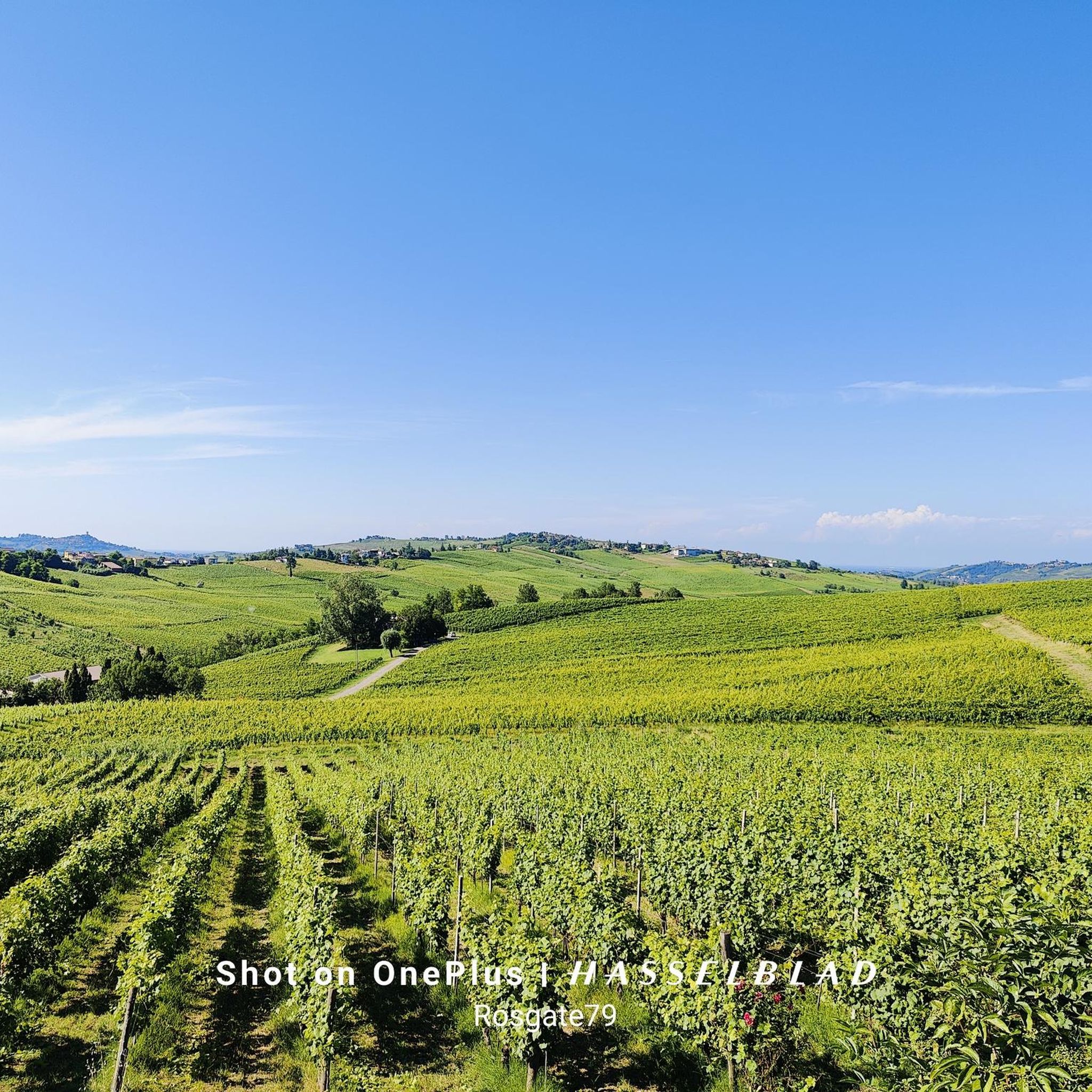
Castles around Montecalvo Versiggia are situated in the Oltrepò Pavese region, often atop hills at elevations such as 360 meters above sea level. This area is characterized by its historical significance, with structures like the Castello di Montecalvo serving as examples of medieval architecture. These fortifications once played a crucial role in the defensive systems of valleys like the Versa. The region offers a landscape where historical landmarks are integrated into the natural terrain.
Best castles around Montecalvo Versiggia
- The…
Last updated: October 16, 2026
Cicognola Castle and Viewpoint
Highlight • Castle
Translated by Google •
Tip by

Montalto Pavese
Highlight • Settlement
Translated by Google •
Tip by

Sign up now to discover places like this
Get recommendations on the best single tracks, peaks, & plenty of other exciting outdoor places.
Castello di Luzzano
Highlight • Castle
Translated by Google •
Tip by

Olgisio Fortress
Highlight • Castle
Translated by Google •
Tip by

Rocca di Pianello Val Tidone
Highlight • Castle
Translated by Google •
Tip by
Sign up for free to discover even more castles around Montecalvo Versiggia.
Already have an account?
Start today with a free account
Your next adventure awaits.

Tips from the Community

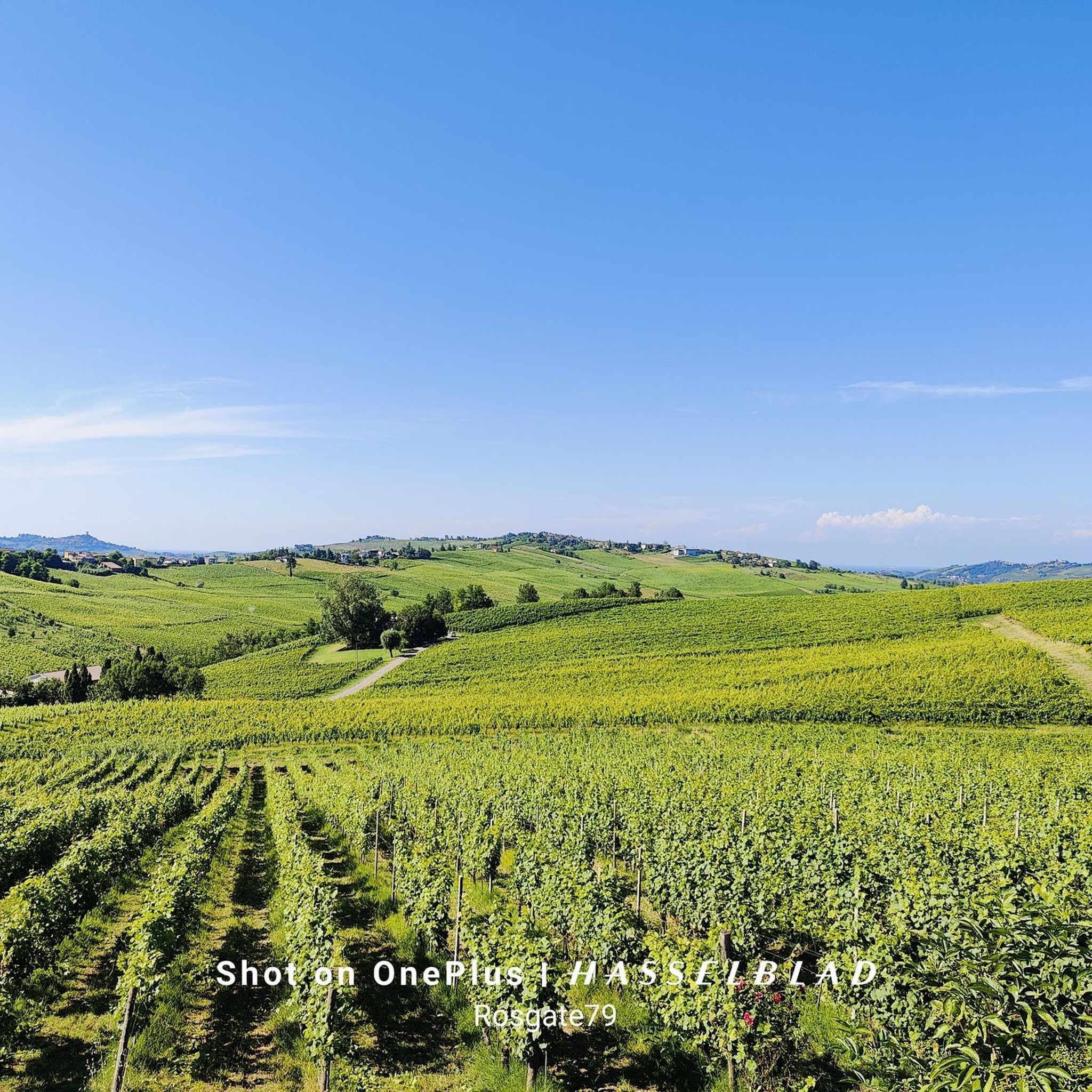
The Castello di Cigognola (often searched as Cicognola) and its famous Belvedere are one of the most iconic historical and scenic complexes in the Oltrepò Pavese. Located at an altitude of 309 meters in the municipality of Cigognola (Pavia), the complex strategically overlooks the outlet of the Valle Scuropasso into the plains. On clear days, the public Belvedere offers an extraordinary view that stretches from Pavia to Milan, even revealing the entire Alpine chain and Monte Rosa.
0
0


Montalto Pavese stands in a dominant position on the first hills above Casteggio, the beautiful castle (one of the best preserved in the region) with its Italian garden and its wine production.
23
0

Village above Casteggio with two excellent restaurants and panoramic square
1
0

Vicobarone, of Roman origins, takes its name from a 'Vicus Varroni' of the imperial era and has been known as "Vici Baruni" since the year 833. Possession of the monastery of Bobbio and considered one of the first organized communities in the area, it expanded thanks to the numerous and important monastic cells of the Bobbio monastery, present in the area. The transformation of the castle dates back to the end of the seventeenth century, carried out by the Marquises Malvicini Fontana who made it an elegant residence with large and well-kept cellars. A final renovation was recently carried out by the current owners who adapted the building to accommodate tourists without altering its architectural characteristics and recovering the thousandth tower in which the "blade well" from the feudal era was located.
0
0
The Rocca di Pianello is believed to have been built towards the end of the fourteenth century, perhaps adapting a pre-existing 10th century fortress, destroyed by Federico Barbarossa in 1164. The reconstruction probably took place following the Visconti investiture of Jacopo Dal Verme in 1378. The irregular plan of the The building is perhaps due to the need to place a late medieval extension to the only tower of which we traditionally have memory. The owners made important changes in the 17th century, transforming it into a private home; today the building houses the Municipality of Pianello and the Archaeological Museum of Val Tidone, which houses the fundamental evidence that emerged from excavations in the area.
0
0

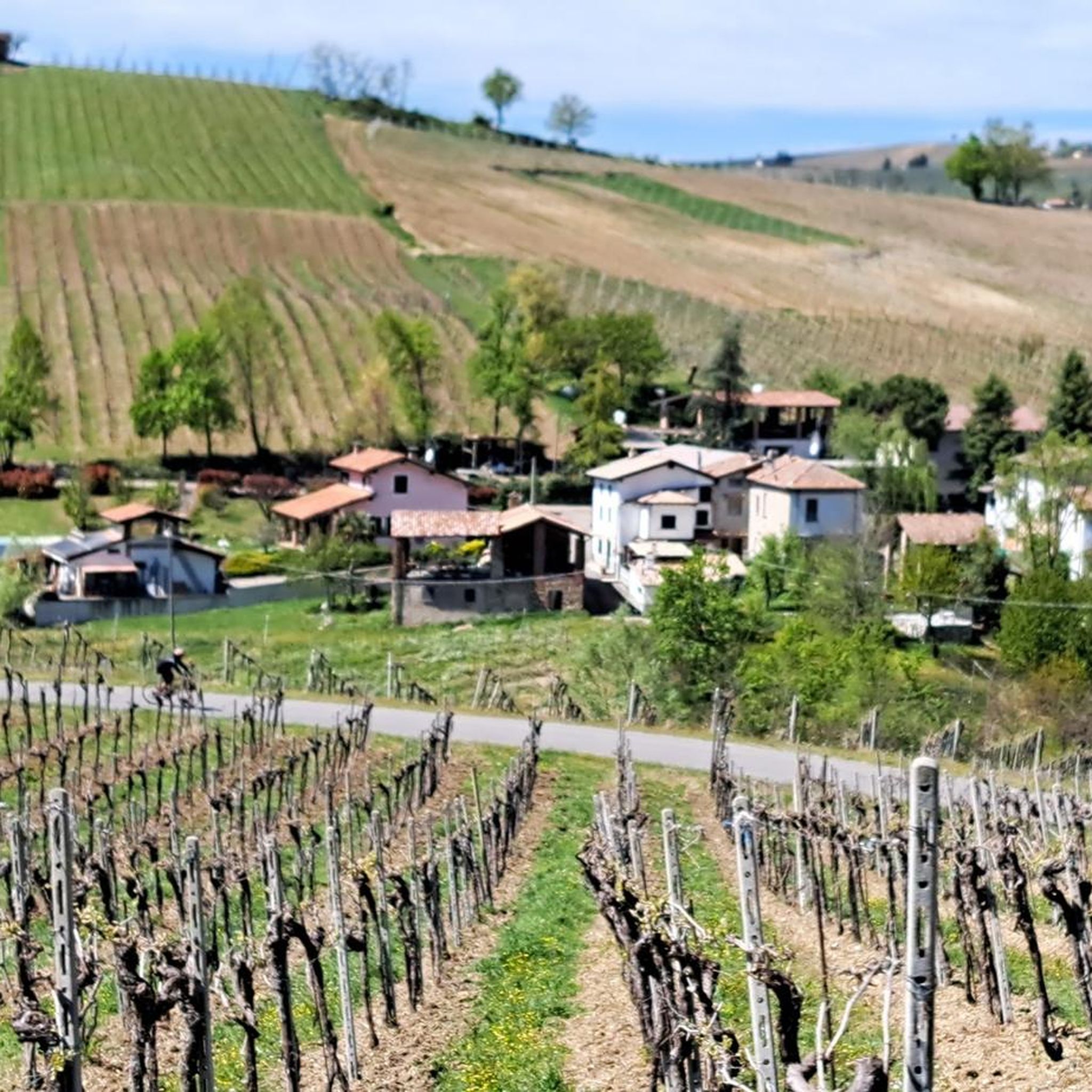
You arrive from Scuropasso, Casteggio or Oliva Gessi. Coming from Pavia, you go up from the Scuropasso valley, via Lirio and Finigeto. Nice climb, longer than the usual low hill climbs, about 6 km. Fairly regular, with a few short stretches of counterslope once you reach the coast. Overview. Very little traffic.
1
0

The Rocca d'Olgisio is one of the oldest and most evocative fortified complexes in the Piacenza area, both for its position dominating the Tidone and Chiarone streams and for its architecture. Its history dates back to the 11th century, when it belonged to the monks of S. Savino of Piacenza; conquered in 1378 by Gian Galeazzo Visconti, he handed it over to the Dal Verme family, to whom it belonged, with intervals, until the mid-nineteenth century. Since 1979 it has been owned by the Bengalli family.
2
0
Frequently Asked Questions
What are some notable castles to visit around Montecalvo Versiggia?
The region offers several impressive castles. You can explore Cicognola Castle and Viewpoint, known for its strategic position on the Scuropasso Valley and its defensive role in the Middle Ages. Another significant site is Montalto Pavese, which features a well-preserved castle with an Italian garden and wine production. Further afield, the Olgisio Fortress is one of the oldest fortified complexes in the Piacenza area, dominating the Tidone and Chiarone streams.
What is the historical significance of castles in the Montecalvo Versiggia region?
The castles in the Montecalvo Versiggia region, particularly in Oltrepò Pavese, played a crucial role in medieval defense. Structures like the Castello di Montecalvo, dating back to the 12th century, were strategically built on hilltops to control valleys and traffic. They often underwent transformations over centuries, reflecting changing ownership by noble families and evolving from defensive strongholds to country residences.
Can I visit the Castello di Montecalvo itself?
The historic Castello di Montecalvo, while a significant example of medieval architecture, is currently a private dwelling. Its imposing presence atop a hill offers a tangible link to the past, but it is not generally open for public tours.
Are there family-friendly castles or activities near Montecalvo Versiggia?
Yes, the Rocca di Pianello Val Tidone is categorized as family-friendly. This fortress, which now houses the Municipality of Pianello and the Archaeological Museum of Val Tidone, offers an educational experience for all ages, showcasing evidence from local excavations.
When is the best time of year to visit the castles around Montecalvo Versiggia?
The Oltrepò Pavese region generally enjoys pleasant weather from spring through early autumn (April to October). Visiting during these months allows for comfortable exploration of the castles and their surrounding landscapes, with milder temperatures ideal for outdoor activities.
What outdoor activities can I do near the castles around Montecalvo Versiggia?
The area around Montecalvo Versiggia is excellent for various outdoor activities. You can find numerous MTB trails, road cycling routes, and running trails. Options range from moderate to difficult, such as the 'Golferenzo and Montecalvo Versiggia' MTB trail or the 'Monte Barosine nord-est' running loop.
Are there good viewpoints or natural features near the castles?
Many castles in the region are situated on hilltops, offering excellent viewpoints. For instance, Cicognola Castle and Viewpoint is specifically noted for its high-altitude position and strategic views over the Scuropasso Valley. The Olgisio Fortress also boasts a commanding position overlooking the Tidone and Chiarone streams.
Are there dining options or cafes near the castles?
While specific cafes or restaurants directly adjacent to every castle are not listed, the settlements where some castles are located, such as Montalto Pavese, often have local eateries. The Oltrepò Pavese region is known for its wine production, so you may find opportunities for wine tasting and local cuisine in nearby villages.
How can I reach the castles around Montecalvo Versiggia?
Many castles in the Oltrepò Pavese are located in rural, hilly areas. While some larger towns might have limited public transport connections, reaching many of these historical sites, especially those on hilltops, is often best done by car. Parking availability varies by location, so it's advisable to check for specific castles if driving.
What kind of architecture can I expect to see in the castles of this region?
The castles around Montecalvo Versiggia showcase a range of medieval architectural styles, often built from local stone with brick inserts. You'll find defensive features like scarped bases, remnants of towers, and U-shaped plans, reflecting their origins as fortifications. Over time, some have been modified into more elegant country residences, blending defensive structures with later residential additions.
What do visitors enjoy most about the castles in Montecalvo Versiggia?
Visitors appreciate the rich history and architectural significance of the castles, offering a glimpse into the medieval past. The strategic hilltop locations provide stunning views of the surrounding Oltrepò Pavese landscape. The komoot community has shared over 40 photos and given more than 110 upvotes, highlighting the visual appeal and historical interest of these sites.
Most popular routes around Montecalvo Versiggia
Most popular attractions around Montecalvo Versiggia

Get inspired with the komoot mobile app


Explore more
Looking for the best castles somewhere else? Discover other guides around Montecalvo Versiggia:
