Top 11 Castles around Santa Maria Della Versa
Best castles around Santa Maria Della Versa are found within the Oltrepò Pavese region of Italy, an area known for its historical fortified structures and scenic landscapes. The region features rolling hills and valleys, providing strategic locations for medieval castles and towers. Santa Maria Della Versa itself has historical ties to ancient fortified villages, offering a glimpse into the area's past. This area combines historical exploration with natural beauty, making it suitable for those interested in regional heritage.
Best castles…
Last updated: June 29, 2026
Cicognola Castle and Viewpoint
Highlight • Castle
Translated by Google •
Tip by

Montalto Pavese
Highlight • Settlement
Translated by Google •
Tip by

Sign up now to discover places like this
Get recommendations on the best single tracks, peaks, & plenty of other exciting outdoor places.
Sign up for free
Rocca of Borgonovo Val Tidone
Highlight • Castle
Piazza Giuseppe Garibaldi, 18, 29011 Borgonovo Val Tidone PC
Translated by Google •
Tip by

Rocca di Pianello Val Tidone
Highlight • Castle
Translated by Google •
Tip by

Castello di Luzzano
Highlight • Castle
Translated by Google •
Tip by
Sign up for free to discover even more castles around Santa Maria Della Versa.
Sign up for free
Already have an account?
Start today with a free account
Your next adventure awaits.
Login or Signup

Tips from the Community

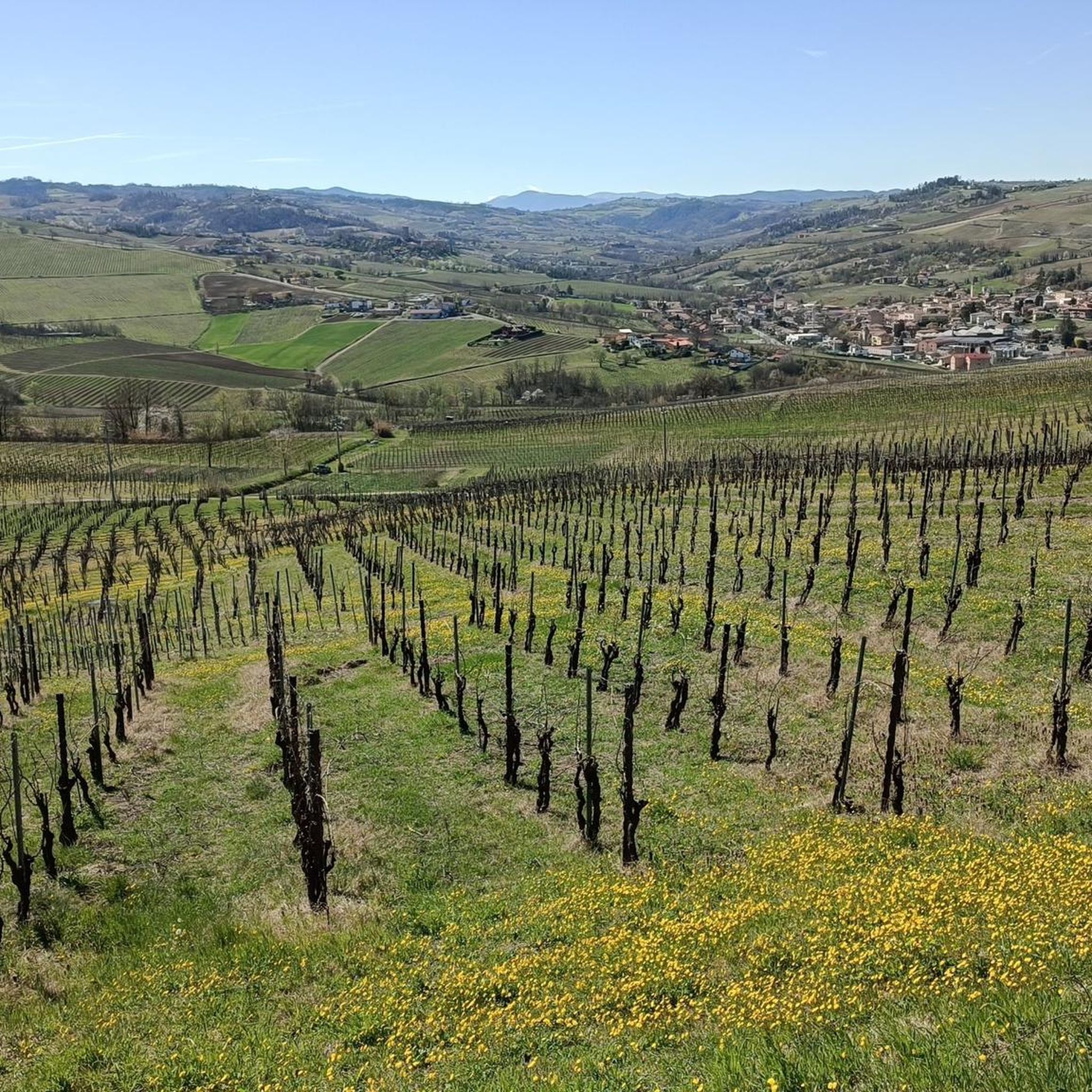
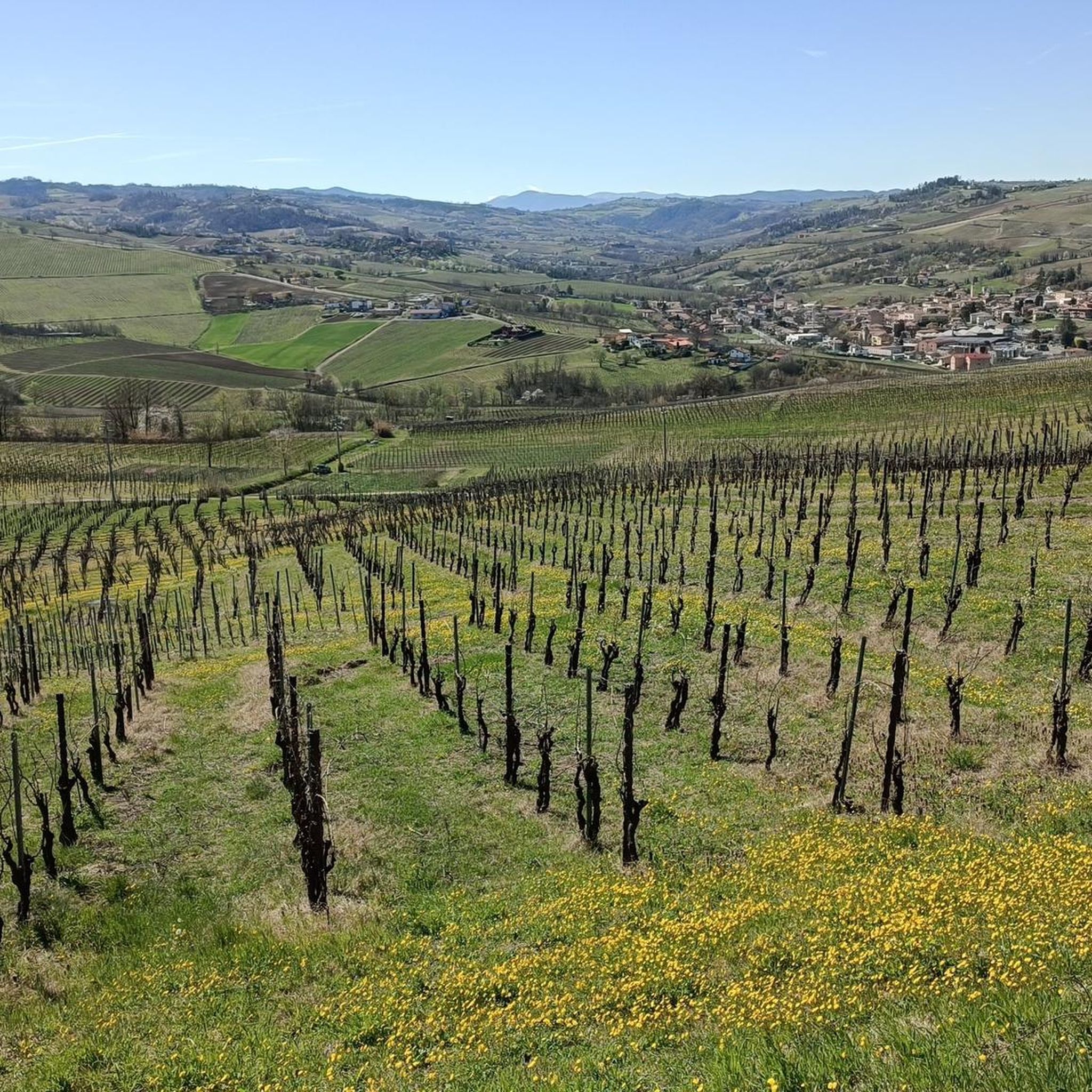
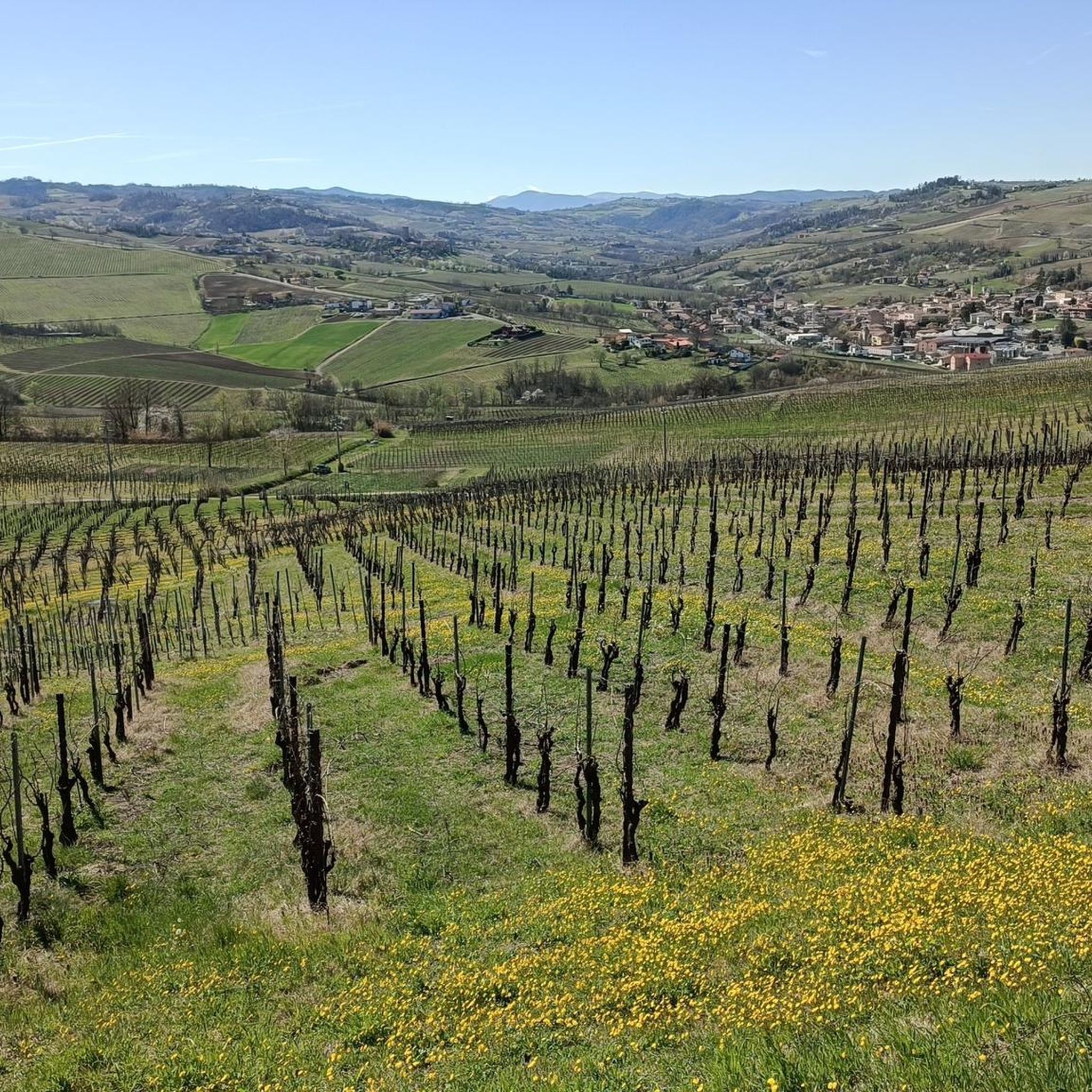
Montalto Pavese stands in a dominant position on the first hills above Casteggio, the beautiful castle (one of the best preserved in the region) with its Italian garden and its wine production.
23
0

Village above Casteggio with two excellent restaurants and panoramic square
1
0

Vicobarone, of Roman origins, takes its name from a 'Vicus Varroni' of the imperial era and has been known as "Vici Baruni" since the year 833. Possession of the monastery of Bobbio and considered one of the first organized communities in the area, it expanded thanks to the numerous and important monastic cells of the Bobbio monastery, present in the area. The transformation of the castle dates back to the end of the seventeenth century, carried out by the Marquises Malvicini Fontana who made it an elegant residence with large and well-kept cellars. A final renovation was recently carried out by the current owners who adapted the building to accommodate tourists without altering its architectural characteristics and recovering the thousandth tower in which the "blade well" from the feudal era was located.
0
0
The Borgonuovo oppidum was founded in 1196 by the Municipality of Piacenza to defend the western border of its territories, equipped with a fortress, towers and city walls with an escarpment and fortified entrances. In the current complex, built entirely of bricks, the fortress and the receptacle can clearly be distinguished. These buildings together with the church and the pilgrims' hospital once formed the village of Calendasco. The body of the fortress has typical elements of fourteenth-century Po Valley castles, such as the sawtooth motif combined with the crowning of small windows with segmental arches. The deep moat, the entrance, once equipped with a drawbridge as can be seen from the recesses of the ravelin, and the pusterla, or small door, with drawbridge access are still visible. To the south is a semicircular tower much higher than the rest of the building; the north-east wing, equipped with a scarp and with a rustic appearance and lack of homogeneity, dates back to a later period. The entrance hall, covered by a cross vault decorated with sixteenth-century frescoes, leads into the courtyard where a portico with three arches is visible. The receptacle, a rustic body with small arched windows and a decorative sawtooth motif, is outside the moat, near the bridge-beater.
0
0
The Rocca di Pianello is believed to have been built towards the end of the fourteenth century, perhaps adapting a pre-existing 10th century fortress, destroyed by Federico Barbarossa in 1164. The reconstruction probably took place following the Visconti investiture of Jacopo Dal Verme in 1378. The irregular plan of the The building is perhaps due to the need to place a late medieval extension to the only tower of which we traditionally have memory. The owners made important changes in the 17th century, transforming it into a private home; today the building houses the Municipality of Pianello and the Archaeological Museum of Val Tidone, which houses the fundamental evidence that emerged from excavations in the area.
0
0
Fortress of Borgonovo Valtidone The Borgonuovo oppidum was founded in 1196 by the Municipality of Piacenza to defend the western border of its territories, equipped with a fortress, towers and city walls with an escarpment and fortified entrances. In the current complex, built entirely of bricks, the fortress and the receptacle can clearly be distinguished. These buildings together with the church and the pilgrims' hospital once formed the village of Calendasco. The body of the fortress has typical elements of fourteenth-century Po Valley castles, such as the sawtooth motif combined with the crowning of small windows with segmental arches. The deep moat, the entrance, once equipped with a drawbridge as can be seen from the recesses of the ravelin, and the pusterla, or small door, with drawbridge access are still visible. To the south is a semicircular tower much higher than the rest of the building; the north-east wing, equipped with a scarp and with a rustic appearance and lack of homogeneity, dates back to a later period. The entrance hall, covered by a cross vault decorated with sixteenth-century frescoes, leads into the courtyard where a portico with three arches is visible. The receptacle, a rustic body with small arched windows and a decorative sawtooth motif, is outside the moat, near the bridge-beater.
0
0

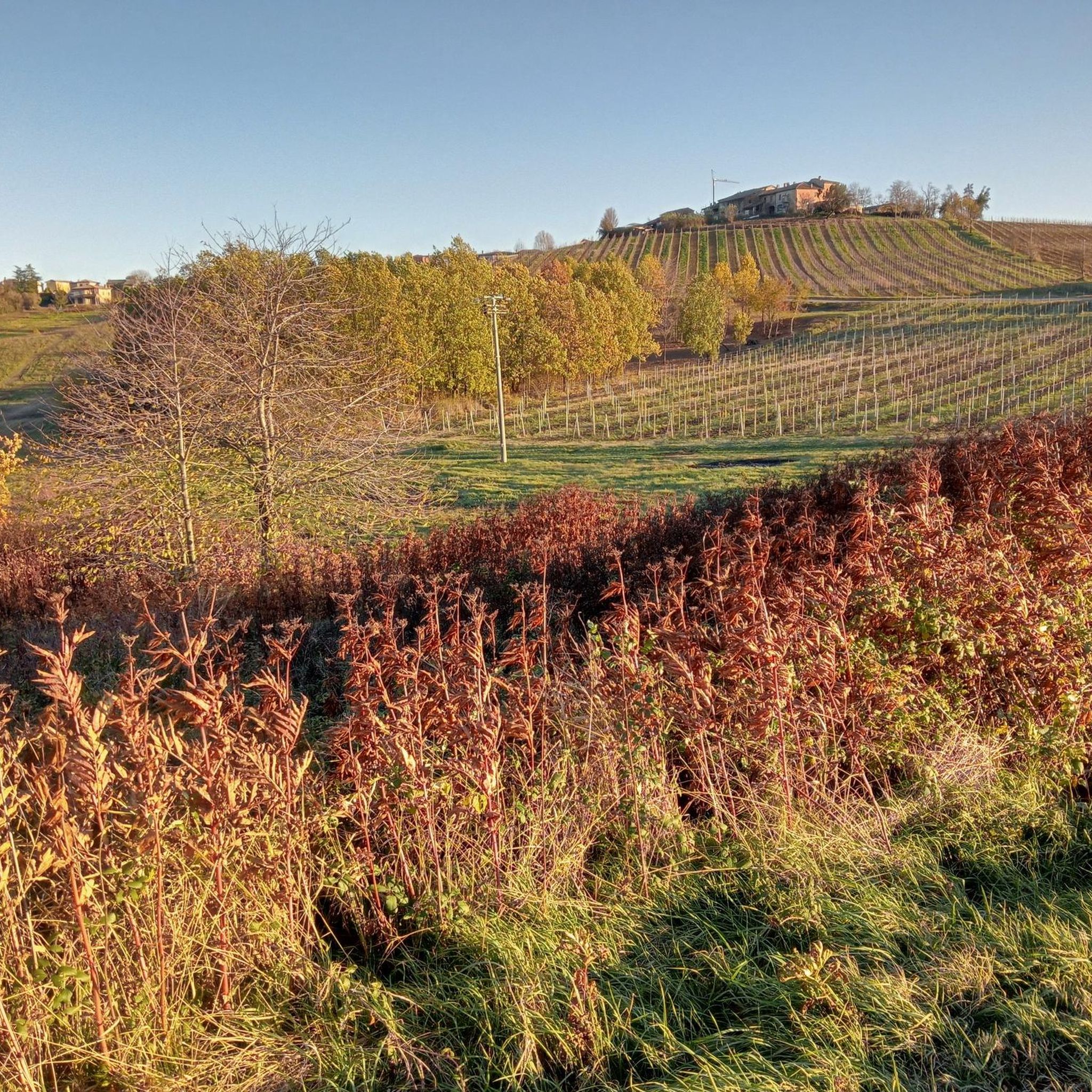
You arrive from Scuropasso, Casteggio or Oliva Gessi. Coming from Pavia, you go up from the Scuropasso valley, via Lirio and Finigeto. Nice climb, longer than the usual low hill climbs, about 6 km. Fairly regular, with a few short stretches of counterslope once you reach the coast. Overview. Very little traffic.
1
0

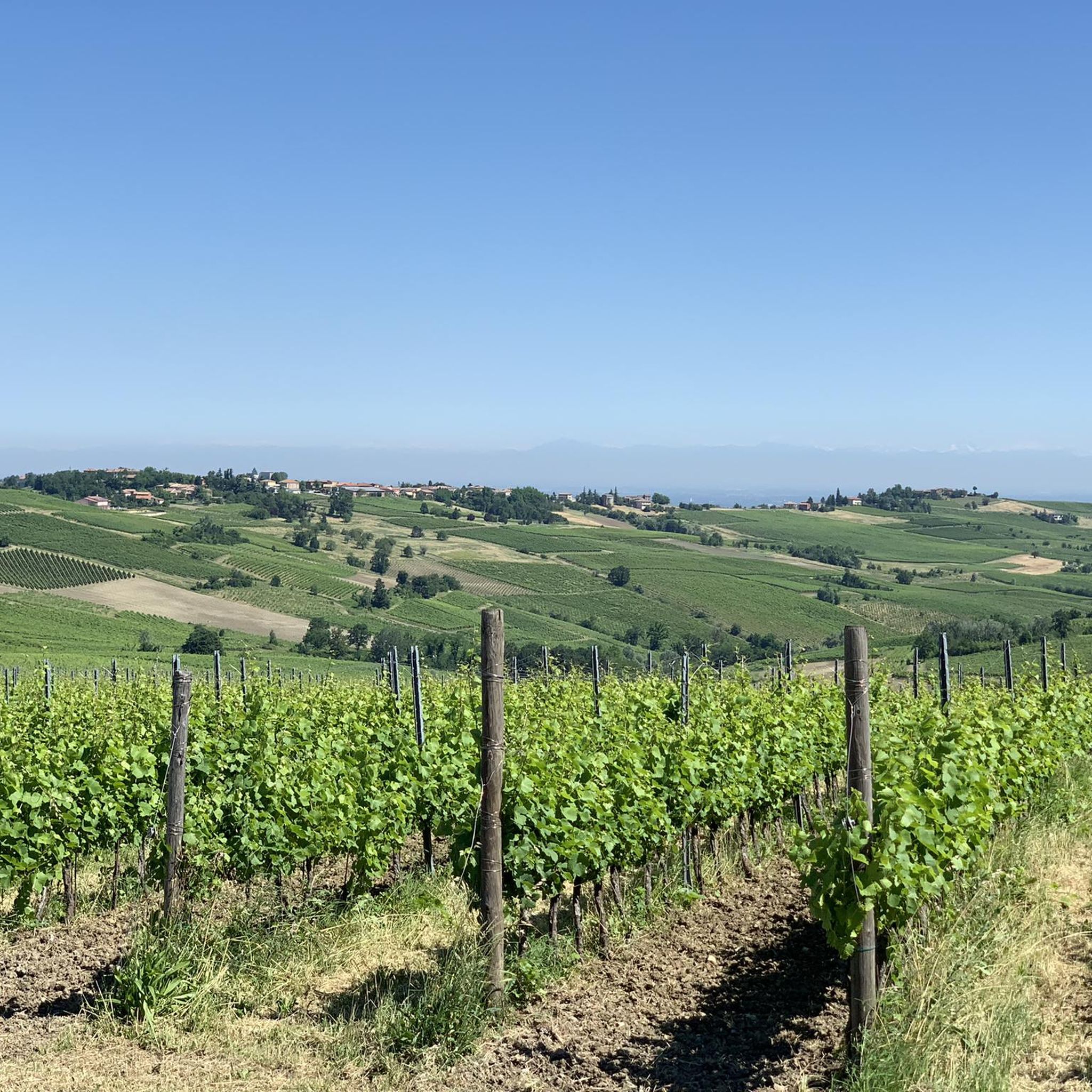
Cicognola offers a splendid castle and an equally interesting panoramic point on the hills of the Oltrepò Pavese. Stop in this small town for a break and to admire its beauties.
1
0
Frequently Asked Questions
Which castles offer the best panoramic views of the Oltrepò Pavese region?
For breathtaking panoramic views, consider visiting Cicognola Castle and Viewpoint, which is strategically positioned on the Scuropasso Valley. Additionally, Castello Dal Verme in Zavattarello offers stunning vistas of the Oltrepò Pavese and the Tidone Valley from its hilltop location. Castello di Oramala also provides exceptional views from its rocky spur.
Are there family-friendly castles to visit near Santa Maria Della Versa?
Yes, several castles in the region offer experiences suitable for families. The Rocca of Borgonovo Val Tidone is listed as family-friendly. While not explicitly listed as 'family-friendly' in all aspects, Castello Dal Verme in Zavattarello hosts various events, including medieval festivals and mystery tours, which can be engaging for families. Castello di San Gaudenzio, with its park and hotel facilities, could also be a pleasant visit for families.
What outdoor activities can I do near these castles?
The Oltrepò Pavese region offers various outdoor activities near its castles. You can find numerous running trails, cycling routes, and gravel biking opportunities. For example, you can explore routes like the 'Monte Barosine nord-est loop' for running or the 'Lago di Trebecco – Castello di Zavattarello loop' for cycling. For more options, check out the Running Trails around Santa Maria Della Versa, Cycling around Santa Maria Della Versa, and Gravel biking around Santa Maria Della Versa guides.
Which castles have historical significance related to the region's ancient origins?
The Torre di Soriasco, located in a hamlet of Santa Maria Della Versa, is a significant historical landmark. It's the last remaining tower of a 12th-century castle that was the capital of the area. Castello Dal Verme in Zavattarello dates back to the 10th century and was held by the powerful Dal Verme family for over six centuries. Castello di Oramala, also from the 10th century, was a prominent cultural center for the Malaspina family.
Are there any castles that also offer accommodation or dining options?
Yes, Castello di San Gaudenzio in Cervesina operates as a four-star hotel, restaurant, and event venue, allowing visitors to stay in period-furnished rooms and dine in elegant halls. Montalto Pavese, while a settlement, features a well-preserved castle with wine production and is known for its typical village atmosphere, often including local eateries.
What is the best time of year to visit the castles around Santa Maria Della Versa?
The Oltrepò Pavese region, with its rolling hills and vineyards, is particularly pleasant in spring and autumn. These seasons offer mild weather ideal for exploring castles and enjoying outdoor activities like hiking or cycling. Summer can also be enjoyable, though it might be warmer. Winter visits are possible, but some attractions or outdoor routes might have reduced hours or be less accessible.
Can I find cafes or restaurants near the castles?
While specific cafes directly adjacent to every castle are not guaranteed, the region is known for its culinary offerings. Castello di San Gaudenzio has an on-site restaurant. Villages like Montalto Pavese are typical of the Oltrepò Pavese and are likely to have local restaurants or cafes. Exploring the towns surrounding the castles, such as Zavattarello or Santa Maria Della Versa itself, will provide dining options.
Are there any castles that are privately owned or have limited public access?
Yes, the Torre di Soriasco is privately owned and not open to the public, though its imposing structure can be observed from the outside. Castello di Oramala is also a private residence but occasionally opens for special events and houses a museum. It's advisable to check ahead for specific opening times or event schedules for these locations.
Which castles are known for their architectural features?
Castello di San Gaudenzio, believed to be built by the Visconti family, showcases typical Viscontee characteristics with its square plan, four corner towers, and pointed arch windows. Castello Dal Verme in Zavattarello is a robust stone fortress with walls up to four meters thick and an irregular polygonal plan. The Rocca of Borgonovo Val Tidone, built entirely of bricks, features typical fourteenth-century Po Valley castle elements like the sawtooth motif.
What do visitors enjoy most about the castles in this region?
Visitors appreciate the blend of historical exploration and natural beauty. The castles offer a glimpse into the area's medieval past, with many providing stunning panoramic views of the Oltrepò Pavese landscape. The community has shared over 40 photos and given more than 110 upvotes, highlighting the visual appeal and historical significance of these sites. The well-preserved nature of some castles, like Montalto Pavese, is frequently mentioned.
Are there castles with connections to wine production in the area?
Yes, Montalto Pavese features a well-preserved castle with an Italian garden and its own wine production. Additionally, Castello di Luzzano, known for its Roman origins, was transformed into an elegant residence with large cellars by the Marquises Malvicini Fontana, indicating a historical connection to winemaking.
How long should I plan for a visit to a castle?
The duration of a visit can vary depending on the castle and your interest. For a site like Torre di Soriasco, which is viewed from the outside, a short stop of 15-30 minutes might suffice. For castles like Castello Dal Verme or Castello di San Gaudenzio, which offer tours, museums, or dining, you might spend anywhere from 1 to 3 hours, or even longer if you combine it with a meal or an event. Consider half a day if you plan to explore the surrounding village or nearby trails.
Most popular routes around Santa Maria Della Versa
Most popular attractions around Santa Maria Della Versa

Get inspired with the komoot mobile app


Explore more
Looking for the best castles somewhere else? Discover other guides around Santa Maria Della Versa:
