Top 9 Castles around Caminata
Best castles around Caminata offer a journey through centuries of history in the Piacenza region of Italy. This area is characterized by its rolling hills and strategic river valleys, which historically necessitated robust defensive structures. The castles here showcase diverse architectural styles, from medieval fortresses to those with Renaissance additions. Exploring these sites provides insight into the region's rich past and its cultural evolution.
Best castles around Caminata
- The most popular castles is Montalto Pavese, a settlement that features…
Last updated: May 18, 2026
Montalto Pavese
Highlight • Settlement
Translated by Google •
Tip by

Rocca di Pianello Val Tidone
Highlight • Castle
Translated by Google •
Tip by

Sign up now to discover places like this
Get recommendations on the best single tracks, peaks, & plenty of other exciting outdoor places.
Sign up for free
Olgisio Fortress
Highlight • Castle
Translated by Google •
Tip by

Castello di Zavattarello
Highlight • Castle
Translated by Google •
Tip by
Cave of Saints Liberata and Faustina
Highlight • Cave
Located in the natural habitat surrounding the castle of Rocca d'Olgisio.
Translated by Google •
Tip by
Sign up for free to discover even more castles around Caminata.
Sign up for free
Already have an account?
Start today with a free account
Your next adventure awaits.
Login or Signup

Other adventures around Caminata

Tips from the Community

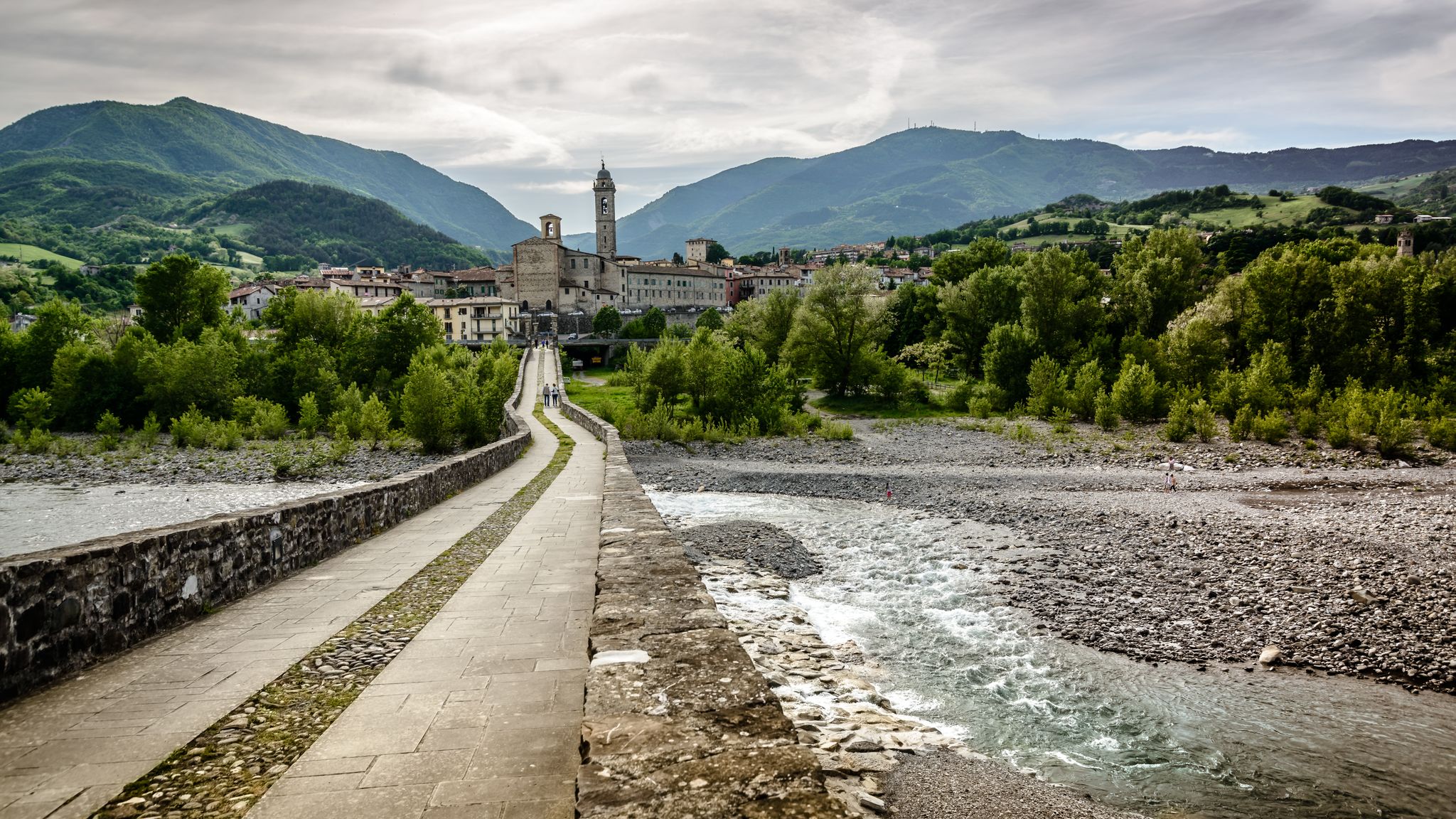
Zavattarello Castle, also known as Dal Verme Castle, is a fortress overlooking the town of Zavattarello in the province of Pavia.
3
0

Montalto Pavese stands in a dominant position on the first hills above Casteggio, the beautiful castle (one of the best preserved in the region) with its Italian garden and its wine production.
23
0

Village above Casteggio with two excellent restaurants and panoramic square
1
0

The Rocca di Pianello is believed to have been built towards the end of the fourteenth century, perhaps adapting a pre-existing 10th century fortress, destroyed by Federico Barbarossa in 1164. The reconstruction probably took place following the Visconti investiture of Jacopo Dal Verme in 1378. The irregular plan of the The building is perhaps due to the need to place a late medieval extension to the only tower of which we traditionally have memory. The owners made important changes in the 17th century, transforming it into a private home; today the building houses the Municipality of Pianello and the Archaeological Museum of Val Tidone, which houses the fundamental evidence that emerged from excavations in the area.
0
0

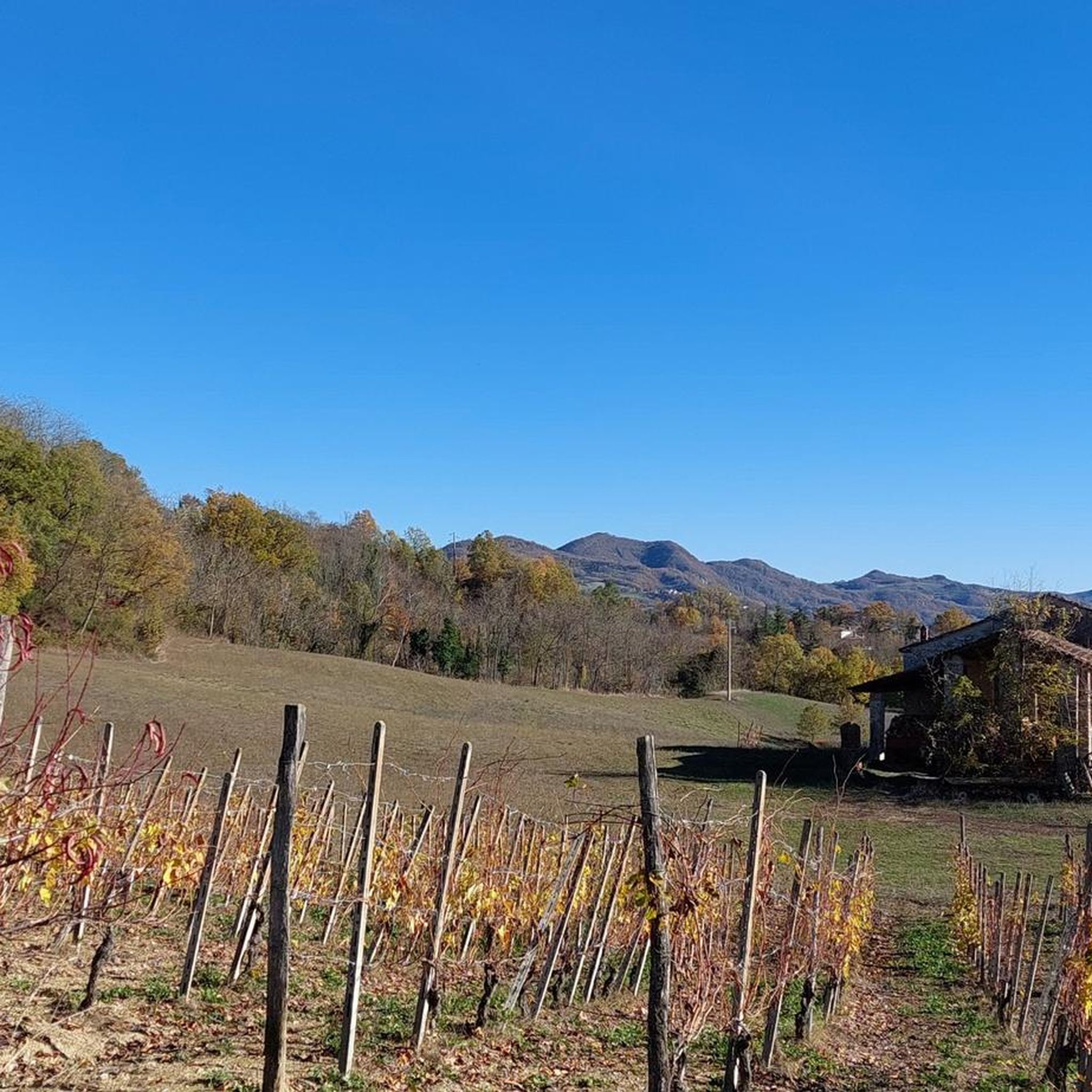
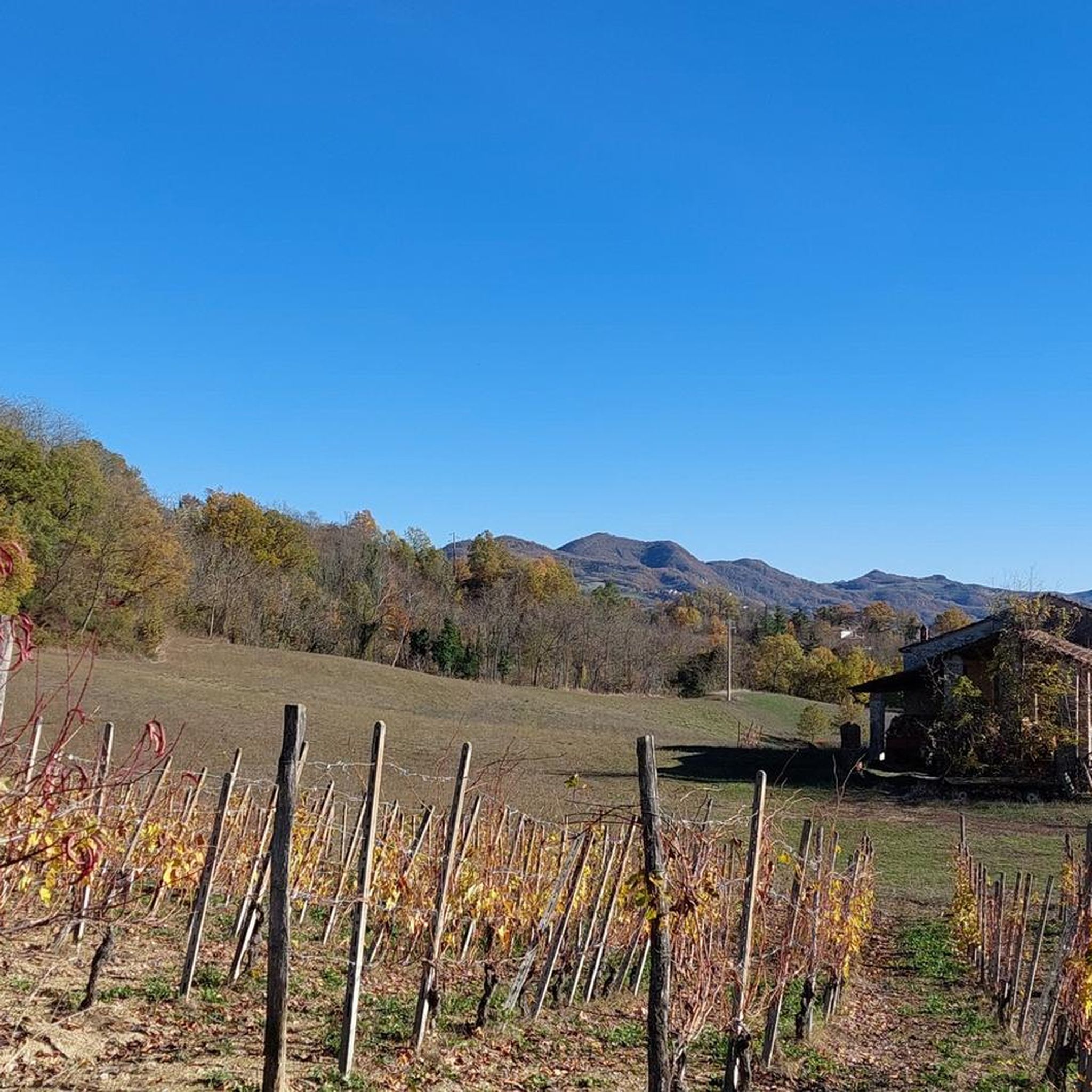
You arrive from Scuropasso, Casteggio or Oliva Gessi. Coming from Pavia, you go up from the Scuropasso valley, via Lirio and Finigeto. Nice climb, longer than the usual low hill climbs, about 6 km. Fairly regular, with a few short stretches of counterslope once you reach the coast. Overview. Very little traffic.
1
0

The Rocca d'Olgisio is one of the oldest and most evocative fortified complexes in the Piacenza area, both for its position dominating the Tidone and Chiarone streams and for its architecture. Its history dates back to the 11th century, when it belonged to the monks of S. Savino of Piacenza; conquered in 1378 by Gian Galeazzo Visconti, he handed it over to the Dal Verme family, to whom it belonged, with intervals, until the mid-nineteenth century. Since 1979 it has been owned by the Bengalli family.
2
0
Natural caves most likely inhabited already in the protohistoric era. Located in the natural habitat surrounding the castle of Rocca d'Olgisio.
2
0
Frequently Asked Questions
What kind of castles can I expect to see around Caminata?
The Caminata region features a diverse range of castles, from medieval fortresses to those with Renaissance additions. You'll find structures that were originally built for defense, like the 11th-century Olgisio Fortress, and others that evolved into more elegant residences, such as the Caminata-Braimano Castle with its 16th-century loggias. Many showcase the rich history and architectural evolution of the Piacenza valley.
Are there any historically significant castles in the Caminata region?
Yes, the region is rich in history. The Olgisio Fortress is one of the oldest and most evocative fortified complexes, dating back to the 11th century. The Rocca di Pianello Val Tidone, believed to have been built towards the end of the fourteenth century, now houses the Municipality of Pianello and an Archaeological Museum. Additionally, the Rocca delle Caminate has a long history from its 10th-century origins to its controversial role in the 20th century.
Are there family-friendly castles to visit around Caminata?
Yes, the Rocca di Pianello Val Tidone is noted as family-friendly. It houses the Archaeological Museum of Val Tidone, which can be an engaging experience for families interested in local history and artifacts.
Can I combine a castle visit with outdoor activities like hiking or cycling?
Absolutely! The area around Caminata offers numerous opportunities for outdoor activities. You can find various routes for gravel biking, running, and mountain biking. For example, there are gravel biking routes like the 'Tidone Trail – The Pyramid of Chiarone loop' or running trails such as the 'Rocca d'Olgisio loop'. You can explore more options in the Gravel biking around Caminata, Running Trails around Caminata, and MTB Trails around Caminata guides.
What is the best time of year to visit the castles around Caminata?
The best time to visit is generally during the spring (April to June) and autumn (September to October) months. During these periods, the weather is typically mild and pleasant for exploring historical sites and enjoying outdoor activities. Summers can be warm, while winters can be chilly, though castle interiors might offer a respite from the cold.
Are there any castles with unique architectural features?
Yes, the Caminata-Braimano Castle in Bettola is particularly notable for its architectural evolution. Originally a robust medieval fortress, it was later enhanced with elegant 16th-century loggias, which softened its austere appearance and gave it a more noble, Renaissance feel. This blend of medieval and Renaissance styles makes it stand out.
Are there any natural landmarks or viewpoints near the castles?
Near the Olgisio Fortress, you can find the Cave of Saints Liberata and Faustina, which are natural caves likely inhabited since protohistoric times. The fortress itself is also considered a viewpoint due to its strategic position dominating the Tidone and Chiarone streams, offering scenic views of the surrounding landscape.
What do visitors enjoy most about the castles around Caminata?
Visitors appreciate the journey through centuries of history, the diverse architectural styles, and the strategic positions of the castles offering commanding views. The komoot community has shared over 13 photos and given more than 80 upvotes, highlighting the visual appeal and historical significance of these sites.
Is there parking available at the castles?
While specific parking details for each castle may vary, most historical sites in rural Italian regions typically have designated parking areas nearby or in the closest village. It is advisable to check the official websites or local tourist information for specific parking instructions for individual castles like Caminata-Braimano or Rocca delle Caminate before your visit.
Are there options for food and drink near the castles?
Many of the villages surrounding the castles, such as Montalto Pavese, offer local restaurants and cafes where you can enjoy traditional Piacenza cuisine. Montalto Pavese itself is known for its wine production, offering a blend of history and local culture. You'll often find charming spots to eat and drink in the towns adjacent to the castle sites.
Can I visit the Caminata-Braimano Castle?
The Caminata-Braimano Castle is primarily visible from the outside. While its distinct architectural evolution from a medieval fortress to a structure with Renaissance elegance is impressive to observe, internal access may be limited. For the most current visitor information, you can check resources like visitpiacenza.it.
What is the significance of Rocca delle Caminate?
Rocca delle Caminate has a complex and extensive history, dating back to the 10th century. In the 20th century, it gained notoriety as the summer residence of Benito Mussolini, undergoing significant renovations including the addition of a lighthouse. It played a role during World War II and has since been a subject of debate regarding its restoration and use, making it a site of significant historical and contemporary relevance.
Most popular routes around Caminata
Most popular attractions around Caminata

Get inspired with the komoot mobile app


Explore more
Looking for the best castles somewhere else? Discover other guides around Caminata:
