Top 15 Castles around Bobbio
Best castles around Bobbio are found in this charming medieval village in Italy's Emilia-Romagna region. Bobbio is known for its historical sites, including the prominent Malaspina Dal Verme Castle. The area features a landscape rich in history, with structures that have evolved from defensive fortresses to noble residences. This region offers a glimpse into centuries of architectural and political evolution.
Best castles around Bobbio
- The most popular castles is Olgisio Fortress, a castle that is one of the oldest…
Last updated: June 29, 2026
Rezzanello Castle and Church of San Michele Arcangelo
Highlight • Castle
Translated by Google •
Tip by

Monticello Castle and Partisan Memorial
Highlight • Castle
Showing Translation
Tip by
Sign up now to discover places like this
Get recommendations on the best single tracks, peaks, & plenty of other exciting outdoor places.
Sign up for free
Castello di Monticello
Highlight • Castle
Showing Translation
Tip by
Torre di Bobbiano
Highlight • Castle
Translated by Google •
Tip by

Olgisio Fortress
Highlight • Castle
Translated by Google •
Tip by

Sign up for free to discover even more castles around Bobbio.
Sign up for free
Already have an account?
Start today with a free account
Your next adventure awaits.
Login or Signup



Tips from the Community

Il Castello di Monticello (Gazzola, PC) is a 14th-century medieval fortification strategically located between Val Trebbia and Val Luretta. Mentioned since 1372, it is known for its war events, including a battle in 1945. It was a fief of the Arcelli family and, despite war damage, retains its quadrangular structure.
14
0
Il Castello di Monticello (Gazzola, PC) is a 14th-century medieval fortification located on the ridge between Valtrebbia and Valluretta. Mentioned since 1372, it was long owned by the Arcelli family and, after being passed to the Farnese and other families, it returned to the Arcelli family in the 19th century. In 1945 it was the scene of partisan battles.
13
0

However, the church of Monticello is dedicated to Saint Stephen :-)
1
0

Monticello Castle, of strategic importance due to its location on the ridge of the Trebbia and Luretta valleys and its role in the entrenched camp, was first mentioned in 1372 when it was occupied by papal troops.
1
0

Monticello Castle was first mentioned in 1372, when it was occupied by troops loyal to the Pope during an anti-Visconti uprising. Located on the ridge that divides Val Trebbia and Val Luretta, Monticello Castle represents a pleasant and harmonious whole from a landscape point of view with the surrounding hilly environment typical of the lower Piacenza Apennines (540 meters above sea level). The structure has an irregular quadrangular plan, but currently shows the clearly visible signs of the various and heterogeneous architectural modifications and additions undergone over the centuries. The front of the castle is on the eastern side, which is dominated by the mass of the portal, equipped in ancient times with a drawbridge; a sturdy square tower rises to the left of the entrance to guard the south side, while two round turrets are placed to protect the north side. The interior develops around two courtyards of different proportions, facing the main buildings, used as homes. All around the fortress, structures of an evidently agricultural nature have arisen in more recent times, which have little to do with the original structure and which emphasize its hybrid aspect, but at the same time soften its forms. The castle is currently used as the headquarters of a local agricultural company, but it is worth noting the stark contrast between the unused parts of the building, almost at risk of collapse in some places, and the inhabited parts, which are better preserved.
1
0
The Castle was first mentioned in a document from 1001. On this occasion, Bishop Sigifredo granted the Benedictine monks of San Savino (Piacenza) some land, including the area of the Castle. The building has a trapezoidal plan and has four circular towers. The first of the four towers dates back to around the year 1000, which only later became four. The Castle was often the scene of clashes and battles. In 1212, the Guelphs of Piacenza took refuge there, threatened by the Ghibellines of Visconti, but they were worsted because they were defeated later in two battles. In the fourteenth century, the Castle was inhabited by Gabriello Boccapiccina, then it passed to the Chiapponi family. When the Chiapponi family died out, in the eighteenth century they were replaced by the Scotti di San Giorgio, who profoundly adapted the building, transforming it into a stately home. At the beginning of the twentieth century, the Castle belonged for a short period to the Lombardi of Genoa; it was then sold to Eng. Giuseppe Manfredi, who had it restored by Prof. Camillo Guidotti. From 1930 to 1987, the building was owned by the Ursuline Mothers of Piacenza. Today, the Castle is used by the current owner as a venue for private events.
0
0

An important battle of the Liberation struggle took place here at the castle of Monticello, between 15 and 16 April 1945, in which a handful of partisans barricaded in the castle resisted and repelled a large Nazi-fascist troop of 450 men. Here is an exciting documentation: https://www.rivalta-trebbia.it/battaglia-di-monticello/
1
0

Frequently Asked Questions
What is the primary historical castle in Bobbio?
The most significant historical fortress in Bobbio is the Malaspina Dal Verme Castle. Its construction began in 1304, and it has evolved from a Ghibelline stronghold to a magnificent residence, representing centuries of the region's political and architectural history. You can find more information about it on Visit Piacenza.
What makes the Malaspina Dal Verme Castle worth visiting?
Visitors to Malaspina Dal Verme Castle can enjoy wonderful panoramic views of Bobbio and the surrounding mountains from its internal courtyard. It offers a deep dive into historical significance, showcasing architectural details like the central square fortified tower and rooms with 15th and 16th-century furnishings and frescoes. The castle is also associated with local ghost stories, adding an intriguing element to the visit.
Are there other notable castles or historical sites near Bobbio?
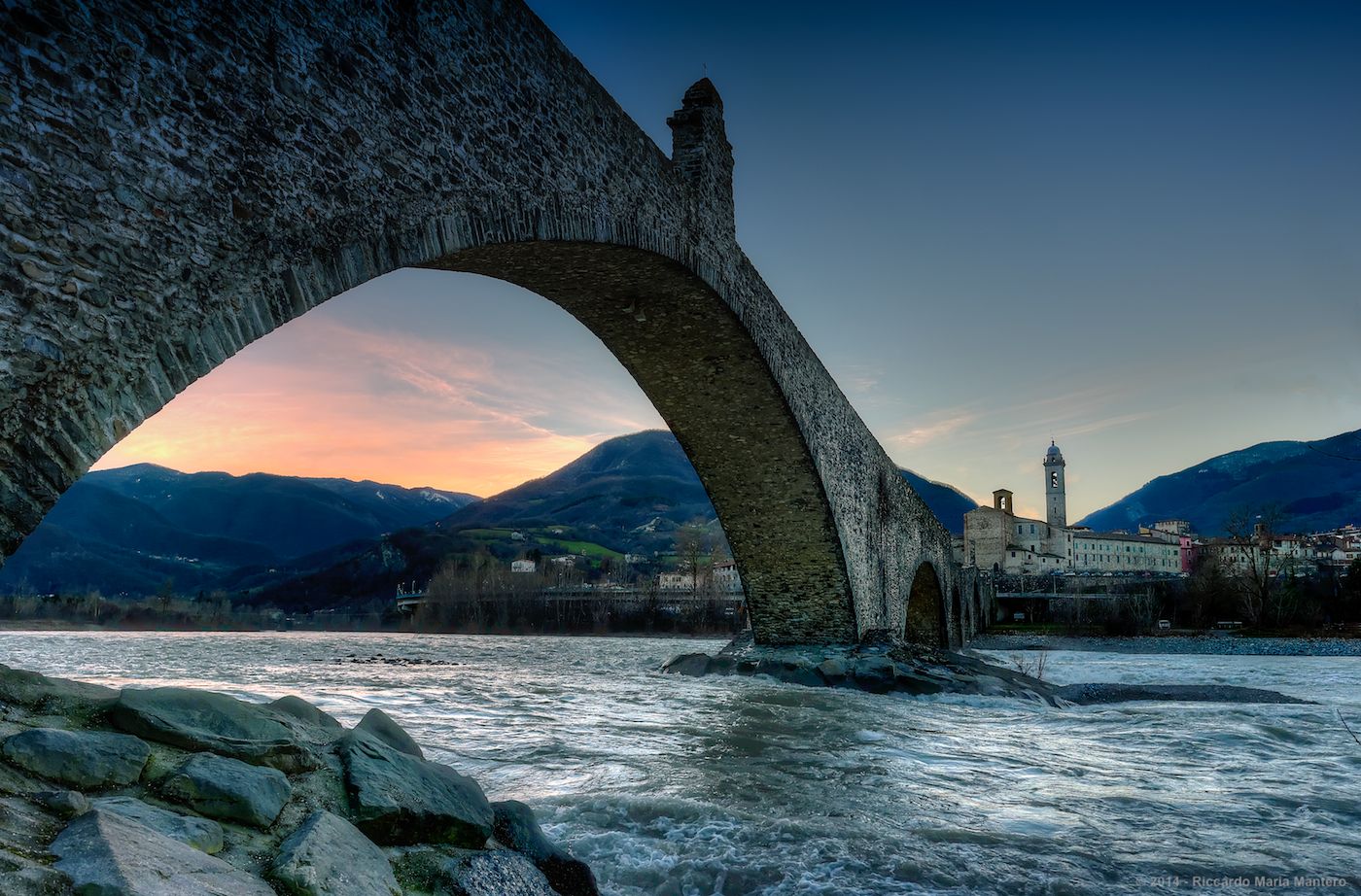
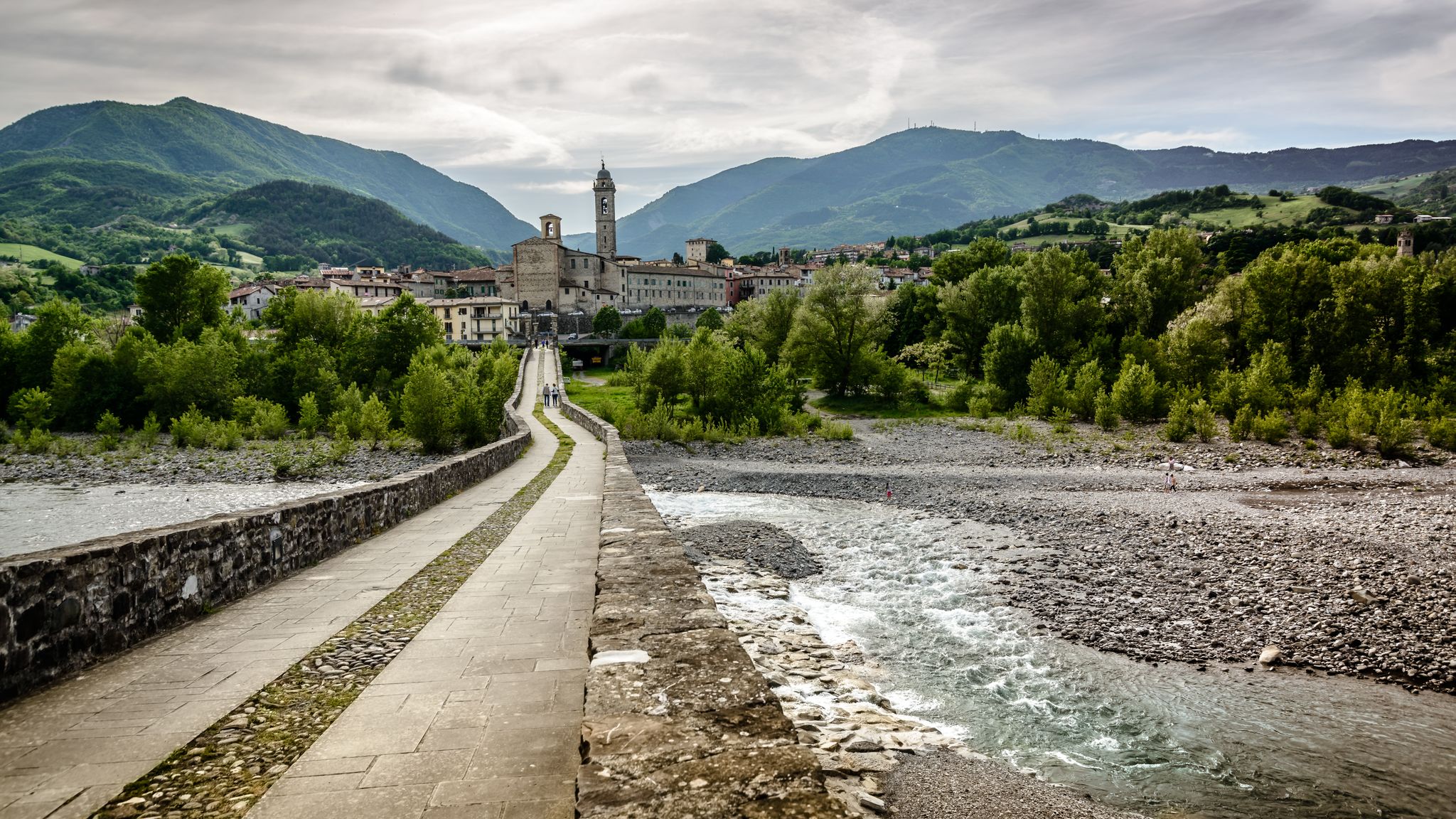
Yes, beyond the Malaspina Dal Verme Castle, the region boasts several other historical sites. You can explore the Olgisio Fortress, one of the oldest fortified complexes in the Piacenza area, or visit the medieval Torre di Bobbiano. The Rezzanello Castle and Church of San Michele Arcangelo, with its trapezoidal plan and extensive park, is another significant site. Additionally, the town of Bobbio itself features the ancient Abbey of San Colombano, the unique Ponte Gobbo (Hunchback Bridge), and the Bobbio Cathedral.
What kind of architectural features can I expect to see in the castles around Bobbio?
The castles around Bobbio showcase a range of architectural styles, reflecting their evolution from defensive fortresses to noble residences. You'll find features like square-plan donjons, fortified towers, internal courtyards, and remnants of original walls. Many have been adapted over centuries, with some, like Rezzanello Castle, transformed into stately homes with large windows and decorative motifs, while others, like the Hamlet of Montecanino, exist as evocative ruins.
Are there any local legends associated with the castles?
Yes, the Malaspina Dal Verme Castle is known for its local legends, including ghost stories. Some visitors claim to have seen the souls of those condemned to the bladed pit walking its ancient walls, adding a mysterious allure to its rich history.
What is the best season to visit the castles around Bobbio?
The best season to visit the castles around Bobbio is generally during spring (April-June) and autumn (September-October). The weather is pleasant for exploring, and the natural scenery is particularly beautiful. Summer can also be enjoyable, though it can be warmer. Winter visits are possible, but some sites might have reduced hours, and outdoor activities could be limited by colder temperatures.
Are the castles around Bobbio generally accessible to visitors?
The Malaspina Dal Verme Castle is generally open to visitors with specific hours and admission fees. For other castles like Rezzanello Castle, while you can admire the exterior and surrounding areas, the interior may be private property and not open to the public. It's always advisable to check the specific opening times and accessibility for each site before planning your visit.
Can I find hiking trails that include castles near Bobbio?
Absolutely! The Bobbio area offers numerous hiking opportunities that can lead you past historical sites and castles. You can find various routes, from moderate to difficult, that explore the scenic landscapes around these fortresses. For detailed hiking trails, check out the Hiking around Bobbio guide.
Are there options for cycling or mountain biking near the castles?
Yes, the region around Bobbio is well-suited for cycling and mountain biking, with routes that often pass by historical points of interest. You can find challenging gravel biking trails or dedicated MTB routes that offer a blend of outdoor adventure and historical exploration. Explore options in the Gravel biking around Bobbio guide and the MTB Trails around Bobbio guide.
Are there easy walks to castles suitable for beginners or families?
While some castle sites might involve moderate terrain, there are often easier paths or shorter walks available to reach viewpoints or the castle exteriors. For example, the Torre di Bobbiano is located on a rocky outcrop but can be part of walks with varying difficulty. When planning, look for routes described as 'easy' or 'moderate' in the hiking guides, and consider the overall distance and elevation gain.
What natural features can I enjoy while visiting the castles?
The castles around Bobbio are often set amidst beautiful natural landscapes, offering stunning views. From the Olgisio Fortress, you can enjoy views dominating the Tidone and Chiarone streams. The Malaspina Dal Verme Castle provides panoramic views of Bobbio and the surrounding mountains. Many castles, like Rezzanello Castle, are surrounded by extensive parks with centuries-old plants, fountains, and streams, perfect for enjoying nature alongside history.
Are any of the castle walks dog-friendly?
Many outdoor areas and walking paths around the castles in Bobbio are dog-friendly, allowing you to enjoy the scenery with your canine companion. However, access to the interiors of castles or specific historical sites may be restricted for dogs. Always keep your dog on a leash and be mindful of local regulations and other visitors. It's best to check individual site policies if you plan to enter any buildings.
Most popular attractions around Bobbio

Get inspired with the komoot mobile app


Explore more
Looking for the best castles somewhere else? Discover other guides around Bobbio:
