Top 11 Castles around Lusevera
Castles around Lusevera offer a historical perspective on the region's past. The area, situated in the upper Torre valley, features both medieval castle ruins and Cold War-era fortifications. These structures highlight Lusevera's strategic importance throughout different historical periods. The landscape provides a backdrop for exploring these historical sites.
Best castles around Lusevera
- The most popular castles is Historic Center of Gemona del Friuli, a historical site with a castle. This location serves as a gateway to the fortification of…
Last updated: October 3, 2026
Castello Savorgnan
Highlight • Castle
Translated by Google •
Tip by

Coia Castle
Highlight • Castle
Translated by Google •
Tip by

Sign up now to discover places like this
Get recommendations on the best single tracks, peaks, & plenty of other exciting outdoor places.
Prampero Castle in Magnano in Riviera
Highlight • Castle
consorziocastelli.it/icastelli/udine/prampero
Translated by Google •
Tip by

Gemona Castle
Highlight • Castle
Via Giuseppe Bini, 33013 Gemona UD
archeocartafvg.it/portfolio/gemona-ud-il-castello
Translated by Google •
Tip by

Castello di Cassacco
Highlight • Castle
Translated by Google •
Tip by

Sign up for free to discover even more castles around Lusevera.
Already have an account?
Start today with a free account
Your next adventure awaits.
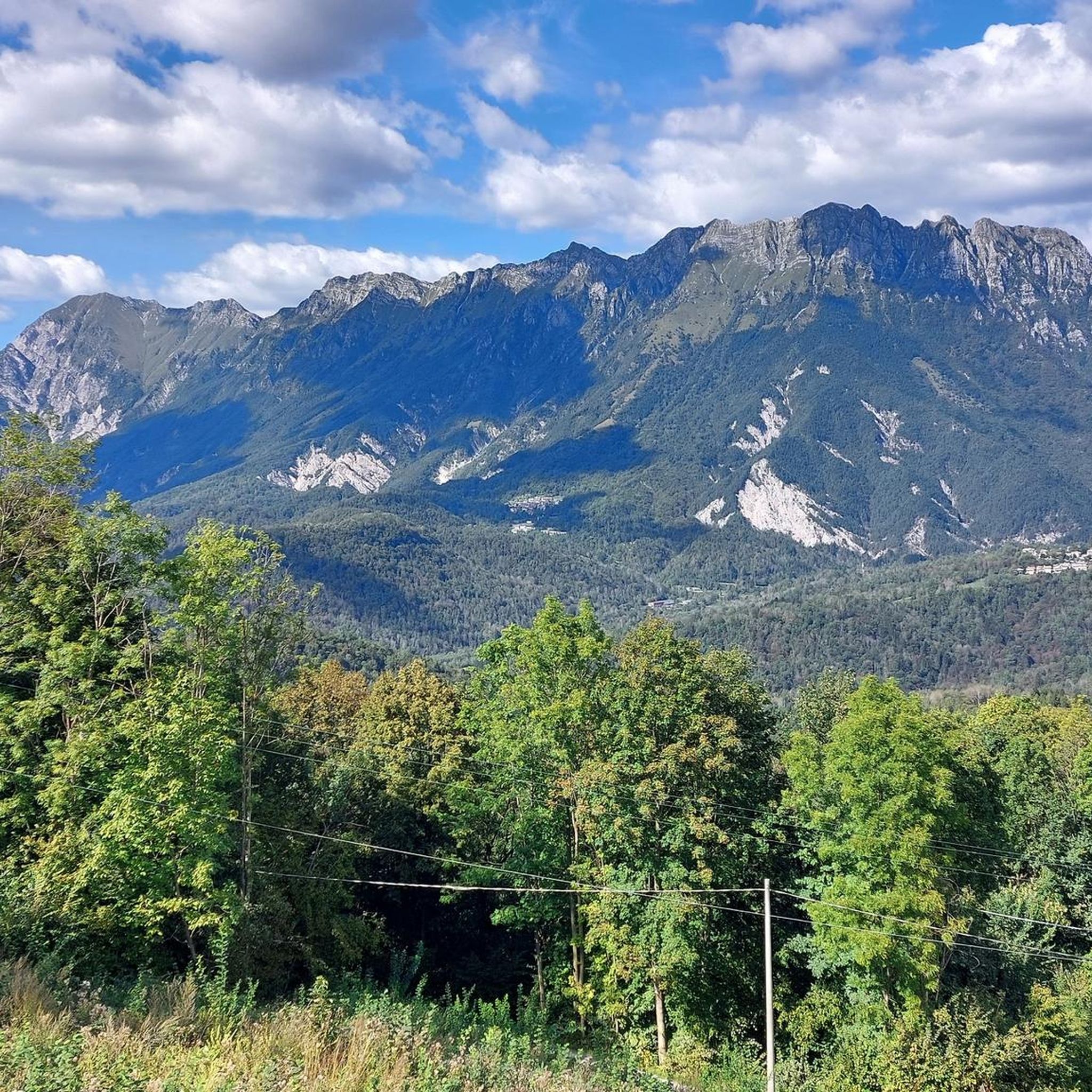
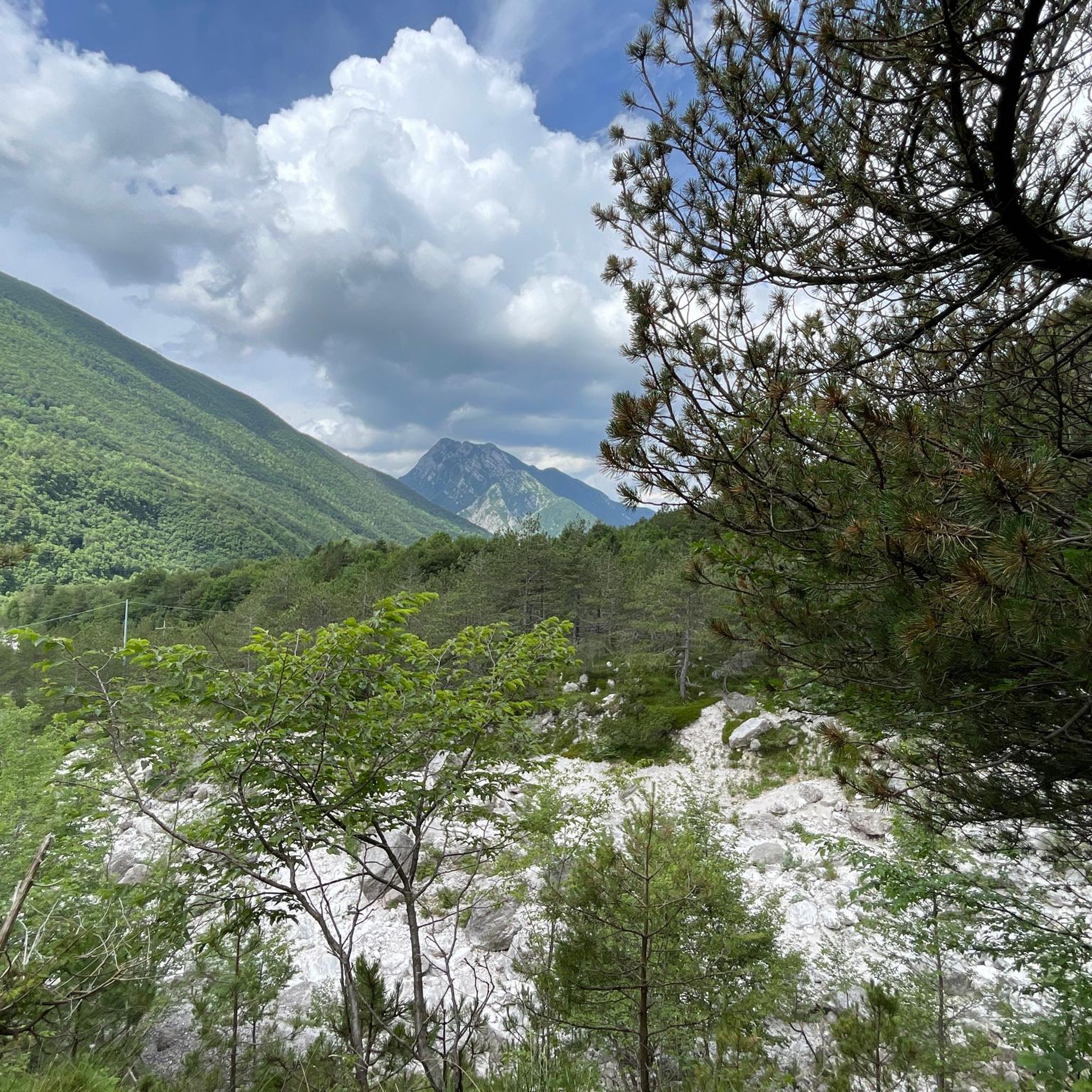
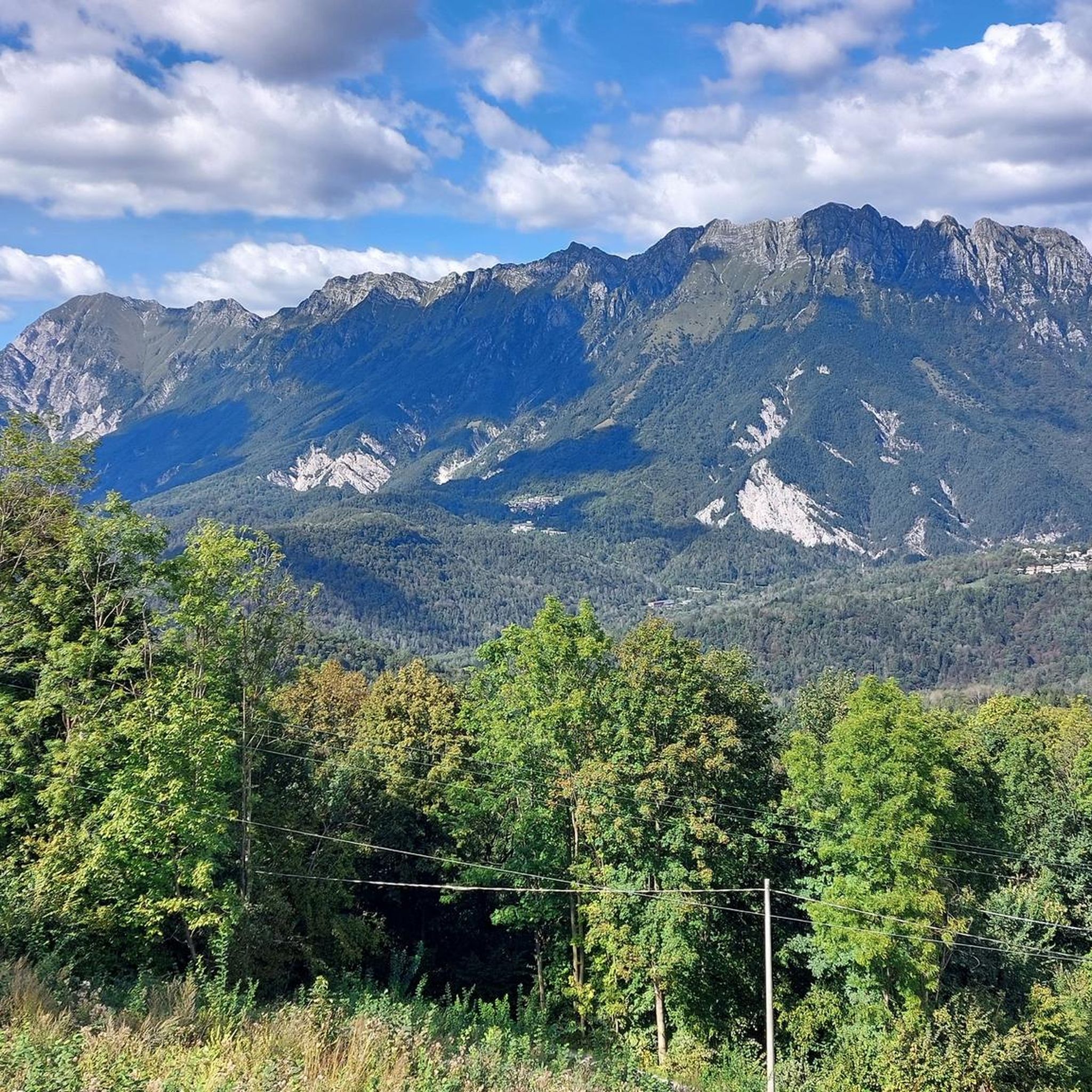
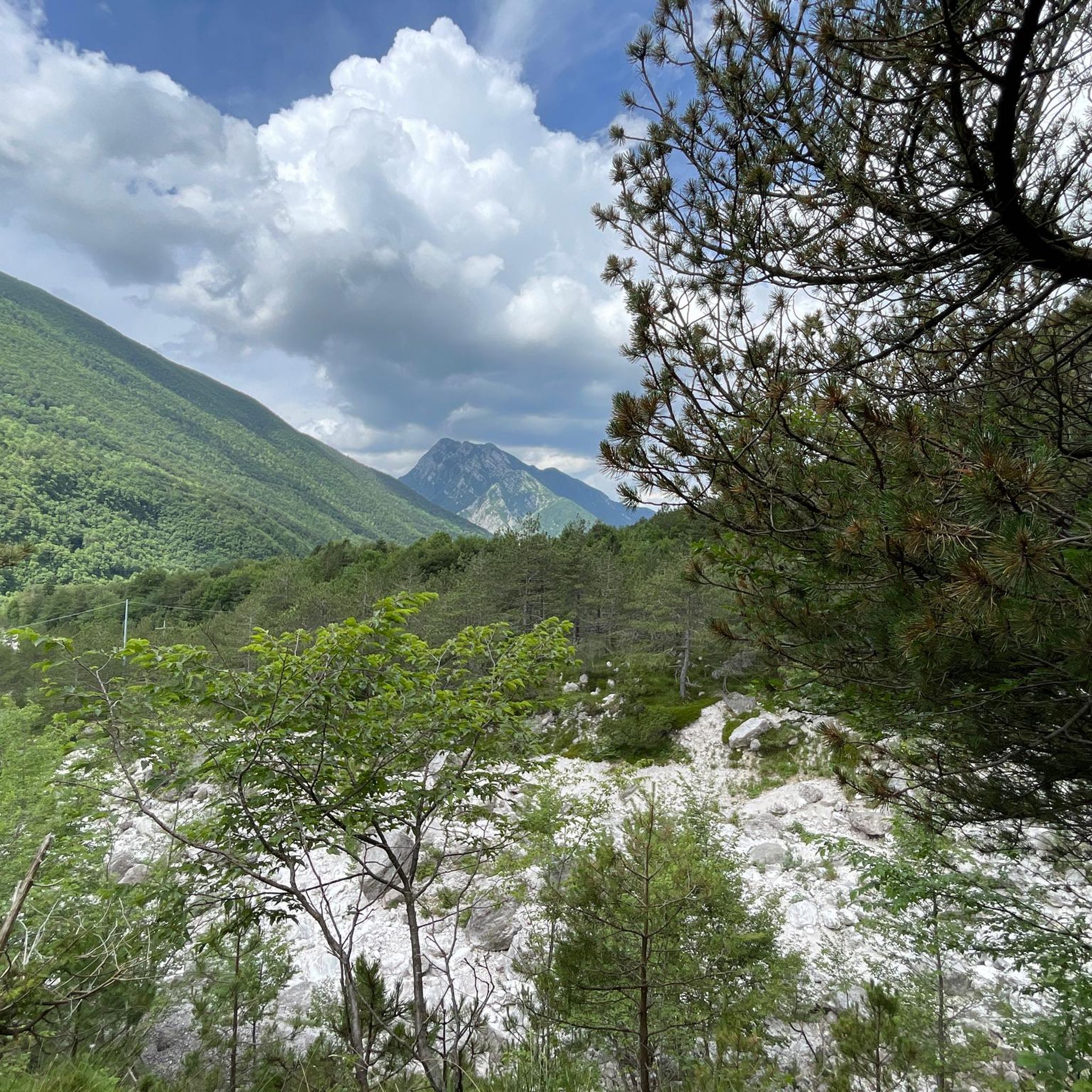


Tips from the Community

In 1025, the patriarch of Aquileia, Popone, gave a vassal from Bavaria permission to build a castrum on a wooded hill overlooking the cultivated plain and marked by two communication routes. Thus, the castle of Prampero was built. https://consorziocastelli.it/icastelli/udine/prampero
0
0
In the 13th century, the lords of Artegna began the construction of a building on the Colle di San Martino, expanding and transforming existing structures. This new complex, of which the central load-bearing wall and the tower, improperly called "Lombard", are the oldest parts, became the residential seat of the lords of Artegna probably in the second half of the 13th century, after the destruction of the ancient manor by the Gemonese troops. It remained the property of this family until 1384, the year in which the last male descendant of the main branch of the family died. The so-called "castelletto" then passed by female inheritance to the Savorgnano family. https://www.ecomuseodelleacque.it/collezione-ecomuseale/siti-storico-archeologici/artegna-castello-savorgnan/
0
0
The current construction dates back to the 13th century with some later modifications. Feudal struggles never destroyed the castle, which therefore retains much of its structure, with some modifications made in the late Middle Ages and the 15th century when the small church of Santa Maria Assunta was built. https://www.turismofvg.it/castelli/castello-di-cassacco
0
0

The castle, now partially rebuilt after 1976, when it was inhabited by Afro who had made it his studio in Friuli, has resumed its historical role by hosting the family and at the same time scientific-cultural events. https://consorziocastelli.it/icastelli/udine/prampero
2
0

beautiful panorama of Friuli
2
1

Place of cultural, tourist, architectural and historical interest Via Giuseppe Bini, 33013 Gemona UD http://www.archeocartafvg.it/portfolio/gemona-ud-il-castello/
6
0

quite demanding climb, with stretches at 15%
1
0
Frequently Asked Questions
What types of historical sites can I explore around Lusevera?
The Lusevera area offers a unique blend of historical sites. You can explore medieval castle ruins, such as Coia Castle with its preserved tower and rare frescoes, and Torre di Attimis. Additionally, the region is home to significant Cold War-era fortifications like Micottis, Musi, and Tanamea, which provide insight into 20th-century military history.
Are there any well-preserved medieval castles or ruins to visit?
Yes, Coia Castle is a notable ruin with a well-preserved tower where traces of rare frescoes can still be seen. Its history dates back to 1126, offering a deep dive into medieval feudal holdings and the impact of historical conflicts and natural disasters.
What are the Cold War fortifications around Lusevera, and are they accessible?
Lusevera is home to Cold War-era fortifications at Micottis, Musi, and Tanamea. These sites were built to defend the upper Torre valley and the plain of Udine. They are interesting for their architecture and strategic importance. While specific accessibility details vary, they are generally accessible for those interested in 20th-century military history.
What kind of views can I expect from the castles and fortifications?
From sites like Coia Castle, you can enjoy pleasant views over the Friuli plain. Other locations, such as Torre di Attimis, are part of routes that offer beautiful views of vineyards and the surrounding landscape.
Are there hiking or biking trails near these historical sites?
Many historical sites are integrated into the natural landscape. For example, Torre di Attimis is part of a route with forest roads and paths suitable for hiking and mountain biking. You can find various running, MTB, and gravel biking trails around Lusevera, which often pass by or near these historical points. Explore options like the Running Trails around Lusevera or MTB Trails around Lusevera.
What is the best time of year to visit the castles and fortifications around Lusevera?
The region's castles and fortifications can be visited throughout the year, but spring and autumn offer pleasant weather for exploring, especially if you plan to combine your visit with hiking or biking. Winter visits can also be atmospheric, though some paths might be more challenging.
Are there any family-friendly options among the castles?
While specific 'family-friendly' designations aren't always available for ruins, sites like the Historic Center of Gemona del Friuli offer a pleasant old town experience that can be enjoyable for families, with a castle as part of the historical context. The historical narratives of places like Coia Castle can also be engaging for older children.
How difficult are the walks to reach these castles?
The difficulty varies. Some sites like Partistagno Castle are easy to reach from one side, while the path on the other side can be steep, requiring appropriate footwear. The Historic Center of Gemona del Friuli involves a bit of a strenuous climb up the mountain but is considered worth it by visitors.
Can I find cafes or restaurants near the castles in the Lusevera area?
While direct cafes at every ruin are unlikely, larger historical centers like the Historic Center of Gemona del Friuli offer amenities within the old town. For other sites, it's advisable to check in nearby villages or plan to bring refreshments, especially if exploring more remote fortifications.
What do visitors particularly enjoy about the castles and historical sites around Lusevera?
Visitors appreciate the historical depth and the scenic beauty. The preserved tower and frescoes at Coia Castle are a highlight, as is the pleasant old town experience and the gateway to fortifications at the Historic Center of Gemona del Friuli. The combination of historical exploration with forest roads and vineyard views, as found near Torre di Attimis, is also highly valued.
Are there any specific events or re-enactments related to these castles?
Yes, the Coia Castle is known for the 'Bonfire of the Epiphany' re-enactment. For over seven centuries, on January 5th, a procession in medieval costume leads to the castle hill, culminating in the lighting of a large bonfire, which is believed to indicate the year's harvest based on the smoke's direction.
Is it possible to visit multiple castles or fortifications in a single day?
Depending on their proximity and your mode of transport, it is possible to visit several sites in one day. For instance, exploring the Cold War fortifications in Lusevera could be combined, or you could visit a medieval ruin like Coia Castle and then head to a nearby historical town like Gemona del Friuli.
Most popular routes around Lusevera
Most popular attractions around Lusevera

Get inspired with the komoot mobile app


Explore more
Looking for the best castles somewhere else? Discover other guides around Lusevera:
