Top 12 Caves around Ronchi Dei Legionari
Best caves around Ronchi Dei Legionari are found in a region characterized by the Karst Plateau, known for its extensive underground systems. This area, situated near the Italian-Slovenian border, features numerous natural and man-made caves. The geological composition of the Karst region has led to the formation of significant cave networks, including some of the largest in the world. Visitors can explore a variety of subterranean environments, from historical tunnels to vast natural caverns.
Best caves around Ronchi Dei Legionari
- The most popular caves is Austro-Hungarian Infantry Tunnel Entrance, a historical site that forms part of a fortified line. This location offers insights into military history and features underground passages.
- Another must-see spot is Brestovec Historical Trench, a historical site with a cave dug for shelter and ammunition storage. Visitors can understand the conditions faced by soldiers during the First World War.
- Visitors also love Grotta Vergine Entrance, a cave discovered during WWI and used as a shelter. It features two entrances 12 meters apart, with access facilitated by stairways carved into the rock.
- Ronchi Dei Legionari is known for historical caves, natural caverns, and fortified tunnels. The region offers a variety of underground experiences, from geological wonders to sites of historical significance.
- The caves around Ronchi Dei Legionari are appreciated by the komoot community, with 28 upvotes and 5 photos shared by users.
Last updated: August 23, 2026
Brestovec Historical Trench
Highlight • Historical Site
About halfway there are steps through which you descend into a cave dug to shelter from bombing and, probably, as a reservoir for ammunition.
Translated by Google •
Tip by

Mithraeum Cave
Highlight • Cave
archeocartafvg.it
because the cave is closed and you only get a very small glimpse from the outside, you don't even notice what a great cultural monument is behind it ...
Translated by Google •
Tip by

Sign up now to discover places like this
Get recommendations on the best single tracks, peaks, & plenty of other exciting outdoor places.
Sign up for free
Grotta Vergine Entrance
Highlight • Cave
The fortuitous discovery allowed the Italian troops to gain shelter against enemy cannon fire and was named “Virgin” Cave.
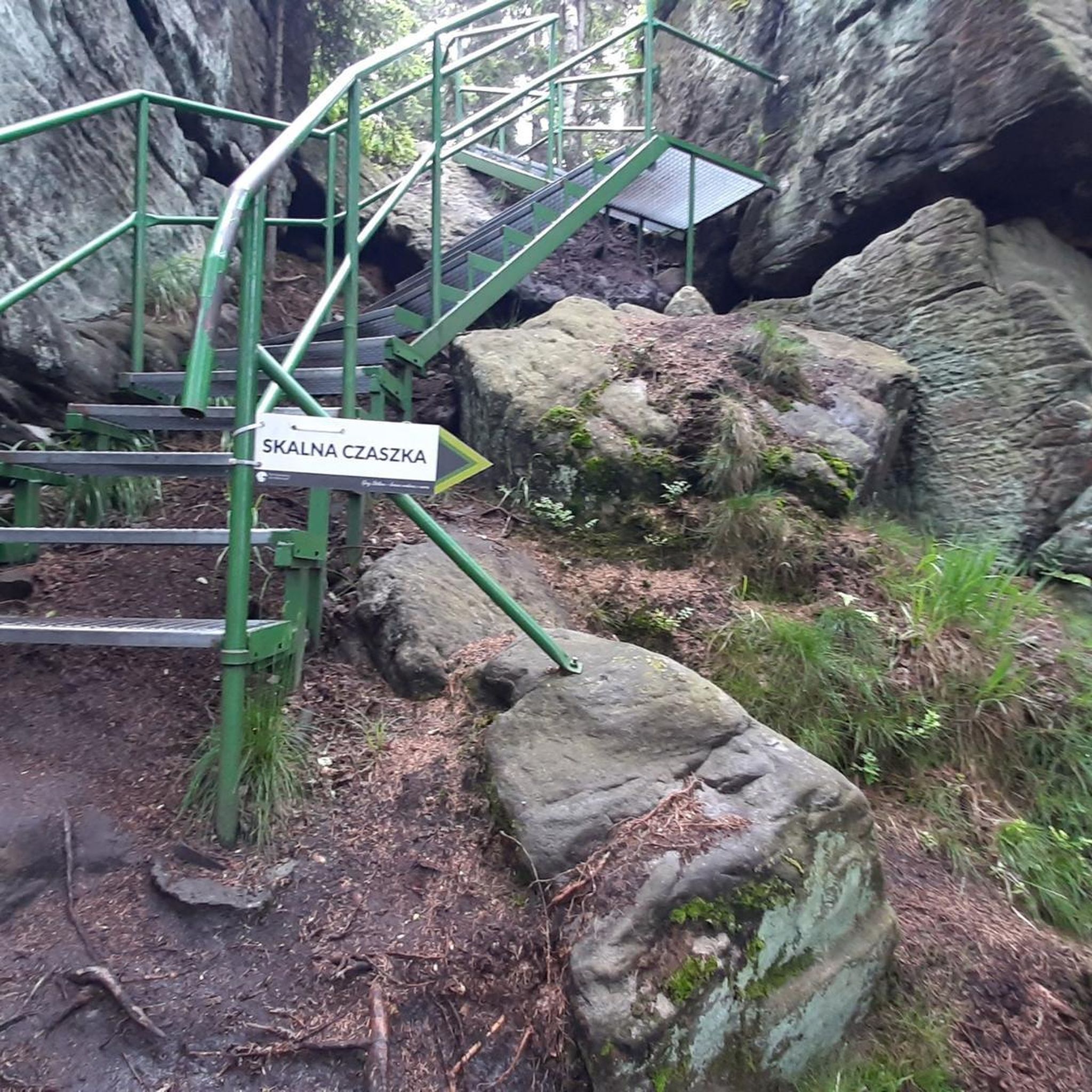
The cave has two entrances 12 meters apart and access is facilitated by stairways carved into the rock and above the main entrance there is a plaque with a female figure holding a palm branch in her hand.
Translated by Google •
Tip by

Austro-Hungarian Infantry Tunnel Entrance
Highlight • Historical Site
Translated by Google •
Tip by

Monte San Michele Museum and Fortified Galleries
Highlight • Historical Site
Translated by Google •
Tip by

Sign up for free to discover even more caves around Ronchi Dei Legionari.
Sign up for free
Already have an account?
Start today with a free account
Your next adventure awaits.
Login or Signup
Tips from the Community

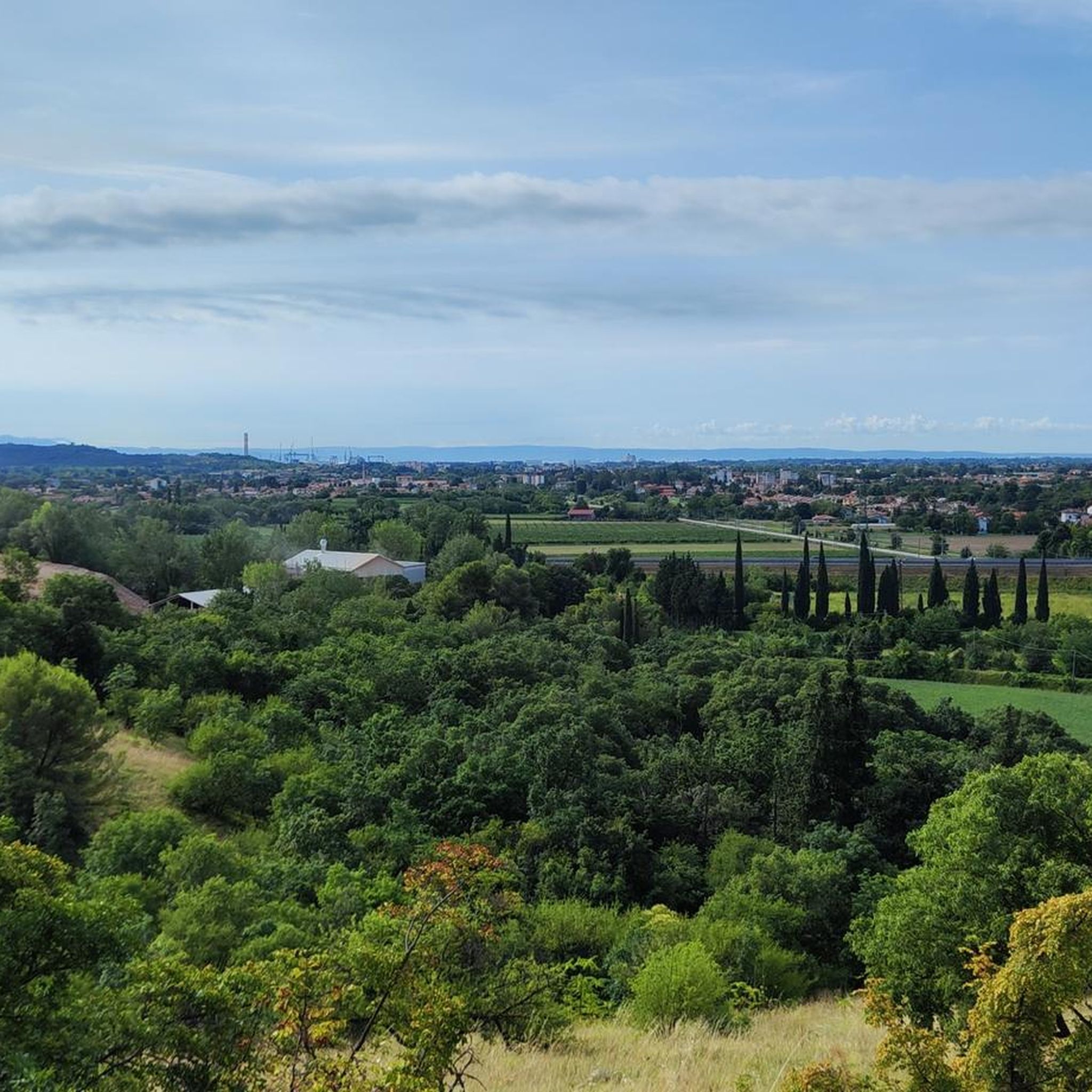
Unique example of the cult of the god Mithras in a cave, dating back to Roman times, with interesting finds. Open on Saturday mornings from 10 am to 12 pm, it is best to go with guides for explanations that are otherwise not easy to find.
0
0

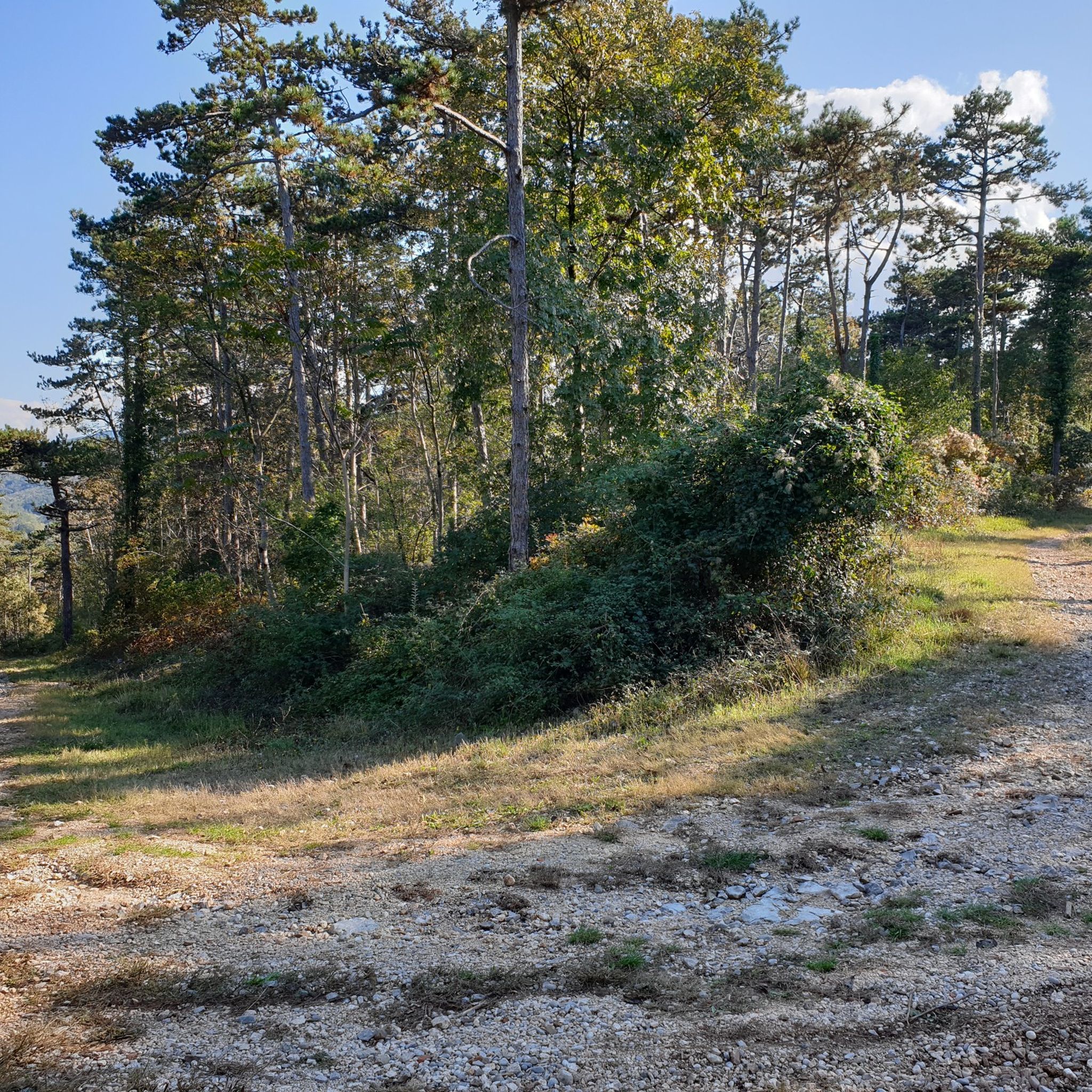
Recently restored, it allows you to explore a long stretch of trench with a fascinating underground shelter. One of the historic sites of the Karst region worth exploring.
0
0

Very well preserved remains of an ancient trench from the Great War.
1
0
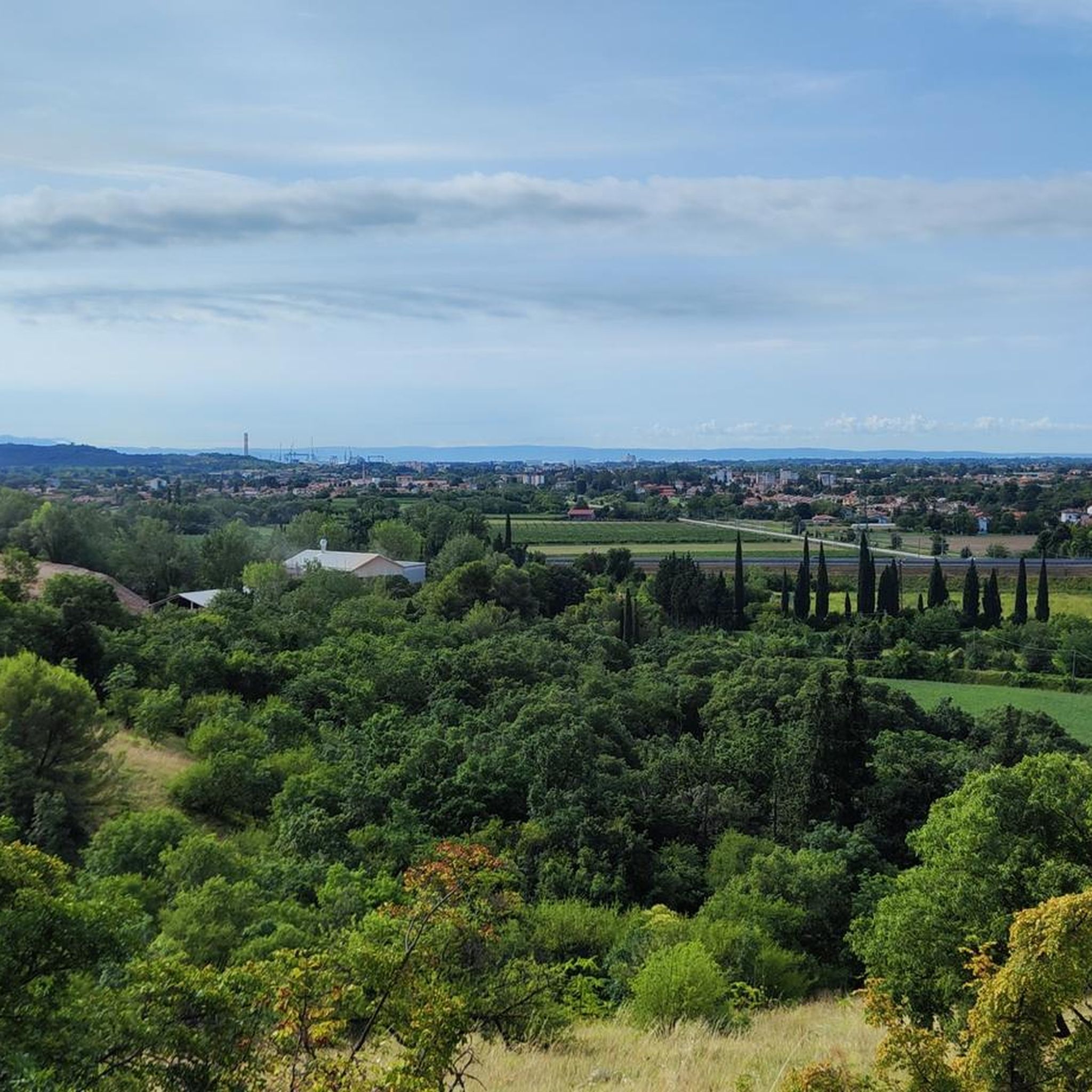
Entrance to the newly opened museum under the peak of Mount San Michele.
1
0
Beautiful museum built through a tunnel that crosses the top
1
0

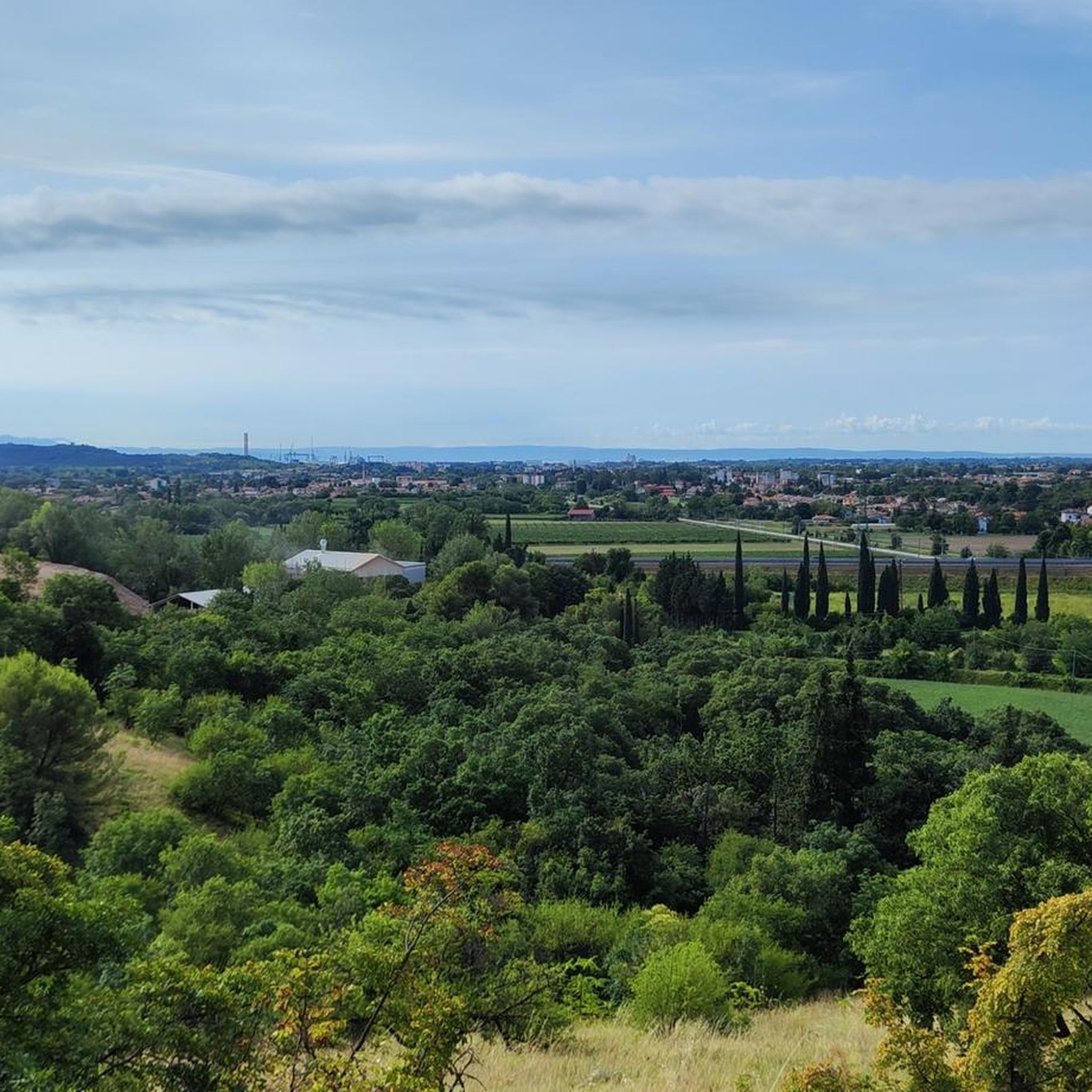
It's a shame it's closed and you can't get very close.
0
0


Karst cave dedicated by the Romans to the cult of the god Mithras. There are altars and sculptures of the time.
0
0
Frequently Asked Questions
What types of caves can I explore near Ronchi dei Legionari?
The region around Ronchi dei Legionari, particularly the Karst Plateau, offers a diverse range of underground experiences. You can explore significant natural caverns like the Grotta Gigante, known for its immense size, and the Grotta delle Torri di Slivia, famous for its rich concretions. Additionally, there are numerous historical caves and fortified tunnels, such as the Austro-Hungarian Infantry Tunnel Entrance and the Brestovec Historical Trench, which offer insights into WWI history.
Are there any UNESCO World Heritage caves accessible from Ronchi dei Legionari?
Yes, the Škocjan Caves (Grotte di San Canzian) in Slovenia, a UNESCO World Heritage site, are an accessible day trip from Ronchi dei Legionari. This spectacular cave system features an immense underground canyon carved by the Reka River, dramatic landscapes, and a suspended bridge. It offers a profound natural wonder to explore.
What is unique about the Grotta Gigante?
The Grotta Gigante, located near Sgonico (Trieste), holds the Guinness World Record for the largest single natural cavern. It is approximately 114 meters high, 280 meters long, and 76.3 meters wide. Visitors can marvel at its breathtaking scale and impressive stalagmites, some shaped like 'plates' due to the significant height from which water drops. It also serves as a site for scientific research.
How long does a visit to Grotta Gigante take, and what should I wear?
A guided tour of the Grotta Gigante typically lasts about 1.5 to 2 hours. The path involves approximately 500 steps down and 500 steps back up. The cave maintains a constant temperature of 11 degrees Celsius year-round, so a jacket and comfortable, sturdy shoes are highly recommended for your visit.
Can I visit the Grotta delle Torri di Slivia, and what can I expect?
Yes, the Grotta delle Torri di Slivia is open for guided tours. It is renowned for its incredible abundance and variety of concretions, including numerous stalagmites and stalactites, with the most famous being the 'Towers of Slivia'. The experience includes transport by an 'Agribus' to the cave's entrance, followed by a 200-step staircase into the cave. Tours last about 75 minutes, and the internal temperature ranges from 3 to 9 degrees Celsius, so dress warmly and wear appropriate footwear.
Are there family-friendly cave experiences in the area?
Yes, some historical sites with underground elements are considered family-friendly. For instance, the Austro-Hungarian Infantry Tunnel Entrance is categorized as family-friendly, offering an accessible glimpse into historical underground passages. For natural caves, while Grotta Gigante involves many steps, its sheer scale can be awe-inspiring for older children.
What historical caves can I visit near Monfalcone?
Near Monfalcone, you can visit the Grotta Vergine Entrance, a cave discovered during WWI and used as a shelter by Italian soldiers. It features two entrances 12 meters apart, with access facilitated by stairways carved into the rock. Another historical site is the Hermada Mountain Cave, which has both natural and artificially excavated entrances and is part of the open-air museum of Mount Hermada.
What outdoor activities can I do near these caves?
The Karst region around Ronchi dei Legionari offers various outdoor activities. You can find numerous cycling routes, including MTB trails and road cycling routes. For example, you can explore routes like the 'Lago di Pietrarossa – Cuzzi Trench loop' for MTB or the 'Water Reservoir Road – View of the Barbana Sanctuary loop' for road cycling. More options are available in the Cycling around Ronchi Dei Legionari guide.
Are there any caves with archaeological significance?
Yes, the Mithraeum Cave is a Karst cave dedicated by the Romans to the cult of the god Mithras, featuring altars and sculptures from that era. However, it is currently not publicly accessible, and you can only get a small glimpse from the outside.
What do visitors appreciate most about the caves and historical sites in this area?
Visitors often appreciate the well-preserved historical sites, such as the Brestovec Historical Trench, which allows them to understand the real living conditions of soldiers during WWI. The sheer grandeur of natural caves like Grotta Gigante and the unique formations of Grotta delle Torri di Slivia are also highly valued for their awe-inspiring natural beauty.
Is public transport available to reach the major caves?
While Ronchi dei Legionari is well-connected, reaching some of the specific cave entrances, especially those slightly off the main routes, might require a combination of public transport and a short walk or taxi. For the Grotta Gigante, there are bus services from Trieste. For Škocjan Caves, public transport options from Trieste or nearby Slovenian towns are available, often requiring a bus or train connection.
What is the best season to visit the caves around Ronchi dei Legionari?
Caves generally maintain a stable temperature year-round, making them suitable for visiting in any season. However, the surrounding Karst landscape is particularly pleasant for outdoor activities and exploring historical sites during spring and autumn, when temperatures are mild. Summer can also be a good time to escape the heat inside the cool caves. Always check specific cave opening hours, as some might have reduced schedules in winter.
Most popular routes around Ronchi Dei Legionari
Most popular attractions around Ronchi Dei Legionari

Get inspired with the komoot mobile app


Explore more
Extend your search for the best caves by checking out these guides of the top ones around Ronchi Dei Legionari:
