Top 8 Lakes around Gradisca D'Isonzo
Lakes around Gradisca D'Isonzo are primarily found in the wider Friuli Venezia Giulia region, as the town itself does not feature prominent natural lakes. This area is characterized by its diverse aquatic environments, including significant wetlands and lagoons. The region offers a blend of natural landscapes and historical sites, providing opportunities for outdoor activities. Visitors can explore unique natural features that contribute to the area's ecological importance.
Best lakes around Gradisca D'Isonzo
- The most popular lakes is Laghetti Rossi di…
Last updated: June 29, 2026
Lago di Pietrarossa
Highlight • Lake
Translated by Google •
Tip by

Laghetti Rossi di Capriva
Highlight • Lake
The descent allows you to reach the red lakes of Capriva.
Translated by Google •
Tip by

Sign up now to discover places like this
Get recommendations on the best single tracks, peaks, & plenty of other exciting outdoor places.
Sign up for free
Steep Climb Near Lake Doberdò
Highlight • Climb
Translated by Google •
Tip by
Rocca di Monfalcone and Lake Doberdò
Highlight (Segment) • Lake
Translated by Google •
Tip by

Wildlife Pond
Highlight • Lake
Translated by Google •
Tip by
Sign up for free to discover even more lakes around Gradisca D'Isonzo.
Sign up for free
Already have an account?
Start today with a free account
Your next adventure awaits.
Login or Signup
Popular around Gradisca D'Isonzo
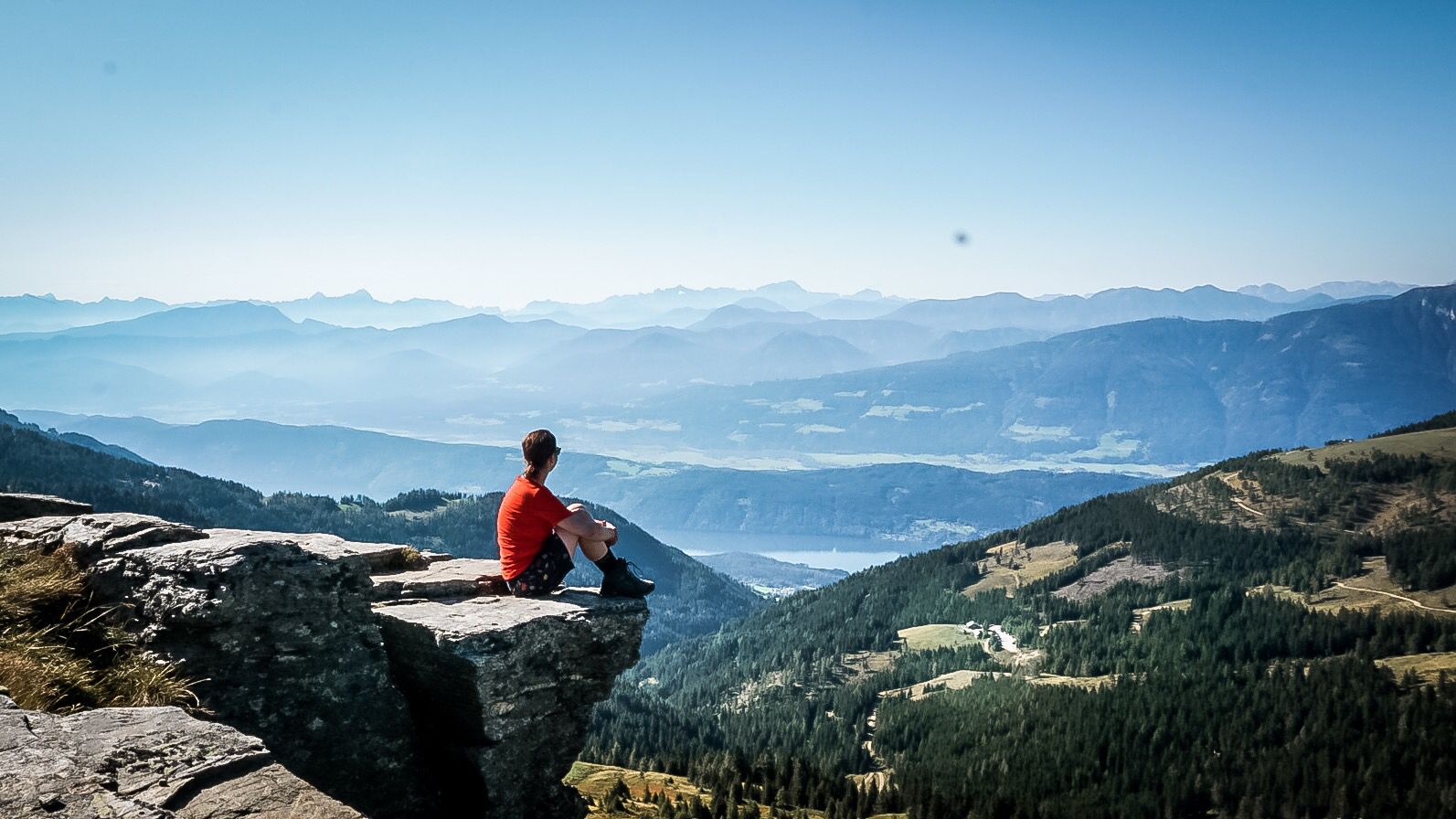
Alpe-Adria-Trail: My long-distance hike from the glacier to the sea
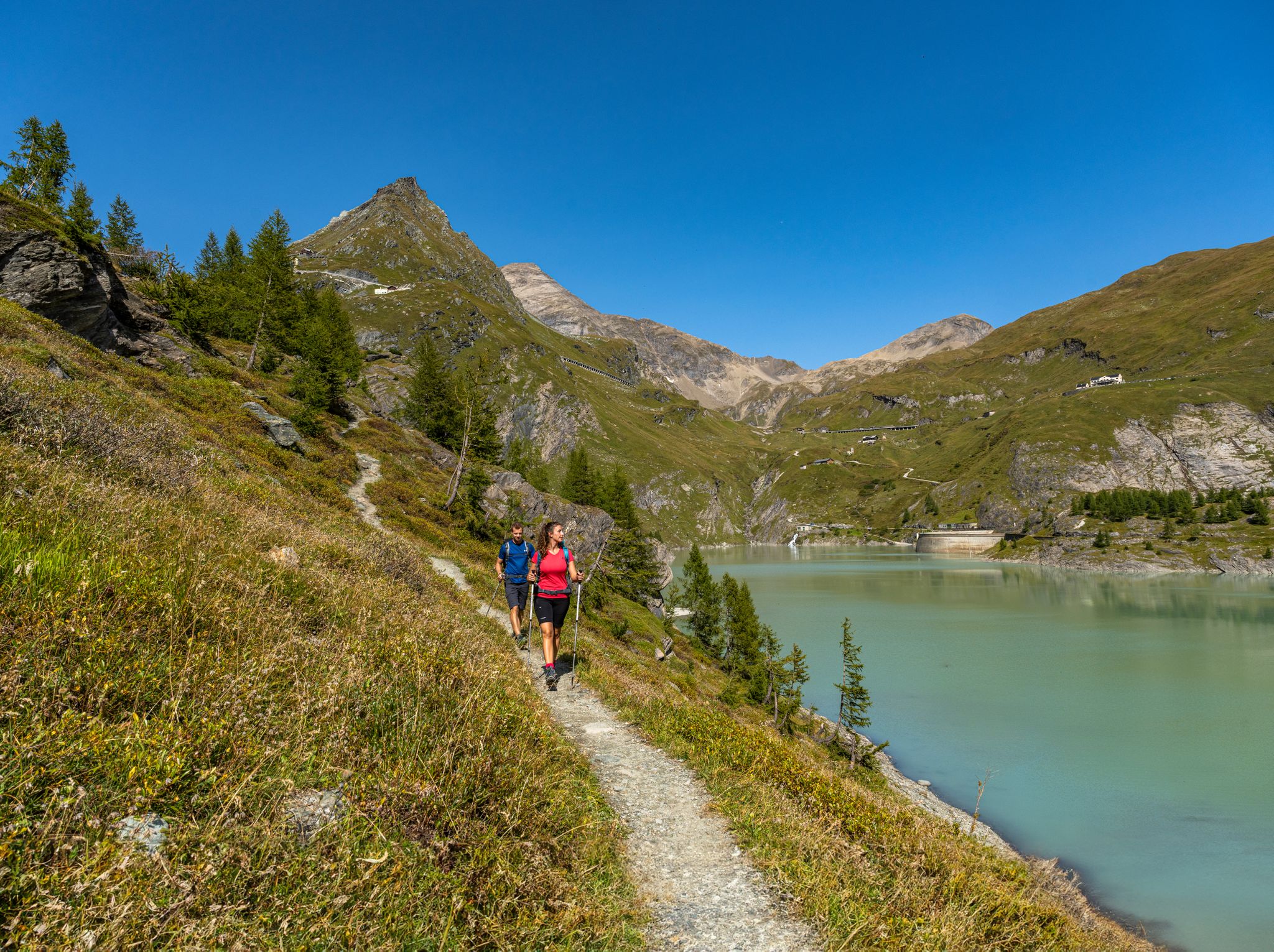
From the Grossglockner to the sea on the Alpe Adria Trail
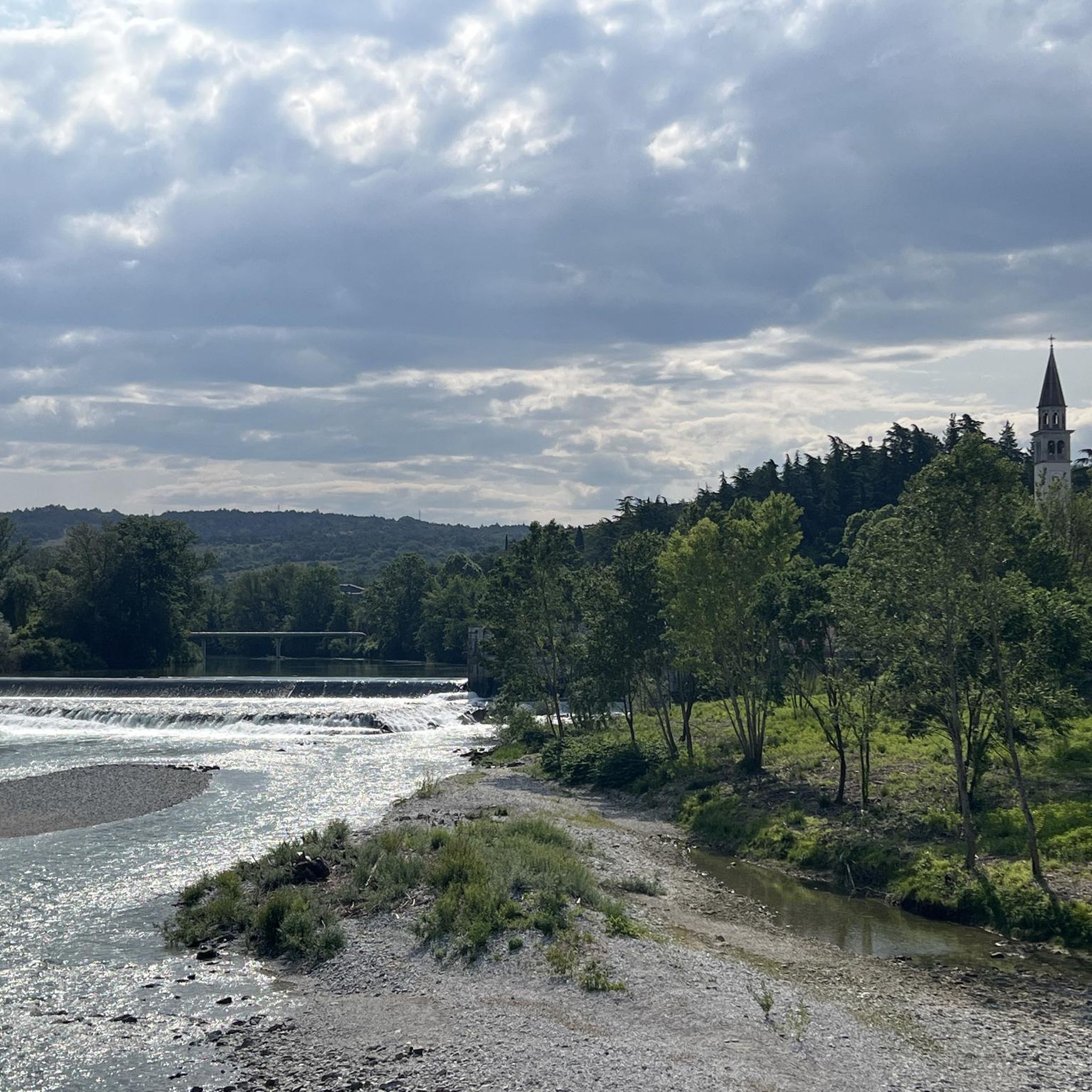
Cycling around Gradisca D'Isonzo
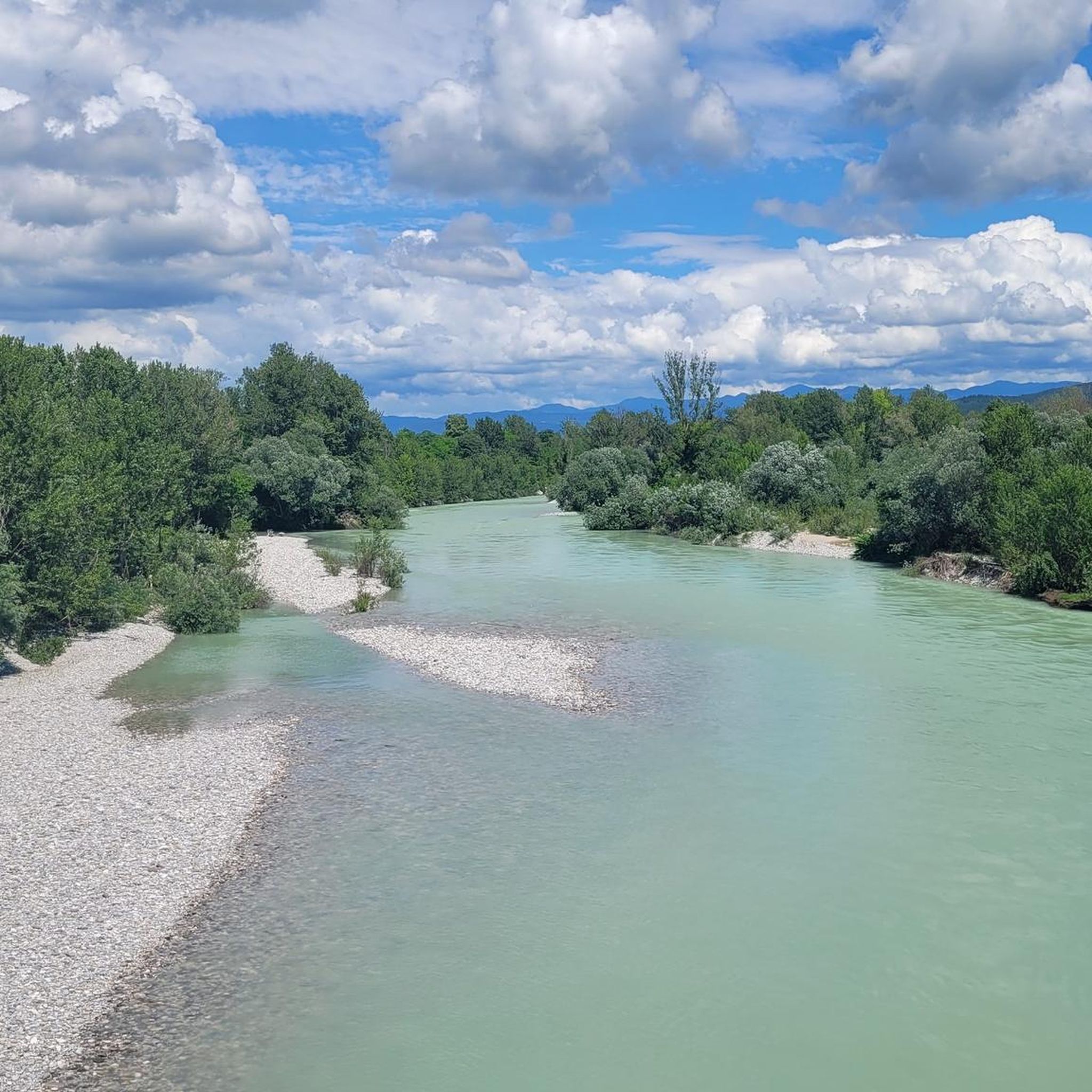
Road Cycling Routes around Gradisca D'Isonzo
MTB Trails around Gradisca D'Isonzo
Hiking around Gradisca D'Isonzo
Gravel biking around Gradisca D'Isonzo
Running Trails around Gradisca D'Isonzo


Tips from the Community

Located just a few kilometers from Duino Castle, in the western sector of the Gorizia Karst, Lake Pietrarossa is one of the pearls of the Regional Natural Reserve shared with the nearby Lake Doberdò. Together with the latter, it represents one of the very rare examples in Europe of a karst lake: a temporary basin that occupies a natural depression called a polje. The charm of this place lies in its changing nature; it is not fed by surface rivers, but by the oscillations of the underground water table. During rainy periods, water emerges from the depths, flooding the plain, while in dry seasons the lake can almost disappear, leaving space for a verdant carpet of reeds and wet meadows. This alternation creates a unique ecosystem where the arid and rocky karst landscape meets a humid area rich in biodiversity, making it a paradise for birdwatching and silent excursions.
0
0

Throughout the area, there are many single tracks with varying gradients and difficulty levels. With a full-suspension mountain bike and a little technique, it's a lot of fun.
0
0
Very beautiful and worth a visit if you are in these parts.
0
0

Beautifully situated pond, a view of it from all around is worthwhile.
0
0

Very interesting biotype, one of the few examples in Europe of a karst lake-pond, whose level changes continuously depending on the Vipacco and Isonzo rivers.
0
0
The indicated point is a crossroads from which you can take a very direct dirt road that follows the maximum slope of the hill: while the descent requires an off-saddle ride, the climb is impervious.
1
0

Lake of Doberdob. Above the lake have been scary battles in WW1, and now is museum in open, with plenty of interesting points.
1
1
Superb lake triptych, the Red Lakes of Capriva are rich in ichthyofauna such as pike, black bass, carp and trout, the latter released by the local association of sport fishermen that keeps the whole environment neat and clean.
3
0
Frequently Asked Questions
What kind of aquatic environments can I expect to find around Gradisca D'Isonzo?
While Gradisca D'Isonzo itself doesn't have large natural lakes, the wider Friuli Venezia Giulia region offers diverse aquatic environments. These include significant wetlands and lagoons, such as the Lago di Pietrarossa, a rare karst lake-pond with continuously changing water levels, and the Rocca di Monfalcone and Lake Doberdò, known for its geonatural richness and historical significance. The area is characterized by its ecological importance rather than traditional large lakes.
Are there any family-friendly lake areas to visit near Gradisca D'Isonzo?
Yes, the region offers family-friendly options. Laghetti Rossi di Capriva features four distinct bodies of water with landscaped areas and benches for rest, making it suitable for families. Additionally, the Wildlife Pond is a small pond with a path and a nearby roof terrace for observing local wildlife, which can be an engaging experience for all ages.
What are the best times of year to visit the lakes and wetlands in this region?
The spring and autumn months are ideal for visiting the wetlands and lagoons in the wider Gradisca D'Isonzo area, such as the Riserva Naturale Regionale Della Valle Cavanata and the Laguna di Grado. During these seasons, migratory birds use the lagoons as resting points, offering excellent opportunities for birdwatching. The weather is also generally pleasant for cycling and hiking.
What outdoor activities can I do near these aquatic environments?
You can enjoy various outdoor activities. The Riserva Naturale Regionale Della Valle Cavanata features a lagoon cycle path, perfect for exploring the serene environment and observing wildlife. The final section of the Alpe-Adria cycle path also runs through the Laguna di Grado. For hiking, you can find trails around the karst lakes like Doberdò and Pietrarossa. There are also numerous hiking, running, and cycling routes in the broader Gradisca D'Isonzo area. You can explore options like the 'Castello di Gradisca d'Isonzo – Peak 3 of Monte San Michele loop' for hiking, or the 'Isonzo Canal loop' for running, and 'Bridge over the Isonzo River – Peak 3 of Monte San Michele loop' for cycling. Find more details on these activities in the hiking guide, running guide, and cycling guide for Gradisca D'Isonzo.
Are there opportunities for birdwatching in the area?
Absolutely. The region is a significant habitat for numerous bird species. The Riserva Naturale Regionale Della Valle Cavanata is a vital resting point for migratory birds, especially in spring and autumn. The Laguna di Grado is also known for its rich biodiversity, hosting over 150 different species of birds, making it a crucial area for ornithology.
Can I find places to eat or stay near the lakes and lagoons?
While specific cafes or accommodations directly adjacent to every small lake or pond are not guaranteed, the larger towns and areas surrounding the significant aquatic environments like the Laguna di Grado offer various options. Some islands within the Grado Lagoon even feature restaurants, providing unique dining experiences. Gradisca D'Isonzo itself has restaurants, cafes, and accommodation options, and these are generally a short drive from the natural sites.
What makes the Lago di Pietrarossa unique?
The Lago di Pietrarossa is a very interesting biotype, recognized as one of the few examples in Europe of a karst lake-pond. Its water level continuously changes depending on the Vipacco and Isonzo rivers, creating a dynamic freshwater environment within a relaxing wooded area.
What is the 'Perdon de Barbana' and where does it take place?
The 'Perdon de Barbana' is a unique cultural experience associated with the Grado Lagoon. It's an annual pilgrimage by Grado's fishermen to the island of Barbana, which is one of the largest islands in the lagoon. The island is home to a pilgrimage church with a statue of the Madonna and Child.
Are there any challenging trails or climbs near the lakes?
Yes, for those seeking a challenge, the area around Lake Doberdò offers some demanding routes. For instance, the 'Steep Climb Near Lake Doberdò' highlight describes a very direct dirt road with a maximum slope, which can be impervious for climbing and requires off-saddle riding for descent. The broader area also features many single tracks with varying gradients and difficulty levels, suitable for mountain biking.
What do visitors particularly enjoy about the lakes around Gradisca D'Isonzo?
Visitors appreciate the diverse natural beauty and the opportunities for outdoor activities. The Laghetti Rossi di Capriva are noted for their superb lake triptych and rich ichthyofauna, with observation points offering views of surrounding towns. The serene environment of the wetlands and lagoons, the chance to observe wildlife, and the pleasant cycle paths are also highly valued.
Is wild swimming permitted in any of the lakes or lagoons?
While the region offers many beautiful aquatic environments, specific regulations for wild swimming can vary and are often restricted in nature reserves and protected areas like the Riserva Naturale Regionale Della Valle Cavanata and the Laguna di Grado due to their ecological importance. It's always best to check local signage or official tourism information for permitted swimming spots to ensure safety and respect for the environment.
How accessible are the lakes by public transport or car?
Access to the various aquatic environments around Gradisca D'Isonzo varies. While some areas like the Riserva Naturale Regionale Della Valle Cavanata and the Laguna di Grado are well-known and have infrastructure for visitors, reaching smaller, more 'hidden' ponds or specific karst lakes might require a car. Public transport options to the immediate vicinity of all natural sites may be limited, so planning your journey in advance is recommended, especially for more remote locations.
Most popular routes around Gradisca D'Isonzo
Most popular attractions around Gradisca D'Isonzo

Get inspired with the komoot mobile app


Explore more
Still not found your perfect lake around Gradisca D'Isonzo? Check out the guides of these regions to see even more beautiful places.
