Top 3 Castles around Ocre
Best castles around Ocre are primarily found in the Province of L'Aquila in Abruzzo, southern Italy, situated amidst the Aterno Valley and the Parco Naturale Regionale del Sirente-Velino. The region is known for its medieval fortifications, including fortified villages and historical strongholds. These sites often stand on elevated positions, offering views of the surrounding natural landscape. The area provides insights into medieval architecture and strategic defense.
Best castles around Ocre
- The most popular castles is Castel Camponeschi, a castle…
Last updated: October 3, 2026
Forte Spagnolo (Cinquecento Castle), L'Aquila
Highlight • Castle
Showing Translation
Tip by

Forte Spagnolo
Highlight • Castle
Showing Translation
Tip by
Sign up now to discover places like this
Get recommendations on the best single tracks, peaks, & plenty of other exciting outdoor places.
Castel Camponeschi
Highlight • Castle
Translated by Google •
Tip by

Rovere Castle
Highlight • Castle
Translated by Google •
Tip by

Castello Rivera
Highlight • Castle
The 2009 …
Translated by Google •
Tip by

Sign up for free to discover even more castles around Ocre.
Already have an account?
Start today with a free account
Your next adventure awaits.
Tips from the Community

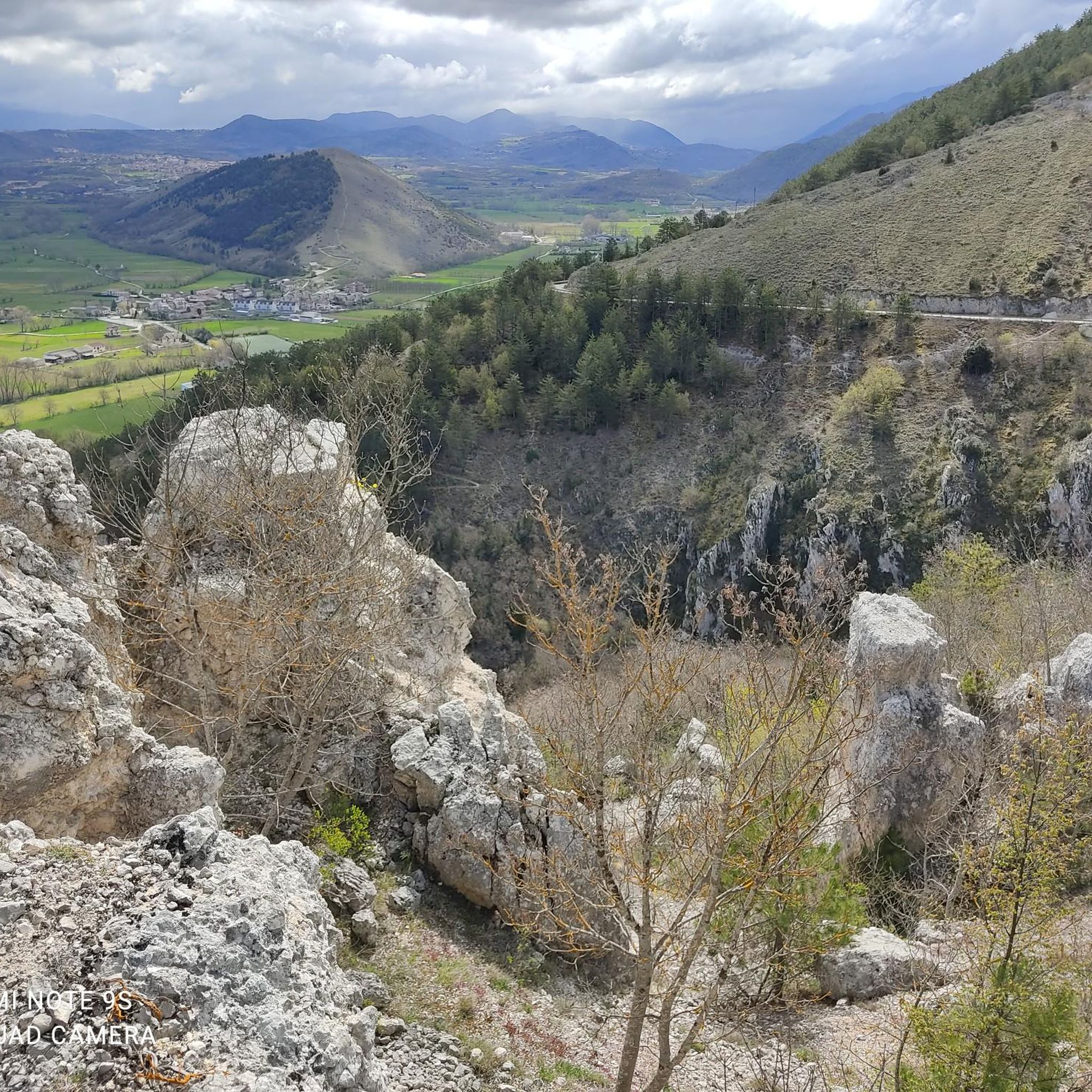
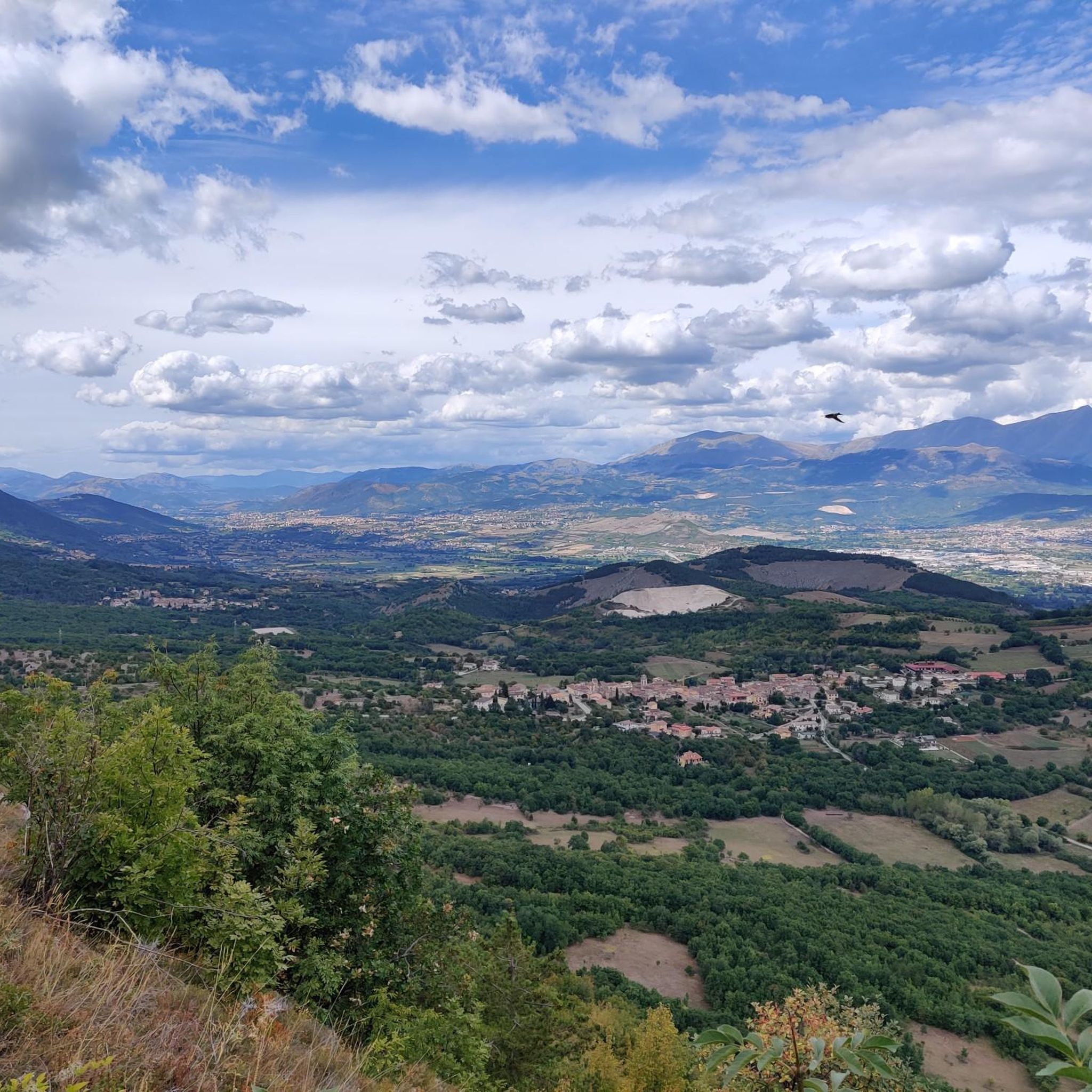
There is little or nothing left of the castle, but it is still very evocative to visit.
0
0

The Forte Spagnolo (also known as Castello Cinquecentesco) is one of the most impressive 16th-century military strongholds of Central and Southern Italy. Although it is a defensive work, its true historical significance lies in the fact that it was never built to protect the city, but rather to suppress it. After the Spanish threat diminished over time, the complex successively served as the residence of the Spanish governor, barracks for French troops in the 19th century, and headquarters for the German occupier during World War II. In 1902, it was officially declared a national monument. Shortly after World War II, it became the home of the National Museum of Abruzzo (MuNDA). Since the devastating earthquake of 2009, the fort has been undergoing a lengthy and complex restoration, but it remains one of the most impressive symbols of the city when viewed from the outside.
4
0
The Forte Spagnolo (also known as Castello Cinquecentesco) is one of the most impressive 16th-century military strongholds in Central and Southern Italy. Although it is a defensive work, its true historical significance lies in the fact that it was never built to protect the city, but rather to suppress it. Once the Spanish threat subsided over time, the complex successively served as the residence of the Spanish governor, barracks for French troops in the 19th century, and headquarters for the German occupiers during World War II. In 1902 it was officially declared a national monument. Shortly after World War II, it became the home of the Museo Nazionale d'Abruzzo (MuNDA). Since the devastating earthquake of 2009, the fort has been undergoing a lengthy and complex restoration, but it remains one of the most impressive symbols of the city when viewed from the outside.
5
0


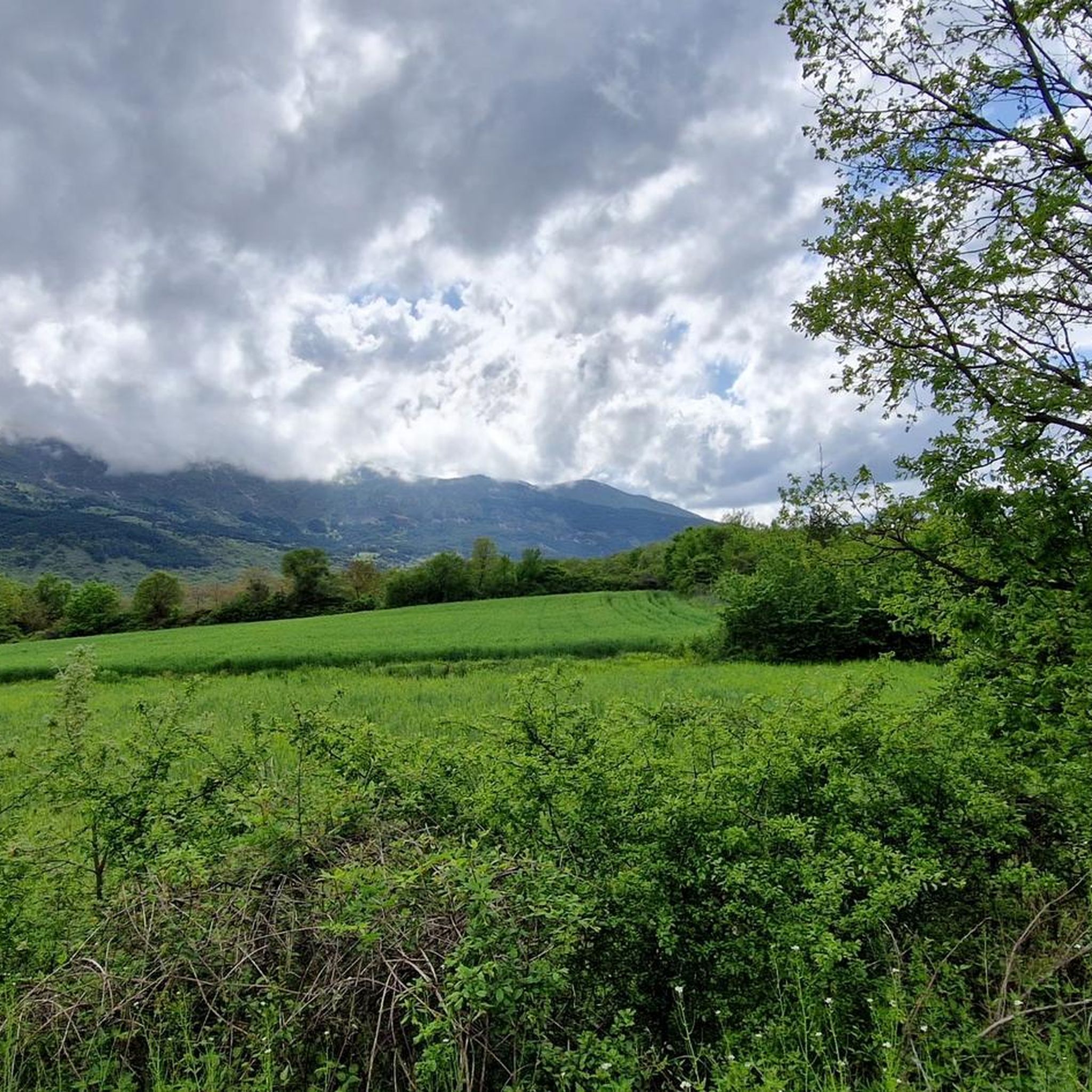
Fortified town of the Camponeschi family in the municipality of Prata D'Ansidonia
0
0
Also known as the sixteenth-century castle.
0
0
The sixteenth-century Castle of L'Aquila is one of the largest, best-preserved buildings of modern military architecture in Europe.
0
0

Frequently Asked Questions
What makes Castello di Ocre a unique place to visit?
Castello di Ocre is not a singular castle but a fascinating medieval fortified village perched on Mount Circolo. Its unique triangular plan, preserved limestone walls, and the ruins of its seven towers offer a tangible glimpse into medieval defensive architecture. While you cannot enter inside the walls, exploring the perimeter provides inspiring panoramic views of the Aterno Valley and the Parco Naturale Regionale del Sirente-Velino.
Are there family-friendly castles to visit near Ocre?
Yes, the Forte Spagnolo (Cinquecento Castle) in L'Aquila is categorized as family-friendly. Although it's undergoing restoration since the 2009 earthquake, its impressive exterior and historical significance make it a worthwhile stop for families. The village of Rovere, with its castle ruins, is also considered family-friendly and offers an easy walk to breathtaking views.
What historical insights can I gain from visiting castles in the Ocre region?
The castles in the Ocre region offer deep historical insights. Forte Spagnolo in L'Aquila, for example, is a 16th-century military stronghold with a complex history, serving various roles from a Spanish governor's residence to a military barracks. Castello di Ocre itself dates back to a Papal bull in 1178 and endured significant attacks, including one by condottiero Braccio da Montone in 1423, showcasing centuries of regional conflict and resilience.
What kind of outdoor activities can I do near these castles?
The Ocre region is excellent for outdoor activities. You can find numerous hiking, mountain biking, and road cycling routes. For hiking, consider the 'Ocre Dolines Loop' or routes like 'View from Castello di Ocre – Ponte del Castello loop from Fossa'. If you're into cycling, explore 'Altopiano delle Rocche Loop' for road cycling or 'Grotta a Male – Madonna d'Appari Church loop from Paganica' for MTB. You can find more details on these and other routes in the Hiking around Ocre, MTB Trails around Ocre, and Road Cycling Routes around Ocre guides.
Are there any easy hiking trails around the castles?
Yes, there are easy hiking options. The 'Ocre Dolines Loop' is an easy hiking trail near Castello di Ocre. Additionally, the walk to the ruins of the ancient castle in the village of Rovere is described as an easy walk, offering great views without strenuous effort.
What is the best time of year to visit the castles in Ocre?
The region's castles, especially those like Castello di Ocre which are largely open-air ruins, are best visited during spring, summer, or early autumn. These seasons offer pleasant weather for exploring the sites and enjoying the panoramic views. Winter visits might be possible, but the high elevation of Castello di Ocre (933 meters) means it can be exposed to colder temperatures and potentially snow, making access and exploration more challenging.
Can I find scenic viewpoints of the castles or from the castles themselves?
Absolutely. Castello di Ocre, perched high on Mount Circolo, offers inspiring views down into the Aterno Valley and the Parco Naturale Regionale del Sirente-Velino. The village of Rovere also provides breathtaking views of the village itself and the entire Rocche plateau from its castle ruins.
Are there any less crowded castle ruins to explore near Ocre?
Castello di Ocre itself is often described as peaceful and eerie due to its exposure to the elements and lack of crowds, making it an excellent choice if you prefer a less crowded experience. Its ruined state and focus on the perimeter exploration contribute to a unique, tranquil atmosphere.
What is the average visit duration for castles near Ocre?
For sites like Castello di Ocre, which are largely ruins and offer perimeter exploration and views, you might spend 1 to 2 hours. For larger sites like Forte Spagnolo in L'Aquila, even with ongoing restoration, viewing the impressive exterior could take 30 minutes to an hour. If you combine a visit with a hike or exploring a nearby village like Rovere, your visit could extend to half a day.
Are there any permits required for visiting Ocre castles?
Generally, no specific permits are required for visiting the exterior or publicly accessible areas of the castle ruins in the Ocre region, such as Castello di Ocre or the ruins in Rovere. For sites like Forte Spagnolo, which houses the National Museum of Abruzzo (MuNDA) and is undergoing restoration, any internal access or museum entry would typically involve a ticket, but no special permits. It's always advisable to check local information for any specific site before your visit.
Can I visit the fortified village of Castel Camponeschi?
Yes, you can visit Castel Camponeschi. It is an abandoned fortified village surrounded by greenery, offering a glimpse into the historical settlements of the Camponeschi family in the municipality of Prata D'Ansidonia. It's a site for those interested in exploring historical ruins in a natural setting.
Most popular attractions around Ocre

Get inspired with the komoot mobile app


Explore more
Looking for the best castles somewhere else? Discover other guides around Ocre:
