Top 6 Caves around Gazzaniga
Caves around Gazzaniga are primarily located within the broader Province of Bergamo, offering a range of underground experiences. This region features mountainous terrain and limestone geology, which contribute to the formation of various natural and historical cave systems. Visitors can explore both geological formations and sites with historical significance, often accessible via hiking trails. The area provides opportunities to discover natural caves in Gazzaniga Italy and learn about the region's past.
Best caves around Gazzaniga
- The most popular caves is…
Last updated: June 29, 2026
Dossena Mines
Highlight • Historical Site
Translated by Google •
Tip by

Paglio Pignolino Mine (Dossena Mines)
Highlight • Historical Site
For information: 0345 49443
visitdossena.it/cosa-fare-e-vedere/le-miniere-e-il-museo-di-archeologia-industriale-dossena
info@visitdossena.it
ecodibergamo.it/stories/premium/valle-brembana/avventura-in-miniera-dossena-apre-anche-il-parco-speleologico_1435945_11
ecodibergamo.it/stories/premium/valle-brembana/dossena-apre-il-parco-speleologico-tutte-le-informazioni-utili-per-visitarlo_1436075_11
ecodibergamo.it/stories/eppen/outdoor/dossena-una-miniera-di-sorprese_1455256_11
Translated by Google •
Tip by

Sign up now to discover places like this
Get recommendations on the best single tracks, peaks, & plenty of other exciting outdoor places.
Sign up for free
Corno Buco Cave
Highlight • Cave
Translated by Google •
Tip by

Madonnina Cave of Selvino
Highlight • Cave
Translated by Google •
Tip by

Grotta Paradis di Asegn
Highlight • Cave
Translated by Google •
Tip by

Sign up for free to discover even more caves around Gazzaniga.
Sign up for free
Already have an account?
Start today with a free account
Your next adventure awaits.
Login or Signup
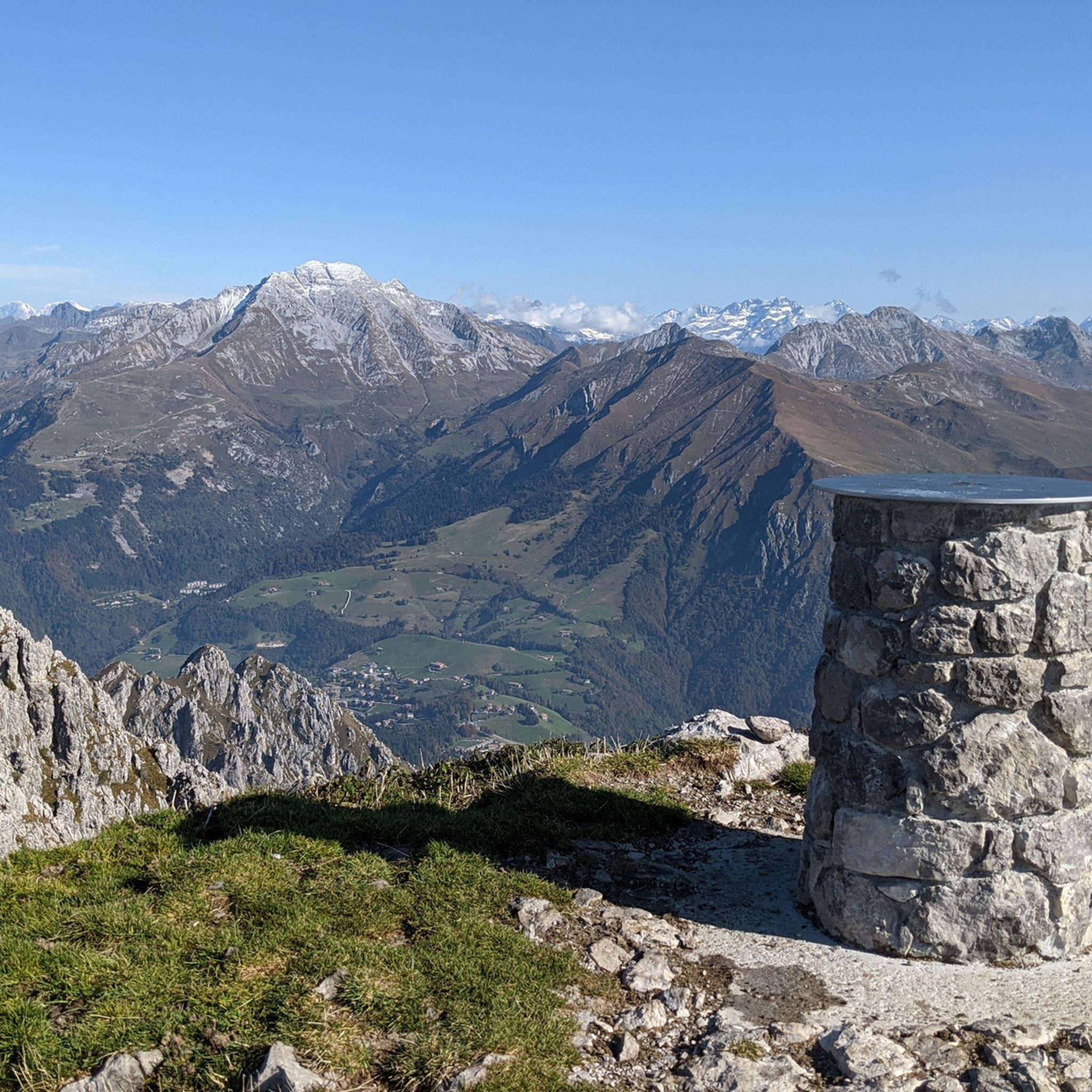
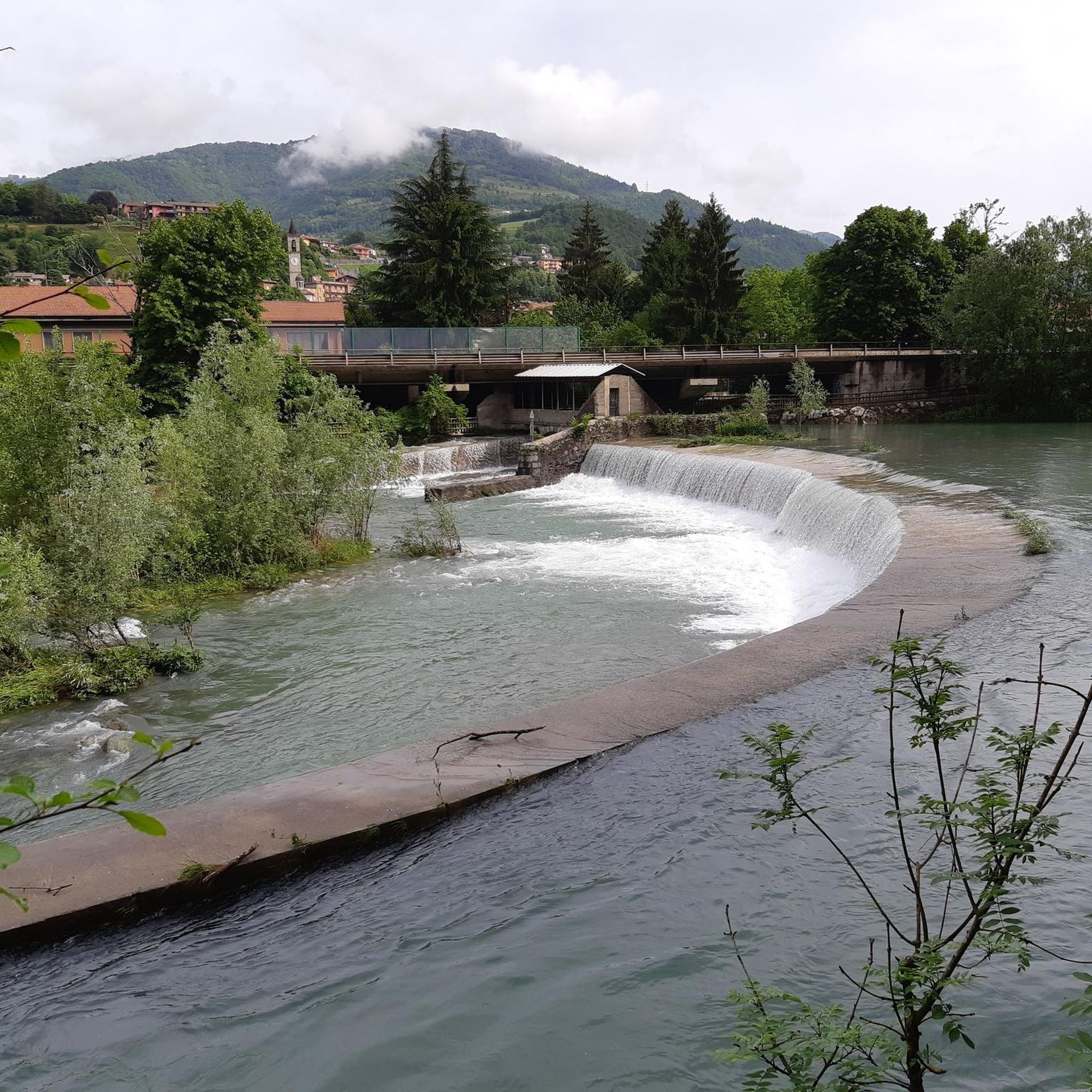
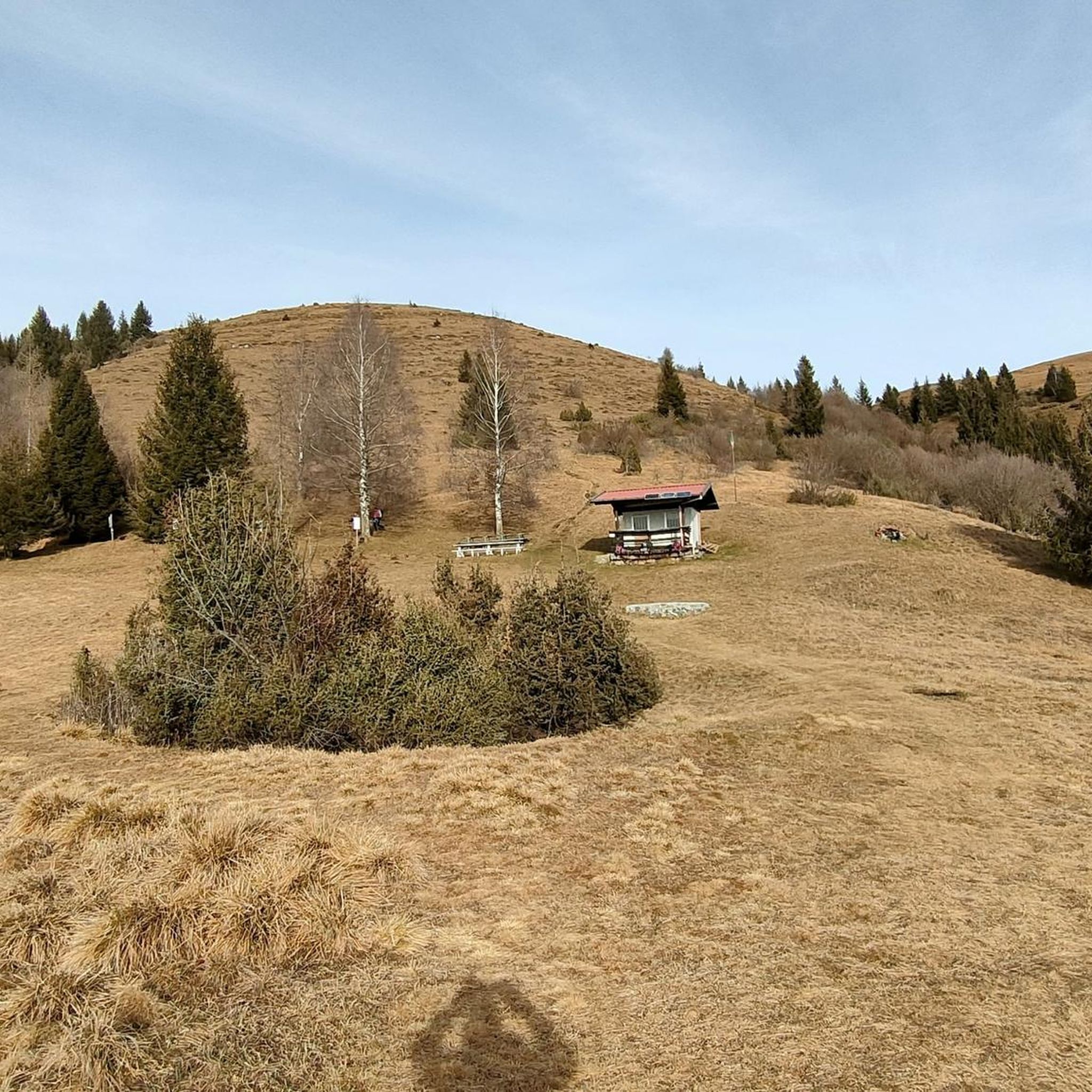
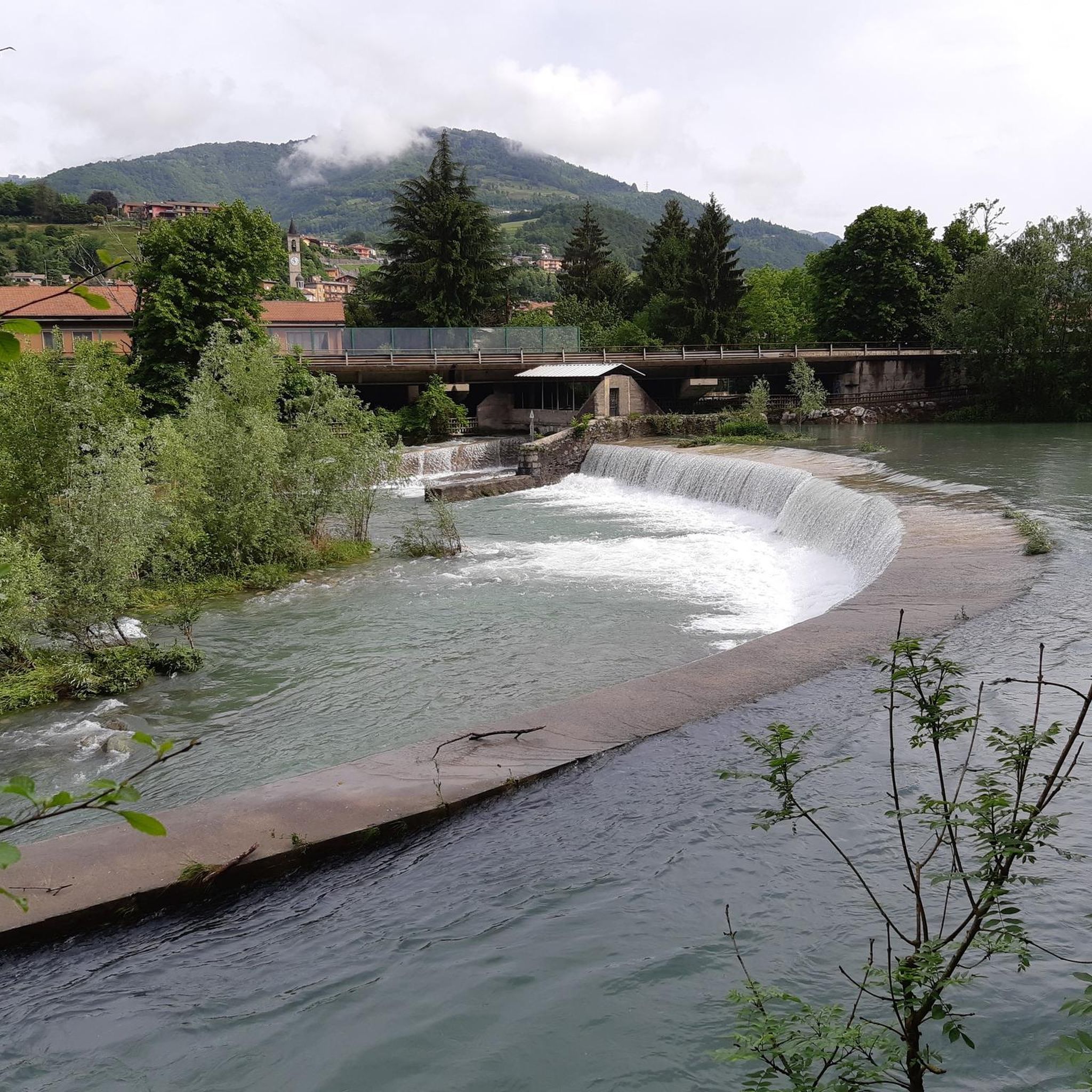


Tips from the Community

nice cave, about ten meters long, beautiful concretions.
0
0

The Dossena Mines represent a historical testimony to industrial and mining archaeology in the Brembana Valley. These mines have been an important resource for mineral extraction, particularly calamine (a zinc ore), since ancient times. The guided tour allows you to explore the main galleries and learn about the history, mining techniques, and miners' lives.
0
0

Very funny. Not for everyone though.
0
0

Semi-hidden cave with no signs.
0
0

Very large alabaster cave that can be reached quickly from the mule track. The last part of the path is classified EE because there is a very short section where you have to climb. You can also look from below without climbing the iron steps.
0
0

The cave is natural, the religious people have inserted a Madonna inside. I ask visitors not to place waste there. Respect the environment!
0
0
Natural cave used as a sanctuary of the Madonnina.
0
0
Frequently Asked Questions
What are the most popular caves to visit around Gazzaniga?
Among the most appreciated caves in the region are the Paglio Pignolino Mine (Dossena Mines), a historical site offering insights into industrial archaeology, and the Corno Buco Cave, known for its natural beauty and local folklore. Another popular spot is the Alabaster Cave, a natural monument featuring a polished alabaster rock at its entrance.
Are there any historically significant caves in the Gazzaniga area?
Yes, the region offers caves with historical importance. The Paglio Pignolino Mine (Dossena Mines) is a significant site for industrial archaeology, showcasing the area's mining heritage. Additionally, the Cave of the Partisans in Val Taleggio holds historical significance as a site related to WWII partisan activities, offering a blend of natural beauty and historical reflection.
What kind of natural features can I expect to see in the caves?
You can expect to see diverse natural formations. The Grotte delle Meraviglie (Caves of Wonders) near Zogno is renowned for its abundant and beautiful speleothems, including stalactites and stalagmites, formed within grey limestone rich in fossilized corals. The Alabaster Cave features a polished alabaster rock, demonstrating the material's appearance.
Are there family-friendly caves suitable for children?
The Grotte delle Meraviglie (Caves of Wonders) near Zogno offers guided tours through 156 meters of the cave, which can be a fascinating and educational experience for families. The tour lasts approximately 45 minutes and provides an accessible way to explore karst formations. It's advisable to check their specific opening days and hours, as they are typically open on certain Sundays from May to September.
What is the best time of year to visit the caves around Gazzaniga?
The best time depends on the specific cave. The Paglio Pignolino Mine (Dossena Mines) can be visited in any season. For the Grotte delle Meraviglie (Caves of Wonders), tours are generally available on certain Sundays from May to September. For natural caves like the Cave of the Partisans, warmer, drier months might be preferable, especially if stream crossings are involved.
How long does a typical visit to a cave take?
For guided tours like those at the Grotte delle Meraviglie (Caves of Wonders), the experience typically lasts around 45 minutes, covering 156 meters of the cave system. For other natural caves, the duration can vary depending on your exploration pace and the associated hiking trails.
What should I wear or bring when exploring caves in this region?
When visiting caves, it's generally recommended to wear sturdy, comfortable shoes, especially if the path might be uneven or involve stream crossings, as is the case for the Cave of the Partisans. A headlamp or flashlight can also be useful for exploring natural caves like the Alabaster Cave, even if it's shallow.
Are there caves with religious significance near Gazzaniga?
Yes, the Madonnina Cave of Selvino is a natural cave that has been adapted into a sanctuary. It is located on a path connecting Selvino to the Lonno-Podona crossroads and holds religious importance for the local community.
What outdoor activities can I do near the caves around Gazzaniga?
The region around Gazzaniga offers numerous outdoor activities. You can find various hiking trails, ranging from moderate to difficult, such as the Monte Cedrina Loop or the Ancient trail to Monte Alben. For more challenging adventures, there are mountain hikes like the Capanna 2000 Mountain Hut loop. Road cycling enthusiasts can also explore routes with views of Lake Endine or climbs to Selvino.
Are there any caves that are particularly good for geology enthusiasts?
Absolutely. The Grotte delle Meraviglie (Caves of Wonders) near Zogno is an excellent choice for geology enthusiasts. It's known for its rich display of speleothems, including stalactites and stalagmites, formed within grey limestone. The guided tour provides a close-up look at these fascinating karst formations.
Can I find caves that are part of local folklore or legends?
Yes, the Corno Buco Cave is notable for its connection to local folklore. According to popular tradition, it was believed to be a hiding place for Vincenzo Pacchiana, a historical brigand of Val Brembana known as Pacì Paciana, adding a layer of mystery to your visit.
Most popular routes around Gazzaniga
Most popular attractions around Gazzaniga

Get inspired with the komoot mobile app


Explore more
Extend your search for the best caves by checking out these guides of the top ones around Gazzaniga:
