Top 4 Castles around Massa Lombarda
Castles near Massa Lombarda Emilia-Romagna is a municipality in the province of Ravenna, situated in the fertile Romagna plain. The area is characterized by its agricultural landscape and historical buildings, reflecting a rich cultural heritage. While Massa Lombarda itself does not feature prominent castles, the surrounding region offers several historical fortresses and fortified sites. These landmarks provide insights into the strategic importance and architectural evolution of the Emilia-Romagna region.
Best castles around Massa Lombarda
- The most popular castles is Rocca Sforzesca di Bagnara, a castle that is a rare example of a fully preserved medieval castrum in the Romagna plain. Its defensive system, including the Sforza fortress, boundary wall, and moat, remains visible today.
- Another must-see spot is Rocca Estense di Lugo, a historical site with origins dating back to the 10th century. Visitors can explore its transformation under Este domination, including the creation of a Hanging Garden in the 18th century.
- Visitors also love Castle of Castel Guelfo di Bologna, a medieval castle located in a town known for its historical significance. The area also offers food and wine tours in the surrounding countryside.
- Massa Lombarda is known for medieval castrums, Sforza fortresses, and Estense strongholds. The region offers a variety of historical castles to see and explore, showcasing different architectural periods and defensive strategies.
- The castles around Massa Lombarda are appreciated by the komoot community, with more than 59 upvotes and 47 photos shared by visitors.
Last updated: June 29, 2026
Rocca Sforzesca di Bagnara
Highlight • Castle
The entire defensive system that includes the Sforza fortress, the boundary wall and the moat is perfectly visible even today. The keep is considered by many scholars to be one of the best 15th century fortification works of art in Italy.
For more information: emiliaromagnaturismo.it/it/localita/bagnara-di-romagna
Translated by Google •
Tip by

Rocca Estense di Lugo
Highlight • Castle
The sources also tell us that the Faentines destroyed the fortress in 1218 and from this moment on it was rebuilt several times and at different times until the fourteenth century.
... the name Rocca Estense reflects the period of its maximum flowering, i.e. under the Este domination, from 1437 to 1598. In fact, the most significant changes to the fortress date back to this period.
Ercole I d'Este transformed the parade ground into a citadel by equipping it with a wall, towers and a moat to defend it. Subsequently, Duke Alfonso II d'Este had the citadel demolished and used the resulting materials to build the ramparts on the south, east and west sides. Following these interventions, the Rocca changed its appearance assuming the form of a bastioned fortress typical of the late sixteenth century.
With the passage to the Papal State, the Rocca lost its castle characteristics. The creation of a Hanging Garden is the main modification of this period which can be dated to the end of the 18th century. It is a suggestive place today accessible through the internal courtyard of the Rocca.
(Source: ilromagnolo.info/rubriche/luoghi/rocca-estense-di-lugo )
Translated by Google •
Tip by

Sign up now to discover places like this
Get recommendations on the best single tracks, peaks, & plenty of other exciting outdoor places.
Sign up for free
Church of the Suffrage (Lugo)
Highlight • Religious Site
The interior with three naves presents an important decorative apparatus, consisting of Baroque stuccos and light and dark drawings ...
(Source: bassaromagnamia.it/poitofintrests/chiesa-del-pio-suffragio )
Translated by Google •
Tip by
Castle of Castel Guelfo di Bologna
Highlight • Castle
Translated by Google •
Tip by

🅰️⭕️ Sant'Andrea Meadow
Highlight • Historical Site
bassaromagnamia.it/poitofintrests/prato-di-santandrea
The area is always open and free to access.
Translated by Google •
Tip by

Start today with a free account
Your next adventure awaits.
Login or Signup

Tips from the Community

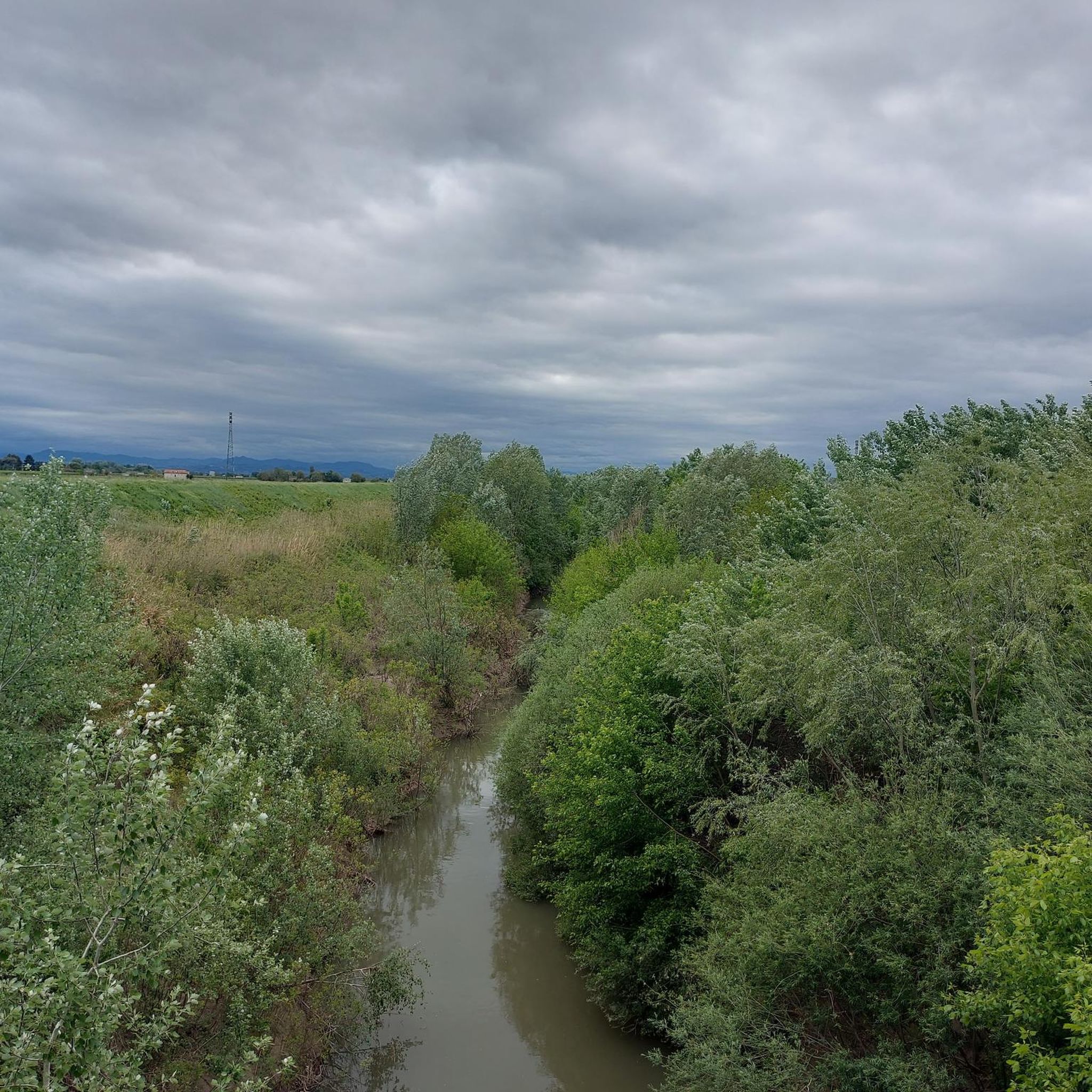
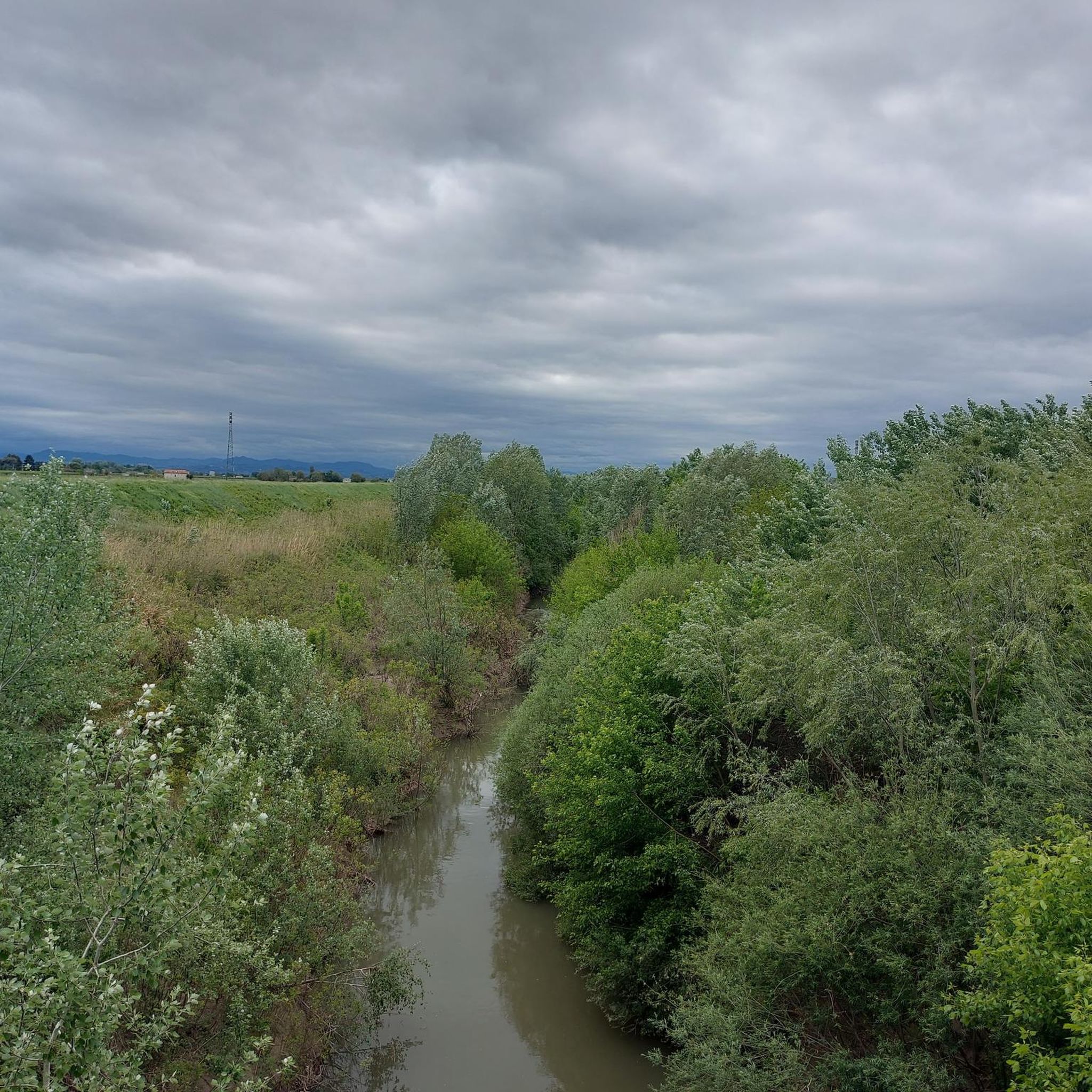
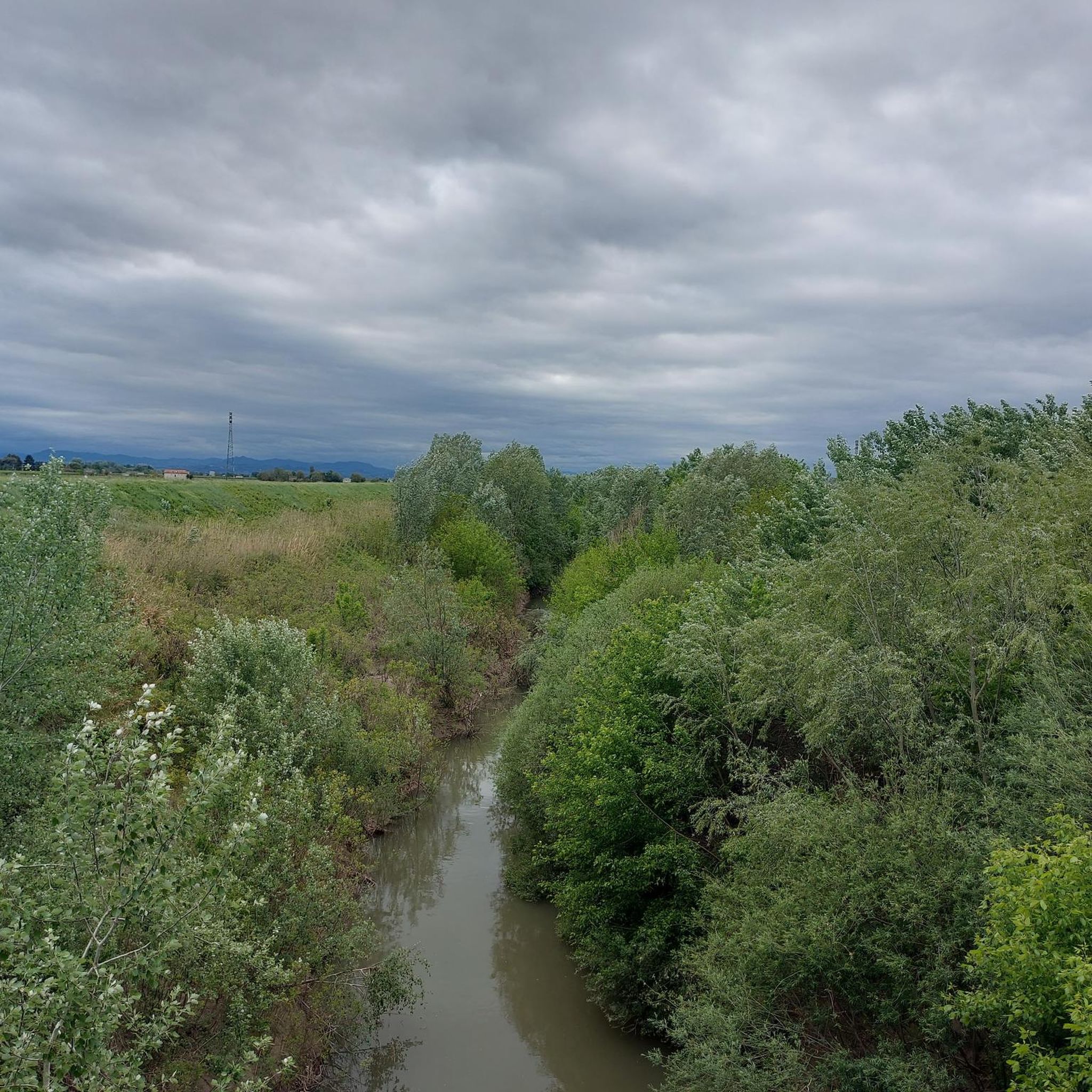
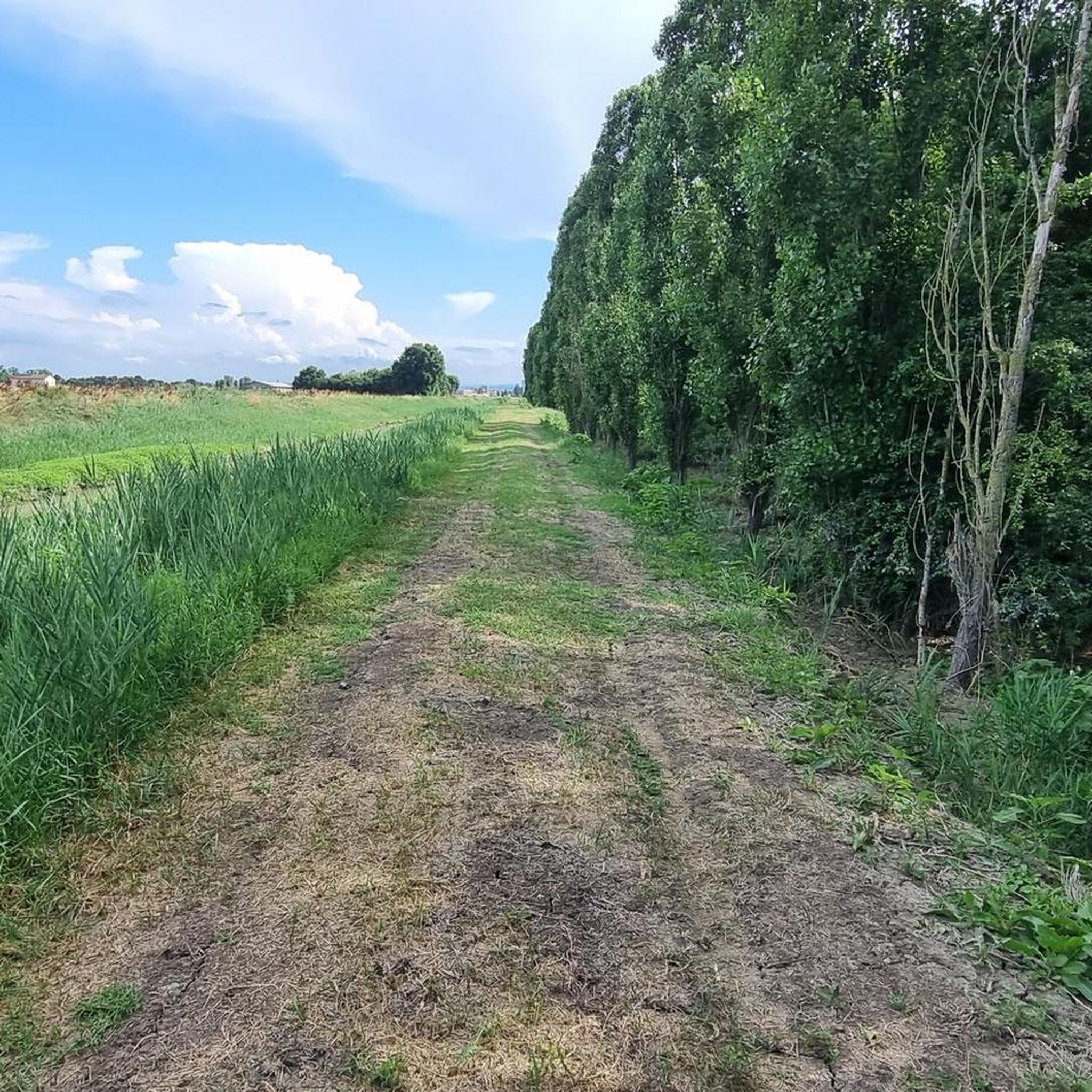
Prato di Sant'Andrea is a simple elliptical mound of land. It was the ancient Bagnara castle, founded in Roman times and destroyed in 1222 during the battle between the Bolognese and Imola residents. https://www.bassaromagnamia.it/poitofintrests/prato-di-santandrea/ The area is always open and free to access.
0
0

Castel Guelfo di Bologna is a town in the Bologna area, known for its medieval castle. It also offers food and wine tours in the surrounding countryside and the Municipal Archaeological Museum.
2
0

Church dating back to 1620 which was formerly an oratory dedicated to St. Joseph. The interior with three naves presents an important decorative apparatus, consisting of Baroque stuccos and light and dark drawings ... (Source: https://www.bassaromagnamia.it/poitofintrests/chiesa-del-pio-suffragio/ )
0
0
Sources tell us of a first fortified nucleus as early as the 10th century ... The sources also tell us that the Faentines destroyed the fortress in 1218 and from this moment on it was rebuilt several times and at different times until the fourteenth century. ... the name Rocca Estense reflects the period of its maximum flowering, i.e. under the Este domination, from 1437 to 1598. In fact, the most significant changes to the fortress date back to this period. Ercole I d'Este transformed the parade ground into a citadel by equipping it with a wall, towers and a moat to defend it. Subsequently, Duke Alfonso II d'Este had the citadel demolished and used the resulting materials to build the ramparts on the south, east and west sides. Following these interventions, the Rocca changed its appearance assuming the form of a bastioned fortress typical of the late sixteenth century. With the passage to the Papal State, the Rocca lost its castle characteristics. The creation of a Hanging Garden is the main modification of this period which can be dated to the end of the 18th century. It is a suggestive place today accessible through the internal courtyard of the Rocca. (Source: https://ilromagnolo.info/rubriche/luoghi/rocca-estense-di-lugo/ )
0
0
The toponym is thought to derive from the quality of the land in the area, once marshy and known as Silva Bagnaria, which was reclaimed by the Etruscans and subsequently colonized by the Romans. ... The first nucleus of the city of Bagnara (old Bagnara) was built in what is now the locality of Prato di S. Andrea, one km southeast of the current city centre, around the ancient Roman castrum, of which currently all that remains is a rise and the remains of what used to be the boundary ditch. Bagnara Vecchia was in fact razed to the ground in 1222 during a battle between the Bolognese and Faentini, and the escaped inhabitants took refuge near the Santerno river, where today the center of the new Bagnara is located. (Source: http://www.itinerariinromagna.it/comune/32/bagnara_di_romagna )
0
0
The only example of a fully preserved medieval castrum in Romagna, the history of the Rocca di Bagnara starts from the 14th century even if its origins are somewhat uncertain. It was probably built by Uguccione della Faggiola in 1297. ... During the 1400s the fortress passed under different hands, from the Holy See to the Estensi. In 1482 it passed to Girolamo Riario and his wife Caterina Sforza (second half of the 1400s) as a wedding gift from Pope Sixtus IV. It is in fact the latter that takes care of the numerous defensive changes of the fortress. ... In the 16th century the fortress passed to Cesare Borgia who marked the way towards its decline. In this period there is also a conversion from military use to civilian use. After the Napoleonic occupation of the 19th century, the fortress definitively became the property of the Municipality of Bagnara in 1868. The fortress was restored in 2008 and has since housed the Castle Museum. It is also the scene of historical re-enactments. (Source: https://ilromagnolo.info/rubriche/luoghi/rocca-sforzesca-bagnara-di-romagna/ )
2
0

Place of historical, cultural and architectural interest Piazza 4 Novembre, 3, 48031 Bagnara di Romagna RA http://www.comune.bagnaradiromagna.ra.it/Citta-e-territorio/Cultura/Rocca-Sforzesca 0545905540
1
0

Small village with a very well preserved fortress and a beautiful square
0
0
Frequently Asked Questions
What castles can I visit around Massa Lombarda?
Around Massa Lombarda, you can explore several historical castles. Notable options include the Rocca Sforzesca di Bagnara, a rare example of a fully preserved medieval castrum, and the Rocca Estense di Lugo, which boasts a rich history dating back to the 10th century. Another option is the Castle of Castel Guelfo di Bologna, known for its medieval architecture.
Are there family-friendly castles near Massa Lombarda?
Yes, several castles in the area are suitable for family visits. The Rocca Sforzesca di Bagnara and the Rocca Estense di Lugo are both categorized as family-friendly. The Castle of Castel Guelfo di Bologna also welcomes families. Additionally, the Sant'Andrea Meadow, the site of an ancient castle, is always open and free to access, offering a historical outdoor experience.
What is the historical significance of the castles in this region?
The castles around Massa Lombarda hold significant historical value, reflecting centuries of strategic importance and changing rulers. For instance, the Rocca Sforzesca di Bagnara is a prime example of 15th-century fortification, influenced by figures like Caterina Sforza. The Rocca Estense di Lugo evolved from a 10th-century fortified nucleus, undergoing major transformations under the Este family. The Sant'Andrea Meadow marks the location of an ancient castle founded in Roman times, destroyed in a 13th-century battle.
Can I find hiking or cycling routes near these castles?
Yes, the area around Massa Lombarda offers various outdoor activities that can be combined with castle visits. You can find numerous road cycling routes, such as the 'Imola Circuit – Compass Rose loop from Massa Lombarda', or explore hiking trails like the 'Santerno River Embankment loop from Sant'Agata sul Santerno'. For more options, check out the guides for Road Cycling Routes around Massa Lombarda and Hiking around Massa Lombarda.
Are there any castles that offer guided tours or museums?
The Rocca Sforzesca di Bagnara houses a Castle Museum and is known to host historical re-enactments, offering an immersive experience. While specific guided tour information for all castles isn't always readily available, visiting these sites often provides opportunities to learn about their history through informational displays or local visitor centers.
What natural features or viewpoints can be found near these castles?
While the castles themselves are historical structures, the region offers natural beauty. The Rocca Estense di Lugo features a unique Hanging Garden, providing a green oasis within the fortress. The surrounding countryside near Castel Guelfo di Bologna is known for its food and wine tours, suggesting scenic landscapes. For broader natural exploration, consider the nearby hiking and cycling routes that traverse the plains and river embankments.
What is the best time of year to visit castles in the Emilia-Romagna region?
The spring and autumn months generally offer the most pleasant weather for exploring castles in Emilia-Romagna, including those around Massa Lombarda. Temperatures are mild, and the landscapes are often vibrant. Summer can be hot, but many castles offer shade and indoor exhibits. Winter visits are possible, though some attractions might have reduced hours, so it's always best to check individual castle opening times.
Is there parking available at the castles?
Parking availability varies by location. Larger towns like Lugo and Castel Guelfo di Bologna typically have public parking options within walking distance of their respective castles. For the Rocca Sforzesca di Bagnara, parking is usually available in the nearby town center. It's advisable to check local municipality websites or visitor information for specific parking details before your visit.
Are there any hidden gem castles or lesser-known historical sites to explore?
Beyond the prominent castles, the Sant'Andrea Meadow in Bagnara is a fascinating, lesser-known site. It's not a standing castle but an elliptical mound marking the spot of an ancient castle destroyed in 1222. It offers a quiet, reflective historical experience. The Church of the Suffrage (Lugo), while a religious building, is also a historical site near the Rocca Estense di Lugo, dating back to 1620 with impressive Baroque interiors.
Can I find cafes or restaurants near these castles?
Yes, the castles are generally located in or near towns that offer dining options. Lugo, home to the Rocca Estense di Lugo, has various cafes and restaurants. Similarly, Castel Guelfo di Bologna and Bagnara di Romagna (near Rocca Sforzesca di Bagnara) provide local eateries where you can enjoy regional cuisine before or after your castle visit.
Most popular routes around Massa Lombarda
Most popular attractions around Massa Lombarda

Get inspired with the komoot mobile app


Explore more
Looking for the best castles somewhere else? Discover other guides around Massa Lombarda:
