Top 5 Castles around Frassinoro
Best castles around Frassinoro are found in this charming mountain town located in the province of Modena. Frassinoro is situated in the Frignano area of the Apennines, a region historically significant for its ancient routes like the Via Bibulca and its connection to Matilda of Canossa. The area offers a blend of natural landscapes and rich cultural heritage, making it a notable destination for exploring historical fortifications.
Best castles around Frassinoro
- The most popular castles is Montefiorino, a settlement…
Last updated: October 16, 2026
Rocca di Roccapelago
Highlight • Castle
Translated by Google •
Tip by

Montefiorino
Highlight • Settlement
Translated by Google •
Tip by

Sign up now to discover places like this
Get recommendations on the best single tracks, peaks, & plenty of other exciting outdoor places.
Torrione della Brunella
Highlight • Castle
Translated by Google •
Tip by

Panoramic viewpoint - Torricella
Highlight • Viewpoint
Beautiful panoramic views show the strategic importance of this fortress.
Translated by Google •
Tip by
Bargecchia Historic Village
Highlight • Settlement
Translated by Google •
Tip by

Start today with a free account
Your next adventure awaits.
Popular around Frassinoro
Apennine Cycle Route (Part 1) - From Liguria to Umbria
Berceto to Abetone – Alta Via dei Parchi (part 1)
18th-century route from Modena to Massa – Via Vandelli
Hiking around Frassinoro
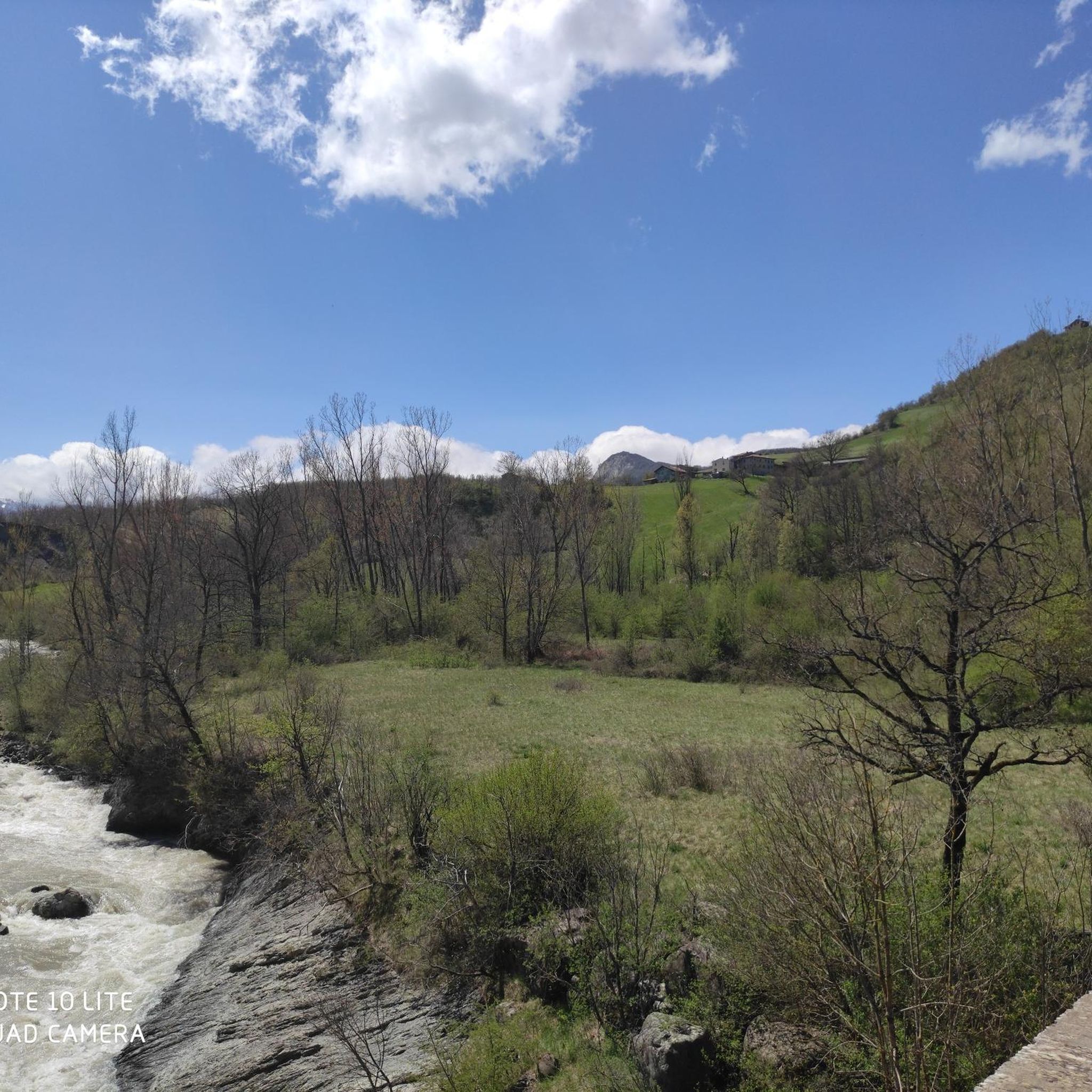
MTB Trails around Frassinoro
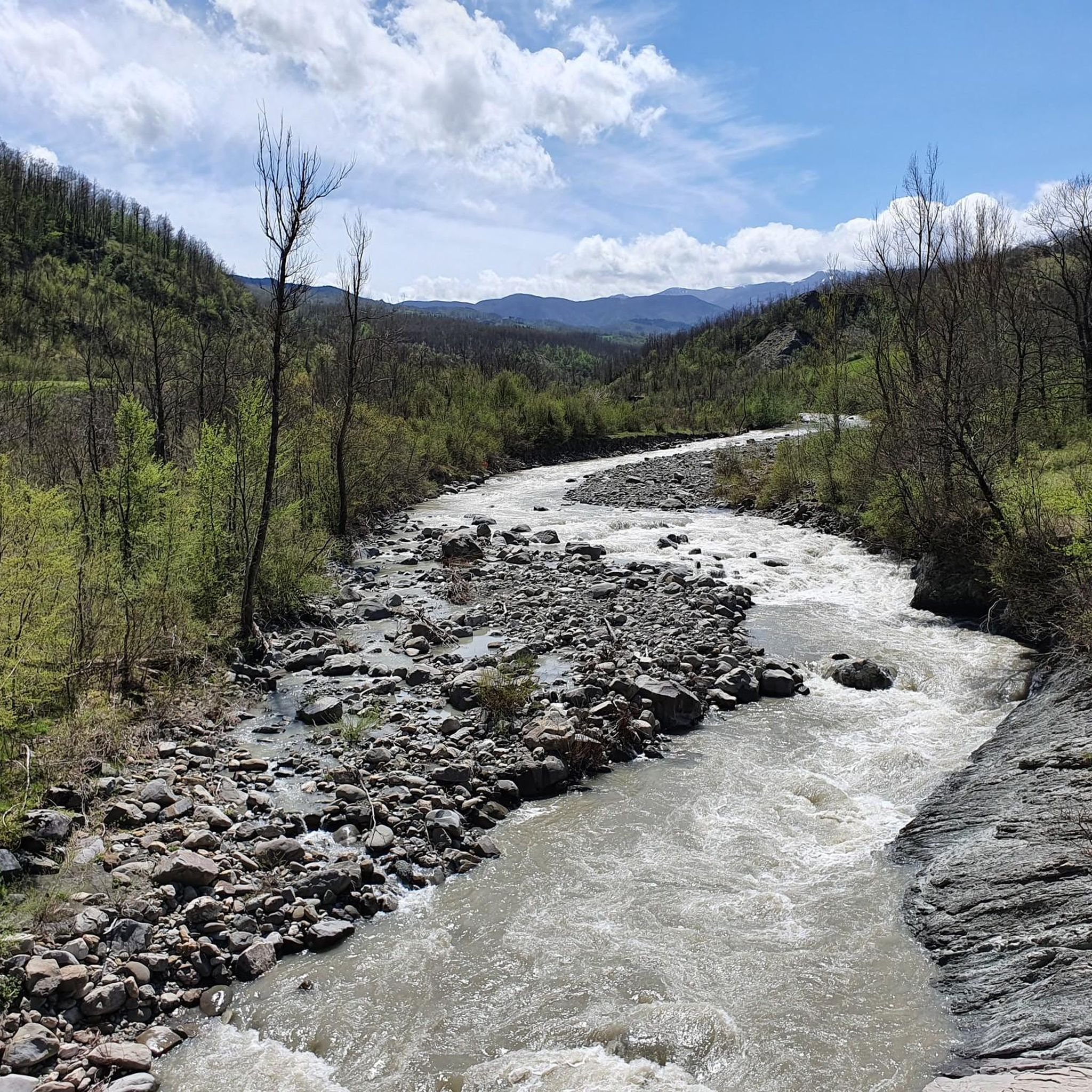
Road Cycling Routes around Frassinoro
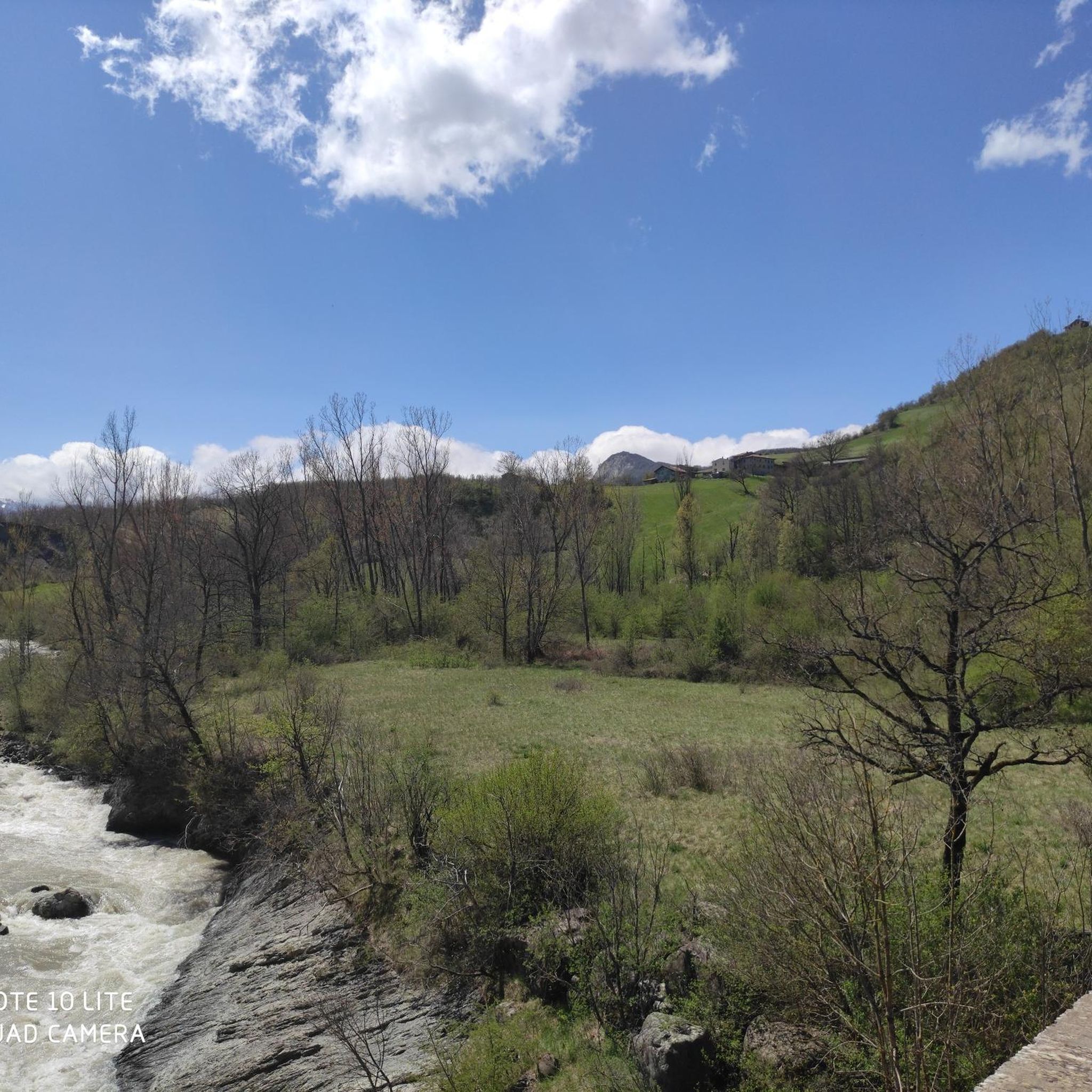
Cycling around Frassinoro
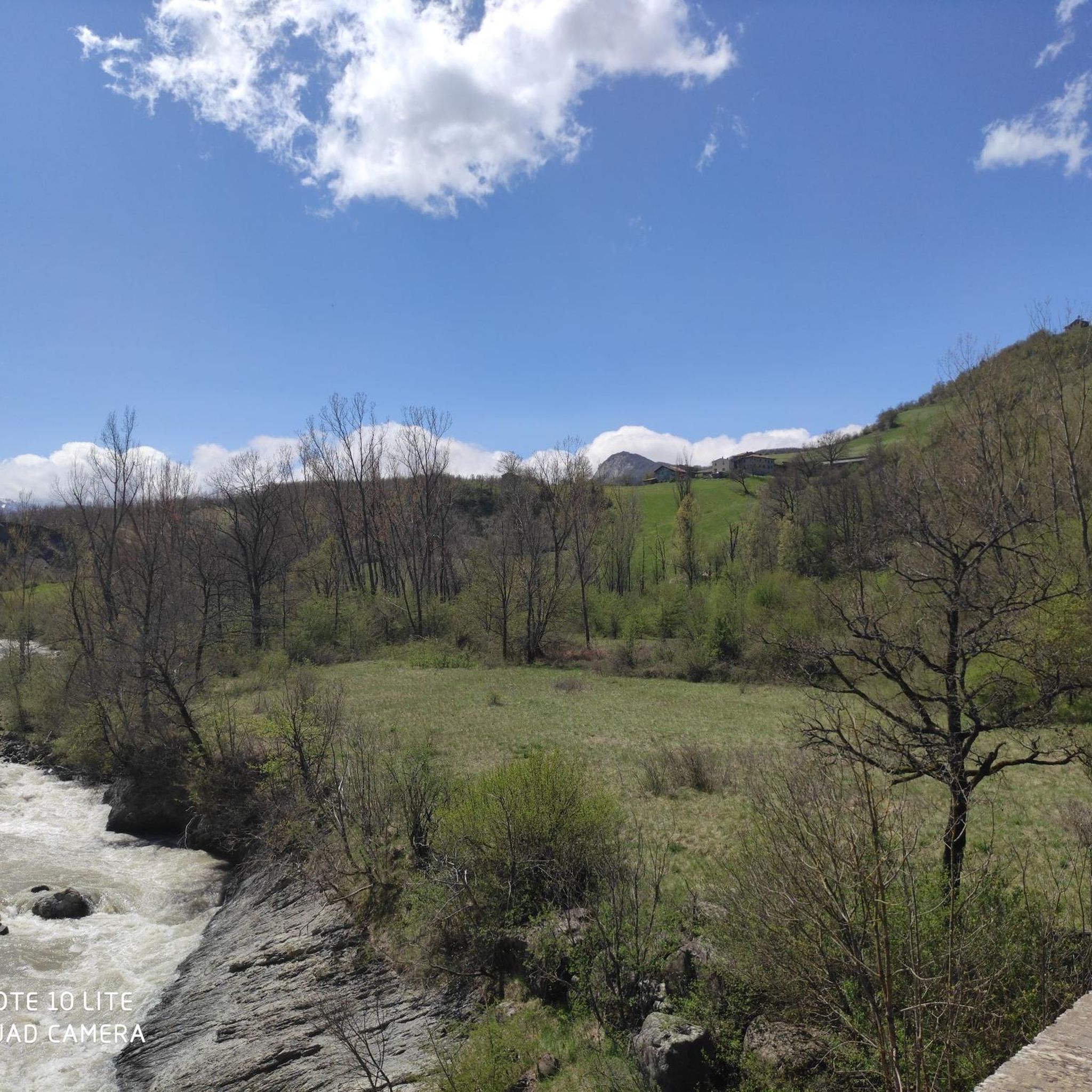
Running Trails around Frassinoro
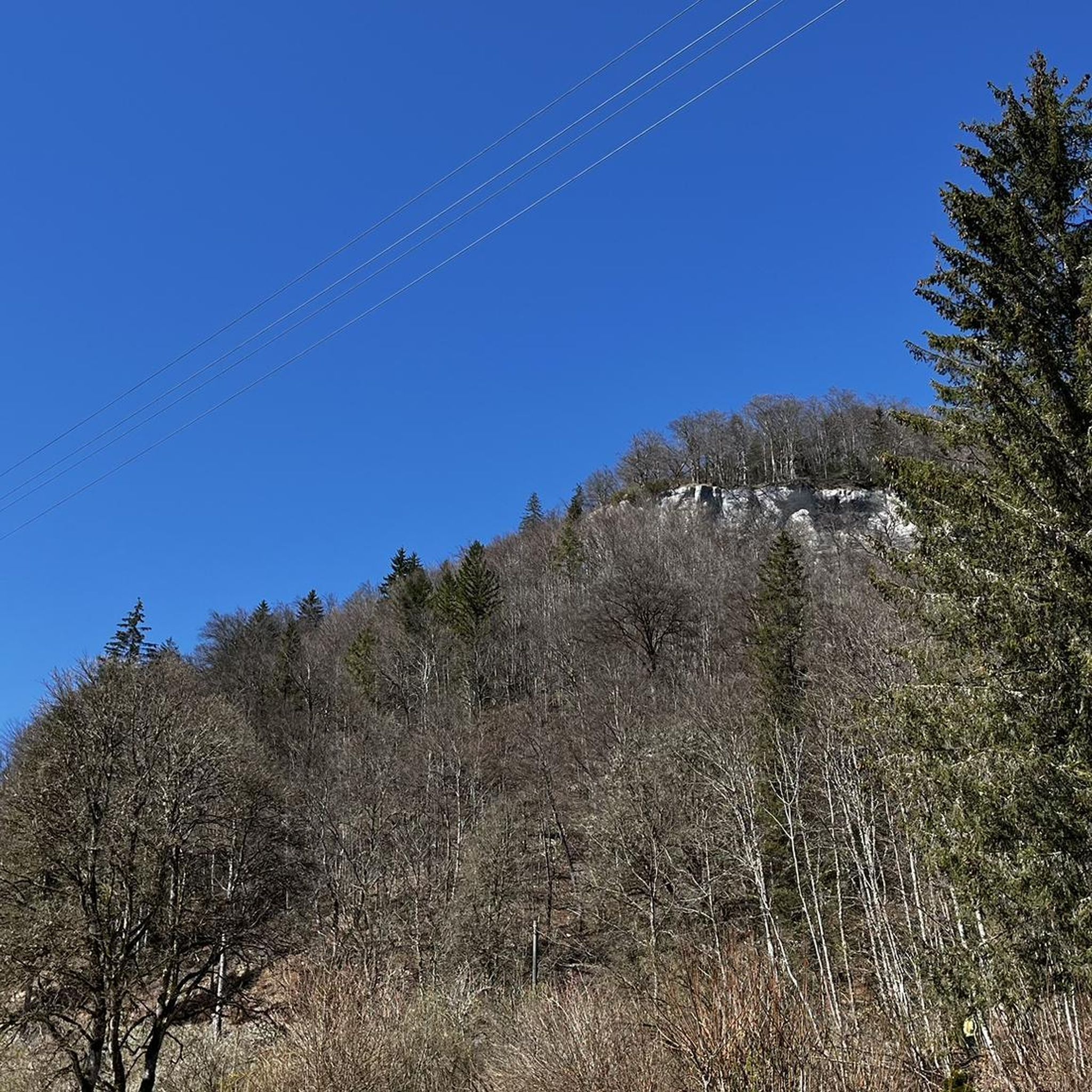
Mountain Hikes around Frassinoro
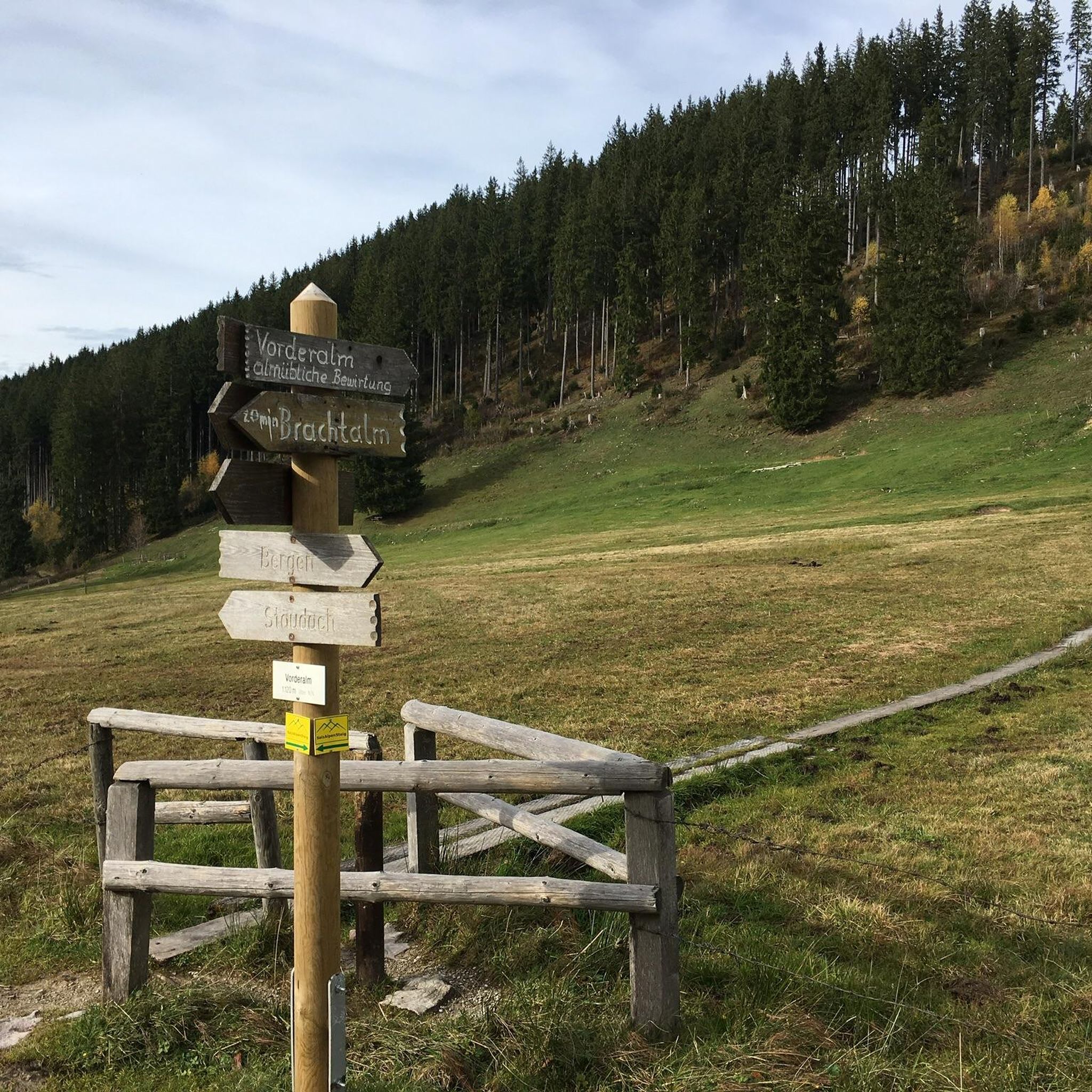
Gravel biking around Frassinoro
Other adventures around Frassinoro


Tips from the Community

easy to reach starting from Pieve Fosciana towards Sillico
0
0
Formerly known as Villa Bargicula, it is a small village located in the municipality of Pieve Fosciana, in the Upper Garfagnana. It has been fortified by a castle since the Middle Ages. The earliest historical records concern its church, dedicated to San Regolo, mentioned in the Papal Bull issued on December 23, 1168, by Pope Alexander III and addressed to the parish priest of Pieve Fosciana. In 1401, Paolo Guinigi, Lord of Lucca, considering it important for the defense of the Lucca lands, included it in the list of fortifications to be renovated and strengthened. In 1433, like many other villages in the Garfagnana, it voluntarily surrendered to the Este family. After many years of abandonment, Bargecchia is now returning to life: several homes have been restored. The main building is the church of San Regolo, which is believed to date back to the 17th century. Bargecchia is connected to Pieve Fosciana by an ancient municipal road and was for a long time an obligatory stop for those who descended from Sillico to the Ceserana Bridge to reach Castelnuovo Garfagnana by the shortest route.
0
0

It is believed that the rocky block on which Roccapelago stands was an ancient prehistoric castle. The first mention of a "Castrum Pelago" is found in a document dated 753. Roccapelago probably belonged to the Gualandelli family since the 12th century, and was subsequently a fiefdom of the Montegarullo family from 1240, whose warlike politics it suffered, especially under Obizzo da Montegarullo. In 1393, Obizzo having rebelled against the Este family, Roccapelago was besieged by the Lucchese allies of the house of Este, who took possession of the castle. In 1396 Obizzo managed to regain possession of it and Roccapelago remained with the Montegarullo family until 1408 when a powerful military contingent, under the command of Uguccione dei Contrari, managed to capture it and take it prisoner to Ferrara. In 1586, the new church of Roccapelago was built on the perimeter of the now abandoned castle. The square, massive shape, without arches, without columns and without vaults suggests that its room had been the hall of the Obizzo manor. The bell tower was built at the expense of the population in 1765, using a tower from the old castle. Other restoration works were carried out in 1925 due to damage from an earthquake. Four ancient rooms have recently been recovered which currently house the "In the footsteps of Obizzo da Montegarullo" and "The Mummies of Roccapelago" museums. From the site: http://www.roccapelago.it/
0
0

Montefiorino is a small town in the province of Modena, known for being the center of the first Partisan Republic in the Second World War. The town is characterized by its imposing medieval fortress, which houses two museums dedicated to the Resistance and local history.
0
0

A location that everyone looks forward to. Here people are asked to kiss with the 13th century Rocca del Castello in the background. A place to share in good company. Beautiful panoramic views show the strategic importance of this fortress.
7
0
Torrione della Brunella is the most imposing tower of the medieval ramparts. From here you can enjoy a beautiful panorama over the valley and admire the spectacle of the Apuan Alps. You can enter the tower itself. Take a dip in the past and let yourself be guided by a colony of bats, they have made their habitat here. This tower was once used as a prison.
8
0
Frequently Asked Questions
What are the most historically significant castles to visit near Frassinoro?
The region around Frassinoro is rich in history. Key castles include Montefiorino Castle, known for its medieval fortress and the Museum of the Partisan Republic. You can also explore Rocca di Roccapelago, an ancient castle dating back to 753 AD, which now houses "The Mummies of Roccapelago" museum. Additionally, Montecuccolo Castle in Pavullo nel Frignano is notable as the birthplace of military leader Raimondo Montecuccoli and features a Natural History Museum.
Is there a castle located directly within Frassinoro?
Yes, the Castello della Badia is located in Frassinoro. Historically, it served as a guesthouse for pilgrims on the ancient Via Bibulca and has connections to Matilda of Canossa. It has been restored and is now a multi-functional space, with plans for a small museum focusing on the medieval importance of the Abbazia di Frassinoro.
What unique features does Montefiorino Castle offer?
Montefiorino Castle is built on a rocky spur, offering breathtaking 360-degree panoramic views from its 12th-century keep. It also houses the Museum of the Partisan Republic, documenting the first free area of northern Italy during World War II with exhibits of weapons, uniforms, and historical documents.
What can I expect to see at Montecuccolo Castle?
Montecuccolo Castle, the birthplace of Raimondo Montecuccoli, features impressive medieval architecture, including a unique spiral staircase, richly decorated friezes in Raimondo's Hall, and underground prisons. It also hosts the Natural History Museum of Frignano and art collections, including works by Raffaele Biolchini and Gino Covili.
Are there any museums within the castles near Frassinoro?
Yes, several castles host museums. Montefiorino Castle houses the Museum of the Partisan Republic. Rocca di Roccapelago features "The Mummies of Roccapelago" museum. Montecuccolo Castle is home to the Natural History Museum of Frignano and various art collections. There are also plans for a small museum within the Castello della Badia in Frassinoro.
What historical context is important when visiting castles in the Frassinoro area?
The castles in this region are deeply intertwined with the ancient Via Bibulca, a crucial pilgrim route, and the legacy of Matilda of Canossa, a powerful medieval countess. Many castles, like Montefiorino, were strategically built to control these routes. The area also played a significant role in more recent history, notably with the Partisan Republic of Montefiorino during World War II.
Are there family-friendly castles to visit around Frassinoro?
Yes, several castles offer experiences suitable for families. Montefiorino Castle is considered family-friendly, offering historical insights. The Panoramic viewpoint - Torricella, featuring a 13th-century Rocca del Castello, is also a family-friendly spot with beautiful views.
What outdoor activities can I do near these castles?
The Frassinoro area, with its castles, is excellent for outdoor activities. You can find numerous hiking and cycling routes. For example, there are many options for hiking around Frassinoro, including difficult trails like the GEA trail. If you prefer cycling, there are also cycling routes and gravel biking trails that pass through the scenic Apennine landscape near these historical sites.
Are there hiking trails that incorporate castle visits?
While specific trails directly leading into every castle might vary, many hiking routes in the Frassinoro area offer views of or pass near these historical sites. For instance, you can find routes that take you through the Frignano area, allowing you to combine natural exploration with visits to places like Montefiorino. Check the hiking guide for Frassinoro for detailed routes.
What kind of views can I expect from the castles?
Many castles in the region offer spectacular panoramic views due to their strategic hilltop locations. From Montefiorino Castle, you can enjoy 360-degree views of the Dolo and Dragone valleys, including peaks like Mount Cimone and Mount Cusna. The Panoramic viewpoint - Torricella also provides stunning vistas of the surrounding landscape.
What is the best time of year to visit the castles around Frassinoro?
The spring and autumn months generally offer the most pleasant weather for exploring the castles and the surrounding natural beauty. Temperatures are mild, and the landscapes are vibrant. Summer can also be a good time, especially in the higher altitudes, though it can be warmer. Winter visits are possible, but some facilities or access might be limited due to snow or colder conditions.
Are there any lesser-known or 'hidden gem' historical villages with fortifications?
Yes, beyond the main castles, you can explore places like Bargecchia Historic Village. This small village, fortified by a castle since the Middle Ages, has been undergoing restoration. Its church, dedicated to San Regolo, dates back to the 17th century, and it offers a glimpse into the region's past as a strategic point between Lucca and the Este family.
Most popular routes around Frassinoro
Most popular attractions around Frassinoro

Get inspired with the komoot mobile app


Explore more
Looking for the best castles somewhere else? Discover other guides around Frassinoro:
