Top 6 Castles around Montecreto
Best castles around Montecreto are found in a charming village in the Northern Apennines, known for its historical significance and medieval past. The area offers a glimpse into its fortified heritage, with remnants of castles and well-preserved medieval urban planning. Visitors can explore sites that highlight the intertwining of religious and defensive structures, set against a backdrop of surrounding valleys. This region provides opportunities to experience unique examples of historical architecture and enjoy panoramic views.
Best castles around Montecreto
- The…
Last updated: June 29, 2026
Montecuccolo Castle
Highlight • Castle
Its history begins at the time of Matilda of Canossa, when a family of her vassals obtained …
Translated by Google •
Tip by

Rocca di Roccapelago
Highlight • Castle
Translated by Google •
Tip by

Sign up now to discover places like this
Get recommendations on the best single tracks, peaks, & plenty of other exciting outdoor places.
Sign up for free
Sestola Castle
Highlight • Castle
Translated by Google •
Tip by

Viecave Tower and Historic Village
Highlight • Historical Site
Translated by Google •
Tip by

Castello di Montecuccolo
Highlight • Castle
Translated by Google •
Tip by

Sign up for free to discover even more castles around Montecreto.
Sign up for free
Already have an account?
Start today with a free account
Your next adventure awaits.
Login or Signup


Tips from the Community

It is believed that the rocky block on which Roccapelago stands was an ancient prehistoric castle. The first mention of a "Castrum Pelago" is found in a document dated 753. Roccapelago probably belonged to the Gualandelli family since the 12th century, and was subsequently a fiefdom of the Montegarullo family from 1240, whose warlike politics it suffered, especially under Obizzo da Montegarullo. In 1393, Obizzo having rebelled against the Este family, Roccapelago was besieged by the Lucchese allies of the house of Este, who took possession of the castle. In 1396 Obizzo managed to regain possession of it and Roccapelago remained with the Montegarullo family until 1408 when a powerful military contingent, under the command of Uguccione dei Contrari, managed to capture it and take it prisoner to Ferrara. In 1586, the new church of Roccapelago was built on the perimeter of the now abandoned castle. The square, massive shape, without arches, without columns and without vaults suggests that its room had been the hall of the Obizzo manor. The bell tower was built at the expense of the population in 1765, using a tower from the old castle. Other restoration works were carried out in 1925 due to damage from an earthquake. Four ancient rooms have recently been recovered which currently house the "In the footsteps of Obizzo da Montegarullo" and "The Mummies of Roccapelago" museums. From the site: http://www.roccapelago.it/
0
0

In the village of Viecave, which once had considerable strategic and sighting importance, there is a high tower around which some remains of the castle, now almost completely disappeared, can still be seen. The many landslides that have occurred in recent centuries have upset the geography of Viecave, where, moreover, two other fifteenth-sixteenth century buildings are still clearly distinguishable.
1
0
Some suggest the derivation of the toponym Viecave from Viae Capitum (main streets), mentioned for the first time in a 14th century document. From the 15th century it became an independent municipality, until, in the 17th century, it was absorbed by Crocette. The solitary tower, which rises above the village, dates back to the sixteenth century and is the only remaining evidence of the ancient castle. The building next door, which includes a tower house and a service building, has five portals and two of them bear the date of 1565 (east) and 1682 (west). Interesting to note the use of wood for pillars and beams. http://www.camministorici.it/it/user/4/punti-di-interest/vie-cave
0
0

Montecuccolo Castle is a wonderful and majestic well-preserved castle that is worth visiting. Its history begins at the time of Matilda of Canossa, when a family of her vassals obtained the investiture of the fiefdom in 1116 from Emperor Henry V and built a tower and a first palace on this hill at the beginning of the 12th century. After a long struggle with other local feudal lords, the Montecuccoli, who emerged victorious, expanded the fortress which took on its current appearance between the 15th and 17th centuries, with the addition of the new palace, the square tower and the podesteria. The castle offers a beautiful view of the sunset from its terrace located in the rear entrance, where the restaurant is also located. A curious fact about the castle is that it houses the highest balsamic vinegar cell in the world, at an altitude of 873 metres.
2
0

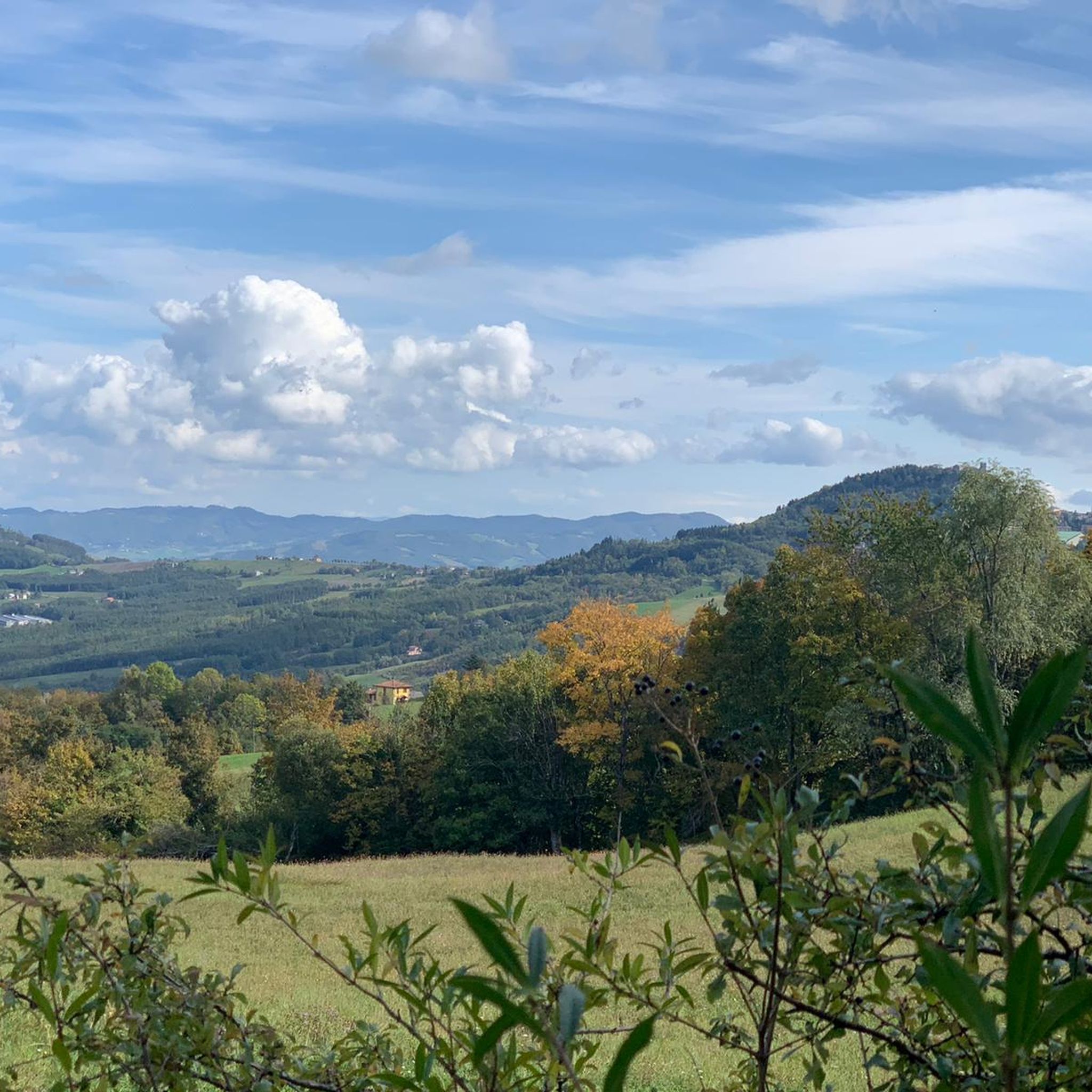
easy walk in the foliage of the Modena Apennines between nature and history. not too demanding climbs and breathtaking views
0
0

The tower of the Montecuccoli castle
1
1

Sestola is one of the most renowned tourist resorts of the Tuscan-Emilian Apennines, also known as the "Pearl of the Apennines". In its municipal area there is the Frignano Park, also known as the Regional Park of the Upper Modenese Apennines.
1
0
Frequently Asked Questions
What are the most historically significant castles or sites in Montecreto?
Montecreto's medieval past is centered around the **Castle of Montecreto (Rocca di Montecreto)**. While the castle itself is largely in ruins, its ancient keep was ingeniously transformed into the bell tower of the Parish Church of St. John the Baptist. The area around the former castle still reveals traces of its medieval fortification, including the outline of concentric walls. You can also explore Montecuccolo Castle, which has a history dating back to Matilda of Canossa, and Rocca di Roccapelago, believed to be an ancient prehistoric castle with museums housed in its former rooms.
Can I experience medieval urban planning in Montecreto?
Yes, a walk along **Via Castello** in Montecreto offers a unique immersion into medieval urban planning. This distinctive fortified street, dating back to medieval times, is a rare example in the Frignano area where tightly packed houses formed a defensive curtain. It's paved with sandstone slabs and adorned with portals, heraldic symbols, and votive shrines, telling stories of its past.
Are there any family-friendly castle sites or activities around Montecreto?
Yes, Castello di Montecuccolo is noted as family-friendly. The historical center of Montecreto, particularly Via Castello, offers an engaging walk for families to explore medieval architecture and history. While specific family activities at the castles are not detailed, the historical immersion and panoramic views can be enjoyable for all ages.
What kind of views can I expect from the castle sites?
From the top of the hill where the Castle of Montecreto once stood, and along Via Castello, you can enjoy beautiful panoramic views over the surrounding valleys. This vantage point also offers the opportunity to spot other historical towers that were once part of an ancient defensive lookout system. Montecuccolo Castle also offers a beautiful sunset view from its terrace.
What unique features do the castles around Montecreto offer?
Montecuccolo Castle is unique for housing the highest balsamic vinegar cellar in the world. At Rocca di Roccapelago, you can visit the "In the footsteps of Obizzo da Montegarullo" and "The Mummies of Roccapelago" museums within its ancient rooms. The **Castle of Montecreto** itself is notable for its keep being repurposed as a church bell tower, showcasing the intertwining of religious and defensive structures.
Are there opportunities for outdoor activities like cycling near the castles?
Yes, the Montecreto region offers various cycling opportunities. You can find numerous routes for road cycling, gravel biking, and general cycling. For example, there are challenging road cycling routes like the "Montecuccolo Castle – Ascent to Piane di Mocogno loop" and cycling routes such as the "Pyramids of Passo dell'Abetone – Lago Santo loop from Montecreto." You can explore more options in the Road Cycling Routes around Montecreto, Gravel biking around Montecreto, and Cycling around Montecreto guides.
What is the Viecave Tower and Historic Village?
Viecave Tower and Historic Village is a historical site where a high tower stands as the only remaining evidence of an ancient castle. Dating back to the sixteenth century, this solitary tower is surrounded by some remains of the castle. The village itself once held significant strategic and sighting importance, and you can still distinguish two other fifteenth-sixteenth century buildings there.
What do visitors appreciate most about the castles and historical sites in Montecreto?
Visitors appreciate the historical immersion offered by sites like Via Castello, the well-preserved structures such as Montecuccolo Castle, and the unique cultural significance of places like Rocca di Roccapelago with its museums. The panoramic views over the valleys from these elevated historical locations are also a highlight.
Are there any specific viewpoints related to castles in the area?
Yes, beyond the general panoramic views from castle sites, there is a specific highlight called View of Monzone and the Castle. This offers a nice stretch of slope leading to a view of Monzone and its castle, often described as a prelude to entering the Monzone forest.
What is the best time to visit the castles around Montecreto?
While specific seasonal data for castles isn't provided, the Northern Apennines region generally offers pleasant conditions for exploring historical sites and outdoor activities during spring, summer, and early autumn. These seasons typically provide favorable weather for walking along Via Castello and enjoying the panoramic views.
Is there a tourist information center in Montecreto?
Information regarding a specific tourist information center in Montecreto is not available in the provided data. However, for general information about the region, you might find resources on the Visit Modena website.
Most popular routes around Montecreto
Most popular attractions around Montecreto

Get inspired with the komoot mobile app


Explore more
Looking for the best castles somewhere else? Discover other guides around Montecreto:
