Top 5 Castles around Pignone
Best castles around Pignone reveal a rich history of fortified settlements and strategic locations. Pignone itself is a well-preserved medieval fortified village, characterized by a compact network of stone houses and narrow alleys. Its strategic position in the Ligurian hinterland, partly within the Montemarcello Magra Vara Park, showcases a long history of defensive architecture. The area features ancient origins, including archaeological evidence of pre-Roman fortifications and medieval structures.
Best castles around Pignone
- The most popular castles is Carpena Castle and…
Last updated: May 2, 2026
Levanto Clock Tower
Highlight • Historical Site
Translated by Google •
Tip by

Castello di Calice al Cornoviglio
Highlight • Castle
Translated by Google •
Tip by

Sign up now to discover places like this
Get recommendations on the best single tracks, peaks, & plenty of other exciting outdoor places.
Sign up for free
Carpena Castle and Church
Highlight • Castle
beautiful church and castle ruins
Translated by Google •
Tip by

Suvero Castle
Highlight • Castle
Translated by Google •
Tip by
Castello di Madrignano
Highlight • Castle
Translated by Google •
Tip by

Start today with a free account
Your next adventure awaits.
Login or Signup
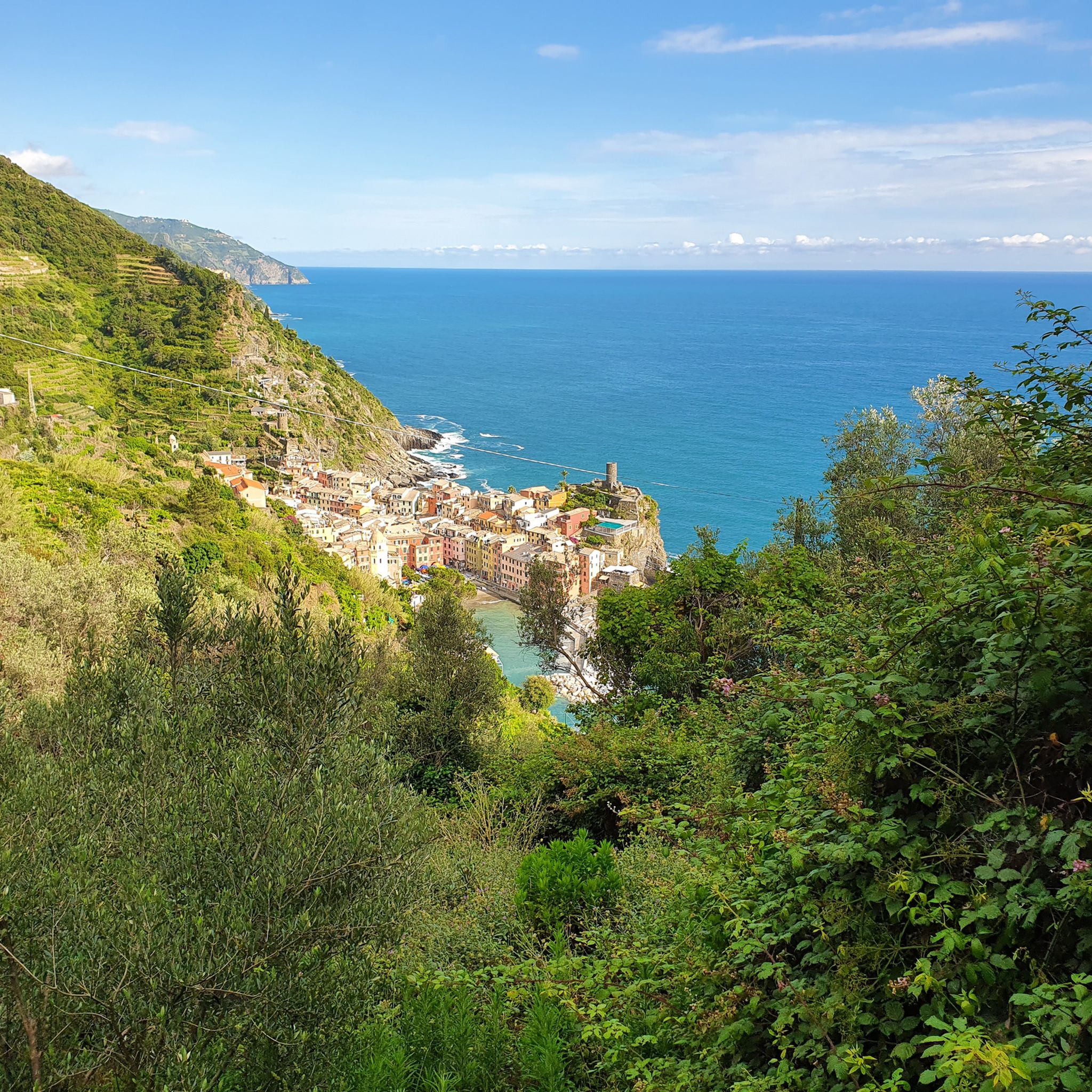
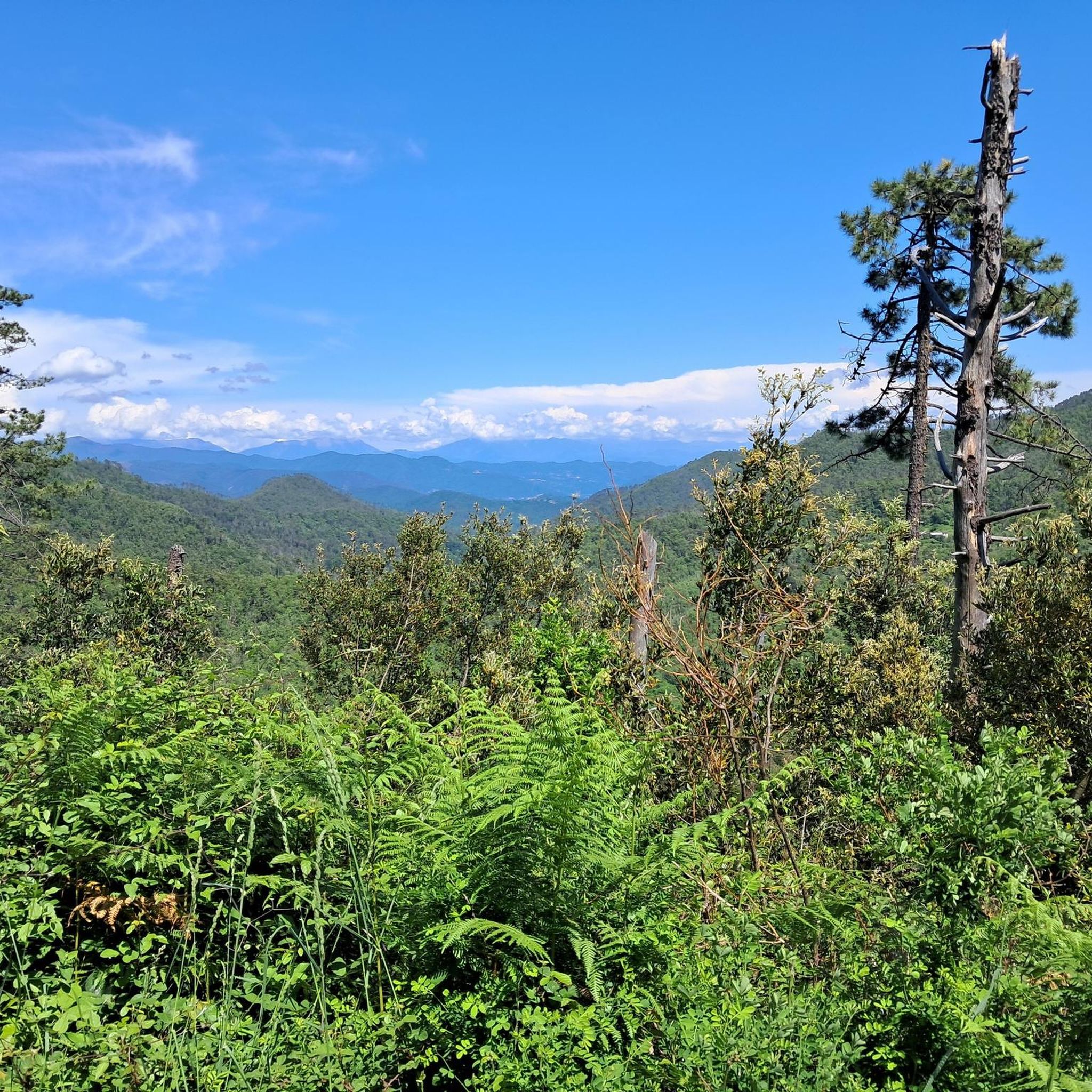
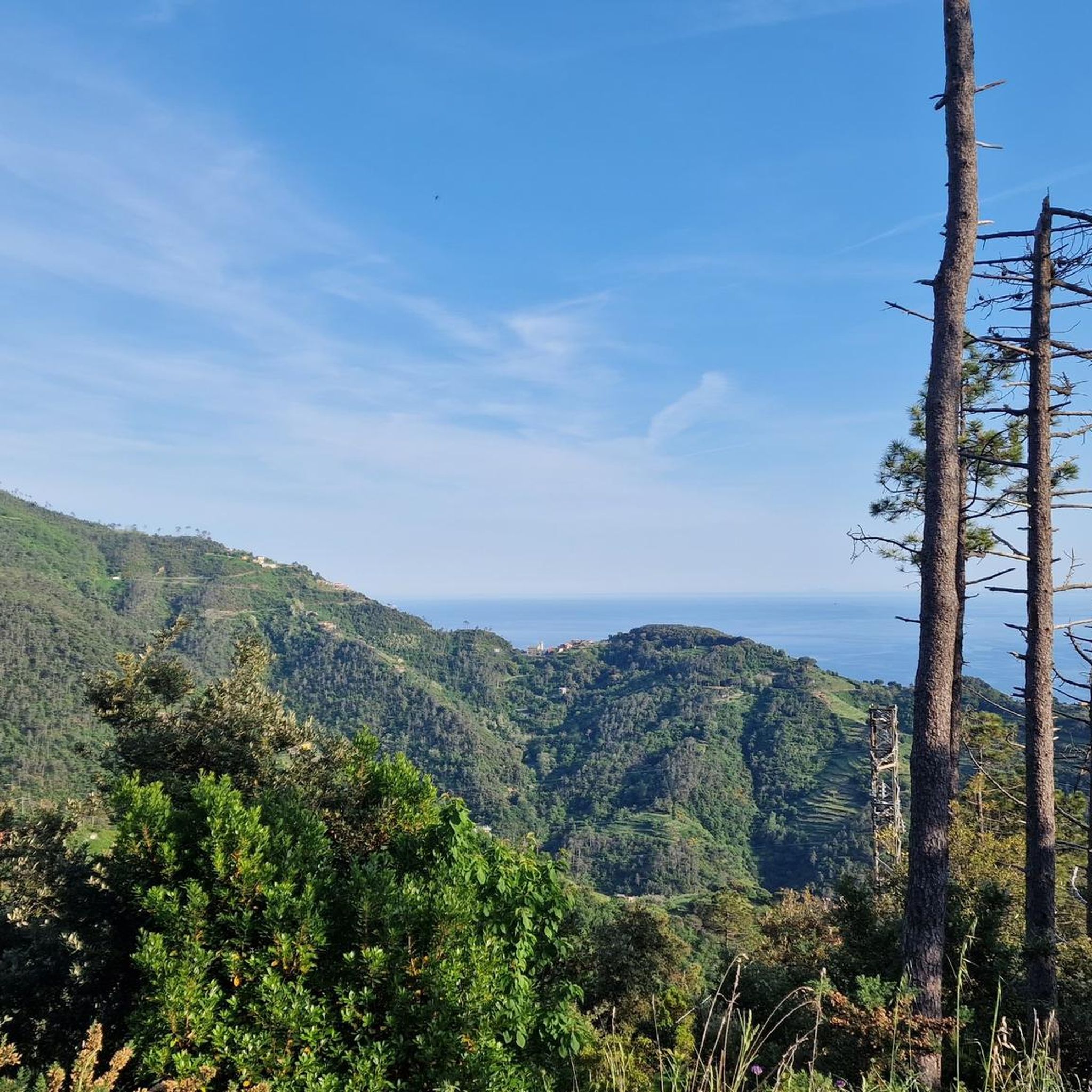

Tips from the Community

The name Calice al Cornoviglio combines two distinctive elements of the village: "Calice," of uncertain origin but perhaps derived from the Latin calix (cup), referring to the site's concave shape, and "Cornoviglio," the mountain (561 m) that overlooks the village and lends its name to the entire ridge. This toponym appears in medieval documents and recalls the village's ancient connection with the surrounding Apennine territory. Calice was long ruled by the Malaspina dello Spino Secco family, who built a strategic castle there, documented since the 11th century and modified several times over the centuries. Today, the fortress houses the Diocesan Museum of Sacred Art and the Chestnut Documentation Center, two testimonies to the profound intertwining of history, spirituality, and the territory's resources. A short distance away is the parish church of Santa Maria Lauretana, an elegant 18th-century Baroque building with exquisite decorations and a polychrome marble high altar. The village comes alive throughout the year with traditional events such as the Feast of Our Lady of Loreto (September), the Chestnut Festival (October) and various summer festivals, which highlight the historical and cultural roots of the place.
0
0
The toponym Suvero seems to derive from the Latin word supernus (superior, placed above) and recalls its privileged strategic position of control, between the Vara valley and the Lunigiana. Dominating the village of Suvero is the castle, along the road that leads to the Passo dei Casoni. When the Marquis Rinaldo Malaspina received the investiture as lord of the fiefdom of Suvero in 1549, he decided to expand and renovate the previous castle, already four centuries old. A defensive and then residential position for the Malaspina family, the castle was abandoned by its owners after 1797 with the end of the imperial lordships decreed by the new Napoleonic French domination. In recent years, the castle of Suvero, for the third time in its very long history, has been completely restored and is currently used as a private residence. Therefore, the castle cannot be visited. The church of San Giovanni Battista, stands right in front of the castle, and shows clear traces of subsequent renovations. It has a cross-shaped structure and in the crypt it preserves a white marble bas-relief of the Virgin and Child surrounded by music-making angels, which bears the date 1497 engraved on it.
0
0

Suggestive place, with a very talkative sacristan who takes care of the whole place.
0
0

The original tower is part of the medieval city wall of Levanto around 1200. It served to protect against the Pisans.
13
0

Recently renovated, one of the best preserved castles in the Val di Vara. Its 'tower' is imposing and dominates a spectacular panorama from above.
0
0

Viewpoint over La Spezia beautiful church and castle ruins
3
0
Frequently Asked Questions
What kind of historical fortifications can I expect to see around Pignone?
Pignone itself is a remarkably preserved medieval fortified village, characterized by its compact network of stone houses, narrow alleys, and arches that created a naturally defensive structure. While not traditional large-scale castles, you'll find ancient archaeological sites like the 'castellaro' on Monte Castellaro, medieval village defenses such as the Porta Maestra, and ruins of old fortifications in hamlets like Casale.
Which specific historical sites or fortified structures are recommended to visit near Pignone?
Beyond Pignone's own medieval village, you can explore several notable sites. Consider visiting Carpena Castle and Church, which offers viewpoints over La Spezia. Another historical site is Castello Doria, located near the Cinque Terre. The Levanto Clock Tower, part of Levanto's medieval city wall, also provides a glimpse into the region's defensive past.
Are there any other castles or historical sites further afield from Pignone?
Yes, you can also visit Castello di Calice al Cornoviglio, a strategic castle documented since the 11th century, which now houses a Diocesan Museum of Sacred Art. Another significant site is Suvero Castle, though it is currently a private residence and cannot be visited internally, its exterior and strategic position are still notable.
What is the best time of year to visit the fortified sites around Pignone?
The region around Pignone, including its historical sites and natural landscapes, is generally pleasant to visit during spring (April-May) and autumn (September-October). These seasons offer milder temperatures, which are ideal for exploring the medieval village, archaeological sites, and any nearby hiking trails without the intense heat of summer or the cooler, potentially wetter conditions of winter.
Are there hiking opportunities near Pignone's historical sites?
Yes, the area around Pignone is excellent for outdoor activities. The surrounding natural landscape, partly within the Montemarcello Magra Vara Park, offers opportunities for hiking and exploring the karst landscape. You can find various routes, including those for gravel biking, MTB, and running. For example, there are challenging gravel biking routes like the 'View of Cala di Montenero – Volastra loop' or moderate MTB trails such as 'Monte Beverone – giro ad anello da Beverino Castello'. You can find more details on these and other routes in the Gravel biking around Pignone, MTB Trails around Pignone, and Running Trails around Pignone guides.
Are there family-friendly activities or easy walks around Pignone's historical areas?
Pignone's historic center, with its narrow alleys and medieval layout, offers an engaging, easy walk for families to explore. While specific 'family-friendly' trails to castles aren't explicitly listed, the village itself is a captivating historical experience. For outdoor activities, look for easier sections of trails in the surrounding Montemarcello Magra Vara Park, which might be suitable for families.
Can I bring my dog to the historical sites and trails near Pignone?
While Pignone's village is generally welcoming, specific rules for dogs at individual historical sites like Carpena Castle and Church or Castello Doria may vary. For hiking, many trails in the Montemarcello Magra Vara Park are dog-friendly, but it's always advisable to keep dogs on a leash and ensure they are well-behaved, especially in populated areas or near wildlife.
What natural features can I see near the fortified villages and castles?
The area surrounding Pignone is part of the Montemarcello Magra Vara Park, known for its karst landscape, including caves and sinkholes. Many of the historical sites, such as Carpena Castle and Church, also offer panoramic viewpoints over the surrounding valleys and even La Spezia, blending historical exploration with scenic natural beauty.
How can I get to Pignone using public transport?
Pignone can be accessed by public transport, typically via bus services from larger towns like La Spezia or Levanto. While specific schedules can vary, these connections allow visitors to reach the village and explore its historical offerings. It's recommended to check local bus schedules for the most up-to-date information on routes from La Spezia or Levanto to Pignone.
Is there parking available in Pignone village?
Yes, parking is available in Pignone village. Visitors can find designated parking areas, though it's always good to be aware that during peak times or local events, spaces might be limited. The village's historic center is best explored on foot, so parking outside the core medieval area is common.
What makes Pignone's medieval village layout unique?
Pignone's medieval village layout is unique due to its linear shape and compact network of stone houses, narrow alleys (caruggi), and arches connecting buildings overhead. This intricate design created a naturally defensive and labyrinthine structure, making it difficult for invaders to navigate. It reflects its past as a significant trading settlement with pre-Roman origins and its strategic importance in the region.
What historical significance does the Monte Castellaro archaeological site hold?
The summit of Monte Castellaro reveals archaeological evidence of a Ligurian 'castellaro' from the Bronze and Iron Ages. A 'castellaro' is an ancient fortified settlement, indicating that the area has been strategically important and defended for millennia. Visitors can explore the terraced walls and the site of this ancient Ligurian fortification, with illustrative panels at the Pignone Town Hall providing further context.
Most popular attractions around Pignone

Get inspired with the komoot mobile app


Explore more
Looking for the best castles somewhere else? Discover other guides around Pignone:
