Top 7 Castles around Seravezza
Castles around Seravezza offer a glimpse into the region's rich history and strategic importance. Seravezza is situated between the Apuan Alps and the Versilia coast, providing a blend of historical sites and natural landscapes. The area is known for its historical structures, including fortified residences and medieval ruins. Visitors can explore various historical sites that reflect the local heritage.
Best castles around Seravezza
- The most popular castles is Ducal Palace of Massa, a historical site that is an imposing…
Last updated: June 29, 2026
Ducal Palace of Massa
Highlight • Historical Site
Translated by Google •
Tip by

Monteggiori Village
Highlight • Settlement
Translated by Google •
Tip by

Sign up now to discover places like this
Get recommendations on the best single tracks, peaks, & plenty of other exciting outdoor places.
Sign up for free
Malaspina Castle
Highlight • Castle
Translated by Google •
Tip by
Rocca di Sala
Highlight • Castle
The Rocca is of Lombard origin and has great historical and …
Translated by Google •
Tip by
Medieval Ruins of Monte Penna
Highlight • Historical Site
Translated by Google •
Tip by

Sign up for free to discover even more castles around Seravezza.
Sign up for free
Already have an account?
Start today with a free account
Your next adventure awaits.
Login or Signup


Tips from the Community

The Palazzo Ducale is an important monument in Massa, located in Piazza Aranci. It was built in the mid-16th century according to the wishes of Prince Alberico I Cybo-Malaspina. Hence it is also called Palazzo Cybo-Malaspina. The impressive façade overlooking the square offers a color scheme of red and white (in the marble and stucco). Beyond the main entrance opens a large courtyard, surrounded by columns, staircases, loggias and marble portals. At the far end is a nymphaeum with a statue of Neptune riding the waves.
4
0

The mighty Malaspina castle/fortress dominates the center of the city of Massa from the top of one of the rocky hills that end the valleyi of the Frigido stream. The toponym 'Massa' is high and easily identified in Tuscany; its original meaning was 'extensive landholdings'. More info at www.castellitoscani
2
0
Piazza Aranci in Massa is named after the double row of orange trees, which were planted in the early nineteenth century after the hotly debated demolition of the church of San Pietro on the orders of Countess Elisa Baciocchi, Napoleon's niece. In the beginning, sweet citrus trees were selected and strict laws were in place to ensure that tourists and passers-by did not pick the fruits, which were instead given to charities. Over time, less tasty bitter citrus fruits were planted, which turned out to be stronger in winter. Giacomo Leopardi and Giosué Carducci were equally captivated by these trees and mentioned them in letters after visiting the square.
2
1

Beautiful square with lots of orange trees around it
4
1
Castle where a prison was located during the war
3
0

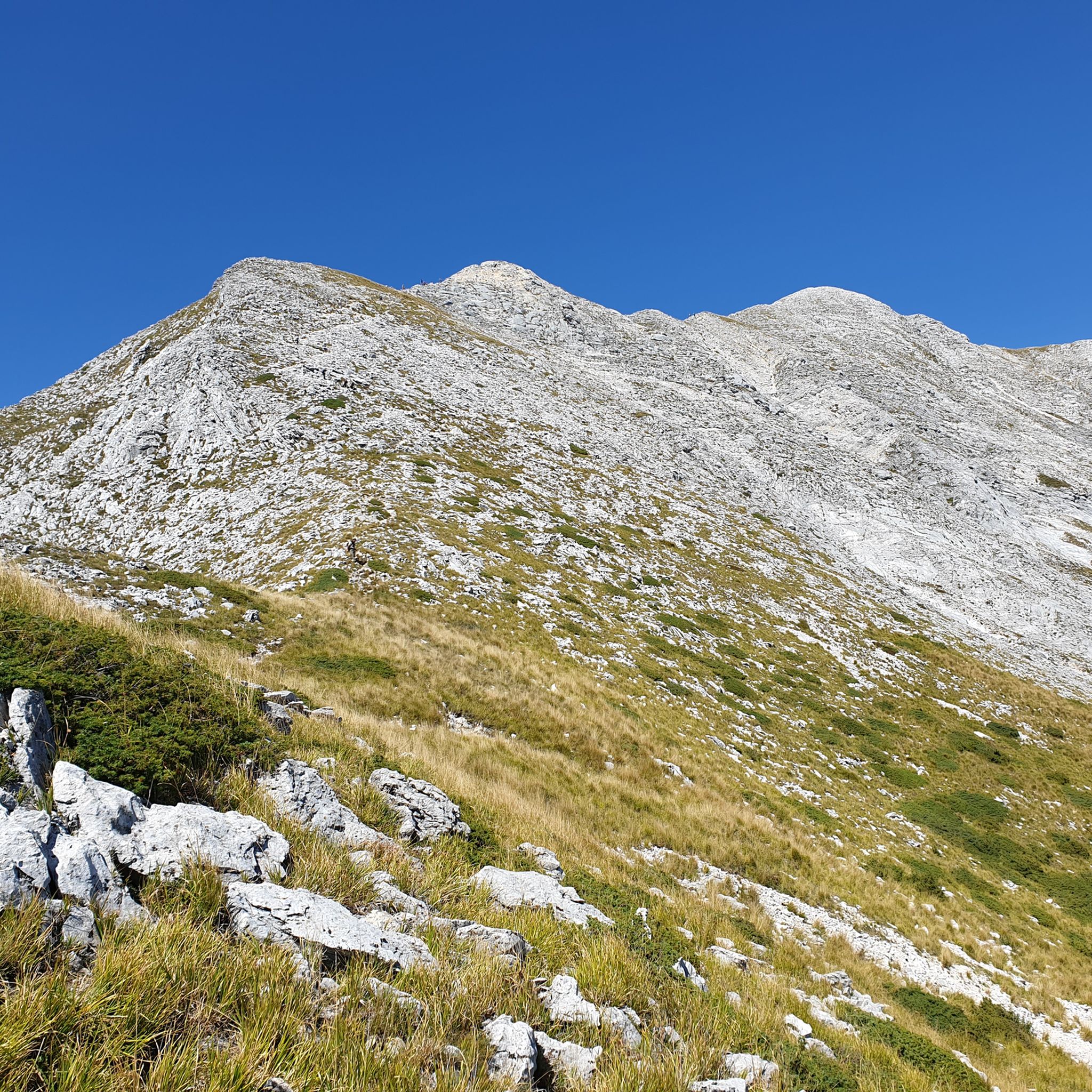
Near the top of Monte Penna (490 metres) are the ruins of a medieval complex dating back to the 12th century whose castle included walls and houses, as well as a millstone.
2
0
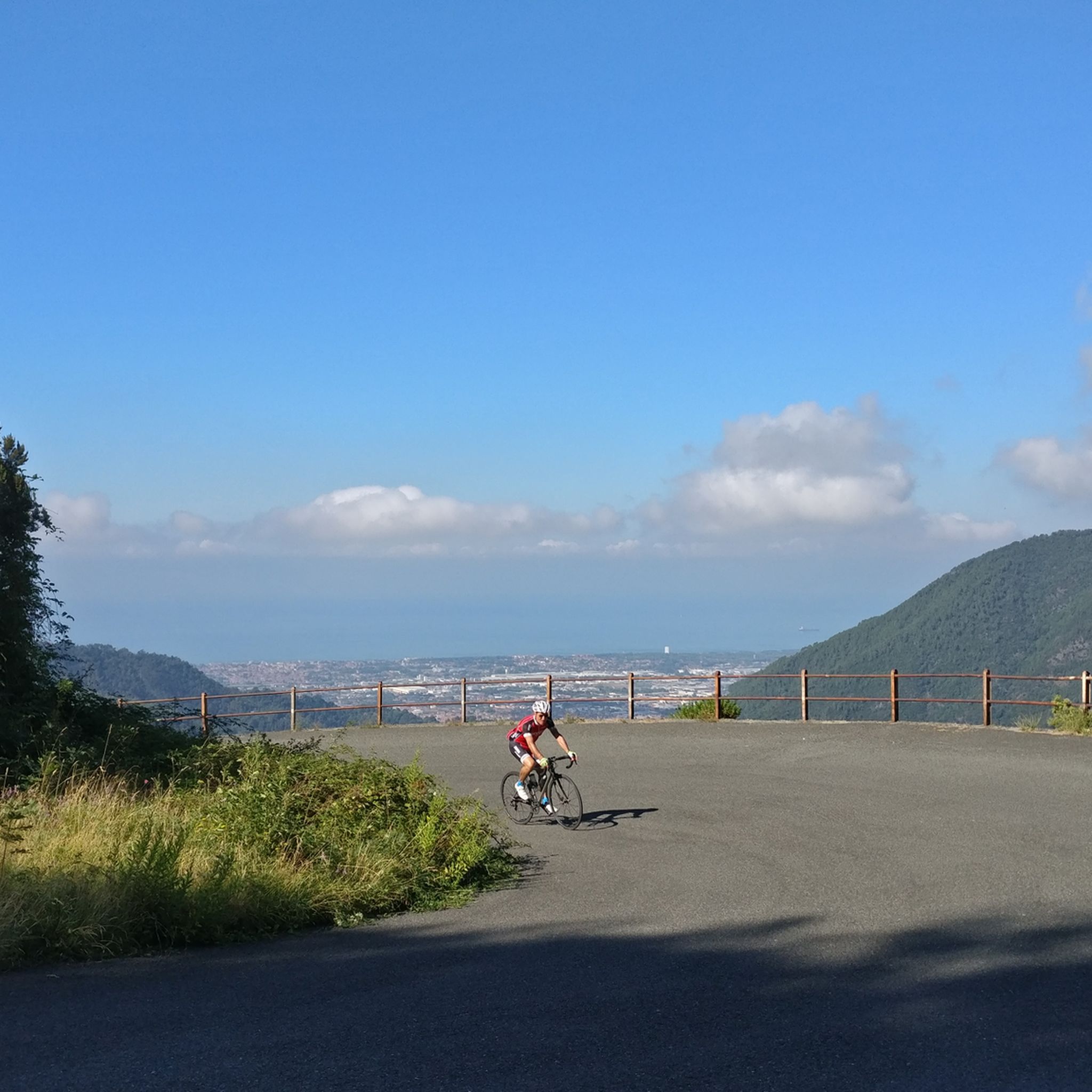
The village of Monteggiori, part of which dates back to the 13th century, houses the ruins of the walls of the castle of the same name, as well as its entrance door.
0
0
The Rocca di Sala, also known as Rocca Ghibellina, is one of the fortresses in the town of Pietrasanta. The Rocca is of Lombard origin and has great historical and cultural importance. Historical personalities who passed through Pietrasanta and stayed there, such as Charles VIII and Charles V, found shelter in this room. You can already see the Rocca di Sala from the main square in the center of Pietrasanta. In the 18th century it was disarmed and sold by order of Leopold I, Grand Duke of Tuscany. Since then, the Rocca has gradually passed through a state of almost complete abandonment, leading to the loss of part of its walls and of the Palazzo Guinigi, the noble residence located within.
4
0
Frequently Asked Questions
What is the most significant historical site in Seravezza itself?
The most significant historical site in Seravezza is the Villa Medicea di Seravezza, also known as the Medici Palace. This UNESCO World Heritage site was commissioned by Cosimo I de' Medici and served as a hunting lodge and military outpost. Today, it houses a museum, library, and art exhibitions. You can learn more about it on Visit Tuscany.
What other notable castles or historical sites are near Seravezza?
Beyond the Medici Palace, you can explore several other significant sites. The Ducal Palace of Massa is an imposing monument built in the 16th century. The Rocca di Sala in Pietrasanta, also known as Rocca Ghibellina, is a fortress with Lombard origins. Additionally, the Medieval Ruins of Monte Penna and Montecastrese Castle Ruins offer glimpses into the region's early medieval past.
Are there family-friendly historical sites around Seravezza?
Yes, several sites are suitable for families. The Ducal Palace of Massa is categorized as family-friendly, offering a grand historical experience. The charming Monteggiori Village is also considered family-friendly, providing a picturesque setting to explore.
What kind of historical significance do the castles and ruins in this region hold?
The historical sites around Seravezza reflect the region's strategic importance and the influence of powerful families like the Medici and Malaspina. Structures like the Villa Medicea di Seravezza highlight Renaissance architecture and political power, while the medieval ruins of Monte Penna and Montecastrese Castle showcase earlier defensive strategies and local settlements dating back to the 12th century. The Rocca di Sala, for instance, has Lombard origins and hosted historical figures like Charles VIII.
Can I find scenic viewpoints near these castles?
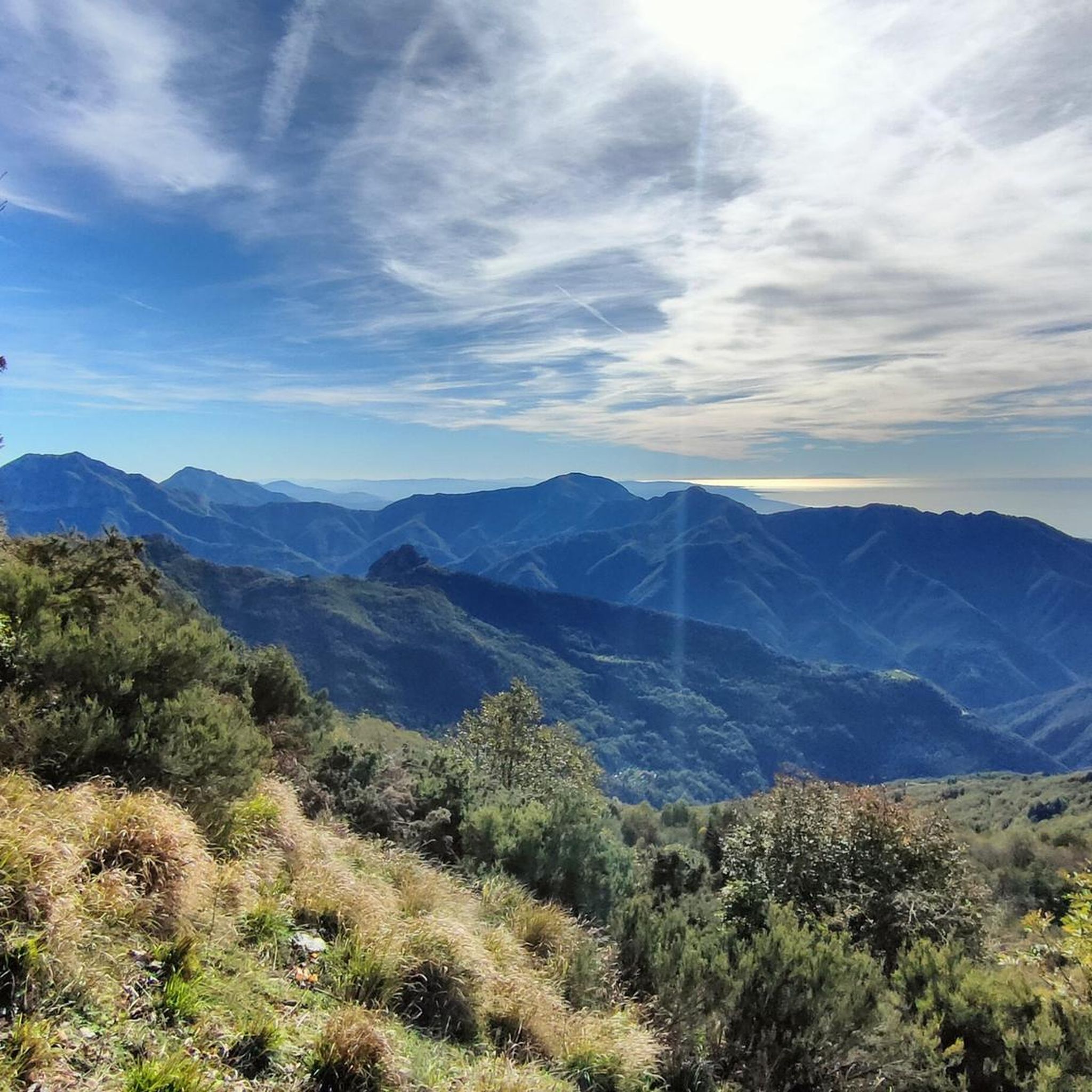
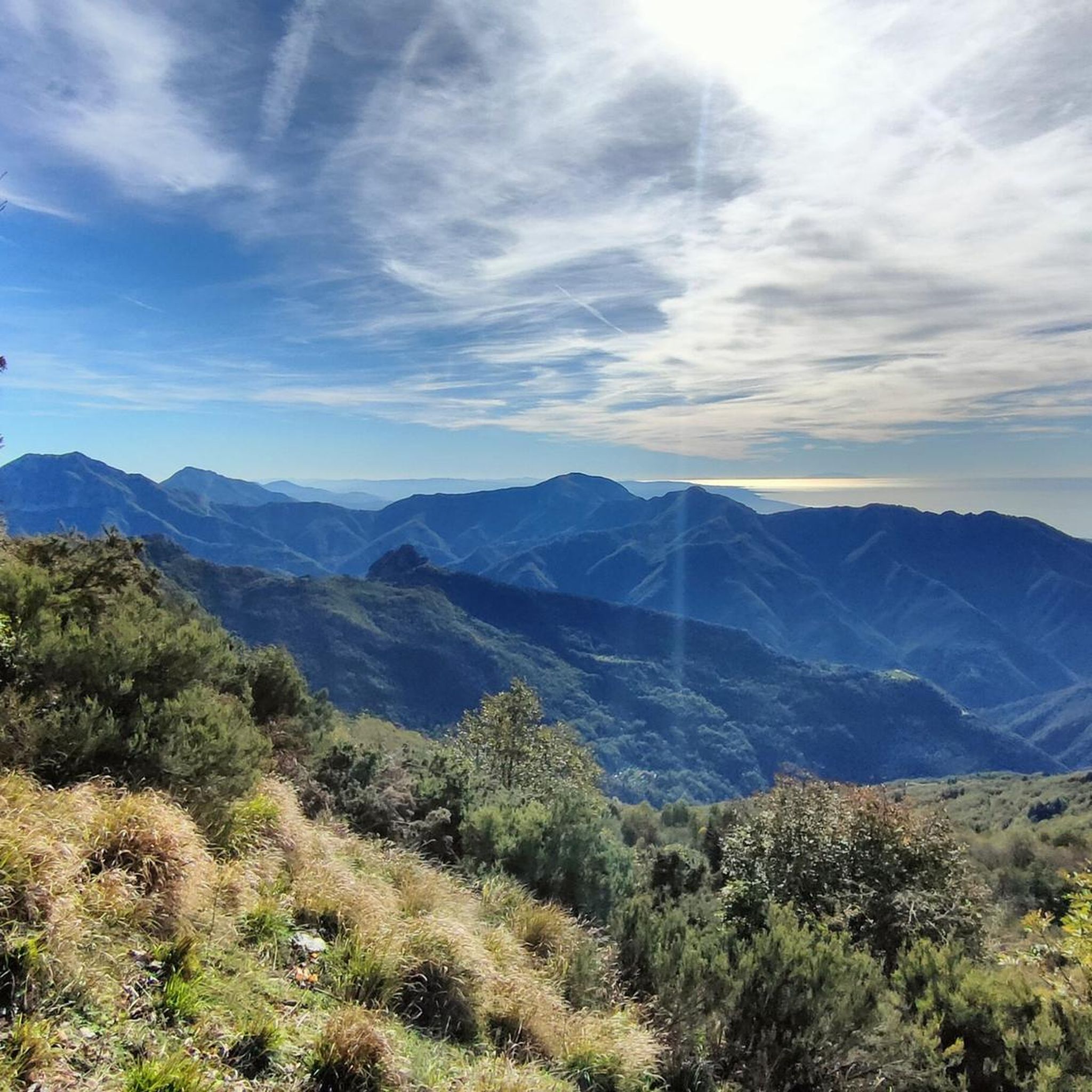
Many of the historical sites in the area offer excellent panoramic views due to their elevated positions. Monteggiori Village provides panoramic vistas, and the Rocca di Sala is known for its views over Pietrasanta. The Medieval Ruins of Monte Penna are also situated near a summit, offering scenic perspectives of the surrounding landscape.
Are there hiking or cycling opportunities near the castles around Seravezza?
Absolutely. The region around Seravezza, nestled between the Apuan Alps and the Versilia coast, offers numerous outdoor activities. You can find various hiking trails, including routes to places like Monte Penna, and cycling routes that explore the Versilia River Cycle Path or connect to nearby towns. These routes often pass by or offer views of historical sites.
What is the best time of year to visit the castles around Seravezza?
The best time to visit is generally during the spring (April-June) and autumn (September-October). During these seasons, the weather is pleasant for exploring both the historical sites and the surrounding natural landscapes, including the Apuan Alps. Summer can be hot, especially for outdoor ruins, while winter might have cooler temperatures, but some indoor attractions like the Villa Medicea remain open.
What do visitors enjoy most about the historical sites in this area?
Visitors frequently appreciate the blend of history and natural beauty. For example, the Ducal Palace of Massa is admired for its imposing architecture and historical significance. Monteggiori Village is loved for its charm and panoramic views. The opportunity to explore ancient ruins like those at Monte Penna, combined with challenging climbs and scenic routes, is also a highlight for many.
Are there any less crowded historical sites worth exploring near Seravezza?
For a potentially less crowded experience, consider visiting the Montecastrese Castle Ruins. While the Villa Medicea di Seravezza is a major attraction, these ruins offer a more secluded archaeological exploration. Similarly, the Medieval Ruins of Monte Penna provide a historical journey often combined with a scenic hike, which can be less frequented than central attractions.
What kind of museum or cultural experiences can I find at the Medici Palace of Seravezza?
The main palace of the Villa Medicea di Seravezza houses the Museum of Work and Popular Traditions of Historical Versilia, offering insight into local crafts and culture. It also contains a public library and the Municipal Historical Archives. The palace frequently hosts important modern and contemporary art exhibitions, making it a dynamic cultural hub. You can check their official website or Visit Tuscany for current exhibition schedules.
Are there any specific tips for visiting the Rocca di Sala in Pietrasanta?
The Rocca di Sala is visible from the main square in Pietrasanta. While it has historical importance, it has been in a state of abandonment since the 18th century, leading to the loss of parts of its walls and the Palazzo Guinigi. Visitors should be aware that they will be exploring ruins rather than a fully preserved castle. It offers a historical perspective and good views over Pietrasanta.
What are the characteristics of Monteggiori Village for visitors?
Monteggiori Village is a small, extremely pretty settlement known for its challenging climbs and panoramic views. If you're approaching from the seaward side, expect steep gradients, especially just before the village entrance. There's a welcome fountain opposite the cemetery before the cobblestones begin, which is useful for hikers and cyclists.
Most popular routes around Seravezza
Most popular attractions around Seravezza

Get inspired with the komoot mobile app


Explore more
Looking for the best castles somewhere else? Discover other guides around Seravezza:
