Top 14 Castles around Panicale
Best castles around Panicale are found in a region characterized by its medieval heritage and strategic hilltop locations. Panicale, a village in Umbria, Italy, is known for its well-preserved defensive walls and position overlooking Lake Trasimeno. The area features a variety of fortified structures, from ancient castles to fortified villages. These sites offer insights into centuries of history and provide extensive views of the surrounding Umbrian-Tuscan countryside.
Best castles around Panicale
- The most popular castles is Triangular Tower, Passignano sul…
Last updated: October 16, 2026
Triangular Tower, Passignano sul Trasimeno
Highlight • Castle
The Rocca di Passignano (Castle of Passignano) is located inside the village, in an elevated position above the town, which …
Translated by Google •
Tip by

Rocca del Leone, Castiglione del Lago
Highlight • Castle
This is the main monument of Castiglione del Lago and is definitely worth a visit.
Translated by Google •
Tip by

Sign up now to discover places like this
Get recommendations on the best single tracks, peaks, & plenty of other exciting outdoor places.
Castiglione del Lago Historic Center
Highlight • Historical Site
Tip by

Castle of St. Apollinaris
Highlight • Castle
Translated by Google •
Tip by

Historic village of Passignano
Highlight • Historical Site
Translated by Google •
Tip by

Sign up for free to discover even more castles around Panicale.
Already have an account?
Start today with a free account
Your next adventure awaits.

Tips from the Community

**Why recommend it?** Because it's a simple and pleasant way to discover the most evocative side of **Passignano sul Trasimeno**. The historic center, listed among *The most beautiful villages in Italy*, is well-maintained, rich in history, and continuously offers characteristic views to photograph. It's a walk I recommend **at any time of the day**: even during the hottest summer hours, the alleys of the center offer several shaded stretches, allowing you to walk more peacefully. And then there's everything you need to make the walk even more enjoyable: along the path, you'll find **bars, restaurants, and pastry shops**, perfect for a break, whether sweet or savory. In short, a route without haste, to be experienced by strolling and letting curiosity guide you. 🌿🏘️
0
0

Medieval village on Lake Trasimeno, worth seeing
0
0
Ideal for grabbing something to eat during the tour or as a starting point and enjoying a splendid lunch dinner upon arrival
0
0

Very beautiful historic village, a must-see
0
0

Located near the village of Spina, the Rocca di Sant'Apollinare is a place rich in history and timeless images. Once a defensive fortress, it became a place of worship and production, and today it is immersed in a centuries-old olive grove. Getting there requires a bit of effort, but the reward is guaranteed.
0
0
The oldest part of the city retains its fortified appearance, still visible today and enclosed within the medieval walls, of which the entrance gates and towers still survive. At the highest point of the city stands the Rocca, built in the Middle Ages. Inside, the Boat Museum houses a display of some Lake Trasimeno vessels. It's a lovely place to visit, as is cycling along the lakeside.
1
0

Rocca di Passignano (Castle of Passignano) - Passignano sul Trasimeno The Rocca di Passignano (Castle of Passignano) is located inside the village, in an elevated position above the town, which later expanded to the lakeshore. According to some sources, Passignano could mean "place of the pass," referring to the existence of a Roman military structure that served to control a "pass" between the present-day regions of Umbria and Tuscany. Nothing remains of this possible structure today. Currently, the castle consists of ruins of medieval structures: square walls, a half-ruined tower, and the northern part of the castle with a triangular tower. Furthermore, a series of alleys wind through this part of the historic center, once surrounded by walls, giving an idea of what the street layout within the castle might have looked like. The oldest core probably dates back to the 5th or 6th century; The square walls, however, were built between 820 and 850, when the castle belonged to the Marquises of Tuscany. In 1187, the property became the property of the canons of the Cathedral of San Lorenzo in Perugia. In the 13th century, the castle underwent significant renovations, transforming it into a true fortress, an outpost, and defensive bastion of the Perugian territory. Text / Source: Umbria Tourism.it https://www.umbriatourism.it/de/-/la-rocca-passignano-de
15
0

The Rocca del Leone is the medieval fortress with an irregular pentagonal structure built starting from the thirteenth century. This is the main monument of Castiglione del Lago and is definitely worth a visit.
1
0
Frequently Asked Questions
What are some of the most notable castles and fortified sites to visit around Panicale?
Beyond the fortified village of Panicale itself, which retains its medieval walls and offers extensive views, you can explore several significant sites. These include the Triangular Tower, Passignano sul Trasimeno, which features ruins of medieval structures and a distinctive tower. Another must-see is Rocca del Leone, Castiglione del Lago, a medieval fortress with an irregular pentagonal structure offering views from its walls. Montali Castle, though a private manor, retains a 12th-century tower and offers breathtaking views of Lake Trasimeno. You can also visit Castle of St. Apollinaris, a historic military building with panoramic views over the Fersenone Valley, and the castle in the small Umbrian village of Agello, dating back to the 12th century.
What kind of views can I expect from the castles and fortified villages in the Panicale area?
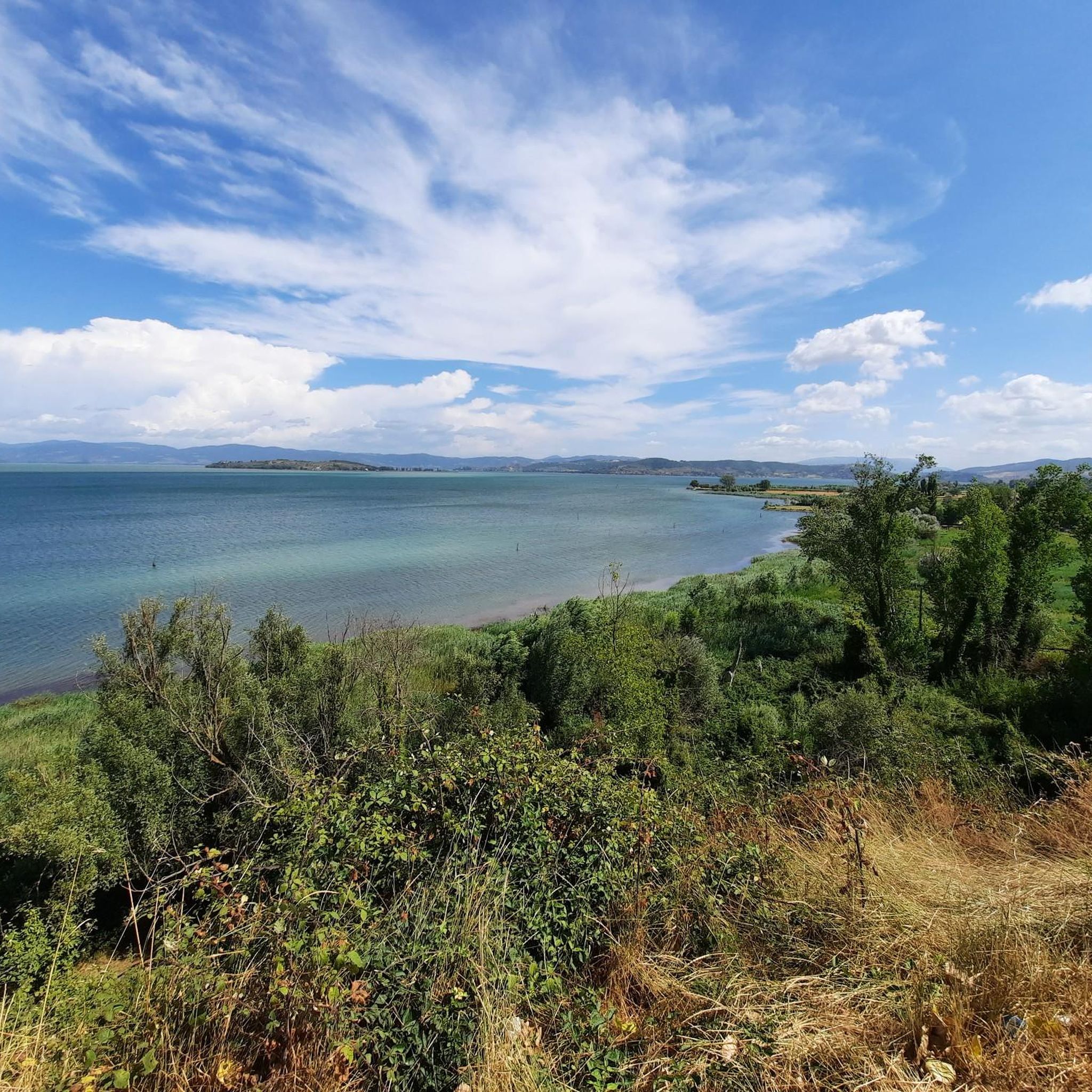
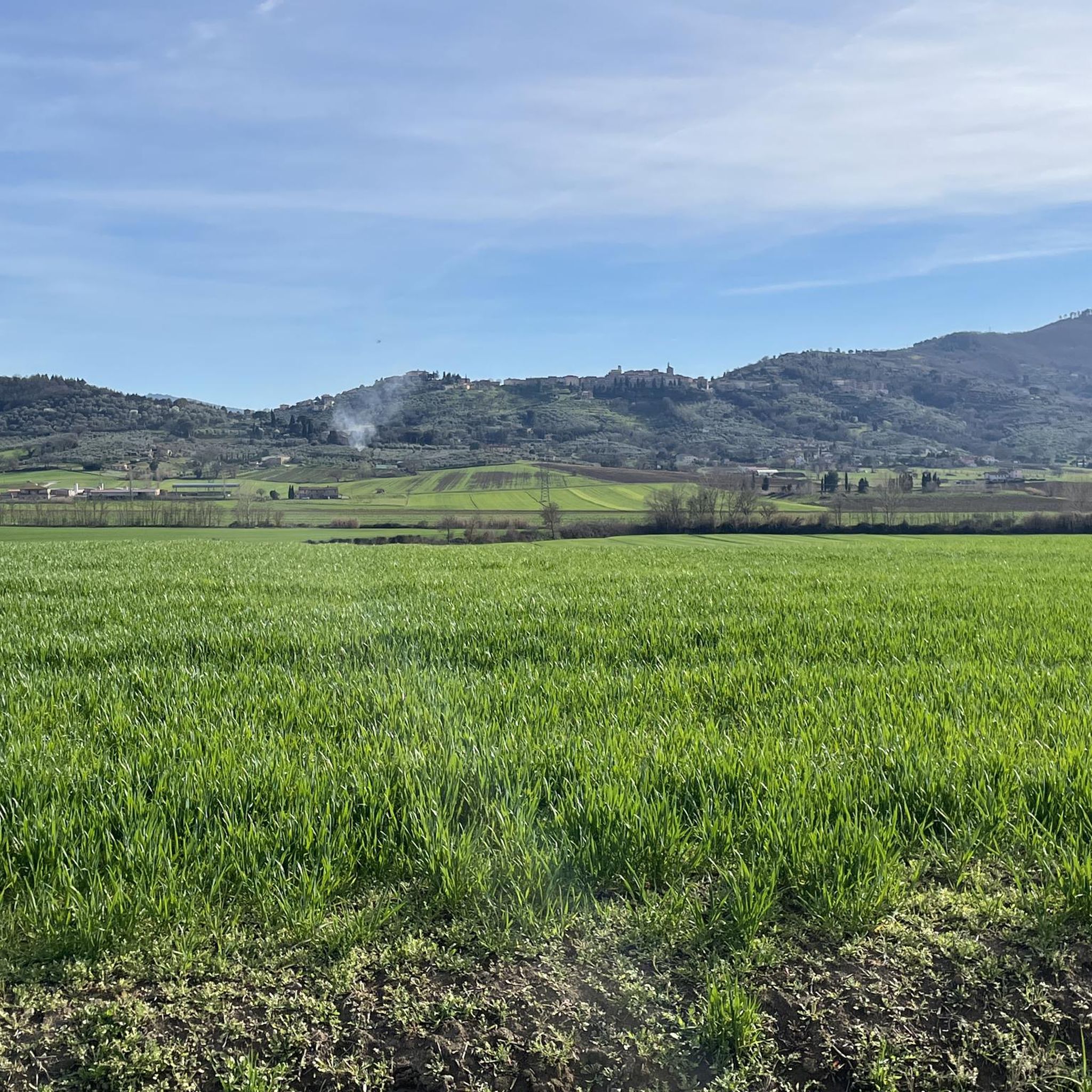
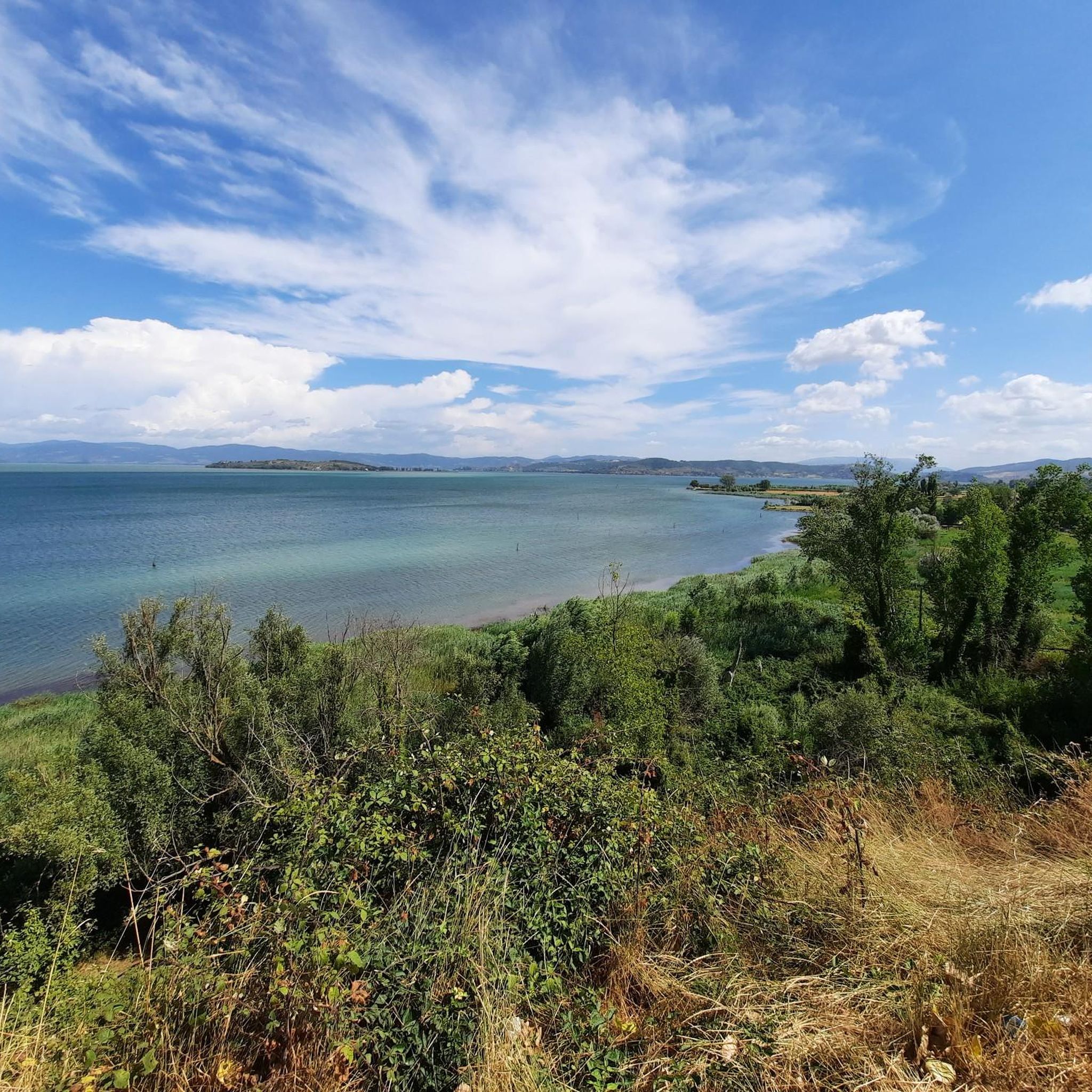
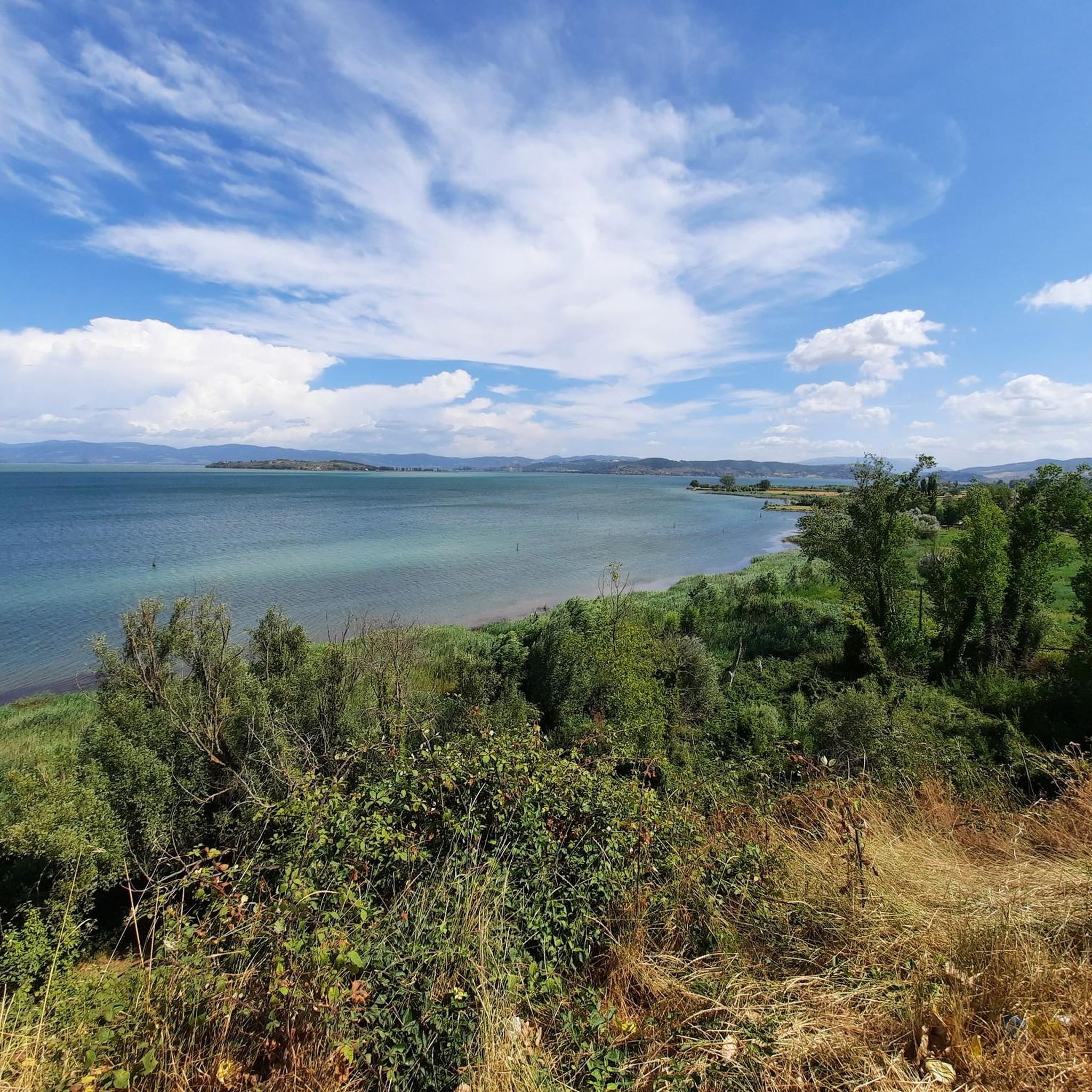
The castles and fortified villages around Panicale are strategically located on hilltops, offering magnificent panoramic views. From Panicale itself, you can see Lake Trasimeno, the Valdichiana, and even as far as Cortona, Montepulciano, and Chiusi. Montali Castle provides 360° views spanning the Nestore Valley, plains, and Lake Trasimeno. Similarly, Castle of St. Apollinaris offers a beautiful panoramic point over the Fersenone Valley, and Rocca del Leone in Castiglione del Lago allows visitors to enjoy views from its ancient walls.
Are there family-friendly castles or fortified sites to visit near Panicale?
Yes, the fortified village of Panicale itself is a wonderful family-friendly destination, with its charming cobbled streets and a sense of stepping back in time. The village of Agello is also noted as family-friendly, offering a historical site within a small Umbrian village. Exploring these well-preserved medieval structures provides an engaging experience for all ages.
What outdoor activities can I do near the castles around Panicale?
The region around Panicale is excellent for outdoor activities. You can find numerous cycling routes, including road cycling and touring bicycle options. For example, there are routes like the 'Montepulciano – Montepulciano loop' for road cycling or the 'Castiglione del Lago loop from Panicale' for touring. Mountain biking enthusiasts can explore trails such as the 'Lake Trasimeno Cycle Path – View of Panicale loop'. You can find more details on these and other routes in the Road Cycling Routes around Panicale, Cycling around Panicale, and MTB Trails around Panicale guides.
What is the best season to visit the castles and fortified villages near Panicale?
The region around Panicale, with its beautiful Umbrian-Tuscan countryside, is particularly pleasant in the spring and autumn. These seasons offer milder temperatures, ideal for exploring the outdoor sites and enjoying the panoramic views without the intense heat of summer. Autumn also brings beautiful foliage, enhancing the scenic beauty of the fortified villages and their surroundings.
How much time should I allocate to visit the castles around Panicale?
The time needed varies depending on the site. For the fortified village of Panicale itself, you could easily spend a half-day or a full day exploring its streets, squares, and enjoying the views. Individual castles like Triangular Tower, Passignano sul Trasimeno or Rocca del Leone, Castiglione del Lago might take 1-2 hours each to explore thoroughly. If you plan to visit multiple sites, consider dedicating a full day or more to the region.
Are there any less crowded castles or fortified sites to visit near Panicale?
While Panicale itself is a popular 'most beautiful village,' some of the smaller fortified structures or those that are privately owned might offer a quieter experience. For instance, Montali Castle is a private manor, and while you can appreciate its exterior and views, it's not a public attraction in the same way. The village of Agello, though featuring a castle, is a small Umbrian village that might offer a more tranquil visit compared to larger tourist hubs.
What historical significance do the castles around Panicale hold?
The castles and fortified villages in this region, including Panicale, reflect centuries of strategic importance. Many, like the fortified village of Panicale, date back to medieval times with 12th-century defensive walls. Sites like the Triangular Tower have origins as early as the 5th or 6th century, undergoing significant renovations in the 13th century to become true fortresses. The Castle of St. Apollinaris was designed as a military building to defend Perugia. These structures highlight the region's history of defense, noble residences, and the evolution of architecture over time.
Can I find cafes or pubs near the castles in the Panicale area?
Yes, especially within the fortified villages themselves. Panicale, being a well-preserved medieval village, has a charming historic center with various amenities. Similarly, towns like Passignano sul Trasimeno, where the Triangular Tower is located, and Castiglione del Lago, home to Rocca del Leone, are tourist centers with restaurants, cafes, and shops where you can relax and refuel.
What makes the fortified village of Panicale itself a 'castle' worth visiting?
Panicale is often referred to as a 'castle' due to its remarkably well-preserved medieval structure. It retains its original 12th-century defensive walls, two main gates (Porta Perugina and Porta Fiorentina), and an oval layout. The village's elevated position provides extensive views of Lake Trasimeno and the surrounding countryside. Its charming cobbled streets and historic center offer a pure example of Medieval Umbrian-Tuscan architecture, allowing visitors to experience a true step back in time.
Are there any castles near Panicale that have been repurposed or are used for cultural events?
Yes, the 15th-century residence within Panicale, often referred to as 'Panicale's Castle,' has been fully restored and now serves a threefold role: a historic residence, a place for the appreciation of science, and a venue for music. Its ground floor is frequently used for art exhibitions, offering a unique blend of history and contemporary culture within a historic setting.
Most popular attractions around Panicale

Get inspired with the komoot mobile app


Explore more
Looking for the best castles somewhere else? Discover other guides around Panicale:
