Top 10 Castles around Canepina
Best castles around Canepina offers a journey through the historic Viterbo province in Italy, an area known for its medieval architecture and significant historical sites. The region features a landscape dotted with fortified structures and ancient settlements. Visitors can explore a variety of castles and historical monuments that reflect centuries of regional history. This area provides opportunities to discover historical significance and architectural evolution.
Best castles around Canepina
- The most popular castles is Viterbo Papal Palace, a historical site…
Last updated: August 23, 2026
Viterbo Papal Palace
Highlight • Historical Site
Translated by Google •
Tip by

Piazza San Lorenzo and the Viterbo Cathedral
Highlight • Historical Site
Translated by Google •
Tip by

Sign up now to discover places like this
Get recommendations on the best single tracks, peaks, & plenty of other exciting outdoor places.
Sign up for free
Palazzo Farnese of Caprarola
Highlight • Historical Site
Translated by Google •
Tip by

Porta Romana of Vitorchiano
Highlight • Historical Site
Translated by Google •
Tip by

Chia Tower and Etruscan Cave
Highlight • Historical Site
Translated by Google •
Tip by

Sign up for free to discover even more castles around Canepina.
Sign up for free
Already have an account?
Start today with a free account
Your next adventure awaits.
Login or Signup

Tips from the Community

Viterbo lived its period of major splendor and power in the 13th century when it was chosen as the seat of the papacy instead of Rome, where powerful warring families made life too dangerous. Eight different popes lived in Viterbo making it is similar to Vatican City and Avignon in France. The longest papal conclave in history happened here from 1 December 1268 to 1 September 1271. Following Pope Clement IV's death, infighting between cardinals and political pressure led to a 34-month deadlock. The cardinals were locked up cum clave (hence the word conclave) inside the palace’s large Conclave Hall. In desperation the town’s population, who were feeding them and their entourages, eventually reduced the cardinals’ food and wine supplies, trying to speed up the election. Time wore on and they finally decided to remove the roof of the palace: in order to help the Holy Spirit come down and illuminate them, it was quipped. That worked.
0
0

The gate bears the coat of arms of Vitorchiano with the inscription SPQR (for which the village received permission from Rome). The gate is part of the old wall that extends for about two hundred and fifty metres on the south side of Vitorchiano. The tower above the gate dates from the 13th century. The old city walls (Le Mura Castellane) have several towers, each built of peperino stone and dovetail battlements with loopholes in between.
0
0

The Papal Palace in Viterbo served as the Vatican for the 24 years of the thirteenth century when the papacy moved there due to ongoing unrest in Rome.
0
0

The Palace of the Popes, or Palazzo dei Papi, in Viterbo is a masterpiece of medieval architecture. Built in the 13th century, it served as a residence for the popes. The palace is an example of Gothic architecture and features beautiful vaulted halls, courtyards and an impressive tower that offers panoramic views of the city. The National Museum, with an extensive collection of medieval works of art, is housed in the beautiful spaces of the palace.
1
0

Palazzo dei Papi is a palace in Viterbo, northern Lazio, Italy. It is one of the city's most important monuments and is located next to the Duomo di Viterbo (Viterbo Cathedral). From 1257 to 1281 a total of eight popes resided in Viterbo almost without interruption. The commune's offer to build a palace as a curia seat for the popes contributed to this. This structure was built in sections from 1255 to 1266 and was given the name “Palace of the Popes” due to its use; today it is the Bishop's Palace. The first and longest conclave to date took place in Viterbo. In 1268, after the death of Pope Clement IV, the conclave began, which lasted a total of 1005 days (from November 30, 1268 to September 1, 1271). The number of cardinals was initially 20 and in the end only 16, as 3 cardinals died during this time and one left the conclave. On Bonaventure's advice, the cardinals were eventually confined to bread and water until a new pope was elected. On September 1, 1271, a non-cardinal was elected as the new pope. The chosen one, Tebaldo Visconti, an Italian from Piacenza, not even a priest, was at that time on a pilgrimage in the Holy Land (Acre). Visconti, then archdeacon of Liège, arrived in Viterbo on February 10, 1272, accepted the election, was ordained a priest and bishop on March 19, 1272 and was crowned as Pope Gregory X in Rome on March 27, 1272. In Viterbo. resident popes: Alexander IV, Pope from 1254 to 1261 (stable residence in Viterbo from 1257); Urban IV, Pope from 1261 to 1264 (divided his residence between Orvieto and Viterbo); Clement IV, Pope from 1265 to 1268 (almost always lived in Viterbo); Gregory X, Pope from 1271 to 1276 (Gregory Innocent V, Pope from January 21 to June 22, 1276 (stayed in Viterbo for two weeks, shortly after his election, and met Charles of Anjou there); Hadrian V, Pope from July 11, 1276 to August 18, 1276 (spent almost all of his short pontificate in the monastery next to the church of San Francesco alla Rocca); John XXI, Pope from September 15, 1276 to May 20, 1277 (almost always lived in Viterbo); Nicholas III, pope from 1277 to 1280 (divided his residence between Viterbo, Rome and Soriano nel Cimino); Martin IV, elected on February 22, 1281 (left Viterbo immediately after his election).
1
0

Details here: https://www.archeoares.it/musei/viterbo/polo-monumentale-colle-del-duomo/ Approx. 10€ entry; San Lorenzo is free
0
0
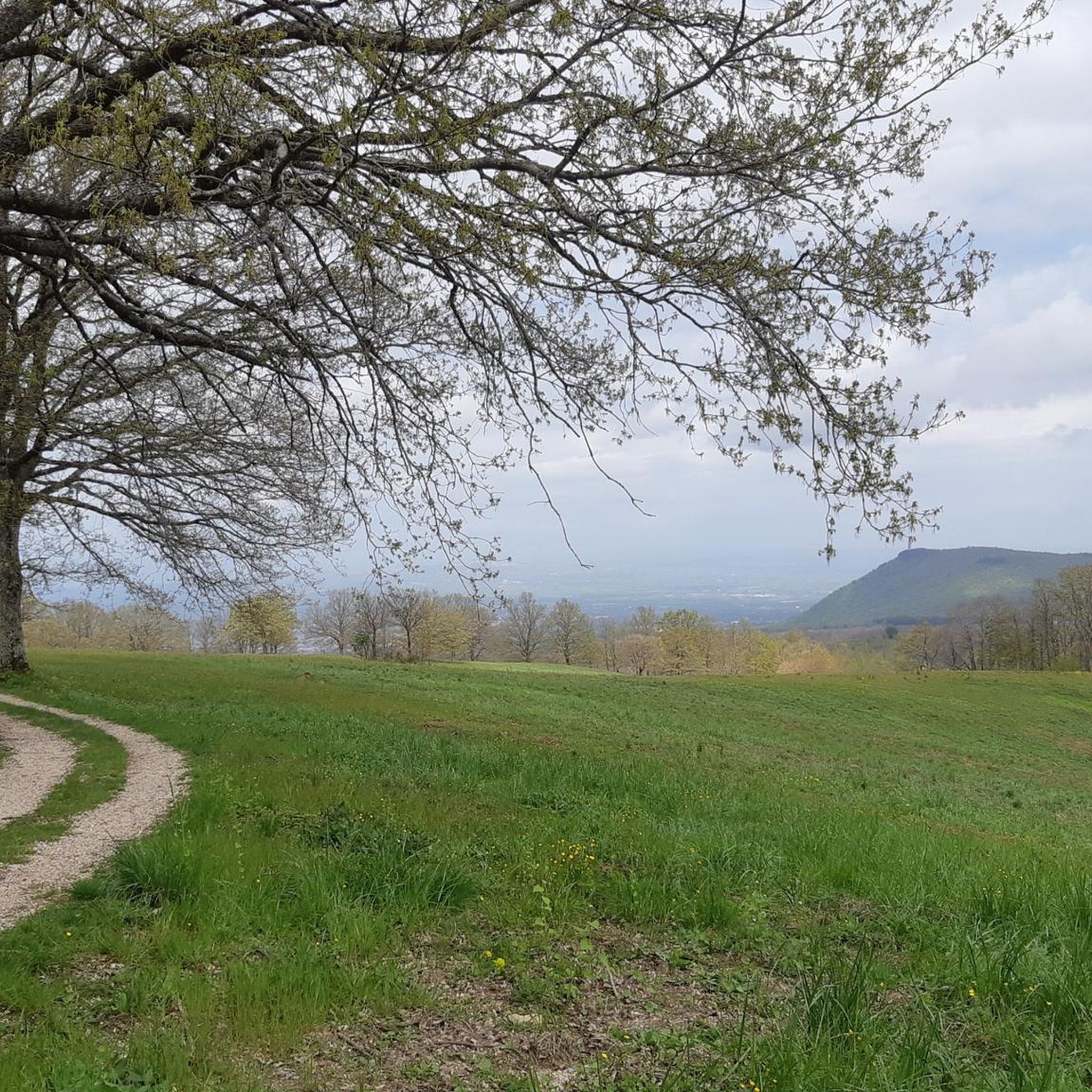
Wonderful place, not overcrowded with tourists but more the "original" Italy.
0
0

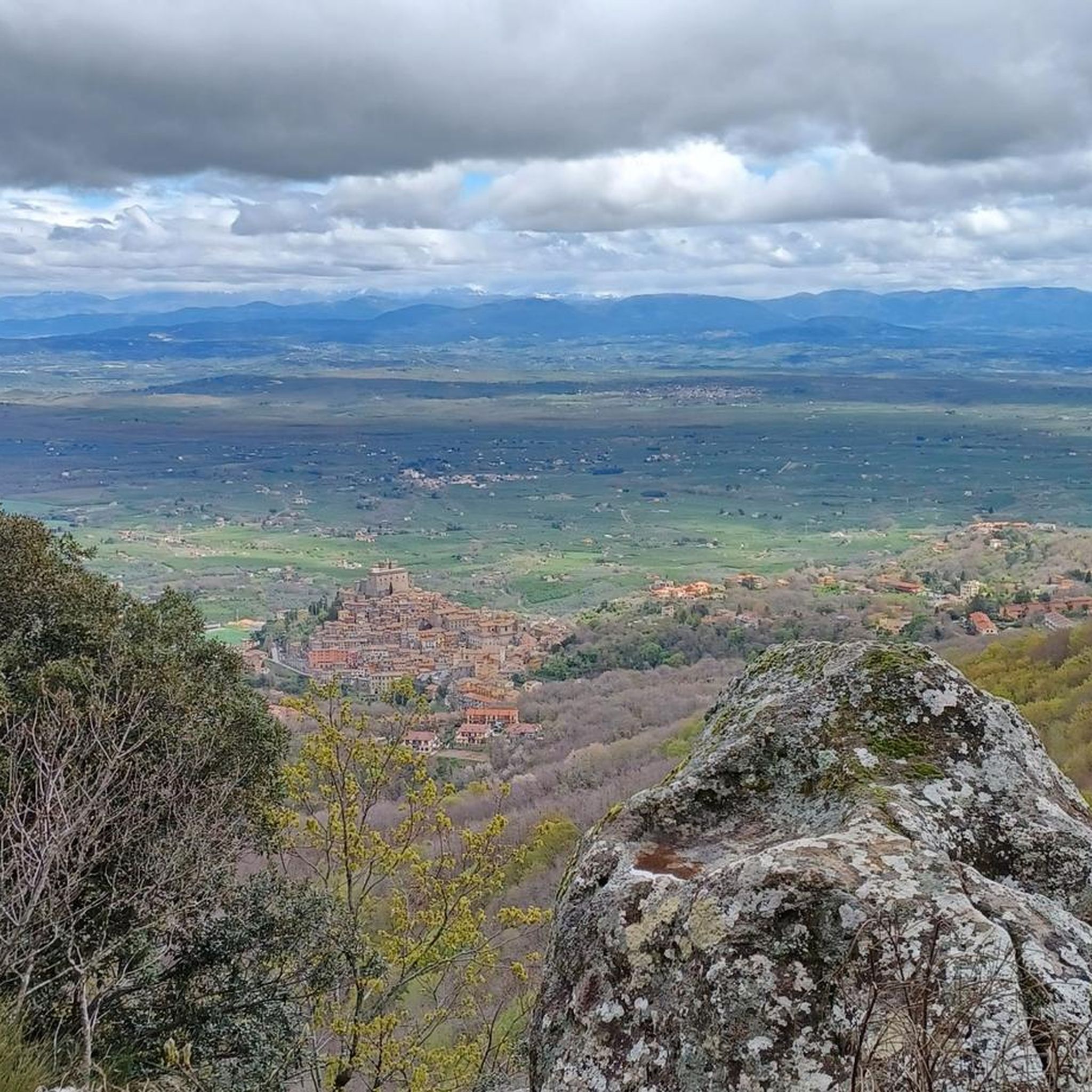
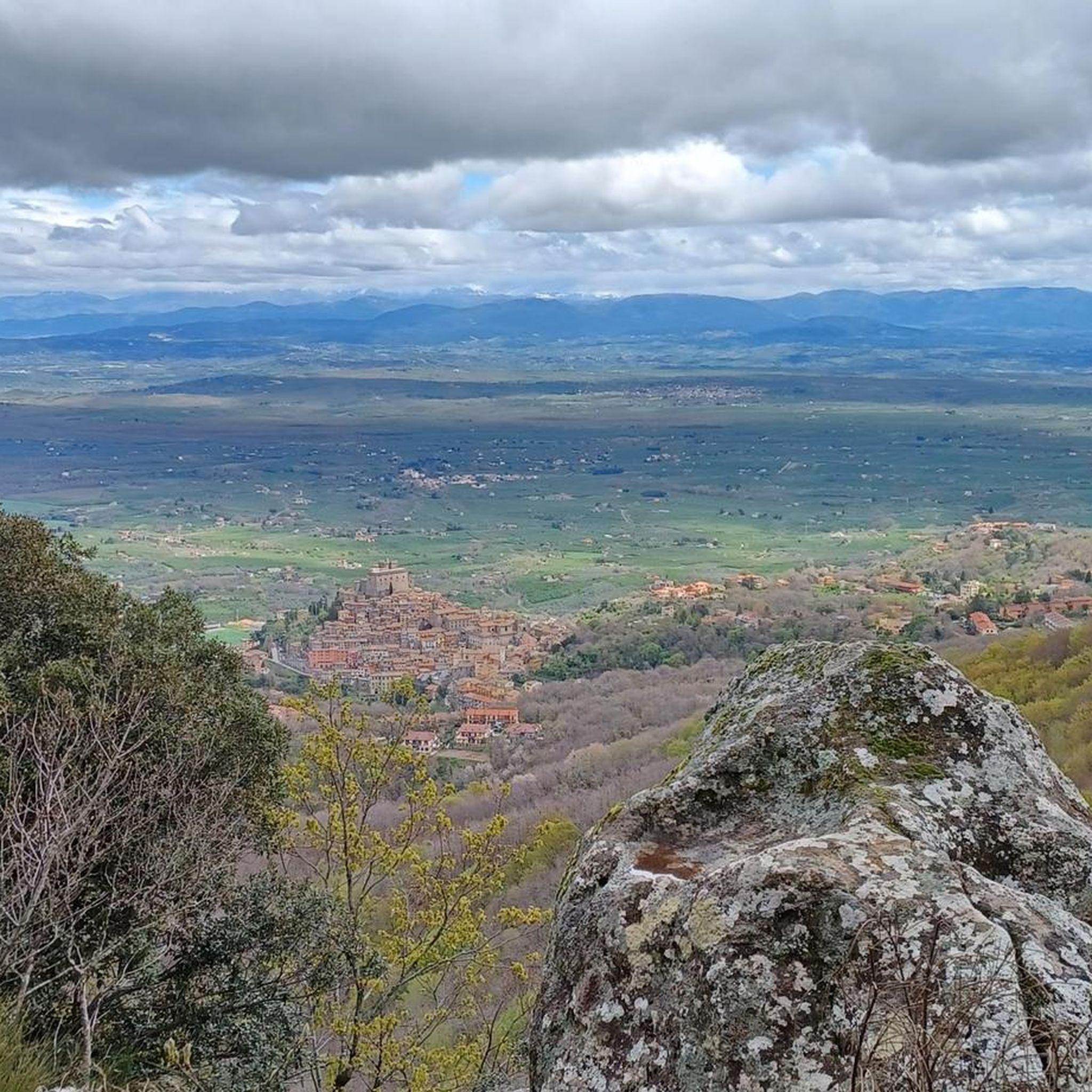
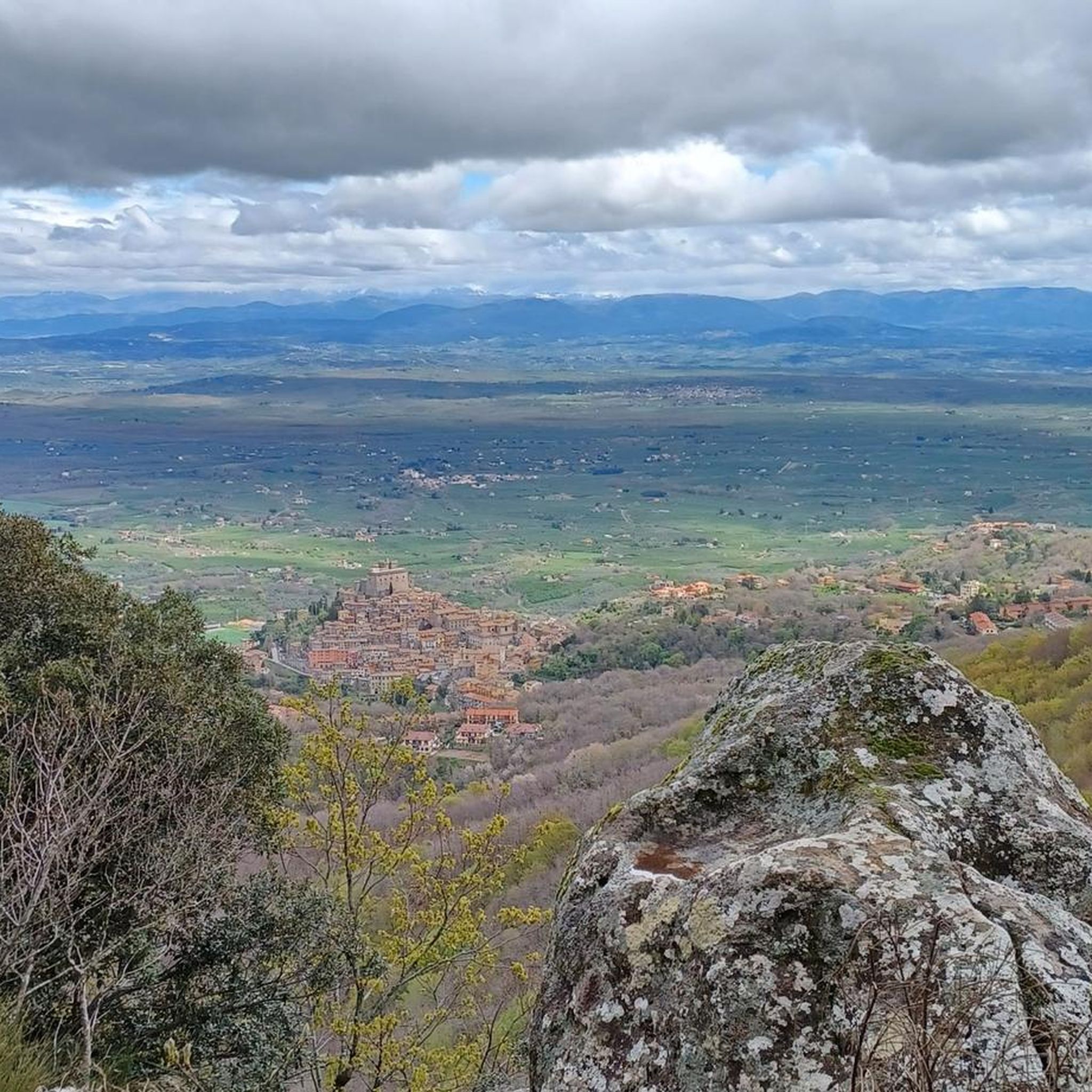
Beautiful perfectly preserved medieval village
0
0
Frequently Asked Questions
What historical castles and sites can I visit near Canepina?
The region around Canepina is rich in history. You can explore the Viterbo Papal Palace, which served as a papal residence and hosted the first and longest conclave. Another significant site is the Palazzo Farnese of Caprarola, a remarkable Renaissance-Mannerist building with a unique pentagonal design and stunning frescoes. Don't miss the medieval charm of Porta Romana of Vitorchiano, an ancient town gate with well-preserved features.
Are there any family-friendly castles or historical sites suitable for children?
Yes, several sites are great for families. The Viterbo Papal Palace and Piazza San Lorenzo and the Viterbo Cathedral offer engaging historical experiences. The Palazzo Farnese of Caprarola, with its grand architecture and gardens, is also family-friendly. For a mix of history and nature, consider the Chia Tower and Etruscan Cave.
What is the historical significance of the castles in the Canepina area?
The castles and historical sites around Canepina reflect centuries of regional history, from Etruscan origins to medieval strongholds and Renaissance power. For example, the Anguillara Castle in Canepina itself dates back to the eleventh century as a military outpost of the Di Vico family. The Viterbo Papal Palace highlights the city's role as a papal seat, while the Palazzo Farnese of Caprarola showcases the grandeur of the Renaissance era.
Can I find any unique architectural styles among the castles near Canepina?
Absolutely. The Palazzo Farnese of Caprarola is a prime example, known for its distinctive pentagonal design, circular courtyard, and elaborate Mannerist frescoes. The medieval architecture of Piazza San Lorenzo and the Viterbo Cathedral, including the Palazzo dei Papi, also offers a glimpse into 13th-century construction.
Are there hiking or cycling routes near these historical sites?
Yes, the area offers various outdoor activities. You can find numerous hiking trails around Canepina, including moderate routes like the 'Beech Forest Trail – Monte Cimino Tower loop'. For cycling enthusiasts, there are gravel biking and road cycling routes. Explore options like the 'View of Lake Bolsena loop' for gravel biking or the 'Villa Lante Italian Gardens – Viterbo Papal Palace loop' for road cycling. You can find more details on these routes in the Hiking around Canepina, Gravel biking around Canepina, and Road Cycling Routes around Canepina guides.
What natural attractions or panoramic views can I find near the castles?
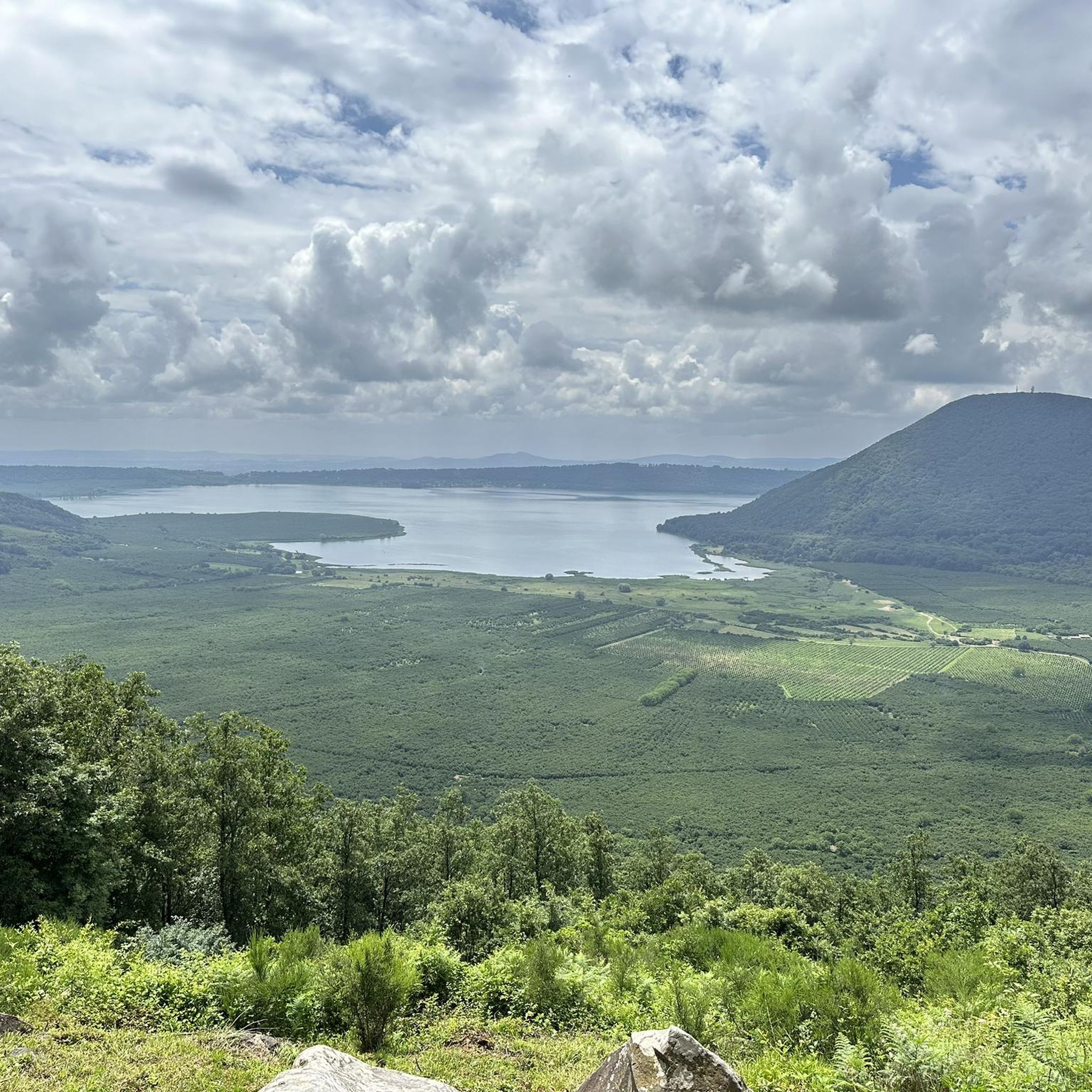
While the focus is on castles, the region offers natural beauty too. The Chia Tower and Etruscan Cave highlight a blend of historical structures within a natural setting, including nearby waterfalls. Many routes in the area, especially those around Monte Cimino, offer scenic views of the surrounding landscape. The Road Cycling Routes around Canepina guide mentions routes with views of Lake Vico.
What do visitors enjoy most about the castles and historical sites in this region?
Visitors frequently appreciate the well-preserved medieval character of towns like Viterbo and Vitorchiano. The historical depth of sites like the Viterbo Papal Palace and the architectural grandeur of the Palazzo Farnese of Caprarola are often highlighted. The blend of history with the natural surroundings, such as at the Chia Tower and Etruscan Cave, also receives positive feedback.
Is there public transport available to reach the castles around Canepina?
While specific public transport details for each castle vary, Canepina itself is a historic village in the Viterbo province. For detailed information on reaching specific sites like the Viterbo Papal Palace or Palazzo Farnese of Caprarola, it's advisable to check local transport schedules or consult resources like Visit Lazio for regional travel options.
When is the best time to visit the castles and historical sites near Canepina?
The Viterbo region, including Canepina, generally enjoys pleasant weather in spring (April-May) and autumn (September-October), making these ideal times for exploring historical sites and outdoor activities. Summers can be warm, while winters are milder but some attractions might have reduced hours. Always check specific opening times for individual castles before your visit.
Are there any hidden gem castles or less-known historical sites worth exploring?
While the main highlights are well-known, the region is dotted with smaller historical elements. The Anguillara Castle in Canepina, though partly converted to private residences, holds significant local history as an 11th-century military outpost. Exploring the medieval old town of Viterbo beyond the main square, or the perfectly preserved medieval village of Vitorchiano, can reveal many charming and less-crowded historical details.
Can I find cafes or restaurants near the castles for refreshments?
Yes, most towns hosting these historical sites, such as Viterbo, Caprarola, and Canepina, have local cafes and restaurants where you can enjoy refreshments or a meal. In Viterbo, the area around Piazza San Lorenzo offers several options. It's always a good idea to check local listings for specific establishments near your chosen destination.
Most popular attractions around Canepina

Get inspired with the komoot mobile app


Explore more
Looking for the best castles somewhere else? Discover other guides around Canepina:
