Top 5 Caves around Canepina
Best caves around Canepina are found in the surrounding Tuscia region, an area characterized by medieval towns, chestnut forests, and Etruscan and Roman historical traces. The landscape features volcanic formations and soft tuffaceous rock, which have led to the creation of both natural caves and impressive man-made underground structures. These geological and historical elements make the region a notable destination for exploring unique subterranean sites. Visitors can discover a variety of cave types, from natural volcanic formations to ancient rock-cut dwellings and sunken roads.
Best caves around Canepina
- The most popular caves is Hermitage of St. Jerome, a religious building and cave nestled in a beech forest. This hermitage is a mystical and engaging place, believed to be where Saint Jerome lived as a hermit.
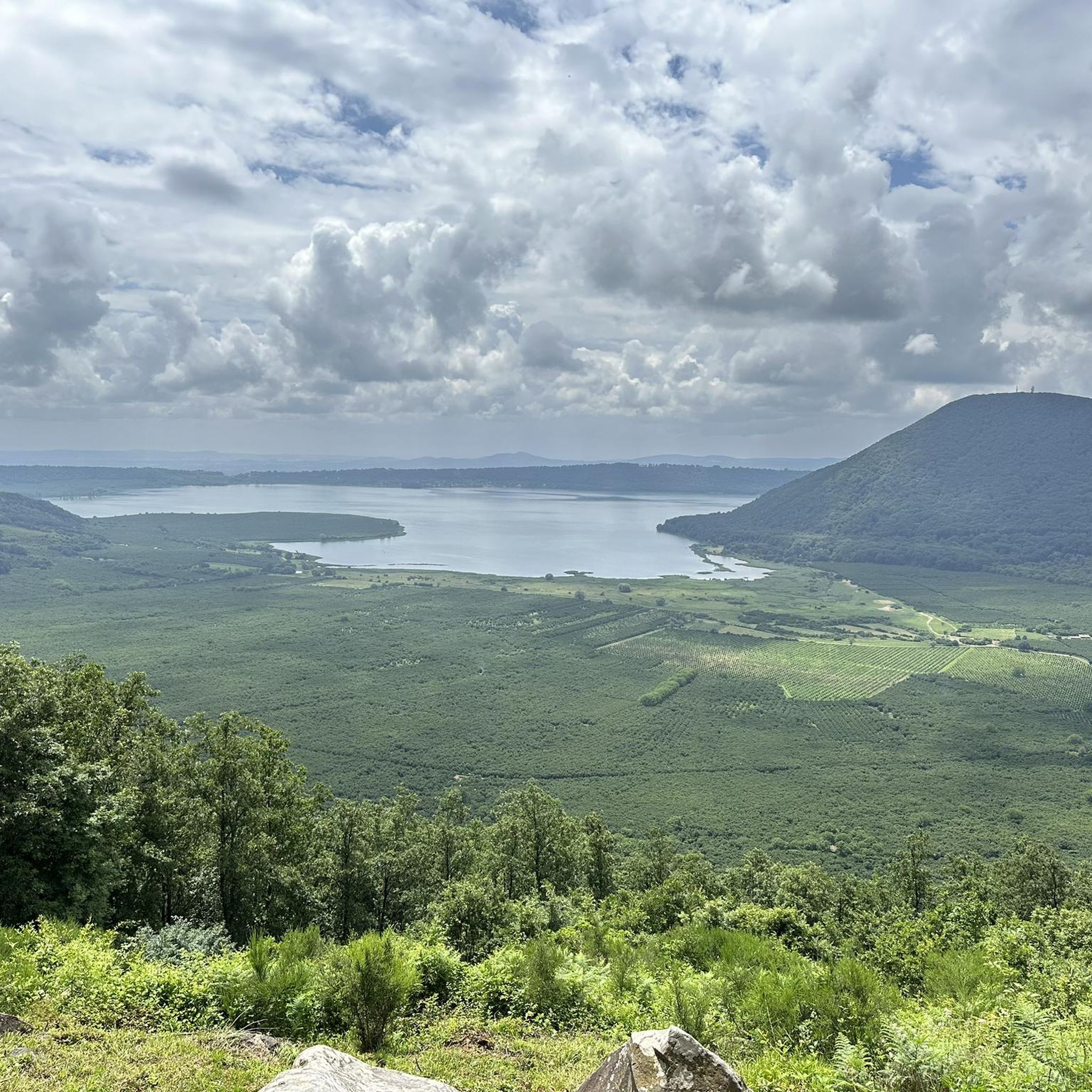
- Another must-see spot is Devil’s Well Cave (Monte Venere), a unique natural volcanic cave located on Monte Venere, near Lake Vico. It is distinguished as the only known volcanic cave in Italy's Lazio region and holds archaeological importance with pottery dating back to the 5th and 4th centuries B.C.
- Visitors also love Chia Tower and Etruscan Cave, a historical site featuring an Etruscan grotto near the waterfalls of Fosso Castello. This grotto provides evidence of Etruscan presence and spiritual practices, set against a backdrop of natural beauty and the iconic Torre di Chia.
- Canepina is known for natural volcanic caves, ancient Etruscan sunken roads, and rock-cut cave dwellings. The region offers a variety of subterranean experiences, from geological formations to historical human-made structures carved into the soft rock.
- The caves around Canepina are appreciated by the komoot community, with more than 55 upvotes and 40 photos shared by users.
Last updated: August 23, 2026
Devil’s Well Cave (Monte Venere)
Highlight • Cave
It is a mountain of volcanic origin that reaches a height of 835 m asl.
Translated by Google •
Tip by

Vie Cave of Corchiano
Highlight • Natural Monument
Translated by Google •
Tip by
Sign up now to discover places like this
Get recommendations on the best single tracks, peaks, & plenty of other exciting outdoor places.
Sign up for free
Hermitage of St. Jerome
Highlight • Religious Site
Translated by Google •
Tip by

Chia Tower and Etruscan Cave
Highlight • Historical Site
Translated by Google •
Tip by

Waterfalls and Caves on the Sentiero dei Mulini
Highlight • Waterfall
Translated by Google •
Tip by

Sign up for free to discover even more caves around Canepina.
Sign up for free
Already have an account?
Start today with a free account
Your next adventure awaits.
Login or Signup
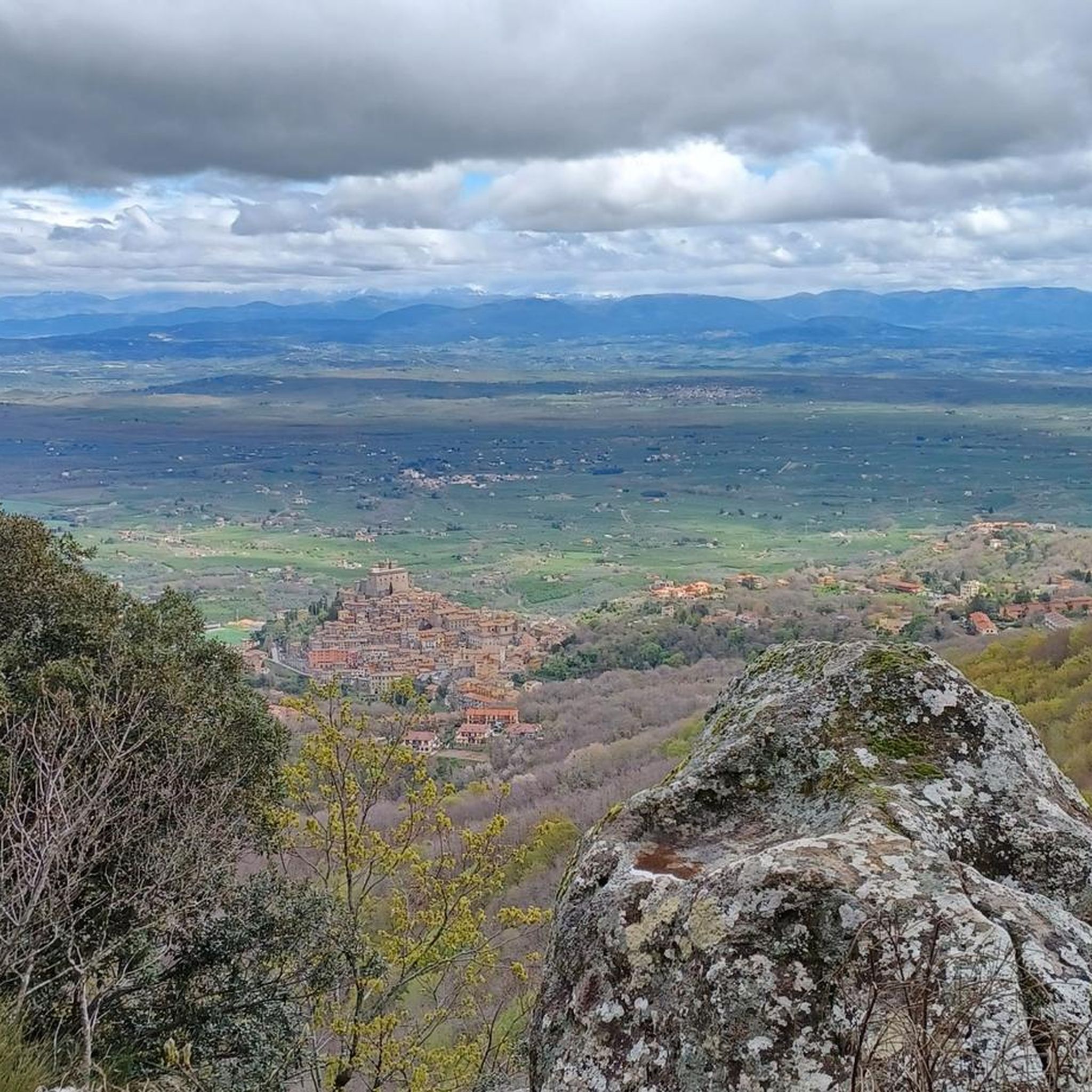
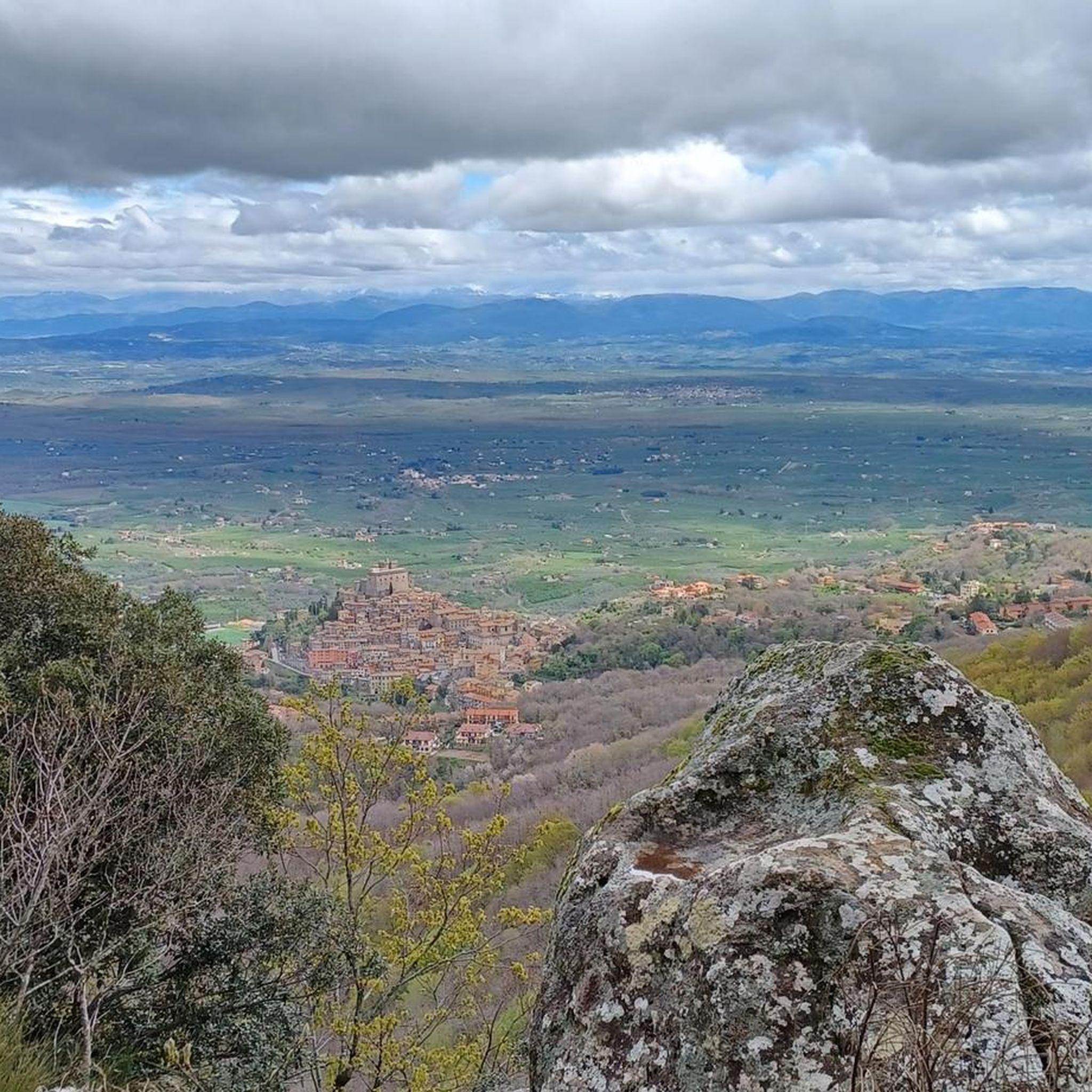
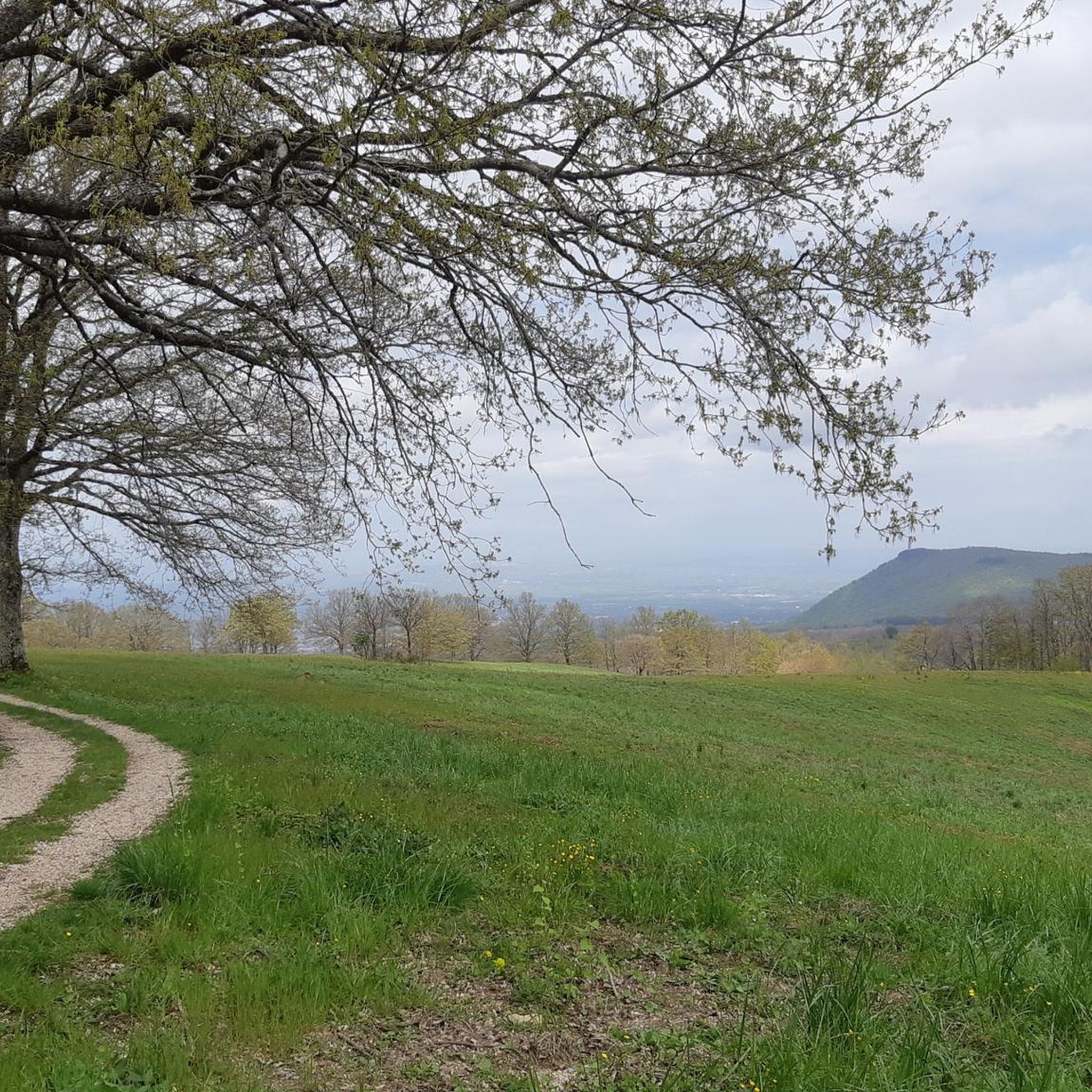
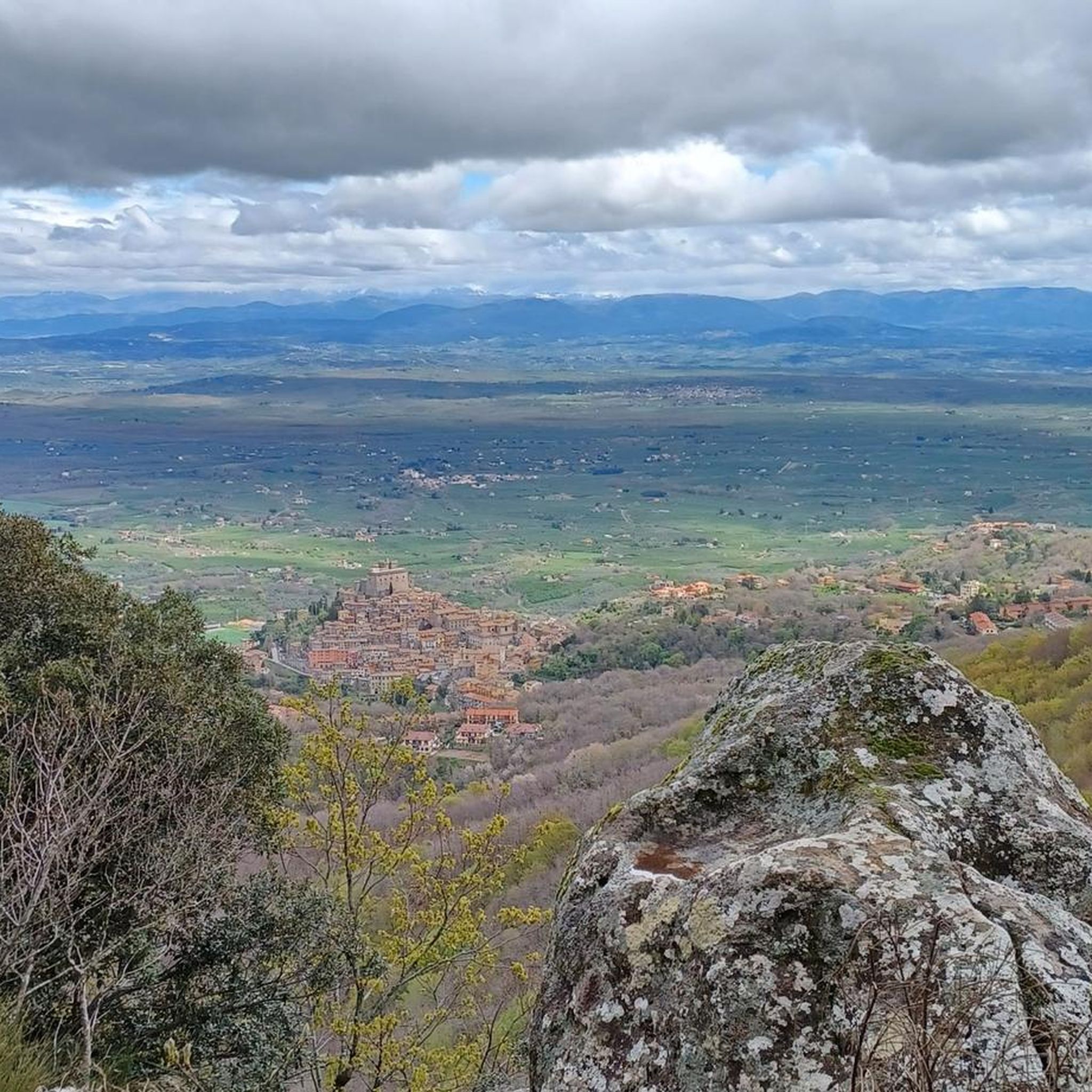

Tips from the Community

Following this path, just before reaching the devil's well, it is not clear where to go, the path disappears and also the white and red signs. We had to go a bit by intuition and take a very steep climb in the woods to get there. Once we reach the well, the path continues easily until the end.
0
1

Please note: The end of the Sentiero dei Mulini is closed off with a gate, so you cannot continue walking to Bomarzo or Mugnano in Teverina (which was our original intention), but you must return to the starting point via the same path.
0
0

Be careful not to lean out!
0
0

Walking along via S. Egidio, you will find the beginning of this short but very suggestive path inside a "via cava" (roads dug through the tuff that connected the bottom of the valley with the territories above and, in other areas, were also used to drain excess water from agricultural land). This via cava is full of caves dug directly into the tuff, probably used as stables or cellars to store wine or food.
0
0

It is a mystical and engaging place where Saint Jerome lived as a hermit
1
0

The path is accessed starting from the parking lot with paid entry.
0
0

Please don't enter into the cavity "Pozzo del Diavolo". It's a shelter for bats and people inside could create noise that disturbes colonies. It is also dangerous to enter: we must report several accidents occourred in this point. Download the official guide to the Vico Lake Nature Reserve at http://www.parchilazio.it/vico-pubblicazioni-413-guida_ufficiale_della_riserva_naturale_lago_di_vico
2
0
Please don't enter into the cavity anyway. It's a shelter for bats and people inside could create noise that disturbes colonies. It is also dangerous to enter: we must report several accidents occourred in this point.
1
1
Frequently Asked Questions
What types of caves can I explore around Canepina?
The region around Canepina offers a diverse range of subterranean experiences. You can find natural volcanic caves, ancient Etruscan sunken roads (vie cave), and fascinating rock-cut cave dwellings. These sites showcase both geological formations and historical human-made structures carved into the soft rock.
Are there any unique natural caves to visit near Canepina?
Yes, the Devil’s Well Cave (Monte Venere) is a unique natural volcanic cave located on Monte Venere, near Lake Vico. It is the only known volcanic cave in Italy's Lazio region and holds archaeological importance with pottery dating back to the 5th and 4th centuries B.C.
What historical Etruscan sites can I visit that are cave-like?
You can explore the Vie Cave of Corchiano, which are ancient, deeply incised paths carved into the soft tuffaceous rock by the Etruscans. These impressive man-made corridors often resemble cave-like tunnels and served as crucial connections between Etruscan settlements and necropolises. Another site is the Chia Tower and Etruscan Cave, a rock-cut formation believed to be a site of Etruscan rituals, set near the picturesque waterfalls of Fosso Castello.
Are there any ancient dwellings carved into rock near Canepina?
Yes, the Rock-Cut Cave Dwellings of Corviano offer a fascinating glimpse into centuries of human habitation. Located within the Monumento Naturale di Corviano, these dwellings vary from single-room structures to more complex multi-room setups, often featuring carved steps and skylights. The site also includes Etruscan and Roman remnants, and the ruins of a a medieval castle and church.
What is the best time of year to visit the caves around Canepina?
The caves and outdoor sites around Canepina are generally pleasant to visit during spring and autumn when temperatures are mild. Summer can be hot, but the shade within the caves and forests can offer some relief. Winter visits are possible, but some paths might be muddy or slippery.
Are there family-friendly options among the caves near Canepina?
Yes, the area around Chia Tower and Etruscan Cave is considered family-friendly, offering a simple walk to the site and nearby waterfalls. While some cave explorations might be more challenging, many of the historical and natural sites can be enjoyed by families.
What hiking trails are available near the caves around Canepina?
You can find various hiking opportunities in the area. For example, there are trails leading to the Devil’s Well Cave through a beautiful beech forest. For more extensive options, explore the MTB Trails around Canepina guide, which also features routes suitable for hiking, such as the Cimino Beech Forest trail.
What other outdoor activities can I do near Canepina's caves?
Beyond exploring caves and hiking, the region offers excellent opportunities for cycling and gravel biking. You can find detailed routes in the Cycling around Canepina and Gravel biking around Canepina guides. These guides feature routes that pass through scenic landscapes, including views of Lake Vico and the Monti Cimini.
Are the trails leading to the caves around Canepina dog-friendly?
Many of the natural trails and paths in the region, especially those within forests like the one leading to the Devil’s Well Cave, are generally dog-friendly. However, it's always advisable to keep dogs on a leash and ensure they are comfortable with the terrain, as some paths can be rocky or steep.
Is there a religious or spiritual cave site near Canepina?
Yes, the Hermitage of St. Jerome is a religious building and cave nestled in a beech forest. It is a mystical and engaging place, believed to be where Saint Jerome lived as a hermit, offering a unique spiritual experience.
Are permits required for caving in the Canepina area?
For general exploration of accessible historical sites and natural formations like the vie cave or the Devil’s Well Cave (from the outside), permits are typically not required. However, for technical caving or entering restricted natural caves in the Lazio region, specific permits might be necessary. It's recommended to check with local authorities or caving associations for detailed requirements.
What do visitors enjoy most about the caves around Canepina?
Visitors appreciate the blend of natural beauty and profound historical significance. The unique geological formations, such as the volcanic Devil’s Well Cave, combined with ancient Etruscan and medieval rock-cut structures, offer a captivating journey through time. The mystical atmosphere of sites like the Hermitage of St. Jerome and the immersive experience of walking through the vie cave are frequently highlighted.
Most popular attractions around Canepina

Get inspired with the komoot mobile app


Explore more
Extend your search for the best caves by checking out these guides of the top ones around Canepina:
