Top 6 Gorges around Castel Sant'Elia
Best canyons around Castel Sant'Elia are characterized by a dramatic landscape of deep gorges and canyons, often referred to as "forre." These geological formations are carved into volcanic tuff, offering a blend of natural beauty and historical intrigue. The region is known for its steep tuff cliffs, rich riparian vegetation, and ancient human presence, including Etruscan and Faliscan settlements. Visitors can explore paths winding through dense vegetation, connecting ancient bridges, waterfalls, and "vie cave" (Etruscan sunken roads).
Best canyons around…
Last updated: June 29, 2026
Corchiano Historic Village and Gorges
Highlight • Settlement
Translated by Google •
Tip by

Vie Cave of Corchiano
Highlight • Natural Monument
Translated by Google •
Tip by

Sign up now to discover places like this
Get recommendations on the best single tracks, peaks, & plenty of other exciting outdoor places.
Sign up for free
The Cavoni of Nepi
Highlight • Gorge
Translated by Google •
Tip by
Forre di Corchiano
Highlight • Gorge
Translated by Google •
Tip by

Wooden Bridge and Cavoni of Nepi
Highlight • Bridge
Translated by Google •
Tip by

Sign up for free to discover even more gorges around Castel Sant'Elia.
Sign up for free
Already have an account?
Start today with a free account
Your next adventure awaits.
Login or Signup

Tips from the Community

Walking along via S. Egidio, you will find the beginning of this short but very suggestive path inside a "via cava" (roads dug through the tuff that connected the bottom of the valley with the territories above and, in other areas, were also used to drain excess water from agricultural land). This via cava is full of caves dug directly into the tuff, probably used as stables or cellars to store wine or food.
0
0
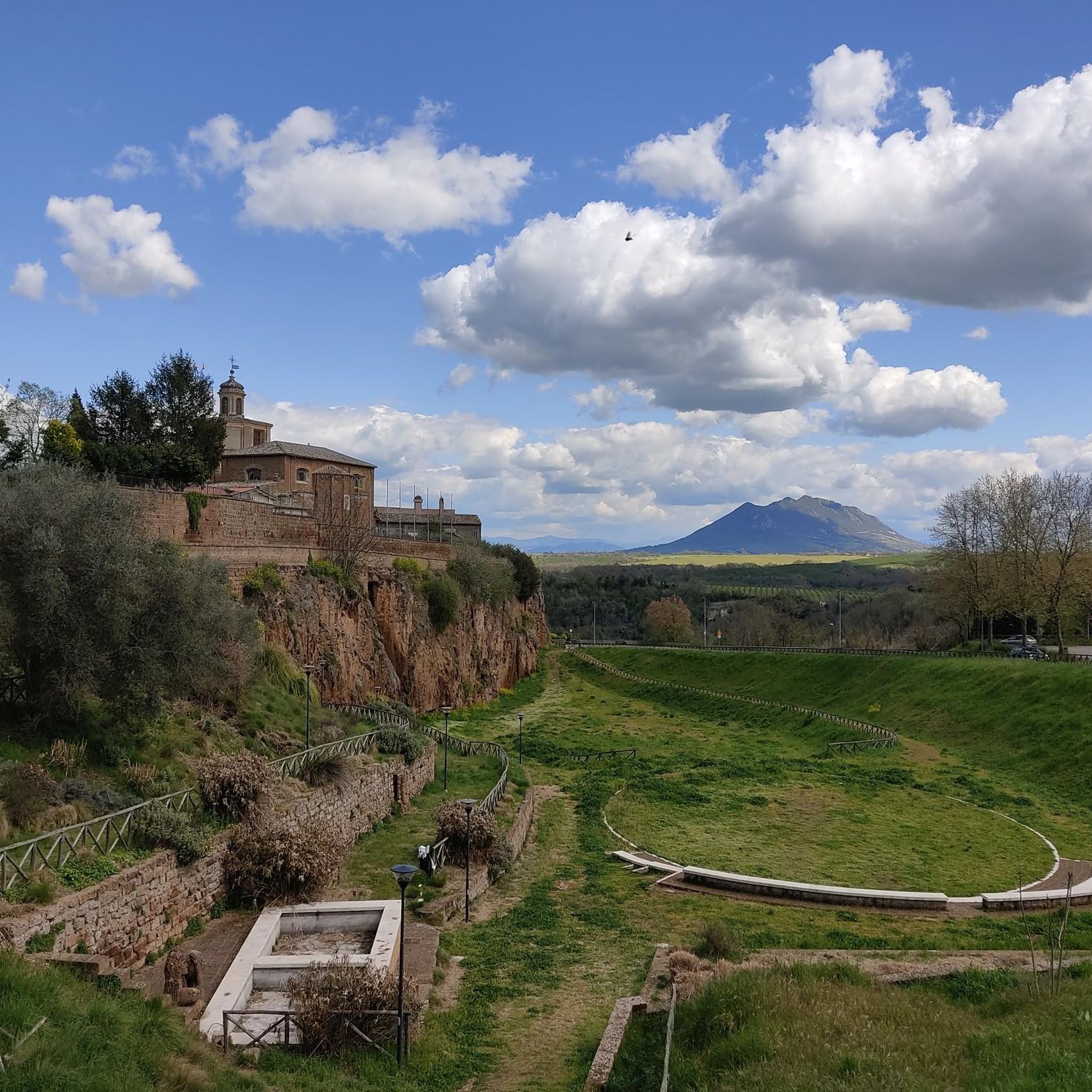
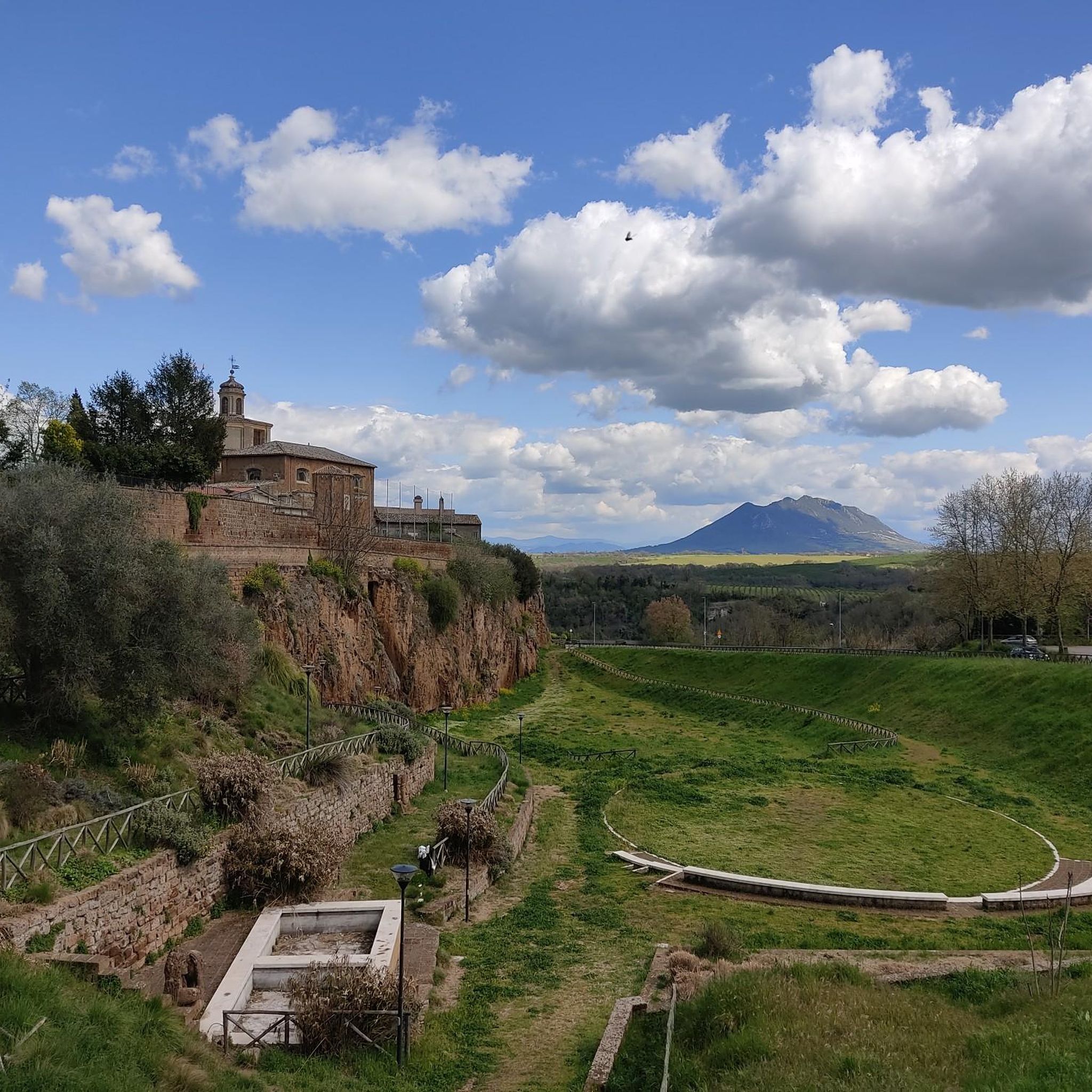
Corchiano is a small town in the province of Viterbo, apparently similar to many others, a little modest... and yet, it has become famous for some events, such as the infiorata, which is held at the end of May and sees the entire town involved in decorating a good part of the streets of the town with flower petals, colored sawdust, coffee grounds and in general any material that can be colored and applied in designs of great beauty. Then, in December, the living nativity scene takes place in a natural setting of great suggestion, finally, the exploration on foot of the ravines should not be overlooked, a true natural monument and archaeological site of great interest... in short, a place that is worth visiting. The difficulty in walking the paths, all equipped, is generally T (tourist) and suitable for all age levels.
1
0


Very suggestive place near the Nepi Cavoni and the beginning of the path that leads to the Picchio waterfall
0
0

The Cavoni appear very similar to the gorges and are one of the most important examples of the impressive engineering works of the ancient Falisci civilization. The communication routes of this ancient people were dug by hand in the tuff.
4
0
Corchiano is an ancient Faliscan city, a people who shared the dominion of Tuscia with the Etruscans. The village retains its medieval layout, with winding alleys and suggestive squares.
0
0
The Forre di Corchiano (vie cave) are works declared a natural monument. They are located in the town of Corchiano (which stands on a tufaceous cliff), the vie cave are a work created by man. It is a vertical cut to create a road that softens the sometimes harsh slopes of nature.
1
0

Impressive hand-carved rock paths. 3000 years old!!!
0
0
Frequently Asked Questions
What are the main canyon areas to explore near Castel Sant'Elia?
The region is known for its dramatic gorges, often called "forre," carved into volcanic tuff. Two prominent systems are the Valle Suppentonia, shaped by the Fosso di Castello (also known as Fosso della Mole Vecchia), and the Chia del Fosso Castello Waterfalls Park. Both offer a blend of natural beauty, historical sites, and outdoor activities.
What historical and archaeological sites can I find within these canyons?
The canyons are rich in history. In Valle Suppentonia, you can find the ancient Romanesque Basilica of Sant'Elia and numerous Etruscan caves, originally used for burials and later by monks. The area also features ancient bridges like the Ponte Medievale and Etruscan sunken roads known as "vie cave." The Corchiano Historic Village and Gorges is another significant site with Faliscan origins and a medieval layout.
Are there waterfalls to see in the canyons around Castel Sant'Elia?
Yes, the Chia del Fosso Castello Waterfalls Park is particularly known for its breathtaking waterfalls. These cascades emerge amidst dense vegetation and tuff rocks, offering a serene atmosphere. You can also find the Picchio waterfall near the Wooden Bridge and Cavoni of Nepi.
What are the "vie cave" and where can I experience them?
The "vie cave" are ancient sunken roads, often carved by hand into the tuff rock by the Etruscans and Falisci people. These impressive engineering works served as communication routes. You can explore them in areas like the Vie Cave of Corchiano, which are now a natural monument, and also within The Cavoni of Nepi, where paths dating back 3000 years are still visible.
Are there family-friendly trails in the canyons?
Yes, several areas offer trails suitable for families. The Corchiano Historic Village and Gorges has paths generally rated as tourist-friendly (T) and suitable for all ages. The Valle Suppentonia also features hiking trails with equipped fords that children can enjoy. The Chia del Fosso Castello Waterfalls Park includes a charming "Forest Elves Village" with small wooden houses, perfect for younger visitors.
What kind of outdoor activities can I do near the canyons?
Beyond exploring the canyons themselves, the area offers various outdoor activities. You can find excellent options for gravel biking, with routes like the 'Hazelnut plantations – Carchiano Gorges loop from Civita Castellana'. There are also numerous running trails, including a 'Loop trail running route from Nepi'. For more details on these activities, you can check the guides for Gravel biking around Castel Sant'Elia and Running Trails around Castel Sant'Elia.
What is the best time of year to visit the canyons around Castel Sant'Elia?
The canyons are beautiful year-round, but spring and autumn generally offer the most pleasant weather for hiking and exploring. During these seasons, temperatures are mild, and the vegetation is vibrant, making for comfortable and scenic visits. Summer can be warm, so early mornings or late afternoons are preferable for activities.
What natural features characterize the canyons of Castel Sant'Elia?
The canyons are defined by dramatic landscapes of deep gorges and steep tuff cliffs, a result of the region's volcanic past. They feature rich riparian vegetation, with paths winding through dense forests. Rivers and streams, like the Fosso di Castello, carve through the landscape, creating striking rock formations and supporting diverse plant life. The Carchiano Gorges, for instance, are crossed by a river and offer suggestive routes.
Are there any cultural connections or unique stories associated with these canyons?
Yes, the Chia del Fosso Castello Waterfalls Park has a notable cultural connection to Italian filmmaker Pier Paolo Pasolini. He was so captivated by the area that he filmed the baptism scene for his movie "The Gospel According to St. Matthew" there and later built a house nearby. There's even a path dedicated to Pasolini leading to the Torre di Chia.
What are the difficulty levels of the trails in the canyons?
The difficulty levels vary, offering options for different fitness levels. Many paths, such as those in the Corchiano Historic Village and Gorges, are generally considered easy (T - tourist) and suitable for all ages. Other trails, particularly those exploring the "vie cave" or leading to waterfalls, might be rated as intermediate due to uneven terrain or slight elevation changes. Always check specific route details before heading out.
Where can I find panoramic views of the canyons?
Several spots offer exceptional panoramic views. In the Valle Suppentonia, the Basilica of Sant'Elia, perched on a natural terrace, provides stunning vistas. Other great viewpoints include Piazza S. Anna and the pine forest adjacent to the Sanctuary S. Maria ad Rupes. The Carchiano Gorges also offer scenic viewpoints along their routes.
Most popular routes around Castel Sant'Elia
Most popular attractions around Castel Sant'Elia

Get inspired with the komoot mobile app


Explore more
Already discovered everything in this region? See additional gorges around Castel Sant'Elia for your next adventure:
