Top 5 Castles around Caramanico Terme
Best castles around Caramanico Terme are situated in a region characterized by its historic center, defensive architecture, and natural landscape within the Orta Valley. The area features remnants of ancient city walls and fortified villages, reflecting its historical need for protection. This setting provides a backdrop for exploring medieval fortresses and historical sites. The surrounding natural reserve offers a picturesque environment for these historical landmarks.
Best castles around Caramanico Terme
- The most popular castles is Pacentro Castle, a castle…
Last updated: June 29, 2026
Pacentro Castle
Highlight • Castle
Translated by Google •
Tip by

Fortified Village of Pacentro
Highlight • Settlement
Translated by Google •
Tip by

Sign up now to discover places like this
Get recommendations on the best single tracks, peaks, & plenty of other exciting outdoor places.
Sign up for free
Castello De Sanctis
Highlight • Castle
Translated by Google •
Tip by
Start today with a free account
Your next adventure awaits.
Login or Signup
Popular around Caramanico Terme
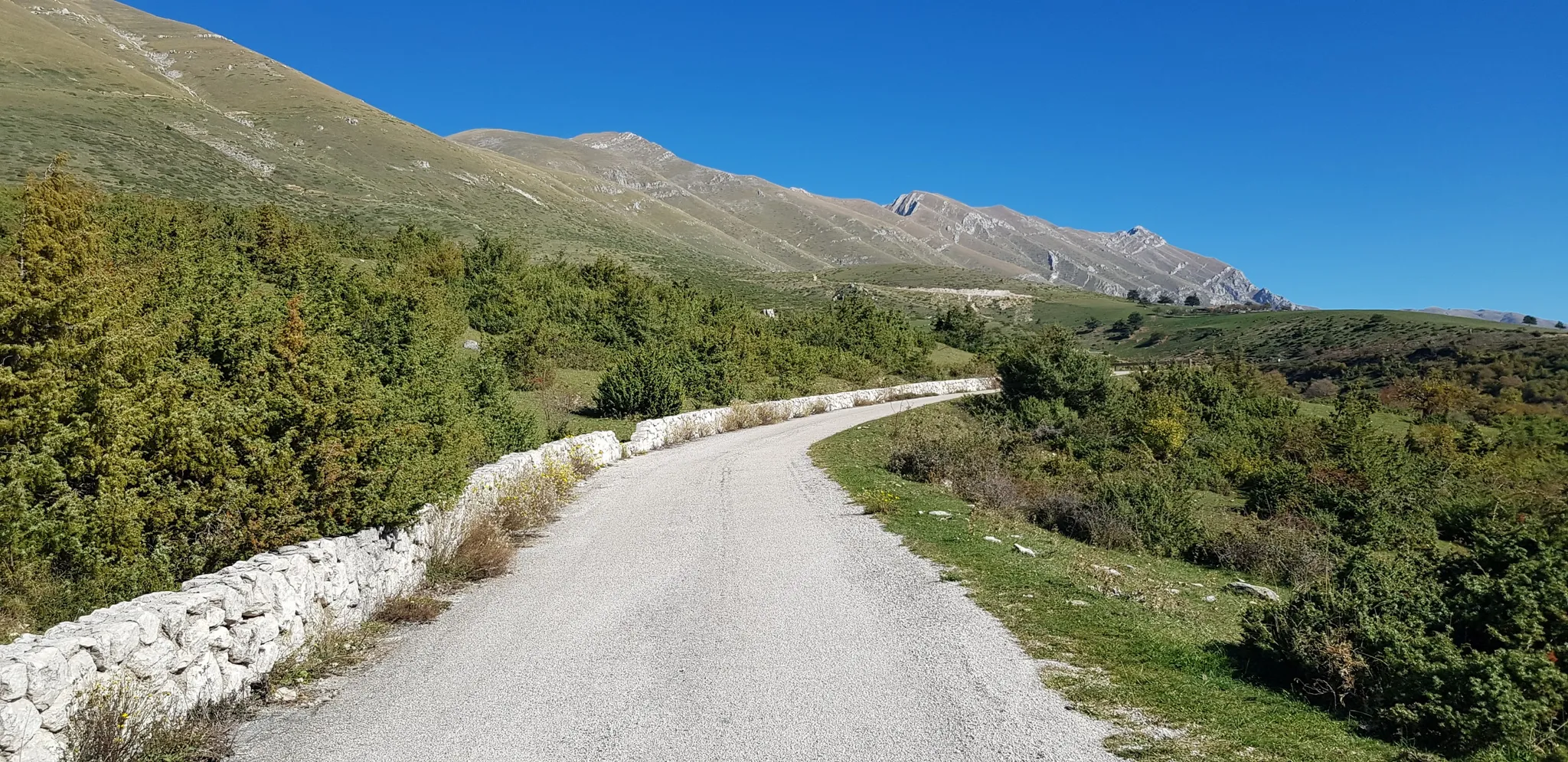
The Apennine Cycleway (Part 2) - From Umbria to Calabria
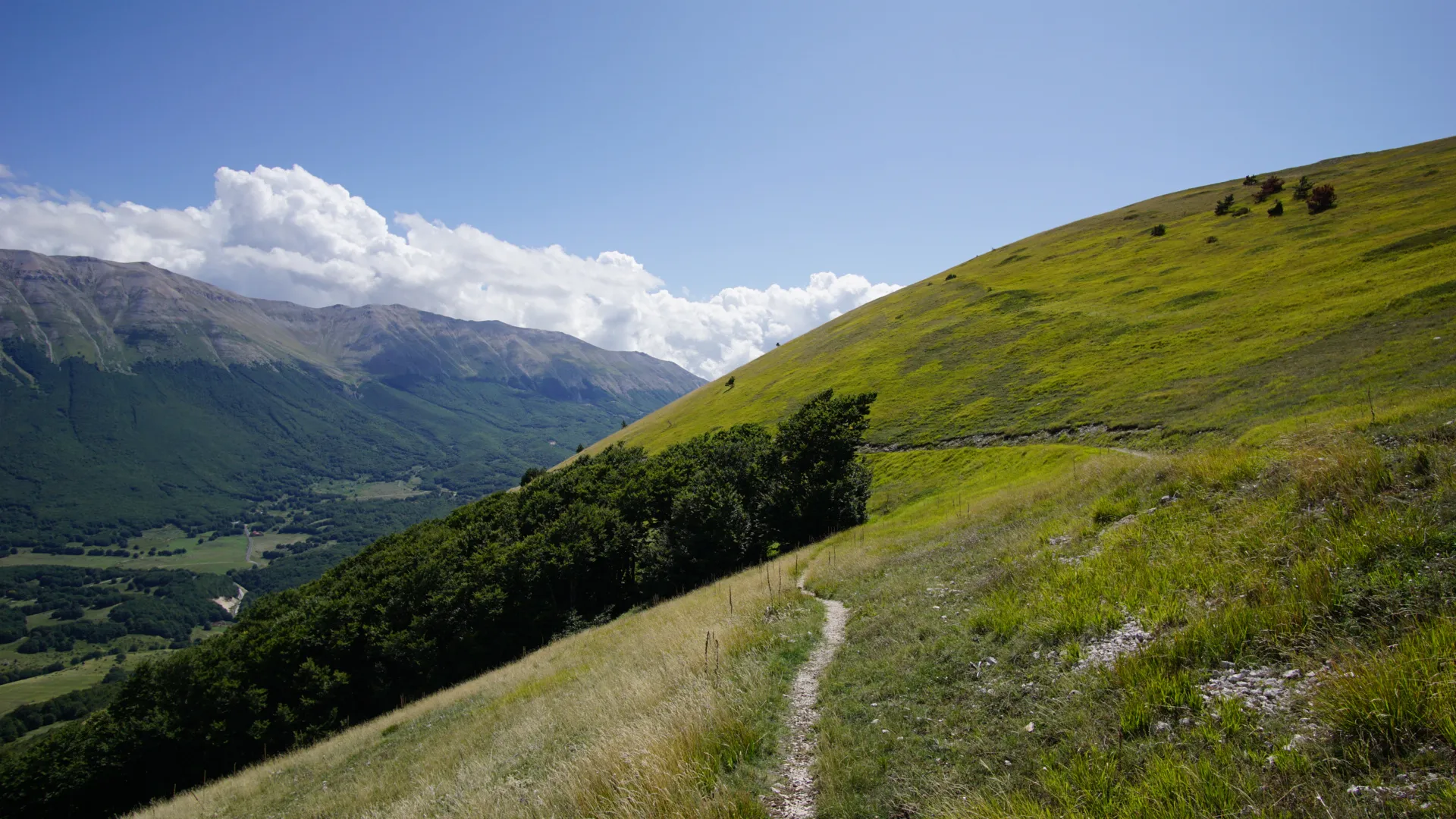
Exploring Italy’s Majella – Cammino di Celestino
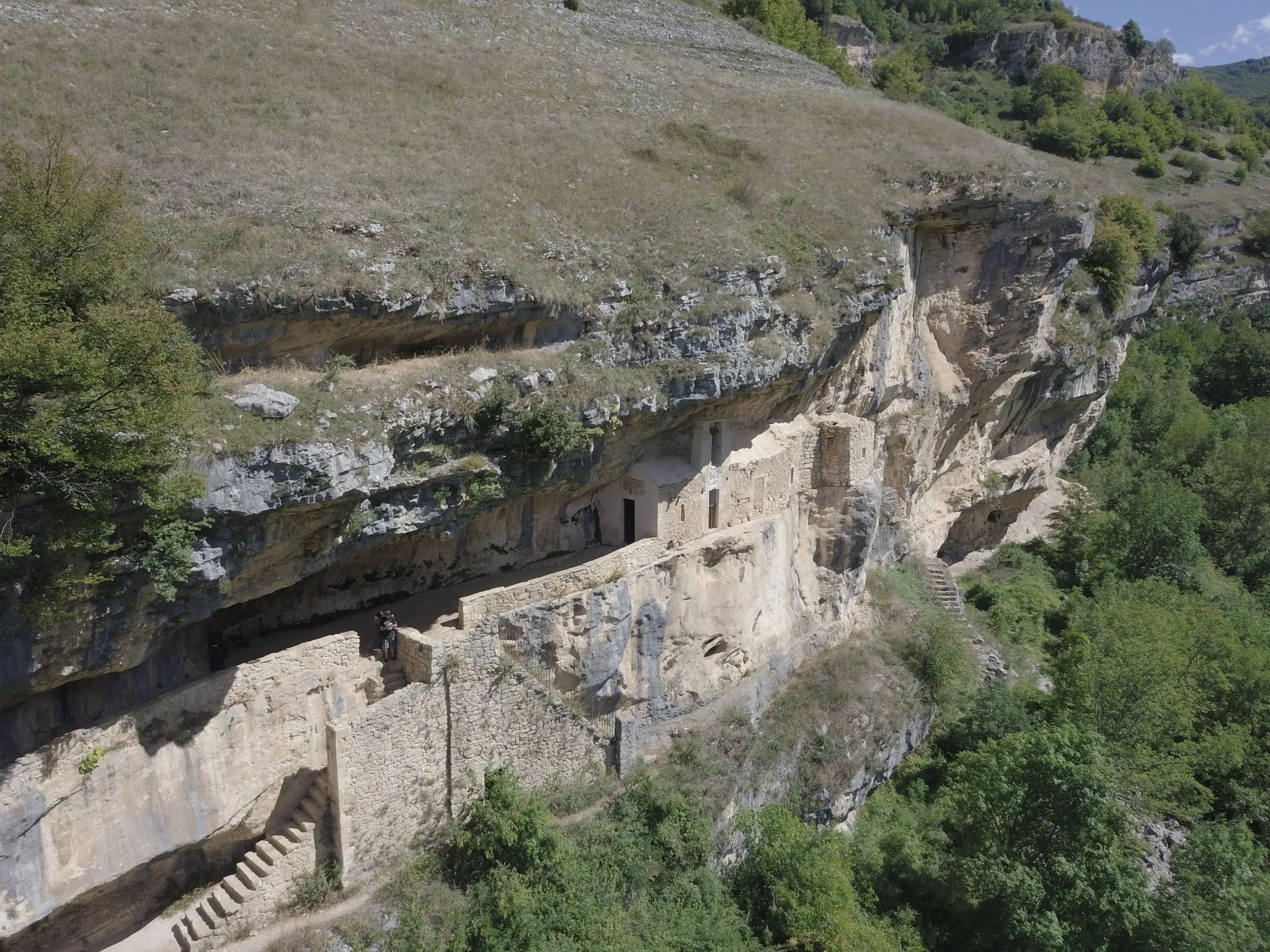
Hike Italy’s Majella National Park – Sentiero dello Spirito
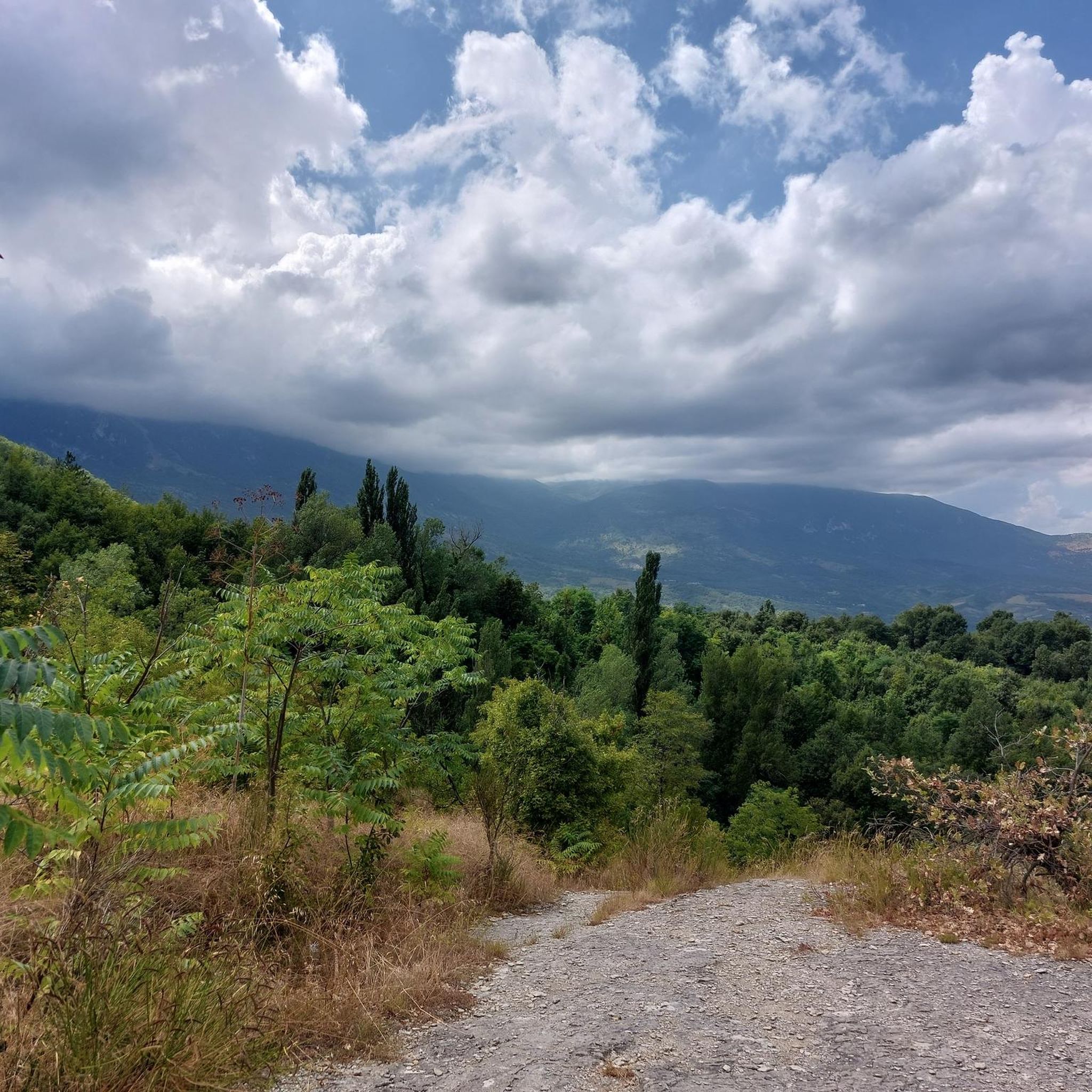
Hiking around Caramanico Terme
Cycling around Caramanico Terme
Road Cycling Routes around Caramanico Terme
MTB Trails around Caramanico Terme
Running Trails around Caramanico Terme
Gravel biking around Caramanico Terme
Other adventures around Caramanico Terme


Tips from the Community

Interesting, well-restored castle complex with worthwhile views from the tower of the entire old town of the medieval village of Pacentro and the beautiful surroundings.
0
0

From the town of Roccacasale, from the upper part of the town, an obvious mule track climbs halfway up the south-west ridge of Morrone to reach the Puzzacchio Refuge
0
0

The castle of Pacentro, located on the highest part of the village, at an altitude of 718 m. on Mount Morrone, it is one of the best preserved fortified structures in Abruzzo.
10
0
The castle of Pacentro, at an altitude of 718 meters on Mount Morrone, is one of the best preserved fortified structures in Abruzzo.
10
0

The castle deserves a stop and a visit. The visit has an entrance fee of 2 euros
1
0
Among the most beautiful villages in Italy! Neat little streets and a really welcoming place!
0
0

The castle of the barons De Sancts is located upstream of the town of Roccacasale, on the slopes of Monte Morrone, in a dominant position with respect to the road that connects Popoli and Sulmona. Its function of sighting and defense has certainly guaranteed, over the centuries, the survival of the small residential complex built at its feet. According to tradition, the castle was founded in 925 by the will of the count of Spoleto in order to prevent the Arabs from reaching the connections of the Sangro Valley and the Cinquemiglia Plateau. Subsequently, the structure was managed by the Cantelmo family and then in the 16th century it became the domain of the barons De Sanctis, until 1803 when it was destroyed following the Napoleonic invasion. During the nineties the entire complex was subjected to a conservative restoration and the building in the area further downstream to an architectural and functional recovery.
0
0
The fortified complex stands guard over the Peligna Valley. The castle of Pacentro is the oldest in Abruzzo as it was mentioned for the first time in 951 AD. The castle develops around a trapezoidal-shaped internal courtyard: originally four buildings united the perimeter towers, defining a powerful defensive structure of which, in the second half of the 15th century, the complex reached its definitive, largely stratified structure. Towards the end of the fourteenth century. the construction of the three internal towers ends, while that of the cylindrical corner bastions in the 16th century. The castle belonged to the Caldora family in the 14th century. , to then pass to the Orsinis, the Colonnas and finally to Matteo Barberini. In 1957 it became the property of the municipality of Pacentro. After numerous restorations, part of the castle can now be visited with the possibility of accessing one of the torridas where you can enjoy the beautiful panorama of the Peligna Valley. The decorative apparatus reveals a Renaissance matrix close to the results of the bell tower cornice. The "Tower of Possession or King" is the northwest tower behind the drawbridge. It is about 25 meters high and has the particularity of having five sides. Its name derives from the fact that in the Middle Ages and up to the 1600s the feudal lord, taking possession of the feud, climbed this tower to watch the territory on which he acquired possession. The "ghost tower" is the tower located to the north-east and is also the most artistically precious. Its name derives from a story handed down on Baron Roberto De Luczinardo who had the likeness of his beautiful wife Margherita De Braj sculpted, who died of a broken heart in learning the false news of his death. It is believed to have been built in the 14th century and is 27.45 meters high. The "siege tower"n located to the southeast is according to the most recent theories, the oldest one. It is 12.95 meters high, according to a recent hypothesis its partial collapse would be attributable to the siege suffered by the castle in 1230 by the imperial army of Frederick II. Hours: Sunday – Monday 10-13 15-19
2
0
Frequently Asked Questions
What are some notable castles to visit near Caramanico Terme?
Near Caramanico Terme, you can explore several historically significant sites. The Pacentro Castle is one of Abruzzo's best-preserved fortified structures. Another must-see is the Fortified Village of Pacentro, which offers a glimpse into medieval life with its ancient alleys and city wall remains. Additionally, the Castello di Salle, located in the Orta Valley Nature Reserve, is an imposing national monument with origins dating back to the 10th century.
Are there any castles directly within Caramanico Terme?
Caramanico Terme itself has a historic center with defensive architecture, including remnants of ancient city walls. The upper part of the village once housed a castle, which is now in ruins. While not a fully preserved castle, the defensive character of the village's medieval layout, with its narrow alleys and stone homes, reflects its historical need for protection.
Which castles offer the best views of the surrounding area?
Many castles in the region are strategically located for defense and offer excellent panoramic views. The Pacentro Castle and the Fortified Village of Pacentro both provide great viewpoints. The Castello De Sanctis is also in a dominant position on the slopes of Monte Morrone, overlooking the road connecting Popoli and Sulmona, offering expansive vistas.
Are there any castles with museums or special exhibits?
Yes, the Castello di Salle houses the Medieval Bourbon Museum. This museum displays collections of ancient weapons, historical documents, and aristocratic artifacts, offering a deep dive into the region's past.
Do any castles have unique legends or folklore associated with them?
The Castello di Salle is steeped in local legends. These include tales of the ghost of 'La Stecchina,' a 14th-century woman, and a hidden imperial treasure believed to have been buried by Emperor Valentinian III. It's also said that Napoleon Bonaparte once slept in one of its rooms.
Are there family-friendly castles to visit near Caramanico Terme?
The Castello di Salle is considered family-friendly. Its historical significance, museum, and intriguing legends can captivate visitors of all ages. The presence of an Italian garden and nearby equipped areas also makes it suitable for families.
Can I combine a castle visit with outdoor activities like hiking or cycling?
Absolutely! The region around Caramanico Terme is rich in outdoor opportunities. You can find numerous running, road cycling, and mountain biking trails. For example, there are challenging running routes like the 'Path of Peace - Stage 8' or scenic road cycling routes such as 'Passo San Leonardo – Pacentro Castle loop'. You can explore more options on the Running Trails around Caramanico Terme, Road Cycling Routes around Caramanico Terme, and MTB Trails around Caramanico Terme guide pages.
Are there any circular walks that include castles?
While specific circular walks directly encompassing multiple castles aren't detailed, many routes in the area pass near or through historical settlements and viewpoints. For instance, the 'Salle e Roccacaramarico – giro ad anello' MTB trail, though for cycling, suggests a circular path through these areas, indicating potential for walking routes that incorporate historical sites. You can find more route ideas on the running and MTB guides for the region.
What is the best time of year to visit the castles around Caramanico Terme?
The best time to visit the castles and the Caramanico Terme region is generally during spring (April-June) and autumn (September-October). During these seasons, the weather is typically mild and pleasant for exploring historical sites and enjoying outdoor activities in the surrounding natural reserves. Summer can be warm, while winter might bring colder temperatures, especially at higher altitudes.
Are there any less-known or 'hidden gem' fortified villages worth exploring?
Beyond the more prominent castles, the village of Pretoro is a small village included in the list of Italy's most beautiful villages. It's positioned on a hill with a typical pyramidal plan culminating in a castle, suggesting its ancient defensive origins. Its name, Castrum Preaturis, means 'a castle guarding the valley.' Roccacaramanico is also mentioned as a fortified village nearby, offering a glimpse into the region's historical settlements.
What kind of historical significance do the castles in this region hold?
The castles and fortified villages around Caramanico Terme hold significant historical importance, often serving dual purposes as defensive strongholds and noble residences. Many, like the Castello di Salle, have origins predating the year 1000, protecting fiefs and later housing prominent families. They reflect centuries of strategic importance, guarding routes and settlements, and have witnessed various historical periods, from medieval times through to the Bourbon era.
Most popular routes around Caramanico Terme
Most popular attractions around Caramanico Terme

Get inspired with the komoot mobile app


Explore more
Looking for the best castles somewhere else? Discover other guides around Caramanico Terme:
