Top 6 Caves around Pacentro
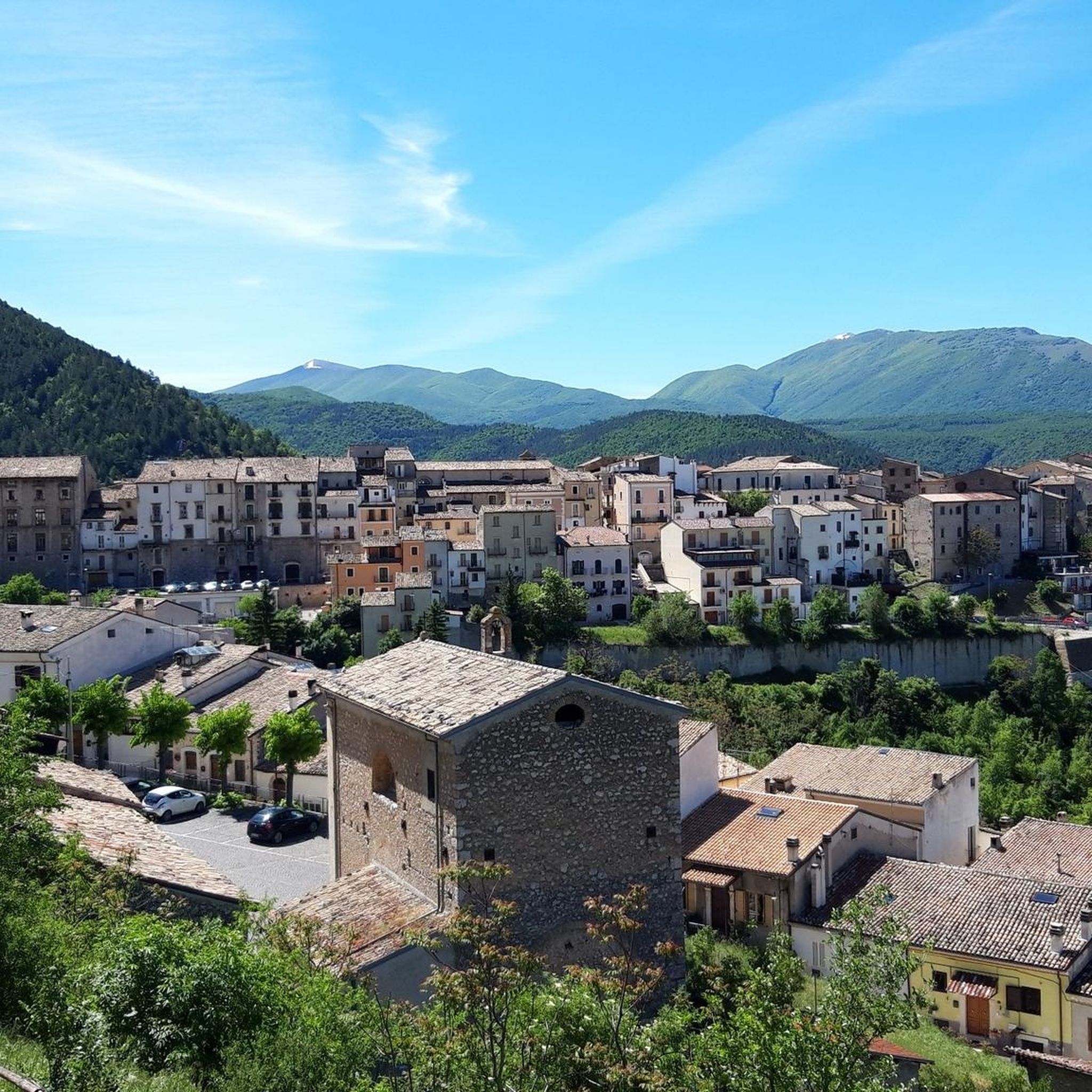
Best caves around Pacentro are nestled within the Majella National Park in Abruzzo, Italy, a region known for its medieval village and mountainous terrain. This area features a combination of natural caves and historical sites, including ancient hermitages carved into the rock. Visitors can explore locations that reveal both geological formations and significant archaeological findings. The landscape offers diverse opportunities for discovering the region's natural and cultural history.
Best caves around Pacentro
- The most popular caves is Hermitage of St. John at the Orfento, a religious building and cave that is ideal for summer visits due to cooler mountain temperatures. The entrance to this hermitage, while challenging, offers a rewarding experience.
- Another must-see spot is Cantrella Cave, a natural cave. In the past, this cave was utilized for forage for sheep and for the cultivation of various crops.
- Visitors also love Sant'Angelo Cave, a historical site and cave. Located at about 800 meters high, it features a wide entrance and a church first mentioned in 1221.
- Pacentro is known for natural caves, historical sites, and religious buildings often integrated into the rock formations. These sites offer insights into ancient human habitation and spiritual traditions.
- The caves around Pacentro are appreciated by the komoot community, with more than 39 photos and 20 upvotes shared by visitors.
Last updated: August 23, 2026
Grotta del Cavallone
Highlight • Cave
Showing Translation
Tip by

Hermitage of St. John at the Orfento
Highlight • Religious Site
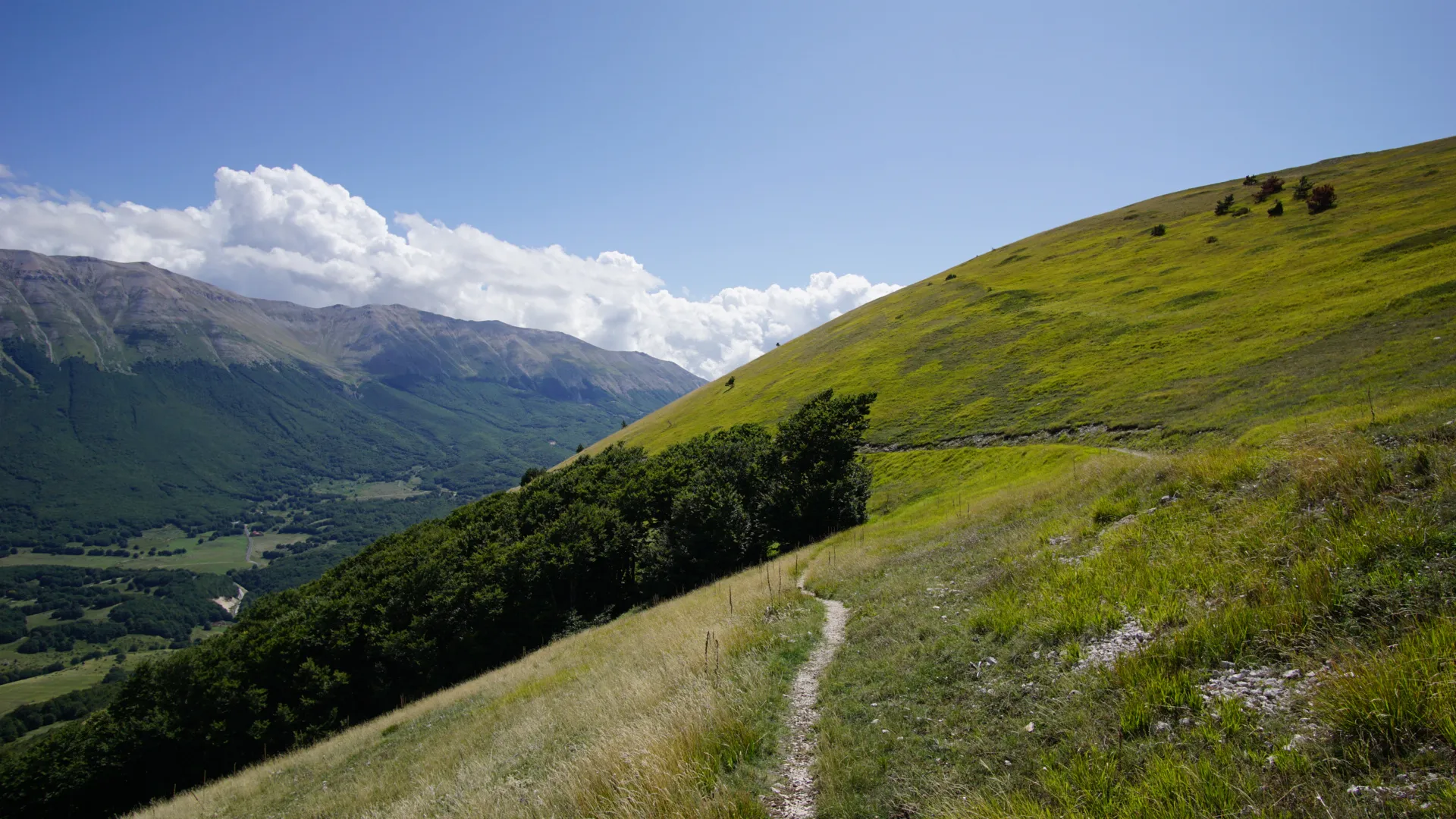
If you love forest walks, the trails around here are great. The entrance to the Hermitage is not for the faint of heart, but the feeling you get at the end is worth it.
Plan to bring food with you, as the walks can be long and there is nothing at the top.
Translated by Google •
Tip by

Sign up now to discover places like this
Get recommendations on the best single tracks, peaks, & plenty of other exciting outdoor places.
Sign up for free
Cantrella Cave
Highlight • Cave
Translated by Google •
Tip by

Sant'Angelo Cave
Highlight • Cave
Translated by Google •
Tip by
San Michele Cave
Highlight • Cave
Translated by Google •
Tip by

Sign up for free to discover even more caves around Pacentro.
Sign up for free
Already have an account?
Start today with a free account
Your next adventure awaits.
Login or Signup


Tips from the Community

Very suggestive caves, with competent and helpful tourist guides; the visit lasts about an hour and covers about 1 km entirely inside the cavities. The temperature is constant around 10°C, with 96% humidity: therefore, adequate clothing is recommended. Located at 1475 meters above sea level, they are reachable both on foot via a path and by a low-cost cable car. Once you get off the cable car, you need to climb about 250 steps to reach the cave entrance. It is important to buy the ticket in advance: visits are exclusively guided and available in specific time slots, which vary depending on the time of year. It is advisable to call before organizing an excursion, as the opening hours of the guided tours are limited.
1
0

Nature. Spirituality. Effort. Journey. Joy
0
0

Amazing place!!!
0
0
It is a wonderful place located a few steps from the Roccacasale Tower, the view is beautiful
0
0
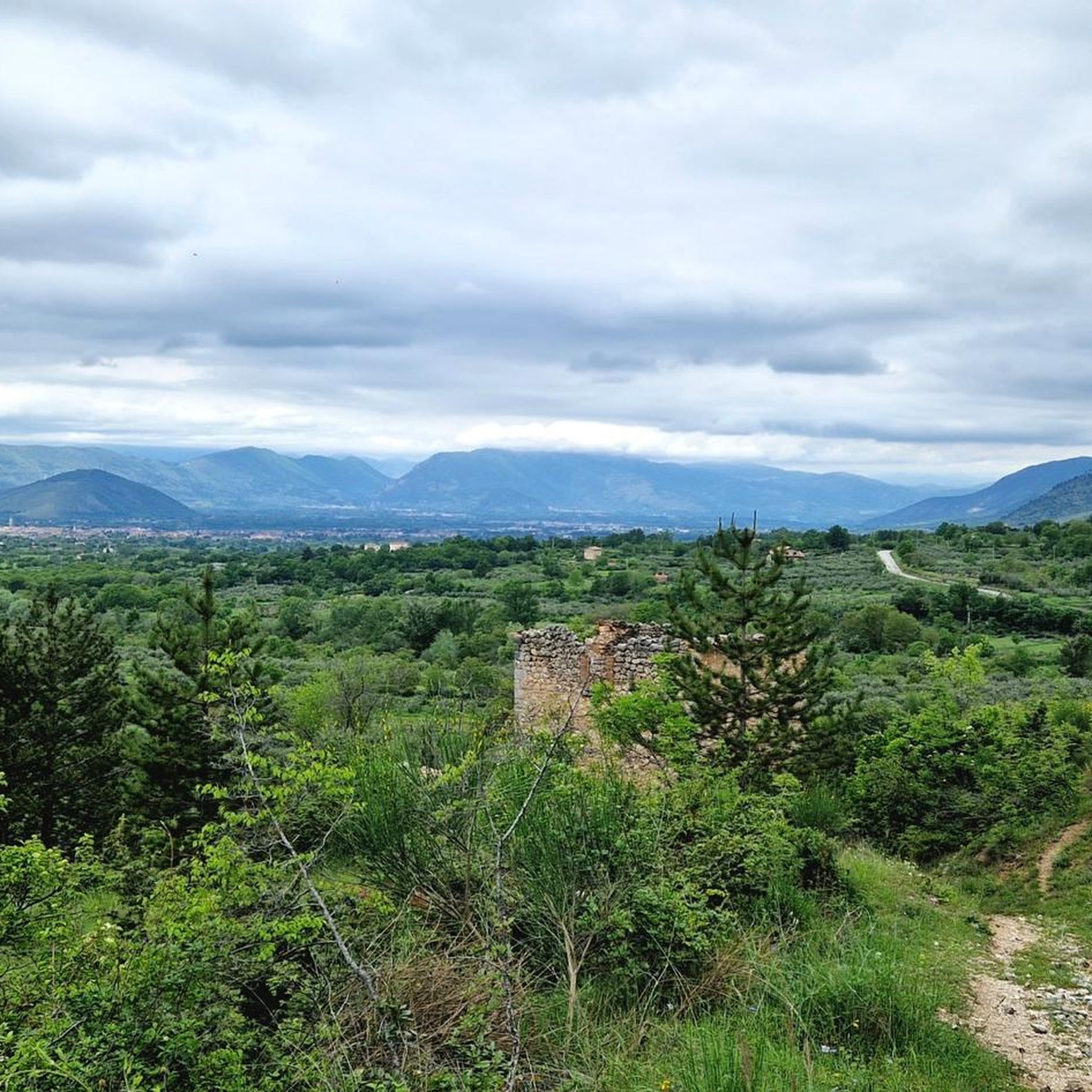
The cave is located just before the Torre di Roccacasale, it is worth a visit and can be reached by a wonderful "singletrack"
0
0

The Hermitage of San Giovanni all'Orfento is an ideal place to go in the summer, when it's cooler in the mountains. Here the snow persists from October to April, so keep that in mind when choosing your shoes. If you love forest walks, the trails around here are great. The entrance to the Hermitage is not for the faint of heart, but the feeling you get at the end is worth it. Plan to bring food with you, as the walks can be long and there is nothing at the top.
3
0

The Grotta Sant'Angelo is located about 800 meters high, under a huge rock and with an entrance 35 meters wide. The church is first mentioned in 1221.
1
0
In the past, the Grotta di Cantrella was used for forage for sheep, for the cultivation of tomatoes, beans and grapes.
1
0
Frequently Asked Questions
What are the most historically significant caves or rock formations near Pacentro?
Pacentro and its surroundings are rich in historical sites. The Sant'Angelo Cave, located at about 800 meters high, features a wide entrance and a church first mentioned in 1221. Additionally, the Grotto of Colle Nusca, a short distance from Pacentro's historic center, is renowned for its prehistoric rupestrian paintings dating back to the 5th and 4th millennium BCE, offering insights into ancient human habitation.
Are there any caves or hermitages near Pacentro with religious significance?
Yes, several sites hold religious importance. The Hermitage of St. John at the Orfento is a religious building and cave, ideal for summer visits. The Sant'Angelo Cave also houses a church mentioned as early as 1221. Furthermore, the San Michele Cave and the Rock Chapel of Ripa Rossa are other notable religious sites integrated into the rock formations.
What is the best time of year to visit the caves around Pacentro?
The summer months are often recommended for visiting the caves and hermitages around Pacentro, especially for sites like the Hermitage of St. John at the Orfento, where cooler mountain temperatures provide a pleasant experience. Be aware that snow can persist in higher elevations from October to April.
Are there family-friendly caves or activities near Pacentro?
While specific 'family-friendly' designations for individual caves are not provided, exploring the historical and natural sites like the Grotto of Colle Nusca with its ancient paintings can be an engaging educational experience for families. The natural beauty and historical context of the hermitages also offer unique learning opportunities.
What kind of outdoor activities can I do near the caves around Pacentro?
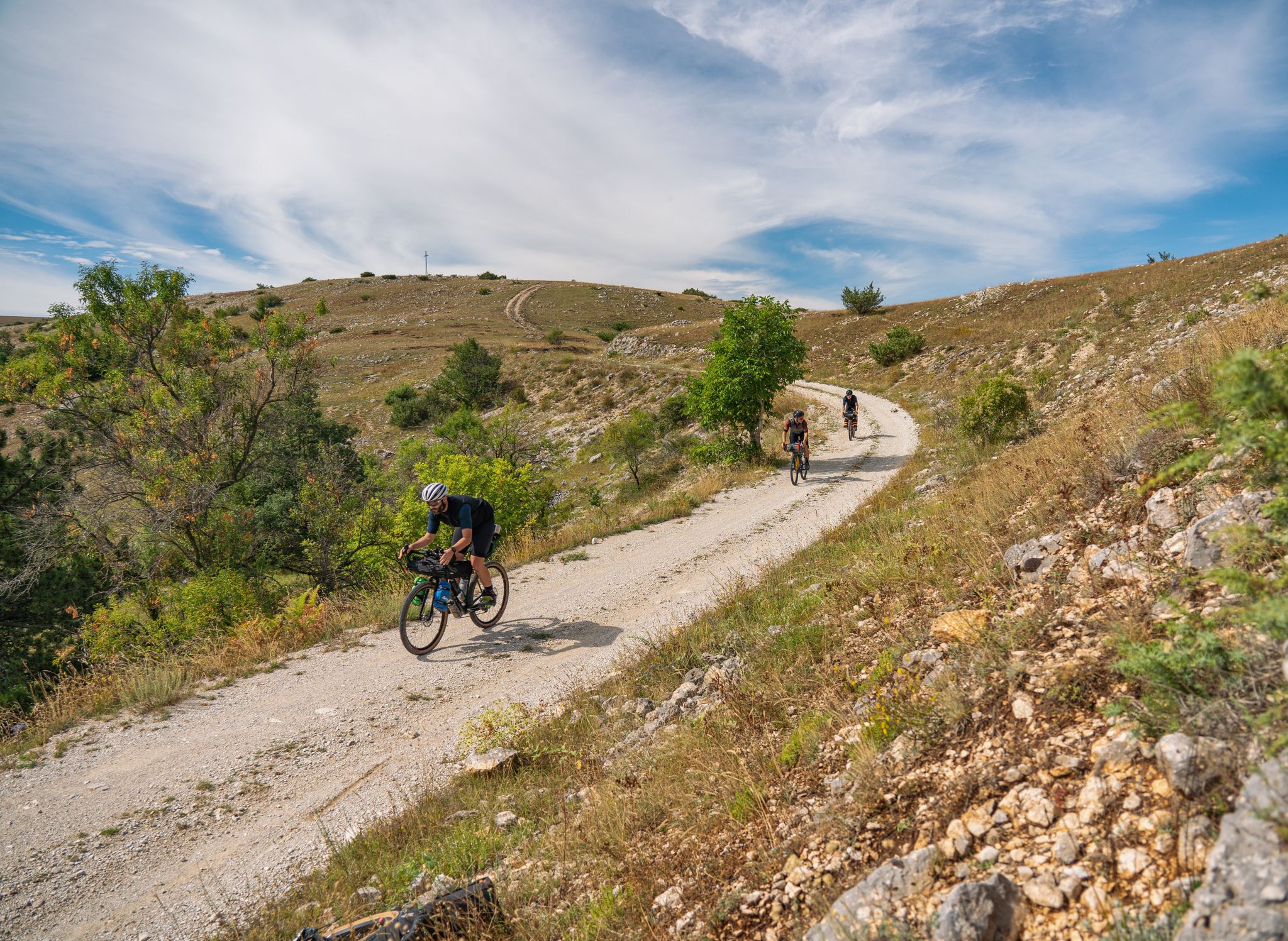
The area around Pacentro, within the Majella National Park, offers diverse outdoor activities. You can find numerous running trails, road cycling routes, and general cycling routes. These routes often pass through scenic landscapes and near some of the region's natural and historical sites.
Are there any caves near Pacentro that were used for practical purposes in the past?
Yes, the Cantrella Cave is a notable example. In the past, it was utilized for storing forage for sheep and for the cultivation of various crops like tomatoes, beans, and grapes, showcasing its historical importance to local agricultural practices.
What should I wear when exploring caves and hermitages in the Pacentro area?
Given the mountainous terrain and the nature of cave exploration, it's advisable to wear sturdy shoes suitable for walking on uneven surfaces. For sites like the Hermitage of St. John at the Orfento, where snow can persist, appropriate footwear is crucial. Layered clothing is also recommended to adapt to temperature changes, especially inside caves or at higher elevations.
Are there any viewpoints near the caves around Pacentro?
Many of the cave and hermitage sites in the region offer stunning views due to their elevated positions within the Majella National Park. For instance, the San Michele Cave is located near the Torre di Roccacasale and offers a wonderful view.
What is the difficulty level for accessing the caves and hermitages near Pacentro?
Access difficulty varies by site. Some, like the entrance to the Hermitage of St. John at the Orfento, are described as challenging but rewarding. Other sites, such as Cantrella Cave and Sant'Angelo Cave, are generally considered intermediate in difficulty.
What do visitors enjoy most about the caves and rock formations around Pacentro?
Visitors frequently appreciate the blend of nature, spirituality, and history found in the region. The unique experience of exploring ancient hermitages carved into rock, the challenging yet rewarding journeys to reach them, and the sense of joy and connection to the past are often highlighted. The natural beauty of the Majella National Park also contributes significantly to the overall appeal.
Are there any specific archaeological findings associated with the caves near Pacentro?
Yes, the Grotto of Colle Nusca, located near Pacentro, is particularly significant for its prehistoric rupestrian paintings. These ancient artworks, created with red ochre, depict hunting scenes with human figures and animals, providing valuable archaeological insights into the daily life and beliefs of early inhabitants from the 5th to 4th millennium BCE.
Can I find food or accommodation near the caves and hermitages?
While the hermitages and caves themselves are often in remote natural settings, Pacentro village offers amenities such as cafes and accommodation. For longer walks or explorations, it's recommended to bring your own food and water, as facilities may not be available directly at the sites.
Most popular attractions around Pacentro

Get inspired with the komoot mobile app


Explore more
Extend your search for the best caves by checking out these guides of the top ones around Pacentro:
